
REVIEW · KATHMANDU
Everest Base Camp Trek – 14 Days
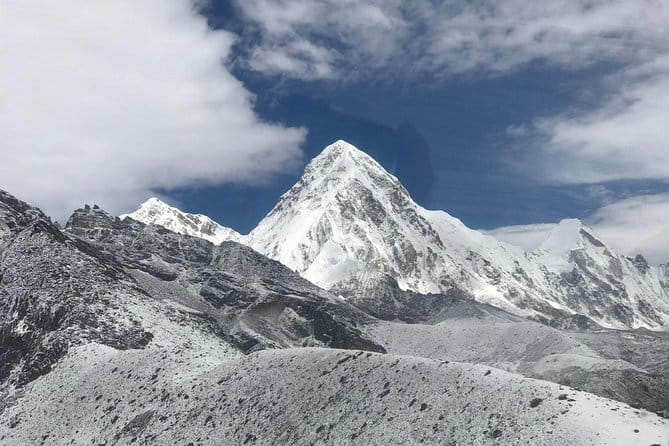
The great prize here is not simply reaching Everest Base Camp. It is the gradual change from pine forest and river valleys to a stark world of glaciers, prayer flags, stone villages, and towering Himalayan peaks. You also climb Kala Patthar, listed at 5,545 meters, for one of the finest mountain viewpoints on the route.
I like the careful acclimatization days in Namche Bazaar and Dingboche, and I like that flights, mountain lodging, meals, airport transfers, and permits are arranged in one package. The main caution is altitude. This is a serious trek, not a long sightseeing walk, and flight delays or rough weather can affect the schedule.
Key points to know before you book
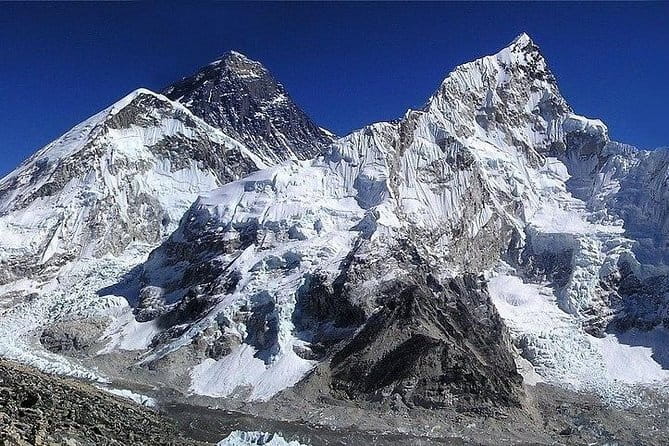
- Kala Patthar reaches 5,545 meters, higher than Everest Base Camp itself, and supplies the best stated viewpoint of Everest on this route.
- Two acclimatization days are built into the plan, one in Namche Bazaar and one in Dingboche.
- Lukla flights are included, though the package also refers to flights through Ramechhap, with shared or private transfers from Kathmandu.
- Three meals a day are included during the trek, with tea and coffee, but food in Kathmandu and extra days are not covered.
- The experience is private, so only your group takes part, with guides and porters arranged by Himalayan Partner Treks and Expedition.
- The route combines famous stops with local life, including Sherpa villages, Tengboche Monastery, Sagarmatha National Park, and the Khumbu Glacier.
What the 14-day Everest Base Camp trek is really like
At $1,099.06 per person, this package offers a useful amount of support for a high-altitude trek. You receive two nights in a three-star Kathmandu hotel with breakfast, mountain lodging, three daily meals during the trek, airport transfers, and flights to and from Lukla or Ramechhap.
That price does not cover your international flight, Nepal visa, food in Kathmandu, extra nights, or tips for guides, porters, and drivers. You should also clarify the accommodation count before paying. The package states 14 nights, with 12 nights in the mountains and two in Kathmandu, while the day-by-day plan runs for 14 days. That may simply reflect how the operator counts nights, but it is worth confirming.
The route is private, which gives you more flexibility than a large group departure. You can walk at your group’s pace within reason, ask questions freely, and discuss how you feel at altitude. Guides connected with past departures have included Santosh Tamang, Raju, Lila, and Biru, while Ghan has handled arrangements in Kathmandu and remained available for questions.
More Everest Base Camp Treks in Kathmandu
- Everest Base Camp Trek – 14 Days
★ 5.0 · 1,499 reviews - Everest Base Camp Trek
★ 5.0 · 842 reviews - Everest Base Camp Trekking
★ 5.0 · 485 reviews
Kathmandu to Phakding, the first taste of the Khumbu
Your trip begins with an airport welcome in Kathmandu and a private vehicle transfer to your hotel. You can rest, visit the company office, or discuss equipment and the walking plan before the mountain section begins.
The next morning starts early. You travel to the domestic airport after breakfast for the flight to Lukla. The short flight, listed at about 40 minutes, gives you sunrise views over snow-covered peaks before landing at Tenzing-Hillary Airport.
Lukla is the gateway to the Khumbu region, but you do not stay there on the first walking day. After meeting your crew, you follow a short route to Phakding. This is a sensible opening stage because your body has just arrived at altitude and does not need a hard day immediately.
You spend the night in a lodge or tea house. Conditions are simple rather than luxurious, and hot drinks, a warm sleeping bag, and dry socks become much more important than fancy facilities.
Namche Bazaar and the first acclimatization test
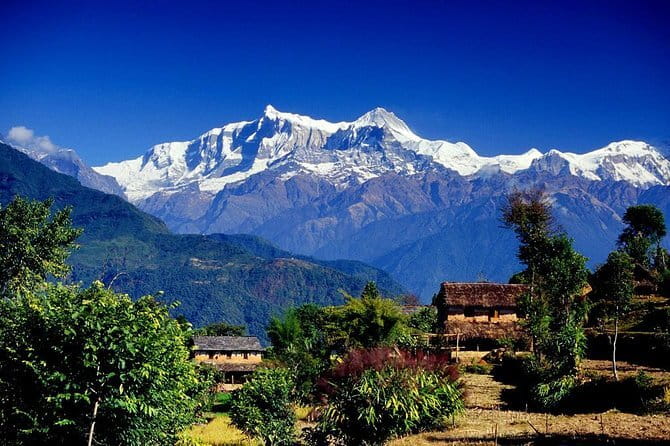
The walk from Phakding to Namche Bazaar is one of the classic sections of the trek. The route follows pine forests and the Dudh Koshi River, with views toward Mount Thamserku. You also pass through settlements and enter Sagarmatha National Park at a check post.
The trail later crosses the confluence of the Dudh Koshi and Bhote Koshi rivers before climbing steeply toward Namche. This is a demanding day because the route gains height quickly. Your first glimpse of Everest arrives with ridges of Lhotse and Nuptse, although the mountain can appear partly hidden depending on the viewpoint and weather.
Namche is the largest settlement in the Khumbu region. You will find restaurants, bakeries, internet cafes, and ATMs, along with a lively mix of trekkers, porters, guides, and local residents. It is one of the few places on the route where you can handle small errands before the trail becomes more remote.
The following day is for acclimatization. You do not simply sit in the lodge all day. The program includes a short hike toward Thame or Khunde, a visit to the Tourist Visitor Center, and time to explore Namche. The center provides information about Everest expeditions, Sherpa culture, plants, animals, and the national park.
This rest day matters. At high altitude, walking higher during the day and sleeping lower at night helps your body adjust. You may still feel tired, but pushing through headache, nausea, or unusual breathlessness is not wise. Tell your guide how you feel.
Tengboche Monastery and the changing mountain views
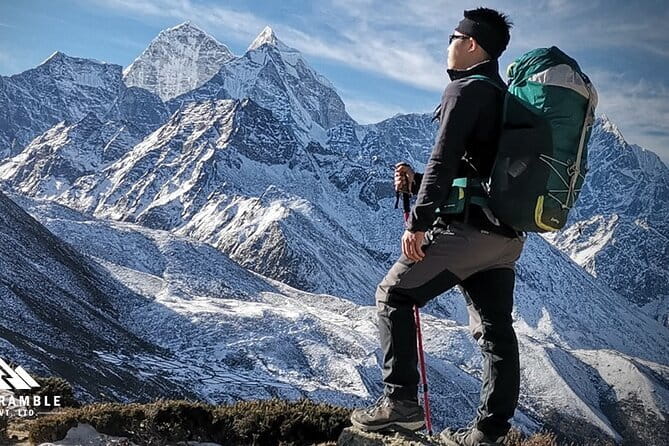
Leaving Namche, the trail passes through juniper and rhododendron forest. The route offers wide views of the surrounding peaks, and the change in vegetation gives you a clear sense that you are moving into a higher, colder region.
Tengboche is one of the most memorable stops on the trek. Its monastery, Tengboche Gompa, is described as the largest in the Sagarmatha region. The setting brings together Buddhist practice and enormous mountain scenery, with Ama Dablam among the most striking peaks along this part of the trail.
You should allow time to look around rather than treating the monastery as a quick photo stop. The atmosphere is quieter than Namche, and this is a good place to notice the prayer flags, carved details, and daily rhythm of the Khumbu communities.
The itinerary also refers to walking from Phortse or Tengboche toward Dingboche. Exact overnight arrangements can vary, so ask the operator to confirm your final route before departure. The supplied plan describes an eight-hour day through alpine forest, Pangboche, Shomare, Orsho, and Tsuro Wog before reaching Dingboche.
More Trekking Tours in Kathmandu
- Annapurna Circuit Trek with Tilicho Lake
★ 5.0 · 368 reviews - Everest Base Camp Trekking – 13 Day
★ 5.0 · 365 reviews - Everest Base Camp Trek
★ 5.0 · 350 reviews - Everest Base Camp Trek -14 Days
★ 5.0 · 321 reviews
Dingboche, the second acclimatization day
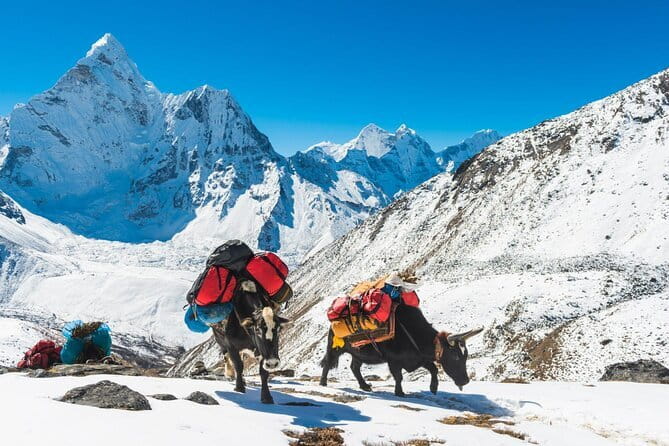
The route to Dingboche follows the Khumbila Khola valley and later the Imja Khola. Along the way, you may see Taboche, Thamserku, Ama Dablam, Nuptse, Cholatse, and Lhotse. The views become more open as trees thin out.
Dingboche is another important pause. The plan gives you a full acclimatization day and several options. You might take a short walk around Dingboche, visit Chhukung and Imja, or attempt a higher viewpoint such as Nagarjun Hill, Nangkartshang Peak, or Chhukung Ri.
The listed elevation figures are not fully consistent: Nangkartshang is given as 5,083 meters, Chhukung Ri as 5,546 meters, and Kala Patthar as 5,545 meters. Treat these as itinerary estimates and ask your guide which hike is planned for your group. The central point remains clear: you have a chance to climb higher during the day before continuing toward Lobuche.
Nangkartshang or Nagarjun Hill can provide views toward Makalu, Lobuche, Thamserku, Ama Dablam, and other peaks. Chhukung Ri is a much harder option at very high altitude. You do not need to choose the most strenuous hike to benefit from the acclimatization day.
Lobuche and the memorials beside the Khumbu Glacier
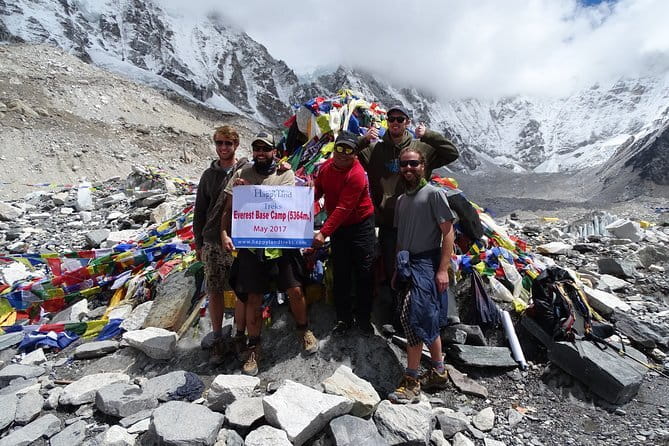
The walk from Dingboche toward Lobuche is one of the more serious days. The schedule gives it about eight hours and describes a steep approach to the terminal moraine of the Khumbu Glacier, with rocky slopes and boulders near Chupki Lhara.
You pass memorial stones and prayer flags dedicated to mountaineers, including American climber Scott Fischer and Nepali climber Babu Chhiri Sherpa, who summited Everest ten times. These memorials add a sober note to the trek. The route is beautiful, but the mountains demand respect.
At this point, altitude may become your main concern. The itinerary notes possible symptoms of altitude sickness as you cross the Khumbu Glacier area. Drink regularly, walk steadily, and do not hide symptoms to keep up with the schedule. A good guide should be willing to slow the pace or change plans when safety requires it.
The views include Khumbutse, Lingtren, Pumori, and the wider Mahalangur range. Lobuche accommodation is in a lodge or tea house, with basic rooms and shared facilities typical of the high route.
Everest Base Camp from Gorakshep
The day to Everest Base Camp is the main goal for many people, but it is not an easy photo stop. The supplied schedule describes a seven to eight-hour outing from the Lobuche and Gorakshep area, with a return to Gorakshep.
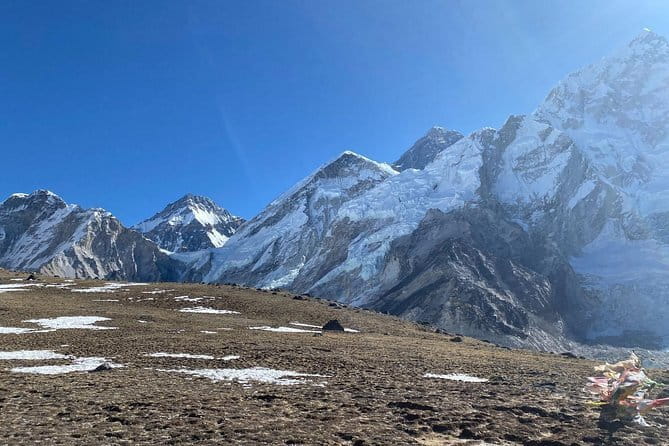
You walk through the high, rocky terrain near the Changri Glacier. At Thangma Riju, the route provides a broad mountain panorama. You can see Nuptse and Pumori clearly, though Everest itself is not always visible from every point on the Base Camp approach.
This distinction surprises some first-time trekkers. Everest Base Camp is a historic mountaineering site, but the best direct view of Everest comes from Kala Patthar rather than from the camp itself. At Base Camp, you are closer to the glacier, expedition route, prayer flags, and rough moraine terrain.
Conditions can be cold, windy, and tiring. The return to Gorakshep matters just as much as the walk out, so save energy and do not race the final stretch. You stay in a lodge or tea house before the early morning climb to Kala Patthar.
Kala Patthar at sunrise, then the long descent
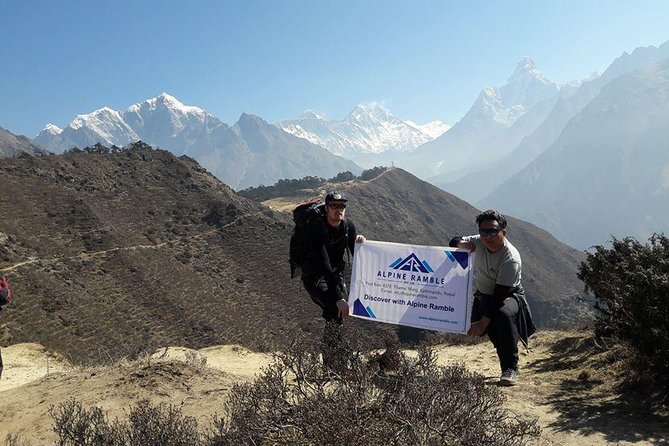
The Kala Patthar morning begins early so you can reach the viewpoint around sunrise. The climb takes several hours, and the plan wisely suggests stopping to catch your breath and take photographs rather than rushing upward.
From the route, you may see Lingtren, Khumbutse, and Changtse. The high point listed for the trip is Kala Patthar at 5,545 meters. From here, the Himalayan panorama includes Everest, Pumori, Nuptse, and other major peaks.
This is likely to be the physical high point of your trip as well as the highest. Cold, thin air makes even a short slope feel long. Bring warm layers, gloves, water, and a headlamp if your guide asks you to start before dawn.
After lunch, the itinerary calls for descent toward Pheriche. Descending is easier on the lungs, but your knees and ankles may feel the strain after several long days. The route is rocky, and careful footing matters.
Returning through Pangboche, Namche, and Lukla
The return route passes Duglha, Pheriche, Orsho, Shomare, and Pangboche before continuing toward Namche. You have another chance to see the oldest monastery in the region, associated with a local legend about preserved yeti remains.
The trail then crosses the Dudh Koshi and follows pine forest toward the Sansa junction. After lunch, the route continues to Namche, with views toward Ama Dablam, Lhotse, Everest, and Tengboche. The day is listed at about seven hours, so it is still a full walking day, not a quick stroll downhill.
The following day takes you from Namche back to Lukla. The schedule allows about seven hours and warns that the descent includes steep, rocky ground. Keep your pace controlled, especially where the trail drops toward the suspension bridge over the Dudh Koshi.
The final approach passes through open ground and rhododendron forest. Reaching Lukla gives you a useful buffer before the flight, though Himalayan weather can still disrupt air travel. Ask the operator how delays are handled and whether an extra night or alternative transport would cost more.
What is included, and where the value lies
The package includes airport pickup and drop-off by private car, two Kathmandu hotel nights with breakfast, mountain accommodation, three meals a day during the trek, tea and coffee, taxes, handling charges, and return flights to Lukla or from Ramechhap.
The Ramechhap detail matters. Flights may operate through Ramechhap rather than Kathmandu, and the package includes shared bus or car transfers to that airport. A private car is listed at $85 for up to three people. Confirm the current departure airport because this affects your early morning travel time.
The value is strongest if you want one company to coordinate the moving parts. Independent trekkers can arrange many of these services separately, but flights, rooms, permits, meals, and transfers take time to manage. The package also gives you a private group and local support.
The price is less attractive if you need extra nights, private transport throughout, upgraded rooms, or more time in Kathmandu. Tips are not included, so budget for those separately.
Who should choose this trek
This route suits you if you have a moderate level of fitness and are comfortable walking for up to eight hours on steep, rocky trails. You should be ready for cold conditions, basic mountain lodging, limited comfort, and the possibility of altitude symptoms.
It is a good fit if you want the standard Everest Base Camp route but prefer a private arrangement. The acclimatization days are useful, and the schedule includes both Base Camp and Kala Patthar rather than stopping at only one.
It is not ideal if you want a relaxed holiday, guaranteed flight times, hotel-style rooms every night, or a short approach to the mountains. The high altitude and long walking days are the point of the trip, but they are also the hard part.
Should you book this Everest Base Camp trek?
I would consider this a strong-value choice for a prepared walker who wants a supported private trek at a moderate package price. The best features are the two acclimatization days, included meals and flights, local staff, and the chance to combine Everest Base Camp with Kala Patthar.
Before booking, confirm the night count, the exact guide assigned to your group, the Lukla or Ramechhap flight plan, and how weather delays are handled. If those details are clear and you accept basic lodging and demanding altitude, this trek gives you a practical route through the Khumbu with plenty of time for the mountains, monasteries, and villages along the way.
FAQ
How long does the Everest Base Camp trek take?
The experience is scheduled for approximately 14 days, including time in Kathmandu, flights, the trek, and the return to Kathmandu.
What is the highest altitude on the trip?
Kala Patthar is listed as the highest point at 5,545 meters. Chhukung Ri is also listed as an optional hike at 5,546 meters, so you should confirm which optional route your guide plans.
Are flights to Lukla included?
Yes. Return flights to Lukla, or flights from Ramechhap, are included in the package. Transfers to Ramechhap by shared bus or car are also included, while a private car is listed at $85 for up to three people.
Are meals included during the trek?
Breakfast, lunch, and dinner are included during the mountain trek, along with coffee and tea. Food in Kathmandu and meals during extra days are not included.
What accommodation is provided?
The package includes two nights in a three-star hotel in Kathmandu with breakfast and mountain lodging or tea houses during the trek. The package description states 14 nights in total, so confirm the exact room and night count before departure.
Is this a private tour?
Yes. Only your group participates in the activity, with guides and porters arranged by Himalayan Partner Treks and Expedition.
Where does the experience start?
The stated meeting point is Himalayan Partner Treks and Expedition on Thamel Marg in Kathmandu. Airport pickup is also provided, and the listed start time is 5:00 a.m.
What is not included in the price?
International airfare, the Nepal visa fee, food in Kathmandu, extra days in Nepal, and tips for guides, porters, and drivers are not included.
Latest treks added in Kathmandu
- Ghorepani Poonhill Trek★ 5.0 · 5 reviews
- Ghorepani Poon Hill Trek★ 5.0 · 16 reviews
- Private Manaslu Circuit Trek at Himalayas★ 5.0 · 3 reviews
- Upper Mustang Trekking★ 3.0 · 2 reviews
- Amazing 1 Day Trekking Experience in Kathmandu Nepal★ 5.0 · 24 reviews
- Upper Mustang Trekking★ 5.0 · 2 reviews
- Upper Mustang Trek★ 5.0 · 5 reviews
- Upper Mustang Trekking★ 5.0 · 4 reviews
Everest Base Camp Treks, compared.






Browse the lists this tour appears in