
REVIEW · KATHMANDU
Everest Base Camp trek- 13 Days
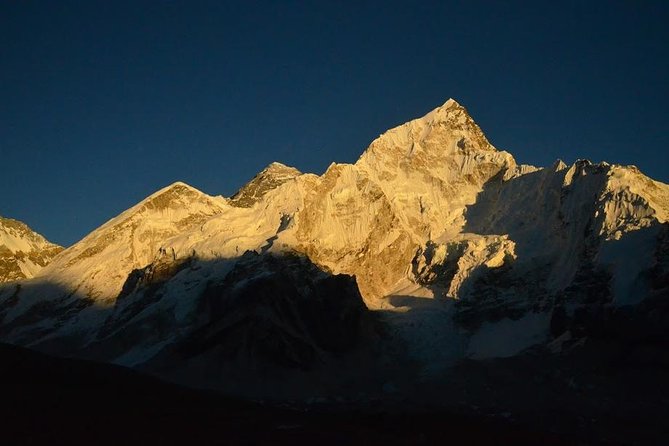
The heart of this trek is the walk from Lukla to Everest Base Camp, not simply the arrival at the world’s highest mountain. You’ll cross hanging bridges, pass through Sherpa villages, pause in Namche Bazaar, and reach the high valleys around Dingboche and Gorak Shep. The short Lukla flight adds a memorable start, while Kala Patthar supplies the sunrise view.
I like the two acclimatization days, which give your body a fair chance to adjust, and I like the practical support: a licensed English-speaking guide, one porter for every two people, permits, meals, and internal flights are included. The main drawback is comfort. Tea-house rooms are basic, with outside bathrooms, and drinks, hot showers, Wi-Fi, charging, tips, and Kathmandu lodging cost extra.
This is a demanding mountain trek, not a sightseeing holiday with a few walks attached. The itinerary is well paced for a 13-day schedule, but you still need moderate fitness, patience with weather, and a willingness to sleep simply at altitude.
Key points before you book
- Lukla begins the adventure: The roughly 30-minute Kathmandu flight lands at 2,840 meters, followed by a four to five-hour walk to Phakding.
- Two acclimatization days matter: You pause in Namche Bazaar and Dingboche instead of climbing hard every day.
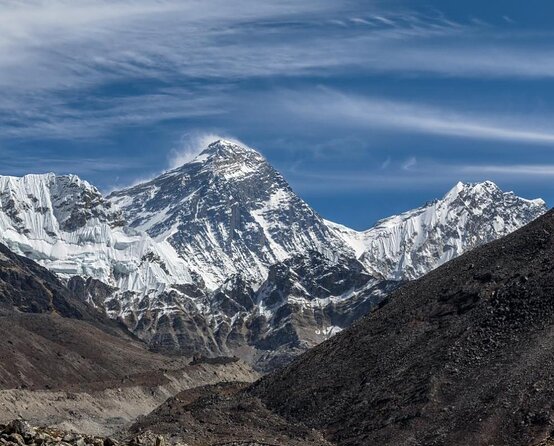
- The main sights arrive on foot: Namche Bazaar, Hotel Everest View, Tengboche Monastery, Everest Base Camp, and Kala Patthar all fit into the route.
- Most core costs are covered: Flights, permits, guide, porter, tea-house lodging, meals, transfers, and emergency assistance are included.
- Tea-house living is basic: You share twin rooms, and bathrooms and toilets are outside during the trek.
- Personal support is a strong point: Outdoor Himalayan Treks staff members including Ram, Krishna, Dipak, Dilly, and Kamal are associated with hands-on help before and during trips.
Why the Lukla start sets the tone
Your day begins at 5:15 a.m. at Outdoor Himalayan Treks on Thamel Marg in Kathmandu. The early start is practical, since the flight to Lukla takes about 30 minutes and weather can affect mountain aviation.
Lukla sits at 2,840 meters. The flight is short, but it gives you an immediate sense that this is not an ordinary walking tour. Once you land, the trek starts quickly, with a four to five-hour route to Phakding at 2,610 meters.
That first day is useful because it is active without taking you straight to a very high sleeping point. Phakding is a stopping place rather than a major destination, but it eases you into the rhythm of walking, eating, and sleeping in tea houses.
You should expect simple accommodation from the beginning. The package provides twin-sharing tea-house rooms, with bathrooms and toilets outside. That keeps the price at $1,300 per person reasonable, but it also means you should not expect private hotel facilities in the mountains.
More Everest Base Camp Treks in Kathmandu
- Everest Base Camp Trek – 14 Days
★ 5.0 · 1,499 reviews - Everest Base Camp Trek
★ 5.0 · 842 reviews - Everest Base Camp Trekking
★ 5.0 · 485 reviews
Phakding to Namche Bazaar, the first real test
Day two covers six to seven hours from Phakding to Namche Bazaar at 3,440 meters. This is where the trek begins to feel serious. The path follows the approach to the Khumbu region, with suspension bridges and Sherpa settlements giving the walk its character.
Namche Bazaar is known as the gateway to Everest. It is also your first major altitude stop, so the overnight stay is more than a pleasant break. Your body needs time to adjust before the route climbs higher.
The walk can feel long because you are gaining altitude while carrying a day pack. A porter is assigned for every two people and can carry up to 25 kilos, which reduces the load considerably. Even so, you should walk at a steady pace and avoid treating the first two days like a race.
Namche’s rest day and Hotel Everest View
Day three is set aside for acclimatization in Namche Bazaar. The itinerary highlights Hotel Everest View, described as being at the maximum altitude for a hotel. The point of this day is not only the view. It is also a controlled way to spend time higher up before returning to sleep at Namche.
I like this pause because rushed high-altitude schedules can turn a fine trek into a miserable one. You get a day to see the area, take in mountain views, and let your body adapt.
Do not mistake an acclimatization day for a day with nothing to do. You may still walk, and you may feel the altitude more clearly than expected. Keep your plans flexible and listen to your guide. Emergency assistance is included, but sensible pacing is your first line of protection.
Tengboche Monastery at 3,860 meters
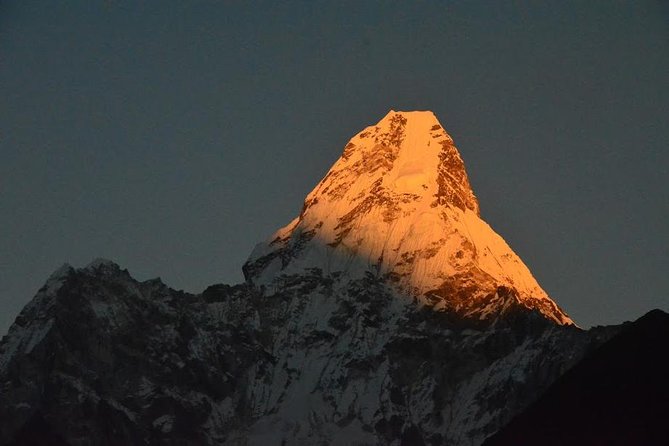
Day four takes you from Namche Bazaar to Tengboche, a five to six-hour walk. Tengboche is one of the most meaningful stops on the route because of its monastery, described as more than 350 years old.
The monastery gives the trek a cultural focus beyond mountain scenery. You are moving through the Sherpa homeland, and this stop helps you see the route as a lived-in region rather than a trail built only for trekkers.
Tengboche also marks a change in the physical feel of the trip. At 3,860 meters, the air is thinner and the nights are more basic. You will want warm layers and a sleeping setup suited to cold conditions, although the tour does not list extra equipment as included.
More Trekking Tours in Kathmandu
- Annapurna Circuit Trek with Tilicho Lake
★ 5.0 · 368 reviews - Everest Base Camp Trekking – 13 Day
★ 5.0 · 365 reviews - Everest Base Camp Trek
★ 5.0 · 350 reviews - Everest Base Camp Trek -14 Days
★ 5.0 · 321 reviews
Dingboche and the second acclimatization day
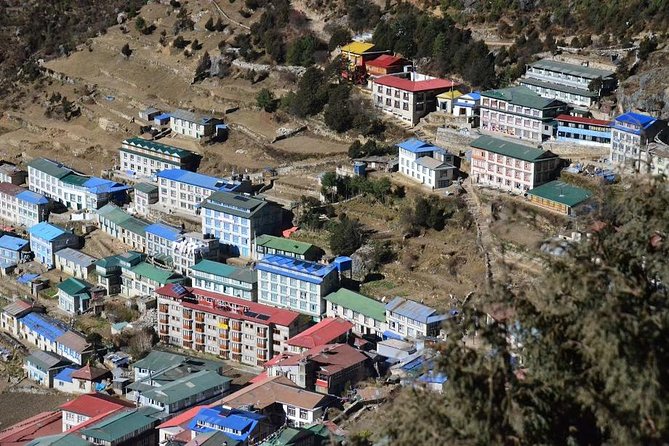
Day five continues to Dingboche, followed by a full acclimatization day on day six. The itinerary does not specify the exact walking time from Tengboche to Dingboche, so you should rely on the guide for the day’s pace and route details.
Dingboche is an important pause before the final high-altitude push. After this point, the route heads toward Lobuche, Gorak Shep, and Base Camp. The acclimatization day breaks up that climb and gives you a better chance of handling the higher sleeping elevations.
The schedule is still compact. A 13-day Everest Base Camp trek leaves little room for delays, and the Lukla flights depend on good weather. That does not make the plan unsuitable, but it does mean you need to be comfortable with changes if mountain conditions interfere with flights.
Dingboche to Lobuche and the high valley
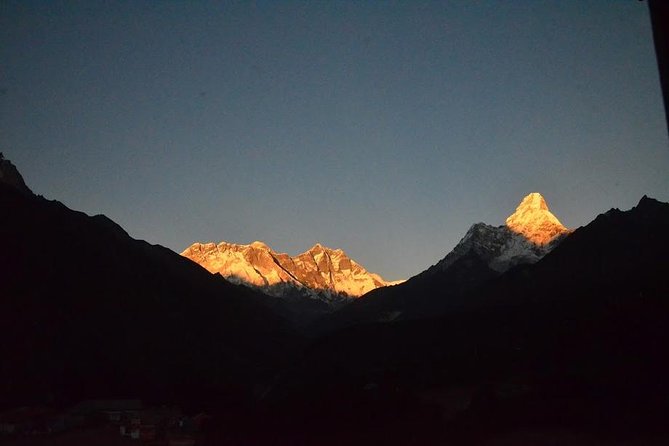
Day seven takes you from Dingboche to Lobuche. At this stage, you are walking in a more exposed, high-altitude setting, and the route becomes less forgiving of poor pacing.
The included guide matters here. You are not simply following a marked path alone. An experienced, licensed English-speaking guide accompanies your group, with the guide’s expenses covered in the price.
Lobuche is a functional overnight stop before the biggest walking day. Keep your evening quiet, eat the included dinner, and prepare for an early start. Meals include breakfast, lunch, and dinner, with one menu dish at each meal. Extra snacks, desserts, drinks, bottled water, tea, coffee, and boiled water are not included, so budget for those separately.
The long push to Everest Base Camp
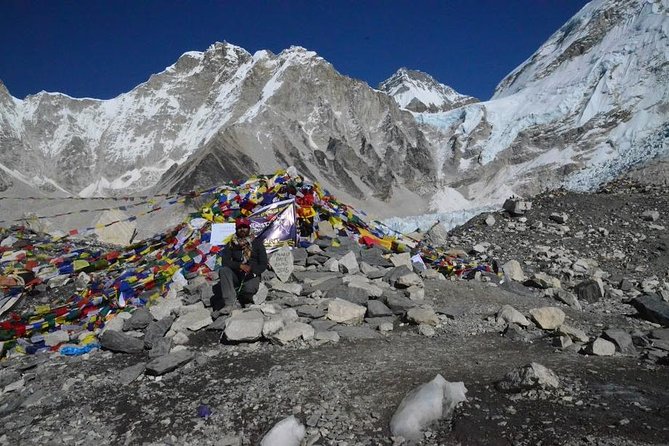
Day eight is the trek’s major effort: Lobuche to Gorak Shep, onward to Everest Base Camp, then back to Gorak Shep for the night. The itinerary does not state the walking hours, but this is clearly one of the longest and most demanding days.
Gorak Shep is the high point of the route for overnight accommodation. You leave your main belongings there, continue to Base Camp, and return to sleep. That out-and-back structure lets you reach the famous destination without carrying everything all day.
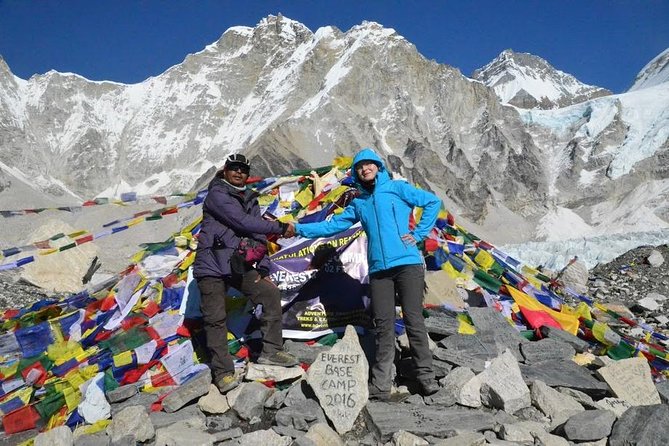
Everest Base Camp is a powerful goal, but it is important to understand what the experience is. This trek takes you to the base camp area used for Everest expeditions. It is not a climb of Mount Everest, and the view from Base Camp itself is not the same as the classic panorama seen from Kala Patthar.
At this altitude, cold, fatigue, and thin air can make the walk feel much harder than the distance suggests. Stay close to the guide’s instructions, keep your pace measured, and do not treat reaching Base Camp as a reason to ignore how you feel.
Kala Patthar sunrise and the return to Pheriche
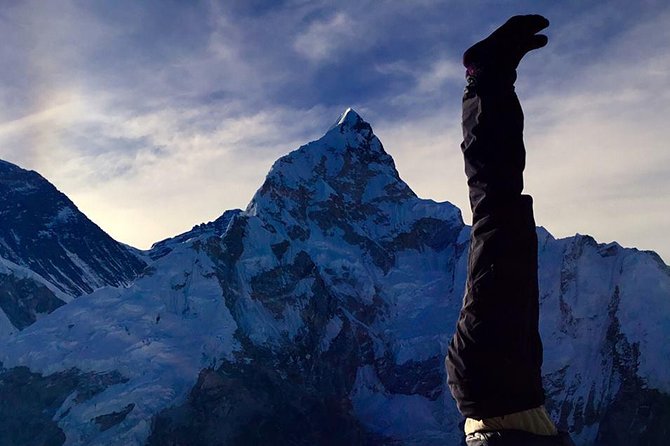
Day nine begins at Gorak Shep with a climb to Kala Patthar for sunrise, then continues to Pheriche. This is one of the strongest features of the schedule because Kala Patthar is the place designed for the broad mountain view.
The sunrise start means an early wake-up in a cold, high setting. The reward is the changing light over the Himalayan peaks, followed by a long descent. Reaching Pheriche after Kala Patthar gives your body a welcome break from the highest sleeping points.
The descent is not effortless. Going downhill can strain tired legs, and you still have several days of walking ahead. Take care of your feet, use trekking poles if you bring them, and keep enough water and food available. Bottled and boiled water are extra, so plan your water spending before the high section.
Tengboche, Namche, and Lukla on the way back
Day ten goes from Pheriche to Tengboche. Day eleven returns to Namche Bazaar, and day twelve continues to Lukla. These days retrace part of the outward route, but the change in direction gives you a different view of the bridges, villages, and slopes.
The return should feel lighter because you are losing altitude, though the walking remains substantial. You are also more likely to notice the small details you missed on the way up, since you no longer need to focus so closely on each climb.
Lukla is your final overnight base before the flight back to Kathmandu. Weather remains important. If poor weather cancels the experience, the stated policy offers another date or a full refund. For that reason, it is wise not to arrange an important same-day international connection after the planned return flight.
Back to Kathmandu and the farewell dinner
Day thirteen includes the Lukla to Kathmandu flight, a transfer to your hotel, and a farewell dinner at an authentic Nepali restaurant with a live cultural show. Hotel accommodation in Kathmandu is not included, so you need to arrange and pay for it yourself.
The airport-hotel-airport transfer is included, which simplifies the start and end of the trip. Sightseeing and tours in Kathmandu are not included, so you can keep the city portion independent or arrange extra activities separately.
The farewell dinner is a useful final touch. After nearly two weeks of mountain walking and tea-house meals, a planned Nepali meal and cultural performance gives the trip a clear finish without pretending that Kathmandu is part of the trekking package.
What the $1,300 price really covers
At $1,300 per person, the price is easier to judge when you separate included costs from extras. You receive:
- Kathmandu airport, hotel, and airport transfers
- Kathmandu to Lukla and return flights
- Sagarmatha National Park entry permit
- Khumbu village entry permit
- Twin-sharing tea-house accommodation
- Breakfast, lunch, and dinner during the trek
- A licensed English-speaking guide
- One porter for every two people, carrying up to 25 kilos
- Guide and porter expenses and insurance
- Emergency assistance
- Applicable taxes and service charges
- A farewell dinner with a cultural show
That is a substantial package for a private group trek. The private format means only your group participates, which can make pacing and support more personal than a large group departure.
The extra costs are important. You pay for cold and alcoholic drinks, bottled or boiled water, tea and coffee, extra food, snacks, desserts, Wi-Fi, battery charging, hot showers, photography charges, donations, tips, Kathmandu accommodation, and anything not specifically listed.
Tips for the guide and porters are mandatory according to the tour terms. Include that in your real budget, not as an afterthought. You should also keep a cash allowance for high-altitude refreshments and charging.
The human support behind the trek
The company’s support is one of the strongest reasons to consider this package. Ram, the manager, is described as helping with hotels, local transport, food advice, taxis, and changing plans. That kind of contact is useful when flights, accommodation, or city arrangements need attention.
Krishna and Dipak are named for detailed support on the trek, while Dilly and Kamal are also associated with trips and guiding help. The specific staff assigned to your departure may differ, so treat these names as part of the wider Outdoor Himalayan Treks team rather than a promise that one particular person will lead your group.
The most useful quality here is flexibility. Mountain schedules can change, and having a local office that can help with transport or plans has real value. You should still ask who your guide will be, what is covered if flights are delayed, and how the company handles extra accommodation costs caused by disruption before departure.
Who should choose this Everest Base Camp trek?
Choose it if you want a structured route with the major Everest Base Camp highlights already arranged. It suits you if you have moderate physical fitness, can walk for several hours on consecutive days, and accept basic tea-house conditions.
It is also a good match if you value private-group support. The guide, porter arrangement, permits, meals, flights, and transfers remove much of the planning burden.
You may want a different option if you need private bathrooms, hotel comfort, flexible rest days, or a slower schedule. The 13-day plan is efficient, but it is not leisurely. The highest days are demanding, and the early Lukla flight depends on weather.
Should you book it?
I would book this trek if you want the classic Everest Base Camp route and prefer to have the main logistics handled by a local company. The two acclimatization days, private format, included porter support, and strong staff assistance make the $1,300 price good value for a demanding Himalayan journey.
Before paying, confirm the guide assignment, Kathmandu hotel arrangements, expected tip budget, water costs, and your plan for a weather delay. If you are comfortable with those conditions, this is a practical way to reach Base Camp, see Kala Patthar at sunrise, and experience the Sherpa villages and monasteries along the way.
FAQ
How long is the Everest Base Camp trek?
The experience lasts approximately 13 days, including the Kathmandu to Lukla flight at the beginning, the return flight at the end, and the Kathmandu farewell dinner.
Where does the trek start?
The meeting point is Outdoor Himalayan Treks on Thamel Marg in Kathmandu, Nepal. The listed start time is 5:15 a.m.
Is airport pickup included?
Yes. Hotel-airport-hotel transfers are included.
Are the Kathmandu to Lukla flights included?
Yes. The package includes the Kathmandu to Lukla and Lukla to Kathmandu flight tickets.
What type of accommodation is provided?
You stay in basic tea houses on a twin-sharing basis. Toilets and bathrooms are outside.
Are meals included?
Breakfast, lunch, and dinner are included during the trek. You can choose one dish from the menu at each meal.
Are drinks included?
No. Cold and alcoholic drinks, bottled water, boiled water, tea, and coffee are not included.
Is a guide included?
Yes. An experienced, licensed English-speaking guide is included, along with the guide’s expenses.
How is porter support arranged?
One strong porter is provided for every two people. Each porter can carry up to 25 kilos, and porter expenses and insurance are included.
What happens if bad weather cancels the experience?
If poor weather causes cancellation, you are offered a different date or a full refund. For a full refund under the cancellation policy, you must cancel at least 24 hours before the experience start time.
Latest treks added in Kathmandu
- Ghorepani Poonhill Trek★ 5.0 · 5 reviews
- Ghorepani Poon Hill Trek★ 5.0 · 16 reviews
- Private Manaslu Circuit Trek at Himalayas★ 5.0 · 3 reviews
- Upper Mustang Trekking★ 3.0 · 2 reviews
- Amazing 1 Day Trekking Experience in Kathmandu Nepal★ 5.0 · 24 reviews
- Upper Mustang Trekking★ 5.0 · 2 reviews
- Upper Mustang Trek★ 5.0 · 5 reviews
- Upper Mustang Trekking★ 5.0 · 4 reviews
Everest Base Camp Treks, compared.






Browse the lists this tour appears in