
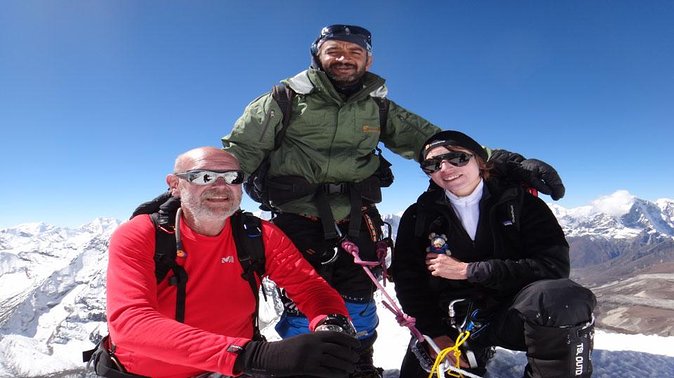
REVIEW · KATHMANDU
Everest Base Camp Trek
Everest Base Camp is less about reaching a single dot on a map and more about the long walk through the Khumbu, where suspension bridges, prayer wheels, Sherpa villages, and huge peaks gradually take over your view. I like the steady acclimatization plan, with rest days in Namche Bazaar and Dingboche, and I like that airport transfers, flights, meals, permits, and lodgings are bundled into the price.
The two details I value most are the local guides and the practical support: guides such as Ganesh, Keshab, and Prakash have helped people through difficult days, and the company supplies a duffel bag, sleeping bag, first-aid kit, and pulse oximeter. The main drawback is simple: this is a demanding high-altitude trek, and a 14-day schedule leaves little room for delays caused by weather, flight changes, or altitude sickness.
Key points to know before booking
- Lukla flight included: The trek begins with a short domestic flight over valleys and Himalayan peaks.
- Two acclimatization days: Namche Bazaar and Dingboche give your body time to adjust, with short hikes rather than complete rest.
- Base Camp and Kala Patthar: You reach Everest Base Camp and climb Kala Patthar for a wider mountain panorama.
- Local lodge travel: Nights are spent in the best available twin-sharing lodges, not full-service hotels.
- Strong guide support: Guides including Ganesh, Keshab, and Prakash are named in past trip accounts, with help available throughout the route.
- Good package coverage: Flights, permits, taxes, meals, Kathmandu hotel nights, airport transfers, and equipment are included.
What the $1,600 price really covers
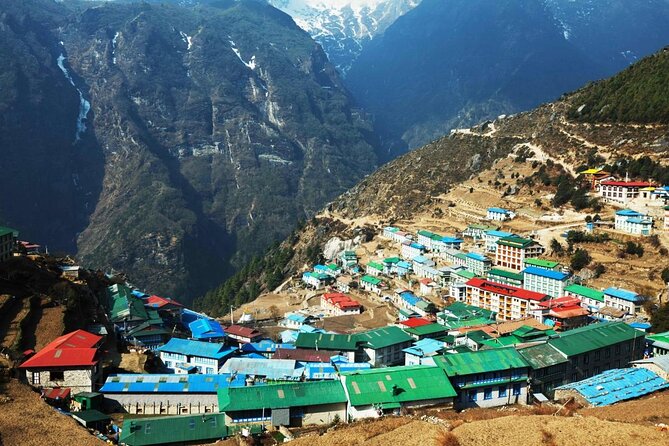
At $1,600 per person, this is not a bare-bones walking package. The fee includes airport pickup and drop-off in Kathmandu, two hotel nights with buffet breakfast, round-trip domestic flights, twin-sharing lodge accommodation, permits, entrance fees, a certified trekking guide, three meals each trekking day, seasonal fruit after dinner, taxes, and airport or departure charges.
You also receive a company duffel bag and sleeping bag if needed. A first-aid kit and pulse oximeter travel with the group, which matters on a route where altitude changes can affect you quickly. A completion certificate is included as a small reminder of the achievement.
That bundle gives the trip solid value, especially if you would rather not arrange each part separately. You still need to pay for your Nepal visa, international airfare, and a porter if you want one. The porter charge is extra, so ask about the current rate before booking and decide how much of your own gear you want to carry.
The price is less attractive if you want private rooms, more flexible rest days, or a large allowance for weather delays. Local lodges are practical rather than luxurious, and the included flights are subject to the realities of mountain aviation. I would confirm the exact flight arrangements, especially the return routing through Ramechhap or Kathmandu, before you commit to international connections.
More Everest Base Camp Treks in Kathmandu
- Everest Base Camp Trek – 14 Days
★ 5.0 · 1,499 reviews - Everest Base Camp Trek
★ 5.0 · 842 reviews - Everest Base Camp Trekking
★ 5.0 · 485 reviews
Day 1: A simple start in Kathmandu
Your first contact with Glorious Himalaya Trekking comes at Kathmandu airport. An office representative collects you in a private vehicle and takes you to the hotel, a short transfer of about 30 minutes.
Look for the company name on the airport paperwork so you can identify the representative. This is a small but useful detail after a long international flight. The first night is not an adventure day. It is a chance to settle in, recover from travel, and prepare for an early start.
The package includes two Kathmandu hotel nights with buffet breakfast. That gives you a little breathing room before the trek and a place to rest after returning from the mountains.
Day 2: Lukla to Phakding, your first Himalayan walk
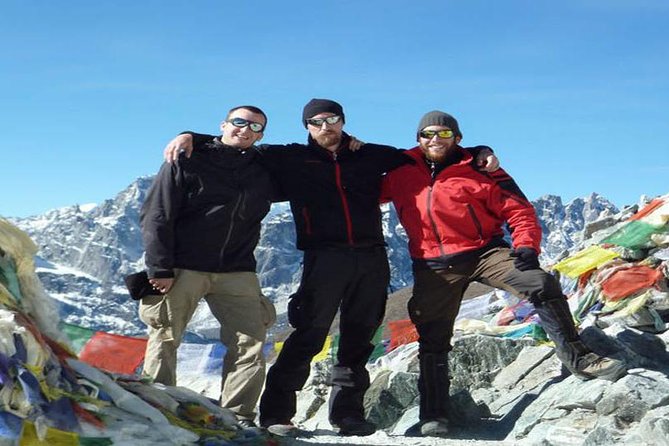
The morning begins with a 30 to 35-minute flight from Kathmandu to Lukla. The flight itself is part of the experience, with views over hills, valleys, rivers, and Himalayan peaks. It also sets the pace for the trip: conditions in the Khumbu can affect transport, and flexibility is useful.
At Lukla, you meet the rest of the trekking team and begin walking toward Phakding. The first day on foot takes about four hours, with a route through local settlements, mani walls, prayer wheels, forest, and suspension bridges.
Phakding is a sensible first stop because the walk is relatively short. You sleep in a local lodge, where the setting is functional and social rather than polished. This is your first taste of the basic accommodation that continues higher up.
Day 3: The long climb to Namche Bazaar
The route follows the river toward the meeting point of the Bhote Koshi and Dudh Koshi Rivers. You cross the Hillary Bridge, then begin the sustained climb toward Namche Bazaar.
This is one of the first genuinely hard days, at about six hours. The reward is a first clear set of mountain views, including Everest, Lhotse, Nuptse, Ama Dablam, and Thamserku. Mt. Khumbila, a sacred peak for the Sherpa people, also rises above the route.
Namche is more than a stopping point. It is the main service center of the Everest region, with lodges, bakeries, restaurants, tea shops, souvenir stores, ATMs, money exchanges, internet cafes, and government offices. You can also visit the visitor center near the Sagarmatha National Park headquarters.
The town is a good place to handle practical needs, but do not mistake its shops and cafes for city comforts. Supplies cost more at altitude, and the busy trail can feel crowded during popular trekking seasons.
More Trekking Tours in Kathmandu
- Annapurna Circuit Trek with Tilicho Lake
★ 5.0 · 368 reviews - Everest Base Camp Trekking – 13 Day
★ 5.0 · 365 reviews - Everest Base Camp Trek
★ 5.0 · 350 reviews - Everest Base Camp Trek -14 Days
★ 5.0 · 321 reviews
Day 4: Acclimatization in Namche Bazaar
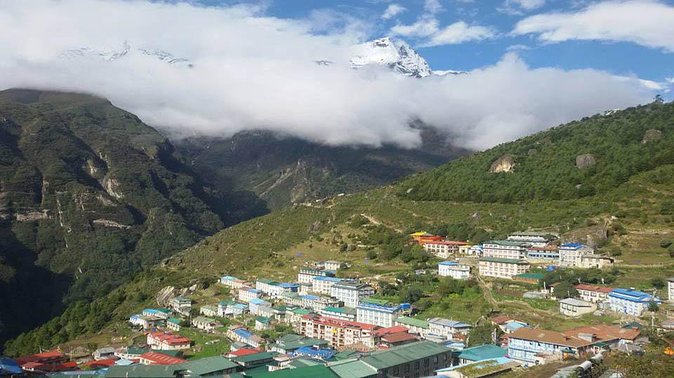
The rest day in Namche is one of the most important parts of the plan. You are not expected to spend the whole day in bed. A short uphill walk and a return to town help your body adjust better than complete inactivity.
You might explore the town, visit the visitor center, or take a gradual hike for wider views. The listed activity time is about four hours, but the point is not to cover distance. The point is to move gently, drink water, and notice how your body responds.
This is also the right time to speak openly with your guide about headaches, nausea, unusual tiredness, or breathlessness. The company carries a pulse oximeter, but equipment does not replace careful judgment. A guide can help monitor the situation, but the mountain always gets the final say.
Day 5: Forest, wildlife, and Tengboche Monastery
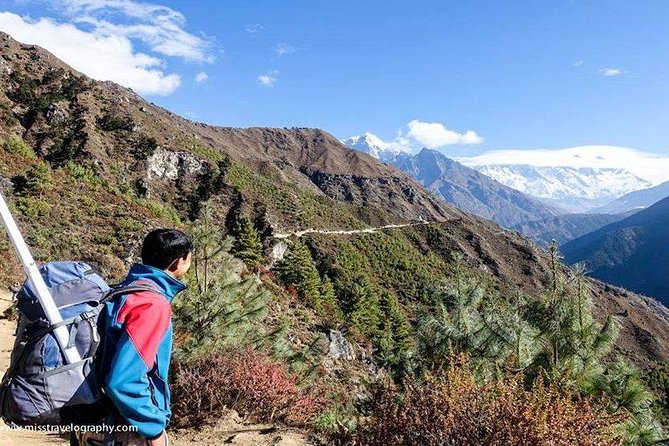
From Namche, the trail rises and falls through forest with views of Everest, Nuptse, Lhotse, and Ama Dablam. The walk to Tengboche takes about five hours and is described as moderate, though the repeated ups and downs can still tax your legs.
Tengboche gives the trip a strong cultural focus. You pass villages and have the chance to visit the monastery, while the surrounding forest may offer glimpses of musk deer, Himalayan thar, and colorful pheasants.
The changing scenery is the pleasure here. You move from the service center of Namche into quieter mountain country, with rhododendron and juniper trees, river crossings, and snowy summits above the trail. The route is not simply a march toward Base Camp. These villages and monasteries are a major part of what makes the journey worthwhile.
Day 6: Into the Imja Valley and on to Dingboche
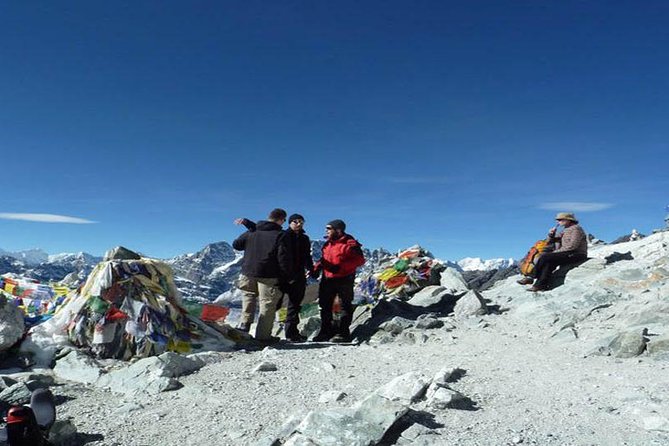
The route passes through dense forest in the Imja Valley and climbs toward Pangboche at 3,985 meters. Pangboche is known for its monastery, which dates from the period when Buddhism was introduced to the Khumbu region.
You then continue to Dingboche at about 4,410 meters. The day description does not give a walking time, so ask your operator for the expected duration and elevation profile before departure. At this height, even a moderate distance can feel slow.
Dingboche is an important staging point before the route reaches much higher ground. The air is thinner, nights are colder, and your pace naturally drops. This is where a patient guide and a sensible group rhythm matter most.
Day 7: A useful rest day in Dingboche
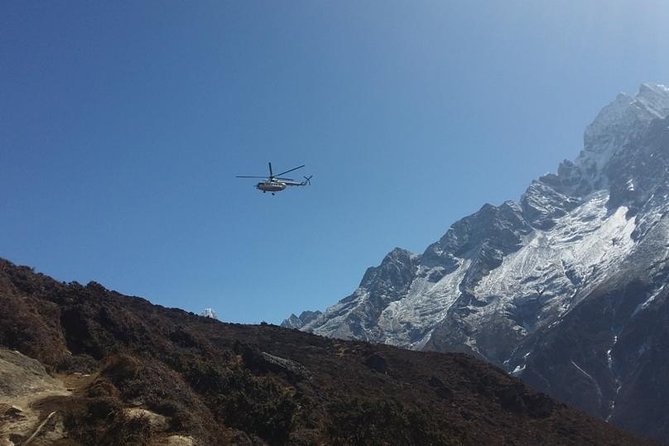
The second acclimatization day comes in Dingboche. You can stay in town or take the optional hike toward Chhukung, beginning around 8:30 in the morning after breakfast.
The hike is described as manageable and offers especially good views of Ama Dablam. The return can bring strong winds, so carry warm layers even if the morning begins calmly. The listed activity time is about four hours.
I like this rest day because it breaks up the high-altitude push. You gain elevation without committing to a full trekking day, then return to Dingboche for another night before the route becomes more exposed and demanding.
Day 8: Lobuche and the climbers’ memorials
The walk to Lobuche takes about five hours and brings a sharper sense of scale. Snow-covered peaks loom above small settlements, and the trail passes views of Ama Dablam, Pokalde, Kongma Tse, and the Nuptse wall.
You pass the Trekkers Aid Post at Pheriche, which is associated with volunteer western doctors. The route then climbs toward Chukpo Lari, where memorials honor climbers who died on Everest expeditions.
This can be an emotional stop. It gives a human weight to the mountains and reminds you that Base Camp is not an ordinary sightseeing target. The route is beautiful, but it is also serious country. Keep your pace steady and avoid treating the final approach as a race.
Day 9: Everest Base Camp and the long return to Gorakhshep
Day 9 is one of the hardest, with roughly eight hours of walking. The route crosses rocky ground beside glacial ponds, ice, meadows, and moraine. You first reach Gorakhshep, then continue toward Everest Base Camp.
The Base Camp area changes with the climbing season, so you should not expect a permanent village or a polished attraction. The significance comes from reaching the point used by expeditions and seeing the surrounding ice and peaks at close range.
The plan also refers to Kala Patthar on this day, but the detailed schedule places the main Kala Patthar ascent on the following morning. Confirm the exact order with your guide. Either way, the day is long, and your energy will be limited after reaching Base Camp.
You return to Gorakhshep for the night. Accommodation at this altitude is basic, and the cold can make rest difficult. The included lodge and meals remove some planning stress, but they do not turn high-altitude camping conditions into a comfortable hotel stay.
Day 10: Sunrise from Kala Patthar and descent to Pheriche
An early start takes you up Kala Patthar, at about 5,550 meters. The climb is strenuous, but the summit gives you one of the broadest views of the trip, with Everest, Pumori, Nuptse, Changtse, Ama Dablam, Taweche, and Kantega visible when the weather cooperates.
Prayer flags, cairns, a small stupa, and a weather station mark the summit. Afterward, you return to Gorakhshep for breakfast and descend to Pheriche, a seven-hour day according to the schedule.
This is a smart direction of travel. Going down after the high point gives your body a needed break, and breathing becomes easier as you lose altitude. Still, downhill walking can be hard on knees and ankles, especially after the early climb.
Days 11 and 12: Retracing the route to Lukla
The return route passes through valleys, pastureland, Tengboche, and Monjo before continuing toward Lukla. One schedule entry names Namche Bazaar as the stop, while the description suggests continued travel toward Lukla. Ask for the confirmed overnight plan, since this section is important for estimating daily walking time.
The scenery changes as you descend. Air becomes denser, temperatures rise, and the forest returns. Rhododendron and juniper line parts of the route, and you might spot mountain goats or colorful pheasants.
The final approach to Lukla includes steep downhill sections, Sherpa villages, the Tenzing and Hillary suspension bridge, riverbanks, forests, and smaller settlements. The listed walking time is about seven hours. Once in Lukla, you can explore the bazaar, buy local items, and celebrate with your guide and porter team.
This return is not an afterthought. It lets you see the same route from another angle and gives your body time to recover before the flight.
Day 13: Flying back and recovering in Kathmandu
You leave Lukla early for the scenic flight back toward Ramechhap or Kathmandu. The flight is listed at about 35 minutes, but mountain flight operations can change, so avoid booking an international departure too close to this return.
Back in Kathmandu, your guide transfers you to the hotel. After nearly two weeks of walking, a quiet afternoon is welcome. A farewell dinner is planned for the evening, giving you a chance to mark the end of the trek with the team.
Day 14 is departure day. A company representative takes you to the airport in time for your flight.
Guides, porters, and the feel of the support
The operator assigns a trained local guide for the full trek. Names connected with past departures include Ganesh, Keshab, Prakash, Krishna, and Ganesh Karki, but you should ask who will lead your particular trip.
The strongest pattern in the service is attentive support. Guides have helped solo women, older walkers, families, and a deaf participant complete demanding routes. One 73-year-old participant completed a much longer high-altitude journey with support from the company, though that should not be taken as a promise that age or fitness will be irrelevant.
A porter is available for an extra fee. If you hire one, confirm the baggage limit and exactly what is carried. Carry your valuables, medications, documents, and anything you need during the day in your own daypack.
This is a private activity, meaning only your group participates. That can make the pace and communication easier than joining a large mixed party, although the exact group size is not provided.
Who should book this trek
I would choose this trip if you want a guided first visit to Everest Base Camp and prefer to have the major logistics handled in advance. It suits people with moderate physical fitness who can walk for four to eight hours on uneven ground and accept basic lodges, cold nights, and slow progress at altitude.
It is also a good fit for solo participants, couples, families with the right fitness level, and people who want local support from airport arrival through departure. Group discounts are available, and the private format may work well if you are arranging a small party.
I would hesitate if you want a relaxed holiday, hotel comfort every night, or a fixed schedule immune to weather. Acute mountain sickness is a real concern, and one past participant had to stop a trek because of it. No guide can guarantee a successful Base Camp arrival.
Drones require special permits inside Sagarmatha National Park. If you plan to carry one, arrange that before using it.
Should you book the Everest Base Camp Trek?
Book it if you want a well-supported 14-day route that includes Namche, Tengboche, Dingboche, Lobuche, Base Camp, and Kala Patthar without arranging every permit, meal, lodge, flight, and transfer yourself. The $1,600 cost is reasonable for the number of inclusions, though the porter fee, visa, international airfare, and possible delay costs sit outside the package.
Before paying, confirm four things: your assigned guide, the porter price, the exact Lukla and Ramechhap flight plan, and the overnight stops on the return. If you accept the physical demands and keep your schedule flexible, this trip gives you a practical way to experience the Everest region with strong local support.
FAQ
How long is the Everest Base Camp Trek?
The advertised duration is approximately 14 days, including arrival and departure days in Kathmandu.
Where does the trek begin?
The trip begins in Kathmandu, with airport pickup and a transfer to your hotel. The walking route starts after a domestic flight to Lukla.
Is the flight to Lukla included?
Yes. Round-trip domestic flights are included in the package.
Are meals included during the trek?
Yes. Breakfast, lunch, and dinner are included during the trekking portion, along with seasonal fruit after dinner.
What accommodation is provided?
The package includes two nights in a Kathmandu hotel with buffet breakfast and the best available twin-sharing local lodges during the trek.
Are trekking permits included?
Yes. Essential trekking permits, entrance fees, government taxes, and local taxes are included.
Is a porter included?
No. A porter is available at an extra cost.
Do I need special permission to use a drone?
Yes. You need special permits to use a drone inside Sagarmatha National Park.
What is the cancellation policy?
You can receive a full refund if you cancel at least 24 hours before the experience start time. Cancellations or changes made within 24 hours are not accepted for a refund.
Latest treks added in Kathmandu
- Private Manaslu Circuit Trek at Himalayas★ 5.0 · 3 reviews
- Ghorepani Poonhill Trek★ 5.0 · 5 reviews
- Ghorepani Poon Hill Trek★ 5.0 · 16 reviews
- Upper Mustang Trekking★ 3.0 · 2 reviews
- Amazing 1 Day Trekking Experience in Kathmandu Nepal★ 5.0 · 24 reviews
- Upper Mustang Trekking★ 5.0 · 2 reviews
- Upper Mustang Trek★ 5.0 · 5 reviews
- Upper Mustang Trekking★ 5.0 · 4 reviews
Everest Base Camp Treks, compared.






Browse the lists this tour appears in