
REVIEW · NEPAL
Everest Base Camp Trek 12 Days
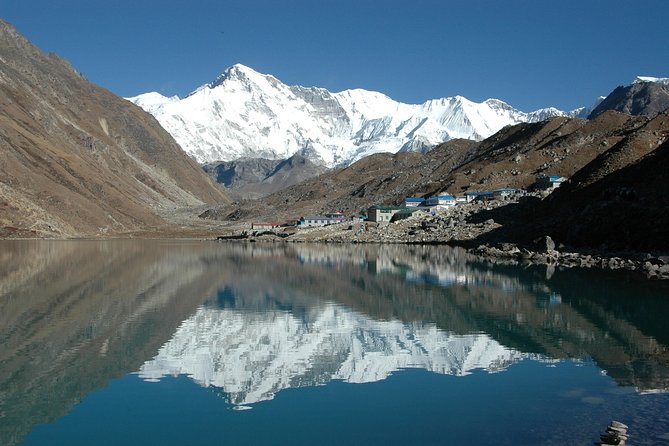
The big draw is simple: you walk into the Everest region and reach Everest Base Camp, with the high point of the trip coming at Kala Patthar. The route also gives you the famous Lukla flight, wide Himalayan views from the Everest View Hotel area, and nights in classic trekking stops such as Namche Bazaar and Dingboche.
I like the way this package handles the main logistics, especially the Kathmandu to Lukla flight, permits, guide, sleeping bag, and staff costs. I also like the clear acclimatization plan, with rest days in Namche Bazaar and Dingboche rather than rushing straight uphill. The catch is that meals, porter service, travel insurance, and several personal costs are extra, so the $1,111 price is not the final amount you will spend.
Key points
- Reach Everest Base Camp in 12 days: The route runs from Lukla to Phakding, Namche Bazaar, Tengboche, Dingboche, Lobuche, Gorak Shep, and back.
- Climb Kala Patthar early: This morning hike is one of the main goals of the trip and adds a high viewpoint before the descent to Pheriche.
- Use planned acclimatization stops: Rest days in Namche Bazaar and Dingboche help break up the demanding uphill walking.
- Fly through Lukla: Airfare from Kathmandu to Lukla and back is included, though the itinerary may use Manthali for the outbound connection.
- Travel with an English-speaking guide: Mount Glory Treks provides a licensed, experienced trek leader, and guide Armit is named in the booking information.
- Budget beyond the advertised price: Trekking meals are not included and are estimated at about $300 to $350 for 12 days, with porter service and tips also extra.
Why this 12-day Everest route works
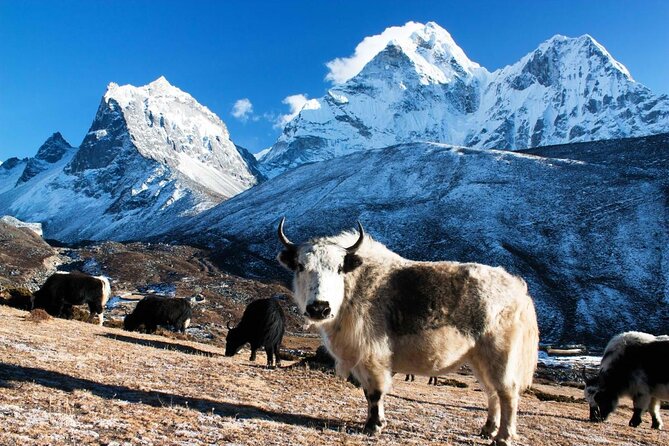
This is a focused Everest Base Camp trek, not a broad tour of Nepal. You spend nearly all of the active part of the trip walking through the Solukhumbu district, with the route arranged around the two things that matter most at altitude: gradual progress and time to adjust.
The schedule is compact but sensible. You gain height from Lukla to Namche Bazaar, pause there, continue to Tengboche and Dingboche, pause again, then move toward Lobuche and Gorak Shep before reaching Base Camp and Kala Patthar. That structure gives you a better shot at enjoying the route than a plan that simply pushes uphill every day.
You should still treat this as a serious trek. The itinerary includes long mountain walking, high overnight stops, and a demanding section around Gorak Shep, Base Camp, and Kala Patthar. The package is organized, but it is not an easy holiday with a few scenic walks added on.
More Everest Base Camp Treks in Nepal
- Everest Base Camp Trek – 14 Days
★ 5.0 · 1,499 reviews - Everest Base Camp Trek
★ 5.0 · 842 reviews - Everest Base Camp Trekking
★ 5.0 · 485 reviews
The Lukla flight starts the adventure
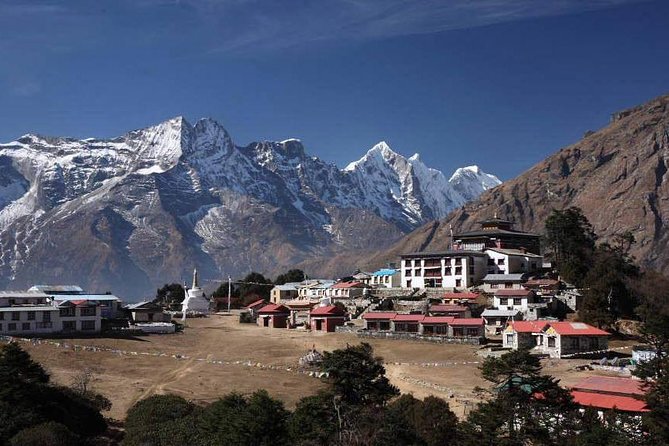
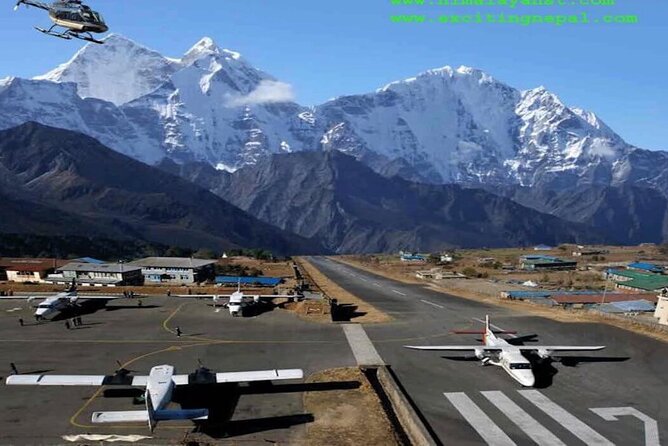
The journey begins with a flight from Kathmandu to Lukla, or from Manthali to Lukla depending on the operating plan. Airfare is included in the package, along with airport departure tax in Kathmandu and Lukla.
That flight matters because it places you directly at the trailhead. You avoid a much longer overland approach and begin walking after arrival in Lukla. The experience is also one of the defining moments of the route, with aerial views of the Himalayan wilderness before the trek even begins.
The practical point is that your first and last days depend on this flight connection. The itinerary includes a flight back to Kathmandu on Day 12, but you should keep your wider Nepal schedule flexible around mountain aviation. The package offers free cancellation up to 24 hours before the activity, and you can reserve now and pay later, which may help with planning.
From Lukla, you trek to Phakding. This first day is useful as a gentle introduction to the route, since you are walking rather than trying to cover a major distance immediately after the flight.
Phakding to Namche Bazaar, your first big climb
Day 2 takes you from Phakding to Namche Bazaar. This is where the trip begins to feel like a real Himalayan trek, with a longer walking day and a clear change in the setting around you.
Namche Bazaar is more than a stop for the night. It is the main acclimatization point in the early part of the route and one of the most recognizable settlements on the Everest trail. The plan gives you Day 3 there, which lets you rest and take the included sightseeing opportunity toward the Everest View Hotel.
That viewpoint is one of the trip’s headline moments. You get your first major look toward Everest and the surrounding peaks without yet having to reach the upper part of the route. I like this pause because it serves two purposes: you see an important mountain panorama, and you avoid treating every day as a race toward Base Camp.
Your guide can also help set the walking pace here. Brendan from the United States specifically praised guide Armit for keeping a good pace and helping with what was needed. That detail matters on a trek like this, where steady movement is more useful than charging ahead early in the day.
Tengboche and Dingboche bring the route higher
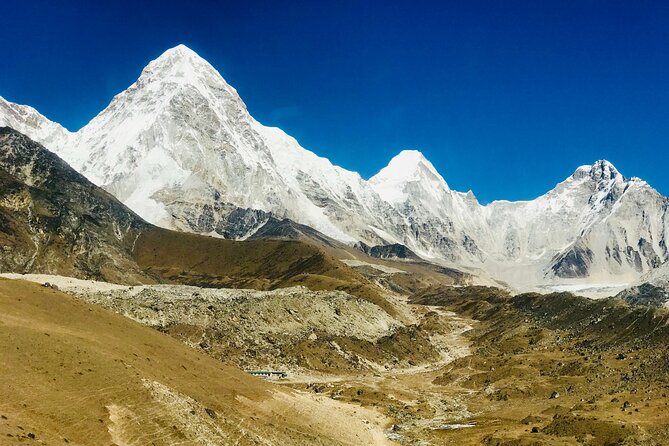
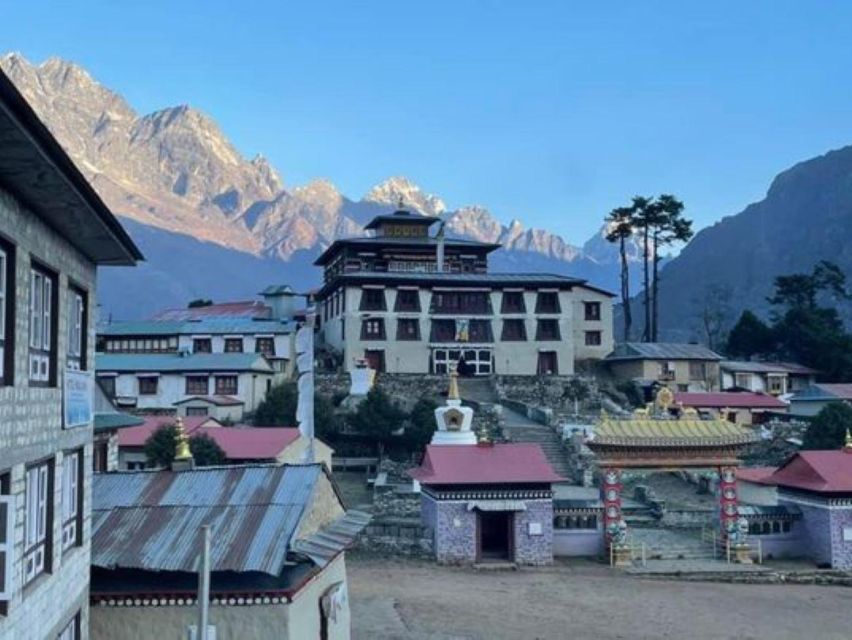
After Namche, you trek to Tengboche on Day 4. This is one of the best-known stops on the route and a natural place to notice how the trip is changing. The walking is no longer just an approach to the mountains. You are moving into the higher section of the Everest region.
Day 5 continues from Tengboche to Dingboche. Dingboche then receives its own acclimatization day on Day 6, with a climb to Nangkartshang Peak.
That climb gives the rest day a purpose. You are not simply sitting in a lodge waiting for the next stage. You take a shorter uphill outing, then return to Dingboche before the trek continues toward Lobuche. The itinerary does not give a precise walking time or height gain, so you should ask Mount Glory Treks for the day’s exact schedule before departure.
This is also a good point to think about your personal pace. The route is guided, and staff costs are included, but porter service is not. If you want someone else to carry your main duffel, that needs to be arranged and paid for separately.
More Trekking Tours in Nepal
- Annapurna Circuit Trek with Tilicho Lake
★ 5.0 · 368 reviews - Everest Base Camp Trekking – 13 Day
★ 5.0 · 365 reviews - Everest Base Camp Trek
★ 5.0 · 350 reviews - Everest Base Camp Trek -14 Days
★ 5.0 · 321 reviews
Lobuche to Everest Base Camp and Gorak Shep
On Day 7, you trek from Dingboche to Lobuche. This is the gateway to the most anticipated section of the route.
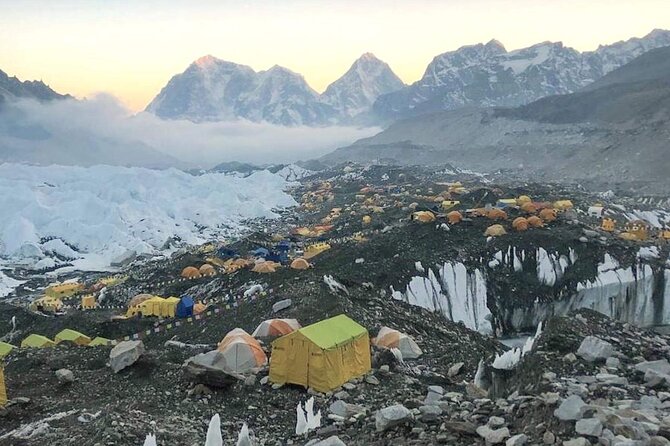
Day 8 takes you from Lobuche to Everest Base Camp and then back to Gorak Shep. That order is important. You visit Base Camp during the day, then sleep at Gorak Shep rather than returning all the way to Lobuche.
Everest Base Camp is the emotional center of the trek. Reaching the base camp of Mount Everest, at 8,848.86 meters, is the goal that gives the entire route its shape. The base camp itself is not the mountain summit, and this trek does not climb Everest, but standing at the starting point for major expeditions is still a powerful achievement.
You should expect this to be one of the hardest days. The itinerary combines a high trail, the Base Camp walk, and the return to Gorak Shep. Your guide’s pacing becomes especially important here. The package provides an English-speaking government-licensed guide, and the inclusion of staff insurance, equipment, food, and accommodation reduces the number of things you need to manage yourself.
Kala Patthar is the morning highlight
Day 9 begins with an early hike from Gorak Shep to Kala Patthar, followed by a trek down to Pheriche. This is a smart sequence because the early start places the viewpoint before the long descent.
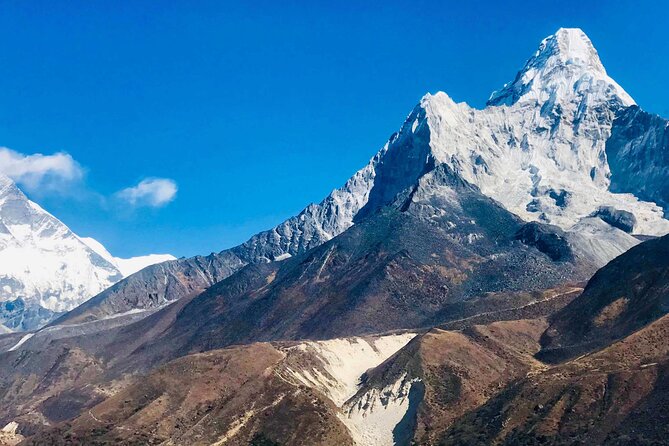
Kala Patthar is often treated as the visual payoff of the trek. Base Camp gives you the destination, while the climb gives you a high viewpoint over the Everest region. The supplied highlights also call attention to Gorekhsep, which is generally written elsewhere in the itinerary as Gorak Shep. These are the same stop in this schedule.
After Kala Patthar, you descend to Pheriche. That change in direction should feel welcome after the high section, but do not assume the day is easy. A morning climb followed by a substantial descent still requires stamina and good pacing.
The route then returns to Namche Bazaar on Day 10 and Lukla on Day 11. These days retrace part of the approach, but the experience changes when you are walking downhill and carrying the memory of Base Camp and Kala Patthar with you.
What the price includes, and what it leaves out
At $1,111 per person, this is a useful package for someone who wants the core arrangements handled. The included items cover private airport, hotel, and airport transfers; standard twin-sharing guest house accommodation during the trek; Lukla flights; a licensed English-speaking guide; a duffel bag; a sleeping bag; national park permits; TIMS; government taxes; and official expenses.
The staff package is also substantial. Food, accommodation, salary, insurance, and equipment are listed for the trekking staff. If a problem occurs, the company says it can arrange rescue service based on your travel insurance.
But you need to budget honestly. Breakfast, lunch, and dinner in Kathmandu are not included, and meals during the trek are separate. The stated estimate for trekking food is about $300 to $350 for the 12-day route.
You must also pay for international flights, Nepal’s entry visa, personal travel insurance, personal expenses, and tips for guides, porters, and drivers. Porter service is excluded, so confirm the price if you do not want to carry your own main bag.
That makes the realistic cost higher than $1,111. Still, the package can offer good value if you want a guide, flights, permits, basic lodging, equipment support, and airport transfers bundled together. Its value is strongest for a first organized Everest trek, or for anyone who prefers not to arrange each part separately.
Lodging, food, and the daily rhythm
Accommodation during the trek is in standard guest houses on a twin-sharing basis. This tells you what kind of comfort to expect: practical mountain lodging rather than private luxury.
The package includes a duffel bag and sleeping bag, returned after the trek. That is helpful for packing, especially if you do not want to purchase bulky equipment for one trip. Ask before departure about what you should bring personally, since the included equipment does not cover every item you may need.
Food is your responsibility financially while trekking. The supplied estimate of $300 to $350 gives you a useful planning figure for 12 days, but your final spending depends on what you order. Since meals are not included in the advertised rate, keep this cost separate from your booking budget.
Alcohol and drugs are not allowed on the activity. That rule is clear and worth noting before you pack.
Guide support and the role of Armit
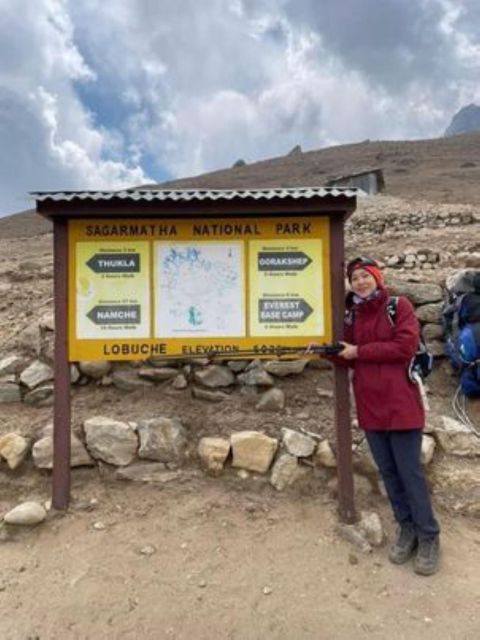
The tour provides a live English-speaking guide from Lukla to Lukla. The guide is described as a government-licensed and experienced trek leader, with staff costs included.
Armit, working with Mount Glory Treks, is named as a guide connected with this experience. Brendan’s booking account gives him strong credit for setting a good pace and providing practical help throughout the trek. I would treat that as a useful sign, while still asking who will lead your own departure and how many people will be in your group.
A good guide matters here for more than route finding. You want someone who can keep the group together, adjust the pace, and explain what is happening during the acclimatization days. The itinerary has built-in pauses, but the guide helps turn those pauses into useful parts of the trek.
Rescue support is listed, but it depends on your travel insurance. Do not read that as a substitute for insurance. Personal travel insurance is specifically excluded, and you should arrange it before setting out.
Who should book this Everest trek?
I would recommend this route to a reasonably fit trekker who wants the classic Everest Base Camp itinerary in a fixed 12-day format. It is especially suitable if you have already completed other treks, as the activity information suggests, and now want the major Everest region route.
It also suits you if you value a guide and want flights, permits, transfers, accommodation, and basic equipment support bundled into one price. The two planned acclimatization days are a real advantage over a rushed schedule.
I would hesitate if you want a relaxed walking holiday, private rooms, all-inclusive pricing, or porter service already built in. The high section is demanding, the meal bill is separate, and the advertised price does not include several necessary trip costs.
Should you book the 12-day Everest Base Camp Trek?
Book it if reaching Everest Base Camp and Kala Patthar is your main goal, and you want Mount Glory Treks to handle the major route arrangements. The itinerary is clear, the price includes several expensive essentials, and guide Armit’s reported pacing and practical help are encouraging.
Before paying, confirm the flight departure point, the guide assigned to your group, porter pricing, the exact meal budget, and the insurance requirements. If you are comfortable with twin-sharing lodging, separate meal costs, and a demanding mountain schedule, this is a well-focused way to take on the Everest Base Camp route.
FAQ
How long is the Everest Base Camp Trek?
The trek lasts 12 days, including the flight from Kathmandu or Manthali to Lukla, the walk to Everest Base Camp and Kala Patthar, the return to Lukla, and the flight back to Kathmandu.
What places are included on the route?
The itinerary includes Lukla, Phakding, Namche Bazaar, Tengboche, Dingboche, Nangkartshang Peak, Lobuche, Everest Base Camp, Gorak Shep, Kala Patthar, and Pheriche.
Are flights between Kathmandu and Lukla included?
Yes. Airfare from Kathmandu to Lukla and back is included, with airport departure tax in Kathmandu and Lukla. The itinerary notes that the flight may operate from Manthali to Lukla.
Are meals included during the trek?
No. Breakfast, lunch, and dinner in Kathmandu are excluded, and all meals during the trek are also separate. The estimated cost for trekking meals is about $300 to $350 for 12 days.
Is porter service included?
No. Porter service is not included in the advertised price. Tips for guides, porters, and drivers are also separate, and tipping is expected.
Is travel insurance included?
No. Personal travel insurance is not included. Rescue service can be arranged if needed, based on your travel insurance.
What is the cancellation policy?
You can cancel up to 24 hours in advance for a full refund. The activity also allows you to reserve now and pay later.
Latest treks added in Nepal
- Private Manaslu Circuit Trek at Himalayas★ 5.0 · 3 reviews
- Ghorepani Poonhill Trek★ 5.0 · 5 reviews
- Ghorepani Poon Hill Trek★ 5.0 · 16 reviews
- Upper Mustang Trekking★ 3.0 · 2 reviews
- Amazing 1 Day Trekking Experience in Kathmandu Nepal★ 5.0 · 24 reviews
- Upper Mustang Trekking★ 5.0 · 2 reviews
- Upper Mustang Trek★ 5.0 · 5 reviews
- Upper Mustang Trekking★ 5.0 · 4 reviews
Everest Base Camp Treks, compared.






Browse the lists this tour appears in