
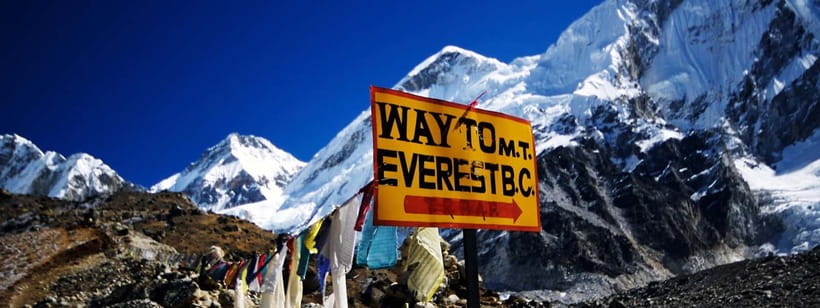
REVIEW · KATHMANDU
Everest Base Camp Short Trek- 12 Days
The main draw here is simple: in 12 demanding days, you walk from Lukla to Everest Base Camp and climb Kala Patthar, with the high point listed at 5,644 meters. I like that the price covers the big practical pieces, including domestic flights, permits, meals, a guide, and one porter for every two trekkers. I also like the careful pacing, with an acclimatization day in Dingboche.
The tradeoff is the schedule. Five to six hours of walking most days, cold nights, thin air, and steep altitude gains make this a serious trek, not a casual holiday. You need good fitness, and the itinerary leaves little room for a slow pace or an unexpected delay.
Key points to know before you go
- Lukla flight included: The trip begins with a 30-minute Twin Otter flight from Kathmandu to Lukla.
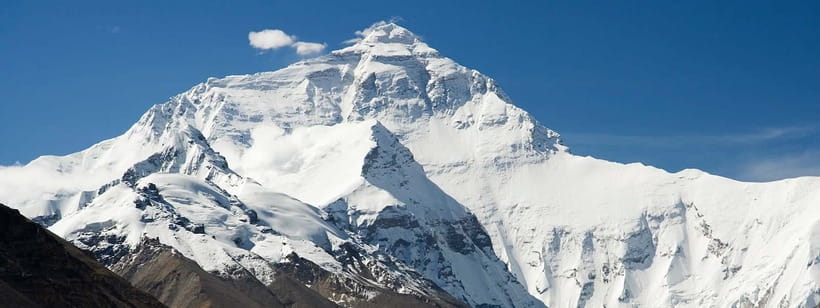
- High-altitude finish: You reach Everest Base Camp at about 5,364 meters, then climb Kala Patthar at about 5,644 meters.
- Acclimatization built in: Day 5 includes time in Dingboche before the route rises higher.
- Practical costs covered: Meals, tea-house lodging, permits, staff costs, a porter, and trekking equipment are included.
- Private group option: You can request a private group and receive an English-speaking guide.
- Strong personal support: Sabita and Sujan are available to coordinate the trip, with daily contact described as part of the service.
Why this 12-day Everest trek works
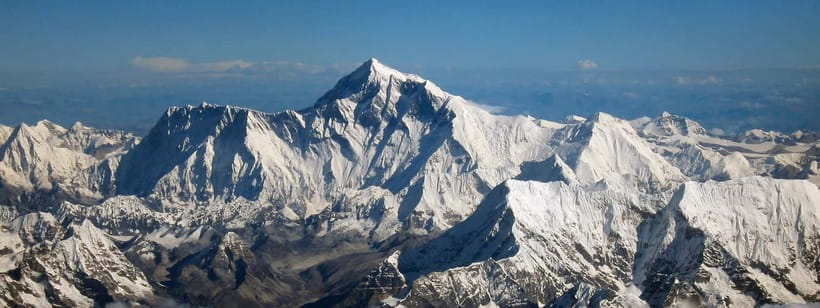
This is the classic Khumbu route in a compact format. You fly into Lukla, follow the Dudh Koshi valley, pass through Sherpa villages, and climb steadily toward the world’s highest mountain. The route is not technical, but altitude is the real challenge.
I like the way this trip handles the practical side. Your airport pickup, Kathmandu hotel, domestic flights, permits, meals, porter service, and tea-house rooms are arranged in advance. That matters in Nepal, where a missed flight, a permit question, or a last-minute room problem can quickly become your headache.
The operator also supplies a down jacket and sleeping bag for the trek. You return those at the end, while the T-shirt and trekking map are yours to keep. It is a useful setup for anyone who does not want to buy a full high-altitude kit for one trip.
You should still read the 12 days honestly. This is a tough route compressed into less than two weeks. The itinerary gives you an acclimatization day in Dingboche, but it does not include a separate spare day for weather or delays. You should arrive ready to walk, not hoping the trek will build your fitness for you.
More Everest Base Camp Treks in Kathmandu
- Everest Base Camp Trek – 14 Days
★ 5.0 · 1,499 reviews - Everest Base Camp Trek
★ 5.0 · 842 reviews - Everest Base Camp Trekking
★ 5.0 · 485 reviews
Kathmandu, 1,400 meters, and the flight to Lukla
Day 1 is a soft landing in Kathmandu. You arrive at the international airport, meet a representative from Female Guide Holiday, transfer to your hotel, and have a welcome dinner. The rest of the day is free.
That free time is useful. You can rest after your international flight, check your gear, and deal with any small shopping needs before heading into the mountains. The package includes two nights in a deluxe Kathmandu hotel with breakfast, but extra nights caused by an early arrival, late departure, or early return are not included.
On Day 2, you take an early morning flight to Lukla. The flight itself lasts about 30 minutes in a regular Twin Otter aircraft. From Lukla, the route descends toward Phakding, passing farmland and Sherpa villages including Chheplung, Ghat, Sano, and Thulo Gumela.
This first walk takes two to three hours. You pass shrines and monasteries at Drangdrak Gompa and Pema Choling Gompa, with views toward Kumbila and Kusum Kanguru. The day is short by trekking standards, which gives you a sensible first introduction to walking at altitude.
The first night is at roughly 2,610 meters in Phakding. The route description also lists Lukla at 2,860 meters, so the opening day includes both a flight to a high point and a descent on foot. That is a gentle start, but you still need to pay attention to hydration and fatigue from the early flight.
Namche Bazaar, the first big climb
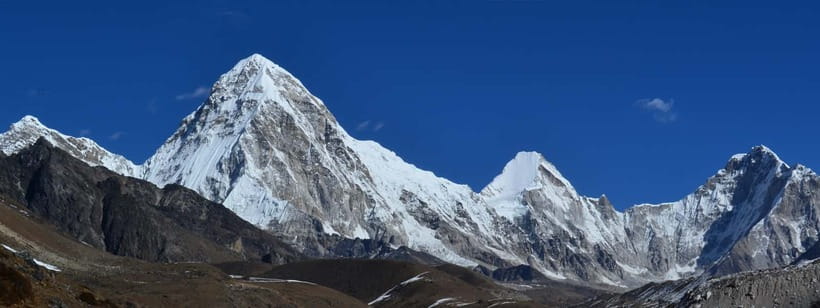
Day 3 brings the first major effort. You walk five to six hours toward Namche Bazaar, with about 1,000 meters of ascent and 100 meters of descent. This is where the trek begins to feel like a mountain journey rather than a long village walk.
Namche sits at about 3,440 meters and is an important stop on the route. It is also the point where the steady gain in altitude becomes impossible to ignore. Your breathing will feel different, and the uphill sections will take more time than they would at home.
The guide and porter setup is valuable here. One porter is assigned for every two trekkers, while the trek leader and assistant trek leader handle the route and group support. You should still carry a daypack with personal medication, water, warm layers, and anything you need during the walking day.
The service is designed to reduce your load, not remove the effort. You still walk several hours, and the trek continues to rise almost every day.
Tengboche at 3,860 meters
Day 4 takes about four hours to Tengboche. The route includes a 350-meter descent followed by a 750-meter ascent, so the time estimate can look easier than the actual effort.
Tengboche is one of the most memorable stops on this route because of its monastery setting and mountain views. The itinerary specifically places you through Tengboche, making it an important cultural and scenic stage rather than just a sleeping point.
At 3,860 meters, the air is thinner and the climb becomes more serious. I would treat this as a day to walk slowly and keep your breathing steady. You do not gain anything by racing ahead, especially when the next days take you above 4,000 meters.
Accommodation is in a tea house. These are practical mountain lodgings, not deluxe hotels. You receive a bed and meals, but comfort becomes simpler as the route climbs. The price includes the best available tea-house accommodation, which is helpful, though it should not be read as a promise of luxury.
More Trekking Tours in Kathmandu
- Annapurna Circuit Trek with Tilicho Lake
★ 5.0 · 368 reviews - Everest Base Camp Trekking – 13 Day
★ 5.0 · 365 reviews - Everest Base Camp Trek
★ 5.0 · 350 reviews - Everest Base Camp Trek -14 Days
★ 5.0 · 321 reviews
Dingboche, 4,410 meters, and the acclimatization pause
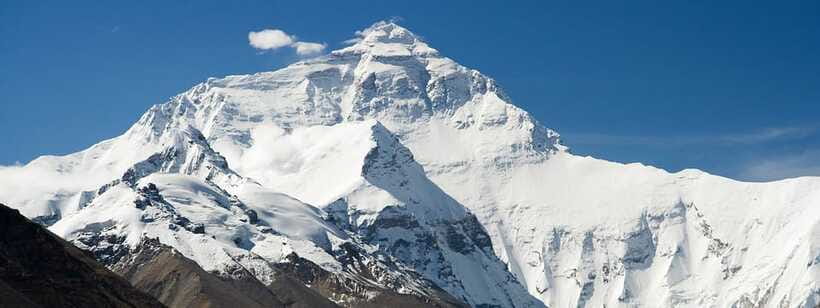
Day 5 leads to Dingboche in three to five hours. You descend about 70 meters, then climb roughly 580 meters to reach 4,410 meters.
Dingboche is the key adjustment point in the itinerary. You spend time here before going higher, giving your body a chance to respond to the altitude. Even with this pause, you should not assume that fitness prevents altitude problems. Good conditioning helps with the walking, but it does not guarantee an easy response to thin air.
The route is listed as having an average of five to six walking hours a day, but this particular stage may be shorter. That variation gives you a little relief before the long push to Lobuche and the high camps.
The package includes breakfast, lunch, and dinner throughout the trek. Bottled or boiled water is not included, so you need to budget for drinking water separately. Personal expenses such as internet, phone calls, laundry, showers, battery charging, and bar bills are also your responsibility.
Lobuche at 4,940 meters
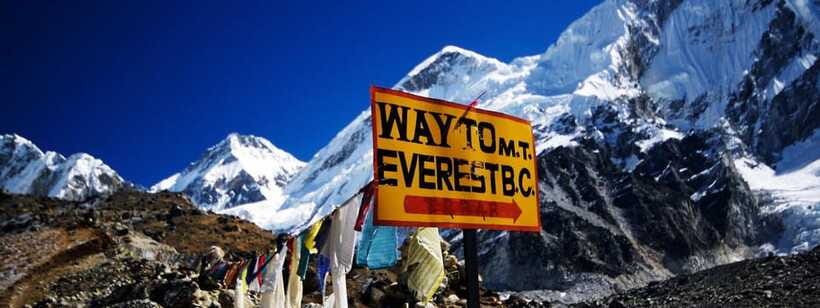
Day 6 takes four to five hours and climbs about 700 meters to Lobuche. At 4,940 meters, you are now close to the high point of the trip.
This is the stage where the itinerary’s physical demands become clear. The walking time is not extreme on paper, but the altitude changes how every uphill stretch feels. You should keep your pace controlled and listen closely to the guide’s advice.
Lobuche is a functional stop before the Everest Base Camp push. Do not expect a relaxed evening. Your focus will be on eating, resting, and preparing for the next day, when you walk to Gorak Shep and continue to Base Camp.
The supplied sleeping bag and down jacket are especially useful here. Temperatures and comfort can vary at high altitude, and having warm gear provided reduces the amount of equipment you must purchase or carry from home.
Everest Base Camp from Gorak Shep
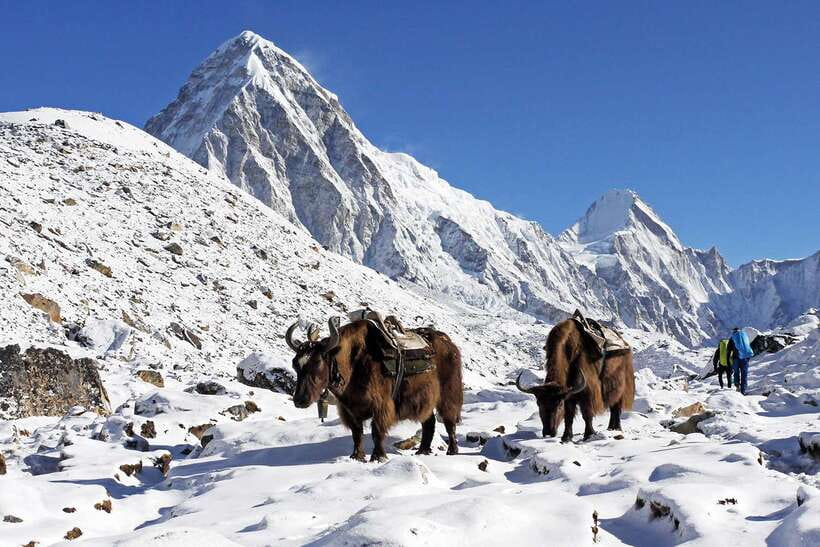
Day 7 takes you to Gorak Shep at about 5,164 meters, then onward to Everest Base Camp at about 5,364 meters before returning to Gorak Shep. This is the emotional center of the trek.
The route is not described as technical, but it is physically tough. You are walking at very high altitude, and the round trip from Gorak Shep to Base Camp makes this a long day. The schedule does not give a separate walking duration, so you should be prepared for a demanding outing rather than relying on the shorter times listed for earlier days.
Everest Base Camp itself is a seasonal staging area for climbers, not a viewpoint with a permanent monument. The reward is reaching the famous point on the Khumbu route, surrounded by high Himalayan terrain and the sense that you have walked a long way from Lukla.
The itinerary lists Base Camp at 5,364 meters, while the general description gives about 5,450 meters. Those figures differ slightly, as do the listed heights elsewhere in the program. You should treat them as approximate route elevations, not precision survey readings.
Kala Patthar, about 5,644 meters
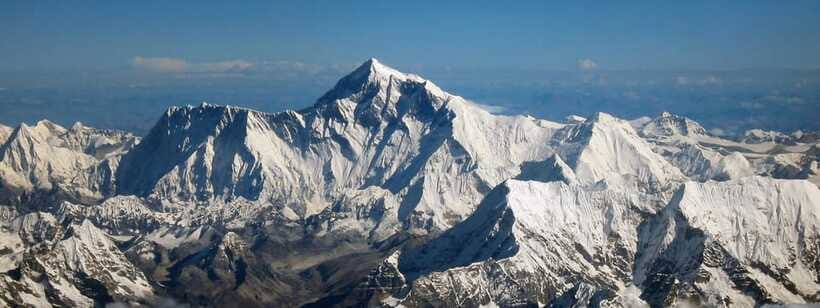
Day 8 is the highest and most demanding part of the trip. You climb Kala Patthar, listed at about 5,644 meters, then descend to Pheriche at about 4,371 meters.
This climb is the reason many people choose this itinerary instead of stopping at Base Camp. Kala Patthar gives you a high mountain viewpoint, while Base Camp is more about the achievement of reaching the route’s famous endpoint. The two experiences complement each other.
The descent to Pheriche is welcome, but it does not make the day easy. You have already spent time above 5,000 meters, and the combination of early effort, cold, and altitude can be draining. This is where the guide’s role matters most. You need someone who is paying attention to your pace and condition, not simply pushing the group toward the next stop.
The trip identifies itself as suitable for people in good physical condition and says previous mountain trekking experience is helpful. That is sensible advice. You do not need technical climbing skills, but you do need to manage long walking days at high altitude.
Returning through Namche and Lukla
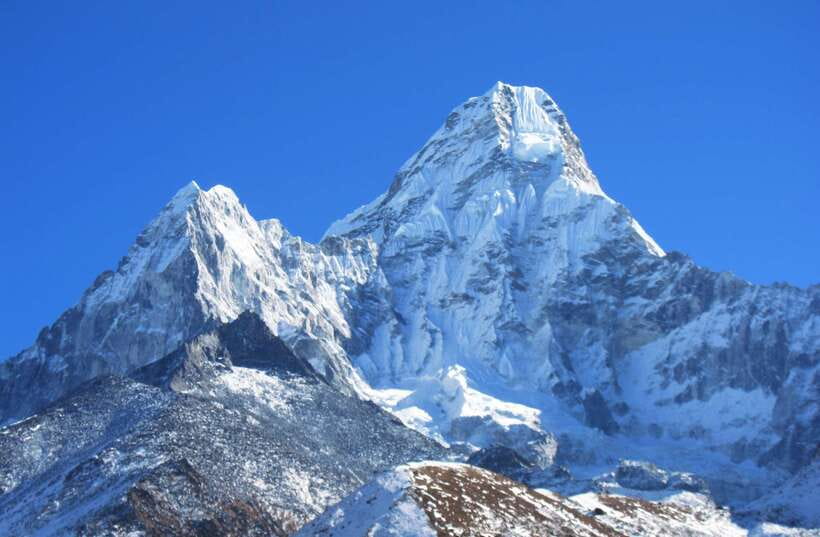
After Kala Patthar, the route turns back toward Namche Bazaar. Day 9 is the return trek to Namche, followed by Day 10, which takes you back to Lukla.
The return route is generally easier on the lungs as you lose altitude, but your legs may be tired from the high section. You should not assume the downhill direction means effortless walking. Descents can be hard on knees and feet, especially after several days on rocky paths.
Returning through familiar places also gives the trek a satisfying shape. You can see how far you have come from the first short walk out of Lukla, and the lower altitude should make meals, sleep, and conversation feel easier.
At Lukla, you prepare for the flight back to Kathmandu. Domestic mountain flights are included, but the program does not include an extra weather day. That makes travel insurance with trekking and rescue cover especially important. Rescue and international flights are not part of the package.
What the $1,599 price really covers
At $1,599 per person, the price offers solid coverage for a guided Everest Base Camp trek. It includes airport transfers, two Kathmandu hotel nights with breakfast, tea-house accommodation, all trekking meals, welcome and farewell dinners, ground transport, domestic flights, entrance fees, permits, guide services, assistant guide services, porter support, staff costs, a down jacket, a sleeping bag, a T-shirt, and a trekking map.
That list matters because the included items are not minor extras. Domestic flights and staff logistics are central to reaching Lukla and managing the route. Meals and tea-house stays also remove much of the daily planning from your hands.
You still need money for a Nepalese visa, excess baggage, water, showers, internet, laundry, charging, drinks, personal purchases, and any extra hotel night in Kathmandu. Travel and rescue coverage is also excluded. I would consider those costs before deciding that the advertised price is your final budget.
The private-group option adds value if you want a more personal pace or are traveling alone. The experience is also aimed at English-speaking participants, with an English-speaking guide and English audio guide listed.
The human side of the operation
The strongest service detail is the level of coordination. Sabita is identified as the manager who handles communication, while Sabita and Sujan are available during the trip and check in daily. That kind of contact is useful for a trek involving flights, permits, hotel transfers, porters, and changing mountain conditions.
One solo woman who joined the trek felt safe and well supported, with a friendly guide and organized pickup, lodging, and domestic flights. That does not remove the need for normal mountain caution, but it is a useful point for solo participants considering a guided Nepal trip.
You should confirm the name of your individual trek leader before departure, since the supplied information names the company contacts but not the guide assigned to your group. The package does specify an experienced, government-licensed trek leader and assistant trek leader.
Who should book this trek?
This trip suits you if you want the full Everest Base Camp route but prefer to have the practical details arranged. It is a good match for a fit hiker who can manage five to six hours of walking per day and wants meals, permits, flights, porters, and tea houses bundled into one price.
It is less suitable if you dislike basic lodging, need a flexible schedule, have back or mobility problems, or want a relaxed holiday. The experience is not suitable for pregnant women, and alcohol and drugs are not allowed. Drones and video recording are also prohibited.
Bring your passport, personal medication, cash, comfortable clothes, and a passport or ID card. You should also plan for cold-weather gear, although the operator supplies a down jacket and sleeping bag.
Should you book it?
I would book this trek if you want a tightly organized route to both Everest Base Camp and Kala Patthar, and you accept the physical cost of the fast 12-day schedule. The all-in structure is useful, the support system is clear, and the personal coordination from Sabita and Sujan adds reassurance.
I would pause if you have little hiking experience or want extra time for acclimatization and weather delays. Before paying, confirm the exact elevation plan, your guide’s name, the domestic flight arrangements, and the cost of extra nights if flights or the trek change.
For a fit walker who wants a direct route with strong logistical support, this is a practical way to reach the high Khumbu without organizing every moving part alone.
FAQ
How long is the Everest Base Camp Short Trek?
The trek lasts 12 days, including arrival in Kathmandu, the trek from Lukla to Everest Base Camp and Kala Patthar, the return to Lukla, and the flight back to Kathmandu.
How much does the trek cost?
The listed price is $1,599 per person.
Is the flight from Kathmandu to Lukla included?
Yes. The package includes domestic flights on a regular Twin Otter aircraft, including the flight from Kathmandu to Lukla and the return flight to Kathmandu.
How many hours do you walk each day?
You walk an average of five to six hours per day. Some itinerary sections are shorter, such as the two to three hours from Lukla to Phakding and the three to five hours from Tengboche to Dingboche.
What is the highest point of the trek?
Kala Patthar is listed at about 5,644 meters. The itinerary lists Everest Base Camp at about 5,364 meters.
Is the trek suitable for beginners?
The trek does not involve technical climbing, but good physical condition is required. Previous mountain trekking experience is helpful because of the long walking days and high altitude.
What accommodation is provided?
You receive two nights in a deluxe hotel in Kathmandu and the best available tea-house accommodation during the trek.
Are meals included?
Yes. Breakfast, lunch, and dinner are included during the trek. Welcome and farewell dinners are also included.
Is a porter included?
Yes. One porter is provided for every two trekkers. Porter costs, salary, insurance, equipment, food, and accommodation are included.
What should you bring?
Bring your passport, passport or ID card, personal medication, cash, and comfortable clothes. The operator provides a down jacket and sleeping bag for use during the trek, plus a T-shirt and trekking map to keep.
Latest treks added in Kathmandu
- Private Manaslu Circuit Trek at Himalayas★ 5.0 · 3 reviews
- Ghorepani Poonhill Trek★ 5.0 · 5 reviews
- Ghorepani Poon Hill Trek★ 5.0 · 16 reviews
- Upper Mustang Trekking★ 3.0 · 2 reviews
- Amazing 1 Day Trekking Experience in Kathmandu Nepal★ 5.0 · 24 reviews
- Upper Mustang Trekking★ 5.0 · 2 reviews
- Upper Mustang Trek★ 5.0 · 5 reviews
- Upper Mustang Trekking★ 5.0 · 4 reviews
Everest Base Camp Treks, compared.






Browse the lists this tour appears in