REVIEW · SAPA
From Sapa: Muong Hoa Valley View & Village Trek 1-Day
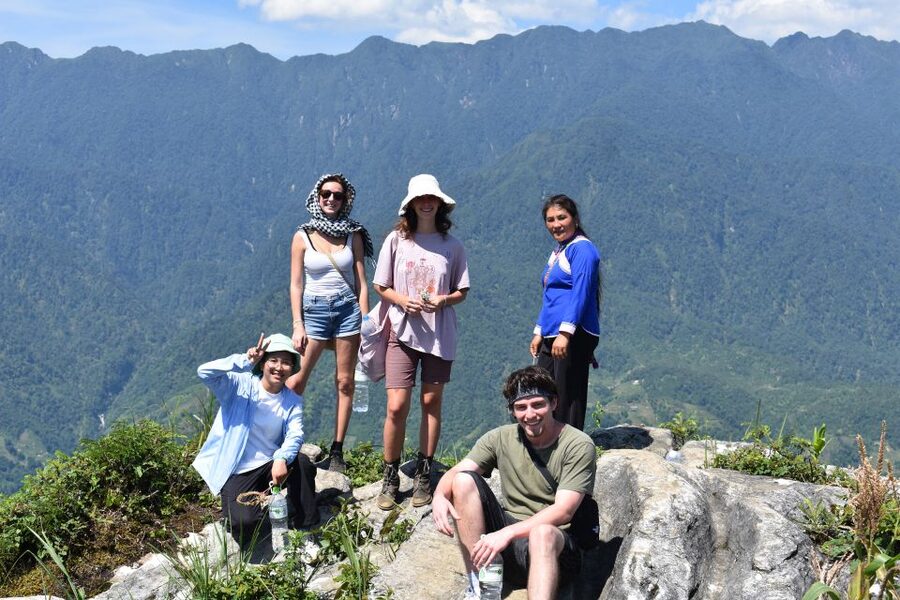
The best part of this trek is the height. You climb above Sapa to Sa Seng and Tao Sha, where the town, Muong Hoa Valley, Hoang Lien Son range, rice terraces, and drifting clouds spread below you. I like the quiet mountain route and the chance to visit Black H’Mong villages rather than simply view them from a roadside stop.
I also like the practical setup: a local English-speaking guide, hotel pickup, lunch, water, village entrance fees, and a private group for $36. The catch is the trail. Steep climbs, rough roads, cliffside sections, and a long descent make this a proper mountain walk, not an easy sightseeing outing.
Key points to know before booking
- Reach Sapa’s high villages: Climb toward Sa Seng and Tao Sha, described as the highest village in Sapa.
- Expect serious uphill walking: Some sections are steep and rough, with the full trek taking about six to seven hours.
- See Muong Hoa from above: Hang Da offers wide valley views, terraced fields, forests, distant peaks, and frequent cloud scenes.
- Meet Black H’Mong communities: The route passes through villages and includes time to visit local homes and learn about food, plants, and culture.
- Finish at ancient stone formations: The final stop is the ancient stone Sapa site, with about 200 stones in different shapes.
- Good value for a private day: Pickup, return transport, lunch, water, entry fees, and an English-speaking guide are included.
Why this trek feels different from a standard Sapa outing
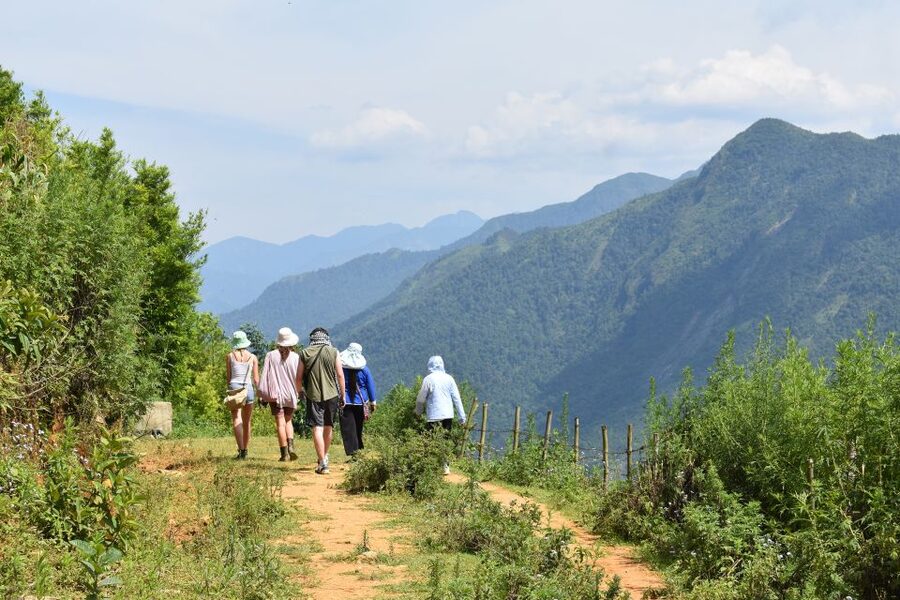
Many Sapa excursions stay close to the town or follow heavily used paths through lower villages. This one aims higher. The route takes you up toward Sa Seng, over the top of Ham Rong mountain, and into villages where the views open across the upper reaches of Muong Hoa Valley.
That height changes the feel of the day. You are not just walking between rice fields. You are looking down across the valley and up toward the Hoang Lien Son range, with Sapa town appearing far below. On clear days, the scale of the mountains becomes the main event. In cloudier weather, Hang Da can feel almost sky-bound, with white cloud moving around the ridges.
The price is $36 per person, which is good value for a full day if you want a guided trek rather than a short village walk. You get transport at both ends, lunch, 1.5 liters of water, village entrance fees, and a private group. The cost matters because transport around Sapa can be awkward, and a guide is useful on steep rural paths.
Still, value depends on your fitness. You are paying for access to high views, but you must work for them. This is not the right choice if you want a gentle stroll, a cable-car viewpoint, or a schedule built around long café breaks.
More Homestay Treks in Sapa
- Number one top rated ethical cultural trekking and homestay by ETHOS
★ 5.0 · 456 reviews - Sa Pa: 2-Day Trekking Trip with Ethnic Minority Homestay
★ 4.7 · 145 reviews - Sapa : 2-Day Trek & Heartwarming Homestay with an Ethnic Family
★ 5.0 · 143 reviews
Starting at Sa Seng and climbing above Sapa
Pickup is scheduled for 8:30 a.m. at your hotel, and you should be ready at the front desk 30 minutes before departure. Once collected, you begin the trek toward Sa Seng Village.
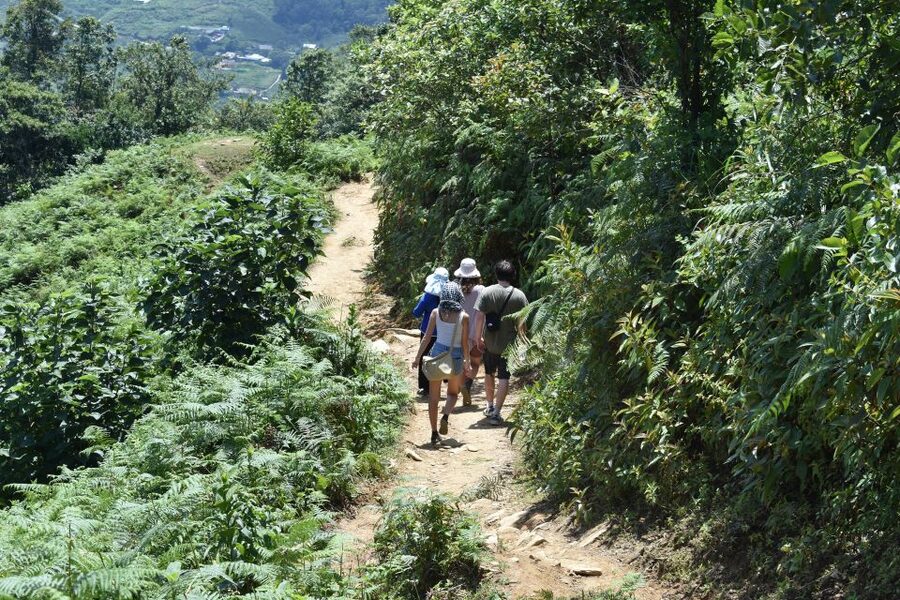
The early section uses rough mountain roads and steep paths. It can feel demanding right away, especially if the ground is wet. One account of the route describes the beginning as particularly hard because of the sharp climb. That is useful to know: do not judge the whole day by the first uphill section, but do expect your legs to work.
Sa Seng is a Black H’Mong village, and the walk gives you a chance to see mountain life in its own setting. The route is not presented as a staged cultural show. You move through village areas, meet local people, and learn about traditional food, plants, and customs from the guide.
Guides Nhu and Nay have both led this experience. The guide assigned to you may be different, but the tour is designed around an English-speaking local guide. Nhu is described as offering clear communication before the day and detailed explanations during the walk. Nay has led groups up to around 2,500 meters and explained local plants, food, and ethnic culture along the way.
The private-group format is useful here. Your pace can be adjusted more easily than on a large group hike, and you can stop for views or rests without waiting for a crowd. It also makes the cultural side more natural, since you have more room to ask questions.
Ham Rong mountain and the first big view
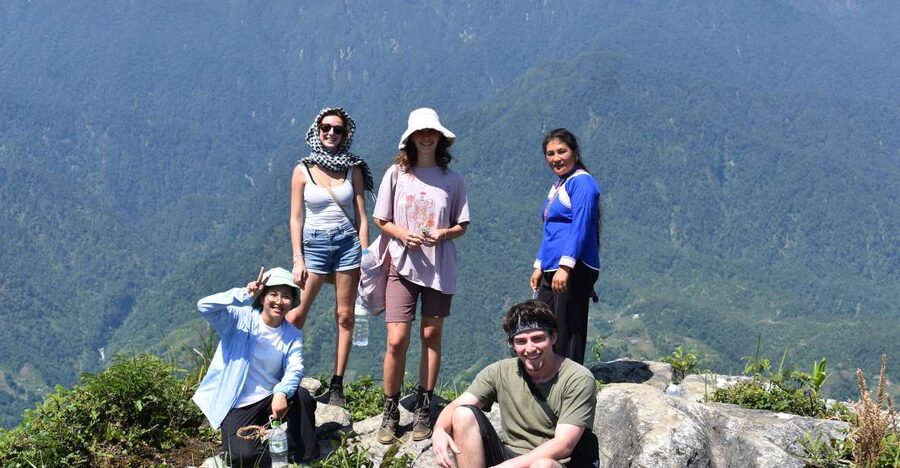
From Sa Seng, the trail continues across the top of Ham Rong mountain. This is one of the strongest viewpoints of the day.
From the high ground, you can see Sapa town and the Hoang Lien Son range. The exact view depends on cloud and weather, but the height gives you a broad sense of the area. Sapa is not just a compact mountain town. It sits amid steep ridges, deep valleys, forest, and cultivated slopes, and this route lets you see those parts together.
This is also where the effort begins to make sense. The ascent is tiring, but once you reach the top, the walking becomes more rewarding. Bring shoes with a firm grip, since the path can be rough and the descent later can be just as demanding as the climb.
You may also meet animals along the way. That small detail adds to the rural character of the route, though it is not a wildlife tour. The main attraction remains the mountain scenery and village life.
Hang Da at lunchtime, with Muong Hoa below
At about 11:30 a.m., you reach Hang Da Village for lunch. The approach is one of the more dramatic parts of the trek, with the valley on one side and a steep mountain drop on the other.
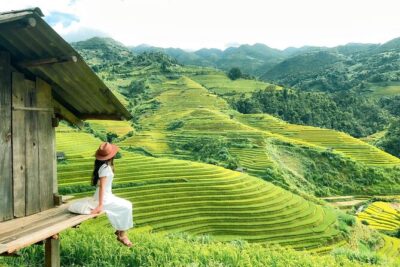
The route here is described as challenging, so this is not the place to rush. Watch your footing, stay with the guide, and use the breaks to take in the view. Muong Hoa Valley spreads out below with forests, high mountains, and curved rice terraces running along the slopes.
Hang Da is known as a good place for cloud watching. If conditions cooperate, you may see white cloud filling the valley or sliding around the ridges. The view can shift quickly, which is part of the appeal. A clear morning may turn hazy, or cloud may lift long enough to reveal terraces and distant peaks.
Lunch is served at a local restaurant. It is included in the price, which keeps the day simple and avoids the need to arrange food during the walk. The meal is also a chance to try local dishes rather than rely on snacks carried from Sapa.
The 1.5 liters of included water is helpful, but you should still think about hydration. A full mountain trek in warm weather can use more than that, so carrying extra water may be wise if you have room.
More Homestay Treks in Vietnam
- Sapa Valley Trek and Homestay – 3D2N
★ 5.0 · 105 reviews - 2 days authentic trekking tour in Sapa ( Homestay – Less touristy )
★ 5.0 · 68 reviews - From Sapa: 2 Days 1 Night Trek Over Night At Homestay
★ 5.0 · 68 reviews - 3-Day Trek in Amazing Muong Hoa Valley & ethnic Homestay
★ 5.0 · 49 reviews
Tao Sha, Sapa Sa, and the Black H’Mong highlands
After lunch, the trek continues around 1:15 p.m. toward Tao Sha, described as the highest village in Sapa and a Black H’Mong settlement.
This section combines high views with a closer look at village life. You may stop at local houses in Sapa Sa, identified as a distinctive village in Hau Chu Ngai, and pause at several viewpoints over Muong Hoa Valley. The route gives you more than one grand lookout. It also shows how homes and fields fit into a steep mountain setting.
The cultural value depends a lot on your guide. This is where an English-speaking local guide earns the fee. You can ask about traditional food, plants, the Black H’Mong community, and the way villages are spread across the high slopes. Guides Nhu and Nay are both associated with explaining these details clearly, but the exact guide is set by the operator.
You should keep your expectations grounded. This is a visit to living villages, not a museum display. Local people may be working, resting, or going about their day. Some local women may walk with you briefly and offer goods for sale. The experience described here suggests that a polite refusal is enough if you are not interested, and the sellers were not persistent.
That small point matters to anyone seeking a quieter walk. The route is not completely free of informal selling, but it does not appear to be built around shopping. You can focus on the scenery and conversation instead of spending the day being taken from stall to stall.
Hau Thao’s terraces and bamboo forest
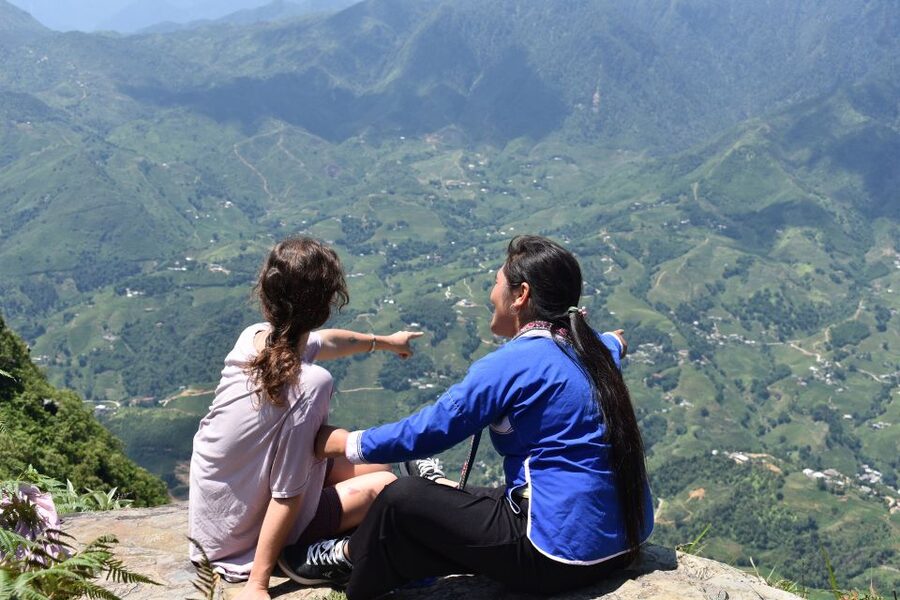
From Sapa Sa, the trail continues to Hau Thao. Here, rice fields spread along the mountainside beside bamboo forest.
This is classic Muong Hoa scenery, but the setting changes with the season. Rice terraces may be green, newly planted, harvested, or brown between crops. You should not expect one fixed picture all year. The shape of the terraces remains striking, though, with curved bands following the contours of the slopes.
The bamboo forest adds another texture to the walk. Instead of open views all the time, you move through sections where the forest comes close to the path. Then the route opens again, often toward the valley or the ridges beyond.
Cloud can be a major part of this section. The description of a white sea of cloud is not guaranteed, but Sapa’s high routes can produce that effect when weather conditions line up. This is one reason to avoid judging the tour only by photographs. The views may be clear, misty, or partly hidden on the day you go.
By this point, you will likely feel the distance. The walk is described as taking six to seven hours in total, and the afternoon route comes after a substantial climb. Build in time for rests and do not treat the schedule as a race.
Ancient stone Sapa and the final descent
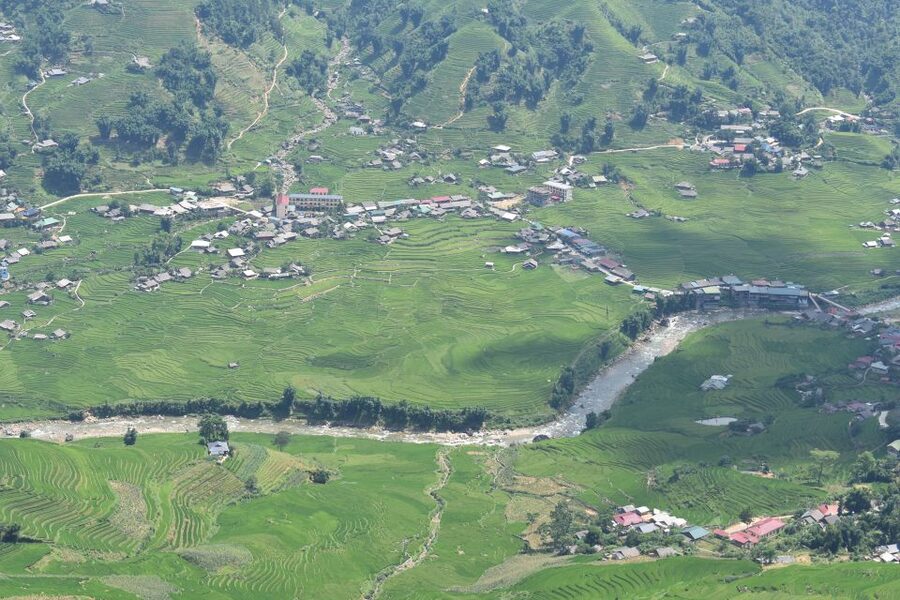
At about 3 p.m., you begin walking down the mountain toward the ancient stone Sapa site. The descent finishes the walking portion around 4 p.m., when an awaiting car takes you back to Sapa.
The ancient stone site contains about 200 stones in different shapes and sizes. They are presented as evidence of people being present in the area in ancient times. The stones give the end of the trek a different focus. After a day of mountain views, terraces, and villages, you have a chance to look at an unusual human trace from the past.
Do not underestimate the downhill section. Descents can be hard on knees and ankles, especially after several hours of walking. Trekking poles could be useful, though they are not listed as included. Supportive footwear is more important than stylish footwear here.
The return drive is included, so you do not need to find your own way back from the trail. That is a practical advantage after a demanding day.
What the $36 price really includes
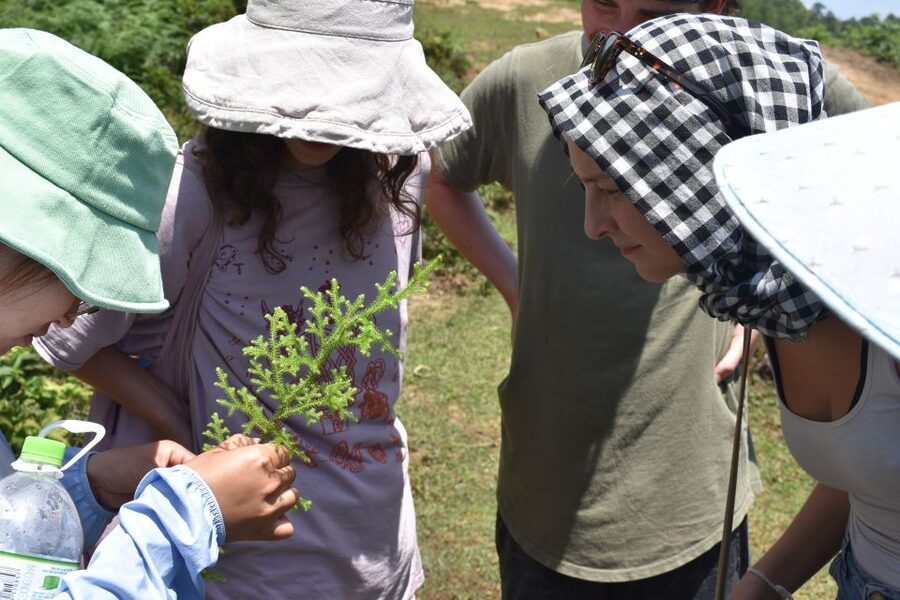
At $36 per person, this is a strong package for a private full-day trek. The inclusions cover the items that can add up quickly:
- English-speaking guide
- Hotel pickup and drop-off
- Local restaurant lunch
- 1.5 liters of water
- Village entrance fees
- Return transport from the trail
The private-group setup improves the value for couples, families with older children, or small groups who want a flexible pace. It also means you are not paying for a large coach excursion that spends little time on the trail.
The price does not remove every possible extra. An indigenous herbal bath, foot bath, or massage is optional at the end and is not listed as included. Treat that as a possible add-on, not part of the basic tour cost.
The operator offers cancellation up to 24 hours before departure for a full refund, and you can reserve now and pay later. Those terms are useful if mountain weather may affect your plans. Pickup is arranged after booking, so keep your hotel front desk informed and be ready early.
Fitness, clothing, and who should book
You should have at least a moderate level of fitness. The route includes steep uphill paths, rough roads, a cliffside stretch, and a long descent. One account describes the trek as exhausting but worth the effort, which is a fair way to frame it.
Wear shoes with good grip and clothing that can handle dirt, mud, and changing mountain weather. Bring sun protection and extra water if you normally drink more than 1.5 liters during a long walk. A small backpack is more useful than a large suitcase.
This suits you if you want:
- High viewpoints rather than easy roadside stops
- A quieter route through H’Mong villages
- A full day of physical activity
- Local food and cultural explanation
- A private group and direct transport
- Rice terraces, mountain forests, and cloud views
It is not suitable for pregnant women, according to the activity information. It is also a poor match if you have difficulty with steep climbs, uneven paths, or extended downhill walking.
Should you book the Muong Hoa Valley trek?
Book this tour if your main goal is to see Sapa from above and spend a full day walking through high Black H’Mong villages. The best reasons to choose it are the wide views from Ham Rong and Hang Da, the visit to Tao Sha, the private-group format, and the fact that transport, lunch, water, and entry fees are bundled into a modest price.
Think twice if you want a relaxed cultural day with little exertion. The trail is steep, the schedule is long, and the best views require effort. If you are reasonably fit and pack for a real mountain walk, this gives you a more personal look at the upper Muong Hoa area than a short viewpoint stop.
FAQ
How long does the Muong Hoa Valley trek last?
The activity is scheduled as a full day. Pickup begins at about 8:30 a.m., the walking portion finishes around 4 p.m., and the trek itself may take about six to seven hours.
Is hotel pickup included?
Yes. Hotel pickup and drop-off in Sapa are included. You should be at your hotel front desk 30 minutes before departure.
Is lunch included?
Yes. Lunch at a local restaurant in Hang Da Village is included in the price.
How much water is provided?
Each person receives 1.5 liters of water.
Is the tour private?
Yes. The activity is organized as a private group.
What language does the guide speak?
The guide speaks English.
Is the trek suitable for pregnant women?
No. The activity is listed as unsuitable for pregnant women.
What happens at the end of the trek?
Around 4 p.m., you return to Sapa by awaiting car. An optional herbal bath, foot bath, or massage may also be available after the adventure, but it is not included in the base price.
More Rice Terrace Treks in Vietnam
- Daily Tour: Sapa Trekking in Muong Hoa valley, Bamboo forest
★ 5.0 · 121 reviews - 1-Day Sapa Long Trek – Rice Field Terrace, Ethnic Culture
★ 4.9 · 62 reviews - Muong Hoa Valley Trek & Homestay Experience – 4D3N
★ 5.0 · 42 reviews - Sapa: Muong Hoa Mountain Views and Villages Trek with Lunch
★ 4.3 · 28 reviews
More Rice Terrace Treks in Sapa
- Sa Pa: Muong Hoa Valley Trek and Local Ethnic Villages
★ 4.6 · 864 reviews - Explore Sapa by TrekkingAdventures, Mountain,Rice fields
★ 4.9 · 229 reviews - Sa Pa: 6-Hours Muong Hoa Valley Trek with Local Ethnic guide
★ 4.5 · 178 reviews - Sapa Muong Hoa Valley & Ta Van Eco Village Scenic Tour (No Trek)
★ 5.0 · 144 reviews
Latest treks added in Sa Pa
- Soob Sapa Trekking Tour★ 4.3 · 3 reviews
- Sapa: Y Linh Ho – Lao Chai, and Ta Van Trekking Day Tour★ 5.0 · 25 reviews
- Sapa Trekking Private Tour With Ethnic Female Tour Guide★ 4.9 · 24 reviews
- Sapa Trekking – Waterfalls And H’mong Villages★ 5.0 · 2 reviews
- Sapa: Trekking Through Terraced Rice Fields & Valley 1 Day★ 4.8 · 4 reviews
- Sapa: Ta Phin Village Trek with Lunch and Bathing Experience★ 4.7 · 13 reviews
- Sapa Trekking Guide Francophone 2 days – 1 night★ 5.0 · 2 reviews
- Sapa small groupe activities: 1 Day trek – Meet the locals★ 4.7 · 3 reviews
Rice Terrace Treks, compared.
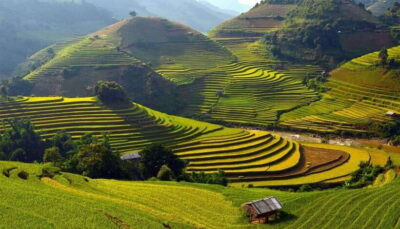
Muong Hoa Valley Trek and Local Ethnic Villages
Read our review →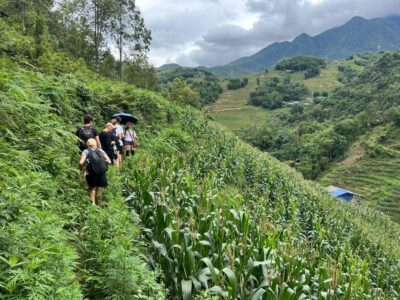
Explore Sapa by TrekkingAdventures, Mountain,Rice fields
Read our review →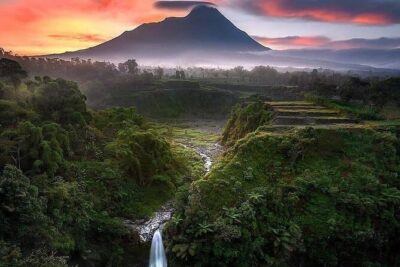
Selogriyo Temple and Trekking Java Rice Terraces, hidden waterfall -Nature Java
Read our review →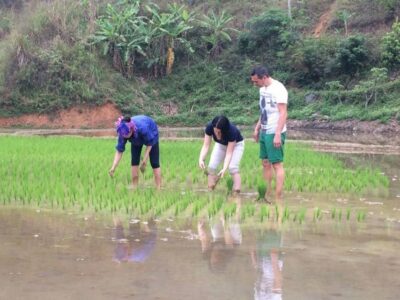
6-Hours Muong Hoa Valley Trek with Local Ethnic guide
Read our review →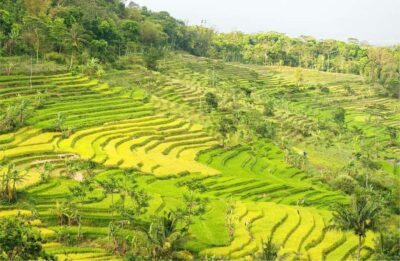
Sapa Muong Hoa Valley & Ta Van Eco Village Scenic Tour (No Trek)
Read our review →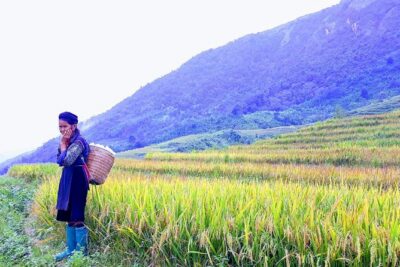
Daily Tour: Sapa Trekking in Muong Hoa valley, Bamboo forest
Read our review →