
REVIEW · KATHMANDU
Kathmandu: 12-Day Full-Board Everest Base Camp Private Trek
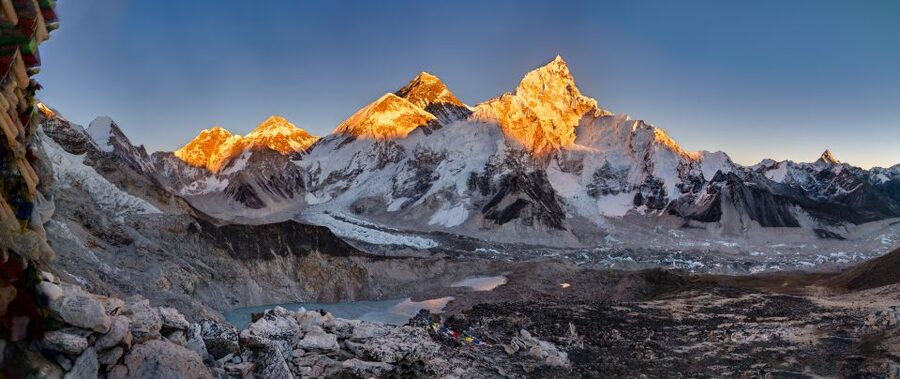
Everest Base Camp is the headline, but the real prize is the slow climb through the Khumbu Valley. You pass Sherpa villages, prayer flags, old monasteries, and high mountain paths before reaching Kala Patthar at 5,545 meters, the highest point on the route. The view of Everest is your reward, though the thin air is no small detail.
I like the practical full-board setup, with three meals a day, tea or coffee, seasonal fruit, guesthouse lodging, a guide, and one porter for every two people. I also like the two acclimatization days, which give you a better chance of handling the altitude. A recent departure was led by Suraj, who was praised for good organization and care.
The main consideration is timing. This is a demanding 14-day trek with five to seven hours of walking most days, and Lukla flights can be disrupted. Build in extra time, especially since flights may operate through Ramechhap Manthali during peak months.
Key points to know before booking
- Kala Patthar is the highest point: You climb to 5,545 meters for the clearest high view of the Everest massif.
- Two acclimatization days matter: Rest stops in Namche Bazaar and Dingboche include short hikes.
- The route is private: You travel with an English-speaking guide and your own private group rather than a large scheduled crowd.
- Most major costs are covered: Flights, permits, meals, tea or coffee, guesthouses, guide, porter support, and trekking gear are included.
- Lukla flights need flexibility: In September to November and March to May, flights may be diverted to Ramechhap Manthali.
- This is a serious mountain walk: Expect about five to seven hours of walking per day, with cold, steep, high-altitude sections.
What the $1,550 price really covers
At $1,550 per person, this trek is priced as a packaged private journey rather than a bare-bones route to Everest Base Camp. The cost includes round-trip flights between Kathmandu and Lukla, ground transportation, Sagarmatha National Park and Khumbu Rural Municipality permits, 11 nights in guesthouses, three meals each day, tea or coffee, seasonal fruit, a guide, and porter support.
That matters because the Khumbu is not a place where small costs stay small. Food, rooms, permits, and transport add up over two weeks. Having meals and guesthouses arranged also makes the trip easier when you are tired and less interested in negotiating over dinner or searching for a bed.
The porter arrangement is one porter for two members. If you are traveling alone, a personal porter is not included, so you should budget for that separately. The package also provides a down jacket, sleeping bag, and duffle bag, useful pieces of gear that can reduce the amount you need to bring from home.
Personal expenses, travel insurance, and a personal porter for a solo traveler are not included. Travel insurance is mandatory, and it should cover trekking at high altitude. Credit cards and cash are both listed among the recommended items, but no specific advice is supplied about where card payments work, so carrying cash is the safer plan.
One point needs clearing up before you pay: the product name refers to a 12-day trek, while the supplied schedule is a full 14-day program from arrival in Kathmandu to departure. Use the 14-day schedule when planning flights, leave from work, and insurance.
More Everest Base Camp Treks in Kathmandu
- Everest Base Camp Trek – 14 Days
★ 5.0 · 1,499 reviews - Everest Base Camp Trek
★ 5.0 · 842 reviews - Everest Base Camp Trekking
★ 5.0 · 485 reviews
Kathmandu arrival and the short flight to Lukla
Day one begins at Tribhuvan International Airport in Kathmandu. Staff meet you according to your arrival time and transfer you to the hotel. This is a simple start, but it gives you a chance to settle in before the mountain portion begins.
On day two, you fly to Lukla at 2,820 meters and walk about seven kilometers to Phakding at 2,657 meters. The trek itself takes about four hours. This first walking day is relatively short, which helps you get used to the pace and your boots.
Lukla flights are a practical concern, not a minor footnote. During September to November and March to May, the flight may be diverted from Kathmandu to Ramechhap Manthali. Airport conditions can also create delays and confusion. Henrik from Sweden specifically advised allowing extra buffer days after his late September 2025 trip, when airport arrangements felt chaotic.
The schedule does not include a spare day, so you should think carefully about onward flights after the trek. Do not connect this trek to an important international departure with no margin.
Phakding to Namche Bazaar, the first hard climb
Day three covers about 10 kilometers from Phakding to Namche Bazaar. The walk takes seven to eight hours and finishes at 3,440 meters. This is where the route begins to feel like a serious Himalayan trek.
Namche is the main Sherpa trading center of the Khumbu and a useful place to pause. You will see shops, lodges, and signs of the modern trekking economy, but the town is also an important meeting point for surrounding villages. The route here combines river crossings, mountain paths, and a steady rise in elevation.
Namche is not just a stop for a meal and a bed. Day four is set aside for acclimatization, with a short hike and local excursion. That slower day is one of the strongest parts of the schedule. You gain height gradually, and you can test how your body responds before the route gets much higher.
The program does not promise a particular acclimatization viewpoint or attraction, so treat the day as a flexible short walking day rather than a fixed sightseeing tour.
Tengboche Monastery and the Khumbu Valley
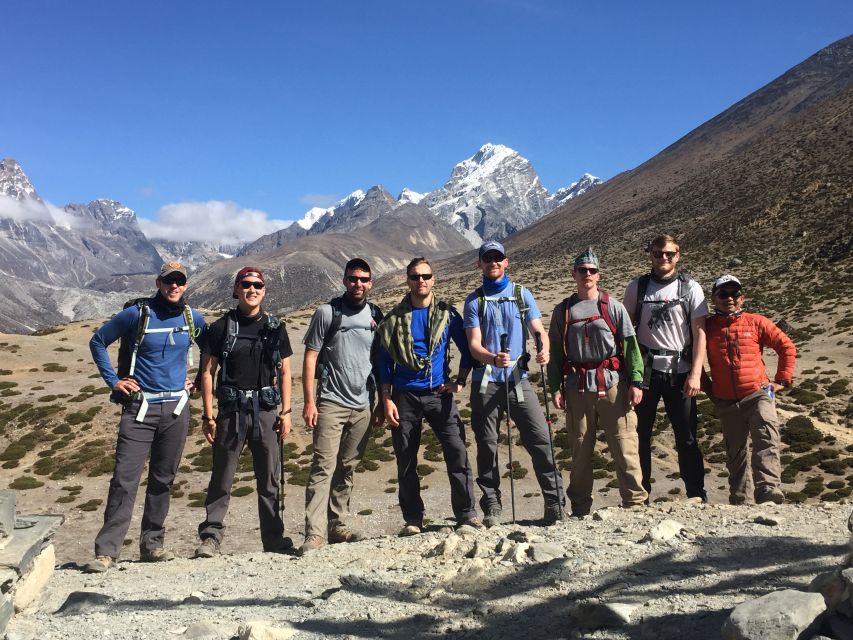
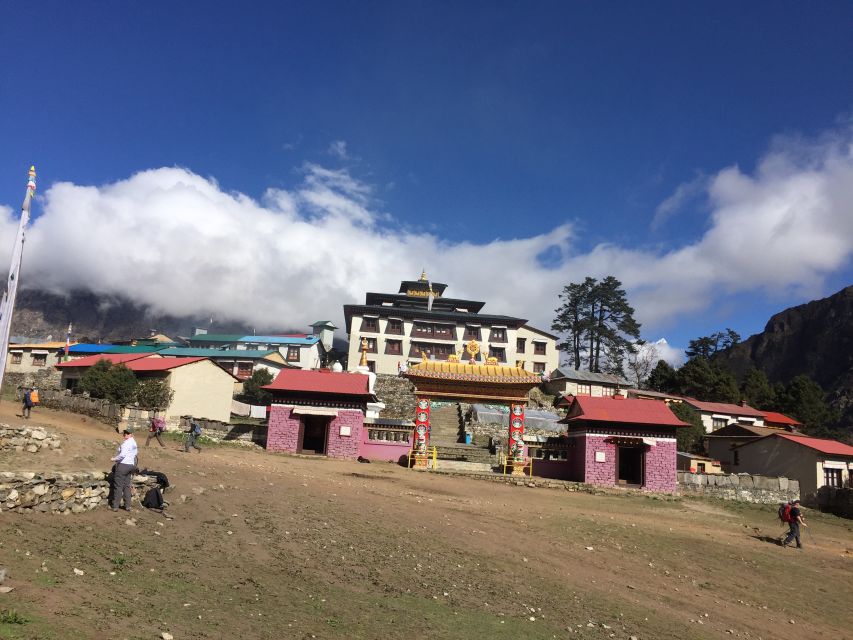
On day five, you walk 11 kilometers from Namche to Thyangboche, usually written as Tengboche, at 3,867 meters. The walk takes six to seven hours. Tengboche is one of the route’s cultural high points, thanks to its monastery and wide mountain views.
The monastery gives the trek a stronger sense of place. This is not only a march toward a famous mountain. You are passing through Sherpa communities where Buddhist practice, prayer flags, and monasteries are part of daily life. The stop also breaks up the physical climb with a meaningful cultural visit.
Day six continues to Dingboche at 4,365 meters. The distance is about 10 kilometers, taking five to six hours. At this height, the air is noticeably thinner, and a moderate walking day can feel much harder than the distance suggests.
The route passes through remote Sherpa villages and open Himalayan country. You should expect the scenery to become more austere as trees thin out. The attraction is not a single monument but the steady change in the Khumbu Valley as you gain altitude.
More Trekking Tours in Kathmandu
- Annapurna Circuit Trek with Tilicho Lake
★ 5.0 · 368 reviews - Everest Base Camp Trekking – 13 Day
★ 5.0 · 365 reviews - Everest Base Camp Trek
★ 5.0 · 350 reviews - Everest Base Camp Trek -14 Days
★ 5.0 · 321 reviews
Dingboche gives your body time to catch up
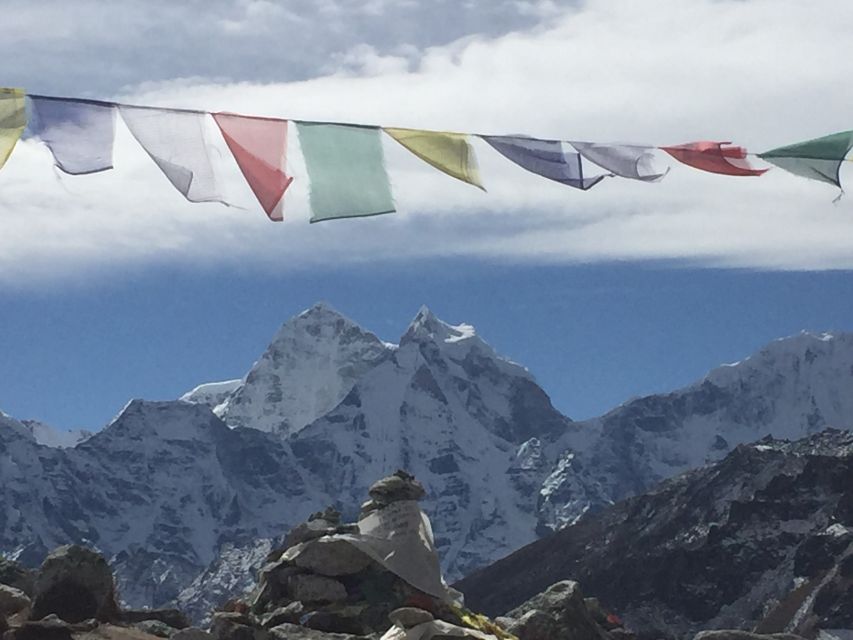
Day seven is another acclimatization day in Dingboche. The schedule includes a local hike, but the exact route is not specified. That flexibility is useful because the best choice depends on how you feel, the weather, and the guide’s judgment.
I like the placement of this rest day. At 4,365 meters, you should not treat rest as wasted time. It gives your body a chance to adjust before the demanding push toward Lobuche, Gorak Shep, and Base Camp.
You still need to stay active. A short local hike is more useful than spending the entire day in bed, but you should keep the effort controlled. Headache, nausea, unusual fatigue, and other symptoms of altitude sickness deserve immediate attention. The trip is not suitable for people with altitude sickness, high blood pressure, or a low level of fitness.
Lobuche, Gorak Shep, and Everest Base Camp
On day eight, you walk from Dingboche to Lobuche at 4,890 meters. The distance is about nine kilometers and takes six to seven hours. By now, the altitude will affect your pace, so the guide’s job is important. You need steady progress, plenty of patience, and no race to the next lodge.
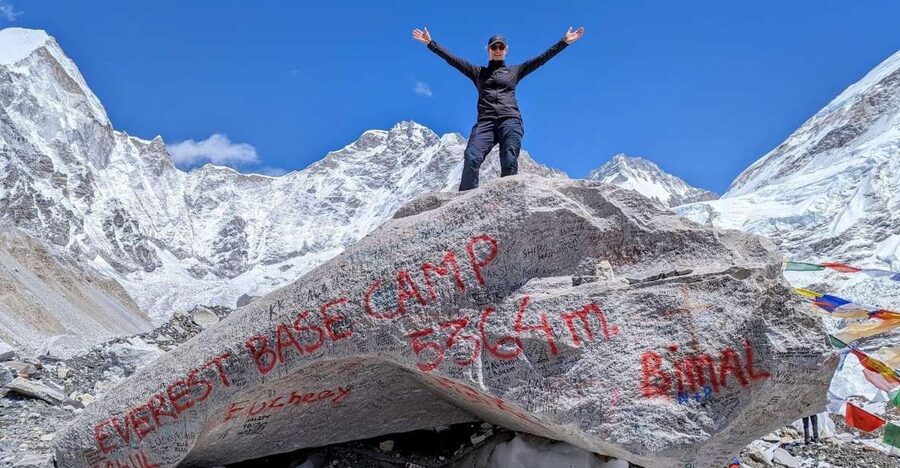
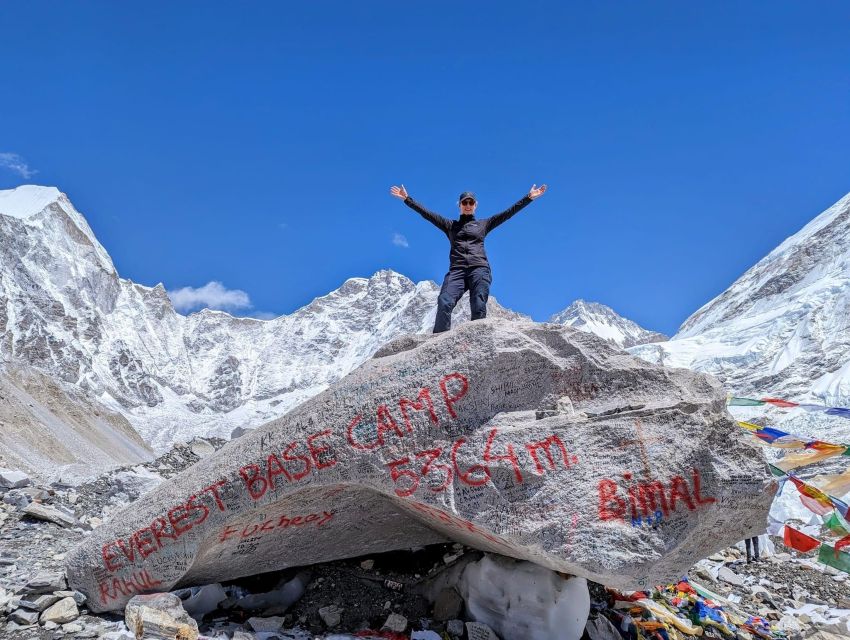
Day nine is the great push. You walk from Lobuche to Everest Base Camp at 5,365 meters, then continue to Gorak Shep at 5,180 meters. The full day covers about 11 kilometers and takes eight to nine hours.
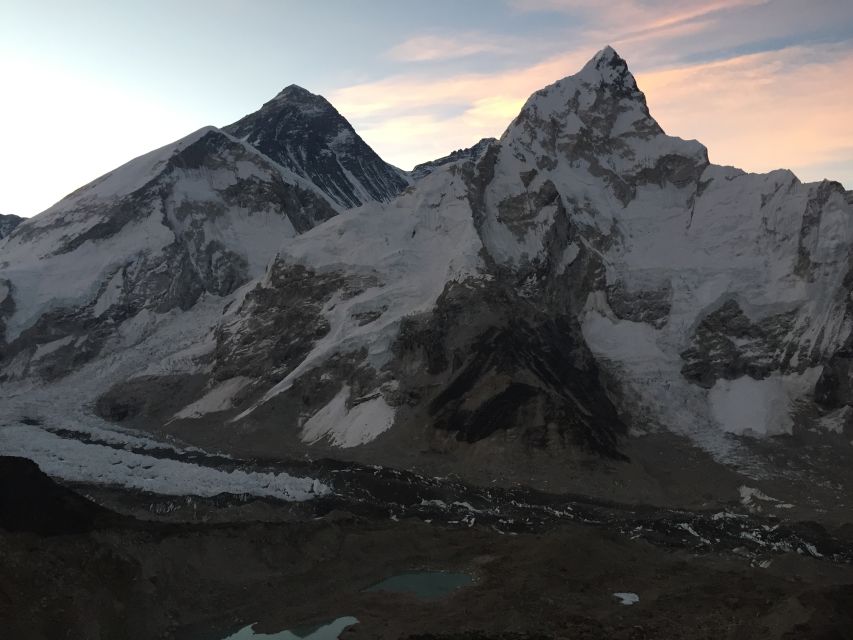
Everest Base Camp is a powerful destination, but it is not the highest point on the trek and does not necessarily offer the best view of Everest itself. The emotional value comes from reaching the mountaineering base area after days of walking through the Khumbu. The physical cost is a long day at extreme altitude.
Gorak Shep is a functional overnight stop, not a place to expect comfort on the level of a city hotel. The package includes guesthouse lodging, but the supplied details do not specify room types or bathroom arrangements. Pack your sleeping bag, warm clothing, toiletries, and a waterproof bag so you are ready for basic conditions.
Kala Patthar is the visual high point
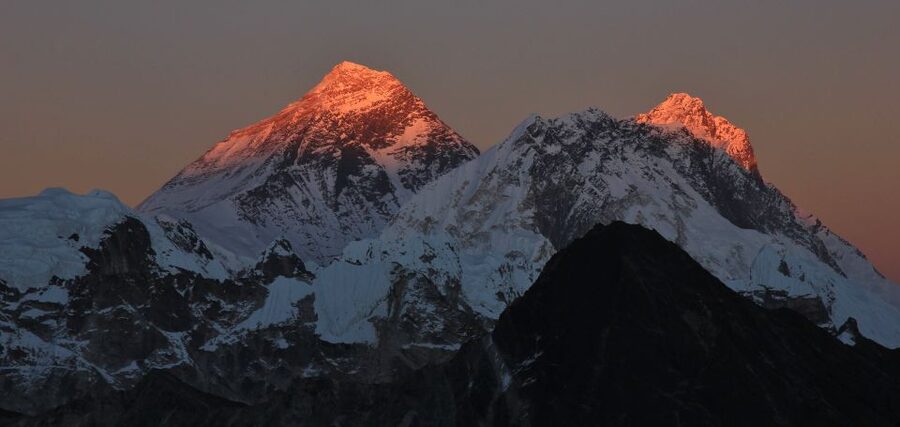
Day ten starts with the climb to Kala Patthar at 5,545 meters. This is the highest elevation of the trek and the place to focus on if mountain views are your main reason for booking. From the viewpoint, you can admire Everest and the surrounding Himalayan peaks.
The day does not end there. You descend to Pangboche at about 4,000 meters, covering roughly 21 kilometers in nine hours. That is a long day, especially after the effort of Base Camp. The descent brings welcome relief from the altitude, but tired legs can make the distance feel substantial.
The schedule reverses the usual feeling of a summit day. You climb high for the view, then drop a great deal lower in the same day. Warm layers, gloves, a jacket, and reliable hiking shoes are essential. A camera and binoculars are also sensible additions if you want to study the peaks and villages along the route.
The return through Namche and Lukla
Day eleven takes you from Pangboche back to Namche Bazaar, about 16 kilometers in eight hours. You will be descending overall, but the Khumbu route still includes plenty of ups and downs. The lower altitude should make breathing easier, even if the long day tests your knees.
Day twelve continues from Namche to Lukla, a 17-kilometer walk taking seven to eight hours. This is a fitting final walking day because it lets you finish the route on foot rather than simply stopping after Base Camp.
On day thirteen, you fly back to Kathmandu and transfer to the hotel. The afternoon is free. That open time is useful for resting after the trek, though you should not count on it as a guaranteed sightseeing window if the flight is delayed.
Day fourteen is departure from Kathmandu. Since mountain flights can be affected by weather and airport conditions, I would avoid booking a tight international connection unless your wider travel plan allows changes.
Private support, meals, and equipment
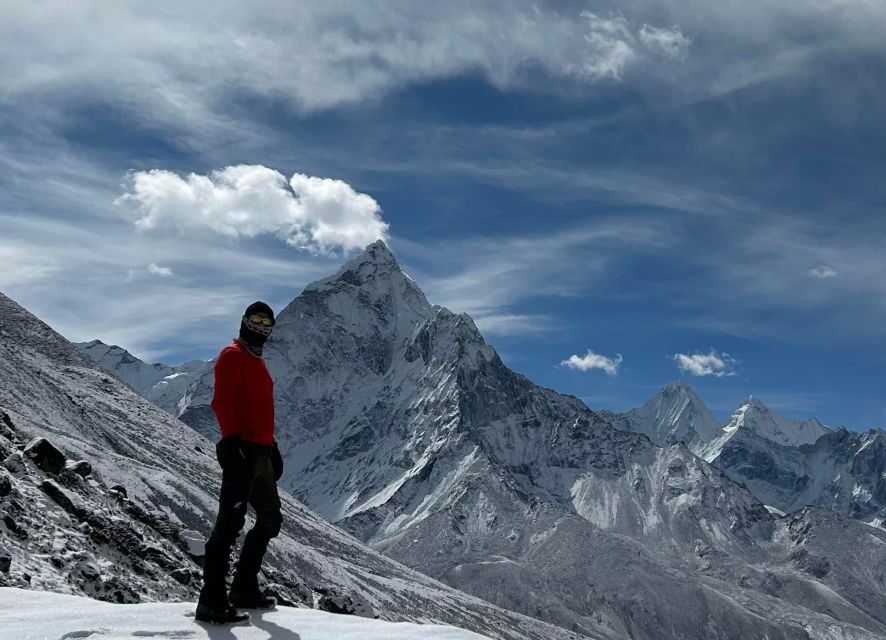
The private group format is a strong choice if you want a guide focused on your pace and needs. The English-speaking guide handles the route and receives covered expenses. If more than six people join, an assistant guide is included.
Porter support is shared, with one porter for two members. Pack thoughtfully and keep your personal day bag light. If you want one porter carrying only your belongings, that is a separate personal expense for solo travelers.
Three meals a day are included throughout the trek, along with three cups of tea or coffee and seasonal fresh fruit. The package does not provide a detailed menu, so you should not book this expecting a particular cuisine or special dietary plan. Personal expenses remain your responsibility.
The included down jacket, sleeping bag, and duffle bag are useful, but you still need warm clothing, snow clothing, gloves, socks, hiking pants, a long-sleeved shirt, and warm shoes. Bring waterproof footwear or a waterproof bag for changing conditions. Drones are not allowed, and making fires is prohibited.
Who should book this Everest Base Camp trek?
This trip suits you if you want a classic Everest Base Camp route with a private guide, arranged flights, meals, permits, guesthouses, and porter support. It is especially practical for people who would rather have the main logistics handled than assemble every part of the trek themselves.
You need a good level of fitness and the ability to walk five to seven hours each day. Some days are longer, including the nine-hour Kala Patthar day and the eight to nine-hour Base Camp day. Wheelchair users, pregnant women, babies under one year, people over 95, and people weighing more than 125 kilograms are specifically excluded from the activity.
The small number of public ratings is excellent, with two five-star scores. One recent departure in September 2025 earned praise for Suraj and the organizer, while another guest described Nepal High Trek as well organized and called the trek a life experience. Those comments point to the strongest part of the offering: dependable guide support and clear organization.
Should you book it?
I would book this trek if you want the standard Everest Base Camp route and value having flights, food, permits, guide support, porter service, and basic gear bundled into one price. The two acclimatization days and private format add real value.
I would not book it if you need a relaxed holiday, have little walking fitness, or cannot allow flexibility for Lukla flight delays. Before paying, confirm the 14-day schedule, the airport plan for your dates, what the guesthouses provide, and how much extra you should budget for personal expenses. If you can handle the altitude and the long days, this is a well-supported way to reach Base Camp and Kala Patthar without giving up the local villages and monastery visits that make the route worth the effort.
FAQ
How long is the Everest Base Camp trek?
The full program lasts 14 days, including arrival and departure in Kathmandu. The trekking schedule runs from Lukla to Base Camp and back to Lukla over the middle portion of the trip.
What is the highest point on the trek?
Kala Patthar is the highest point, at 5,545 meters. It offers views of Everest and the surrounding Himalayan peaks.
Does the price include flights?
Yes. Round-trip airfare between Kathmandu and Lukla is included. During September to November and March to May, flights may be diverted from Kathmandu to Ramechhap Manthali.
Are meals included?
Yes. Three meals per day are included during the trek. The package also includes three cups of tea or coffee each day and seasonal fresh fruit.
Is accommodation included?
Yes. The package includes 11 nights of guesthouse accommodation throughout the trek.
Is a guide included?
Yes. An English-speaking guide is included, along with the guide’s expenses. An assistant guide is included when more than six people join.
Is porter service included?
Yes. One porter is included for every two members. A personal porter for a solo traveler is not included and costs extra.
Are permits included?
Yes. The Sagarmatha National Park permit and Khumbu Rural Municipality entrance ticket are included.
What should I bring?
Bring a passport or ID, warm and waterproof clothing, hiking shoes, gloves, socks, toiletries, cash, a camera, travel insurance, and a waterproof bag. A sleeping bag, down jacket, and duffle bag are supplied as part of the package.
Is travel insurance required?
Yes. Travel insurance is mandatory for this activity. Personal expenses and insurance are not included in the $1,550 price.
Latest treks added in Kathmandu
- Private Manaslu Circuit Trek at Himalayas★ 5.0 · 3 reviews
- Ghorepani Poonhill Trek★ 5.0 · 5 reviews
- Ghorepani Poon Hill Trek★ 5.0 · 16 reviews
- Upper Mustang Trekking★ 5.0 · 2 reviews
- Upper Mustang Trekking★ 3.0 · 2 reviews
- Amazing 1 Day Trekking Experience in Kathmandu Nepal★ 5.0 · 24 reviews
- Upper Mustang Trek★ 5.0 · 5 reviews
- Upper Mustang Trekking★ 5.0 · 4 reviews
Everest Base Camp Treks, compared.






Browse the lists this tour appears in