
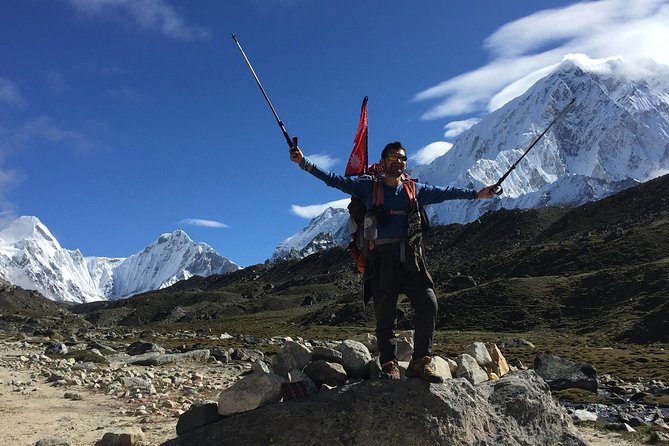
REVIEW · KATHMANDU
Short Everest Base Camp Trek – 10 Days
The big draw is simple: in 10 days, you walk from Lukla to Everest Base Camp at 5,364 meters, then climb Kala Patthar for sunrise views of Everest. Along the way, you pass Sherpa villages, suspension bridges, monasteries, yak pastures, and the great peaks of the Khumbu.
I like the smart route through Namche Bazaar and Tengboche, where the trek gains cultural depth instead of becoming a nonstop march toward a famous sign. I also like that the $1,680 price includes Lukla flights, meals, guides, porters, permits, taxes, and basic equipment.
The catch is the speed. You do not get a spare acclimatization day, and several days reach six to eight hours of walking at high altitude. This is a strong choice for a fit hiker with limited time, but it is not the gentlest way to enter the Everest region.
Key points to know before you book
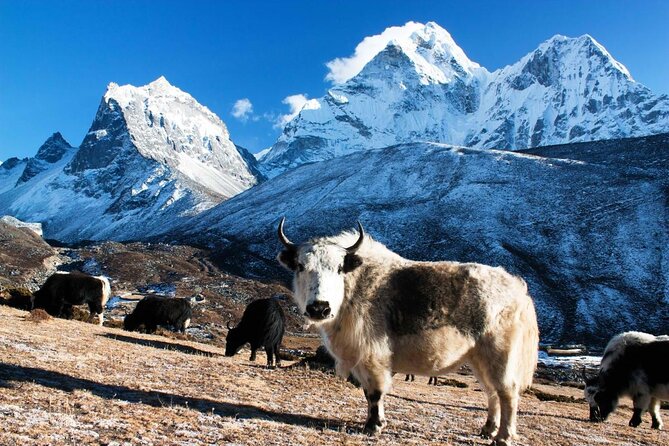
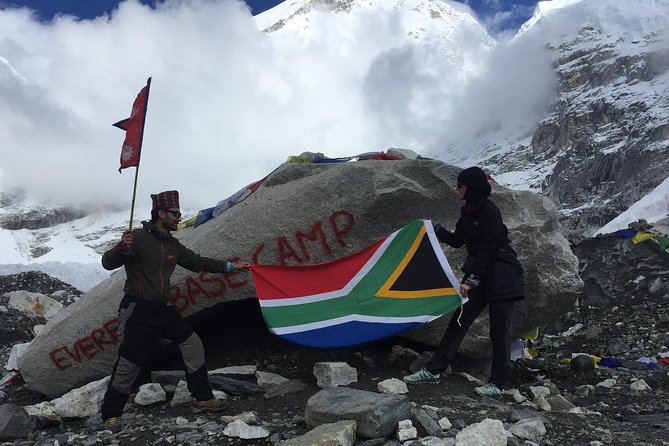
- Everest Base Camp at 5,364 meters: The route reaches the famous mountaineering base, though mountain views are generally better from Kala Patthar.
- Kala Patthar sunrise: A pre-dawn climb on Day 7 provides the trip’s best viewpoint of the Everest massif.
- A fast 10-day schedule: The plan saves time, but the altitude gain and long walking days demand care.
- Lukla flights included: The package covers flights from Kathmandu to Lukla and back, though poor weather can delay them.
- Sherpa culture along the trail: You pass monasteries, villages, stupas, and the important Tengboche Gompa.
- Small group format: The maximum group size is 15, with government-authorized guides and porter support.
Why this short Everest trek works
This trek is built for a very specific kind of visitor: you want the Everest Base Camp experience, but you cannot give Nepal several weeks. At $1,680 per person, the price is not small, yet it covers many costly pieces of a Himalayan trip: domestic flights, nine dinners, nine lunches, ten breakfasts, permits, local entry fees, guides, equipment, taxes, and service charges.
I see real value here because arranging the Lukla flights and mountain logistics yourself can be awkward. You also have a guide and porter team, a first-aid kit, and a planned route through the main Khumbu villages. The package keeps the practical work in one place.
Still, this is not a relaxed walking holiday. The itinerary includes several six-to-eight-hour days, and the route reaches well above 4,000 meters. The plan advises you to walk slowly, drink plenty of water, and descend quickly if altitude sickness appears. Take that advice seriously.
There is no separate rest day in the schedule. Dingboche is often an important place to pause on longer Everest routes, but here you arrive and continue the next day. That makes the trip efficient, yet it leaves less room for your body to adjust.
More Everest Base Camp Treks in Kathmandu
- Everest Base Camp Trek – 14 Days
★ 5.0 · 1,499 reviews - Everest Base Camp Trek
★ 5.0 · 842 reviews - Everest Base Camp Trekking
★ 5.0 · 485 reviews
Day 1: Lukla to Phakding under the rhododendrons
Your morning begins with a short flight from Kathmandu to Lukla. The flight is scenic, and the approach to Lukla is famous for its dramatic mountain setting and exciting landing. For the best Himalayan views, the tour advises sitting on the left side of the plane.
After landing, you begin walking almost at once. The trail descends on stone-paved steps through rhododendron trees toward Phakding. The first day takes about three hours and is described as mostly downhill, which gives you a relatively gentle introduction after the flight.
Spring is especially attractive here, when rhododendrons bloom. You will not yet have the huge high-altitude views that define the later route, but the forest, river scenery, and first villages provide a useful change of pace from Kathmandu.
Phakding is your first teahouse stop. The package includes dinner, and the style of lodging is local teahouses rather than high-end hotels. Expect the atmosphere of a working mountain route, with basic comforts and a chance to meet people walking in the same direction.
Day 2: Suspension bridges and the climb into Namche Bazaar
Day 2 is a much bigger effort. You leave Phakding after breakfast and follow the Dudh Kosi River, crossing suspension bridges several times. These bridges are not just transport links. They are one of the memorable features of the route, with steep valley views and prayer flags moving in the wind.
The trail passes Tok Tok, Monjo, and Jorsale. At the checkpoints, your guide helps arrange the Sagarmatha National Park trekking permit. That support matters because permits and local entry fees are included in the package, rather than left for you to sort out alone.
The final push to Namche is the day’s main test. You gain height steadily, and the seven-hour walking time can feel long so early in the trek. Namche Bazaar is worth the effort. It is the main trading center of the Khumbu and one of the liveliest settlements on the route, with mountain views and teahouses where you can rest.
The lack of a full acclimatization day becomes noticeable here. You arrive at Namche after a demanding climb, then continue upward the following morning. Keep your pace modest and avoid treating the first few days as a race.
Day 3: First Everest views and Tengboche Gompa
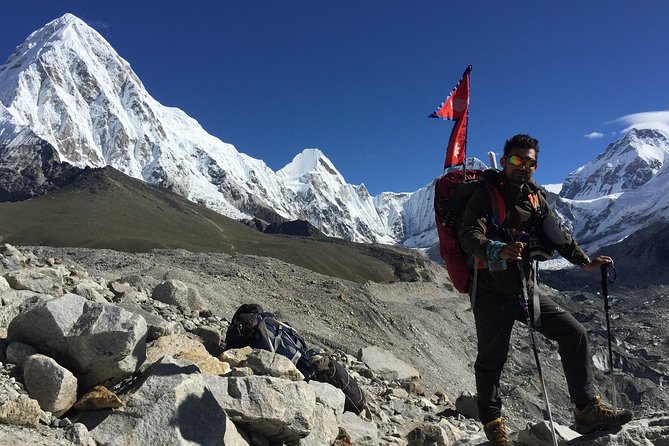
From Namche, the route opens up. After about 30 minutes, you can see Mount Thamserku rising above the trail. Two stupas appear along the way, and the first views of Everest, Lhotse, Ama Dablam, and other peaks come into sight.
The trail initially feels fairly gentle, but Himalayan walking often gives you a downhill stretch before another climb. You descend toward a river, eat lunch near the crossing, and then face the uphill route toward Tengboche.
Tengboche is one of the cultural highlights of the trip. The monastery, known as Tengboche Gompa, gives the route more meaning than a simple mountain walk. You are not only collecting views and altitude. You are passing through a place tied to Sherpa Buddhist life.
The route description lists this day at about five hours, although exact walking times can vary with group pace, weather, and trail conditions. Tengboche also brings you close to some of the region’s most recognizable peaks, especially Ama Dablam. It is a good place to slow down, look around, and remember that the Khumbu is home to communities, not just a backdrop for hiking.
More Trekking Tours in Kathmandu
- Annapurna Circuit Trek with Tilicho Lake
★ 5.0 · 368 reviews - Everest Base Camp Trekking – 13 Day
★ 5.0 · 365 reviews - Everest Base Camp Trek
★ 5.0 · 350 reviews - Everest Base Camp Trek -14 Days
★ 5.0 · 321 reviews
Day 4: From Tengboche to Dingboche’s potato fields
The morning begins with a descent of roughly 30 minutes toward Pangboche. After that, the trail becomes more level for a while, passing Somare and Orsho. Lunch is planned at Somare before the route continues toward the Lobuche River.
Dingboche is a pleasant change from the wooded sections lower down. Potato and barley cultivation are part of the local scene, and the valley opens toward bigger Himalayan views. You are now moving firmly into high-altitude country, so the six-hour walking day should not be judged only by distance.
This is also the point where the trek becomes less forgiving. The air is thinner, the nights are colder, and your body has less reserve. I would treat Dingboche as a place for an early night, steady hydration, and careful attention to how you feel.
The route includes a mix of village paths, river crossings, flatter sections, and uphill walking. That variety keeps the day interesting, but it also means you should not assume a short-looking section will be easy.
Day 5: High yak pastures and the moraine at Lobuche
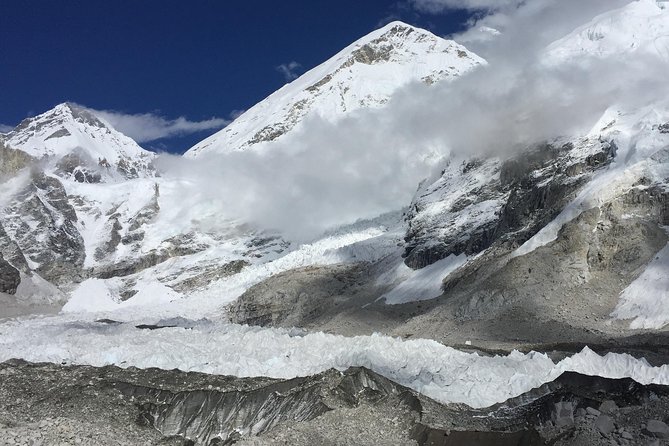
From Dingboche, the trail climbs toward a ridge with close views of Tawache and Cholatse. These peaks are a fine reward for the uphill effort, and the route feels increasingly remote as you move through the high valley.
You pass yak pastures at Thukla, around 4,620 meters. From there, the trail climbs steeply toward the terminal moraine of the Khumbu Glacier. The final approach to Lobuche takes you through stark, high mountain terrain, with rock, ice, and broad views replacing the greenery of the lower trail.
This is one of the days when the tour’s warnings about altitude matter most. You are above 4,000 meters, and the itinerary specifically advises walking slowly, drinking plenty of water, and descending if you develop signs of altitude sickness. A six-hour day at this height can feel much harder than six hours at home.
Lobuche is not a sightseeing stop in the usual sense. Its value is its position on the route. You are close to Everest Base Camp, but you still need to conserve energy for the next day, which combines the walk to Gorak Shep with the out-and-back trek to Base Camp.
Day 6: Everest Base Camp via Gorak Shep
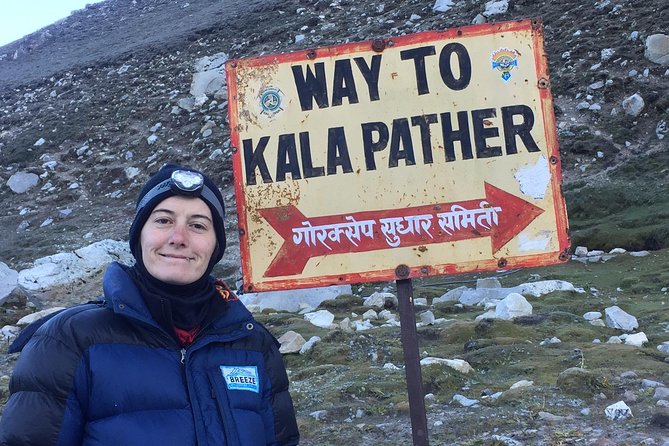
This is the emotional center of the trek. You leave Lobuche after breakfast and walk toward Gorak Shep, with the first section described as relatively easy. At Gorak Shep, you check into a teahouse, eat lunch, and leave your larger luggage before continuing toward Everest Base Camp.
That luggage stop is practical. The walk to Base Camp is easier when you are not carrying everything you brought from Lukla. It also gives you a place to return to after the main objective.
The trail to Base Camp is rocky and demanding, but reaching the marker at 5,364 meters is a major personal milestone. You are standing at the staging area used by climbers preparing for Everest expeditions. The setting includes the Khumbu Glacier and the high peaks around it, though the finest broad view of Everest generally comes from Kala Patthar the next morning.
The full day is listed at about eight hours. That includes the approach to Gorak Shep, lunch, the Base Camp walk, and the return. At this altitude, do not rush for photographs or try to prove anything. Enjoy the moment, follow your guide’s pace, and return to the teahouse with enough energy for the early start ahead.
Day 7: Kala Patthar sunrise and the descent to Pheriche
You start close to 4 a.m. for Kala Patthar. The climb is steep and may be icy, so this is not a casual sunrise stroll. It is the hardest short climb of the trip for many people, especially after the previous day’s eight-hour effort.
The reward is the view. From Kala Patthar, you get a 360-degree panorama of the Everest massif, with Everest, Lhotse, and surrounding peaks arranged across the horizon. If the sky is clear, sunrise gives the mountains changing color and depth that can be missing from the closer Base Camp viewpoint.
After spending time at the top for photographs, you return to Gorak Shep, collect your luggage, and descend toward Pheriche. The day is again listed at about eight hours, but the descent should not be underestimated. Tired legs and loose ground can make going down harder than expected.
Pheriche is surrounded by rocky hills and has several teahouses and lodges. It is a welcome lower stop after the cold, thin air around Gorak Shep. I like this pairing of Kala Patthar and Pheriche because it puts the best viewpoint first, then gives your body a meaningful loss of altitude.
Day 8: Back through Tengboche to Namche
The return route takes you through Debuche and Pangboche. Pangboche is a common lunch stop, then you climb back toward Tengboche before descending to a river and climbing once more.
That repeated pattern is typical of Himalayan trails: down to a river, up the other side, then along a flatter path. Even when you are technically heading back, the route is not one long downhill walk.
The seven-hour day ends in Namche Bazaar. Returning here feels different from the first arrival because you now recognize the trail and have already crossed the hardest high-altitude section. You can enjoy the village more fully, though the schedule still calls for an early start the next day.
This is a useful reminder that the trip is not only about Everest. The route through Tengboche, Pangboche, and Namche lets you see how the villages connect and how the valley changes as you gain or lose altitude.
Day 9: Namche to Lukla, with care on the descent
The trail from Namche to Lukla takes about seven hours. The walking is easier in terms of altitude, but the route is long, and fatigue can lead to slips or twisted ankles.
The descent after the Hillary Suspension Bridge is a famous part of the trail. You pass through the same villages and river country seen near the beginning, with lunch planned at Tok Tok. From there, you continue toward Lukla.
The advice here is sound: do not run. The return route can tempt strong hikers to hurry, especially once the high point of the trip is behind them. But tiredness, uneven paths, and a heavy pack are a poor combination.
Lukla gives you a final evening in the mountain region. Shops and bakeries offer places to buy small gifts, rest, and mark the end of the walking portion. It is a modest finish, but a satisfying one.
Day 10: The short flight back to Kathmandu
The return flight to Kathmandu takes about 30 minutes if the weather cooperates. Lukla flights can be delayed by poor conditions, so avoid scheduling an important international connection too tightly after this trip.
The flight itself is another scenic moment, and returning to Kathmandu after nine days on foot creates a sharp change in pace. Your package includes the flight, so you do not need to arrange that final leg separately.
The overall schedule is efficient, but weather remains outside anyone’s control. A delayed flight could affect your plans, so keep some flexibility if possible.
What the $1,680 price really covers
The price is strongest when you use most of the included services. You receive:
- Flights between Kathmandu and Lukla
- Government-authorized guides
- Porters
- Sleeping bag and warm layers
- First-aid kit
- Government taxes and service charges
- Local village entry fees
- Ten breakfasts
- Nine lunches
- Nine dinners
You pay separately for international airfare, showers, electronic charging at teahouses, alcoholic drinks, chocolates, tea, coffee, and tips for your guide and porter. Those extra costs are easy to overlook, especially if you expect hotel-style services in the mountains.
The included equipment can reduce your packing burden, but ask the operator exactly what sizes and items are available before departure. The information confirms sleeping bags and warm layers, but it does not give a detailed equipment list.
Breeze Adventure has organized this route with staff including Kishwor, Sarki, Ngwang, and Pemba on past trips. Your exact guide and porter assignments may differ, but the named team gives you useful context about the local support behind the program.
Who should book this trek?
I would recommend it to a fit hiker with a firm 10-day window, a clear goal of reaching Everest Base Camp, and enough discipline to walk slowly at altitude. It also suits someone who values a guide, porter support, included flights, and a ready-made plan more than complete independence.
The route is less suitable if you want a leisurely pace, a dedicated acclimatization day, or plenty of spare time for weather delays. The moderate fitness requirement is important, but fitness alone does not prevent altitude problems. The high elevations and long days remain the central challenge.
The group maximum is 15 people. That is small enough for a more manageable group, but not necessarily a private trek. If you want a private experience, confirm that directly before booking.
Cancellation is flexible up to 24 hours before the start time, with a full refund. Inside 24 hours, cancellations and changes are not accepted for a refund.
Should you book the Short Everest Base Camp Trek?
Book it if your priority is reaching Everest Base Camp within a tight schedule and you accept a brisk, physically demanding route. The strongest parts are the included logistics, the cultural stops at Namche and Tengboche, the dramatic Kala Patthar sunrise, and the support of guides and porters.
Think twice if your schedule can stretch beyond 10 days. A longer plan would usually give you more breathing room, but this version makes a famous Himalayan goal possible for people with limited vacation time.
For a fit, prepared hiker who understands the altitude, $1,680 is a practical package price. Just arrive ready to pace yourself, accept possible flight delays, and treat the mountains with respect.
FAQ
How long is the Short Everest Base Camp Trek?
The trek lasts approximately 10 days, including flights from Kathmandu to Lukla and the return flight from Lukla to Kathmandu.
What altitude does Everest Base Camp reach?
Everest Base Camp is listed at 5,364 meters, or 17,598 feet.
Does the tour include flights to Lukla?
Yes. Transportation for the trek includes domestic flights from Kathmandu to Lukla and back.
Is Kala Patthar included?
Yes. The itinerary includes an early morning climb to Kala Patthar on Day 7, followed by a descent to Pheriche.
What meals are included?
The package includes 10 breakfasts, nine lunches, and nine dinners.
Are guides and porters included?
Yes. The package includes government-authorized guides and porter support.
Is equipment provided?
Yes. The included equipment is listed as sleeping bags, warm layers, and other basic equipment. A first-aid kit is also included.
How many people can join the group?
The maximum group size is 15 people.
Can I cancel for a full refund?
You can cancel at least 24 hours before the experience start time for a full refund. Cancellations or changes made within 24 hours are not eligible for a refund.
Latest treks added in Kathmandu
- Private Manaslu Circuit Trek at Himalayas★ 5.0 · 3 reviews
- Ghorepani Poonhill Trek★ 5.0 · 5 reviews
- Ghorepani Poon Hill Trek★ 5.0 · 16 reviews
- Upper Mustang Trekking★ 3.0 · 2 reviews
- Amazing 1 Day Trekking Experience in Kathmandu Nepal★ 5.0 · 24 reviews
- Upper Mustang Trekking★ 5.0 · 2 reviews
- Upper Mustang Trek★ 5.0 · 5 reviews
- Upper Mustang Trekking★ 5.0 · 4 reviews
Everest Base Camp Treks, compared.






Browse the lists this tour appears in