
REVIEW · KATHMANDU
Shortest Everest Base Camp Trek 11 Days
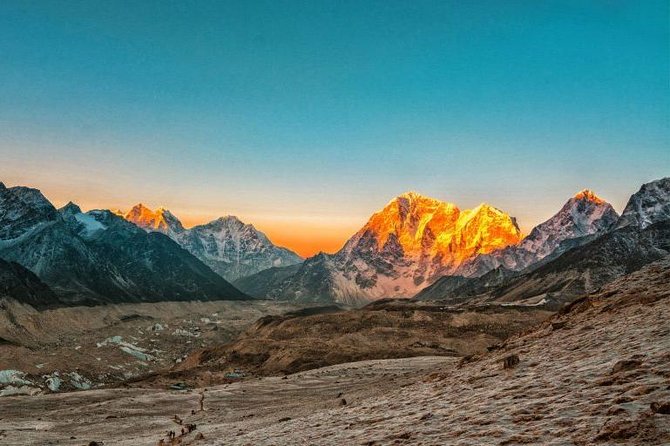
The big draw here is simple: you get the Everest Base Camp experience in about 11 days, with a helicopter flight adding a fast, dramatic way to see Everest Base Camp, Khumbu Glacier, and Kalapatthar. You still trek through the famous Khumbu region and spend time in Namche Bazaar, but the schedule is made for people who cannot spare the usual longer itinerary.
I like the strong Sherpa support and the attention given to altitude symptoms. Guides named Lakpa Sherpa, Pasang, Dawa Sherpa, Santa, and Lhakpa Sona Sherpa have been praised for keeping a sensible pace, helping with concerns, and making the trip work for both first-time trekkers and family groups. I also like that breakfast, lunch, dinner, fees, and taxes are included, which makes the $2,200 price easier to judge.
The catch is that 11 days is tight for a high-altitude trek. You need moderate physical fitness, and bad weather can affect flights or force a change of plan. The maximum group size is listed as 45, so ask how many people will actually be in your departure and exactly which helicopter services are included.
Key points at a glance
- Reach the Everest region in a compressed 11-day schedule: This suits you if time matters, but it leaves less room for delays or a slow adjustment to altitude.
- Visit Namche Bazaar: The Sherpa capital is one of the trip’s cultural highlights and an important point in the route.
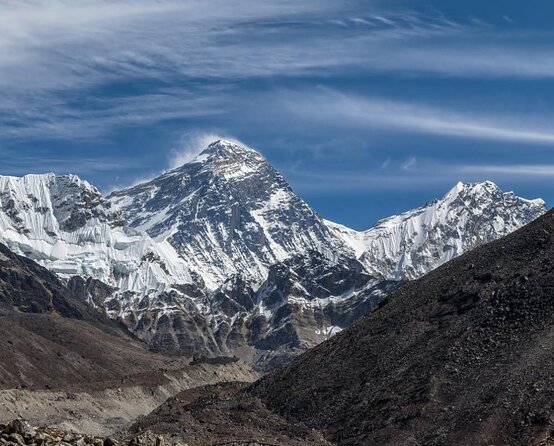
- See Everest Base Camp, Khumbu Glacier, and Kalapatthar by helicopter: This adds a spectacular aerial element and may reduce the amount of walking needed on the return.
- Travel with Sherpa guides and porters: Lakpa Sherpa, Pasang, Dawa Sherpa, Santa, and Lhakpa Sona Sherpa are among the guides associated with highly praised departures.
- Meals and taxes are included: Breakfast, lunch, dinner, fees, and taxes are covered, while drinks, snacks, insurance, visa costs, and tips are extra.
- Expect weather-sensitive plans: Poor weather can lead to a new date or a full refund if the experience is canceled.
What this 11-day Everest trip is really offering
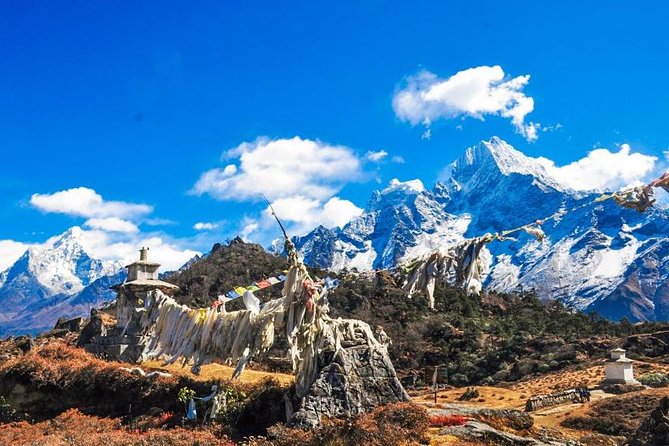
The shortest Everest Base Camp Trek 11 Days package combines two different ideas: a classic Khumbu trek and a helicopter sightseeing flight. That matters because the helicopter does not turn this into an easy holiday. You still need to walk at altitude, manage early mornings, and cope with a compact schedule.
At the same time, the helicopter gives the trip a useful safety valve. If the planned route uses the aircraft for part of the journey, you can see more in less time. The description specifically highlights Everest Base Camp, Khumbu Glacier, and Kalapatthar, three places that give the trip its strongest visual reward.
I would think of this as a time-saving Everest trip, not a relaxed introduction to the Himalayas. You will have less spare time than on a longer itinerary. That makes the quality of your guide especially important. A good guide can adjust the pace, watch how you are responding to altitude, and explain when a shortcut is sensible rather than simply pushing ahead.
More Everest Base Camp Treks in Kathmandu
- Everest Base Camp Trek – 14 Days
★ 5.0 · 1,499 reviews - Everest Base Camp Trek
★ 5.0 · 842 reviews - Everest Base Camp Trekking
★ 5.0 · 485 reviews
Starting in Kathmandu at 6:15 am
The activity begins at Sherpa Expedition and Trekking on Chaksibari Marg in Kathmandu. The stated start time is 6:15 am, so plan for a very early morning and confirm the pickup details before setting out. Pickup is offered, and airport transfers have also been arranged on past departures, but you should confirm what is covered for your own booking.
Kathmandu is more than a place to sleep before the mountains. It is your practical staging point. This is where you sort permits, meet the support team, check your bags, and make sure your clothing and footwear are ready. Because the high-altitude portion moves quickly, do not leave basic questions until the morning you depart.
The company lists a maximum of 45 people. That is a sizeable possible group, though your actual departure may be smaller. Ask about the guide-to-client ratio, porter arrangements, and the expected group size. A large group can offer company and a lower price per person, but a small group usually makes pace changes and personal attention easier.
The approach to the Khumbu and the role of your guide
The available details do not provide a complete day-by-day route, so you should request the exact overnight stops before paying. What is clear is that the trip takes you into Nepal’s Everest region and includes Namche Bazaar, with the main goal of reaching Everest Base Camp.
The route is not just a walk toward a famous sign. It is a test of how your body handles thinner air, uneven paths, and repeated uphill sections. The reviews describe guides who checked symptoms, adjusted the pace, and helped with practical concerns. That is the sort of service you want here.
Pasang is repeatedly associated with an energetic but attentive guiding style. Lakpa Sherpa is praised for tailoring the trip to the group and keeping things moving. Dawa Sherpa, Chorteh, and Dorjeh are also named as helpful members of a support team. These names cannot guarantee who will lead your departure, but you can ask whether a particular guide is available.
The most useful question is not simply Is the guide experienced? Ask how the team handles altitude problems, flight delays, changing weather, and a trekker who needs to slow down. The answer will tell you more than a general promise of good service.
Namche Bazaar, the Sherpa capital
Namche Bazaar is one of the trip’s essential stops. It is described as the capital of the Sherpas, and that label gives you a clue to its importance. This is a key settlement in the Everest region, a place where mountain culture, trekking services, and the route toward Everest come together.
I like that Namche is included because it gives the trip a human center. Everest itself is the headline, but Namche helps you understand the people and communities that support life in the high valleys. You will have a more meaningful trip if you give attention to the settlement rather than treating it as a quick photo stop.
The available information does not state how long you stay in Namche or whether a dedicated acclimatization day is included. That is a major point to clarify. An acclimatization day can make a high-altitude itinerary more manageable, while a rushed schedule may increase the strain.
Do not confuse a shorter itinerary with a lighter one. Compressing the route can mean longer walking days or less flexibility. If you already know you react badly to altitude, ask for the exact elevations and overnight schedule before booking.
More Trekking Tours in Kathmandu
- Annapurna Circuit Trek with Tilicho Lake
★ 5.0 · 368 reviews - Everest Base Camp Trekking – 13 Day
★ 5.0 · 365 reviews - Everest Base Camp Trek
★ 5.0 · 350 reviews - Everest Base Camp Trek -14 Days
★ 5.0 · 321 reviews
Everest Base Camp, Khumbu Glacier, and Kalapatthar
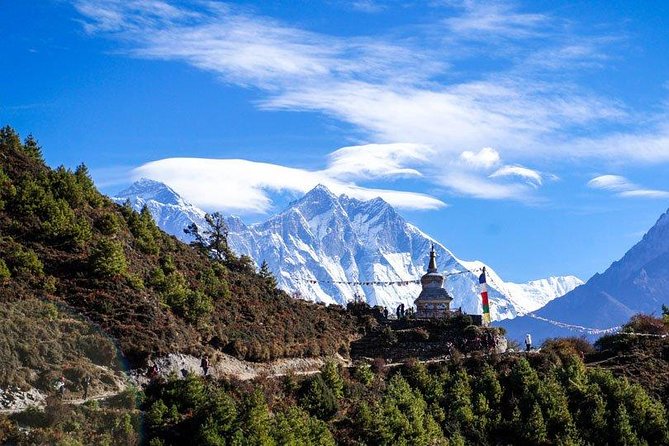
The trip’s main visual reward comes from the high mountain section. The helicopter feature highlights Everest Base Camp, Khumbu Glacier, and Kalapatthar, allowing you to view some of the most famous points in the region from above or nearby.
Everest Base Camp has a special appeal because it is tied to the great climbing expeditions, but it is not a summit and should not be treated as one. The achievement here is reaching the camp area by trekking at high altitude, then taking in the setting around the glacier and the giant peaks.
Khumbu Glacier adds a more physical sense of the mountain environment. Ice, rock, steep slopes, and changing weather make the area feel far removed from Kathmandu. Kalapatthar is known in the itinerary as one of the helicopter destinations, and its name carries strong appeal for people hoping for close views of Everest.
You should confirm the helicopter plan in writing. Is the flight a return from the trekking route, a sightseeing flight, or a transfer that replaces part of the walk? Does the $2,200 price include it, or is it an optional addition? The package highlights the flight, but the formal included list only names meals, fees, and taxes. That difference is important.
Why the Sherpa team matters more than the headline scenery
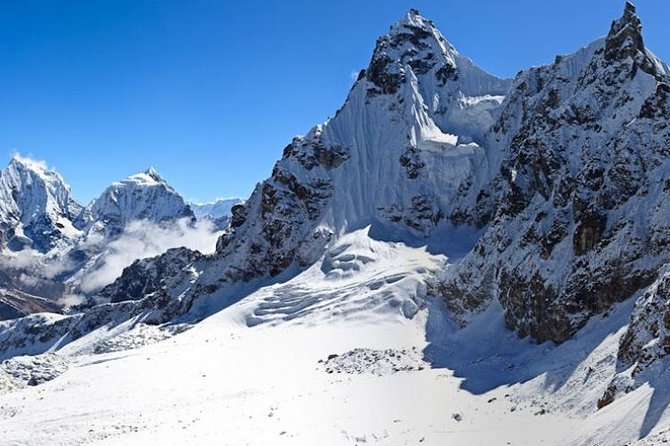
The strongest pattern in the available feedback is praise for guides and porters. People describe Pasang, Lakpa, Santa, Lhakpa Sona Sherpa, and other support staff as patient, responsible, friendly, and alert to changing needs. That is not a minor detail on this route. It is the service that can shape the whole experience.
One useful feature is the support for mixed-age groups. A family group ranging from age 19 to 56 completed the trek with a guide and helpers, and other departures involved first-time high-altitude trekkers. That suggests the company can work with different levels of experience, but you should still be honest about your fitness and medical history.
Porters are also central to the experience. Their work makes it possible for you to carry a lighter personal pack, but responsible packing still matters. Ask about the luggage limit, what you carry yourself, and how porter welfare is handled. The supplied information does not state those details, so do not assume them.
I would also tip separately for strong guiding and porter support. Tips are not included. The right amount depends on the group, length of service, and local guidance, so ask the company for current advice before departure.
What the $2,200 price covers
At $2,200 per person, this is not a bargain weekend in the hills. It is a substantial mountain trip with organized support, meals, and a high-profile destination. The value depends heavily on what the helicopter portion and accommodation arrangements include.
The listed inclusions are:
- Breakfast
- Lunch
- Dinner
- All fees and taxes
Alcoholic drinks, soda, snacks, Nepal visa costs, insurance, and tips are not included. You should budget for those separately. The available details also do not list accommodation in the formal inclusions, although past departures had lodging arranged in Kathmandu and on the trek. Confirm the room standard, number of nights, and whether accommodation is included in your quoted price.
The price becomes more attractive if it covers domestic transport, permits, guides, porters, lodging, and the helicopter flight. It becomes less attractive if the aircraft is an extra charge or if several major services are left for you to arrange. Ask for a line-by-line cost sheet. That is the cleanest way to compare this trip with longer Everest packages.
Meals being included is helpful because food costs in remote mountain areas can rise, and you will not want to spend each evening calculating the next meal. Drinks and snacks are extra, so carry some spending money and confirm which payment methods work along the route.
Weather, flights, and the short schedule
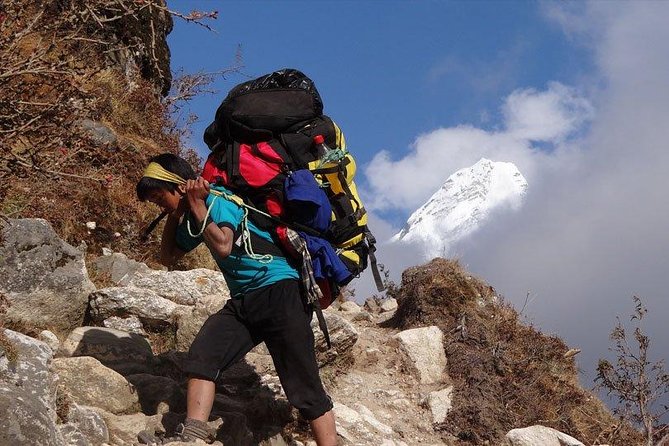
This experience requires good weather. If poor conditions cause the activity to be canceled, you are offered another date or a full refund. That policy is useful, but it does not remove the practical problem of having a fixed holiday window.
Helicopter and mountain flights can be affected by cloud, wind, or visibility. A schedule that works perfectly on paper may need to change. I would build extra time into your wider Nepal plans if possible, especially if you have an international flight soon after the trek.
The 11-day length is attractive for people with limited leave from work. It also means delays can have a bigger effect. A canceled flight, slow acclimatization, or bad weather may force the operator to revise the plan. Ask what happens if the helicopter cannot fly and if the walking route is changed.
Free cancellation is available up to 24 hours before the experience start time. Cancellations within 24 hours are not refunded, and late changes are not accepted. The policy also covers cancellation if the minimum number is not reached, with a different date, another experience, or a full refund offered.
Who should book this trek
This trip fits you best if you want the Everest region but cannot commit to a much longer itinerary. You should have moderate physical fitness and be comfortable with a demanding mountain schedule. You do not need to be an expert climber, but you do need to prepare seriously.
It is also a good match if you value organized support. The company handles the main structure, meals, fees, and guide and porter arrangements, while you focus on walking and altitude management.
Families and mixed-experience groups may find the personal support helpful. The past group ages and guide feedback suggest that the team can work with different needs. Still, the shortest schedule may not suit someone who prefers slow mornings, extra rest days, or plenty of time to adjust.
I would avoid booking without clarification if the helicopter is essential to your plan. The formal inclusions do not clearly spell out its cost or exact role. Get that answer before committing.
Practical questions to ask before departure
Before you leave Kathmandu, confirm the following points with Sherpa Expedition and Trekking:
- Is the helicopter flight included in the $2,200 price?
- Does the aircraft replace part of the walking route or add a sightseeing flight?
- What are the exact overnight stops?
- Is an acclimatization day included?
- What accommodation is provided?
- How large will the actual group be?
- Which guide is assigned?
- What happens if weather prevents the planned flight?
- What luggage allowance applies for porters?
- Are airport transfers included in your booking?
These are not fussy questions. They help you understand the difference between a compact but well-planned trek and a schedule that is simply too tight.
Should you book the 11-day Everest Base Camp Trek?
I would book this experience if you want a focused Everest adventure, value strong guide and porter support, and have limited time. The combination of Namche Bazaar, a high-altitude trek, and helicopter access to Everest Base Camp, Khumbu Glacier, and Kalapatthar gives you a lot in 11 days.
I would hesitate if you need a slow acclimatization schedule or cannot tolerate changes caused by mountain weather. The maximum possible group size of 45 also deserves clarification, and the helicopter inclusion must be confirmed in writing.
The best reason to choose this operator is the repeated attention given to guides such as Lakpa Sherpa and Pasang, along with the wider Sherpa and porter teams. Just remember that the mountain sets the timetable. Go in prepared, ask direct questions, and treat the helicopter as weather-dependent rather than guaranteed.
FAQ
Where does the experience start?
It starts at Sherpa Expedition and Trekking on Chaksibari Marg in Kathmandu, Nepal.
What time does the activity start?
The stated start time is 6:15 am.
Where does the activity end?
The activity ends back at the meeting point in Kathmandu.
How long is the Everest Base Camp trip?
The trip lasts approximately 11 days.
Is pickup available?
Yes. Pickup is offered, though you should confirm the exact pickup arrangements for your booking.
What meals are included?
Breakfast, lunch, and dinner are included.
Are drinks and snacks included?
No. Alcoholic beverages, soda or pop, and snacks are not included.
Is travel insurance included?
No. Insurance is not included, so you need to arrange it separately.
What happens if bad weather cancels the experience?
You are offered a different date or a full refund if poor weather causes the experience to be canceled.
Latest treks added in Kathmandu
- Private Manaslu Circuit Trek at Himalayas★ 5.0 · 3 reviews
- Ghorepani Poonhill Trek★ 5.0 · 5 reviews
- Ghorepani Poon Hill Trek★ 5.0 · 16 reviews
- Upper Mustang Trekking★ 5.0 · 2 reviews
- Upper Mustang Trekking★ 3.0 · 2 reviews
- Amazing 1 Day Trekking Experience in Kathmandu Nepal★ 5.0 · 24 reviews
- Upper Mustang Trek★ 5.0 · 5 reviews
- Upper Mustang Trekking★ 5.0 · 4 reviews
Everest Base Camp Treks, compared.






Browse the lists this tour appears in