
REVIEW · KATHMANDU
Everest Three Pass Trek
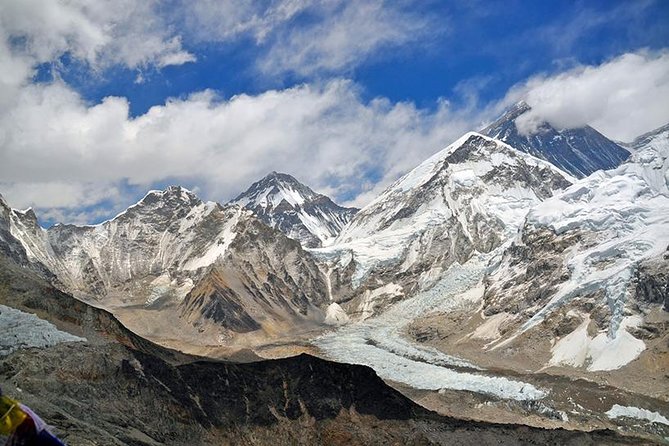
The Everest Three Pass Trek is built around three demanding crossings above 5,000 meters: Kongma La, Cho La, and Renjo La. I like that this is not just a straightforward walk toward one famous destination. The route is designed to show you more of the Khumbu, with high mountain passes as the main event. I also like that the $2,200 price includes Lukla flights, meals, permits, a guide, lodge accommodation, and ground transfers.
The catch is the altitude. This is a serious trek, not a casual holiday with a few hard walks added on. The advertised pass heights vary between the tour details, so I would confirm the exact route and elevations before paying. You also need strong physical fitness, suitable insurance, and patience for a trip where weather and mountain conditions matter.
Key points to know before you book
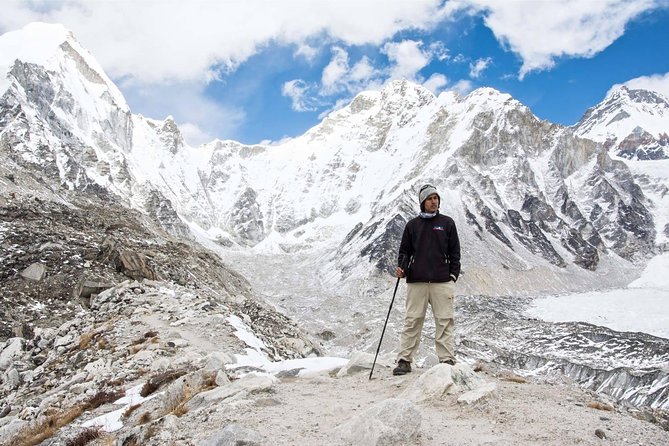
- Three passes above 5,000 meters: Kongma La, Cho La, and Renjo La are the heart of the route.
- A 17-day private trip: Only your group takes part, with a licensed English-speaking guide.
- Lukla flights are included: Kathmandu to Lukla and back are covered in the package price.
- Full-board trekking support: Breakfast, lunch, dinner, twin-sharing lodges, permits, and local fees are included.
- Guide support is a major strength: Past departures have been led by guides including Jiban, Raman, Rabin, Raj, and Raji, with language support noted in some cases.
- The real extra costs are personal: Insurance, visa fees, Wi-Fi, laundry, hot showers, battery charging, bar bills, and tips are not included.
Three high passes, one demanding Khumbu route
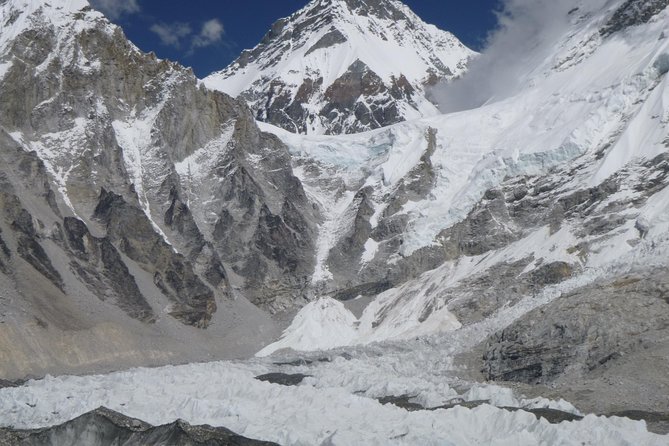
I would choose this trek for the passes, not simply for the Everest name. Kongma La, Cho La, and Renjo La each take you high above the regular valley route, and together they create a tougher, more varied trip through the Khumbu region.
The listed heights are not perfectly consistent. One description gives Kongma La at 5,555 meters, Cho La at 5,330 meters, and Renjo La at 5,345 meters. Another gives Kongma La at 5,535 meters, Cho La at 5,420 meters, and Renjo La at 5,360 meters. That does not change the main point: all three are very high, and the route requires strong preparation.
You should expect steep uphill sections, long days, cold conditions, and the effects of thin air. The tour information does not provide a full day-by-day schedule, so ask for the precise walking plan, acclimatization stops, and estimated hours before booking. Those details matter more here than they would on a low-altitude sightseeing tour.
More Everest Base Camp Treks in Kathmandu
- Everest Base Camp Trek – 14 Days
★ 5.0 · 1,499 reviews - Everest Base Camp Trek
★ 5.0 · 842 reviews - Everest Base Camp Trekking
★ 5.0 · 485 reviews
What the 17 days are designed to cover
The trip begins in Kathmandu and uses a flight to Lukla to reach the Khumbu. From there, the trek is organized around crossing the three high passes before returning to Lukla and flying back to Kathmandu.
That broad structure gives you three distinct parts:
- Kathmandu preparation and return time
- The Lukla-based mountain trek
- The three pass crossings and the connecting valleys
Because the full daily route is not supplied, I would not assume that every famous Everest stop is included. In particular, the package description focuses on the three passes rather than naming Everest Base Camp or specific villages. Ask the operator to send the daily itinerary and map if those places matter to you.
The value of the route is its range. You are not spending the entire trek on one busy corridor. Instead, the high passes make the journey feel more like a mountain expedition, with route-finding, changing terrain, and demanding climbs playing a central role.
Kongma La: the first major test
Kongma La is listed as the highest of the three passes, at roughly 5,535 to 5,555 meters depending on the description. That alone tells you how to treat it: this is not a warm-up hill.
The pass is likely to feel especially serious if it comes early in the trek. Your body may still be adjusting to altitude, and the route gives you little room for casual pacing. I would ask how many nights are planned before the crossing and what happens if someone cannot safely continue.
The appeal is clear. Kongma La gives the trek a strong opening challenge and helps separate this route from a standard Everest-area hike. The drawback is that the most difficult sections may come before you have found your rhythm.
A good guide should keep the pace controlled and make practical decisions when the weather or your condition changes. This is one reason the guide is more important here than a simple escort. The package includes a licensed, English-speaking guide, but you should still ask about the guide assigned to your group and the company’s process if a pass must be skipped.
Cho La: the route’s technical-feeling crossing
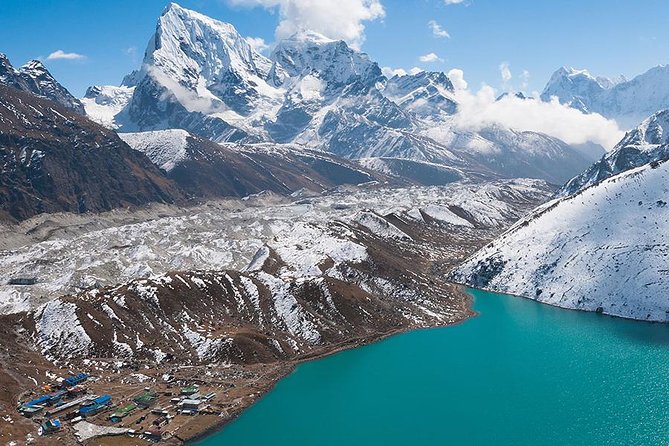
Cho La is listed at about 5,330 to 5,420 meters. It is another high crossing, and the tour description identifies it as one of the snow-covered passes that define the trip.
You should not read the word trek and assume a soft walking holiday. Snow, cold, steep ground, and reduced oxygen may all affect the crossing. The available information does not specify whether technical equipment is required, so ask directly about footwear, traction, and the condition of the route during your travel dates.
I like that the package includes a down jacket and sleeping bag if needed. That can reduce the amount of bulky equipment you need to bring. Still, you should confirm the quality, sizing, and availability of those items before relying on them. Personal layers, gloves, socks, and weatherproof clothing remain your responsibility.
Cho La also illustrates why a private departure can be useful. With only your group taking part, the guide can focus on your pace and communication. That does not remove the physical difficulty, but it may make the day feel less rushed than a large group departure.
More Trekking Tours in Kathmandu
- Annapurna Circuit Trek with Tilicho Lake
★ 5.0 · 368 reviews - Everest Base Camp Trekking – 13 Day
★ 5.0 · 365 reviews - Everest Base Camp Trek
★ 5.0 · 350 reviews - Everest Base Camp Trek -14 Days
★ 5.0 · 321 reviews
Renjo La: a final high crossing before the return
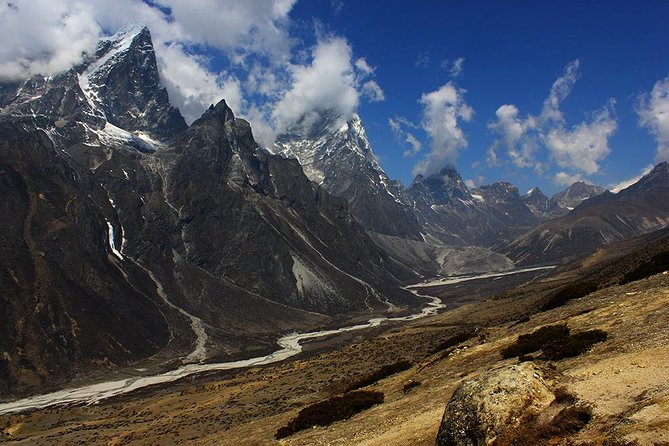
Renjo La is listed at roughly 5,345 to 5,360 meters. By this point, you will have already dealt with the other two passes, so fatigue may be as important as altitude.
The final crossing gives the route a satisfying shape. You are not simply climbing one pass, returning by the same path, and finishing. The three-pass concept creates a broad mountain circuit through the Khumbu, at least in outline, and gives each section a clear purpose.
Again, the precise order and nearby overnight stops are not supplied. That is worth checking because the experience of a pass depends heavily on what comes before it. A crossing after a proper acclimatization period feels very different from one reached after a long, tiring day.
I would treat Renjo La as a reason to preserve energy throughout the trek. Do not race the early stages to prove your fitness. The aim is to arrive at the last pass able to walk steadily, eat, drink, and follow the guide’s advice.
What is included for $2,200
At $2,200 per person, the package has solid coverage for a private high-altitude trek. You receive airport pickup and drop-off, private ground transport, two standard hotel nights in Kathmandu with breakfast, and flights between Kathmandu and Lukla.
During the trek, the price includes twin-sharing lodge accommodation and full-board meals: breakfast, lunch, and dinner. It also covers a licensed English-speaking guide, Sagarmatha National Park fees, the TIMS card, local government tourism fees, government taxes, and office service charges.
That list matters because the included Lukla flights and meals can make up a large part of a Nepal trekking budget. The guide and permit arrangements also save you from organizing key parts of the route yourself.
The price is less attractive if you want a private room, frequent hot showers, regular Wi-Fi, or upgraded lodging. Twin-sharing is the standard, and personal comforts are charged separately. Wi-Fi, laundry, bar bills, battery charging, and hot showers are not included.
You also need to budget for:
- Nepal entry visa fees
- Travel and rescue insurance
- Personal purchases
- Tips for guides and porters
The package does not list porter service among the inclusions, even though the equipment and guide support are included. Ask exactly how your bags are handled and what porter costs, if any, would be added.
The guide can make or break this trip
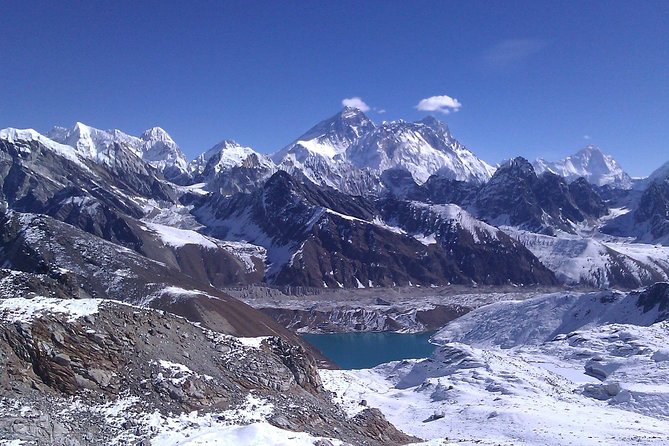
A three-pass trek needs more than someone who points toward the trail. Your guide should manage pace, communication, route decisions, and the practical problems that arise at altitude.
The company has used guides named Jiban, Raman, Rabin, Raj, and Raji on past departures. Jiban has helped solo clients feel supported from the planning stage through the trek. Raman has been described as patient, professional, and good company, with a strong understanding of Nepali culture. Rabin has also worked with an English-speaking guest who needed extra communication support.
Raj is noted for speaking Japanese very well, and Raji has also been described as fluent in Japanese and generous with route advice. If you are more comfortable in Japanese, ask if one of these guides is available rather than assuming language matching is automatic.
The important point is not simply the number of languages spoken. A guide who explains clearly and listens well is valuable when you are tired, cold, or unsure about a pass. Before booking, ask who will lead your departure, how many people will be in your group, and whether a backup guide is available.
Lodges, meals, and the daily trade-offs
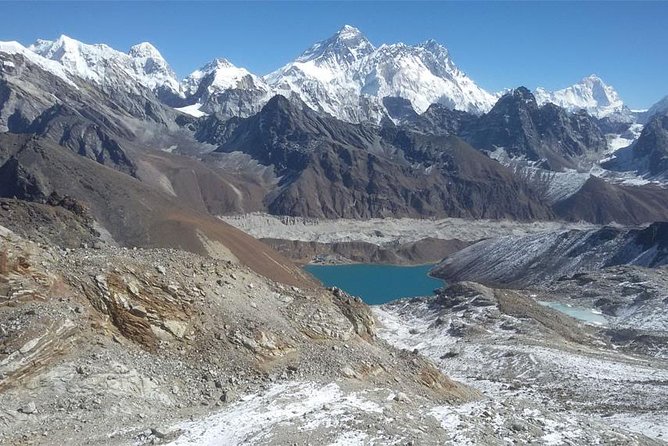
Twin-sharing lodge accommodation keeps the package practical and helps hold down the price. It also means you should be comfortable with basic mountain lodging rather than expecting hotel-style privacy.
Full-board meals are included, which is a major convenience. You will not need to negotiate every breakfast, lunch, and dinner along the way, and the guide can help keep the group on a workable eating schedule.
Personal services cost extra. Hot showers, Wi-Fi, laundry, and battery charging are specifically excluded. I would carry a small amount for these expenses and ask your guide where charging is available. The tour description does not state the charging arrangements, so do not assume every lodge offers the same service.
The included down jacket and sleeping bag can be useful, especially if you are not a regular high-altitude trekker. Ask whether they are supplied before departure or collected in Kathmandu, and check the fit before leaving.
Private does not mean easy
This is a private tour, so only your group participates. That gives you more control than a large scheduled departure, but it does not make the route gentler.
You may be able to discuss pace and rest needs with the guide, yet the three passes still require a strong fitness level. The operator explicitly lists strong physical fitness as a requirement. Take that seriously.
The trip may suit you if you already hike regularly, are comfortable with long mountain days, and want a demanding route rather than an easy introduction to Nepal. It is a poor fit if you want a relaxed holiday, dislike shared lodging, or need a detailed comfort-focused itinerary.
Solo visitors can book the private format, but the cost is quoted per person and the accommodation is twin-sharing. Ask how room arrangements work for a solo booking.
Safety, insurance, and cancellation rules
Travel and rescue insurance is compulsory and not included. For a route with three passes above 5,000 meters, I would make sure the policy clearly covers high-altitude trekking and emergency rescue, rather than buying a basic holiday policy.
The tour includes a first aid medical kit, but that is not a substitute for insurance or good judgment. Ask what the plan is if weather, altitude, or health prevents a pass crossing.
Free cancellation is available if you cancel at least 24 hours before the experience start time. A cancellation made less than 24 hours before the start time is not refundable, and changes inside that window are not accepted. The cut-off uses local time.
Who should book the Everest Three Pass Trek?
I would book this if the three high crossings are your main goal and you want a private, supported route with flights, meals, permits, and a guide bundled into one price.
I would also consider it if you are traveling alone but want guide support, or if you need help in English or potentially Japanese. The past guide team includes people with strong communication skills, though you should request your preferred guide in advance.
I would not choose it as a first-ever mountain trip without careful preparation. The package is demanding, the pass elevations are extreme, and the available itinerary does not give enough detail to judge the daily workload. Get the full schedule, confirm the pass heights and route order, and ask about emergency procedures before you commit.
Should you book this trek?
Book it if you want a serious Khumbu challenge and value the convenience of included flights, meals, permits, lodging, and guide support. At $2,200, the coverage is good for a 17-day private trip, especially with the Lukla airfare included.
Hold off if you need a gentle pace, guaranteed private rooms, or a fully specified daily itinerary. The best next step is to ask Adventure Bound for the exact route, assigned guide, porter arrangements, equipment details, and insurance requirements. If those answers match your fitness and comfort level, the three-pass format offers a harder and more varied alternative to a standard Everest trek.
FAQ
How long is the Everest Three Pass Trek?
The trek lasts approximately 17 days.
Where does the experience begin?
The experience is based in Kathmandu, Nepal. Airport pickup and drop-off are included.
Are flights to Lukla included?
Yes. The package includes airfare from Kathmandu to Lukla and from Lukla back to Kathmandu.
Which mountain passes are included?
The route includes Kongma La, Cho La, and Renjo La, all listed at elevations above 5,000 meters.
How high are the three passes?
The supplied tour details list Kongma La at approximately 5,535 to 5,555 meters, Cho La at approximately 5,330 to 5,420 meters, and Renjo La at approximately 5,345 to 5,360 meters.
Is accommodation included?
Yes. Two standard hotel nights with breakfast in Kathmandu and twin-sharing lodge accommodation during the trek are included.
Are meals included during the trek?
Yes. Breakfast, lunch, and dinner are included during the trekking portion.
Is this a private tour?
Yes. Only your group participates in this private tour or activity.
Is travel insurance included?
No. Travel and rescue insurance is compulsory but must be arranged and paid for separately.
What is the cancellation policy?
You can receive a full refund if you cancel at least 24 hours before the experience start time. Cancellations and changes made less than 24 hours before the start time are not accepted for a refund.
Latest treks added in Kathmandu
- Private Manaslu Circuit Trek at Himalayas★ 5.0 · 3 reviews
- Ghorepani Poonhill Trek★ 5.0 · 5 reviews
- Ghorepani Poon Hill Trek★ 5.0 · 16 reviews
- Amazing 1 Day Trekking Experience in Kathmandu Nepal★ 5.0 · 24 reviews
- Upper Mustang Trekking★ 5.0 · 2 reviews
- Upper Mustang Trekking★ 3.0 · 2 reviews
- Upper Mustang Trek★ 5.0 · 5 reviews
- Upper Mustang Trekking★ 5.0 · 4 reviews
Everest Base Camp Treks, compared.






Browse the lists this tour appears in