
REVIEW · KATHMANDU
Pikey Peak Trek Everest View
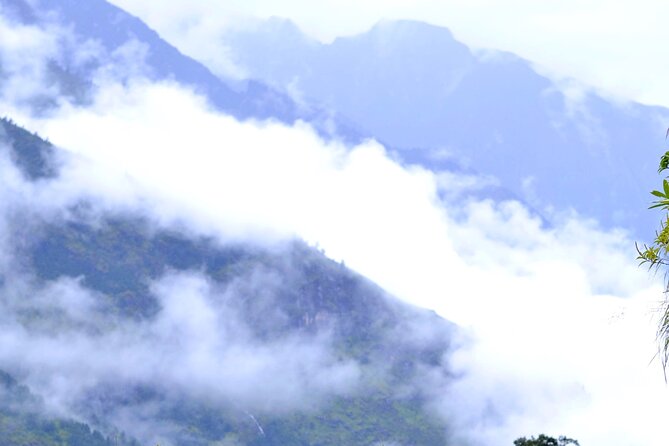
Pikey Peak gives you a quieter route into the Everest region, with sunrise and sunset views toward Everest and the Eastern Himalayas rather than the busy trail traffic found on the most famous routes. The walk passes through rhododendron forest and Sherpa villages, then reaches 4,068 meters before descending to Junbesi and Phaplu.
I like the practical design: permits, tea-house lodging, meals, a guide, and one porter for every two people are included. I also like the rest day at base camp, which gives you time to enjoy the high country without packing every hour with walking. The main consideration is the physical effort. The climb from Kinja at 1,630 meters to Goyam at 3,220 meters comes quickly, and the early start from Kathmandu is set for 5:45 a.m.
Key points to know before booking
- Pikey Peak reaches 4,068 meters: You get a high Himalayan viewpoint without following the standard Everest Base Camp route.
- The walk begins with a long road transfer: Day two takes you by bus from Kathmandu to Shivalaya, so the first trekking day starts after the transport, not in the capital.
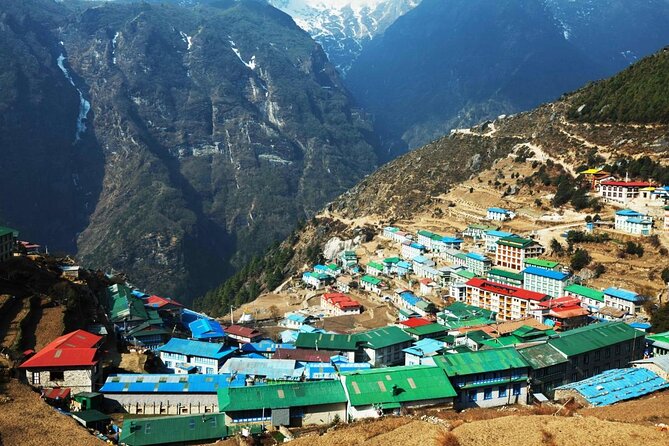
- Sherpa villages shape the experience: The route passes through communities in the Everest region, with tea-house accommodation rather than large hotels.
- A rest day is built in at base camp: You can hike nearby, relax, explore, and spend more time enjoying the mountain views.
- The package covers most core trekking costs: Permits, meals on trek, lodging, guide, porter, staff costs, medical kit, and transport are included.
- It is a private trip: Only your own group participates, which gives you more control over pace and daily rhythm.
Why Pikey Peak makes a strong Everest-region alternative
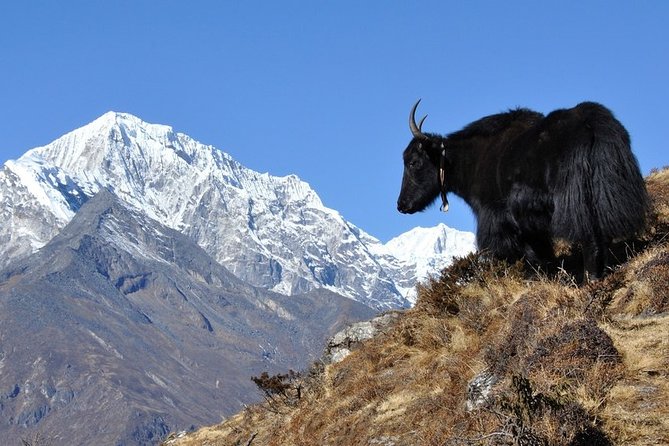
The appeal here is not simply reaching a number on an altitude chart. Pikey Peak offers a route through the lower Everest region, where forest, village life, and open Himalayan views share the stage.
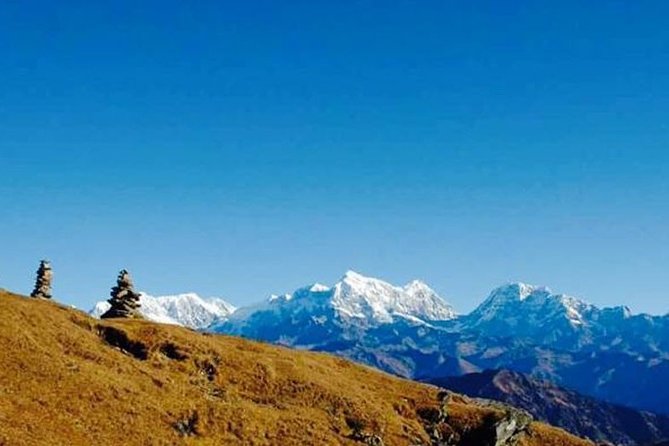
At 4,068 meters, the summit is high enough to provide an impressive mountain outlook, including Everest and the Eastern Himalayas. The route is also known for its striking light at sunset, which can make the viewpoint especially rewarding after a day on foot.
You should not expect the same scale of infrastructure or trail traffic associated with the best-known Everest Base Camp route. That is part of the attraction. The route feels more focused on walking through Sherpa country and spending nights in small tea houses.
The trip lasts about nine days, including arrival and departure transfers. It is best suited to someone who wants a structured Himalayan trek, but does not need a long expedition with many weeks on the trail.
More Everest Base Camp Treks in Kathmandu
- Everest Base Camp Trek – 14 Days
★ 5.0 · 1,499 reviews - Everest Base Camp Trek
★ 5.0 · 842 reviews - Everest Base Camp Trekking
★ 5.0 · 485 reviews
Day 1 in Kathmandu: preparation before the mountains
Your first day is used for arrival, hotel transfer, trek preparation, and an overnight stay in Kathmandu. Airport pickup and drop-off are included, using a car, van, or bus.
This is a useful buffer. You can settle in, organize personal equipment, and meet the team before the road journey begins. Two nights of Kathmandu accommodation are included in the package, though lunch and dinner in the city are not.
The meeting point is Happyland Treks in Paknajol Marg, and the listed start time is 5:45 a.m. That early hour matters on the road-transfer day, so plan your evening around rest rather than a late night in Kathmandu.
Day 2: the road from Kathmandu to Shivalaya
The trip moves from Kathmandu to Shivalaya at about 1,770 meters by bus or jeep. This is a transport day, but it is still an important part of the route because Shivalaya is the practical starting point for the trek.
Road travel in Nepal can be tiring, and the package does not promise a short transfer. You should view this day as part of the adventure rather than a sightseeing stop. Bring water, snacks if you like, and something to occupy you during the ride. Personal drinks and other purchases are not included.
Once you arrive in Shivalaya, you are positioned for the walking section through the lower Everest region. The elevation is still moderate, giving you a gradual start before the route climbs higher.
Day 3: Shivalaya to Kinja at 1,630 meters
The first full trekking day runs from Shivalaya to Kinja. The endpoint sits at about 1,630 meters, slightly lower than Shivalaya, so this day is not about gaining maximum height.
Instead, it introduces you to the rhythm of the trail. You will be walking between mountain settlements and spending the night in tea-house accommodation. The lower elevations also mean the route begins with a more temperate setting before the forest and high ridges become the main feature.
Your guide leads the group, while porter service is provided at a rate of one porter for every two people. That arrangement reduces the load you carry, but you still need a daypack with your water, warm layer, rain protection, personal medication, and valuables.
More Trekking Tours in Kathmandu
- Annapurna Circuit Trek with Tilicho Lake
★ 5.0 · 368 reviews - Everest Base Camp Trekking – 13 Day
★ 5.0 · 365 reviews - Everest Base Camp Trek
★ 5.0 · 350 reviews - Everest Base Camp Trek -14 Days
★ 5.0 · 321 reviews
Day 4: the sharp rise from Kinja to Goyam
The walk from Kinja to Goyam is one of the days to take seriously. Goyam sits at about 3,220 meters, meaning you gain roughly 1,590 meters from the previous overnight point.
The supplied itinerary does not give a walking time or exact distance, so you should not plan around a fixed number of hours. Your guide can adjust the pace for the private group, but the elevation gain remains a real test of fitness.
This is where the moderate physical fitness requirement becomes important. You need to be comfortable walking uphill for much of a day and carrying your own small pack. Take the pace steadily rather than treating the climb like a race.
The route passes through rhododendron forest, one of the trek’s most appealing natural features. Conditions change with height and season, so the forest gives the trail variety before the more open high-country views near Pikey Peak.
Day 5: Goyam to Pikey Peak Base Camp
From Goyam, you continue to Pikey Peak Base Camp at approximately 3,640 meters. This is a key day because you reach the high point of the walking itinerary’s approach and position yourself for the mountain views associated with Pikey Peak.
The base camp is not the summit itself. Pikey Peak rises to 4,068 meters, and the following rest day is intended for nearby hiking and time around the base-camp area. You should expect cooler conditions at this height and keep warm clothing accessible.
Tea-house accommodation is included during the trek. This style of lodging keeps the experience simple and local, but it also means you should not expect the facilities of a Kathmandu hotel. Hot showers, hot water, charging, and bottled water are listed as personal expenses when available, so keep some Nepalese currency handy.
Day 6: a rest day in Solukhumbu
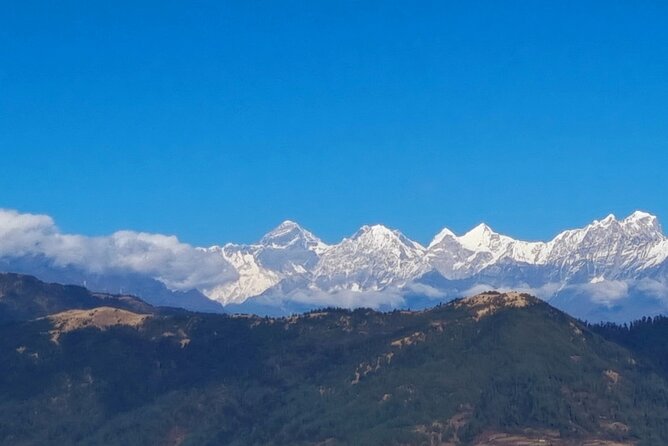
The rest day near Pikey Peak is one of the smartest parts of the plan. You can hike around the area, relax, explore, and spend time looking toward the mountains without having to move to a new overnight stop.
A rest day does not necessarily mean doing nothing. You might choose a gentle outing, use the time to adjust to the altitude, or simply enjoy the setting. The itinerary leaves the day flexible, which works well for a private group with different energy levels.
This day also gives weather conditions a little room to shape your experience. The trip requires good weather, and if poor conditions force cancellation, the operator offers a different date or a full refund. Mountain views are never guaranteed, so the extra time near the viewpoint is useful.
Day 7: descending from base camp to Junbesi
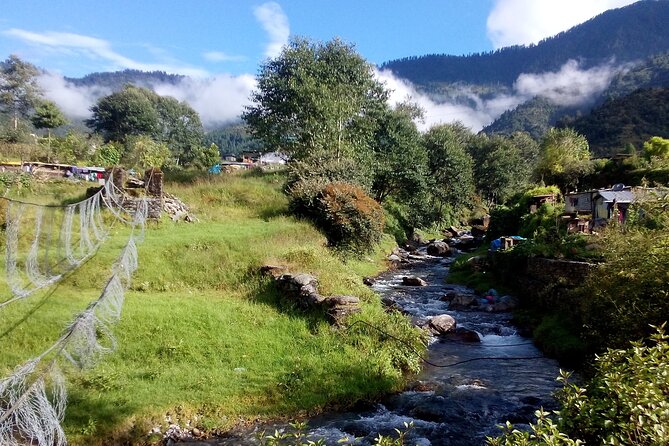
The route leaves the high country and descends to Junbesi at about 2,700 meters. After the colder base-camp night, the lower elevation should feel more comfortable, although the downhill walking can still work your legs.
Junbesi is one of the more meaningful village stops on this route because the trek continues through Sherpa communities rather than simply connecting mountain viewpoints. You will have time to see how the route is shaped by local settlements, tea houses, and the steady movement of people through the region.
The descent also changes the pace of the trip. The demanding climb toward Pikey Peak is behind you, and the remaining days focus more on walking through the lower valleys and reaching the transport point at Phaplu.
Day 8: Junbesi to Phaplu
The final trekking day takes you from Junbesi to Phaplu. The itinerary does not provide a distance or walking time, so ask the guide for the day’s expected schedule at the start of the trek.
Phaplu is important because it connects the walking route with the return journey. This is a good day to enjoy the last sections of village scenery and forest before leaving the trail.
The trip uses tea-house accommodation during the trek and includes standard breakfast, lunch, and dinner on trekking days, along with three cups of tea or coffee daily. Personal drinks, alcoholic beverages, hot showers, charging, and donations are not part of the package.
Day 9: Phaplu and the return to Kathmandu
The final day takes you from Phaplu, in the Salleri area, back to Kathmandu by bus or jeep. Like the outward journey, this is a road-transfer day rather than a final sightseeing day.
The package includes transport back to Kathmandu and the listed government and local taxes. The return can still be tiring, so keep your schedule flexible after arrival. International flights, Nepal’s entry visa, and personal travel insurance remain your responsibility.
The trip also includes a Happyland Treks certificate, a company duffel bag, and a T-shirt. These are small extras, but the duffel bag can be genuinely useful for organizing trekking gear.
What the $1,200 price covers
At $1,200 per person, the price is easiest to judge by looking at what you do not have to arrange separately. It includes airport transfers, two Kathmandu nights, the TIMS card, Gaurishankar National Park and Everest National Park permits, trekking meals, tea-house stays, transport to Shivalaya, transport from Phaplu, and the English-speaking guide.
It also covers the guide and porter team’s accommodation, food, salary, insurance, and medicine. A medical kit is included, as is one porter for every two people. For a private trek, these bundled costs make the price reasonable, particularly if you would otherwise need to arrange permits, road transport, staffing, and lodging on your own.
The package lists nine breakfasts, seven lunches, and seven dinners. It also includes three cups of tea or coffee per day while trekking. The wording around meals should be checked at booking, especially if you want to know exactly which meals are covered during your Kathmandu nights and transfer days.
You still need to budget for tips, travel medical insurance, emergency evacuation, visa fees, international airfare, personal equipment, and Kathmandu lunches and dinners. Hot water, hot showers, battery charging, cold drinks, bottled water, alcohol, and donations are also extra.
Tipping is expected, so do not treat the advertised price as your complete trip budget. Emergency evacuation is especially important to cover through suitable travel insurance because it is not included.
Guide support, private pacing, and what past service suggests
The experience includes an English-speaking guide and operates as a private tour. That combination is valuable because you are not locked into the pace of a large group. You can discuss how hard a day feels with your guide and use the rest day in a way that suits your group.
The company’s wider service has included guides such as Pramish and staff support from Bimal. Pramish has been specifically praised for steady encouragement and motivation on a separate Everest Base Camp trip, while Bimal has handled complicated arrival arrangements, including visa, quarantine hotel, and COVID testing support during the pandemic period.
Those details do not guarantee which guide you will receive on the Pikey Peak route, but they do suggest that you should ask for your assigned guide’s name before departure. A good guide matters most on the Kinja to Goyam climb, at higher altitude, and when road or weather plans need adjusting.
Is this trek right for your fitness level?
You need moderate physical fitness. The program involves a road transfer, several days of walking, a sharp climb to Goyam, high overnight stays, and a descent to Junbesi before the return to Kathmandu.
You should be comfortable with uphill walking and changing conditions. The exact distances and walking hours are not supplied, so ask for those details before paying if you need a precise training plan.
This trek suits you if you want:
- A private Himalayan route with guide support
- Everest and Eastern Himalayan views
- Sherpa villages and rhododendron forest
- A shorter alternative to a long Everest Base Camp trip
- A package that includes permits, meals, lodging, staff, and transfers
- A rest day near Pikey Peak Base Camp
It may not suit you if you want luxury lodging, fixed road-transfer times, or a trip with no steep uphill days. You should also reconsider if you need emergency evacuation included in the price or if you prefer an itinerary with detailed walking distances and daily hour estimates.
Booking details worth checking before departure
Confirmation is provided at booking. The meeting point is Happyland Treks in Kathmandu, and the listed start time is 5:45 a.m.
Ask the operator to confirm the transport type, the exact meal coverage on Kathmandu and transfer days, the expected walking hours, and the name of your guide. Also check which personal equipment you need to bring, since equipment is not included.
Free cancellation is available if you cancel at least 24 hours before the local start time. Changes made inside that window are not accepted, and a late cancellation is not refunded. Poor weather can lead to a new date or a full refund.
Should you book the Pikey Peak Trek?
Book this trek if you want a private, well-supported route through the lower Everest region and value mountain views, Sherpa villages, forest trails, and a slower rest day near base camp. The included permits, meals, tea-house stays, porter, guide, and road transfers give the $1,200 price solid practical value.
Before you commit, make sure you are ready for the steep Kinja to Goyam ascent and the early start from Kathmandu. Ask for walking times, confirm your guide, and buy travel insurance that covers medical treatment and evacuation. If those points fit your plans, Pikey Peak offers a focused Himalayan experience without requiring the longer Everest Base Camp schedule.
FAQ
How long is the Pikey Peak Trek Everest View experience?
The experience lasts approximately nine days, including arrival in Kathmandu, the trek, and the return journey from Phaplu.
What is the highest point on the trek?
Pikey Peak reaches 4,068 meters. The itinerary includes an overnight stay at Pikey Peak Base Camp, which is listed at about 3,640 meters.
Is airport pickup included?
Yes. Airport pickup and drop-off by car, van, or bus are included.
Is accommodation in Kathmandu included?
Yes. Two nights of accommodation in Kathmandu are included. Lunch and dinner in Kathmandu are not included.
Are meals included during the trek?
Yes. Standard trekking meals include breakfast, lunch, and dinner. The package lists nine breakfasts, seven lunches, and seven dinners, plus three cups of tea or coffee per day while trekking.
Is a guide included?
Yes. An English-speaking guide is included, along with the guide’s accommodation, food, salary, insurance, and medicine.
Is porter service included?
Yes. One porter is included for every two people. Porter accommodation, food, salary, insurance, and medicine are covered.
What permits are included?
The package includes the Trekkers Information Management System card, a Gaurishankar National Park permit, and an Everest National Park entry permit.
Can I cancel for a full refund?
You can receive a full refund if you cancel at least 24 hours before the experience start time. Poor weather may result in a different date or a full refund.
Latest treks added in Kathmandu
- Private Manaslu Circuit Trek at Himalayas★ 5.0 · 3 reviews
- Ghorepani Poonhill Trek★ 5.0 · 5 reviews
- Ghorepani Poon Hill Trek★ 5.0 · 16 reviews
- Upper Mustang Trekking★ 3.0 · 2 reviews
- Amazing 1 Day Trekking Experience in Kathmandu Nepal★ 5.0 · 24 reviews
- Upper Mustang Trekking★ 5.0 · 2 reviews
- Upper Mustang Trek★ 5.0 · 5 reviews
- Upper Mustang Trekking★ 5.0 · 4 reviews
Everest Base Camp Treks, compared.






Browse the lists this tour appears in