
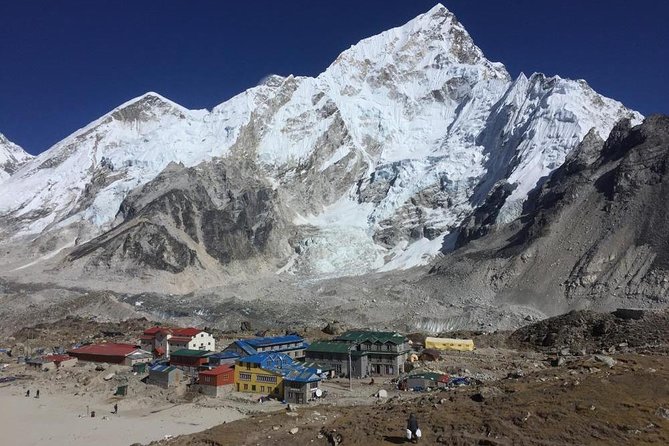
REVIEW · KATHMANDU
Mt. Everest Base Camp (EBC) Trekking from Kathmandu
The real prize here is not simply reaching Everest Base Camp. It is the slow approach through Sherpa villages, high valleys, and mountain passes, beginning with the short flight from Kathmandu to Lukla. You get time in Namche Bazaar and Dingboche to adjust to the altitude, rather than rushing straight toward the big prize.
I like that the price of $1,066.67 includes the Lukla flights, permits, guide, airport taxes, guesthouse lodging, and hotel transfers. I also like the private format, since only your own group takes part. The main caution is clear: this is a demanding high-altitude trek, and the plan contains a few timing details you should confirm before booking, including an unusually short six-minute return trek listed for Day 12.
Key points to know before booking
- Lukla flights begin the adventure: Your trek starts with a short flight from Kathmandu before walking to Phakding.
- Two acclimatization days are built in: You spend one day in Namche Bazaar and another in Dingboche.
- The route reaches both Everest Base Camp and Kala Patthar: Kala Patthar is scheduled for the return from Base Camp.
- Private guiding adds flexibility: Only your group participates, with an English-speaking trekking guide.
- The price covers major trip costs: Flights, permits, airport taxes, lodging, guide service, and transfers are included.
- You need strong fitness: Walking days range from about three to eight hours, with steep ascents and high altitude.
Why this Everest trek is worth your time
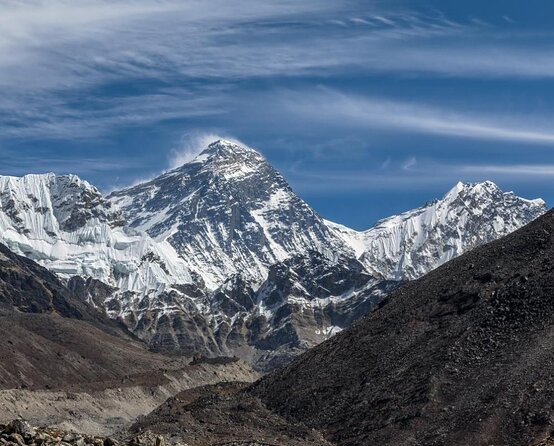
The Everest Base Camp route is famous for a good reason. It gives you changing views at every stage, from lower mountain valleys near Lukla to the stark, high-altitude country around Lobuche and Base Camp. You are not just driven to a viewpoint, given ten minutes for photos, and sent back. You walk into the region at human speed.
That pace is also the hard part. The highest point of the trek is not stated in the tour details, but the route reaches Everest Base Camp and Kala Patthar, both at serious altitude. You need to be comfortable with several hours of walking on successive days, limited comforts, and the possibility that high mountain weather can disrupt flights.
This tour is designed for people who want a guided private trek without arranging each part independently. The inclusion of the Kathmandu to Lukla flights is important. Those flights are a major piece of the route, and having them handled as part of the package simplifies the start and finish.
More Everest Base Camp Treks in Kathmandu
- Everest Base Camp Trek – 14 Days
★ 5.0 · 1,499 reviews - Everest Base Camp Trek
★ 5.0 · 842 reviews - Everest Base Camp Trekking
★ 5.0 · 485 reviews
What the $1,066.67 price really covers
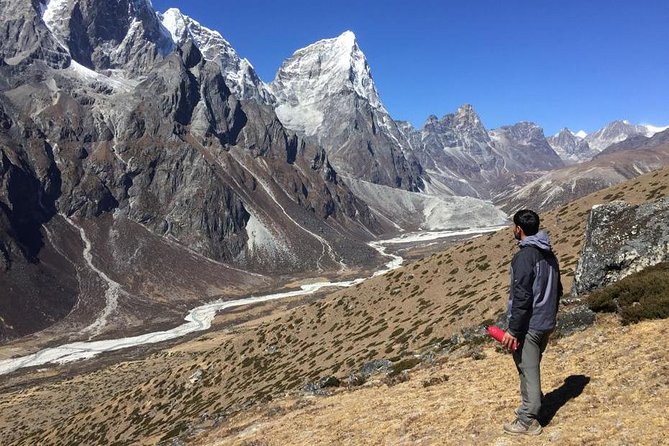
At first glance, the price may look modest for a 13-day expedition in the Everest region. Its value comes from what is included. You receive hotel pickup and drop-off, round-trip flights between Kathmandu and Lukla, airport taxes, a trekking permit, an English-speaking guide, and guesthouse accommodation.
The trip is private, which also matters. You are not placed into a large mixed group, so your walking pace and daily routine are handled within your own party. Group discounts are offered, though the exact saving is not specified.
Meals and drinks are not included. You will pay for those during the trek, and they should be part of your budget. Emergency rescue costs are also excluded, so suitable travel insurance is a sensible concern even though insurance details are not provided here. Tips are optional.
The tour is generally booked well ahead, with an average booking lead time of 161 days. That suggests you should not wait until the last moment if your dates are fixed, especially since flights to Lukla and weather can affect the schedule.
Day 1: Kathmandu to Lukla and Phakding
Your pickup begins at 6:30 a.m., followed by the short flight from Kathmandu to Lukla. From Lukla, you begin walking toward Phakding, with about six hours set aside for the day.
This first stage gives you an immediate taste of the route. The city disappears quickly, and the trek begins among mountain scenery and local settlements. Phakding is a practical first overnight stop rather than the grand highlight of the trip. Its value is that it lets you begin walking without pushing too high too soon.
The early start is worth taking seriously. You need to be ready for airport transfer, the flight, and a full walking day. Keep your essential items easy to reach, since the first day combines air travel and trekking.
Days 2 and 3: Namche Bazaar and your first altitude lesson
Day 2 takes you to Namche Bazaar in about six hours. Namche is one of the most important stops on the route, not only for its mountain setting but also for its role as a Sherpa center. You have time to see local culture, learn about Sherpa life, and visit Khumjung, a nearby village known for its traditional village setting.
I especially like the decision to spend two nights in Namche. Day 3 is set aside for acclimatization, with about four hours of hiking and local exploration. You practice walking at a higher elevation instead of treating the rest day as complete inactivity.
That distinction matters. The plan calls for an upper-altitude hike and time to explore the villages, giving your body a better chance to adjust before the route gets higher. You should still keep your pace controlled. The mountain scenery can tempt you to walk faster than is wise.
Namche also gives the trip one of its strongest cultural elements. You are not only looking at peaks. You are walking through a place where Sherpa homes, local routines, and mountain tourism meet. The stop in Khumjung adds a more village-focused experience than simply passing through Namche.
More Trekking Tours in Kathmandu
- Annapurna Circuit Trek with Tilicho Lake
★ 5.0 · 368 reviews - Everest Base Camp Trekking – 13 Day
★ 5.0 · 365 reviews - Everest Base Camp Trek
★ 5.0 · 350 reviews - Everest Base Camp Trek -14 Days
★ 5.0 · 321 reviews
Day 4: Tengboche and a major cultural stop
The walk to Tengboche takes about six hours. This is one of the most memorable points on the route because Tengboche is known for its monastery and its setting among the peaks.
The schedule gives you enough time to arrive after a full day on foot, but not much spare time is specified. If visiting the monastery is important to you, ask the guide how the day will be paced. The supplied information confirms the stop at Tengboche, but it does not specify a monastery visit or opening hours.
Tengboche marks a change in feel. The route is moving farther from the lower villages and deeper into the Everest region. You should expect the air and terrain to feel more demanding as the trek continues.
Days 5 and 6: Dingboche, mountain views, and another rest day
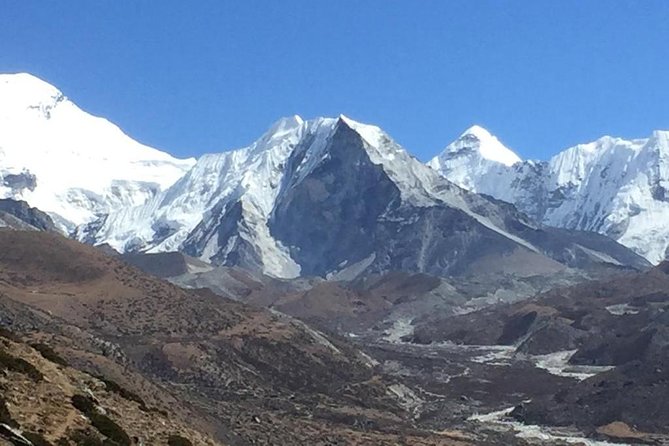
Day 5 leads to Dingboche, a popular Sherpa village, over roughly six hours. The route is described as a place to enjoy mountain views, but the larger benefit is the chance to spend time in a high village before the harder stages ahead.
Day 6 is another acclimatization day, with about three hours of hiking and nearby exploration. The plan specifically describes this as practice for higher altitude. That is a strong feature of the schedule. A trek that rushes upward can turn into a race against fatigue, while this plan gives you two dedicated adjustment days.
Dingboche also offers a different setting from Namche. Namche is a larger cultural and trading center, while Dingboche is presented as a high Sherpa village surrounded by mountain valleys. You should expect fewer urban comforts and a more remote feel.
Do not mistake the shorter walking time for an easy day. At this altitude, even three hours can feel substantial. Your goal is steady movement, hydration, and rest, not collecting the biggest mileage.
Days 7 and 8: Duglha and Lobuche
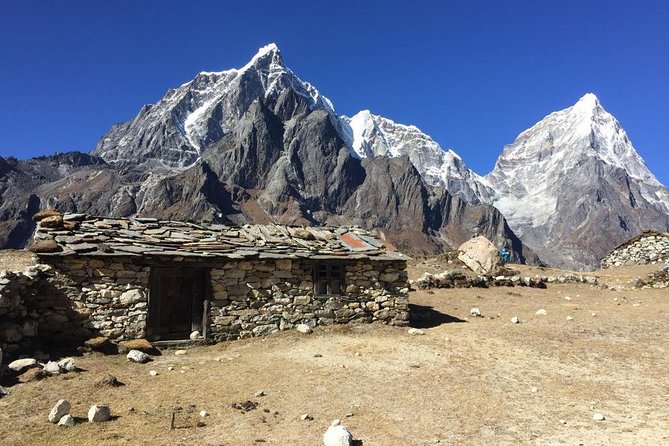
The Day 7 description refers to Mount Everest, but the actual stop named is Duglha in Solukhumbu. The walking time is about five hours. Duglha is described as a small glacial mountain village and one of the highest human settlements in the world.
This is a notable stage because the route becomes more severe and exposed in character. The information does not provide exact elevation figures, so I would not treat the schedule as a precise altitude chart. Still, you should understand that the route is now heading into the high country where cold, fatigue, and thin air matter more.
Day 8 continues to Lobuche, another small settlement near Everest, with about five hours of trekking. Lobuche is less about local sightseeing than position. It puts you close enough to Base Camp for the main approach the next day.
The two days are fairly short on paper, but the altitude changes the calculation. A five-hour walk at low elevation is not the same as a five-hour walk near Everest. This is where the earlier acclimatization days earn their place.
Day 9: The approach to Everest Base Camp
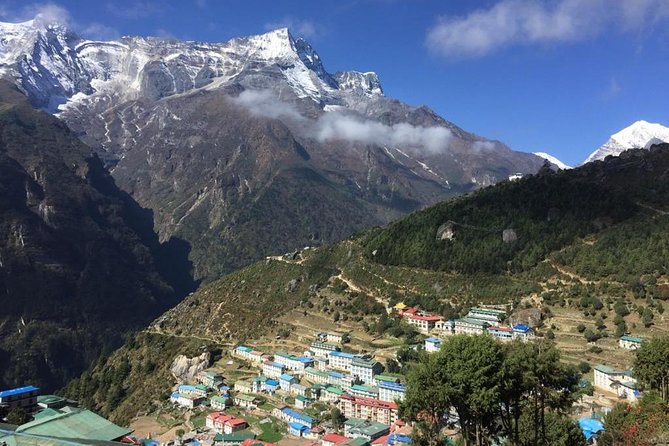
Day 9 is the major goal day. You start early and walk for about seven hours toward Everest Base Camp. The route includes ascents, and the schedule describes reaching Base Camp after a long day.
You should think of this as a full trekking day rather than a simple photo stop. The appeal is the approach itself, the feeling of moving through the Khumbu region toward one of the world’s best-known mountain destinations. The views of Everest and the surrounding peaks are a central reason to choose this trip.
The supplied details do not say how long you stay at Base Camp or what season-specific conditions you will find. Base Camp can look and feel different depending on weather and the climbing season, so keep expectations practical. The achievement is reaching the site on foot, not guaranteeing a particular camp setup or a clear view.
An early start also helps with the schedule. Seven hours of walking at this altitude leaves little room for a slow morning. Follow the guide’s pace and keep your day bag light.
Day 10: Kala Patthar and the descent to Pheriche
Day 10 is the longest listed day, at about eight hours. You trek to Kala Patthar and then descend to Pheriche for the night.
Including Kala Patthar is one of the best features of the route. It gives you another major high point after Base Camp and makes the return journey more than a simple retracing of your steps. The mountain views are the main attraction, and the early timing may affect how much you see, since weather and cloud can change quickly in the high country.
The distance and altitude make this a demanding day. You need enough energy for the climb to Kala Patthar and the descent afterward. The overnight in Pheriche breaks up the return and keeps the trip from forcing one enormous downhill push.
The tour information lists admission as included for this day, while the other days show no admission charge. That does not change the main planning point: this is the hardest day by walking time in the schedule.
Days 11 and 12: Returning toward Lukla
Day 11 lists a seven-hour walk from the Pheriche and Duglha Road area back toward Namche Bazaar. The wording is not fully clear about the exact overnight stop, so confirm this part with Couch Adventure Nepal before departure. The important point is that you begin the long return through familiar villages and lower elevations.
The descent should feel different from the climb. You are no longer measuring progress by how close you are to Base Camp, but your legs still have to work hard. Downhill walking can be tiring, especially after the high point at Kala Patthar.
Day 12 is listed as the return trek to Lukla, with six minutes shown as the duration. That figure is almost certainly a schedule error or incomplete entry because the day is described as a final trek back to Lukla after completing the Base Camp route. Ask for the expected walking time and overnight arrangements before you pay a deposit.
This is not a reason to dismiss the trip. It is a reason to get the details in writing. A private tour should make that conversation easy.
Day 13: Lukla to Kathmandu
The final day brings the short flight from Lukla back to Kathmandu. The listed flight time is about 40 minutes, followed by a transfer to your hotel.
The return flight is weather dependent. Mountain flights can be affected by conditions, and the cancellation terms specifically allow a different date or full refund if the experience is canceled because of poor weather. That protection applies to the experience as a whole, but you should still leave flexibility in your wider Nepal plans if possible.
Comfort, meals, and physical demands
Accommodation is in guesthouses. This tells you to expect practical mountain lodging rather than resort-style rooms. Meals and drinks are available for purchase but are not included, so budget for food across the trekking days.
The tour requires a strong level of physical fitness. Walking days range from three to eight hours, and the high-altitude sections can make ordinary exertion feel much harder. You should be comfortable with long days on foot and with repeated climbs and descents.
The private format may help you manage the pace, but it does not remove the physical demands. Your English-speaking guide can lead and assist, yet the tour does not promise rescue coverage. Emergency rescue costs are specifically excluded, which makes insurance and sensible preparation important.
The two published experiences highlight comfort, helpful support, and a memorable Base Camp trek. One describes the route as a place for personal reflection, while another gives particular credit to a helpful guide and the effort made to keep the trip comfortable. No guide name is supplied, so you should ask for your guide’s name and experience before departure.
Who should book this trek?
I would choose this tour if you want a private, guided route with the major transport and permit costs arranged for you. It suits a fit walker who values the route through Namche, Khumjung, Tengboche, Dingboche, and Lobuche as much as the Base Camp certificate or photograph.
It is less suitable if you want luxury, included meals, a relaxed schedule, or a short mountain excursion. It is also not a good match if you are uneasy with early starts, uncertain flight conditions, or long days at high altitude.
Before booking, confirm the Day 11 and Day 12 timing, ask how bad-weather flight delays are handled, and check what emergency arrangements are available. Those questions are especially worthwhile because the trip is private and should allow for a clear, direct briefing.
Should you book the Everest Base Camp trek?
Book it if you want a 13-day private Everest trek that includes Lukla flights, permits, lodging, airport transfers, and guide service at a relatively moderate listed price. The two acclimatization days, the visit to Khumjung, and the inclusion of Kala Patthar give the route real substance.
Hold off if you need every detail fixed in advance, since parts of the schedule need clarification and meals are extra. For a fit person who accepts basic guesthouse accommodation and wants to walk into the Everest region rather than view it from a distance, this is a strong option, provided Couch Adventure Nepal confirms the return-day timings before you commit.
FAQ
How long is the Everest Base Camp trek from Kathmandu?
The experience lasts approximately 13 days, including flights between Kathmandu and Lukla, the trek to Everest Base Camp, the return walk to Lukla, and the flight back to Kathmandu.
What is included in the tour price?
The price includes hotel pickup and drop-off, trekking permits, round-trip Kathmandu to Lukla flights, airport taxes, an English-speaking trekking guide, guesthouse accommodation, and a private trip for your group.
Are meals and drinks included?
No. All meals and drinks are excluded from the price but are available for purchase during the trek.
Does the trek include acclimatization days?
Yes. You have an acclimatization day in Namche Bazaar on Day 3 and another in Dingboche on Day 6. The schedule includes shorter hikes and local exploration on both days.
How physically fit do I need to be?
You should have a strong level of physical fitness. Walking days range from about three to eight hours, with high-altitude ascents and descents.
What happens if bad weather cancels the experience?
If poor weather causes the experience to be canceled, you will be offered a different date or a full refund. For other cancellations, you must cancel at least three full days before the start time to receive a full refund.
Latest treks added in Kathmandu
- Ghorepani Poon Hill Trek★ 5.0 · 16 reviews
- Private Manaslu Circuit Trek at Himalayas★ 5.0 · 3 reviews
- Ghorepani Poonhill Trek★ 5.0 · 5 reviews
- Upper Mustang Trekking★ 3.0 · 2 reviews
- Amazing 1 Day Trekking Experience in Kathmandu Nepal★ 5.0 · 24 reviews
- Upper Mustang Trekking★ 5.0 · 2 reviews
- Upper Mustang Trek★ 5.0 · 5 reviews
- Upper Mustang Trekking★ 5.0 · 4 reviews
Everest Base Camp Treks, compared.






Browse the lists this tour appears in