
REVIEW · KATHMANDU
Gokyo Lake Trek
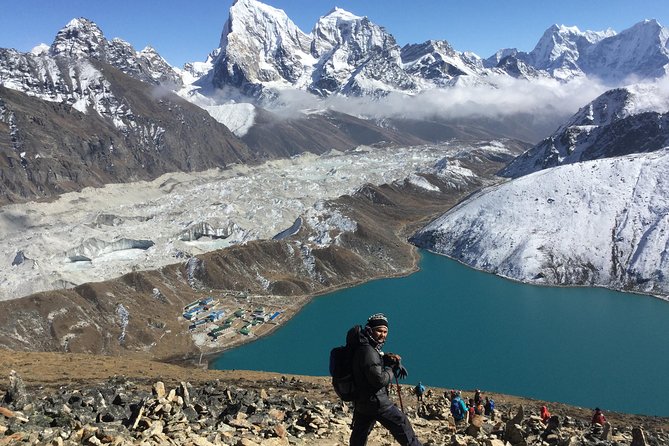
Gokyo Lake is the prize here: a high mountain lake at 4,750 meters, reached by a demanding but rewarding route through Sherpa villages, suspension bridges, glaciers, and the Everest region. From Gokyo Ri, you can look across a broad sweep of Himalayan peaks, including Everest, Lhotse, Nuptse, Cho Oyu, Makalu, Ama Dablam, and Thamserku.
I like the way this trek combines a real mountain journey with useful comforts: meals, tea, coffee, a down jacket, sleeping bag, walking pole, permits, and a waterproof duffel are covered. I also like the chance to spend time in Namche Bazaar, with its bakeries and coffee shops, before heading into quieter high country. The main caution is the altitude, long walking days, cold, and uncertain Lukla flight schedule.
Key points to know before booking
- Gokyo Lake reaches 4,750 meters, so altitude preparation matters as much as fitness.
- Gokyo Ri gives you a 360-degree mountain view, with Everest and Makalu among the major peaks named in the plan.
- The route includes Namche Bazaar, Khumjung, Dole, Machhermo, and Gokyo, not just the lake itself.
- Lukla flights depend on weather, and the plan uses Manthali Airport with a four-hour road transfer to Kathmandu.
- A private group travels with an English-speaking guide and porters, with insurance provided for the staff.
- The $1,785 price covers a lot, but personal travel insurance, hot showers, charging, drinks, tips, and Kathmandu lunches and dinners cost extra.
Why Gokyo Lake is worth the long walk
The Gokyo route gives you a different way to experience the Everest region. You still see Everest and the famous peaks around it, but the focus shifts from a single base camp destination to a chain of lakes, high valleys, glaciers, and mountain villages.
Gokyo Lake sits beside the Ngozumpa Glacier area, and the approach brings you close to Cho Oyu and several high Himalayan peaks. The scenery changes steadily as you climb. Early days include rivers, bridges, prayer markers, villages, and busy Namche. Later, the trail feels more exposed and spare, with snow peaks and rock replacing much of the lower valley scenery.
The summit walk to Gokyo Ri is the route’s big moment. You start early after breakfast, then climb for a wide view over the Himalayan range. The plan also allows an optional walk toward the fifth lake if you still have energy. That option is not a small add-on at this altitude, so you should treat it as a bonus rather than a promise.
More Everest Base Camp Treks in Kathmandu
- Everest Base Camp Trek – 14 Days
★ 5.0 · 1,499 reviews - Everest Base Camp Trek
★ 5.0 · 842 reviews - Everest Base Camp Trekking
★ 5.0 · 485 reviews
Days 1 and 2: Kathmandu briefing and the Manthali move
Your first day is intentionally light. You arrive at the hotel, receive a briefing about the Gokyo Lake and Gokyo Ri trek, and have free time. That slower start is useful after an international flight and gives you a chance to sort clothing, batteries, documents, and any last-minute purchases.
On Day 2, you take a half-day city tour, then drive to Manthali Airport after lunch. The stated driving time is about four hours. This extra road leg may not sound exciting, but it serves a practical purpose: flying from Manthali can avoid a very early 2 a.m. departure from Kathmandu the next day.
You should expect this part of the schedule to feel more like logistics than sightseeing. Still, it reduces the strain of an even earlier start. Ask the company to confirm the exact airport plan before departure, since the itinerary uses both Kathmandu and Manthali in connection with the Lukla flight.
Day 3: Lukla and the first taste of Sherpa country
The flight to Lukla is listed at about 15 minutes. It operates only when the weather is suitable, with blue skies and safe conditions needed for departure. This is one of the trip’s biggest planning considerations. You should build flexibility into your wider Nepal travel plans and avoid booking a tight international connection after the trek.
After landing, the walking begins. The route introduces you to Sherpa life, local culture, and the lower mountain scenery. The day is estimated at five hours of trekking, which makes it a serious first walking day even if the total time looks manageable.
Your guide and porters carry the group’s support equipment, while you walk with a daypack. Comfortable shoes matter more than brand names. The company recommends lightweight trekking shoes, warm socks, gloves, a hat, sun protection, and thermal layers for night.
Day 4: Bridges, rivers, and the climb to Namche Bazaar
Day 4 is a strong introduction to the physical demands of the route. You cross five suspension bridges, pass Mane, follow river views, and tackle a much higher Hillary Suspension Bridge. If the weather clears, Everest may appear from the route.
The trail climbs steadily toward Namche Bazaar, with about six hours of walking listed. Namche is described as a small market town and a gateway to Everest Base Camp and other treks. You can find coffee shops, bakeries, and shops selling useful items, which makes it a good place to check your supplies.
This is also where the trip begins to feel less like a standard sightseeing holiday. You are gaining altitude on foot, and the climb is not softened by a vehicle transfer. Take the pace seriously. The group may move slowly, and that is a good thing.
More Trekking Tours in Kathmandu
- Annapurna Circuit Trek with Tilicho Lake
★ 5.0 · 368 reviews - Everest Base Camp Trekking – 13 Day
★ 5.0 · 365 reviews - Everest Base Camp Trek
★ 5.0 · 350 reviews - Everest Base Camp Trek -14 Days
★ 5.0 · 321 reviews
Day 5: Namche, Everest View Hotel, and Khumjung
Day 5 is an acclimatization and sightseeing day around Namche. You hike into Sagarmatha National Park, visit Everest View Hotel, and continue to Khumjung Village before returning to Namche for free time.
The itinerary includes a visit to Hillary School in Khumjung. That gives the day a local and community-focused element rather than making it only a viewpoint walk. You also get another chance to see the surrounding snow peaks, including Everest, without carrying your full trekking load.
Namche itself is part of the experience. You can use the free time to visit a bakery, have coffee, shop for small items, or simply rest. I would not waste the afternoon on unnecessary errands. Your body is adapting, and the next stages become longer and higher.
Day 6: Leaving Namche for the higher valleys
The next day is listed at seven hours, making it one of the longer walking stages. The trail runs below the mountains, with Everest among the peaks visible in good conditions. The route is described as mostly uphill.
The appeal here is the gradual change in scenery. You are moving away from the commercial stop at Namche and toward smaller settlements and higher ground. The itinerary also mentions the possibility of seeing Himalayan mountain goats along the trail. Wildlife sightings are never guaranteed, but the chance adds interest to a day that otherwise demands steady effort.
You should keep snacks, water, sun protection, and an extra layer within reach. The supplied meals cover breakfast, lunch, dinner, and drinks such as tea, coffee, ginger lemon honey, and hot chocolate, but you should not assume every personal snack or bottled drink is included.
Day 7: Dole to Machhermo and a useful altitude briefing
The walk from Dole to Machhermo takes about five hours. In clear weather, the route offers broad Himalayan views and snow-covered peaks. At Machhermo, you can visit the Himalayan Rescue Association and hear a briefing from volunteer medical staff about mountain sickness.
That briefing is one of the most useful parts of the schedule. Altitude problems can develop even in people who are fit, and knowing the warning signs matters. The guide’s job is not to make you push through everything. You need to report headaches, nausea, unusual tiredness, dizziness, or other concerns early.
The itinerary does not promise medical treatment or high-altitude evacuation coverage. Your own travel and mountain sickness insurance is specifically excluded, so arrange suitable cover before you leave home.
Day 8: Glacier views and the arrival at Gokyo Lake
Day 8 brings the main destination into view. You walk through the Gokyo Glacier area, with Cho Oyu, Gokyo Lakes, and surrounding peaks shaping the day. The walking time is about five hours.
This is where the route earns its name. The lakes and glacier create a different visual experience from the lower valleys. The surroundings are wide, cold, and exposed, so warm layers and sun protection are essential. At altitude, sunlight can feel intense even when the air is cold.
The plan includes lodge accommodation along the trek, with breakfast, lunch, dinner, and hot drinks. You should expect simple mountain lodging rather than hotel-style facilities. Hot showers and battery charging are not included, and the additional information warns that these may cost extra.
Day 9: Gokyo Ri and the best panoramic view
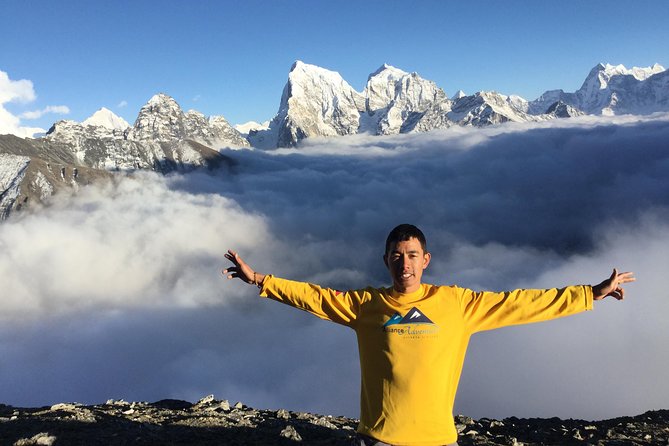
The early start on Day 9 is worthwhile. After breakfast, you hike Gokyo Ri for a 360-degree view across the Himalayas. Everest and Makalu are specifically named, along with the wider range seen from the summit area.
Weather will control how much you see. A clear morning can make this the finest view of the trek, while cloud may hide some peaks. That uncertainty is part of high mountain travel, not a flaw in the plan, but it is worth keeping expectations realistic.
If you still feel strong, the itinerary allows a hike toward the fifth lake. This is optional and should be decided with your guide based on weather, energy, and altitude symptoms. Do not treat it as a test of toughness. Gokyo Ri is already a major achievement.
Days 10 through 12: Retracing the valley to Lukla
The return begins on Day 10, with about seven hours of walking. You follow the same general route back, taking final photographs of the lakes and mountains before continuing downhill. Retracing a trail may sound repetitive, but the views often look different in changing light and weather.
Day 11 takes you through scenery below Thamserku, Kusum Kanguru, and Ama Dablam. You also get a last look at Everest and another stop in Namche Bazaar. The six-hour day gives you a chance to enjoy the town again, restock, and recover before the final push.
On Day 12, you continue toward Lukla for about five hours. The itinerary describes this as the final steps of the trek, followed by a celebration with your guide and porter team. That small finish matters. After days of walking, meals, cold mornings, and altitude, sharing a farewell moment with the people who carried and guided the group feels fitting.
Days 13 through 15: Flight back, Kathmandu culture, and departure
Day 13 starts with breakfast and a flight to Manthali Airport, followed by a four-hour drive back to Kathmandu. You then have time to rest at the hotel. Again, weather can affect the flight, so keep your schedule flexible.
Day 14 is devoted to Nepalese history and culture with a guide-led tour. The program describes Nepal as a country of many cultures, and this day gives you a useful change of pace after the mountain route. A farewell dinner is also provided.
The final day is for last-minute shopping before your flight home. The company asks for your flight details in advance, along with a passport copy and passport-size photograph for the trekking permit and TIMS card.
What the $1,785 price really covers
At $1,785 per person, this is not a bare-bones trek. The package includes arrival-to-departure transportation, two Kathmandu hotel nights with breakfast, trekking accommodation, meals during the trek, permits, TIMS cards, a guide, porters, staff insurance, local and government taxes, and private ground transportation.
You also receive a warm down jacket, sleeping bag, trekking pole, waterproof duffel bag, and company T-shirt. Those inclusions reduce the amount of bulky equipment you need to buy or pack. The staff’s insurance is included, but your own travel and high-altitude medical insurance is not.
The value depends on how much support you want. If you prefer to arrange every lodge, transfer, permit, porter, and meal yourself, you might find a cheaper route. But the package removes many moving parts, which matters in a region where weather can disrupt flights and mountain logistics can change quickly.
Budget extra for cold drinks, bottled water, phone calls, laundry, bar bills, hot showers, battery charging, tips, and all lunch and dinner in Kathmandu. The inclusion list contains a small inconsistency about meals, but the clear practical point is this: trekking meals are included, while Kathmandu lunches and dinners are not.
Guides, staff, and the level of support
The trek is private, so only your group participates. That gives you more control over pace and rest stops than a large group departure. The listed team includes an English-speaking guide and porters, with lodging and food provided for them.
Communication and care are important on this route. The company has received strong praise for clear communication and attentive guidance, including specific recognition for guides Urja and Ashish on its Nepal treks. Confirm who will lead your Gokyo group before booking, since the supplied information does not guarantee that either person will be assigned.
The guide should also help you judge altitude, weather, and the optional fifth-lake walk. Good support here means sensible decisions, not simply pushing toward the next stop.
Fitness, clothing, and practical preparation
This trek requires a moderate fitness level and a minimum age of 18. You should start training before arrival with regular hill walks or hikes in your home area. Build up time on your feet, since several days last five to seven hours.
Pack for cold, sun, and changing conditions. The recommended kit includes:
- Windproof outer jacket and warm down-filled jacket
- Gloves, hat or cap, sunglasses, sunscreen, and lip balm
- Lightweight trekking shoes and warm socks
- Thermal underwear or a warm tracksuit for night
- Flashlight and spare batteries
Women are advised to bring comfortable trousers or loose skirts for daytime. You should also keep key personal items in your daypack, including documents, medication, water, sun protection, and a warm layer.
Nepal visa on arrival is available at Kathmandu airport immigration. The supplied information lists $25 for 15 days and $40 for 30 days. The experience is non-refundable and cannot be amended after booking, so confirm your dates, insurance, fitness, and flight plans first.
Should you book the Gokyo Lake Trek?
Book this trek if you want a supported Himalayan route with lakes, glaciers, Sherpa villages, Namche Bazaar, and a major viewpoint, but you do not want to arrange every detail yourself. The private format, included gear, meals, permits, and staff support make the $1,785 cost reasonable for someone who values convenience.
Think twice if you dislike long uphill walks, cold lodge nights, uncertain mountain flights, or high-altitude travel. This is not a casual sightseeing tour. For a prepared adult with moderate fitness, flexible travel plans, and proper insurance, it offers a strong route through the Everest region with Gokyo Lake and Gokyo Ri as memorable rewards.
FAQ
How long is the Gokyo Lake Trek?
The experience lasts approximately 15 days, including Kathmandu time, flights, trekking days, the return transfer, and departure preparations.
What is the price per person?
The listed price is $1,785 per person.
What is the starting point and start time?
The starting point is Kathmandu in Nepal, and the listed start time is 6:00 a.m.
Is the tour private?
Yes. Only your group participates in this private activity.
What is the highest named destination?
Gokyo Lake is listed at 4,750 meters above sea level. The route also includes a hike to Gokyo Ri.
Are meals included?
Breakfast, lunch, dinner, tea, coffee, ginger lemon honey, and hot chocolate are included along the trek. Lunch and dinner in Kathmandu are not included.
Are flights to Lukla guaranteed?
No. The flight depends on suitable weather conditions. The schedule uses Manthali Airport and includes a four-hour drive between Manthali and Kathmandu.
Is trekking equipment provided?
The company provides a warm down jacket, sleeping bag, trekking pole, and a waterproof trekking duffel bag. You still need suitable clothing, shoes, gloves, sun protection, and other personal equipment.
Is travel insurance included?
Insurance for the guide and porters is included. Your own travel insurance and mountain high-altitude sickness insurance are not included.
Latest treks added in Kathmandu
- Private Manaslu Circuit Trek at Himalayas★ 5.0 · 3 reviews
- Ghorepani Poonhill Trek★ 5.0 · 5 reviews
- Ghorepani Poon Hill Trek★ 5.0 · 16 reviews
- Upper Mustang Trekking★ 3.0 · 2 reviews
- Amazing 1 Day Trekking Experience in Kathmandu Nepal★ 5.0 · 24 reviews
- Upper Mustang Trekking★ 5.0 · 2 reviews
- Upper Mustang Trek★ 5.0 · 5 reviews
- Upper Mustang Trekking★ 5.0 · 4 reviews
Everest Base Camp Treks, compared.






Browse the lists this tour appears in