
REVIEW · KATHMANDU
Everest Three (High) Passes Trekking
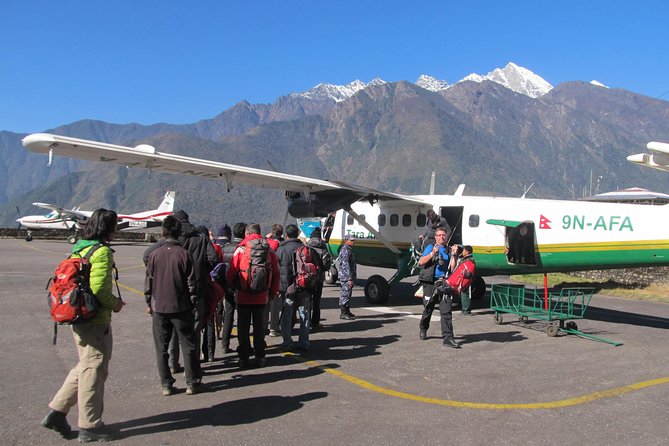
The big draw here is not simply seeing Everest from a viewpoint. You take on a serious high-altitude route through the Everest region, crossing demanding passes without needing technical climbing skills. The short flight from Kathmandu gets you close to the mountains, then your progress depends on your legs, lungs, and steady pacing.
I like the private format, since your group can work with the local guide team rather than follow a large fixed crowd. I also like the blend of big Himalayan views and Sherpa culture. Guides named Lok, Sashi, Amber, and Suman have been singled out for support, care, and flexibility during difficult days.
The catch is clear: this is not a gentle introduction to Nepal. High altitude and long trekking days call for strong fitness, and the demanding passes can be affected by weather. You need to be comfortable with a tough physical challenge and some uncertainty in the mountains.
Key points at a glance
- Three high passes: The route is built around serious mountain crossings, not just short walks to viewpoints.
- About 17 days: You have time for a substantial Everest-region trek rather than a quick mountain visit.
- Short flight included in the experience: The adventure begins with air travel from Kathmandu before the walking starts.
- Private group: Only your own party takes part, with a local Nepali guide team supporting the trek.
- No technical climbing required: You need strong fitness and hiking ability, but not specialist climbing knowledge.
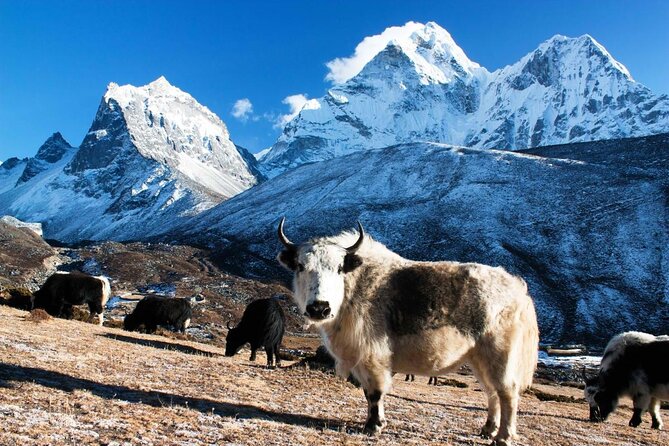
- Sherpa culture and mountain views: The experience combines local communities with views across the Khumbu Himalayan region.
What makes the Three Passes route different
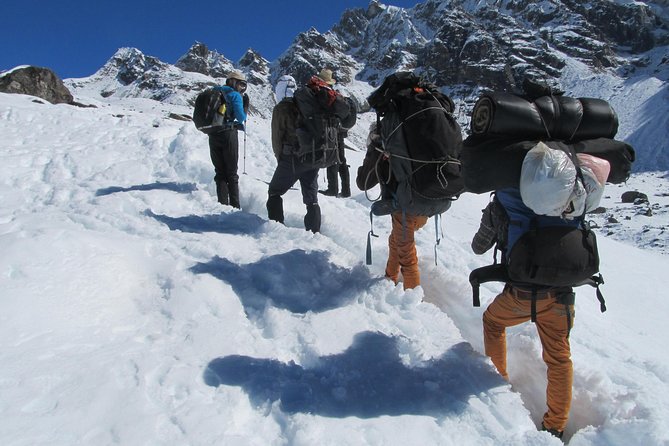
Many Everest trips focus on reaching one famous destination and returning. This experience is more demanding because the high passes are the point. You are not just walking toward Mt. Everest. You are tackling a route that asks for stamina, patience, and sensible decisions at altitude.
That makes the trip a good fit if you already enjoy long mountain hikes and want a bigger challenge. It is less suitable if your main aim is a comfortable sightseeing holiday with a few easy walks.
The route also gives the mountains room to unfold. You can expect a short flight, hiking, trekking, and pass crossings, with the Khumbu region providing the setting. The attraction is the variety: large Himalayan views, high mountain terrain, and contact with Sherpa communities rather than a single photo stop.
More Everest Base Camp Treks in Kathmandu
- Everest Base Camp Trek – 14 Days
★ 5.0 · 1,499 reviews - Everest Base Camp Trek
★ 5.0 · 842 reviews - Everest Base Camp Trekking
★ 5.0 · 485 reviews
The 6:15 am start in Kathmandu
The meeting point is Tribhuvan International Airport on Ring Road in Kathmandu, with a stated start time of 6:15 am. Pickup is offered, which matters at this hour. You will want to confirm the exact pickup arrangement before the morning begins, especially if you are staying somewhere away from the airport area.
An early start is part of the mountain routine. The first major transition is the short flight toward the Everest region, followed by the start of the trek. The flight itself is brief compared with the walking days ahead, but it changes the scale of the trip quickly. You move from Kathmandu to a mountain setting where every uphill section costs more effort.
Since the experience ends back at the meeting point, the airport is also the practical anchor for the return. Keep your arrival and departure plans flexible around the trek rather than scheduling an important connection too tightly.
The first walking days and the rhythm of the trek
The supplied information does not give a day-by-day route, village list, or exact walking times. That is worth noting before you book. You know the trip lasts about 17 days and includes the Three High Passes, but you should ask Three Jewels Adventures for the current daily plan, overnight stops, walking hours, elevation changes, and acclimatization schedule.
What you can expect is a gradual shift from ordinary hiking into high-altitude trekking. Early days give you the chance to settle into the guide team’s pace and learn how your body responds. Later days demand more from you, especially around the passes.
I would treat the guide’s judgment as part of the value. The experience is private, and the team can adjust the day based on conditions and how you are coping. That flexibility was especially important in accounts involving Lok, who supported a fit but challenged trekker, and in descriptions of guides who adjusted the plan when circumstances required it.
Do not confuse flexibility with an easy option. A guide may change the day to protect the group, but you still need to be ready for strenuous walking. Build fitness before Nepal with long uphill hikes, not only flat-distance training.
Sherpa communities beyond the viewpoints
The Khumbu Himalayan region is not just a backdrop for photographs. The trek also gives you contact with ethnic Sherpa communities and the lived culture of the mountain area. That cultural side adds meaning to the physical effort, since you are moving through places shaped by high-altitude life rather than passing through a collection of viewpoints.
The information provided does not specify which villages or cultural sites are included. Still, the emphasis on Sherpa culture suggests that the human side of the route is meant to sit alongside the mountain scenery.
This is one reason I prefer the idea of a longer trek over a quick mountain excursion. Walking gives you more time to notice changes in the setting and to appreciate how the region supports life at altitude. You should ask how the current route handles cultural visits and local interaction if that is a major reason for booking.
More Trekking Tours in Kathmandu
- Annapurna Circuit Trek with Tilicho Lake
★ 5.0 · 368 reviews - Everest Base Camp Trekking – 13 Day
★ 5.0 · 365 reviews - Everest Base Camp Trek
★ 5.0 · 350 reviews - Everest Base Camp Trek -14 Days
★ 5.0 · 321 reviews
Renjo La and Gokyo Ri: demanding highlights
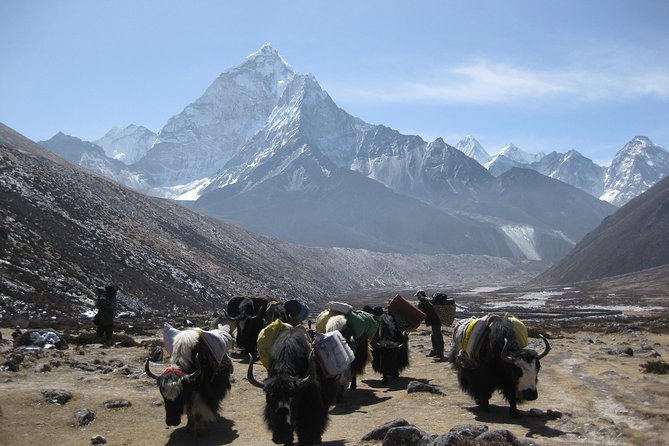
Renjo La is specifically connected with this experience, along with Gokyo Ri. These names signal the kind of challenge involved. You are not signing up for a low-effort path with a mountain view at the end. You are taking on high ground where weather, altitude, and fatigue can shape the day.
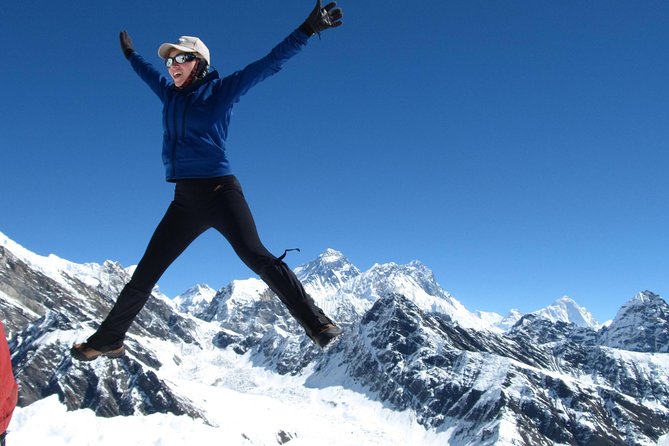
Gokyo Ri is presented as one of the memorable aims within the broader Three Passes challenge. Reaching a high viewpoint after a hard climb can be deeply rewarding, but you should not expect the view to come without work. The gain comes from the effort, and the effort can be substantial.
The experience does not require technical climbing knowledge, which is good news for strong hikers who have no mountaineering background. But that should not be mistaken for beginner-friendly. You need to manage steep walking, extended days, and the effects of altitude.
A guide such as Lok can make a real difference on a difficult day. The support described around him is practical rather than decorative: encouragement, attention to how you are doing, and the ability to adjust the hiking plan. That is exactly the kind of local support I would want on a private high-pass trek.
What high altitude means for your body
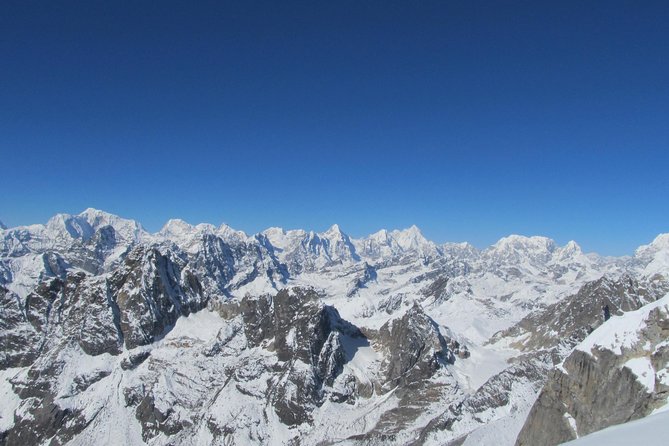
The operator requires a strong physical fitness level, and that is the most important warning in the description. High altitude can affect people differently, including people who are otherwise fit. You should approach the trip with respect rather than assuming determination alone will carry you through.
The passes are the central test. You may feel fine during one section and struggle later, particularly after several days of exertion. Your guide’s experience matters here, but your own preparation and honesty matter just as much.
Plan to train for:
- Long uphill walks
- Several consecutive days of hiking
- Uneven mountain paths
- Carrying the personal items required for the trek
- Continuing at a measured pace when the air feels thin
The provided material does not state a maximum elevation, medical protocol, porter arrangement, accommodation style, meal plan, or equipment list. Get those details in writing before paying. They affect both your preparation and the real value of the $2,500 price.
The local guide team is part of the value
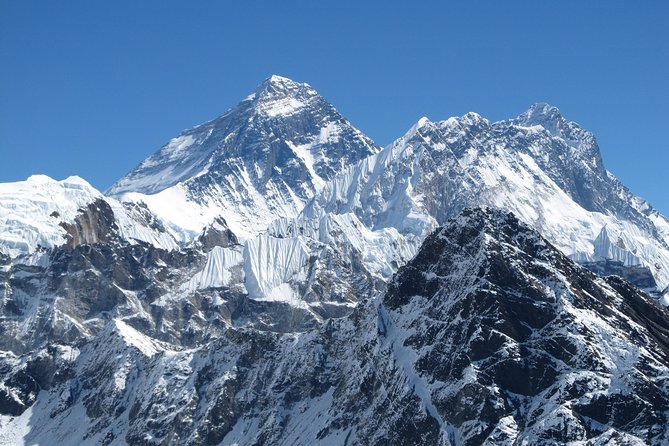
Three Jewels Adventures has more than two decades of guiding experience in this area, according to the tour information. The company uses local Nepali guides, and the named staff connected with this trip include Amber, Lok, Sashi, and Suman.
Different guides appear to play different roles. Amber is connected with planning and communication, Sashi is described warmly as a guide, and Lok is praised for staying supportive during a physically hard trek. Suman is associated with a smooth reception at the beginning of an adventure. These details suggest a team approach rather than a single guide appearing only at the trailhead.
That matters on a route like this. A guide should do more than point toward the next ridge. You need someone who can help you judge effort, respond to weather, and keep the group moving safely. The private setup also means you may have more direct contact with the guide than you would on a large group departure.
Still, ask who will lead your specific departure. Names associated with the company do not guarantee that every trip will use the same person.
Is $2,500 a fair price?
At $2,500 per person, this is a substantial purchase, but the price needs to be judged against the length and difficulty of the trip. You are paying for about 17 days in one of the world’s major trekking regions, a short flight, local guiding, and a private group rather than a shared departure.
The value is strongest if you want a serious, organized challenge and appreciate local support. A private trek can also be worthwhile if your group needs a flexible pace or wants direct attention from the guide.
The price is harder to assess because the available details do not list every inclusion. They do not clearly state what is covered for lodging, food, permits, flights, luggage support, airport transfers, or emergency arrangements. Ask for a complete cost breakdown before booking. A low headline price can look different once extra expenses are added, while a higher price may be reasonable if key costs are already covered.
I would compare the total package, not just the advertised figure. The quality of the guiding and the company’s ability to manage a difficult route also belong in that calculation.
Weather, flight changes, and the need for flexibility
The experience requires good weather. If poor weather cancels it, you are offered a different date or a full refund. That is a useful safeguard, but it does not remove every practical risk from mountain travel.
The short flight is another reason to keep your schedule loose. The tour information does not promise a fixed flight time or explain how delays are handled, so avoid placing an important onward commitment immediately after the trek.
For cancellation, you can receive a full refund if you cancel at least 24 hours before the start time. Cancellations or changes made within 24 hours are not accepted for a refund. The local time in Nepal controls the cutoff.
These rules are simple, but the larger point is flexibility. High mountain trips do not always run according to a city timetable. Leave breathing room before and after the 17-day experience.
Who should book this trek?
You should consider it if you:
- Have strong hiking fitness
- Enjoy long, demanding mountain days
- Want to cross high passes rather than only visit an easy viewpoint
- Are comfortable with a private trip and local guiding
- Want both Himalayan scenery and contact with Sherpa communities
- Can handle changes caused by weather or mountain conditions
You should think twice if you dislike strenuous exercise, have little hiking experience, or want a fixed schedule with clearly stated daily details. The lack of technical climbing is reassuring, but it does not make the trek easy.
Families may be able to take part if every member is genuinely fit and prepared. One account connected with a family group around ages 60 and 25 to 27 included a trek to Gokyo Ri and Renjo La, but that should not be treated as a promise that the route suits every family. Fitness, health, and altitude response vary widely.
Should you book the Everest Three Passes Trek?
Book it if you want the Everest region as a physical adventure, not merely a scenic trip. The combination of three high passes, Gokyo Ri, Sherpa culture, private guiding, and about 17 days gives the experience real substance.
Before booking, request the full daily route and a list of inclusions. Confirm the guide assigned to your group, the acclimatization plan, the transport details, and what happens if weather alters the schedule.
For a strong and experienced hiker, this could be a powerful way to see the Khumbu region with a local team at your side. For a casual walker, it is the wrong choice. The mountains will provide the rewards, but they will ask you to earn them.
FAQ
Where does the Everest Three Passes Trek start?
It starts at Tribhuvan International Airport on Ring Road in Kathmandu, Nepal.
What time does the experience start?
The stated start time is 6:15 am.
How long does the trek last?
The experience lasts approximately 17 days.
Is pickup available?
Yes, pickup is offered.
Does the trek include a flight?
The experience includes a short flight as part of the journey from Kathmandu toward the Everest region.
Do I need technical climbing experience?
No. The trek involves crossing high passes but does not require technical climbing knowledge.
How fit do I need to be?
You should have a strong physical fitness level. The route is challenging and includes high-altitude trekking and pass crossings.
Is this a private activity?
Yes. Only your own group participates.
What happens if poor weather cancels the experience?
You are offered a different date or a full refund if the experience is canceled because of poor weather.
Can I cancel for a full refund?
Yes. You can cancel at least 24 hours before the start time for a full refund. Cancellations made less than 24 hours before the start time are not refunded.
Latest treks added in Kathmandu
- Private Manaslu Circuit Trek at Himalayas★ 5.0 · 3 reviews
- Ghorepani Poonhill Trek★ 5.0 · 5 reviews
- Ghorepani Poon Hill Trek★ 5.0 · 16 reviews
- Upper Mustang Trekking★ 3.0 · 2 reviews
- Amazing 1 Day Trekking Experience in Kathmandu Nepal★ 5.0 · 24 reviews
- Upper Mustang Trekking★ 5.0 · 2 reviews
- Upper Mustang Trek★ 5.0 · 5 reviews
- Upper Mustang Trekking★ 5.0 · 4 reviews
Everest Base Camp Treks, compared.






Browse the lists this tour appears in