
REVIEW · KATHMANDU
Everest Base Camp Trek 16 Days
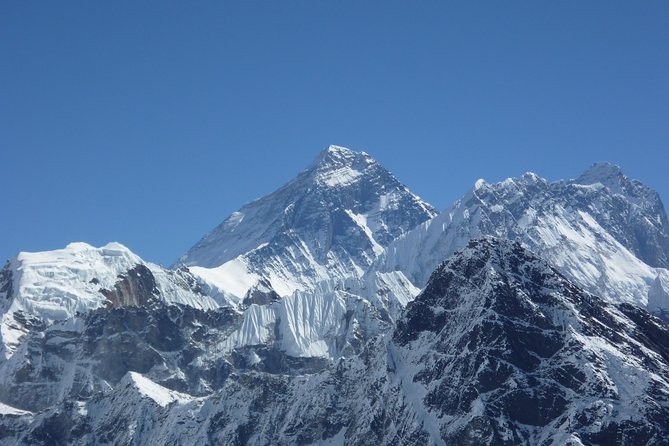
The prize here is simple: you walk into the Everest region instead of merely looking at it from a viewpoint. Over roughly 15 to 16 days, the route takes you along the Dudh Koshi River, through rhododendron country, and toward glaciers, icefalls, waterfalls, and some of the world’s highest peaks, including Everest, Lhotse, Nuptse, Pumori, and Ama Dablam.
I like the private format, since your group can move with its own guide and porters rather than following a large fixed crowd. I also like the human side of the operation. Guides named in the experience feedback include Binod Silwal and Ramechandra, with Binod praised for a steady walking pace, food advice, hut suggestions, and helpful English.
The main caution is that this is no casual sightseeing trip. You need a moderate level of fitness, and the published details leave some practical gaps, including the exact day-by-day schedule and which meals are covered. The listed price is $1,538.47 per person, but lunch and dinner are specifically excluded.
Key points at a glance
- Everest Base Camp on foot: You spend about two weeks walking through the Everest region rather than making a short mountain excursion.
- Private group arrangement: Only your party takes part, with private transportation and support from a local trekking team.
- Major Himalayan views: Look for Everest, Lhotse, Nuptse, Pumori, Ama Dablam, Thamserku, and Kusum Kanguru.
- Dudh Koshi route: The trail follows river valleys, rhododendron blooms, waterfalls, and high mountain scenery.
- Moderate fitness required: The route is physically demanding and should not be treated as an easy holiday.
- Flexible cancellation: Cancel at least 24 hours before the start time for a full refund. Poor weather can also lead to a new date or full refund.
Why this trek feels different from a mountain day trip
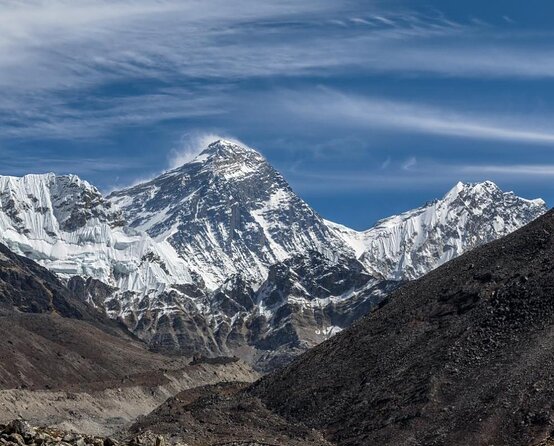
Everest Base Camp is not a quick photo stop. The appeal comes from the gradual change in scenery as you move from Kathmandu toward the high country. Green river valleys give way to bare rock, snow, glaciers, and immense peaks. You have time to feel the scale of the Himalayas rather than simply viewing them through a vehicle window.
The route is also full of variety. The Dudh Koshi River provides a natural thread through the lower part of the trek. Rhododendron flowers add color to the trail, while waterfalls, icefalls, and glaciers bring a more severe mountain character as you gain height.
I like that the experience is built around walking. You are not just being delivered to an overlook. You are spending many days in the Everest region, with the effort itself becoming part of the memory. That said, the description does not provide exact daily distances, elevation figures, or overnight stops, so you should ask for a full itinerary before paying.
More Everest Base Camp Treks in Kathmandu
- Everest Base Camp Trek – 14 Days
★ 5.0 · 1,499 reviews - Everest Base Camp Trek
★ 5.0 · 842 reviews - Everest Base Camp Trekking
★ 5.0 · 485 reviews
Kathmandu, pickup, and the start of the trip
The tour is based in Kathmandu, and pickup is offered. That is useful after a long international flight, especially if you are arriving in Nepal for the first time. The provider also advertises private transportation, which should make airport or city transfers easier than arranging each ride yourself.
The information supplied does not specify the exact pickup point, pickup time, hotel arrangements, or whether airport transfers are included in the quoted price. Confirm those details in writing. The same applies to permits, flights, accommodation, porter support, and insurance, since they are not clearly listed among the inclusions.
Several accounts refer to the first flight toward Lukla, a common gateway for Everest Base Camp treks. The provided details do not clearly state if that flight is included in the $1,538.47 price, so this is one of the most important questions to ask before booking.
The Dudh Koshi valley and rhododendron trails
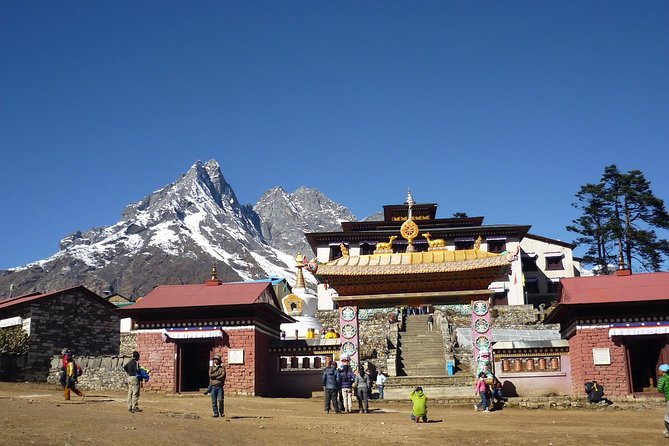
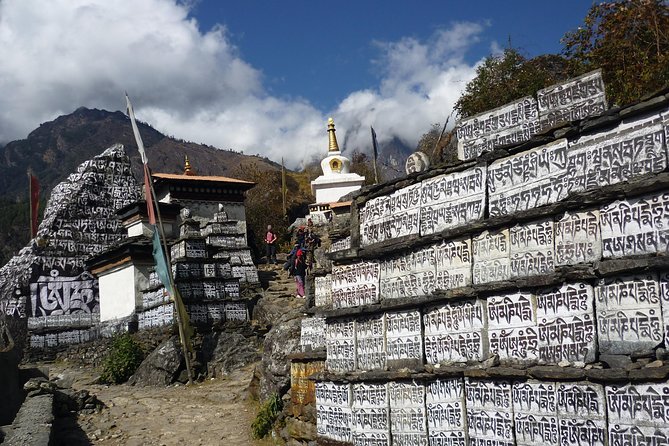
The lower part of the journey is where the trek feels most varied. You follow trails near the Dudh Koshi River, with forested sections and rhododendron blooms along the way. This is a gentler visual introduction to the Everest region than the stark high-altitude terrain that comes later.
Rhododendron is Nepal’s national flower, and the trees can give the trail a splash of color during the right season. The river, falling cascades, and changing vegetation keep the early walking interesting. You are not staring at one mountain view all day, which is a good thing. The scenery changes as often as the rhythm of the path.
The tradeoff is that the early stages still require steady walking. A moderate fitness level is the stated requirement, but you should think in terms of many consecutive days, not one strong afternoon. Your preparation should focus on walking uphill and downhill repeatedly, carrying a daypack, and staying comfortable on uneven ground.
Approaching Everest and the high peaks
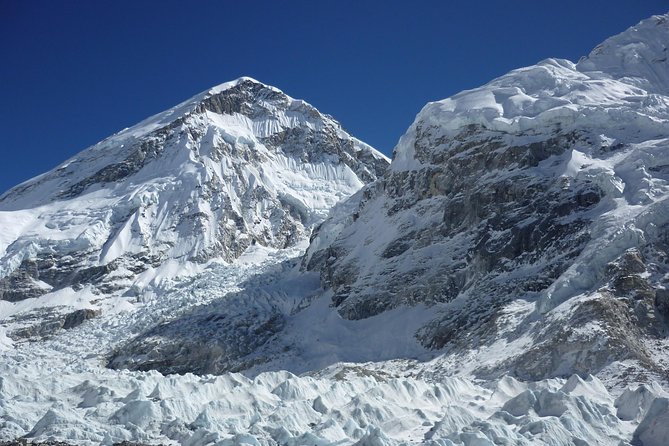
As the trek continues, the scenery becomes more dramatic and less forgiving. The stated route brings you close to glaciers and icefalls, with views of Everest at 8,848 meters, Lhotse at 8,516 meters, Nuptse at 7,855 meters, Pumori at 7,161 meters, Ama Dablam at 6,856 meters, Thamserku at 6,723 meters, and Kusum Kanguru at 6,367 meters.
These numbers matter because they show what you are really walking among. Everest gets the headline, but Ama Dablam, Pumori, and the Lhotse-Nuptse group can be just as striking from the trail. The valley gives you changing angles, so the mountains do not look the same from one stop to the next.
The route is described as challenging and adventurous. It should be. Even with a private guide, good organization cannot remove altitude, cold, steep sections, or fatigue. A guide can help with pacing and local decisions, but you still need to respect your own limits.
More Trekking Tours in Kathmandu
- Annapurna Circuit Trek with Tilicho Lake
★ 5.0 · 368 reviews - Everest Base Camp Trekking – 13 Day
★ 5.0 · 365 reviews - Everest Base Camp Trek
★ 5.0 · 350 reviews - Everest Base Camp Trek -14 Days
★ 5.0 · 321 reviews
What private guiding adds
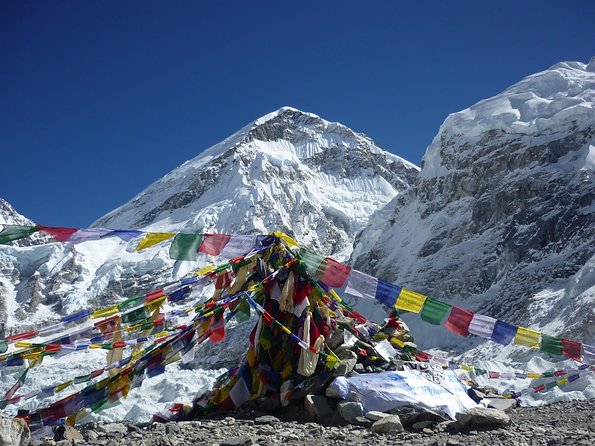
A private trip gives your group more control than a large scheduled departure. You can discuss pace, rest stops, and daily comfort with your guide. This matters on a trek where people often have different walking speeds.
Binod Silwal is specifically praised for keeping a good pace and helping with food and overnight hut choices. That is useful support in a setting where simple decisions can affect your energy for the next day. He is also described as having good English.
Another guide, Ramechandra, is credited with strong organization and support during a trek. The available details do not say that either guide is guaranteed for every departure, so treat these names as examples of the team rather than a promise of assignment.
The local team is one of the more attractive parts of the package. Several comments emphasize professional guides and porters, careful organization, and help with equipment. One account also describes assistance with buying or renting needed supplies. That kind of help can be valuable if you arrive in Kathmandu without every item sorted.
Meals, accommodation, and what the price really covers
The price is listed as $1,538.47 per person. For a private Everest Base Camp trek with transportation and local support, that may offer reasonable value, but the number alone does not tell you enough. The included list only clearly identifies private transportation.
Lunch and dinner are not included. You should budget for those meals throughout the trek, along with drinks and any personal purchases. The supplied details do not clearly state whether breakfast, accommodation, porter service, guide fees, permits, domestic flights, or equipment are covered.
This is the biggest value question. A low-looking package price can change once flights, meals, rooms, permits, and insurance are added. Ask for a written cost sheet that separates included items from extra costs. It is also wise to confirm how many porters are provided and what luggage weight is allowed, although those details are not supplied here.
The experience refers to overnight huts in the context of guide recommendations, but it does not promise a specific standard of lodging. Expect the accommodation details to require confirmation. If you care about private rooms, attached bathrooms, heating, or charging access, ask before booking rather than assuming.
The physical side: prepare for a long, steady effort
The official fitness guidance calls for moderate physical fitness. I would take that seriously. Reaching Everest Base Camp involves repeated walking days, high elevation, and a route that can feel harder than its distance suggests.
You do not need to be an elite athlete based on the information provided, but you should be comfortable with long walks and uneven mountain trails. Training on hills or stairs is more useful than relying only on flat-road jogging. Break in your footwear before arriving.
Pace is important. A guide who adjusts the walking rhythm can make a major difference, and Binod is specifically praised for maintaining a suitable pace. You should tell your guide early if you are struggling. Private guiding works best when you communicate clearly rather than trying to hide fatigue.
No medical or altitude advice is supplied with the experience details, so speak with a medical professional about your own fitness and altitude concerns before booking. Travel insurance is also a sensible addition for a trip involving remote mountain walking, though it is not listed as included.
Weather and the practical risk of Lukla flights
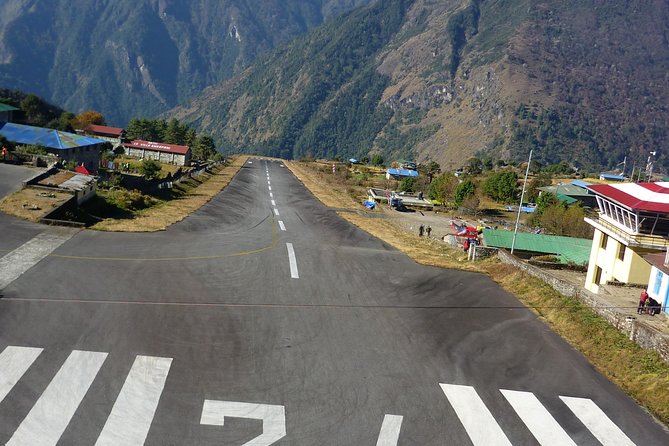
Weather affects mountain travel. The cancellation policy specifically says the experience requires good weather. If poor conditions force cancellation, you are offered another date or a full refund.
That policy is reassuring, but it does not remove the inconvenience of weather delays. The material refers to a flight to Lukla, and mountain flights can be affected by conditions. Since the exact flight arrangements are not provided, ask how the company handles delays, missed connections, or extra nights in Kathmandu.
Do not schedule an important international connection immediately after the trek. The published duration is described both as 15 days, approximately, and as a 16-day trek. That small inconsistency is worth clearing up. It may reflect a difference between the advertised trek length and the full trip schedule, but you should get the exact start and end dates.
Who will get the most from this experience
This trek suits you if reaching Everest Base Camp on foot is the main goal and you want local support without joining a large group. The private setup is especially useful for couples, families with fit older children, or friends who want to set their own pace.
It also suits first-time visitors to Nepal who would rather have one company coordinate transport, guides, and porters. The accounts describe help with supplies, airport welcome, and general organization, though not every service is formally listed as included.
It is less suitable if you want a short, easy Himalayan outing, a luxury lodge holiday, or a package with every meal and transfer clearly bundled. The physical demands are real, and the meal exclusions mean you need a separate food budget.
Cancellation and booking checks
You can cancel free of charge up to 24 hours before the experience start time for a full refund. Cancellations made later are not refunded, and changes made within that period are not accepted.
The local time cutoff applies. Poor weather can result in a different date or a full refund. Before booking, I would ask the company to confirm the exact duration, Lukla flight arrangements, meal coverage, lodging, permits, porter service, and the meeting or pickup plan.
Should you book the Everest Base Camp trek?
I would consider booking this trek if you want a serious Himalayan experience with a private team and are comfortable sorting out a few missing cost details. The strongest points are the route itself, the range of mountain views, and the repeated praise for guides and porters, especially Binod’s pacing and practical help.
The price can be good value if major trekking costs are included, but the published information does not make that clear. Get the full breakdown first. If you are moderately fit, want to walk all the way to Everest Base Camp, and appreciate personal support, this is a promising choice. If you want predictable all-inclusive pricing, ask more questions before committing.
FAQ
Where does the Everest Base Camp trek start?
The experience is based in Kathmandu, Nepal. Pickup is offered, but the exact pickup point and timing are not provided.
How long does the trek take?
The duration is listed as approximately 15 days, while the experience title says 16 days. Confirm the exact schedule with the provider before booking.
Is this a private trek?
Yes. It is a private tour or activity, so only your group participates.
What level of fitness is required?
A moderate level of physical fitness is required. The trek is described as challenging and adventurous, so it is not an easy sightseeing trip.
Is private transportation included?
Yes. Private transportation is listed as included.
Are lunch and dinner included?
No. Lunch and dinner are specifically listed as not included.
Can I cancel for a full refund?
Yes, if you cancel at least 24 hours before the experience start time. Cancellations made later are not refunded.
What happens if bad weather cancels the trek?
If poor weather causes cancellation, you are offered a different date or a full refund.
Latest treks added in Kathmandu
- Private Manaslu Circuit Trek at Himalayas★ 5.0 · 3 reviews
- Ghorepani Poonhill Trek★ 5.0 · 5 reviews
- Ghorepani Poon Hill Trek★ 5.0 · 16 reviews
- Upper Mustang Trekking★ 3.0 · 2 reviews
- Amazing 1 Day Trekking Experience in Kathmandu Nepal★ 5.0 · 24 reviews
- Upper Mustang Trekking★ 5.0 · 2 reviews
- Upper Mustang Trek★ 5.0 · 5 reviews
- Upper Mustang Trekking★ 5.0 · 4 reviews
Everest Base Camp Treks, compared.






Browse the lists this tour appears in