
REVIEW · KATHMANDU
Everest Base Camp Trek
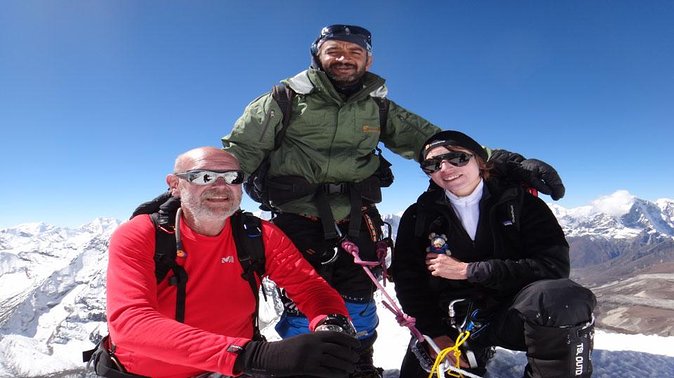
Everest Base Camp is not a sightseeing stop you simply reach and photograph. It is the payoff for a demanding Himalayan walk, with long days, thin air, simple lodges, and views of some of the world’s highest peaks. This 14-day private trek gives you a guide, porter, meals, permits, lodging, and domestic flights, so you can concentrate on putting one foot in front of the other.
I like the private pacing, especially on the slow climb above Namche, and I like the two planned acclimatization days. Guides such as Ram, Shyam, Vishma, and Paban have been praised for practical support, good communication, and humor on the trail. The catch is simple: this is a serious trek. You need strong fitness, patience with basic mountain facilities, and a willingness to walk up to 19 kilometers in a day.
Key points to know before booking
- Lukla is only the beginning: The trek starts after a flight from Ramechap, followed by eight days of walking before reaching Base Camp.
- Two acclimatization days matter: You hike high and sleep lower at Namche and Dingboche, giving your body time to adjust.
- Private guiding gives you flexibility: Your group can move at a comfortable pace instead of matching a large fixed party.
- The $1,790 price covers the backbone of the trip: Flights, permits, lodging, meals, guide, porter, airport transfers, and two Kathmandu hotel nights are included.
- Expect lodge comforts, not hotel comforts: Twin-sharing rooms are provided, while private bathrooms with hot showers are specifically included only at Phakding, Namche, and Lukla.
- Pack carefully: A porter is provided for every two trekkers and carries up to 25 kilograms, but you still need a small daypack and personal equipment.
What the $1,790 trek really includes
At $1,790 per person, this is not a bare-bones walking holiday. The fee handles the costly and awkward pieces of a Himalayan trek: round-trip flights to Lukla via Ramechap, transfers, permits, a guide, porter support, full-board meals, lodge accommodation, airport pickup and drop-off, and two nights in a three-star Kathmandu hotel.
That package has real value. Booking these elements separately would leave you juggling mountain permits, transport connections, food, guides, and porters while trying to understand an unfamiliar system. Here, the main exclusions are travel insurance, international flights, Nepal’s entry visa, drinks, snacks, personal gear, hot showers during most of the trek, and tips.
The porter arrangement is worth understanding. One porter is assigned for every two trekkers, with a maximum carrying limit of 25 kilograms. You should still keep your own daypack light, carrying water, rain gear, warm layers, sun protection, medication, and anything you need during the day.
The price also includes seasonal fruit, tea and coffee with meals, a trekking map, a trip certificate, a first-aid medical kit, taxes, and office charges. Those extras will not transform the trek, but they reduce the number of small purchases and decisions you need to make on the trail.
More Everest Base Camp Treks in Kathmandu
- Everest Base Camp Trek – 14 Days
★ 5.0 · 1,499 reviews - Everest Base Camp Trekking
★ 5.0 · 485 reviews - Everest Base Camp Trekking – 13 Day
★ 5.0 · 365 reviews
Kathmandu to Lukla, with an early start
Day one is for arrival in Kathmandu, airport pickup, and settling into the three-star hotel. You need a valid passport, and the booking requires each person’s passport name, number, expiry date, and country of issue.
Day two begins at approximately 2:15 a.m. That early start is one of the less glamorous parts of the trip. You drive to Ramechap, then fly to Lukla before beginning the walk to Phakding. The walking distance is about 8 kilometers and takes roughly three hours.
Lukla is the gateway to the Khumbu region, but you should not expect to step off the plane and stroll into the mountains without effort. The first day gives you a short introduction to the trail, with Phakding at about 8,699 feet. Your lodge includes twin-sharing accommodation, and this is one of the places where a private bathroom with a hot shower is specifically provided.
The Ramechap transfer is important to note. Your flight is not simply a Kathmandu to Lukla departure. You are driven to Ramechap first, which makes day two long before the trek even begins. Weather can affect mountain flights, and the cancellation terms allow a different date or a full refund if poor weather cancels the experience.
Namche Bazaar and the first acclimatization test
Day three is the first substantial trekking day. You walk 10 to 12 kilometers to Namche Bazaar, reaching about 11,283 feet after roughly six hours.
Namche is one of the most important stops on the route. It is a mountain trading center and a natural place to rest, eat, check your gear, and notice the change in altitude. The approach is harder than the distance alone suggests, since the path rises steadily and your body is beginning to work with less oxygen.
The private guide matters here. You can ask for a steady pace, short stops, and help with layers or water before small problems become large ones. The package provides an English-speaking, certified guide, and the many positive accounts of guides such as Ram and Shyam emphasize attentiveness and encouragement rather than simply leading from the front.
Day four is an acclimatization day. You hike to the Everest View Hotel at about 12,995 feet, covering only 3 to 4 kilometers in three to four hours. The key idea is hike high, sleep lower. You gain altitude during the day, then return to Namche rather than immediately spending the night at the higher elevation.
This day is short on paper but important in practice. It also gives you an early mountain-view reward without asking you to carry your full load to a new lodge. Do not treat it as a day off. The purpose is to help your body adjust before the route becomes more demanding.
Tengboche, Dingboche, and mountain monasteries
Day five leads to Tengboche, at approximately 12,660 feet. The route covers 10 to 11 kilometers and takes around five hours. Tengboche is known for its monastery setting and broad Himalayan views, giving the trek a cultural dimension beyond the physical challenge.
This is one of the places where a guide can add useful context. The itinerary includes an English-speaking professional guide, and the guiding team has been praised for explaining the route, staying available, and helping trekkers manage difficult sections. The exact guide is assigned by the company, so you should not book expecting a specific person unless that is confirmed directly.
Day six continues to Dingboche, at about 14,464 feet. You walk 11 to 12 kilometers in roughly five hours. The higher you go, the more the simple act of walking becomes a task to manage. Your legs may feel fine while your breathing and sleep become less predictable.
Dingboche gets another acclimatization day on day seven. The planned hike goes to Nagarjun Hill and back, covering 5 to 6 kilometers in four to five hours. This is another short but purposeful outing. It gives you a chance to climb higher during the day without adding a new sleeping altitude.
I like that this itinerary does not rush straight from Namche to Base Camp. The two acclimatization days make the schedule longer, but they are a sensible use of time. No itinerary can guarantee that you will avoid altitude sickness, and you should discuss medical concerns with a qualified professional before booking. The tour requires a strong physical fitness level, and that requirement should be taken literally.
More Trekking Tours in Kathmandu
- Annapurna Circuit Trek with Tilicho Lake
★ 5.0 · 368 reviews - Everest Base Camp Trek
★ 5.0 · 350 reviews - Everest Base Camp Trek -14 Days
★ 5.0 · 321 reviews - Manaslu Circuit Trek
★ 5.0 · 292 reviews
Lobuche and the long-awaited Base Camp day
Day eight brings you to Lobuche, at roughly 16,105 feet. The distance is 11 to 12 kilometers and the walking time is about five hours. At this point, the route is no longer a casual mountain holiday. Cold, altitude, tired legs, and basic lodging all become part of the daily calculation.
Day nine is the main event, but it is also the hardest day for many people. You trek from Lobuche to Gorakshep, at approximately 16,990 feet, continue to Everest Base Camp at 17,594 feet, then return to Gorakshep. The total distance is 14 to 15 kilometers and the day lasts around eight hours.
The distance is manageable for a fit trekker, but altitude changes the experience. You will want warm layers, water, sun protection, snacks, and a headlamp close at hand. The supplied checklist calls for a daypack of about 20 to 22 liters, trekking poles, UV-protection sunglasses, gloves, warm socks, waterproof layers, and a sleeping bag rated to zero degrees Fahrenheit.
Base Camp itself is not a luxury finish line. It is a dramatic destination because of where it sits, at the foot of Everest, not because you receive a polished visitor center or long time to relax. The route there and back is the real achievement. Your guide helps with navigation and pacing, while the porter carries the heavier shared load.
Kala Patthar and the return through Pheriche
Day ten starts with the hike to Kala Patthar before descending to Pheriche, at about 13,810 feet. The planned walking distance is 13 to 14 kilometers and the day takes around seven hours.
Kala Patthar is included because it is one of the main viewpoints on the route. After the effort of Base Camp, it gives you another high point and a different way to appreciate Everest and the surrounding peaks. The descent to Pheriche is welcome, but do not assume going down is effortless. Tired knees and loose trail sections can make the return demanding.
The itinerary lists Kala Patthar at 11,283 feet, an altitude figure that does not match the commonly stated elevation of the viewpoint. The practical point is clear: this is a high-altitude morning walk, and you should follow the guide’s pace rather than chase a number on the schedule.
The long walk back to Lukla
Day eleven returns you to Namche, covering 14 to 15 kilometers in about seven hours. You lose elevation, but this remains a full day on foot. The same private pacing that helps on the climb can make the descent more manageable, especially if your group has different energy levels.
Day twelve is the longest walking day by distance. You trek to Lukla for 18 to 19 kilometers, with about seven hours on the trail. After nearly two weeks of walking, this final stretch may test your feet more than your ambition.
The return flight on day thirteen goes from Lukla to Ramechap, followed by the drive to Kathmandu. Your final day is departure. Airport pickup and drop-off are included, which is useful after a demanding route when you may not want to arrange city transport yourself.
The schedule is efficient, but it is not padded with a spare weather day. Mountain flights can be delayed by poor conditions, and the information provided does not promise an extra day for flight disruptions. If your international flight home is tightly timed, ask the operator how they handle delays before you commit to nonrefundable onward arrangements.
Lodges, food, showers, and packing
Accommodation is in the best available twin-sharing lodges. That wording is honest and important. Conditions vary in the mountains, and you should expect simple rooms rather than dependable hotel standards.
Private bathrooms with hot showers are provided at Phakding, Namche, and Lukla. Hot showers elsewhere are not included, and drinks, snacks, and personal purchases cost extra. Full-board meals include breakfast, lunch, and dinner, along with tea and coffee. Vegetarian meals are available if you request them when booking.
The equipment list is long because the conditions can change quickly. You need hiking boots with spare laces, warm and lightweight socks, thermal layers, fleece, waterproof shell clothing, gloves, a sun hat, a warm hat, sunglasses, a sleeping bag, a headlamp with spare batteries, toiletries, water bottles, and a first-aid kit.
The company supplies a complimentary waterproof and windproof duffel or kit bag. You also need a separate large bag or suitcase for non-trekking belongings left at the Kathmandu hotel. Large plastic bags help keep clothing dry inside the trekking bag, and earplugs are a sensible addition in shared lodges.
Kathmandu has shops where much of the required equipment can be purchased. Still, I would not rely on buying everything at the last minute. Bring well-broken-in footwear, prescription medication, and any personal item you cannot easily replace.
Who will get the most from this trek?
This experience suits a fit, active person who wants Everest Base Camp with logistics handled. It also works well for solo bookers, couples, friends, and small private groups, provided at least two people book together. The listed maximum is 15 people, but the key feature is that only your own group participates.
It is a good choice if you value personal support. Past departures have included guides named Ram, Ramkrishna, Shyam, Vishma, Paban, Ramesh, and others, with particular praise for communication, encouragement, and help during difficult moments. The operator assigns the guide, so confirm your guide’s name and experience before departure if that matters to you.
It is not a good fit if you want a soft adventure, private hotel rooms every night, reliable hot showers, or short walks. The 2:15 a.m. start, Ramechap transfer, high altitude, long distances, and basic facilities require a flexible attitude.
Free cancellation is available if you cancel at least 24 hours before the start time. Changes made inside that window are not accepted, and poor weather or failure to reach the minimum number can lead to a new date or full refund.
Should you book the Everest Base Camp trek?
I would book this trek if you want the classic Everest route and prefer paying one operator to manage the difficult pieces. The included flights, permits, meals, guide, porter, lodging, transfers, and Kathmandu hotel nights make $1,790 a solid package price, provided you already own or budget for proper gear, insurance, drinks, tips, and international flights.
The strongest reasons to choose it are the private pace, two acclimatization days, and hands-on guide support. The main reasons to pause are the demanding fitness requirement, basic lodge conditions, early Ramechap departure, and lack of a clearly stated spare weather day.
If you can walk for several hours on consecutive days, accept simple mountain comforts, and prepare carefully for cold and altitude, this trek gives you a practical route to one of the world’s great mountain destinations. If you are unsure about your fitness, treat that uncertainty as a reason to train first, not as a problem a guide can simply solve.
FAQ
How long does the Everest Base Camp trek take?
The experience lasts approximately 14 days, including arrival and departure in Kathmandu, flights between Ramechap and Lukla, the trek to Base Camp, and the return journey.
What is included in the $1,790 price?
The price includes airport pickup and drop-off, two Kathmandu hotel nights, full-board trekking meals, twin-sharing lodge accommodation, a certified English-speaking guide, porter support, round-trip flights via Ramechap to Lukla, transfers, permits, taxes, a first-aid kit, a trekking map, and an achievement certificate.
Are hot showers included?
Private bathrooms with hot showers are provided at Phakding, Namche, and Lukla. Hot showers during the rest of the trek are not included.
How fit do I need to be?
You should have a strong physical fitness level. Walking days range from about 3 to 19 kilometers, with some days lasting up to eight hours and reaching elevations above 17,000 feet.
Can I request vegetarian meals?
Yes. A vegetarian option is available, but you should advise the operator when booking.
What is not included?
Travel insurance, international flights, the Nepal entry visa, drinks, snacks, personal expenses, personal trekking equipment, hot showers outside the included locations, and tips for trekking staff and drivers are not included.
Latest treks added in Kathmandu
- Private Manaslu Circuit Trek at Himalayas★ 5.0 · 3 reviews
- Ghorepani Poonhill Trek★ 5.0 · 5 reviews
- Ghorepani Poon Hill Trek★ 5.0 · 16 reviews
- Upper Mustang Trekking★ 3.0 · 2 reviews
- Amazing 1 Day Trekking Experience in Kathmandu Nepal★ 5.0 · 24 reviews
- Upper Mustang Trekking★ 5.0 · 2 reviews
- Upper Mustang Trek★ 5.0 · 5 reviews
- Upper Mustang Trekking★ 5.0 · 4 reviews
Everest Base Camp Treks, compared.






Browse the lists this tour appears in