
REVIEW · KATHMANDU
Everest Base Camp Trek
Everest Base Camp is not just a walk toward a famous sign. It is a gradual journey through Sherpa villages, suspension bridges, Buddhist monasteries, glacier country, and some of the finest mountain views in Nepal. This 16-day private trek gives you time to adjust to the altitude, with key rest and acclimatization stops in Namche Bazaar and the Dingboche area.
I like two things right away. The price of $1,850 per person covers the major costs of a Himalayan trek, including domestic flights, lodges, meals, permits, a guide, porters, a sleeping bag, and a down jacket. I also like the care built into the walking plan, especially the Namche acclimatization day and the hike to Nangkartshang Peak.
The main drawback is that the schedule and timings need a careful check before you pay. Two days are shown with six-minute durations, which cannot describe the actual walks, and the Lukla flight now operates through Manthali with a four-hour road transfer from Kathmandu. Ask for the final transport and walking schedule in writing.
Key points to know before you book
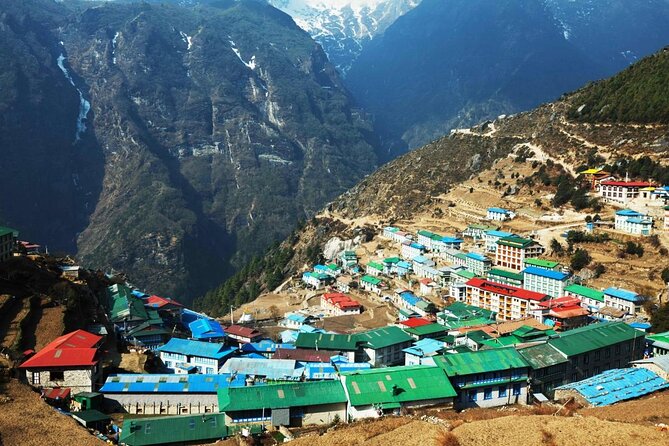
- Lukla is only the beginning: You fly from Kathmandu or, depending on operations, transfer by road to Manthali before flying to Lukla.
- Acclimatization is built in: You spend a full day around Namche Bazaar and another useful day hiking Nangkartshang Peak near Dingboche.
- Guide Ashish receives repeated praise: He is described as patient, encouraging, attentive at mealtimes, and careful about keeping a slow walking pace.
- The package covers much of the trek: Lodging, three meals a day, permits, TIMS cards, guide, porters, medical kit, sleeping bag, down jacket, and trekking bag are included.
- Extra costs add up: Drinks, hot showers, charging, laundry, bar bills, tips, high-altitude insurance, Kathmandu sightseeing fees, and visa costs are not included.
- You need moderate fitness: Thin air, cold nights, steep climbs, and several long walking days make preparation important.
What the $1,850 price really covers
At $1,850, this is not a bare-bones walking package. You receive three nights of Kathmandu hotel accommodation with breakfast, airport and ground transport from arrival through departure, a welcome dinner, and a farewell Nepali cultural dinner.
During the trek, the package includes comfortable lodges, breakfast, lunch, dinner, tea, and coffee. It also includes an English-speaking guide, porters, trekking permits, TIMS cards, insurance for the guide and porters, local and government taxes, a medical kit, a waterproof duffel bag, and a T-shirt.
The equipment loan is useful. A warm down jacket, sleeping bag, and walking pole are supplied during the trek and returned afterward. That saves you from buying bulky gear for one trip, though you still need suitable clothing, shoes, gloves, sun protection, and a windproof outer jacket.
I consider the price reasonable for a private trip because the package deals with the expensive and awkward pieces of the route. You are not left to find lodges, arrange porters, or manage permits while walking toward Everest. Still, budget for the items left out. Bottled or mineral water, hot water, showers, battery charging, phone calls, laundry, drinks, and bar bills cost extra along the trail. Tips for your guide and porters are also separate.
Kathmandu lunches and dinners are not included except for the specified welcome and farewell meals. Nepal entry visa fees, international flights, entrance fees for Kathmandu sightseeing, high-altitude sickness insurance, and optional trips are also outside the price.
More Everest Base Camp Treks in Kathmandu
- Everest Base Camp Trek – 14 Days
★ 5.0 · 1,499 reviews - Everest Base Camp Trek
★ 5.0 · 842 reviews - Everest Base Camp Trekking
★ 5.0 · 485 reviews
Kathmandu arrival and the move to Manthali
Day one is deliberately light. You are met at Tribhuvan International Airport, taken to the hotel, briefed about the trek, and given time to prepare your equipment. This is useful after an international flight because you can sort clothing, check your duffel, and ask questions before walking begins.
On day two, you take a half-day city tour, eat lunch, and then drive about four hours to Manthali Airport. The road journey passes local villages, farmland, and everyday rural scenes. It is not glamorous, but it gives you a look at Nepal beyond Kathmandu and reflects the practical realities of current flight arrangements.
The Manthali transfer matters. Your departure morning begins early, and the road journey can feel long before the trek even starts. Confirm the precise pickup time, hotel arrangements if needed, and how your luggage will be handled. The published meeting time is 6:00 am in Kathmandu, so do not treat the first days as relaxed sightseeing days.
Lukla to Namche Bazaar, days three and four
Day three starts with a domestic flight to Lukla’s Hillary Airport. From there, you begin walking through Sherpa villages and mountain country. The first section introduces you to the rhythm of the trek without immediately pushing you into the highest part of the route.
The following day brings rivers, suspension bridges, and the long climb toward Namche Bazaar. The trail includes the famous Hillary steps, and if the weather is clear, you may catch your first view of Mount Everest after the bridge. This is an important psychological moment. Everest still looks far away, but the route suddenly feels real.
Namche is the main trading and gateway town for the Everest region. It is also where altitude begins to matter. You will notice the change in breathing more than you would at lower elevations, especially on uphill sections. The right response is simple: walk slowly, drink regularly, and tell your guide if you feel unwell.
Namche acclimatization, with views and a school visit
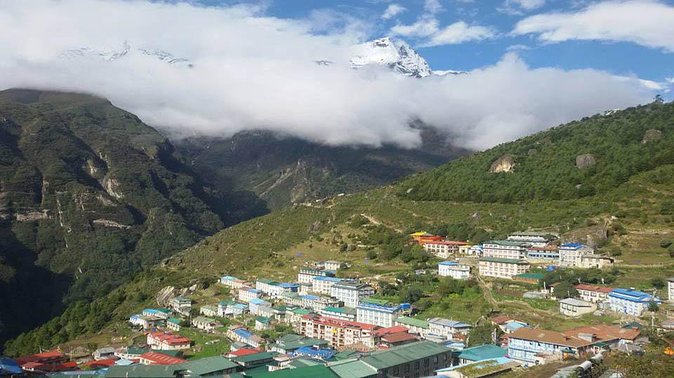
Day five is not a day off in the usual sense. You hike into Sagarmatha National Park toward the Everest View Hotel and Khumjung Village, then return to Namche for another night.
This is a smart use of an acclimatization day. You gain height during the day and sleep again at Namche, giving your body time to adjust without rushing onward. The route also adds variety, with mountain views, village paths, and a visit to Hillary School in Khumjung.
The itinerary promises views of Everest and nearby peaks, but mountain weather is never guaranteed. Keep expectations flexible. Even when cloud hides the highest summit, the walk still serves an important purpose by preparing you for the next stages.
More Trekking Tours in Kathmandu
- Annapurna Circuit Trek with Tilicho Lake
★ 5.0 · 368 reviews - Everest Base Camp Trekking – 13 Day
★ 5.0 · 365 reviews - Everest Base Camp Trek
★ 5.0 · 350 reviews - Everest Base Camp Trek -14 Days
★ 5.0 · 321 reviews
Tengboche and the monastery route
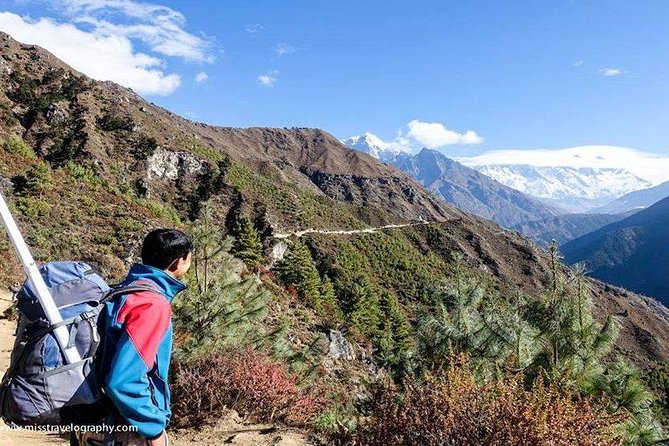
From Namche, the trail passes views of Thamserku, Ama Dablam, Mount Everest, and other peaks before descending to Pungi Thanka and climbing again to Tengboche. The repeated down-and-up pattern is typical of this route. You may lose height only to regain it later, so conserve energy rather than racing the first downhill.
Tengboche is known for its large Buddhist monastery and its setting among the high mountains. This is one of the places where the trek feels like more than a physical challenge. Prayer, village life, and mountain travel are woven together here, and the monastery gives the route a strong cultural focus.
The walk from Namche to Tengboche can feel demanding because of the uneven elevation changes. Good pacing matters. A guide who does not hurry you is a real advantage, and Ashish is specifically noted for telling trekkers to go slowly and allowing the group to keep a sensible rhythm.
Pangboche and Nangkartshang Peak
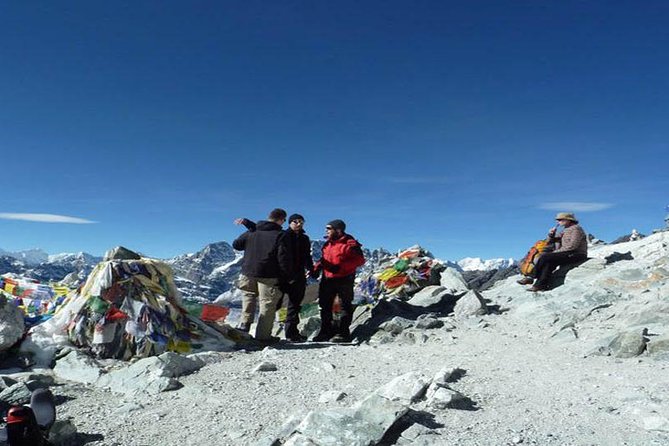
Day seven leads toward Pangboche, an old village surrounded by rivers and mountains. The stated walking time is about six hours. This is another full trekking day, not a short transfer, so keep your lunch and water accessible rather than buried in your main bag.
Day eight is an acclimatization hike to Nangkartshang Peak, followed by a return to the lodge. The walking time is listed as about four hours. This side hike is one of the strongest parts of the schedule because it gives you a chance to gain extra height during the day while returning to the same lodge afterward.
The plan then allows a slower approach through increasingly thin air. You are told to walk slowly, breathe steadily, drink hot water, and use honey-ginger drinks to help keep warm. These are sensible comfort measures, but they are not a substitute for proper medical attention. Tell your guide about headaches, nausea, unusual tiredness, dizziness, or any sudden change in how you feel.
Gorak Shep and the walk to Everest Base Camp
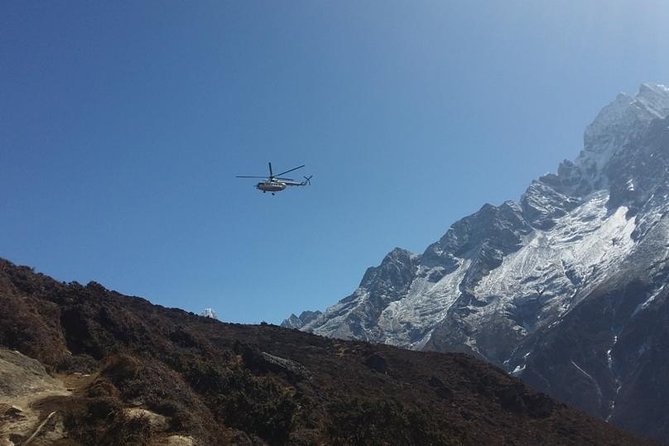
As you move higher, the mountains close in and the trail passes glaciers and rougher ground. The air is thinner, the cold is sharper, and small tasks take longer. This is where a steady pace becomes more important than athletic speed.
The route leads to Gorak Shep, where you have a quick lunch before walking to Everest Base Camp. Carry enough water and energy bars because there are no tea shops between Gorak Shep and Base Camp, according to the trip details. That is a practical warning, not a minor packing note.
The listed duration for day ten is six minutes, which is clearly inconsistent with the described walk. Treat this as a schedule error and ask the company to confirm the actual walking time before departure. The Base Camp outing is a serious high-altitude day and should not be planned around the printed six-minute figure.
At Everest Base Camp, the appeal is not only the destination marker. You are walking into the approach zone used by climbers attempting Everest, with glaciers and huge peaks around you. The views depend on weather and season, but the sense of reaching a long-awaited point is central to the trip.
Kala Patthar sunrise and the return toward Lobuche
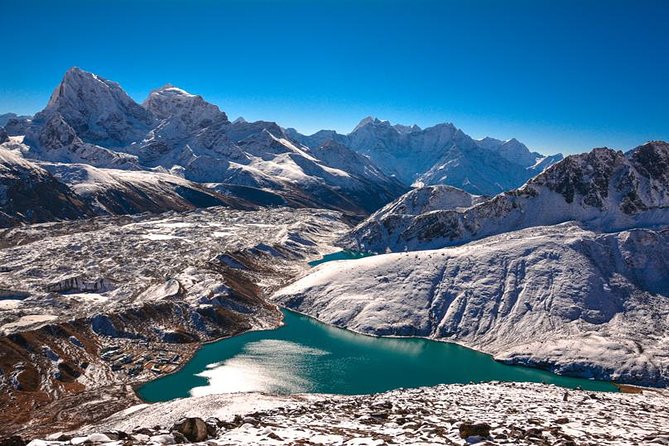
Day eleven begins early with a hike to Kala Patthar for sunrise over Everest and the surrounding Himalayan range. This is often treated as the visual high point of the route because the viewpoint gives you a broad mountain panorama.
An early start means cold, darkness, and tired legs. You need warm layers, a headlamp or flashlight with spare batteries, gloves, and a willingness to move slowly. The reward is the changing light on Everest and the surrounding peaks, assuming weather conditions cooperate.
After Kala Patthar, you trek back toward Lobuche. The return is not a simple downhill stroll. Your body has already worked hard at high altitude, and the descent still includes uneven trail. Eat even if your appetite is low, drink often, and keep your pace controlled.
Monasteries, Namche, and the final walking days
The route then follows the trail back toward one of the largest Buddhist monasteries in the Solu Khumbu region. You have time to visit and pray before continuing toward Namche Bazaar and then Monjo.
This return section gives you a different view of familiar places. Uphill sections that felt daunting earlier may now be easier to recognize, while downhill sections can be hard on tired knees. Your guide and porters remain important here because fatigue tends to cause careless foot placement.
Day thirteen is described as continuing from the monastery area down and up to Namche, then onward to Monjo. Its listed duration is six minutes, another timing error that should be clarified. Day fourteen is the last trekking day in the Everest region, followed by a celebration with the guide and porter team.
That celebration has real value. A trek like this depends on the people carrying equipment, preparing meals, finding lodges, watching the pace, and responding when someone is struggling. The company’s strongest praise centers on this human side, especially Ashish’s patience and the care shown by the porters.
Returning through Manthali to Kathmandu
Day fifteen reverses the transport plan. You take a short flight to Manthali, then drive about four hours to Kathmandu. The schedule allows time to rest after the trek, which you will likely appreciate more than another packed sightseeing day.
Day sixteen includes breakfast, a guided visit to heritage sites, and a farewell Nepali cultural dinner. Kathmandu sightseeing entrance fees are not included, so set aside money for those admissions. The final day offers a useful contrast to the mountain section, shifting from trails and lodges back to the city’s historic buildings and urban life.
What to pack and how to prepare
The supplied advice is sensible, but you should take it seriously. Bring a windproof outer jacket, warm layers, comfortable trousers, and loose skirts for women during the day. At night, thermal underwear or a tracksuit will help in cold lodges.
You also need lightweight trekking shoes, warm socks, gloves, a hat or cap, sunglasses, sunscreen, lip balm, a flashlight, and spare batteries. Sun exposure can be strong at high altitude even when the air feels cold.
The company asks you to train before arrival, suggesting weekly hiking or regular mountain walks. That is a good minimum target, but the most useful preparation is sustained walking on hills if you have access to them. You need enough fitness for several hours on your feet, not just the ability to walk quickly on flat ground.
The trip requires a moderate physical fitness level. It is not presented as a technical climbing trip, but that does not make it easy. You will face steep sections, cold, limited comforts, long days, and thin air.
Who will like this trek, and who may not
I would recommend this trip to someone who wants a structured, private Everest Base Camp route and values having transport, meals, permits, porters, and equipment arranged in advance. It is also a good fit if you want a slower schedule with dedicated acclimatization days rather than a rushed march to Base Camp.
You may prefer another arrangement if you want complete control over hotels, meals, daily distances, or departure dates. You should also think carefully if you dislike basic lodge accommodation, cold nights, early starts, or paying separately for showers, charging, drinks, and other comforts.
The private format means only your own group participates. That can make the walking pace and daily decisions more personal, though it also means your group will need to communicate clearly about energy levels and health.
Booking is non-refundable and cannot be changed for any reason, so confirm your dates, insurance, flight details, passport copy, and passport photos before payment. High-altitude sickness insurance is not included, and it should be treated as an essential part of your planning.
Should you book the Alliance Adventure Everest Base Camp trek?
Book it if you want a well-supported 16-day route with a clear focus on Everest Base Camp, Kala Patthar, Sherpa villages, monasteries, and acclimatization. The inclusion of a guide, porters, meals, lodges, permits, medical kit, sleeping bag, down jacket, and trekking bag gives the $1,850 price solid value.
Before committing, ask Alliance Adventure to correct the six-minute entries, confirm the current Kathmandu to Manthali and Lukla flight plan, and explain the expected daily walking hours. If those details are clear and you are ready for cold, thin air, and long days, this is a practical way to reach Everest Base Camp without managing every moving part yourself.
FAQ
How long is the Everest Base Camp trek?
The experience lasts approximately 16 days, including Kathmandu time, the trek, the return through Manthali, and the final Kathmandu sightseeing and farewell dinner.
Where does the experience begin?
The meeting point is in Kathmandu, Kathmandu Valley, Bagmati Zone, and the stated start time is 6:00 am.
Is the tour private?
Yes. Only your group participates in this private tour or activity.
What meals are included?
Breakfast, lunch, dinner, tea, and coffee are included during the trek. Kathmandu lunches and dinners are not included except for the welcome dinner and farewell Nepali cultural dinner.
Is trekking equipment supplied?
A warm down jacket, sleeping bag, walking pole, and waterproof trekking duffel bag are supplied for the trek. You still need personal clothing, shoes, gloves, sun protection, and other listed essentials.
Are permits included?
Yes. The package includes the trekking permit and TIMS cards. It also includes insurance for the guide and porters.
Do I need a visa for Nepal?
Nepal visa fees are not included. A visa can be obtained on arrival, with the listed fee of $25 for 15 days and $40 for 30 days.
Latest treks added in Kathmandu
- Private Manaslu Circuit Trek at Himalayas★ 5.0 · 3 reviews
- Ghorepani Poonhill Trek★ 5.0 · 5 reviews
- Ghorepani Poon Hill Trek★ 5.0 · 16 reviews
- Upper Mustang Trekking★ 3.0 · 2 reviews
- Amazing 1 Day Trekking Experience in Kathmandu Nepal★ 5.0 · 24 reviews
- Upper Mustang Trekking★ 5.0 · 2 reviews
- Upper Mustang Trek★ 5.0 · 5 reviews
- Upper Mustang Trekking★ 5.0 · 4 reviews
Everest Base Camp Treks, compared.






Browse the lists this tour appears in