
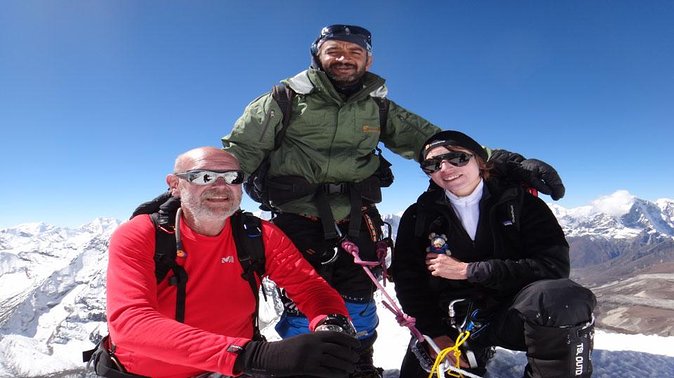
REVIEW · KATHMANDU
Everest Base Camp Trek
The big draw here is simple: you walk through the Khumbu region to Everest Base Camp, passing suspension bridges, Sherpa villages, monasteries, glaciers, and some of the world’s most famous peaks. The route also gives you time to adjust to the height, with rest days in Namche Bazaar and Dingboche rather than treating the trek as a nonstop march.
I like the practical package: Kathmandu to Lukla flights, meals, permits, 11 nights of trekking accommodation, a guide, sleeping bag, down jacket, and duffel bag are included. I also like the human side of the trip. Guides such as Buddhi and Pawan are praised for steady support, care, and encouragement, which matters when the trail gets tough.
The main caution is that this is a serious high-altitude trek, not a scenic stroll. You need strong physical fitness, travel and rescue insurance, patience with weather-related flight changes, and extra money for porters, drinks, showers, charging, laundry, tips, and other costs above the planned schedule.
Key points at a glance
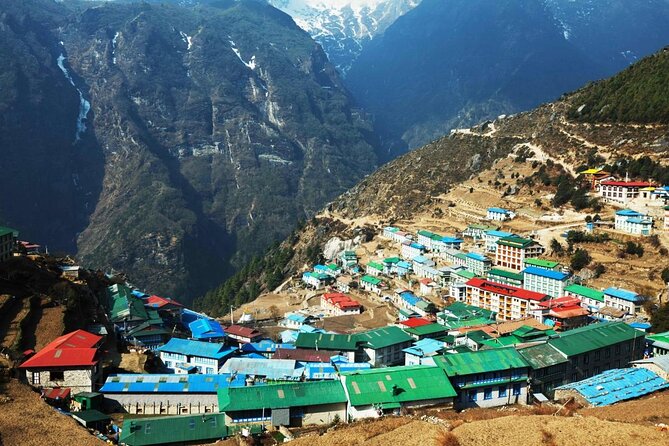
- Reach Everest Base Camp on foot: The route leads through Phakding, Namche Bazaar, Tengboche, Dingboche, Lobuche, and Gorak Shep before the base camp walk.
- Two acclimatization days matter: You spend a full day around Namche and another at Dingboche, with short hikes to help your body adjust.
- Kala Patthar adds the best viewpoint: An early morning climb on Day 10 brings sunrise light across Everest, Nuptse, Lhotse, and nearby snowy peaks.
- The package covers major essentials: Flights, meals, permits, guide service, lodging on the trek, airport transfers, a sleeping bag, a down jacket, and a duffel bag are included.
- The trek is private: Only your own group takes part, rather than joining a large public departure.
- The support gets strong praise: Buddhi and other guides are repeatedly singled out for care, encouragement, safety, and practical help.
Why this 14-day Everest route works
The Everest Base Camp Trek is built around a classic out-and-back route from Kathmandu to Lukla. You fly into the small mountain airstrip, walk toward Everest, spend time at base camp and Kala Patthar, then return by foot to Lukla before flying back to Kathmandu.
That structure gives you two benefits. First, the route keeps the walking focused on the Khumbu region instead of adding extra side valleys. Second, the schedule includes acclimatization days, which are essential at high altitude. You are not simply gaining height every day without pause.
The price is listed at $1,799.27 per person. That is a substantial sum, but the package includes several expensive and useful pieces: both flights between Kathmandu and Lukla, trekking permits and local entrance fees, 11 nights of accommodation, 12 breakfasts, 12 lunches, 11 dinners, airport pickup and drop-off, a licensed mountain guide, and basic cold-weather equipment.
The value depends on how much support you want. If you already own trekking gear, arrange your own food, and are comfortable managing mountain transport, you may prefer a more stripped-down plan. If you want one company handling permits, flights, lodging, meals, and a guide, this package removes a lot of work.
One cost is easy to overlook: porter service is not included. Travel and rescue insurance is also your responsibility. You will pay separately for bottled water, hot water, showers, phone calls, laundry, battery charging, tips, and expenses caused by a strike, delay, or canceled flight. Budget for those before you arrive.
More Everest Base Camp Treks in Kathmandu
- Everest Base Camp Trek – 14 Days
★ 5.0 · 1,499 reviews - Everest Base Camp Trek
★ 5.0 · 842 reviews - Everest Base Camp Trekking
★ 5.0 · 485 reviews
Day 1: Kathmandu arrival and the first briefing
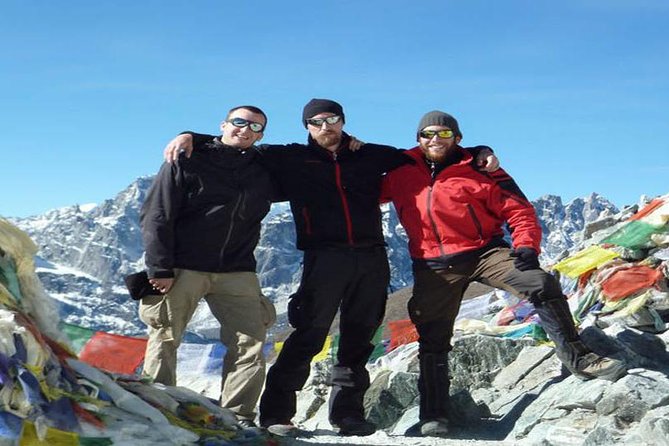
After landing at Tribhuvan International Airport, a Nepal High Trek representative meets you and transfers you to the arranged hotel. The day is short, with about two hours listed for the activity, and includes dinner.
This first day is mainly about settling in. You can meet the team, check your equipment, and prepare for the morning flight to Lukla. Airport pickup is included for both international and domestic transfers, a useful detail when you are tired after a long journey.
Do not expect a sightseeing-heavy Kathmandu day from this schedule. The focus is preparation and rest. Hotel accommodation in Kathmandu is not included, so confirm where you will stay before booking.
Day 2: The flight to Lukla and the walk to Phakding
The morning begins with a transfer to Kathmandu’s domestic terminal for the flight to Lukla. Lukla is the trailhead for the Everest Base Camp route, and the flight is a key part of the experience rather than a minor transfer.
From Lukla, you walk toward Phakding. This first walking day gives you a gentle introduction to the trail before the harder climb toward Namche Bazaar. You should still take it seriously, since the next days bring longer uphill sections.
Weather can affect mountain flights. The schedule notes that extra costs caused by delayed or canceled flights are not included. The company will arrange emergency helicopter service when needed, but your travel insurance company is expected to pay for it. Make sure your policy covers trekking and helicopter evacuation.
Day 3: Suspension bridges and the climb to Namche Bazaar
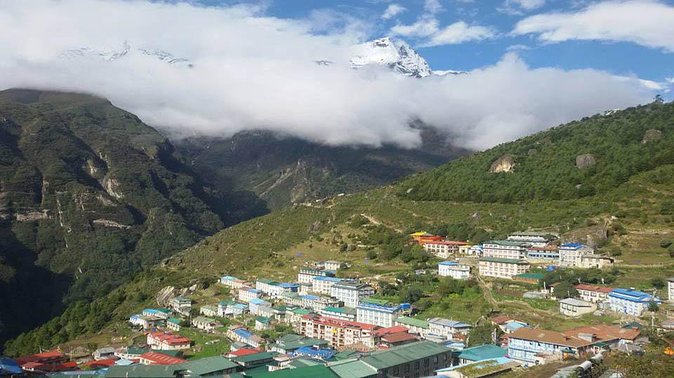
From Phakding, the trail follows the Dudh Koshi River and crosses several suspension bridges. You gain height as you walk toward Namche Bazaar, with views of Mount Thamserku listed as a highlight.
Namche is one of the most important stops on the route. It is a substantial mountain settlement with banks, ATMs, internet access, and cafés, so it feels like the last place to handle basic errands before the trail becomes more remote.
The schedule lists about one hour for the named stop, but that does not describe the full walking day. The actual day includes the trek from Phakding to Namche, so you should expect a proper uphill hike, not a brief visit.
More Trekking Tours in Kathmandu
- Annapurna Circuit Trek with Tilicho Lake
★ 5.0 · 368 reviews - Everest Base Camp Trekking – 13 Day
★ 5.0 · 365 reviews - Everest Base Camp Trek
★ 5.0 · 350 reviews - Everest Base Camp Trek -14 Days
★ 5.0 · 321 reviews
Day 4: A needed rest day in Namche
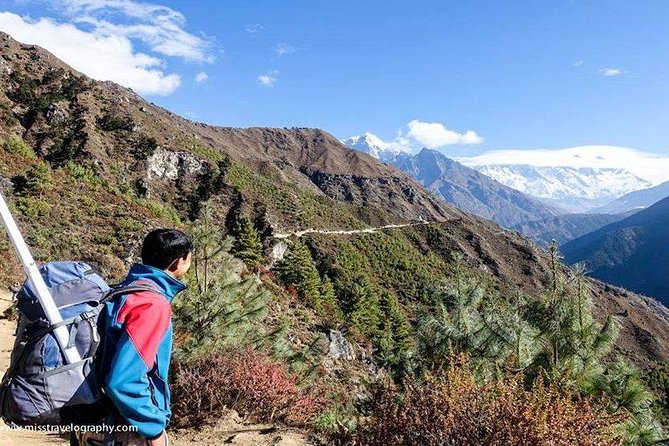
You spend the full day around Namche Bazaar to help with acclimatization. The plan includes a short visit to an Irish pub, but the useful part of the day is having time to walk around, rest, and let your body adjust.
I like this pause because it protects the rest of the itinerary. You can use Namche’s services before heading higher, and you are not forced to gain more altitude immediately. The day is not wasted time. It is part of the safety plan.
The schedule lists roughly two hours for the activity. Use the remaining time sensibly. You can explore nearby areas at an easy pace, but the aim is adjustment rather than exhausting yourself before the next stage.
Day 5: Tengboche Gompa and big mountain views
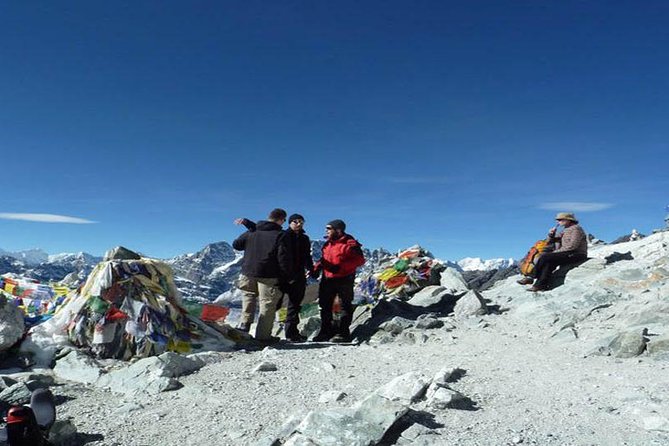
Leaving Namche, you follow a trail with views toward Everest, Nuptse, Lhotse, Ama Dablam, and other peaks. The route leads to Tengboche Gompa, one of the best-known monastery stops in the Khumbu.
Tengboche brings a cultural layer to the trek. You are not only walking between mountain lodges. You also pass a living religious site connected to the Sherpa communities of the region. The monastery and its setting give the day a strong sense of place.
The cold can become more noticeable here, so the provided down jacket may prove useful. The stop itself is listed at about one hour, but the full day includes the walk from Namche and should be treated as a demanding mountain day.
Day 6: Tengboche to Dingboche
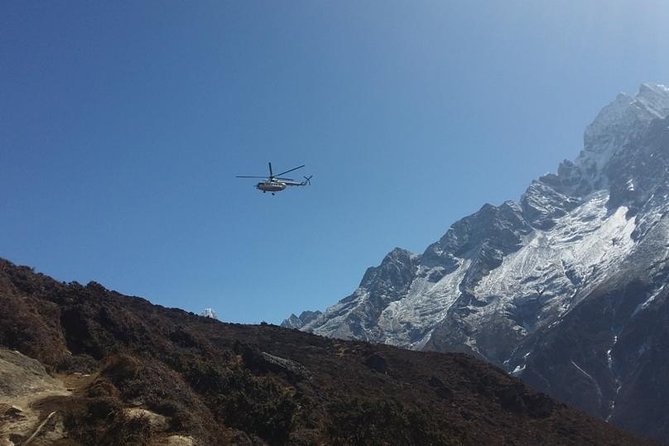
The morning begins with a visit to Tengboche and its monastery before you continue toward Dingboche. The route offers broad views of the surrounding white peaks, and the day includes a stop at Dingboche View Point.
Dingboche is another important adjustment point. You are now much farther into the high country, and the trail feels more exposed and demanding. The listed activity time is about three hours, though the whole walking day is longer than the time assigned to the named stop.
This is a good day to watch your pace. The strongest advice from the guide team is practical: keep moving steadily, protect your energy, and speak up if you feel unwell. Guides such as Buddhi are praised for offering support through the harder sections, but you still need to be honest about your condition.
Day 7: Dingboche acclimatization and the Chhukung valley
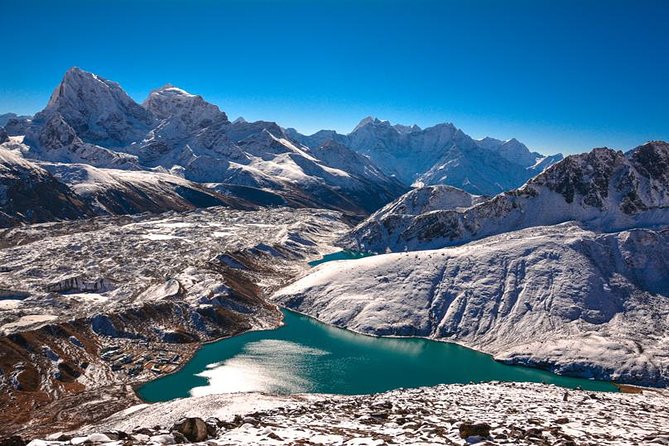
You spend another day acclimatizing around Dingboche. The planned hike heads toward Chhukung through the Imja Khola valley, with views toward Lhotse and the surrounding mountains.
This shorter outing helps break up the climb toward Gorak Shep and base camp. It also gives you a chance to experience the high valley without carrying the pressure of a full transfer day.
The schedule includes a stop at Dingboche Stupa and about three hours of activity. Again, the value is not in covering maximum distance. It is in giving your body time to adjust while keeping your legs active.
Day 8: The Khumbu Glacier and memorial stones
You continue toward Lobuche along the lateral moraine of the Khumbu Glacier. The trail passes stone memorials dedicated to climbers who died on nearby Himalayan expeditions.
This can be one of the more sobering parts of the trek. The memorials add a human reminder to what can otherwise feel like a postcard journey. Everest is beautiful, but it is also a serious mountain with real risks.
The listed glacier stop lasts about two hours. The walking itself is more important than the stop length. The moraine terrain can feel rough and tiring, and you are now operating at high altitude, so slow progress is the sensible choice.
Day 9: Gorak Shep and Everest Base Camp
After breakfast, you walk to Gorak Shep, then continue toward Everest Base Camp. The route brings you close to the Khumbu Glacier and the major peaks around the upper valley.
Reaching base camp is the emotional center of the trip. You stand at the starting point used by climbers preparing for Everest, though the view of the summit itself may not be the best from base camp. The meaning comes from getting there on foot, after days of steady walking through the region.
The schedule lists only four minutes at a stop called Everest Camp II, which appears to be a brief waypoint rather than a full description of the base camp visit. Confirm the exact timing and overnight plan with the operator before departure, since the day involves the main objective of the trek and the itinerary wording is not perfectly clear.
Day 10: Kala Patthar at sunrise and the long return
This is the main viewpoint day. You start early for Kala Patthar, climbing before sunrise so you can watch light spread across the snow and peaks. The plan highlights views of Everest and the surrounding mountains as the sun reflects off the white snow.
The early start is worth understanding. You will be walking in cold, dark conditions, and the climb is continuous for several hours according to the schedule. The reward is the changing light, not a quick photo stop.
After Kala Patthar, you return toward Gorak Shep and begin the descent. The stop at Gorak Shep is listed at about 30 minutes, but the day is still physically serious. Descending does not mean easy, since tired legs and rough ground can make the return demanding.
Days 11 and 12: Pheriche, Pangboche, Namche, and Lukla
The route turns back through Pheriche, then follows a slightly different path toward Orsho and Pangboche. Pangboche offers another cultural stop, with an old monastery associated with stories about the yeti.
The return route gives you a fresh look at villages and mountains you passed earlier. You also reach Namche again, then continue to Lukla on Day 12. The schedule lists about seven hours for the Pheriche day, so this is one of the longer walking sections.
In Lukla, you have free time to explore the valley before staying overnight in a guesthouse. This final night near the airstrip is practical because it puts you in position for the return flight, though weather can still affect the schedule.
Days 13 and 14: Back to Kathmandu and departure
You fly from Lukla to Kathmandu on Day 13 and have time to visit Kathmandu Durbar Square or explore the city. The plan lists about two hours for the Kathmandu stop, so treat it as a short return-day outing rather than a full cultural tour.
Day 14 is departure day. After a night in Kathmandu, the team transfers you to Tribhuvan International Airport, with a recommendation to arrive three hours before your flight. A small farewell program is included.
The city time is useful, but it is not the main reason to choose this trip. If Kathmandu sightseeing matters to you, plan extra nights at your own expense, since the Kathmandu hotel is not included.
What the guides and support add
The strongest part of the experience is the guide support. Buddhi is repeatedly praised for encouragement, care, and keeping people going through difficult sections. Pawan is also named in connection with a group trek, and the wider team is described as attentive and well organized.
That matters more here than polished presentation. A guide who notices when you need help, explains what is ahead, and keeps the pace steady can change the whole experience. This is especially important on the long days near Gorak Shep and Kala Patthar.
The tour is private, so only your group takes part. That can make it easier to set a comfortable pace and discuss concerns with the guide. It does not mean the trek is easy or fully flexible. Mountain weather, flight schedules, local conditions, and your own health still shape the trip.
Porters are not included, so clarify how luggage will be handled. The company provides a duffel bag, but porter service is an extra cost. You should also ask how much luggage you may bring and what you will carry yourself.
What is included and what you still pay for
The included equipment is useful: a sleeping bag, down jacket, and duffel bag. Meals cover breakfast, lunch, and dinner through most of the trek, and three cups of hot tea per day are included. The package also provides a medical kit box.
Permits and fees are covered, including the Sagarmatha National Park Permit, Khumbu Entrance Fee, and Pasang Lhamu Rural Municipality entrance fee. Those inclusions simplify the trip and reduce the need to handle paperwork yourself.
You still need to pay for:
- Travel and rescue insurance
- Porter service
- Hotel accommodation in Kathmandu
- Phone calls and laundry
- Battery charging
- Bottled water and hot water
- Showers
- Tips for the guide and porter
- Costs caused by flight delays, cancellations, strikes, or itinerary changes
The company offers free cancellation up to 24 hours before the local start time. If poor weather cancels the experience, you are offered another date or a full refund. That policy is helpful, but it does not remove the need for insurance or a flexible schedule.
Who should book this trek
I would recommend this trek to you if you want a structured route with a private guide and major logistics arranged in advance. It suits people who are comfortable walking for several hours on rough mountain trails and who understand that altitude, cold, and weather can make the trip harder than the itinerary looks on paper.
It is a good match if you value support. The repeated praise for Buddhi and the guide team points to a service style built around encouragement and attention. That can be especially useful if this is your first major high-altitude trek.
I would pause before booking if you dislike uncertain flight schedules, do not have strong physical fitness, or want a soft adventure with easy access to comfort. This route includes real effort, limited services, and extra costs beyond the headline price.
Should you book the Everest Base Camp Trek?
Book it if reaching Everest Base Camp matters to you and you want a private, guided plan that includes the major transport, permits, meals, and trekking gear. The acclimatization days, Kala Patthar viewpoint, and support from guides such as Buddhi give the 14-day schedule a sensible shape.
Before paying, confirm the exact daily walking times, the base camp overnight arrangement, porter rates, Kathmandu hotel options, baggage limits, and the policy for delayed Lukla flights. If you arrive prepared for the physical challenge and budget for the extras, this is a strong value for a tightly organized Everest route.
FAQ
How long is the Everest Base Camp Trek?
The experience lasts approximately 14 days, including arrival in Kathmandu, the trek from Lukla, the return flight, time in Kathmandu, and departure.
What is the tour price?
The listed price is $1,799.27 per person.
Are Kathmandu to Lukla flights included?
Yes. Both the Kathmandu to Lukla and Lukla to Kathmandu flights are included.
Is airport pickup provided?
Yes. Airport pickup and drop-off are included for domestic and international airport transfers.
Are meals included?
Yes. The package includes breakfast, lunch, and dinner during the trek. It also includes three cups of hot tea per day.
Is accommodation included?
The package includes 11 nights of accommodation during the trek. Hotel accommodation in Kathmandu is not included.
Is a guide included?
Yes. A government-licensed mountain guide from Kathmandu is included. The activity is private, so only your group participates.
Do I need travel insurance?
Yes. Travel and rescue insurance is not included, and you are responsible for arranging it. Emergency helicopter service can be arranged, but payment is expected from your travel insurance company.
Can I cancel for a refund?
You can cancel at least 24 hours before the local start time for a full refund. Cancellations or changes made less than 24 hours before the start are not refunded, and poor-weather cancellations may be moved to another date or refunded.
Latest treks added in Kathmandu
- Private Manaslu Circuit Trek at Himalayas★ 5.0 · 3 reviews
- Ghorepani Poonhill Trek★ 5.0 · 5 reviews
- Ghorepani Poon Hill Trek★ 5.0 · 16 reviews
- Upper Mustang Trekking★ 3.0 · 2 reviews
- Amazing 1 Day Trekking Experience in Kathmandu Nepal★ 5.0 · 24 reviews
- Upper Mustang Trekking★ 5.0 · 2 reviews
- Upper Mustang Trek★ 5.0 · 5 reviews
- Upper Mustang Trekking★ 5.0 · 4 reviews
Everest Base Camp Treks, compared.






Browse the lists this tour appears in