
REVIEW · KATHMANDU
Everest Base Camp Standard Trek
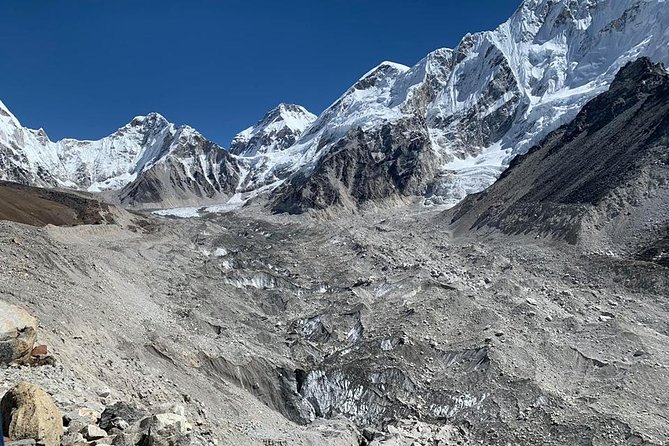
The most memorable part of this 12-day Everest Base Camp trek is the steady change in scenery, from pine forest and Sherpa villages to bare rock, glaciers, and the high viewpoint of Kala Patthar. You fly from Kathmandu to Lukla, walk through Namche Bazaar and Tengboche, and reach Everest Base Camp before returning by the same mountain route.
I like the built-in acclimatization days in Namche Bazaar and Dingboche, which give your body time to adjust instead of forcing a fast climb. I also like that the $2,000 price includes Lukla flights, mountain lodging, meals, guides, porters, permits, equipment, and airport transport. The main caution is altitude: this is a serious trek, even with rest days, and mountain weather can delay the flights.
Key points to know before booking
- Lukla flight included: The trek begins and ends with flights between Kathmandu and Lukla, weather permitting.
- Two acclimatization stops: You spend rest days in Namche Bazaar and Dingboche, with optional hikes to nearby viewpoints.
- Everest Base Camp plus Kala Patthar: The route reaches Base Camp and includes an early morning climb for close views of Everest.
- Mountain support included: Guides, porters, food, guesthouse lodging, sleeping bags, warm layers, first aid, permits, and insurance are covered.
- Private group format: Only your group participates, and group discounts are available.
- Moderate fitness required: The trail includes steep climbs, rocky ground, suspension bridges, cold mornings, and thin air.
Why this trek works as a first Everest adventure
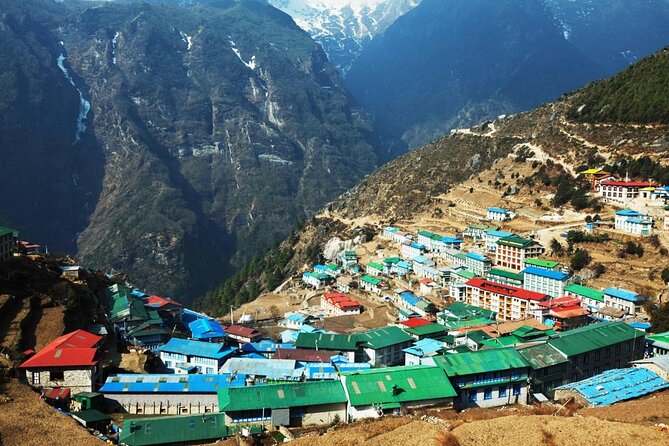
This is the classic Khumbu route, but it is not a casual mountain walk. You spend 12 days moving between villages at increasing altitude, with the highest nights at Gorak Shep and the highest views from Kala Patthar.
I like the rhythm of the route. You get a gradual first day, a hard climb to Namche, a rest day, and then another acclimatization stop in Dingboche. That pattern gives you a better chance to enjoy the walk instead of treating every day as a race.
The route also gives you more than a famous mountain name. You pass stone-walled fields, prayer flags, suspension bridges, Buddhist monasteries, memorial stones, and working Sherpa villages. The mountains are the headline, but the daily details make the walk feel like a journey through the Khumbu region rather than a simple march to a viewpoint.
The private format is another plus. Your group is not combined with strangers, so the pace and daily decisions can be handled within your party. You still need to ask how large your group will be, since private does not necessarily mean a small group.
More Everest Base Camp Treks in Kathmandu
- Everest Base Camp Trek – 14 Days
★ 5.0 · 1,499 reviews - Everest Base Camp Trek
★ 5.0 · 842 reviews - Everest Base Camp Trekking
★ 5.0 · 485 reviews
What the $2,000 price covers
At $2,000 per person, this trek is priced as a bundled Himalayan trip rather than a basic walking package. The price includes transportation to and from Tribhuvan Airport, a three-star or better hotel in Kathmandu with breakfast, Lukla flights, local transport, mountain guesthouses, meals during the trek, guides, porters, insurance, permits, and government charges.
You also receive a sleeping bag, warm layers, a first aid kit, maps, the Sagarmatha National Park entry fee, and a TIMS Card. That matters because separate permits, mountain equipment, flights, and porter support can quickly complicate the budget.
Food includes breakfast, lunch, and dinner during the trek. In Kathmandu, only breakfast is included, so set aside money for city meals, drinks, shopping, and other personal costs.
You will pay extra for alcoholic drinks, chocolate, tea, coffee, showers, and electronic charging in some mountain lodges. Tips for your guide and porters are also separate. Unexpected costs, including weather delays, illness, cancellations, lost property, or extra accommodation, are not covered.
I see the value here in the support and logistics. The package takes care of the pieces that are hardest to arrange independently, especially the Lukla flights, porter wages, permits, equipment, and mountain meals. Still, you should keep an emergency budget because flights and weather in the Himalayas do not always follow the printed schedule.
Day 1: Kathmandu to Lukla, then Phakding
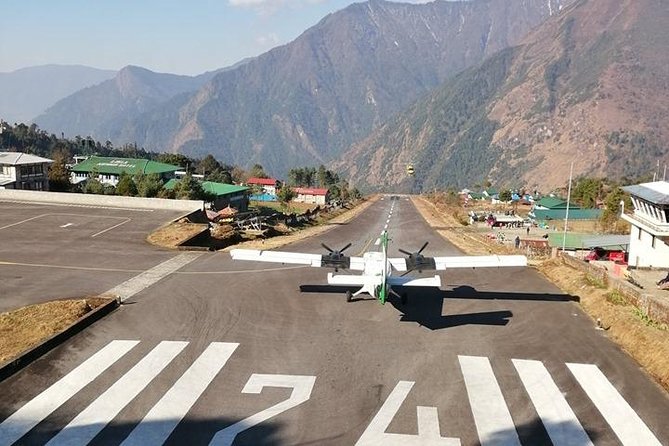
The 30-minute flight to Lukla is a dramatic start. You gain a first look at the Himalayan peaks before landing at 9,186 feet on a hillside airport surrounded by mountains.
At Lukla, you meet the trekking crew, organize your bags, and begin walking. The first section descends gradually toward Cheplung, where you may glimpse sacred Mount Khumbila. The mountain is listed at 18,900 feet and has never been climbed.
From Cheplung, the trail continues down to Phakding. This is a useful opening day because you begin walking without immediately tackling the route’s hardest climbs. Even so, the Lukla flight depends on good weather, so a delay can affect the whole schedule.
Day 2: Phakding to Namche Bazaar
This is a long walking day, listed at about eight hours. You follow a pine forest through the Benkar Valley, cross the Dudh Koshi River, and pass Chumoa before reaching Monjo, the entrance to Sagarmatha National Park.
After another suspension bridge, the trail passes Jorsale and follows the Dudh Koshi and Bhote Koshi rivers. The final climb to Namche Bazaar is steep, and it is the first day when you will really notice the physical demands of the route.
If the weather is clear, you may see Everest and Lhotse before reaching Namche. This is a fine introduction to the mountain scale, but do not expect an easy afternoon. Namche sits high, and the climb can leave your legs tired before the trek has properly settled into its rhythm.
More Trekking Tours in Kathmandu
- Annapurna Circuit Trek with Tilicho Lake
★ 5.0 · 368 reviews - Everest Base Camp Trekking – 13 Day
★ 5.0 · 365 reviews - Everest Base Camp Trek
★ 5.0 · 350 reviews - Everest Base Camp Trek -14 Days
★ 5.0 · 321 reviews
Day 3: Namche Bazaar and a needed pause
Namche Bazaar is the main service center of the Khumbu region. You will find government offices, ATMs, internet cafes, shops, restaurants, and a colorful market.
The rest day is not wasted time. It gives your body a chance to adjust to the altitude before the route climbs higher. If you feel well, the optional walk to Khumjung offers a look at a Sherpa settlement and views of the surrounding area.
I like having Namche this early in the plan because it is more than a sleeping stop. You can check money needs, browse shops, eat at a restaurant, and get your bearings before the more remote section of the trek.
Day 4: Tengboche Monastery and mountain views
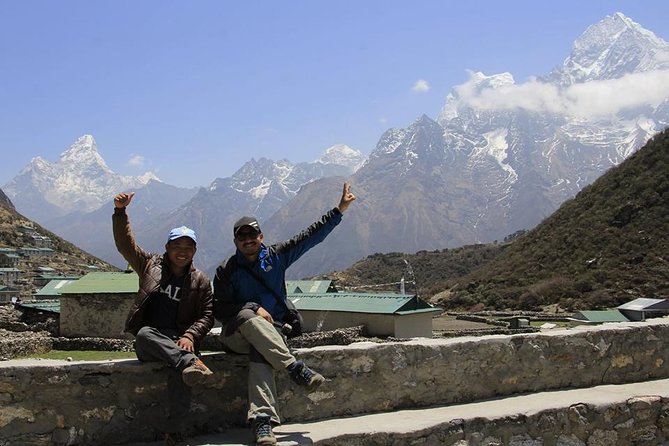
The trail descends to the Dudh Koshi River, then climbs through rhododendron forest toward Tengboche. This up-and-down pattern can be tiring, but it rewards you with broad views of Everest, Lhotse, Nuptse, Ama Dablam, Thamserku, and Kongde.
Tengboche Monastery is the main cultural stop on the route. It is described as the largest monastery in the region, and its setting gives you a strong sense of how Buddhist practice and mountain life are connected here.
The overnight stay in Tengboche is appealing, though the day is not short or flat. You should expect the altitude and the repeated descent and ascent to affect your pace.
Day 5: Tengboche to Dingboche
The morning route drops through birch, conifer, and rhododendron forest. The trail then reaches the Imja Valley and Lobuche River before climbing toward Dingboche.
Dingboche is known for fields enclosed by stone walls. The walls protect barley, buckwheat, and potatoes from cold winds and grazing animals. These fields are a simple but memorable reminder that people farm and live here despite the altitude.
The mountain views continue, with Everest, Lhotse, and Ama Dablam appearing along the route. Dingboche is also an important staging point, since you will spend the next day there for acclimatization.
Day 6: Acclimatization in Dingboche
This is the second full rest day of the trek. You can spend the day relaxing in Dingboche or take a day hike toward Nagarjun Hill or Chhukung Valley.
The optional walks offer views of Makalu, Lhotse, Cholatse, Tawache, and Ama Dablam. You should not treat the day as a chance to prove your strength. The point is to move gently, gain some altitude during the day, and return to sleep at Dingboche.
I consider this one of the most important parts of the plan. A fast itinerary might reach Base Camp sooner, but the body needs time to adjust. No schedule removes the risk of altitude sickness, but these pauses make the route more sensible.
Day 7: Dingboche to Lobuche
The trail climbs gradually to Duglha at the end of the Khumbu terminal moraine. From there, the path becomes steeper as it reaches Chupki Lhara.
Here you pass stones and prayer flags used as memorials for climbers and guides who died on Everest missions, including Scott Fischer and Babu Chiri Sherpa. It is a quiet reminder that the mountains ahead are not just scenic backdrops.
The trail then follows the Khumbu moraine, with views toward Khumbutse, Lingtren, Pumori, and Mahalangur Himal. The route becomes easier as it enters the valley toward Lobuche, but the air is now thin and the cold more serious.
Day 8: Lobuche to Everest Base Camp and Gorak Shep
This is one of the main goals of the trek. The trail follows the route of the former Gorak Shep Lake and passes memorials connected with Indian army mountaineers.
The path across rocky ground, moraine, and streams can be confusing in places, so stay with your guide. The walk is strenuous because of the altitude, not just because of distance.
At Everest Base Camp, you may see the colorful tents used by mountaineering teams, especially during the spring climbing season. Views include Nuptse, Khumbutse, and Pumori. Everest itself is not necessarily at its best from Base Camp, which is why the next morning’s Kala Patthar climb matters so much.
You return to Gorak Shep for the night. This is a demanding day, and the basic mountain lodging and cold conditions may feel very different from the hotel in Kathmandu.
Day 9: Kala Patthar and the return toward Pheriche
The schedule describes an early morning start in darkness, with temperatures around minus 10 to minus 14 degrees Celsius and the possibility of sharp wind. That means you need warm layers, gloves, and patience.
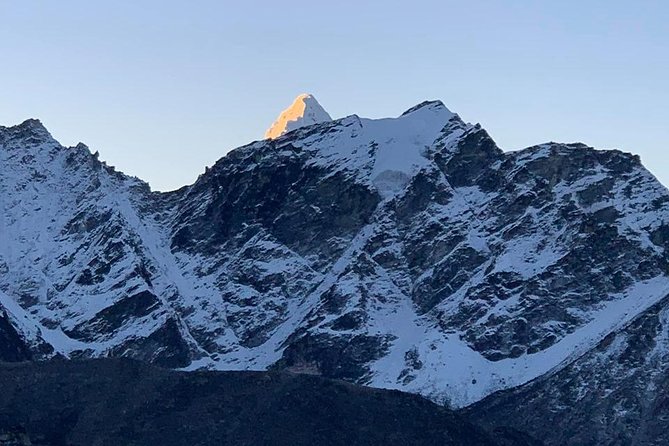
The climb to Kala Patthar gives you the close, wide view of Everest that many people picture when they imagine this trek. From the top, you can look across the high peaks in a 360-degree panorama and spend time taking photographs before returning.
The written route details are slightly uneven here. The day is labeled for Pheriche, but the description says you return to Lobuche after Kala Patthar. Ask your operator to confirm the exact overnight stop and walking distance before departure.
Day 10: Down through the forests to Namche
The return route feels different even though you have already walked much of it. You pass rhododendron and juniper, cross a suspension bridge over the Dudh Koshi, and descend through pine forest.
You might see colorful pheasants and mountain goats along the way. At Sansa, the trail offers views of Ama Dablam, Thamserku, and Nuptse before continuing through forest toward Namche Bazaar.
Descending is not automatically easy. Rocky ground can be hard on tired knees, and the repeated steps down can make this day more demanding than expected.
Day 11: Namche to Lukla
The trail drops steeply from Namche, so careful footing matters. You cross suspension bridges over the Dudh Koshi and its tributaries before the path becomes more level.
By the time you reach Lukla, your legs may be sore, but you also have a final evening to remember the route. The return walk gives you one last chance to see the lower valleys and villages without the pressure of reaching Base Camp.
Day 12: Lukla to Kathmandu
You take an early morning flight back to Kathmandu, subject to weather and flight conditions. After arrival, you can rest, shop for souvenirs, or explore more of the capital with help from your guides.
The package ends with a farewell dinner in Kathmandu. That is a pleasant close after nearly two weeks of walking, cold mornings, simple lodges, and long days at altitude.
Guides, porters, and the human side of the trip
The quality of the guide matters greatly on this route. Names connected with the experience include Bhim, Bandhu, Ramesh, and Umesh, with particular praise for Bhim’s humor, practical help, and experience.
You should confirm your assigned guide before departure rather than assume one particular person will lead your group. A good guide will help with pacing, route decisions, meals, lodging, and the signs of altitude trouble. Porters carry the heavier loads, and their wages, insurance, food, and accommodation are included.
Because this is a private activity, you have more control over your group than on a large scheduled departure. Still, ask about the size of your party, the porter arrangement, and what personal bag weight is allowed.
Who should book this Everest trek
This trek suits you if you want the classic Everest route and can handle sustained walking at high altitude. You need a moderate level of physical fitness, but fitness alone does not guarantee an easy experience. Cold, steep sections, rocky trails, and thin air affect everyone differently.
It is a good choice if you value an organized package with flights, permits, meals, equipment, and mountain staff already arranged. It also suits a private group that wants a shared goal without being added to a larger public departure.
You should think twice if you need fixed flight times, hotel-level comfort every night, or a short and gentle holiday. Lukla flights can be affected by weather, and the cancellation terms allow a full refund only when you cancel at least 24 hours before the start time. If poor weather cancels the experience, you are offered another date or a full refund.
Should you book it?
I would book this trek if you want the standard Everest Base Camp route and prefer one price that covers the hard-to-arrange parts. The two acclimatization days, private format, experienced local staff, and included equipment make the plan practical.
Before paying, confirm the assigned guide, group size, exact Day 9 overnight stop, personal equipment list, and what happens if a Lukla flight is delayed. If you are ready for long walking days and cold, simple conditions, this offers a strong mix of mountain scenery, Sherpa villages, Buddhist culture, and serious Himalayan adventure.
FAQ
How long is the Everest Base Camp trek?
The experience lasts approximately 12 days, including the flights from Kathmandu to Lukla and the return flight to Kathmandu.
Is transportation from Kathmandu to Lukla included?
Yes. Transportation for the trek, including flights to and from Lukla, is included. Airport transportation to and from Tribhuvan Airport is also included.
Are meals included during the trek?
Breakfast, lunch, and dinner are included during the trek. In Kathmandu, breakfast is included, but other city meals are not.
Is accommodation included?
Yes. You receive a three-star or better hotel in Kathmandu and local guesthouse accommodation in the mountains.
Does the trek include acclimatization days?
Yes. You spend a rest day in Namche Bazaar and another acclimatization day in Dingboche. Optional day hikes are available at both stops.
What happens if bad weather cancels the experience?
The experience requires good weather. If poor weather causes cancellation, you are offered a different date or a full refund.
Latest treks added in Kathmandu
- Private Manaslu Circuit Trek at Himalayas★ 5.0 · 3 reviews
- Ghorepani Poonhill Trek★ 5.0 · 5 reviews
- Ghorepani Poon Hill Trek★ 5.0 · 16 reviews
- Upper Mustang Trekking★ 3.0 · 2 reviews
- Amazing 1 Day Trekking Experience in Kathmandu Nepal★ 5.0 · 24 reviews
- Upper Mustang Trekking★ 5.0 · 2 reviews
- Upper Mustang Trek★ 5.0 · 5 reviews
- Upper Mustang Trekking★ 5.0 · 4 reviews
Everest Base Camp Treks, compared.






Browse the lists this tour appears in