
REVIEW · KATHMANDU
Everest base camp trek & Heli return
The clever idea here is simple: walk up to Everest Base Camp, then fly back. You cover the classic route from Lukla to base camp in six days, climb Kala Patthar the next morning, and trade the long return trek for a shared helicopter to Kathmandu. I like the efficient plan and the chance to see the Khumbu on foot without spending another week retracing your steps.
I also like that meals, tea-house lodging, permits, a licensed English-speaking guide, and the Lukla flight are included. Guides such as Padam and Kesh have earned especially warm praise for calm communication and practical help. The main caution is the pace: this is a hard high-altitude trek, with seven-hour walking days and two nights above 4,900 meters before the helicopter ride.
Key points at a glance
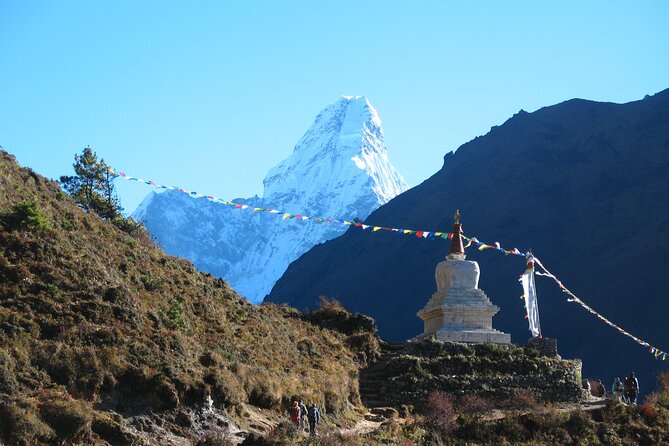
- A one-way Everest trek: Walk from Lukla through Phakding, Namche Bazaar, Tengboche, Dingboche, and Lobuche to base camp.
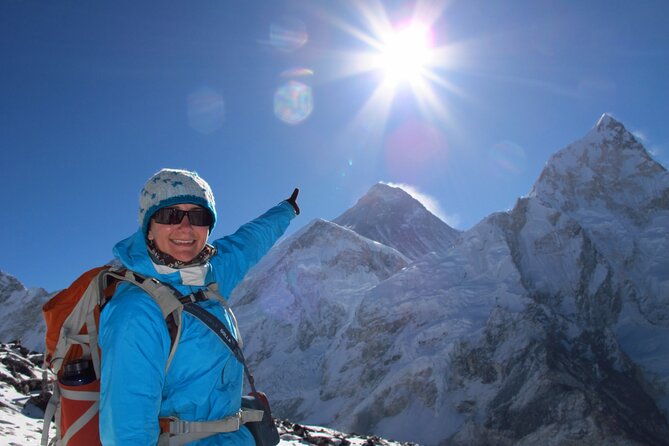
- Kala Patthar at 5,545 meters: The early morning climb gives you the tour’s best stated viewpoint of Everest and the surrounding peaks.
- Shared helicopter return: After breakfast in Gorakshep, fly back to Kathmandu instead of walking down the same trail.
- Licensed English-speaking guide: A government-licensed guide leads the group, with the trip capped at 15 people.
- Practical inclusions: Airport transfers, Lukla airfare, tea-house lodging, permits, entrance fees, six breakfasts, six lunches, and six dinners are covered.
- A serious physical test: You need moderate fitness, comfort with long uphill walks, and flexibility around mountain weather and flights.
Why the one-way format works
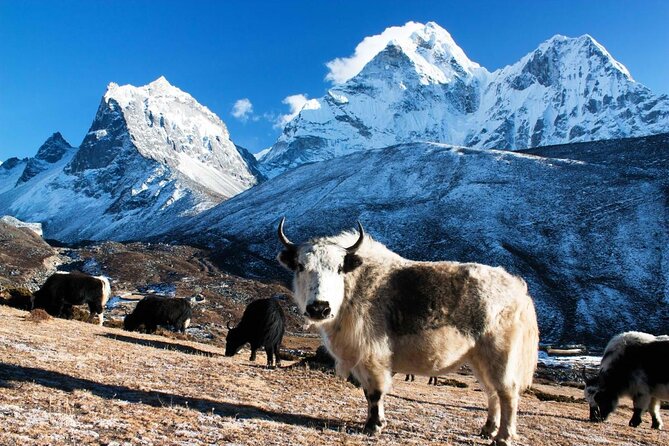
Most Everest Base Camp trips require a long return walk after you reach the goal. This version cuts that out. You still get the best-known trail experiences, but you finish with a helicopter flight from Gorakshep to Kathmandu.
That makes the seven-day plan attractive if your time is tight. It also changes the rhythm of the trip. You are not walking at a relaxed pace, and there is little room for a spare day. The route gains altitude quickly, so you need to arrive ready for sustained hiking.
The helicopter is shared, not private. That matters when you think about comfort, timing, and flexibility. You get the convenience of an aerial return, but the flight depends on conditions and available seats. One traveler who worked with Kesh had to deal with weather delays, and Kesh remained in contact while plans changed. That is the kind of support you want in the Himalayas, where a timetable is often a hopeful suggestion.
More Everest Base Camp Treks in Kathmandu
- Everest Base Camp Trek – 14 Days
★ 5.0 · 1,499 reviews - Everest Base Camp Trek
★ 5.0 · 842 reviews - Everest Base Camp Trekking
★ 5.0 · 485 reviews
What the $3,195 price covers
At $3,195 per person, this is a major purchase. The price makes more sense once you separate the included services from the costs you must handle yourself.
You receive airport pickup and drop-off for the trek, the flight from Kathmandu to Lukla, six nights of tea-house lodging, trekking permits, entrance fees, a licensed English-speaking guide, and the helicopter from Gorakshep to Kathmandu. Six breakfasts, six lunches, and six dinners are also included.
That package removes several large pieces of planning. The Lukla flight and high-altitude helicopter are not minor transport details. They are central to the route, and arranging them independently can be stressful.
You still pay for your Kathmandu hotels before and after the trek. Personal costs are also excluded, including Wi-Fi, battery charging, beverages, mineral water, hot showers, and personal trekking equipment. Travel insurance and emergency evacuation are not covered, so you need to arrange those yourself.
I see the price as reasonable for someone who values a tightly organized, short Everest trip and wants the helicopter return included. It is less attractive if you already own the gear, plan to arrange local services yourself, or prefer a slower itinerary with rest days.
Day 1: Lukla to Phakding
The day begins at 5:15 a.m. at the domestic terminal parking lot in Kathmandu. After the early flight to Lukla, you begin walking toward Phakding, at about 2,600 meters, in a stated three to four hours.
This is a gentle introduction compared with the days ahead. You get your first taste of walking in the Khumbu while keeping the altitude gain modest. Phakding is a practical overnight stop rather than a grand destination, but that is useful on the first day.
The early start can be tiring before you even reach the trail. Pack your documents, water, and a warm layer where you can reach them quickly. The group may contain as many as 15 people, so keep track of the guide and do not wander ahead simply because the trail looks easy.
Day 2: Phakding to Namche Bazaar
The walk to Namche Bazaar takes about four to five hours, with the town at roughly 3,500 meters. This is where the route begins to feel like a real mountain trek.
Namche is an important stop because it is the main settlement on this section of the route. The afternoon is set aside to explore around town, giving you a chance to move your legs after the climb and adjust to the higher altitude.
The gain from Phakding to Namche is significant. Even if the distance looks manageable on paper, uphill walking at altitude can feel slow. Use the afternoon wisely. Explore, but do not turn it into a hard workout. Drink regularly, eat your meals, and tell your guide if you feel unwell.
More Trekking Tours in Kathmandu
- Annapurna Circuit Trek with Tilicho Lake
★ 5.0 · 368 reviews - Everest Base Camp Trekking – 13 Day
★ 5.0 · 365 reviews - Everest Base Camp Trek
★ 5.0 · 350 reviews - Everest Base Camp Trek -14 Days
★ 5.0 · 321 reviews
Day 3: Namche to Tengboche
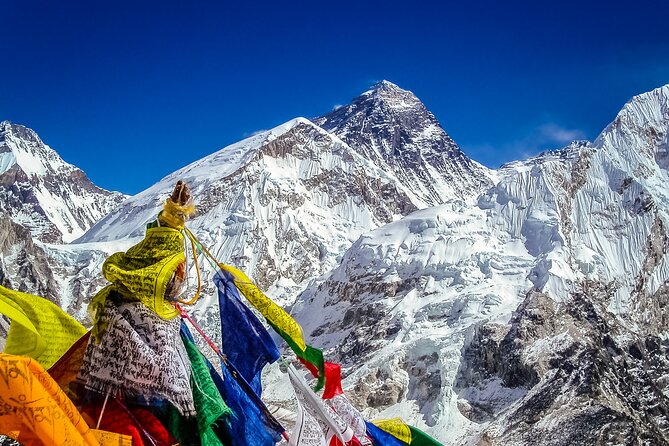
The route continues to Tengboche, at about 3,870 meters, in four to five hours. This section brings some of the trip’s most appealing details: rhododendron forest, Mani walls, chortens, and broad mountain views.
Tengboche is more than a place to sleep. The setting gives you a strong sense of the region’s Buddhist culture and Sherpa character. The stone walls and religious markers make the walk feel connected to local life rather than just a march toward a famous point.
The altitude is now serious. You may feel the difference between a comfortable morning in Namche and a slower afternoon near Tengboche. The schedule does not list a dedicated acclimatization day, so you need to respect the pace and follow your guide’s advice.
Day 4: Tengboche to Dingboche
This is the longest walking day so far, listed at about six hours. You first descend through rhododendron forest toward Deboche, cross a bridge over the Imja Khola, and then climb through Pangboche and Somare before reaching Dingboche.
The bridge and river crossing add a memorable physical feature to the route. After the descent, the trail turns upward again. That repeated pattern is typical of mountain walking: a downhill stretch does not always mean an easier day because every lost meter may need to be regained.
Dingboche sits at about 4,400 meters, although the itinerary does not state the elevation. By this point, the air is thinner and the walking pace naturally slows. You may find the six-hour estimate optimistic if you need frequent breaks, so keep your expectations practical.
Day 5: Dingboche to Lobuche
The trek to Lobuche takes about six hours. Along the way, you can expect views of Ama Dablam, Lhotse, Pheriche Peak, and Cholatse before reaching Dughla and continuing toward Lobuche.
This is a visually rewarding day, but it is not a casual scenic walk. You are moving into the high country, and the combination of altitude, cold, and uneven trail can make each hour demanding.
Lobuche is the staging point for base camp. The next day is the major goal, so protect your energy. Keep your pack light, eat even if your appetite is low, and make sure your clothing is ready before bedtime. You will have an early start and a long day ahead.
Day 6: Lobuche to Everest Base Camp
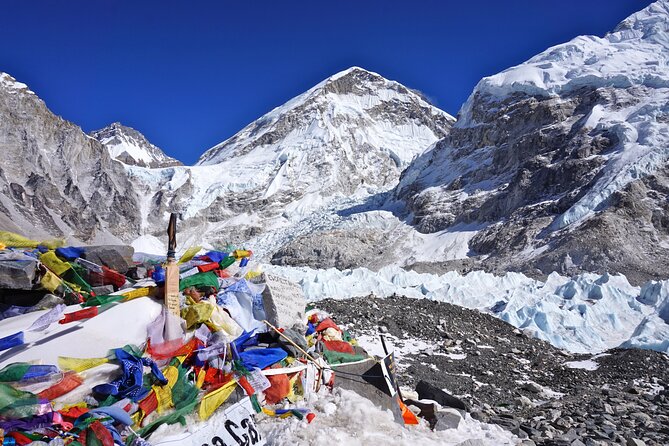
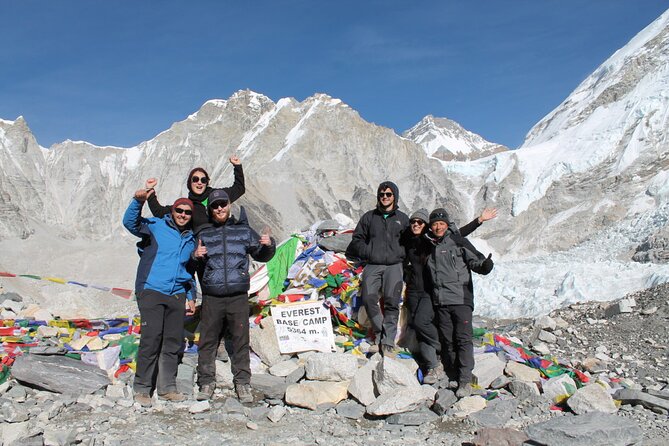
The biggest day begins after breakfast. You walk through Gorakshep, at roughly 5,164 meters, stop for lunch, and then continue to Everest Base Camp at 5,364 meters before returning to Gorakshep for the night.
The total walking time is listed at about seven hours. That estimate includes the route to base camp and back, so this is not simply a transfer to a viewpoint. You are walking at very high altitude, and the return leg can feel as hard as the outward section.
Base camp is the emotional center of the trek. You reach the place used by climbers preparing for Everest, but you should keep expectations clear: this itinerary takes you to the base camp area, not to the summit or into a climbing expedition.
The overnight at Gorakshep is functional and high. Facilities can be basic, and personal expenses such as hot showers, Wi-Fi, charging, drinks, and mineral water are extra. Budget for those costs, but also accept that comfort is limited this far above sea level.
Day 7: Kala Patthar and the helicopter home
The final morning begins with a climb to Kala Patthar, at 5,545 meters. The stated walking time is about two hours before returning to Gorakshep for breakfast.
This is likely the visual high point of the trip. From Kala Patthar, you are positioned for views of Everest and other Himalayan peaks. The early timing is important because mountain visibility can change through the day, and morning light often gives the sharpest conditions.
The climb is short on paper but tough in reality. It reaches the highest point of the itinerary, so you may feel the altitude more than the distance. Take it slowly and stay with the guide.
After breakfast, you fly from Gorakshep to Kathmandu by shared helicopter. The flight time is listed as about two hours, including the return to Kathmandu. It replaces several days of descent and gives you a completely different view of the valleys and peaks you have just crossed on foot.
A guide can make or break this schedule
The trip includes a government-licensed English-speaking guide, and that is important on a route this demanding. You need someone who can keep the group moving while also noticing when a person is struggling with altitude, fatigue, or the pace.
Padam is specifically associated with calm, friendly leadership and years of experience in the mountains. His role reportedly included answering questions, easing pre-flight nerves, and helping people feel steady during difficult parts of the trip.
Kesh handles communication and trip support. He has been responsive on WhatsApp and has helped with practical problems, including finding boots for a group member who arrived without a suitable pair. That kind of help is useful, but you should not rely on last-minute rescue. Bring proper footwear and prepare your gear before arriving in Nepal.
The maximum group size is 15. That is small enough to remain manageable, but it is not a private trek. Walking speeds and comfort levels will vary. Ask before booking how the guide handles different paces and what happens if someone needs to stop.
What to pack and what to budget for
The tour does not include personal trekking gear. You need to bring or obtain suitable clothing, footwear, and equipment for cold, high-altitude hiking.
The provided details do not specify a complete packing list, so confirm the current requirements with Himalayan Mentor before departure. At a minimum, you should pay close attention to footwear, warm layers, rain protection, sun protection, and a daypack that is comfortable for long walking days.
Plan extra cash for the items listed as personal expenses:
- Battery charging
- Wi-Fi
- Beverages
- Mineral water
- Hot water showers
- Other personal purchases
Your Kathmandu hotel is also separate before and after the trek. Travel insurance and emergency evacuation costs are excluded. Given the altitude and remote setting, insurance is not an optional luxury. Make sure your policy covers trekking at the elevations in this itinerary and emergency transport.
Who should book this trek
I would recommend this experience to a fit hiker who has one week available for the mountain route and wants the classic Everest Base Camp approach without walking back down. It suits someone who values organization, a licensed guide, included meals, and a helicopter return more than a low-cost independent trip.
It is less suitable if you want a relaxed acclimatization schedule, private helicopter transport, or plenty of spare time for weather problems. The itinerary is tightly packed, and the altitude gain is substantial.
You also need to accept uncertainty. The route includes an early Lukla flight and a helicopter from Gorakshep. Weather can affect both. The support team can help adjust plans, but no operator can control mountain conditions.
Should you book the Everest Base Camp trek and helicopter return?
Book it if the one-way design solves your biggest problem: limited time. You get the core approach to Everest Base Camp, the Kala Patthar climb, tea-house nights, meals, permits, and the return flight in one organized package.
Think twice if you are new to high-altitude hiking or if you need a slower schedule. The seven-day format is efficient, but efficiency here means long days and little margin. Ask about current flight procedures, gear expectations, altitude support, and helicopter arrangements before paying.
The strongest reason to choose this trip is the combination of human support and route design. Padam’s mountain experience and Kesh’s practical communication add confidence, while the helicopter saves the time and effort of retracing the trail. If you are fit, prepared, and comfortable with a demanding schedule, this is a direct way to reach one of the world’s most famous trekking destinations.
FAQ
Where does the trek begin?
The tour begins with an early flight from Kathmandu to Lukla. The meeting point is the TIA Domestic Terminal parking lot in Kathmandu, and the stated start time is 5:15 a.m.
How long is the experience?
The full experience lasts approximately seven days. You walk from Lukla to Everest Base Camp, climb Kala Patthar, and return to Kathmandu by shared helicopter.
What is the highest point reached?
Kala Patthar is the highest stated point, at 5,545 meters. Everest Base Camp is listed at 5,364 meters.
Is the helicopter private?
No. The return flight from Gorakshep to Kathmandu is by shared helicopter.
Are meals and accommodation included?
Yes. Tea-house lodge accommodation is included, along with six breakfasts, six lunches, and six dinners. Hotels in Kathmandu before and after the trek are not included.
What is not included in the price?
Personal trekking gear, travel insurance, emergency evacuation, Kathmandu hotels, battery charging, Wi-Fi, beverages, mineral water, and hot water showers are not included.
Latest treks added in Kathmandu
- Private Manaslu Circuit Trek at Himalayas★ 5.0 · 3 reviews
- Ghorepani Poonhill Trek★ 5.0 · 5 reviews
- Ghorepani Poon Hill Trek★ 5.0 · 16 reviews
- Upper Mustang Trekking★ 3.0 · 2 reviews
- Amazing 1 Day Trekking Experience in Kathmandu Nepal★ 5.0 · 24 reviews
- Upper Mustang Trekking★ 5.0 · 2 reviews
- Upper Mustang Trek★ 5.0 · 5 reviews
- Upper Mustang Trekking★ 5.0 · 4 reviews
Everest Base Camp Treks, compared.






Browse the lists this tour appears in