REVIEW · HANOI
Hanoi – Sapa 3 Day 2 Night Trekking With Hotel & Homestay
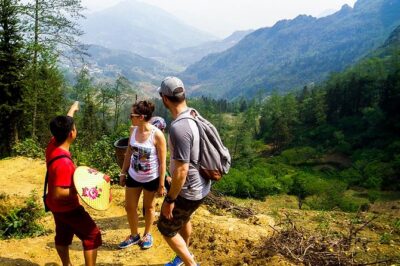
Sapa reveals itself best on foot, and this trip takes you from Hanoi to Hmong and Red Dao villages, rice terraces, waterfalls, and mountain paths without making you arrange each piece yourself. You ride a VIP cabin bus north, sleep one night in a central three-star hotel and one night in a private room at Ta Van Village, then walk through the Muong Hoa Valley.
I like the small maximum group of 15, which gives a local guide room to explain village life and keep the walking group together. I also like the practical package: transport, seven meals, entrance tickets, two nights of lodging, a cooking class, and a guide are all covered. The main catch is that the trek can be slippery and tiring, while the schedule and information flow may not always be as polished as the price suggests.
Key points to know before booking
- A true village-to-village route: Walk through Cat Cat, Y Linh Ho, Lao Chai, Ta Van, Giang Ta Chai, and Su Pan rather than staying around Sapa town.
- One hotel night plus one homestay night: The Ta Van stay is a private room in a lodge-style homestay, not necessarily a traditional family home.
- Long walking days: Expect roughly six miles on the first hiking day and four miles on the next, with slippery sections possible.
- Easy Hanoi connections: Pickup is offered from Hanoi’s Old Quarter, followed by a VIP cabin bus to Sapa and back.
- Seven meals included: Two breakfasts, three lunches, and two dinners are covered, but drinks cost extra.
- Best for active visitors: You need strong physical fitness, and wet weather can change both the views and the footing.
What this Sapa trip does well
At $125 per person, this is a tidy way to combine Hanoi transport, Sapa trekking, lodging, food, and a guide. You are not simply buying a walk in the hills. You are buying the useful framework around it, especially the long bus ride between Hanoi and Sapa, which can be awkward to arrange on your own.
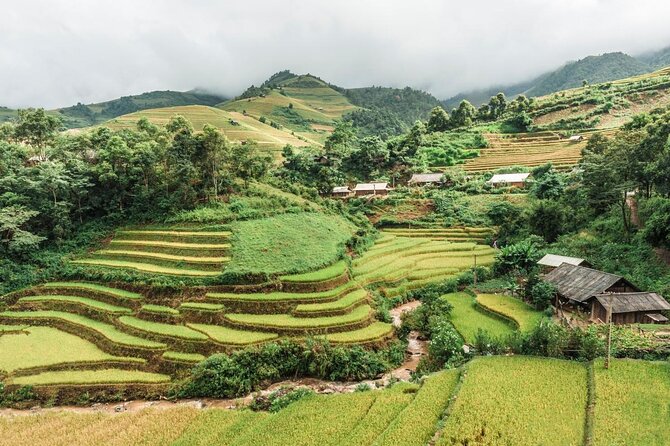
The strongest part is the route through the Muong Hoa Valley. Cat Cat gives you an easy introduction to Hmong culture and village customs, while the second and third days move into quieter rural settings. Rice terraces, forest paths, streams, and steep hills provide the setting, but the villages are the point. You get to see homes, local restaurants, handicrafts, and daily routines rather than only taking photos from a roadside viewpoint.
The trip has a 4.9 rating from 389 reviews and a 99 percent recommendation rate, though you should read that high score with sensible expectations. The organization is useful and the guides have been praised for kindness, but several details can feel basic. The homestay is more like a lodge than a strict family homestay, and food quality may vary between the hotel and village stay.
More Homestay Treks in Hanoi
- Hanoi – Sapa 2 Days 1 Night Overnight At Homestay
★ 5.0 · 899 reviews - From Hanoi: 2-Day Sapa Trekking Trip with Homestay & Meals
★ 4.8 · 704 reviews - 2-Day Sa Pa Ethnic Homestay Tour & Trek with Limousine Bus
★ 4.8 · 440 reviews
Day 1: Hanoi to Sapa, then Cat Cat Village
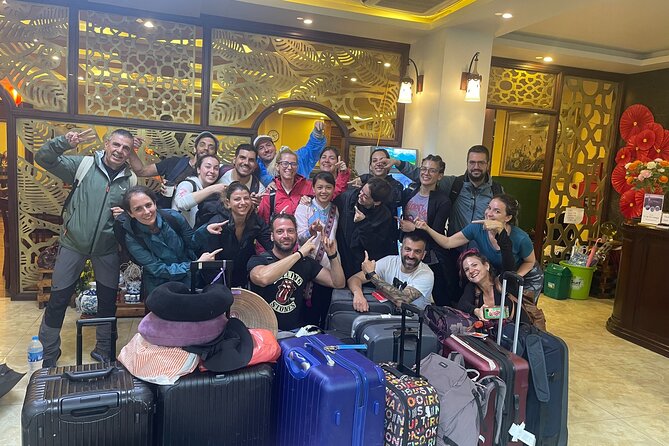
Your day begins early, with pickup between 6:00 and 6:30 a.m. from hotels in Hanoi’s Old Quarter. You first go by small shuttle to the G8 Open Tour office on Ly Thai To Street, near Hoan Kiem Lake, then board the sleeping bus to Sapa.
The bus journey takes most of the morning. You arrive around 1:00 or 1:30 p.m., and a transfer vehicle takes you onward to your Sapa hotel. This is a practical arrangement, though you should not expect a leisurely morning. The journey from Hanoi is long, and your first day has already begun before breakfast.
After settling in, your local English-speaking guide collects you from the hotel lobby around 2:00 or 2:30 p.m. for the walk to Cat Cat Village. The village is associated with the Hmong people, and the visit introduces you to customs, local buildings, and village life near Sapa.
Cat Cat is a popular stop, so it may feel more organized for tourism than the later villages. That is not necessarily a flaw. It gives you an easy first look at the area after the bus ride, and the paths are a gentler way to begin than jumping straight into a full mountain trek. The admission ticket is included, so you do not need to sort out another payment at the entrance.
The walk is listed at about four hours. Take care on steps and uneven ground, especially after rain. The views can be beautiful, but weather matters a great deal. Cloud, rain, and poor light may hide the hills and reduce your best photo chances.
After dinner, you are free to explore Sapa town. The stone church and night market offer a simple evening outing, with local products and souvenirs for sale. This free time is useful because the rest of the trip is tightly scheduled. You can walk around, buy anything you need for the trek, or simply rest.
Day 2: Y Linh Ho, Lao Chai, and Ta Van
Breakfast is served at the hotel between 7:00 and 8:00 a.m. You then check out and leave your large luggage in the hotel lounge. Bring only a small bag with the essentials for the trek and overnight stay. This is one of the most important practical details in the program.
The day’s walking begins around 8:00 a.m. in the direction of Y Linh Ho. From there, the route continues toward Lao Chai, a village surrounded by terraced rice fields and framed by the Hoang Lien Son and Ham Rong mountain ranges.
The rice terraces are the visual centerpiece of this part of Sapa. Their appearance changes by season, and weather has a major effect on the experience. In clear conditions, the hills and terraces can make this the best day for photographs. In rain or mist, the walk still has value, but you should expect less open scenery and muddier paths.
The route then follows the Muong Hoa stream for about two kilometers before reaching Ta Van Village. This stretch connects the villages in a natural way. You are not being driven from one photo stop to another. You are walking through the valley, with forests, mountain views, water, and cultivated hills around you.
This is also the most physically demanding day for many people. One detailed account put the walk at roughly six miles, with slippery sections. The tour requires a strong level of physical fitness, and that warning deserves attention. You should be comfortable walking for several hours on uneven ground and managing wet footing.
Lunch is served at the homestay in Ta Van, followed by check-in and a cooking class. The included food is a useful part of the price, but keep your expectations flexible. Hotel meals have been described as very good, while the food at the homestay may be more basic. Drinks are not included, so carry money for them.
The overnight stay is described as a private room at a Ta Van homestay. In practice, you should picture a lodge-style accommodation rather than a strict stay inside a local family’s home. One room was described as a cute private cabin, while another account criticized the basic facilities and toilet arrangements. The experience can therefore vary by room and by your own expectations.
Still, sleeping in Ta Van places you close to the villages and removes the need to return to Sapa town that evening. The value is less about comfort and more about location. You are staying near the walking route and spending the night in a rural setting.
Day 3: Giang Ta Chai and Su Pan
Breakfast at the homestay runs from 7:30 to 8:30 a.m. After checking out, you begin the final walking section at about 9:00 a.m. The route covers around eight kilometers through Giang Ta Chai and Su Pan.
Giang Ta Chai is associated with the Red Dao people. This gives the day a different cultural focus from the Hmong villages visited earlier. The route includes village scenery, hills, and forest paths, with the walk continuing toward Su Pan.
The trail is again the main attraction. You get a closer look at rural Sapa than you would from a bus window, and the changing villages help the three-day program feel like a journey rather than one repeated walk. At the same time, the schedule is not built for long, unplanned stops. If you prefer to sit quietly in one village for an hour, this organized route may feel rushed.
Lunch is served at a local restaurant in Su Pan around 12:30 p.m. Su Pan includes small villages of Black Hmong and Red Dao people on rocky slopes overlooking the valley. This stop gives you time to eat before the return transfer, but the day remains tightly timed.
A bus collects you around 1:30 p.m. and returns you to the Sapa Retreat Condotel in town. You have a short break before the bus back to Hanoi. The schedule allows time for a quick 30-minute foot massage or souvenir shopping, though you should see this as spare time rather than a guaranteed long rest.
The return bus leaves around 3:00 p.m. and reaches Hanoi’s Old Quarter between 10:00 and 10:30 p.m. You are dropped at the bus station and make your own way back to your hotel. That makes the final day long, but it is the price of fitting Sapa into three days without paying for another night.
More Homestay Treks in Vietnam
- Hanoi – Sapa 2 Days 1 Night Overnight At Local Homestay
★ 5.0 · 233 reviews - From Hanoi: 2-Day Luxury Sapa Trekking Tour with Homestay
★ 4.4 · 49 reviews - 3-Night Sapa Trek and Homestay with Round Trip Transfer from Hanoi
★ 4.5 · 37 reviews - Hanoi- SaPa: 3-Day Homestay Trek to Explore Ethnic cultures
★ 4.5 · 29 reviews
How good is the transport from Hanoi?
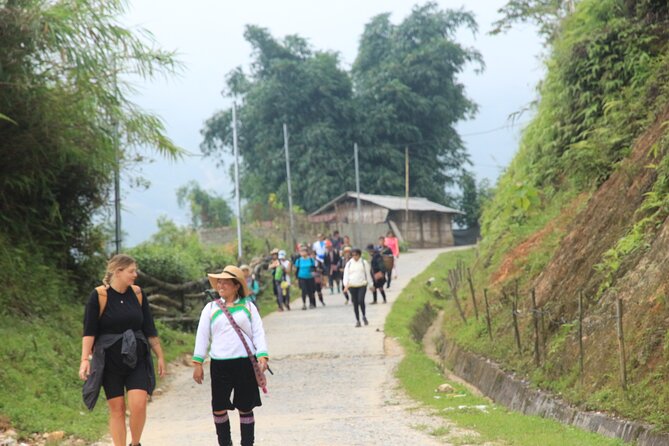
The round-trip VIP cabin bus is one of the tour’s biggest practical strengths. You avoid arranging separate trains, transfers, and local rides, and the bus connects directly with the walking program.
The first pickup is not necessarily from your hotel door. A small shuttle takes you from an Old Quarter hotel to the G8 Open Tour office, where you change to the sleeping bus. The meeting point is at Ly Thai To in Hoan Kiem, and this is worth noting if you are staying outside the Old Quarter.
The transport takes up a large part of the trip. You leave Hanoi early on Day 1 and do not return until late on Day 3. That makes this program efficient rather than restful. If you have only a few days and want Sapa included, the timing works. If you want slow mornings and long stays in the villages, choose a longer itinerary.
What the $125 price really covers
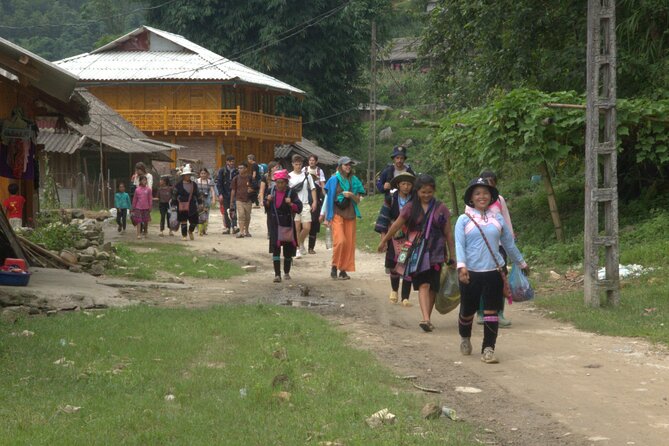
The $125 price includes more than just the trek:
- One night in a central three-star hotel
- One night in a private room at Ta Van
- Round-trip VIP cabin bus travel
- A local English-speaking guide
- Entrance tickets
- Two breakfasts
- Three lunches
- Two dinners
- A cooking class
That is a fair amount of coverage for the cost, especially when you value the Hanoi to Sapa transport and the time saved by having a local guide arrange the village route.
The value is strongest for someone who wants a ready-made package. Booking transport, lodging, meals, entrance tickets, and a village guide separately may give you more control, but it also requires more planning. One critical view found the organized package more expensive than local booking for an average experience. That concern is reasonable, particularly if you care about upgraded accommodation or more polished communication.
The weak point is not the number of inclusions. It is consistency. The hotel appears to offer a higher level of comfort than the Ta Van stay, and the food may follow the same pattern. You are paying for convenience and access, not luxury.
Walking difficulty, weather, and what to pack
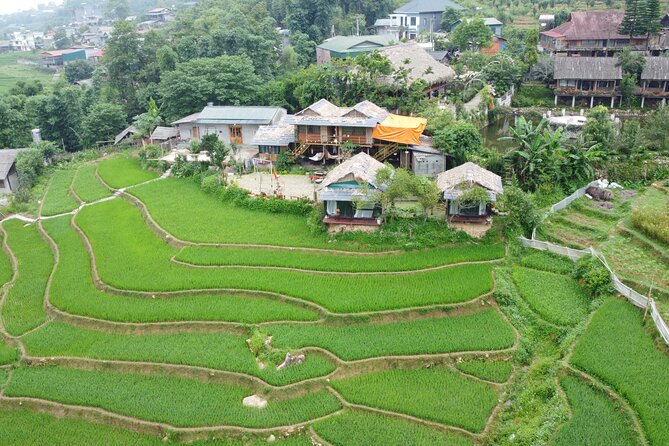
The program calls for strong physical fitness. The first full trekking day may cover about six miles, and the final day about four miles, with the route including hills, uneven paths, and slippery sections.
Weather can shape the trip. Cloudy or rainy conditions may reduce the views across the terraces and make the paths harder to manage. Good walking shoes are essential. You should also bring a small bag for the Ta Van night, since large luggage stays at the hotel in Sapa.
Useful items include:
- Shoes with firm grip
- Lightweight rain protection
- A small overnight bag
- Water money, since drinks are extra
- Clothing that can handle mud and changing conditions
- A phone or camera, if the forecast offers clear views
The tour is not presented as an extreme hike, and one account found it enjoyable rather than highly challenging. Still, not highly challenging does not mean easy. The long walking hours, weather, and footing are the real tests.
Guide service and group size
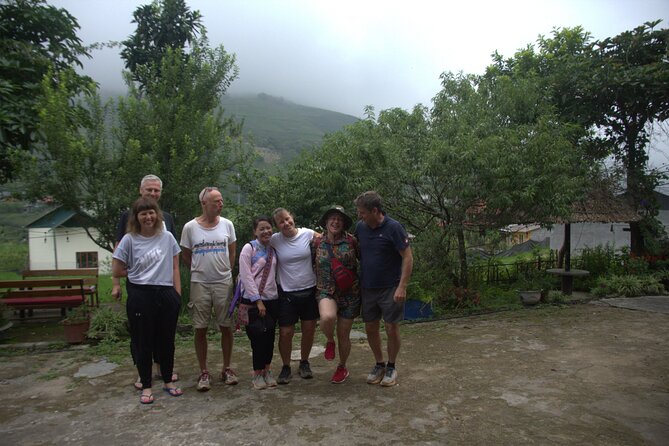
A local English-speaking guide leads the Sapa portion of the trip. The group is capped at 15 people, which is a useful size for village walking. You are less likely to be swallowed by a large tour crowd, and the guide can give more attention to questions and pacing.
The human side of the trip appears to be one of its stronger features. Guides have been praised as kind and helpful, particularly the women who led the walks. That matters in Sapa, where a good guide can add context to ethnic traditions and help you understand the difference between Hmong and Red Dao communities.
The organization can be less smooth. Important information may not always be offered before you ask for it, so speak up about pickup times, luggage, meals, room arrangements, and the next walking section. This is not a trip for someone who wants every detail repeated and perfectly explained without asking.
Who should book this Sapa trek?
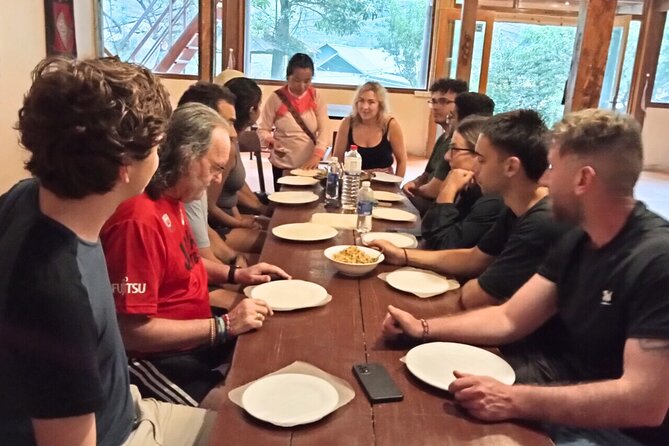
I would choose this tour if you have three days, want Sapa’s main village routes, and prefer one booking to several separate arrangements. It suits active visitors who can walk for hours and accept simple rural lodging for one night.
It also works well for first-time visitors to northern Vietnam. The guide, meals, transfers, and entrance tickets remove much of the planning burden. You get both a taste of Sapa town and time in the valley villages.
I would think twice if you want a luxury hotel throughout, a traditional family homestay, a slow pace, or a high level of trip communication. I would also avoid it if slippery mountain paths and long bus rides are a problem for you.
Cancellation is free if you cancel at least 24 hours before the local start time. Changes or cancellations inside that window are not accepted for a refund. Service animals are allowed, and the tour is near public transportation, though the walking demands remain the main accessibility consideration.
Should you book it?
Book this Sapa tour if convenience, village walking, and value matter more to you than polished luxury. The route gives you a solid sample of Cat Cat, the Muong Hoa Valley, Ta Van, Giang Ta Chai, and Su Pan, while the included transport and meals make the $125 price easy to understand.
Go in with clear expectations. The homestay may feel like a basic lodge, the food may be uneven, weather can hide the best views, and you may need to ask for key information. But if you bring proper shoes, pack lightly, and accept a full schedule, this is a practical way to see Sapa on foot.
FAQ
How long is the Hanoi to Sapa tour?
The experience lasts about three days and includes two nights, one night in a hotel and one night at a homestay in Ta Van Village.
What is the tour price?
The listed price is $125 per person.
Where does the tour start in Hanoi?
The meeting point is the G8 Open Tour office on Ly Thai To Street in Hanoi’s Old Quarter, near Hoan Kiem.
Is pickup available from Hanoi hotels?
Yes. A small shuttle picks you up from hotels in Hanoi’s Old Quarter between 6:00 and 6:30 a.m. before taking you to the bus meeting point.
What transport is included?
Round-trip travel between Hanoi and Sapa by VIP cabin bus is included, along with local transfer vehicles during the Sapa program.
Which villages are included?
The route includes Cat Cat, Y Linh Ho, Lao Chai, Ta Van, Giang Ta Chai, and Su Pan.
What accommodation is included?
You receive one night at a three-star hotel in central Sapa and one night in a private room at a Ta Van Village homestay.
How many meals are included?
The tour includes two breakfasts, three lunches, and two dinners. Drinks are not included.
How large is the group?
The tour has a maximum of 15 participants.
Is the trek physically demanding?
The tour requires a strong physical fitness level. The walking includes several hours on village and mountain paths, with slippery sections possible.
More three-day treks in Hanoi
- 3-Day Trekking Adventure of Sapa from Hanoi – Stay Ta Van Village
★ 5.0 · 611 reviews - From Hanoi: Trek and Stay: 3-Day Sapa Highlands Adventure
★ 4.6 · 152 reviews - Sapa 3 Days 2 Nights Trekking Tour From Hanoi (2 Nights in Hotel)
★ 5.0 · 112 reviews - From Hanoi: 3 Days Luxury Sapa Trek & Fansipan Peak with Dcar
★ 5.0 · 43 reviews
More evening departures in Hanoi
- Sapa 3 Days 2 Nights Trekking Tour (1 Night In Ta Van Village, 1 Night In Hotel)
★ 5.0 · 699 reviews - 2-Day Trekking Adventure of Sapa from Hanoi with Night Bus
★ 5.0 · 134 reviews - Sapa Trekking Tour 2 Days 1 Night By Bus
★ 5.0 · 86 reviews - Sapa: 3-Day, 3-Night Trek and Hotel with Overnight Train
★ 4.2 · 64 reviews
Latest treks added in Hanoi
- From Hanoi : Sapa Moutain Trek – Halong bay Heritage★ 4.5 · 25 reviews
- Trekking In Ha Giang 5 Days★ 5.0 · 4 reviews
- Trekking around Ha Giang 5 days 4 nights★ 3.0 · 2 reviews
- 8-Days Hanoi, Sapa Trekking And Halong Bay Cruise★ 5.0 · 8 reviews
- 2-Day Trekking in Sa Pa from Ha Noi by sleeping bus★ 5.0 · 4 reviews
- Hanoi: 3D2N Mu Cang Chai Visit All Attractions, Trek, Ethnic Life★ 5.0 · 3 reviews
- Mai Chau – Pu Luong trekking 3 days 2 nights★ 4.5 · 7 reviews
- Sapa trekking – Unique Route – 2D1N★ 5.0 · 3 reviews
Homestay & Village Treks, compared.
Number one top rated ethical cultural trekking and homestay by ETHOS
Read our review →
2-Day Sa Pa Ethnic Homestay Tour & Trek with Limousine Bus
Read our review →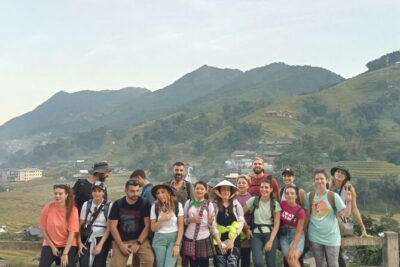
Sapa 2 Days 1 Night Overnight At Local Homestay
Read our review →
2-Day Trekking Trip with Ethnic Minority Homestay
Read our review →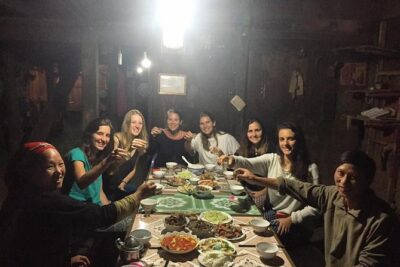
2-Day Trek & Heartwarming Homestay with an Ethnic Family
Read our review →