
REVIEW · HANOI
Sapa Trekking Tour 2 Days 1 Night By Bus
Sapa’s best moments happen on foot, among rice terraces and village paths rather than in town. This two-day trip takes you from Hanoi by sleeper bus and into the home areas of the Black H’mong, Dao and Dzay people, with meals and a choice of accommodation included.
I like the choice between a Dzay homestay and hotel stay, and I like that guides such as Vu, Su, Koo and Mu bring personal knowledge of local culture to the walks. The main catch is the pace: two long trekking days, an overnight bus journey, and rough ground can make this a tiring trip. The ride to Sapa can also run longer than planned.
Key points at a glance
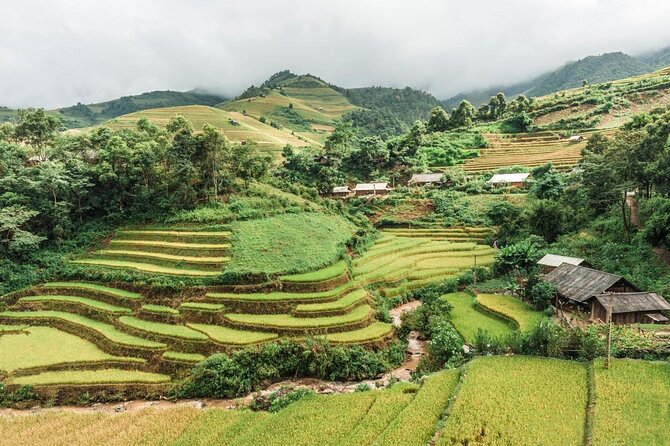
- 12-kilometer Muong Hoa Valley trek: The first walking day takes you downhill through Y Linh Ho and Lao Chai, with rice terraces and mountain views.
- A real choice of overnight stay: Select a local Dzay homestay or a hotel option, including a listed 5-star choice.
- Small group size: The tour is limited to 15 people, which helps when trails get narrow and the guide is explaining local life.
- Three ethnic communities: The route connects with Black H’mong, Dao and Dzay communities rather than focusing only on Sapa town.
- Sleeper bus from Hanoi: Hotel pickup in the Old Quarter is included, along with an air-conditioned bus and onboard Wi-Fi.
- Rugged walking conditions: You need moderate fitness. Mud, rain and uneven paths can make the trek harder than the distance suggests.
Why this Sapa trip works in only two days
This is a compact northern Vietnam trip for someone who wants mountains and village walks without arranging transport, meals and guides separately. At $85 per person, the price covers the Hanoi to Sapa sleeper bus, accommodation, breakfast, dinner, two lunches, guide services, Wi-Fi on the bus, and taxes.
That makes the cost appealing, especially if you choose the homestay. You are paying for a busy package rather than a leisurely stay, though. Much of the first and final day is taken up by road travel, so the actual time in Sapa is short.
I would think of this as an introduction to the area, not a slow cultural retreat. You get two substantial treks and a night in the mountains, but you do not get much free time to explore Sapa town on your own.
More evening departures in Hanoi
- Hanoi – Sapa 2 Days 1 Night Overnight At Homestay
★ 5.0 · 899 reviews - Sapa 3 Days 2 Nights Trekking Tour (1 Night In Ta Van Village, 1 Night In Hotel)
★ 5.0 · 699 reviews - Hanoi – Sapa 3 Day 2 Night Trekking With Hotel & Homestay
★ 5.0 · 389 reviews
Leaving Hanoi on the sleeper bus
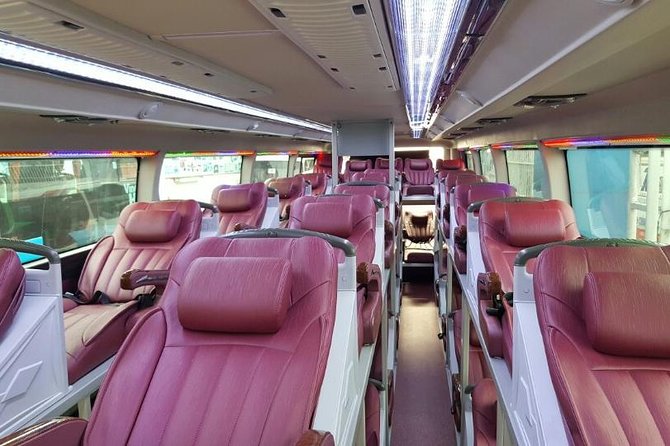
The day begins at 6:30 a.m. with taxi pickup from your hotel in Hanoi’s Old Quarter. The taxi takes you to the bus station, where you board an air-conditioned sleeper bus for Sapa.
The drive is expected to take about six hours, but the timing can vary. One reported trip took eight hours because the driver moved slowly and stopped only once for a toilet break after five hours. The return journey may be smoother, but you should not plan a tight connection immediately after the tour.
The bus includes Wi-Fi, though the condition of individual seats and trays can vary. Pack water, tissues and a light snack in your day bag. Keep larger luggage organized, since you will switch from a long road journey to a trek soon after reaching Sapa.
The arrival time is listed around 1 p.m. for the hotel option, with a local guide meeting you in Sapa. The homestay program begins its walking section around 2 p.m. That leaves little time to settle in, so wear your walking shoes before you arrive or keep them easy to reach.
The Muong Hoa Valley route to Lao Chai

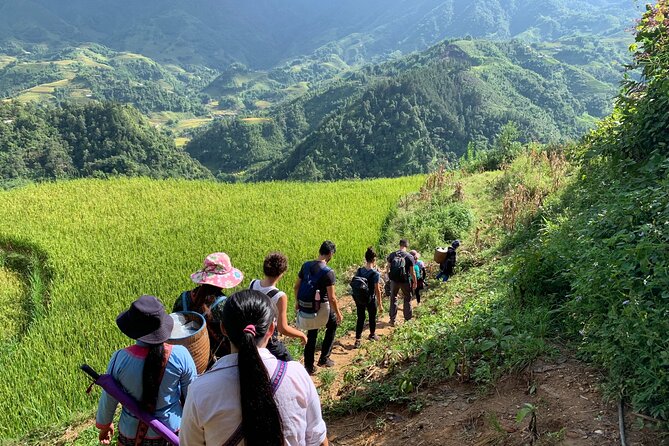
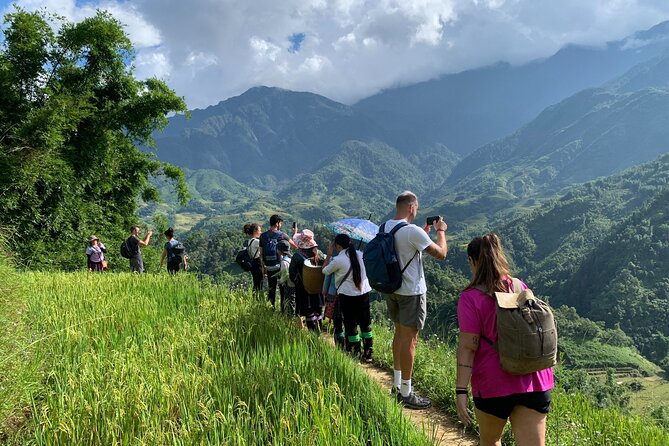
For the homestay option, the first trek begins at about 2 p.m. You walk roughly 12 kilometers down into Muong Hoa Valley, following smaller trails toward Lao Chai, a Black H’mong village.
The route also passes through Y Linh Ho. This is the part of the trip that gives you the strongest sense of Sapa’s countryside. You are not simply stopping at a viewpoint, taking a photograph and getting back on a bus. You are walking through the valley, with rice terraces and village paths unfolding around you.
The downhill direction may sound easy, but it can be hard on your knees and feet. The ground is described as rough in places, and rain can make the trail slippery. Local women sometimes offer help along difficult sections, which can be useful, although you should be prepared for them to sell handicrafts during or after the walk.
This is a good example of why the moderate-fitness requirement matters. You do not need to be a serious trekker, but you should be comfortable walking for several hours on uneven ground. Good shoes matter more than speed.
Black H’mong, Dao and Dzay communities

The cultural side is one of the strongest reasons to choose this trip. The route connects with villages associated with the Black H’mong, Dao and Dzay people, each with its own traditions and local identity.
A guide can make a big difference here. Vu is praised for explaining her culture and the area, while Su, Koo and Mu are also named as friendly and helpful guides. The value is not just getting from one village to the next. A good guide gives meaning to the houses, clothing, farming areas and daily routines you see along the way.
The homestay option gives you more direct contact with Dzay life. You wake at about 6:30 a.m. and see the family’s morning routine before eating breakfast with them at 7:30. That early start is worthwhile if you want the cultural part of the trip to feel more personal.
You should also know that village visits are not always quiet or private. Local sellers may walk with the group for much of the route, offering products. Some people find this distracting, especially during a long trek.
More two-day treks in Hanoi
- From Hanoi: 2-Day Sapa Trekking Trip with Homestay & Meals
★ 4.8 · 704 reviews - 2-Day Sa Pa Ethnic Homestay Tour & Trek with Limousine Bus
★ 4.8 · 440 reviews - From Hanoi: 2-Day Sapa Trek Tour – Luxury Limousine Transfer
★ 4.1 · 249 reviews - Hanoi – Sapa 2 Days 1 Night Overnight At Local Homestay
★ 5.0 · 233 reviews
The homestay or hotel decision

The homestay is the more memorable choice for anyone interested in local life. You stay with a Dzay family, eat breakfast there and begin the second day from that setting. It also puts the overnight stay at the heart of the cultural program.
The tradeoff is comfort and privacy. A homestay is not the same as a polished hotel, and the morning begins early. One useful detail from the accommodation feedback is the presence of a heating blanket, which can be very welcome after trekking in wet weather.
The hotel option is better if you want a more predictable night. The program includes breakfast and checkout before the second-day trek. Accommodation choices range from a standard hotel arrangement to a listed 5-star option, depending on what you select when booking.
Check the exact hotel category before paying. The program changes according to your accommodation choice, and the homestay and hotel schedules are not identical. The homestay includes the Dzay morning visit, while the hotel plan starts with breakfast and a 9 a.m. trek.
Day two through Hoang Lien Son and Su Pan
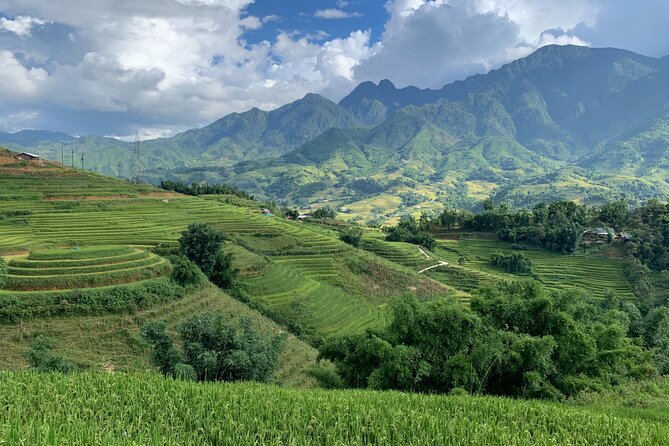
The second day continues with another substantial walk. In the hotel version, breakfast is followed by checkout, then a trek of about 12 kilometers beginning at 9 a.m. The route heads through the Muong Hoa area and continues toward villages including Su Pan.
The homestay version starts earlier. After breakfast with the Dzay family, you begin a 6 to 8 kilometer trek into Hoang Lien Son at 9 a.m. The difference in stated distances is important. You should not assume the two accommodation options offer the same walking program.
Su Pan adds another village stop and keeps the focus on rural communities rather than Sapa’s main streets. The route is designed around views of hills and rice terraces, but weather will shape what you see. In rain or low cloud, the walk can feel more atmospheric but the distant views may be limited.
The overview also includes a waterfall stop, with time to swim. Treat this as an optional-feeling bonus rather than the main reason to book. The schedule is full, and the time available for swimming can depend on the pace of the group and trail conditions.
Cat Cat Village: know what to expect
Cat Cat is included in the wider Sapa program, but it deserves a warning. It is a popular stop and can feel highly staged, with traditional costumes available for photographs and plenty of people doing the same thing.
If you want a polished introduction to local clothing and village scenery, you may enjoy it. If you are looking for a quiet walk through ordinary village life, Cat Cat may disappoint. One useful way to approach it is to treat Cat Cat as a brief, tourist-oriented stop and place greater value on the Muong Hoa, Lao Chai, Y Linh Ho and Dzay sections.
This difference matters because the tour’s strongest moments are its longer valley walks and guide-led cultural explanations. Cat Cat is not necessarily a dealbreaker, but it is the least authentic-feeling part of the advertised route.
Food, walking gear and daily comfort

Two lunches, dinner and breakfast are included. Meals are described as traditional Vietnamese food, with lunch served at a local restaurant during the trekking program.
You should still carry water and small snacks. The supplied details do not specify menus, dietary arrangements or the exact number of dishes, so ask about special food needs before booking if that matters to you.
Pack for changing conditions:
- Shoes with solid grip for rough and possibly wet paths
- A rain layer
- Warm clothing for the night
- A small day bag
- Water and personal snacks
- A change of clothes if you plan to swim by the waterfall
The heating blanket noted at the accommodation is a welcome touch after rain, but you should not rely on the overnight stay as a substitute for warm clothing. Sapa’s conditions can make the same route feel easy one day and demanding the next.
How the guides shape the trip
The guide is central to this experience. The names attached to the tour include Vu, Su, Koo and Mu, and the strongest praise centers on friendly explanations of local culture, helpfulness on the trails and careful organization.
That matters even more on a group walk. With up to 15 people, the guide has to manage different walking speeds, explain cultural details and keep the program moving. A guide who knows the local area can also make a rough trail feel less intimidating.
Do not expect a private trek. The group size is limited, but it is still a shared trip. You may walk with people of different ages and abilities. The tour has worked for a family ranging from age 14 to over 80, but that does not mean the route is easy. Fitness and confidence on uneven ground remain important.
Is $85 a good value?
For $85, the package offers a lot: Hanoi pickup, sleeper-bus transport, a local guide, a night of accommodation, three meals, two lunches, two trekking days, Wi-Fi on the bus and taxes.
The value is strongest if you want convenience. Organizing the bus, village visits, guide and accommodation on your own would take more effort, and the tour gives you a clear framework from Hanoi to Sapa and back.
The price is less attractive if you dislike fixed schedules or want a private experience. The route is busy, Cat Cat may feel too commercial, and the bus journey can use a large part of your short trip. A two-night stay would give you more breathing room, but this program is designed for a quick visit.
The 97 percent recommendation rate and 4.9 rating from 86 ratings suggest a strong overall result, but the praise is not universal. The main concerns are the long bus ride, the hard trail sections, sales activity from local women and the tourist feel of Cat Cat.
Who should book this Sapa tour?
I would recommend it to you if you want:
- A short Hanoi to Sapa trip with transport arranged
- Village walks rather than only town sightseeing
- A guide who can explain local culture
- A choice between homestay and hotel
- A small group capped at 15 people
- A good amount of activity packed into two days
I would be more cautious if you need soft walking paths, lots of free time or a quiet, private trip. The schedule is demanding, and the bus ride can be longer than planned. Families can manage it, but every member should be ready for uneven terrain and long walking days.
Cancellation is free up to 24 hours before the 6:30 a.m. start time. Inside that window, the payment is not refunded. The tour also requires suitable weather, with a different date or full refund offered if poor weather causes cancellation.
Should you book it?
Book this tour if you want a practical first taste of Sapa and prefer having the bus, meals, guide and accommodation handled together. Choose the homestay for the Dzay family contact and early morning routine. Choose the hotel for a more conventional night and a less intimate stay.
I would not choose it for a slow holiday. The best parts are the long valley walks, local guides and ethnic minority villages, while the weakest parts are the tiring transport, rough trail conditions and tourist-heavy Cat Cat stop. For active visitors with only two days, $85 is a fair deal. If you can spare another night, Sapa deserves the extra time.
FAQ
Where does the tour begin?
Pickup begins at 6:30 a.m. from hotels in Hanoi’s Old Quarter. A taxi takes you to the bus station before you continue to Sapa by sleeper bus.
How do I travel from Hanoi to Sapa?
You travel by air-conditioned sleeper bus. Wi-Fi is included on board.
How long is the tour?
The tour lasts two days and includes one overnight stay in Sapa.
What accommodation choices are available?
You can choose a homestay or a hotel option. The hotel choices range up to a listed 5-star option, depending on the selection made at booking.
Which ethnic communities are included?
The route includes villages associated with the Black H’mong, Dao and Dzay people.
How much trekking is involved?
The stated routes include a 12-kilometer trek on the first day, a 12-kilometer trek in the hotel program on day two, and a 6 to 8 kilometer trek in the homestay program on day two.
Is lunch included?
Yes. Two lunches are included, along with breakfast and dinner.
Is swimming included?
The program includes time to swim by a waterfall.
How many people can join the group?
The group can have a maximum of 15 people.
How fit do I need to be?
You should have a moderate level of physical fitness. The paths can be rough, and the walking distances are substantial.
Can I cancel for a refund?
You can cancel at least 24 hours before the start time for a full refund. Cancellations or changes made less than 24 hours before the start time are not refunded or accepted. If poor weather cancels the tour, you are offered another date or a full refund.
Latest treks added in Hanoi
- From Hanoi : Sapa Moutain Trek – Halong bay Heritage★ 4.5 · 25 reviews
- Trekking In Ha Giang 5 Days★ 5.0 · 4 reviews
- Trekking around Ha Giang 5 days 4 nights★ 3.0 · 2 reviews
- 8-Days Hanoi, Sapa Trekking And Halong Bay Cruise★ 5.0 · 8 reviews
- 2-Day Trekking in Sa Pa from Ha Noi by sleeping bus★ 5.0 · 4 reviews
- Hanoi: 3D2N Mu Cang Chai Visit All Attractions, Trek, Ethnic Life★ 5.0 · 3 reviews
- Mai Chau – Pu Luong trekking 3 days 2 nights★ 4.5 · 7 reviews
- 2-Day SAPA Trekking – Villages-Homestay-Ethnic-Local Food-Market★ 5.0 · 2 reviews
Evening Experiences, compared.

Stromboli: Sunset Trekking at Sciara del Fuoco
Read our review →
Etna Sunset Tour: Volcano trek, Cave & tasting from Catania
Read our review →
2-Day Mt. Toubkal Trek with 1-Night Stay & Meals
Read our review →
Sapa 3 Days 2 Nights Trekking Tour (1 Night In Ta Van Village, 1 Night In Hotel)
Read our review →
Sapa 3 Day 2 Night Trekking With Hotel & Homestay
Read our review →
Browse the lists this tour appears in