
REVIEW · NEPAL
Pokhara: 7-Day Annapurna Base Camp Trek & Hot Spring
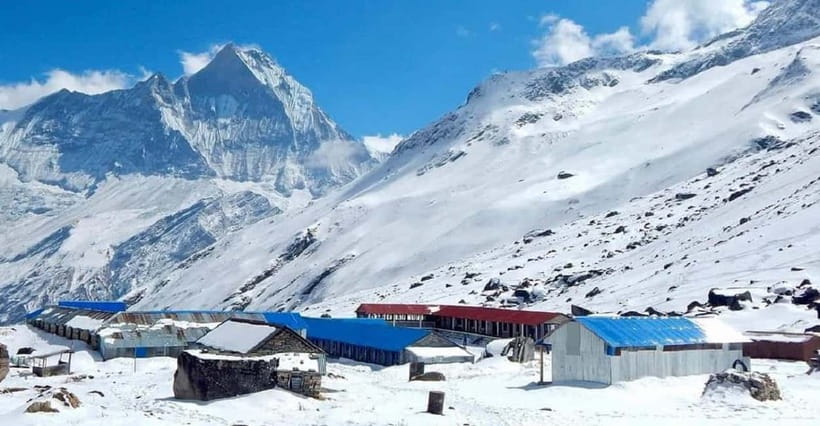
Annapurna Base Camp is the prize here, but the route earns its keep long before you reach 4,130 meters. You’ll walk from village to village through rhododendron forests, follow the Modi Khola, sleep in basic mountain lodges, and wake to a sunrise over Annapurna and Machapuchare. I especially like the hot-spring finish at Jhinu Danda and the fact that this is a private-group trek, not a crowded fixed tour.
The main caution is organization. The price is attractive, but you should confirm the exact lodging plan, meal option, and return transport before paying. One reported experience raised concerns about extra charges for Wi-Fi and drinking water, plus an unexpectedly early return and a less comfortable bus ride back to Pokhara.
Key points to know before you book
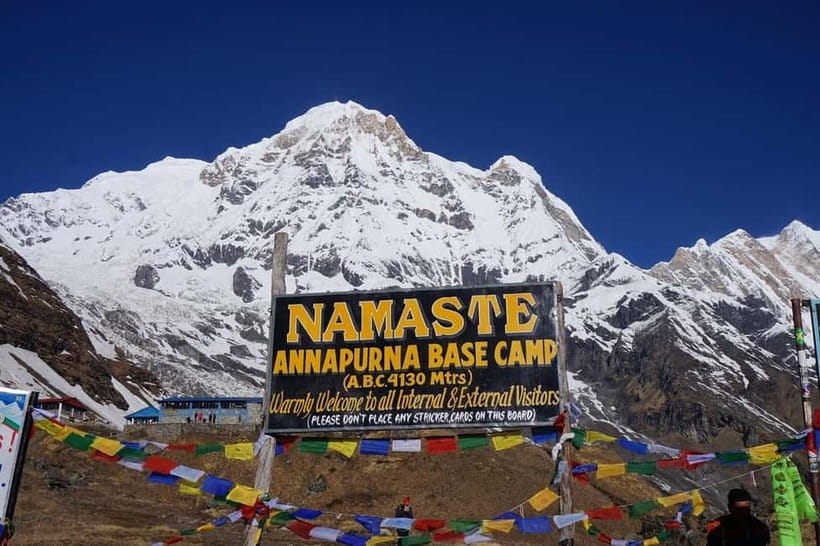
- The high point is 4,130 meters: You spend a night at Annapurna Base Camp, with close views of Annapurna and Machapuchare.
- The route has a strong village-and-forest feel: Ghandruk, Chomrong, rhododendron woods, waterfalls, and mountain settlements shape the first half.
- The final reward is at Jhinu Danda: A soak in natural hot springs helps ease tired legs after the high-altitude section.
- You get a private group and registered guide: English, Hindi, and Nepali are available.
- The $190 price covers a lot: Permits, guide and porter costs, basic lodge accommodation, meals depending on the selected option, transport, and some trekking gear are included.
- Confirm the logistics in writing: Ask about the number of nights, Wi-Fi and water costs, vehicle type, and what happens if the trek finishes early.
Why this seven-day route works
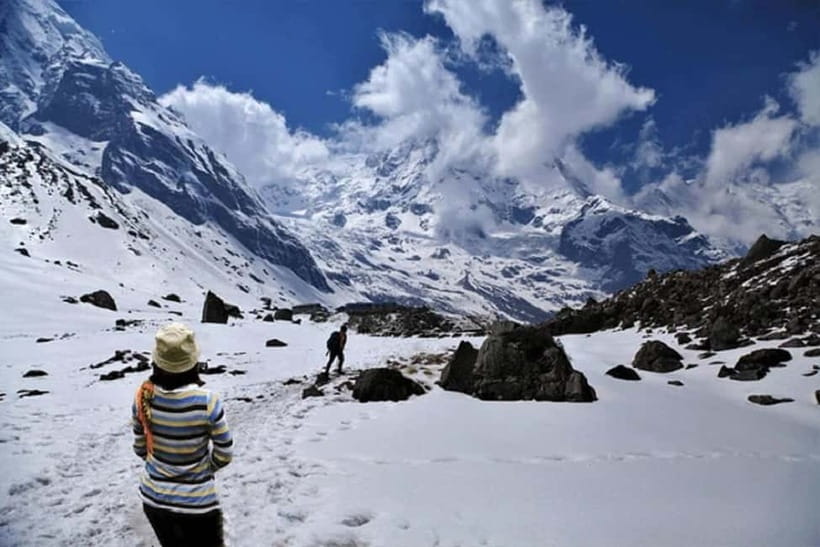
This trek gives you a compact introduction to the Annapurna region without reducing the experience to a quick mountain walk. You begin near Pokhara, climb through traditional settlements, spend a night at the base camp, then descend to warm water and a road transfer.
I like the rhythm. The route does not rush straight upward on the first day. Instead, it gives you forest, village life, and changing mountain views before the high point. That progression makes the arrival at base camp feel earned.
Still, seven days is a short schedule for a route reaching 4,130 meters. The itinerary includes a fairly quick climb from Chomrong to Himalaya and then onward to base camp. You should be comfortable with long walking days and ready for simple accommodation. This is not a soft hotel-to-hotel holiday with a little sightseeing added.
More Annapurna Treks in Pokhara
- Trekking in Annapurna/Langtang/Everest/Upper Mustang regions
★ 5.0 · 161 reviews - Kathmandu/Pokhara: 5-Day Annapurna Base Camp (ABC) Trek
★ 4.9 · 72 reviews - Annapurna Panorama trek
★ 5.0 · 71 reviews
Day 1: Nayapool to Ghandruk at 1,940 meters
Your day begins with breakfast at your Pokhara hotel, followed by transport to Nayapool with the guide. From there, you walk for about five to six hours toward Ghandruk.
The route follows the Modi Khola and passes through ethnic villages and forest. This first day is valuable because it introduces the human side of the Annapurna region. You are not simply walking toward a mountain viewpoint. You are moving through working settlements and wooded hills, with the trail changing as you gain height.
Ghandruk sits at 1,940 meters, high enough to feel like a mountain village but not so high that altitude should dominate the day. It is a sensible first overnight stop. You can expect basic tea-house or lodge accommodation rather than resort comfort.
The main issue is the road and trail arrangement around Nayapool. The provided plan says the hike starts there, so confirm exactly where your vehicle drops you and how much walking is expected. Also ask if meals on the trek are included in your chosen booking option, since that detail can vary.
Day 2: Ghandruk to Chomrong at 2,170 meters
The second day continues through settlements and rhododendron forest toward Chomrong. The Annapurna range remains the star, with mountain views appearing beside the trail as the route climbs and bends through the hills.
This is one of the most appealing sections for anyone who wants scenery without spending every hour above the tree line. Rhododendron forests bring shade and color, while the villages offer a closer look at daily life in the hills. The walk also begins to feel more serious, but the altitude gain from Ghandruk to Chomrong is moderate.
Chomrong at 2,170 meters is an important point on the route. From here, the trail heads farther into the Annapurna Sanctuary area. You should use this stop to check your warm layers, water, flashlight, and camera. The next two days take you higher and into colder conditions.
A private group can help here. Your guide can set the walking pace for your party rather than matching a large mixed group. That does not remove the physical challenge, but it can make rest stops and timing more practical.
Day 3: Chomrong to Himalaya at 2,920 meters
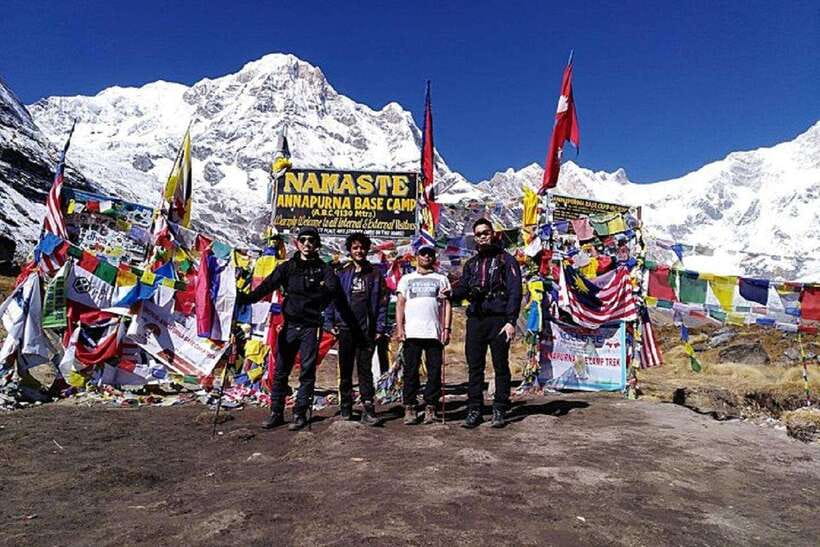
The trail from Chomrong to Himalaya keeps the forest and mountain views in play. You will again pass through rhododendron woodland and village areas before reaching the overnight stop at 2,920 meters.
This is a key preparation day for base camp. You gain nearly 750 meters from the previous night, and the air will feel colder and thinner. Pay attention to how you feel, walk steadily, and tell the guide if you develop a headache or feel unwell. The itinerary is fixed, but your guide should know when you need a pause.
The scenery changes as you move farther into the mountains. Forest still provides much of the route, but the closeness of the Annapurna range becomes more powerful. Natural springs and waterfalls are also part of the wider route, giving you small scenic breaks between the longer uphill sections.
Himalaya is not a luxury stop. Basic lodge accommodation is part of the bargain. Pack your warm clothing where you can reach it, rather than burying it in your bag. A jacket, hat, dry change of clothes, and sleeping bag if needed are sensible items for this night.
More Hot Spring Treks in Nepal
- Pokhara: 5 Day Annapurna Base Camp Trek & Natural Hot Spring
★ 4.9 · 44 reviews - From Pokhara: 5-Day Annapurna Basecamp Trek with Hot Springs
★ 4.9 · 26 reviews - Pokhara: 7-Day Annapurna Base Camp Trek & Natural Hot Spring
★ 5.0 · 11 reviews - Pokhara: 5-Day Trek to Annapurna Base Camp and Hot Springs
★ 5.0 · 4 reviews
Day 4: Himalaya to Annapurna Base Camp at 4,130 meters
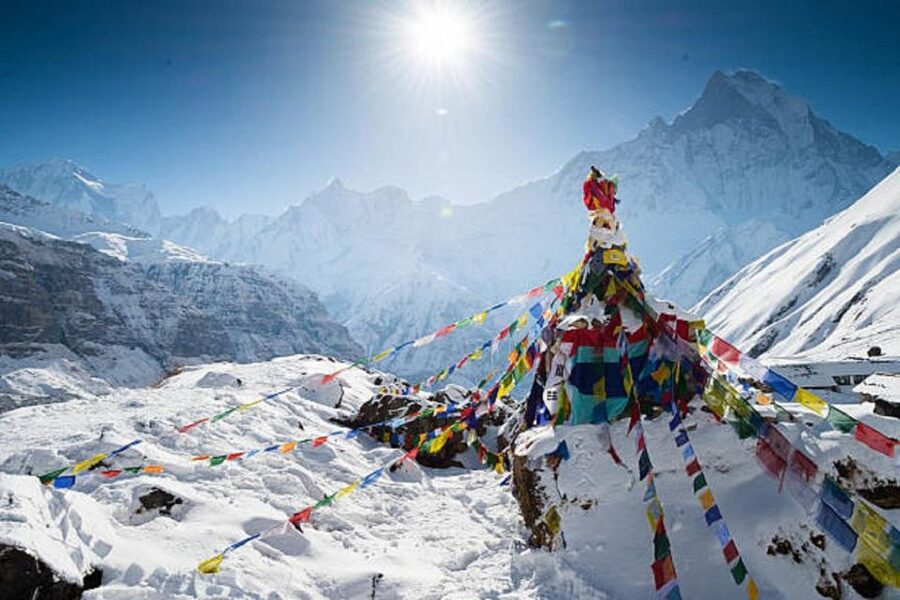
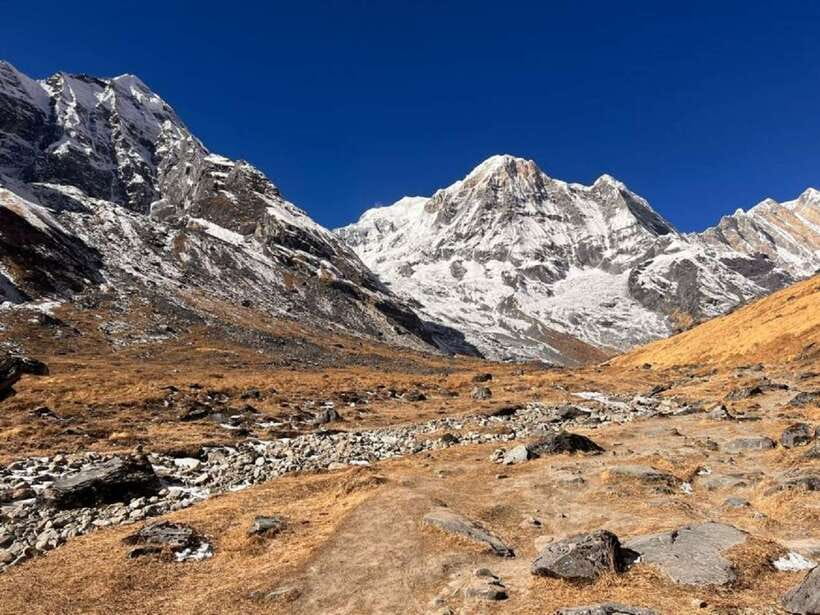
This is the high point of the trek. From Himalaya, you continue toward Annapurna Base Camp, reaching 4,130 meters and staying overnight near the Annapurna range.
The appeal is direct and powerful. You are surrounded by some of Nepal’s best-known peaks, including Annapurna and Machapuchare. The route’s forests and villages fall away, replaced by open mountain scenery and a much stronger sense of exposure and height.
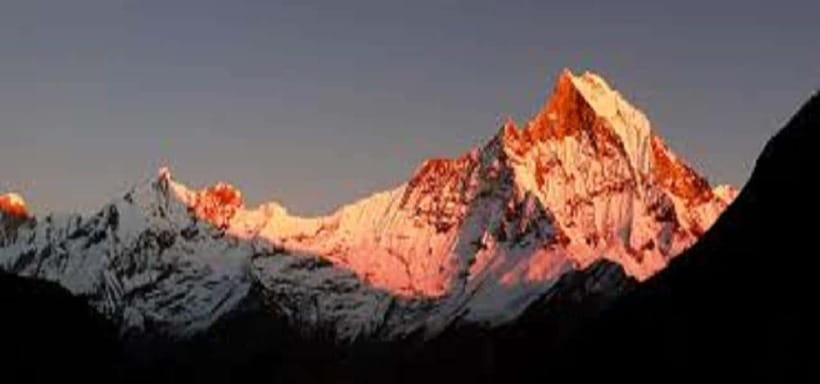
The sunrise is one of the major reasons to spend the night at base camp. Instead of arriving for a quick photograph and immediately descending, you have the chance to be there in the early morning when the peaks catch the first light. Bring your camera, but also bring gloves and a warm layer. Morning at this elevation will not feel like Pokhara.
This is the most demanding part of the itinerary. The jump from Himalaya at 2,920 meters to base camp at 4,130 meters is significant. The schedule gives you only one night at the high point, so you should not treat this as a casual stroll. Good footwear, trekking pants, water, and a practical pace matter more than speed.
Day 5: Annapurna Base Camp to Bamboo at 2,335 meters
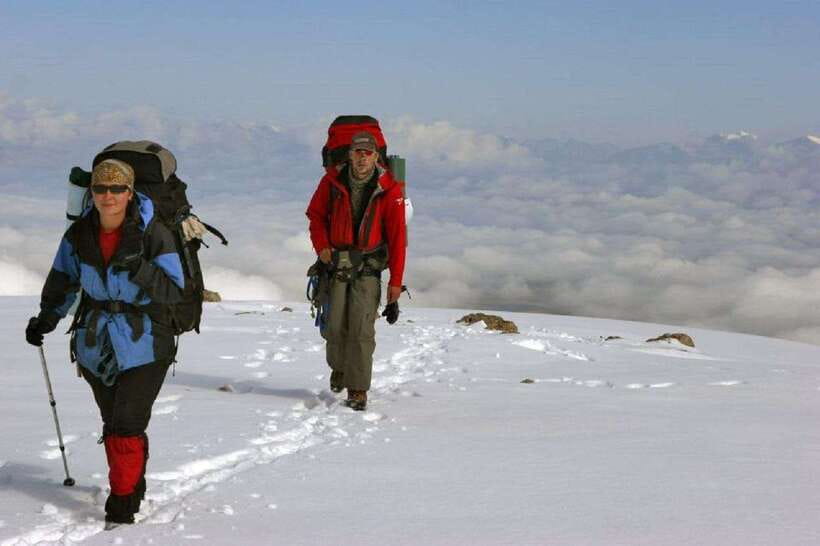
After the base camp sunrise, you begin the descent to Bamboo at 2,335 meters. The route returns toward rhododendron forest, springs, waterfalls, and settlements.
Descending can feel easier on your breathing, but it can be harder on knees and ankles. Trekking poles are useful, and a walking stick is included if needed under the stated gear arrangement. Keep your pace controlled, particularly on uneven ground.
This day also lets you see the route from a different angle. The same forest and water features that felt like obstacles on the way up can become pleasant pauses on the descent. Bamboo is much lower than base camp, so the overnight stop should feel warmer and more restful.
The plan is ambitious but logical: one night at the high point, followed by a substantial descent. The drawback is that you may be tired by the time you reach Bamboo. Basic tea-house facilities and paid extras can matter more after a long day, so carry some cash for personal expenses.
Day 6: Bamboo to Jhinu Danda at 1,610 meters
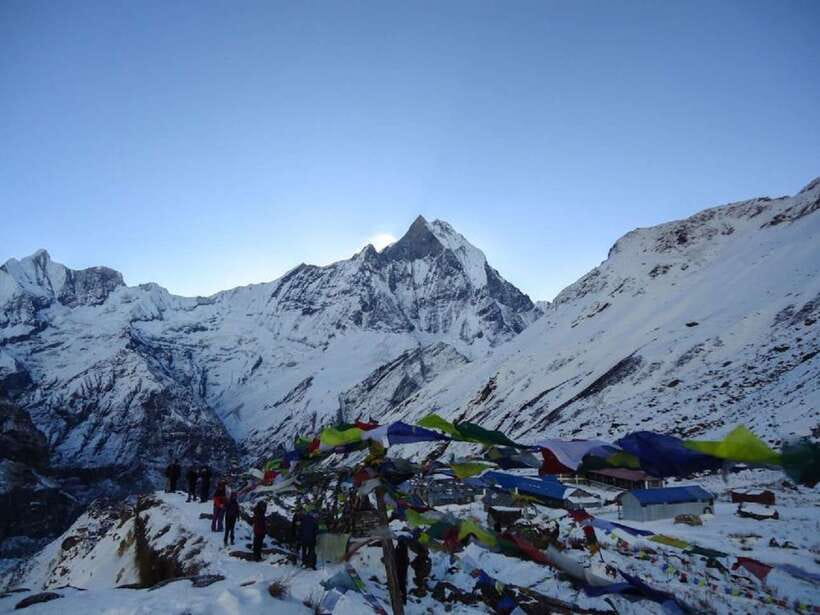
The sixth day takes you to Jhinu Danda, at 1,610 meters, where the natural hot springs provide the trip’s recovery session.
The walk continues through forest and village scenery before the reward at the end. The springs are not just a nice extra. After several days of uphill and downhill walking, warm water can make a real difference to tired muscles.
Jhinu Danda also gives the itinerary a satisfying change of mood. The high-altitude goal is behind you, and the emphasis shifts from effort to recovery. Bring a change of clothes, sandals if you have them, and a secure way to carry small personal items. The provided packing information specifically calls for cash and a change of clothes, both useful here.
The descent to Jhinu Danda is substantial, from 2,335 meters at Bamboo to 1,610 meters. That makes the hot springs a well-placed finish to the walking portion. Do not assume the day is effortless, though. Descending trails can still be tiring.
Day 7: Jhinu Danda to Nayapool and back to Pokhara
The final day takes you from Jhinu Danda to Nayapool, where you catch transport back to Pokhara. The activity ends after you are dropped at a Pokhara hotel of your choice.
This is the part I would clarify most carefully. The information promises transport between your hotel, Pokhara International Airport, the trek starting point, and the route itself, but the exact return vehicle should be confirmed. One serious complaint concerned a return by bus instead of a prearranged Jeep after the trek ended earlier than expected.
Ask these questions before you leave Pokhara:
- Is a private vehicle included for the return from Nayapool?
- What happens if the trek finishes earlier than planned?
- Is the vehicle a Jeep, car, or public bus?
- Does airport transport apply to your travel dates and booking option?
- Are extra nights or changes covered if the schedule shifts?
The road journey back can be part of the experience, but comfort and safety matter after a week of walking. Clear answers here are worth more than a vague promise.
What the $190 price really covers
At $190 per person, this is an appealing price for a seven-day trek reaching Annapurna Base Camp. The package includes permits and local fees, guide and porter costs, guide and porter food, accommodation, insurance, salary, transport, and equipment. It also includes basic tea-house or lodge accommodation, a first aid kit, and trekking gear such as a stick or sleeping bag when needed.
Meals are listed as included depending on the option you choose. That wording is important. Check the exact package rather than assuming every meal is covered.
The value is strongest if you need a guide, porter support, permits, transport, and basic lodging arranged together. Organizing each item separately could take more time and create more chances for confusion.
The price does not cover personal expenses or travel insurance. Insurance is especially important because any emergency rescue costs must be paid through your own policy. Confirm that your policy covers trekking at 4,130 meters and emergency evacuation before departure.
You should also budget for personal drinks, Wi-Fi, snacks, tips, and other lodge charges. Drinking water and Wi-Fi may cost extra in the mountain lodges. Carry cash because card payment cannot be assumed from the information provided.
Guide support, group size, and comfort
The trek uses an experienced government-registered guide, with English, Hindi, and Nepali available. Porter support is also included in the stated package. That matters on a route where carrying every warm layer, sleeping item, and personal supply can make the uphill days much harder.
Because this is a private group, you are not assigned to a large mixed party. You can ask the guide to explain the route, help with pacing, and respond to your group’s needs. The exact guide’s name is not provided, so request it before departure if you want a direct contact.
Accommodation is in basic tea houses or lodges. Expect function over comfort. The package is designed to get you along the route and into the mountains, not to provide polished rooms or hotel-style services.
Bring a passport or copy, comfortable walking shoes, hiking shoes, warm clothes, a jacket, hat, hiking pants, flashlight, hand sanitizer or tissues, camera, and cash. Alcohol and drugs are not allowed, and pets and baby carriages are not permitted.
Who should book this trek
I would recommend this experience to you if you want a short, focused Himalayan trek with a major mountain goal and a relaxing finish. It suits people who value forests, villages, mountain views, and cultural contact as much as the base camp photograph.
It is also a good fit if you prefer a private group and want guide and porter arrangements handled for you. The English, Hindi, and Nepali language options make communication easier, though you should still confirm the guide’s name and contact details.
I would be more cautious if you want a carefully polished luxury experience, a slow acclimatization program, or fully predictable road transport. The seven-day plan is active, the lodging is basic, and the climb to 4,130 meters happens on a firm schedule.
Final call: book it after confirming the details
I would consider booking this trek for the route itself. The journey combines the best parts of the Annapurna region: forest trails, ethnic villages, high mountain views, a memorable sunrise at base camp, and hot springs at Jhinu Danda. The reported rating of 4 out of 5 suggests a generally positive picture, but the lower score and detailed complaint point to real planning concerns.
The right move is to request a written breakdown before payment. Confirm the lodging villages, meal coverage, drinking water costs, Wi-Fi charges, guide contact, trek duration, and return vehicle. If those answers are clear, the $190 price can offer strong value. If the agency stays vague, choose a better-organized operator for the same route.
FAQ
How long does the Annapurna Base Camp trek last?
The trek lasts seven days, beginning with transport from Pokhara to Nayapool and ending with a return to a Pokhara hotel.
What is the highest point of the trek?
The highest point is Annapurna Base Camp at 4,130 meters, or 13,550 feet.
Where does the trek start?
The walking portion starts at Nayapool after transport from Pokhara.
Is accommodation included?
Yes. Basic tea houses or lodges are included during the trek.
Are meals included?
Meals are included depending on the option selected when booking, so confirm the exact package before paying.
Is a guide included?
Yes. An experienced, government-registered trekking guide is included. English, Hindi, and Nepali language support is available.
Is travel insurance included?
No. You must arrange your own travel insurance. The policy should cover emergency rescue costs for trekking at the route’s altitude.
More week-long treks in Pokhara
- Best Kilimanjaro Adventure 7 days Machame route Trekking
★ 5.0 · 42 reviews - Kilimanjaro 7 Day Private Trekking Experience
★ 5.0 · 40 reviews - 7-Day: Inca Trail Trek to Machu Picchu Group Tour
★ 5.0 · 40 reviews - Pokhara: 7 Day Annapurna Base Camp Trek
★ 4.9 · 38 reviews
More Hot Spring Treks in Pokhara
- Private Tour Mount Batur Sunrise Trekking and Natural Hot Spring
★ 5.0 · 431 reviews - Mount Batur Sunrise Trek & Natural Hot Spring Experience
★ 5.0 · 95 reviews - 3D/2N Rinjani trekking summit,lake and hot springs.
★ 5.0 · 85 reviews - Mount Batur Sunrise Trekking & Natural Hot Spring – All Inclusive
★ 5.0 · 58 reviews
Latest treks added in Pokhara
- Pokhara: Majestic Mardi Base Camp Guided Trek with HotSpring★ 5.0 · 6 reviews
- Pokhara: 9-Day Annapurna Base Camp Trek with Poon Hill★ 5.0 · 6 reviews
- Pokhara: 5-Day Ghorepani and Poon Hill Private Trek★ 5.0 · 4 reviews
- Pokhara: 5-Day Trek to Annapurna Base Camp and Hot Springs★ 5.0 · 4 reviews
- Pokhara:4-Day Ghorepani Poon Hill Guided Trek via Ghandruk★ 5.0 · 3 reviews
- Pokhara: 4-Day Poon Hill and Ghandruk Guided Trek★ 5.0 · 14 reviews
- Pokhara: 4-Day Ghorepani, Poonhill & Ghandruk Village Trek★ 5.0 · 6 reviews
- Pokhara: 4-Day Beautiful Ghorepani Poon Hill & Ghandruk Trek★ 4.8 · 21 reviews
Annapurna Base Camp Treks, compared.




Trekking in Annapurna/Langtang/Everest/Upper Mustang regions
Read our review →


Kathmandu to Annapurna Base Camp (ABC) 5-Day Trek
Read our review →Browse the lists this tour appears in