
REVIEW · NEPAL
From Pokhara: 5-Day Annapurna Basecamp Trek with Hot Springs
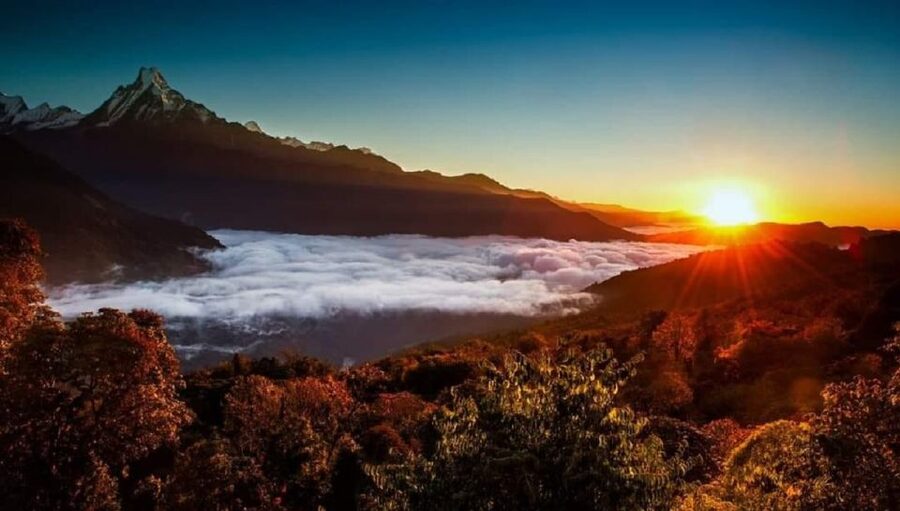
Annapurna Base Camp is the prize here: a high mountain bowl at 4,130 meters, ringed by Annapurna South, Hiunchuli, Machhapuchhre, and other snow-covered summits. In only five days, you move from Pokhara’s lower hills through forests and Gurung villages to cold Himalayan air, then return by the same trail.
I like the private-group format, which lets your guide adjust the pace when the trail gets tough. I also like the practical finish at Jhinu hot springs, a welcome reward after the long descent. The tradeoff is speed: five days leaves little spare time for slow acclimatization or a rest day, and the climb from Deurali to base camp is demanding.
Key points to know before you book
- Base camp at 4,130 meters: The third day brings the biggest climb and the best mountain views.
- Jhinu hot springs finish: Soak at the end of the trek before driving back to Pokhara.
- Private guide support: Guides including Anil, Santosh, Uttam, Bishnu, Santos, and Sun Bahadur have led this route.
- Simple mountain lodging: Expect basic tea houses or lodges, not resort-style rooms.
- Transport and permits included: Hotel or airport pickup, return transport, and the Annapurna Conservation Area permit are covered.
- A quick five-day schedule: Good for a short Nepal visit, but not ideal if you want a relaxed pace.
Why this five-day route works
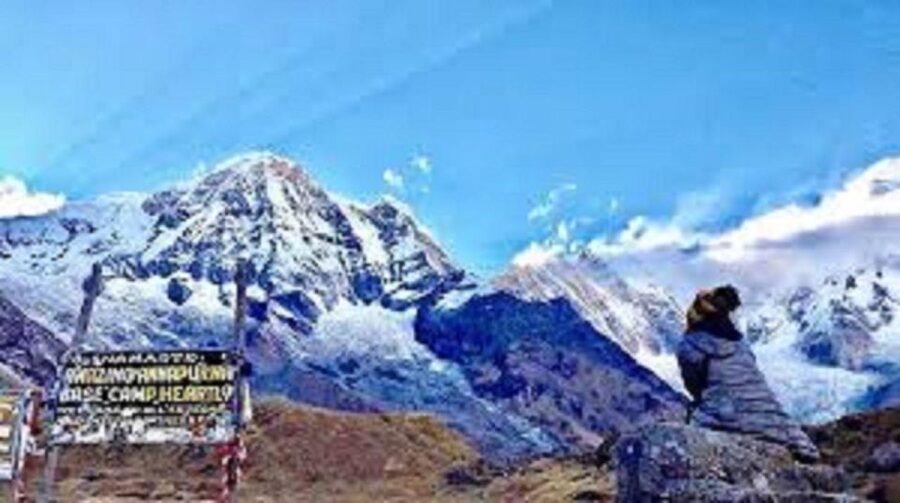
The Annapurna Base Camp trail packs a lot into a short distance. You start near Pokhara, pass through forest and terraced hills, follow the Modi Khola valley upward, and finish in a high mountain amphitheater. The scenery changes quickly, which keeps the walk interesting.
The route also gives you more than snow peaks. You pass through areas associated with Gurung, Magar, and Tibetan communities, with traditional villages, tea houses, and working farmland along the way. Your guide can add meaning to what you see, especially if you ask about local customs, food, plants, and village life.
The five-day plan is best understood as an efficient version of the trek, not an easy one. You spend long hours walking on several days, with plenty of stone steps and steep sections. The altitude gains are significant, and the schedule gives you limited flexibility if you feel unwell or the weather changes.
That said, the private setup helps. You are not tied to the speed of a large mixed group. Guides such as Anil have been praised for patience with first-time trekkers, while Santosh has been noted for encouraging people to take their time and rest when needed. Those qualities matter more than a fast pace on a trail like this.
More Annapurna Treks in Pokhara
- Trekking in Annapurna/Langtang/Everest/Upper Mustang regions
★ 5.0 · 161 reviews - Kathmandu/Pokhara: 5-Day Annapurna Base Camp (ABC) Trek
★ 4.9 · 72 reviews - Annapurna Panorama trek
★ 5.0 · 71 reviews
From Pokhara to Sinuwa, the trail begins
Pickup is available from Pokhara, Pokhara Lakeside, Sarangkot, Pokhara International Airport, and several listed hotels and resorts. The operator arranges the exact time after booking, and the guide and vehicle are scheduled to arrive a few minutes early.
The road portion takes roughly three hours by jeep or SUV, with the itinerary also showing a bus or coach segment of about three hours. Since the exact transport arrangement may depend on the selected plan and road conditions, confirm how the transfer is divided before departure. The drive takes you from the comfort of Pokhara toward the trailhead at Jhinu Danda or the Matque area.
Jhinu Danda is more than a starting point. It is also where the hot springs are located, although the schedule saves the soak for the return. After a short stop for views and photos, you begin walking toward Sinuwa.
The first day takes around five hours on foot. It includes steep descents and climbs, so it is not merely a warm-up stroll. Sinuwa, at about 2,340 meters, is your first overnight area in the mountains. The setting changes from road travel to forest paths, village trails, and views across the hills.
You may sleep at Chomrong instead, depending on the exact plan and pace. Chomrong is a key settlement on the route, and the itinerary lists it as an alternative to Sinuwa. Ask your guide which overnight stop is confirmed, since that affects the next day’s walking time.
Forest trails from Sinuwa to Deurali
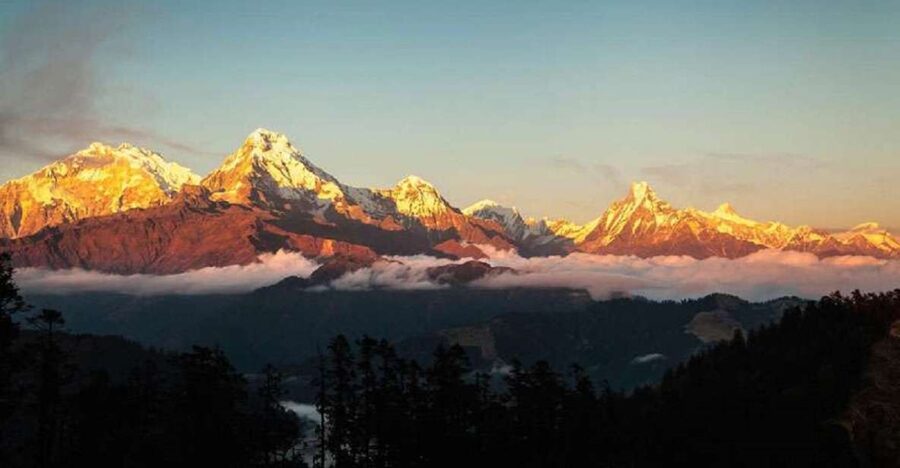
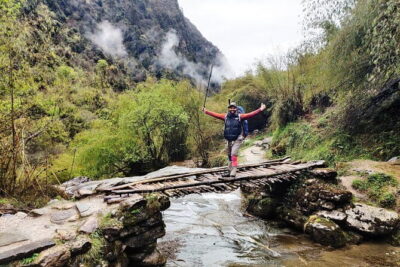
The second day leads through dense stands of rhododendron, oak, and bamboo. This is one of the most enjoyable sections for anyone who likes walking under trees rather than spending every hour in open sun. The forest also gives the route a sense of progression, as the path gradually leaves the lower villages behind.
The walk to Deurali takes about six to seven hours. Expect repeated ascents and descents, not one steady climb. Stone steps can make the distance feel longer than the mileage suggests, and wet weather can make forest paths slippery. Good hiking shoes and rain gear are sensible, even if the forecast looks clear in Pokhara.
Deurali sits at about 2,900 meters. Temperatures can drop sharply here, especially in the evening and early morning. You need warm layers, dry clothes, and a sleeping bag if your personal packing plan requires one. The accommodation is in a basic tea house or lodge, so keep expectations practical.
Tea houses are valuable because they keep the route accessible without requiring camping equipment. You get a bed, meals depending on your selected package, and a place to escape the cold. You should still expect simple facilities and bring cash for personal snacks and drinks.
This is also a good day to watch how your body handles altitude. Headaches, unusual tiredness, nausea, or a poor appetite should be reported to your guide. The walk is physically demanding, and the schedule does not leave much room for ignoring warning signs.
The climb to Annapurna Base Camp at 4,130 meters
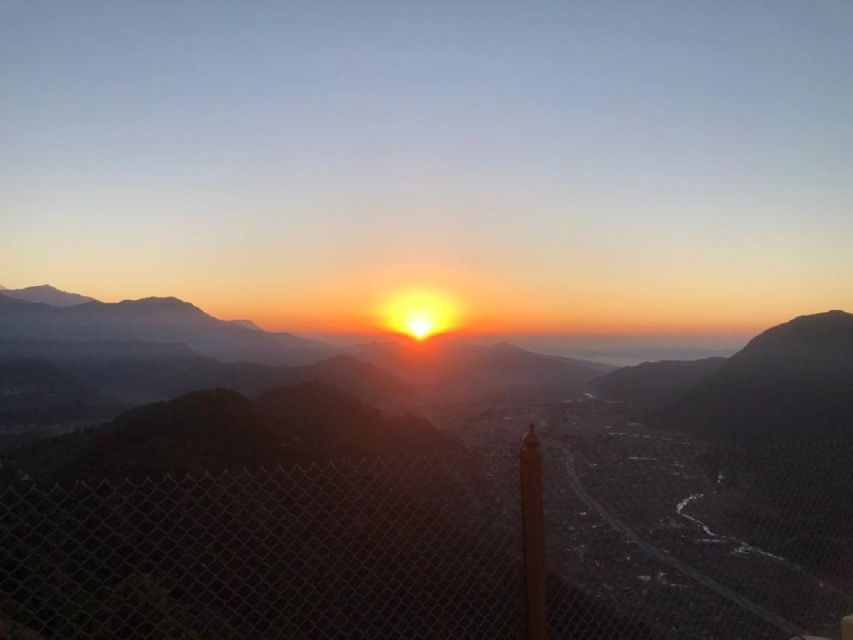
The third day is the heart of the trek. From Deurali, you climb toward Machhapuchhre Base Camp before continuing to Annapurna Base Camp. The walking time is listed at about four to six hours, but steep ground and altitude can make this feel like the hardest day.
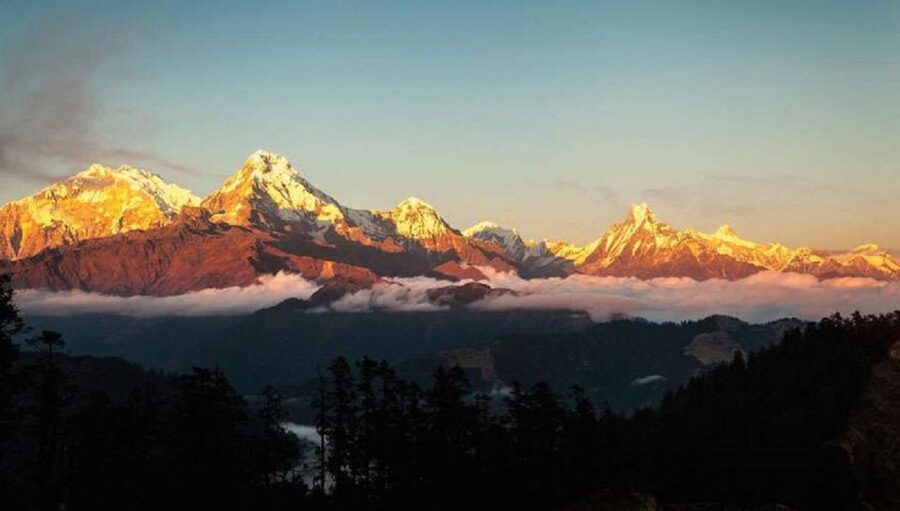
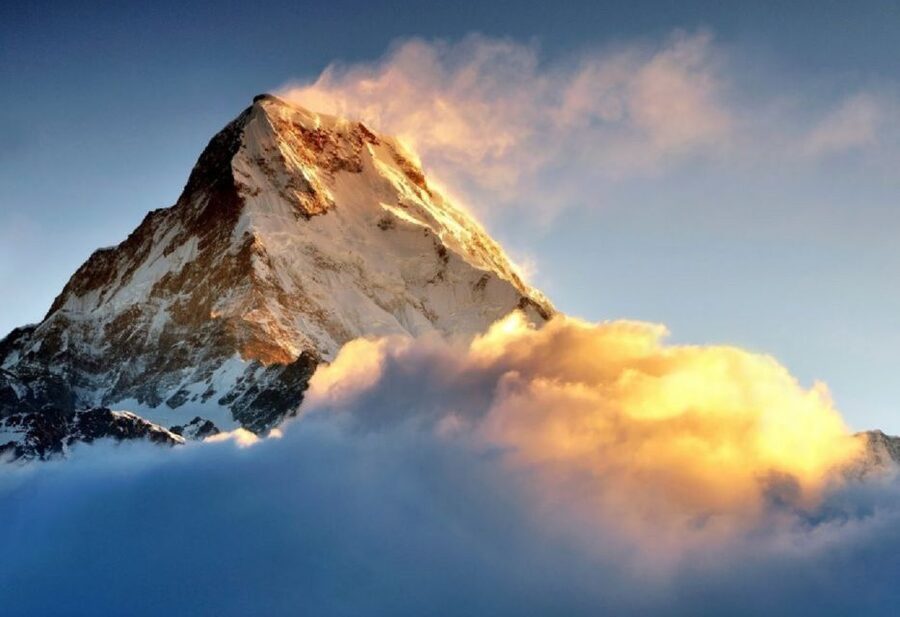
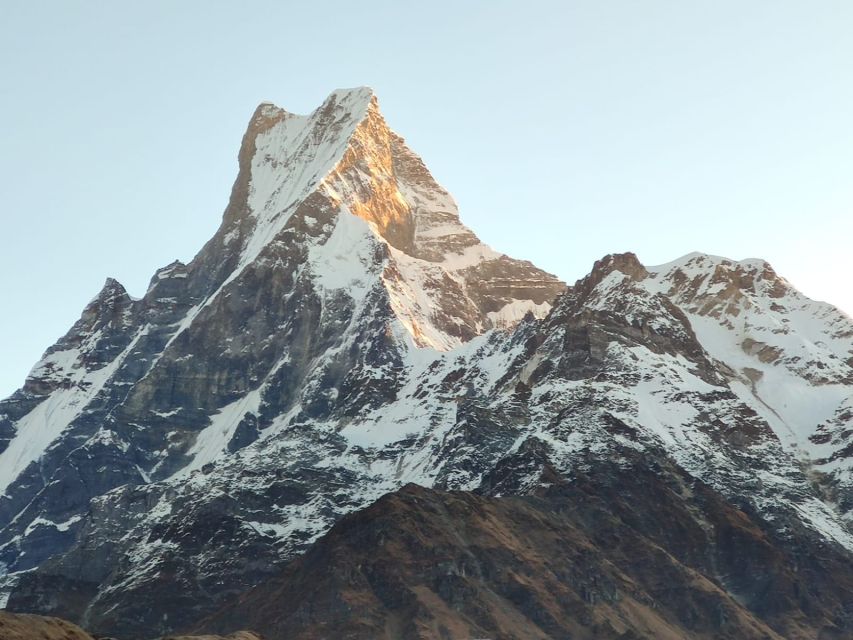
Machhapuchhre, or Fishtail, is one of the defining peaks of the route. Its sharply shaped summit gives the trail a strong visual marker as you move higher. You also look toward Annapurna South and Hiunchuli, with the mountain walls becoming more prominent as the valley narrows.
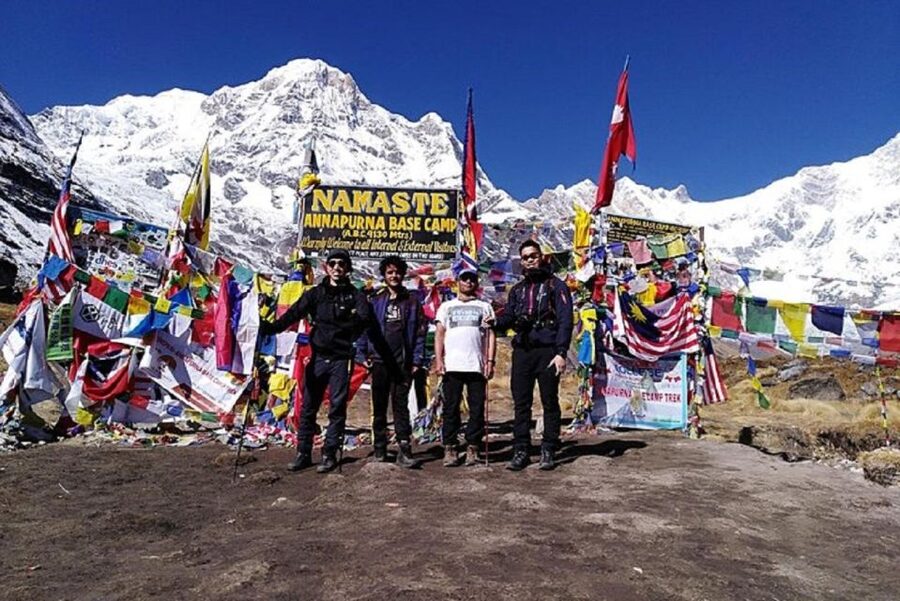
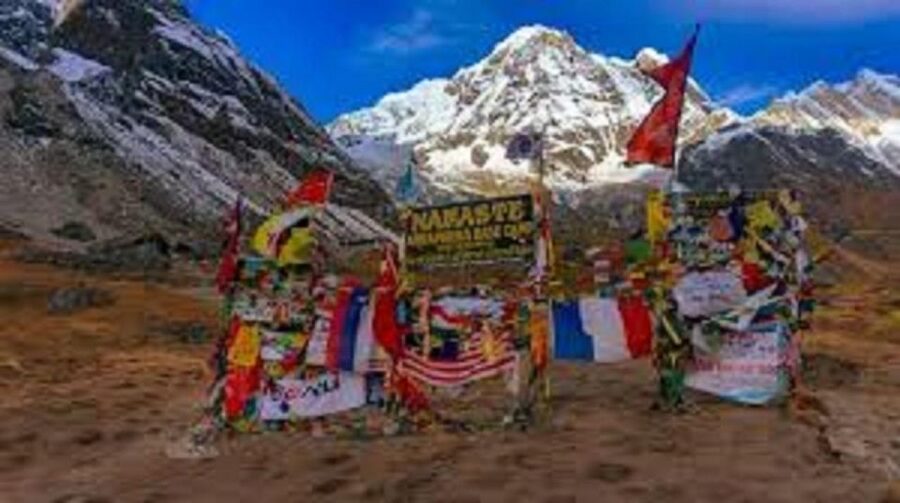
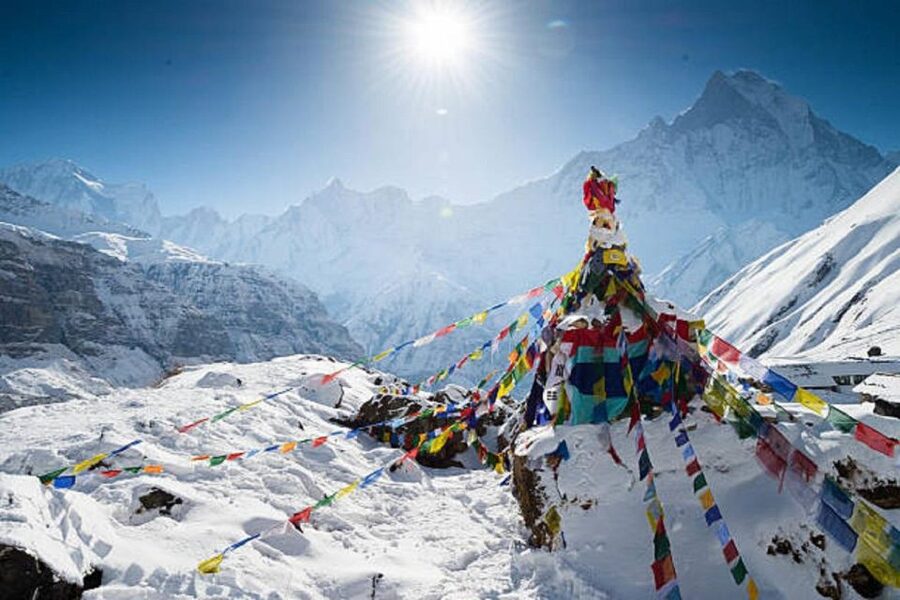
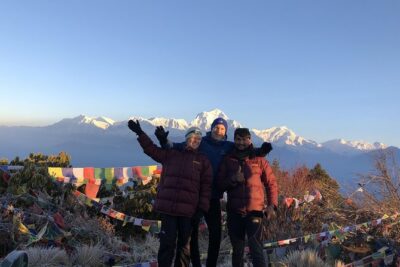
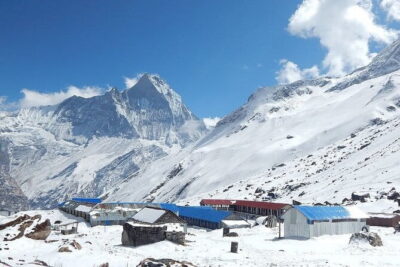
The final approach to ABC brings the dramatic payoff. At 4,130 meters, the base camp sits in a high basin surrounded by the Annapurna range. The views are the reason to accept the early starts, long climbs, cold nights, and basic accommodation.
Do not treat the base camp elevation casually. This is high enough for altitude problems, even if you are fit at sea level. Walk steadily, drink regularly, and tell your guide how you feel. A private guide can slow the pace and make sensible decisions if you are struggling.
At base camp, you get time for photos and sightseeing, along with the chance to see the mountains in changing light. The itinerary includes sunrise and sunset possibilities, but the exact views depend on weather. Cold temperatures are likely, so a hat, gloves, warm layers, and a dry change of clothes are important.
The night at ABC is part of the experience, but it is not luxurious. You should expect a simple mountain lodge and colder conditions than at lower stops. The reward is waking inside the high mountain setting rather than simply visiting for a quick photograph.
More Hot Spring Treks in Nepal
- Pokhara: 5 Day Annapurna Base Camp Trek & Natural Hot Spring
★ 4.9 · 44 reviews - Pokhara: 7-Day Annapurna Base Camp Trek & Natural Hot Spring
★ 5.0 · 11 reviews - Pokhara: 5-Day Trek to Annapurna Base Camp and Hot Springs
★ 5.0 · 4 reviews - Pokhara: 7-Day Annapurna Base Camp Trek & Hot Spring
★ 4.0 · 3 reviews
The long descent to Bamboo
Day four reverses the route from ABC to Bamboo, at about 2,340 meters. Most of the walking is downhill, but that does not make it easy. Descending for six to seven hours can be hard on knees and ankles, particularly after the previous day’s climb.
Trekking poles are useful here, and the operator says they can be provided if required. Take shorter steps on steep sections and do not rush simply because you are going downhill. The forest returns as you lose altitude, offering shade and a different view of ground you passed in the opposite direction.
Bamboo is a practical overnight stop rather than a grand destination. Its value is its position on the route and its lower elevation. After a night at ABC, descending to a warmer, thicker-air setting should feel welcome.
Meals are included depending on the option selected. Confirm exactly what your package covers, especially if you have dietary needs or expect to buy snacks and drinks along the way. Personal expenses are not included, so carry cash in Nepalese rupees for extras.
Jhinu hot springs and the return to Pokhara
The final walking day runs from Bamboo to Jhinu Danda and takes around five to seven hours. Again, the range depends on pace and trail conditions. The path includes climbs and descents before reaching the hot spring area.
The hot springs are the smart ending to this route. After several days of walking, the warm water offers a simple way to relax before the road transfer. The entry fee is included, so you do not need to budget separately for admission.
Bring a swimsuit or clothes you are comfortable using in the water, plus a dry change for the drive. The provided packing list includes comfortable clothes, rain gear, hiking pants, and a change of clothes, but it does not specifically name swimwear.
After Jhinu, the return drive to Pokhara takes roughly two to three hours according to the schedule, with the transport section also listing about three hours by jeep or SUV and bus or coach. Drop-off is available at Pokhara Lakeside, Sarangkot, the airport, and the listed hotels and resorts.
The road journey is useful for anyone flying onward from Pokhara, but leave some margin around your flight plans. The published timing is an estimate, and mountain roads do not always run like a city transfer.
Guides, pace, and the human side of the trek
The guide can make or break a short Himalayan trek. In five days, you need someone who pays attention to pace, weather, accommodation, and your general condition. The guides associated with this experience include Anil, Santosh, Uttam, Bishnu, Santos, Milo, Candra, Sanik, and Sun Bahadur.
Anil has been especially well suited to first-time trekkers because he is described as patient, encouraging, and careful not to rush. Santosh is known for checking on comfort and making sure people settle into guesthouses without confusion. Uttam has extensive experience on the mountain and is attentive to food, lodging, and the daily walk.
Those details are useful, but you should not assume a particular guide is available unless the company confirms it. If you have a preferred guide, ask before booking. The listed languages are English, Hindi, and Nepali.
The private-group arrangement is another plus. You can ask questions about the Gurung and Magar communities, local food, plants, and the trail itself. It also gives the guide more room to respond to your needs than a large fixed group would.
Porters are not included. If you want one, the additional cost is listed as $20 per day. That can be worthwhile if you prefer to carry only a daypack, especially because you need clothing for both warm lower elevations and cold high camps.
What the $155 price really covers
At $155 per person, this trek offers strong value if the selected option includes the advertised meals. The price covers round-trip transport from your hotel or the Pokhara airport, the trailhead transfer, the Annapurna Conservation Area permit, basic tea house accommodation, an English-speaking government-registered guide, hot spring admission, a first aid kit, and luggage storage in Pokhara.
It also covers the guide’s food, accommodation, insurance, salary, transportation, and equipment. That removes several costs that can add up on a mountain trip.
The important qualification is meals. The information says meals are included depending on the selected option, so check the exact booking choice rather than assuming every meal is covered. Snacks, beverages, personal purchases, insurance, rescue services, and a porter cost extra.
Travel insurance is mandatory. Emergency rescue is available if needed, but it is not included in the base price. Insurance should cover trekking at the planned altitude and emergency evacuation, not just ordinary medical treatment.
Free cancellation up to 24 hours before departure and the reserve-now, pay-later option add flexibility. They are useful if your Pokhara schedule depends on weather, flights, or an earlier trek.
Who should book this trek
This route suits you if you have a reasonable level of fitness and want to reach Annapurna Base Camp during a short stay in Nepal. It is also a good fit if you prefer a private guide, organized transport, and tea house lodging rather than arranging permits and connections yourself.
First-time Himalayan trekkers can manage it, but should not mistake the supportive guide service for an easy walk. The route includes long days, steep sections, cold conditions, and high altitude. You need to be comfortable walking for several hours on uneven ground.
You may want a longer itinerary if you prefer slow acclimatization, extra rest, or more time in villages. Five days is efficient, but it is not leisurely. It also uses the same trail for the ascent and descent, so anyone seeking a broad circuit route should consider a different plan.
Pack sturdy hiking shoes, rain gear, warm clothing, a hat, hiking pants, cash, a camera, your passport or a copy, and any other trekking equipment you need. Submit a passport copy at least one day before departure so the permit can be arranged.
Should you book this Annapurna Base Camp trek?
Book it if you want the major Annapurna Base Camp experience in five days and value a private guide, included transport, basic lodging, and a hot spring stop. The strongest parts are the changing scenery, the high mountain setting, and the personal support offered by guides such as Anil, Santosh, and Uttam.
Think twice if you dislike long walking days, cold tea houses, or fixed schedules. For fit walkers with limited time in Pokhara, the $155 price is attractive. Just confirm the meal option, transport arrangement, porter cost, and guide availability before paying.
FAQ
How high is Annapurna Base Camp?
Annapurna Base Camp is at 4,130 meters, or about 13,550 feet.
How long is the trek?
The activity lasts five days. Walking days range from about four to seven hours, with driving time at the start and end.
Is transportation from Pokhara included?
Yes. Pickup and return transportation are included from Pokhara, Pokhara Lakeside, Sarangkot, Pokhara International Airport, and the listed hotels and resorts.
Are meals included?
Meals are included depending on the option selected. Check the exact package before booking. Personal snacks and beverages are not included.
Is a porter included?
No. A porter can be added for $20 per day if needed.
Is travel insurance required?
Yes. Travel insurance is mandatory. Emergency rescue services are available if required but are not included in the price.
Can I use the hot springs during the trek?
Yes. The route visits Jhinu Danda and includes the hot spring entry fee. The hot springs are scheduled near the end of the trek before the return drive to Pokhara.
More five-day treks in Pokhara
- From Pokhara: 5-Day Mardi Himal Base Camp Trek
★ 5.0 · 10 reviews - Pokhara: 5-Day Ghorepani and Poon Hill Private Trek
★ 5.0 · 4 reviews - Annapurna base camp trek 5 Days
★ 5.0 · 252 reviews - Kathmandu to Annapurna Base Camp (ABC) 5-Day Trek
★ 5.0 · 102 reviews
More Hot Spring Treks in Pokhara
- Private Tour Mount Batur Sunrise Trekking and Natural Hot Spring
★ 5.0 · 431 reviews - Mount Batur Sunrise Trek & Natural Hot Spring Experience
★ 5.0 · 95 reviews - 3D/2N Rinjani trekking summit,lake and hot springs.
★ 5.0 · 85 reviews - Mount Batur Sunrise Trekking & Natural Hot Spring – All Inclusive
★ 5.0 · 58 reviews
Latest treks added in Pokhara
- Pokhara: Majestic Mardi Base Camp Guided Trek with HotSpring★ 5.0 · 6 reviews
- Pokhara: 9-Day Annapurna Base Camp Trek with Poon Hill★ 5.0 · 6 reviews
- Pokhara: 5-Day Ghorepani and Poon Hill Private Trek★ 5.0 · 4 reviews
- Pokhara: 5-Day Trek to Annapurna Base Camp and Hot Springs★ 5.0 · 4 reviews
- Pokhara: 7-Day Annapurna Base Camp Trek & Hot Spring★ 4.0 · 3 reviews
- Pokhara:4-Day Ghorepani Poon Hill Guided Trek via Ghandruk★ 5.0 · 3 reviews
- Pokhara: 4-Day Poon Hill and Ghandruk Guided Trek★ 5.0 · 14 reviews
- Pokhara: 4-Day Beautiful Ghorepani Poon Hill & Ghandruk Trek★ 4.8 · 21 reviews
Annapurna Base Camp Treks, compared.

Trekking in Annapurna/Langtang/Everest/Upper Mustang regions
Read our review →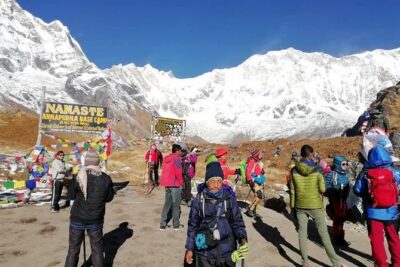
Kathmandu to Annapurna Base Camp (ABC) 5-Day Trek
Read our review →Browse the lists this tour appears in