
REVIEW · NEPAL
Pokhara: 5 Day Annapurna Base Camp Trek & Natural Hot Spring
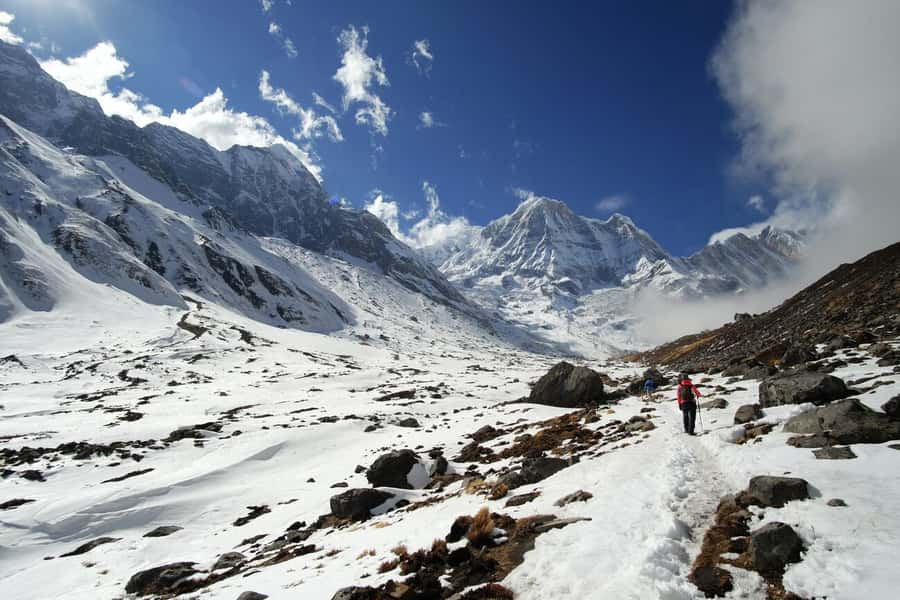
Annapurna Base Camp gives you something many mountain trips do not: a dramatic high-altitude goal reached through villages, forests, waterfalls, and working farm country. You start near Pokhara, ride by shared jeep to the trail, and finish among the massive peaks of Annapurna, Machhapuchhre, and Hiunchuli.
I like the short five-day format, which suits a tight Nepal itinerary, and I like the strong guide service. Deepak, Narayan, Hari, Paras, and others are repeatedly praised for setting a sensible pace, helping with bags, explaining local culture, and responding calmly when altitude sickness appears. The drawback is simple: this is a hard trek, not a scenic stroll, and meals, personal costs, and an optional porter are extra.
Key points before you book
- Reach Annapurna Base Camp at 4,130 meters after hiking through forests, stone paths, villages, and high mountain country.
- Ride from Pokhara to Jhinu in about two hours, then walk toward Lower Sinuwa and the upper trail.
- Spend the high point of the trip at Machhapuchhre Base Camp and ABC, with views of the Annapurna massif.
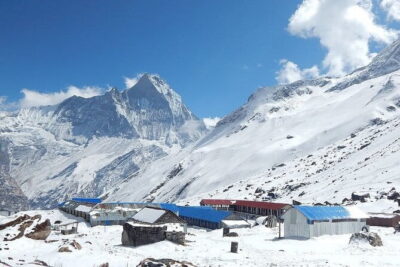
- Stay in tourist-standard lodges, with accommodation arranged and luggage storage available in Pokhara.
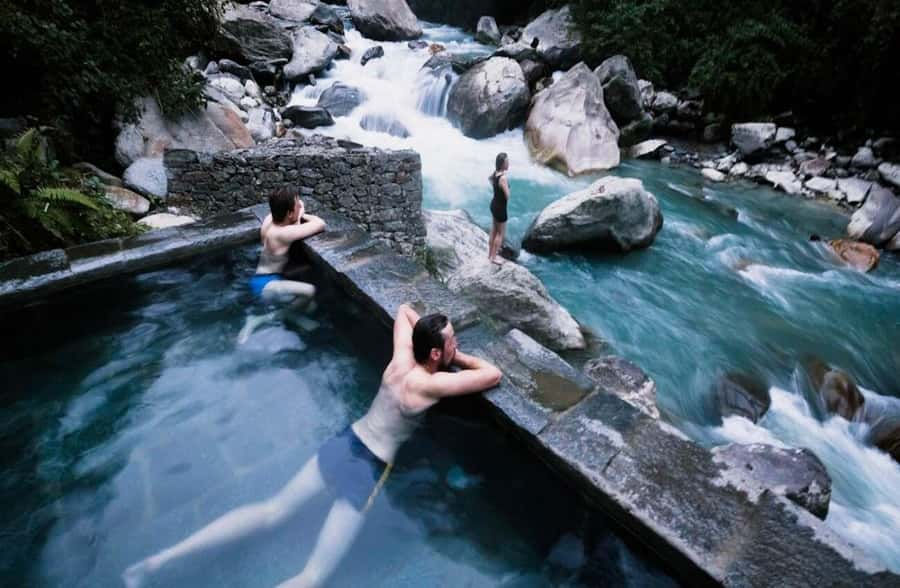
- Finish at Jhinu’s natural hot spring, a welcome way to ease tired legs before the drive back.
- Expect a demanding pace, with daily hiking times listed from four to six hours and steep sections along the way.
Why this five-day ABC trek is appealing
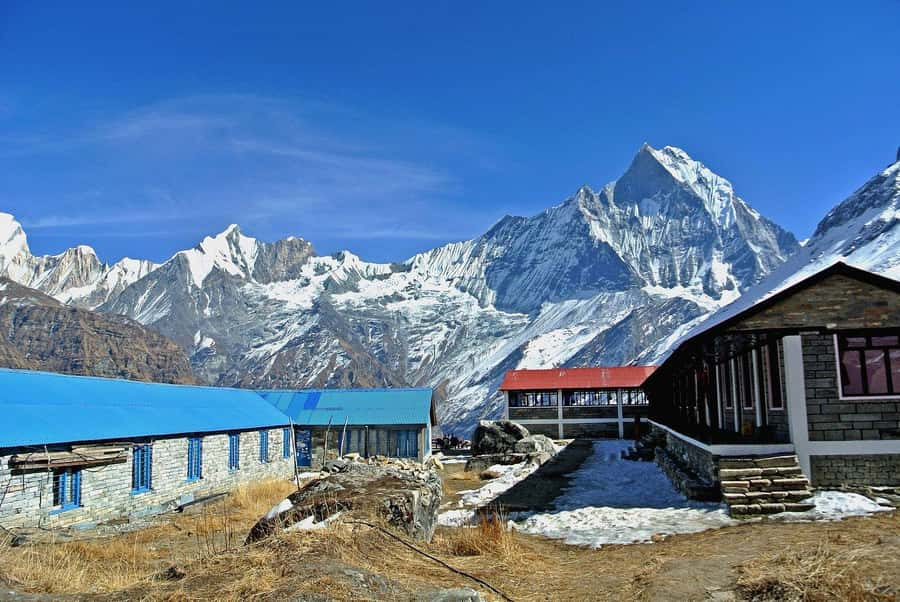
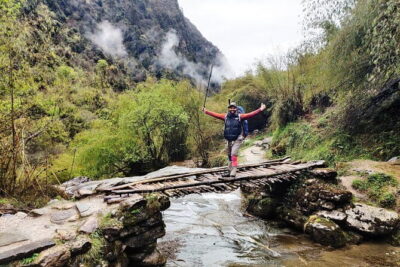
Annapurna Base Camp is not just a viewpoint reached by vehicle. You walk into a mountain amphitheater, passing through several climates and communities on the way. The lower trail has terraced rice fields and forest. Higher up, trees thin out and the trail feels more exposed, colder, and more serious.
I like the way this trip combines a clear goal with a sense of place. You are not simply ticking off a famous Himalayan name. You pass through traditional Gurung villages, meet people who live along the route, and hear about local customs and mountain life from your guide. Several guides also teach simple Nepali words, which can make brief lodge and village encounters feel more personal.
The experience is also well suited to a private group. You are not locked into a large fixed party, and guides have been praised for letting people walk at a comfortable pace. That matters here. A five-day schedule leaves less room for delay than a longer itinerary, so good pacing and honest communication are important.
The tradeoff is that the short schedule compresses the ascent. You reach 4,130 meters on the third day, then descend quickly. That makes the trip efficient, but it also means you should arrive ready to walk uphill for several hours and cope with cold conditions at ABC.
More Annapurna Treks in Pokhara
- Trekking in Annapurna/Langtang/Everest/Upper Mustang regions
★ 5.0 · 161 reviews - Kathmandu/Pokhara: 5-Day Annapurna Base Camp (ABC) Trek
★ 4.9 · 72 reviews - Annapurna Panorama trek
★ 5.0 · 71 reviews
Day 1: Pokhara to Jhinu, then up to Lower Sinuwa
Your guide collects you from a hotel in Lakeside Pokhara or from the airport. The ride to Jhinu takes about two hours in a shared jeep or SUV. This is useful transport, since it removes a long approach from the walking schedule, but shared transport means you should not expect the same privacy or flexibility as a fully private vehicle.
Jhinu is the road-end area for this route and also the place connected with the natural hot spring at the end of the trek. On the first day, though, the job is to walk. The route climbs toward Lower Sinuwa, with about five hours of trekking listed for the day and an overnight altitude of roughly 2,300 meters.
This opening section introduces the character of the trip. You move through lower mountain country, with cultivated terraces, forest, village paths, and sections that can feel steep. The trail is not all postcard views. Some stretches are simply hard work, especially when your legs are still adjusting to the rhythm of repeated climbs and descents.
A guide helps most on this first day by keeping the group together and making the lodge arrangements. You do not need to spend your evening searching for a room after a long walk. Tourist-standard lodge accommodation is included, though the description does not promise luxury. Think practical mountain lodging rather than a hotel with every comfort.
Day 2: Lower Sinuwa to Deurali at 3,200 meters
The second day takes you higher, from Lower Sinuwa toward Deurali. The listed walking time is about six hours, and the overnight altitude reaches 3,200 meters. This is one of the days when the five-day plan begins to show its demanding side.
The route passes through forest and mountain settlements, with the trail becoming more rugged as you gain height. Waterfalls, quiet paths, and changing vegetation are part of the appeal. You also begin to feel the difference in air and temperature. Keep your pace steady rather than trying to prove anything early in the day.
This is where guide quality has real value. A good guide watches how you are moving, gives you time for lunch and rest, and tells you what comes next. Narayan, one of the guides praised for this trip, is described as giving clear information about each day and making room for rest and photos. That kind of simple organization can make a tiring route feel manageable.
The lodges are functional, and extra blankets may be available on colder nights, but you should still bring warm layers. Food is not included in the price, so budget for meals and drinks at the lodges. Prices can rise higher on the route, and carrying enough cash is a sensible tip drawn from the experience of past groups.
Day 3: Deurali to Machhapuchhre Base Camp and ABC
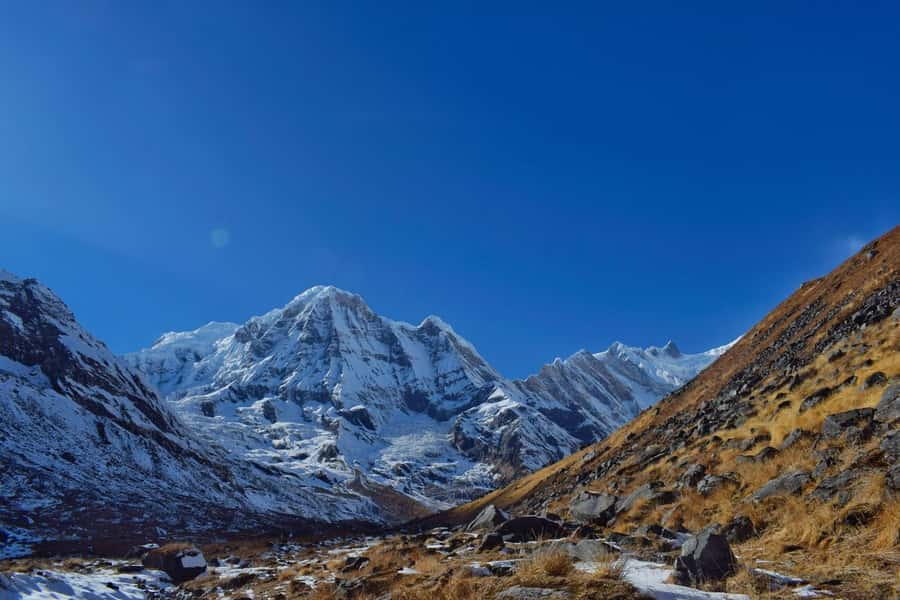
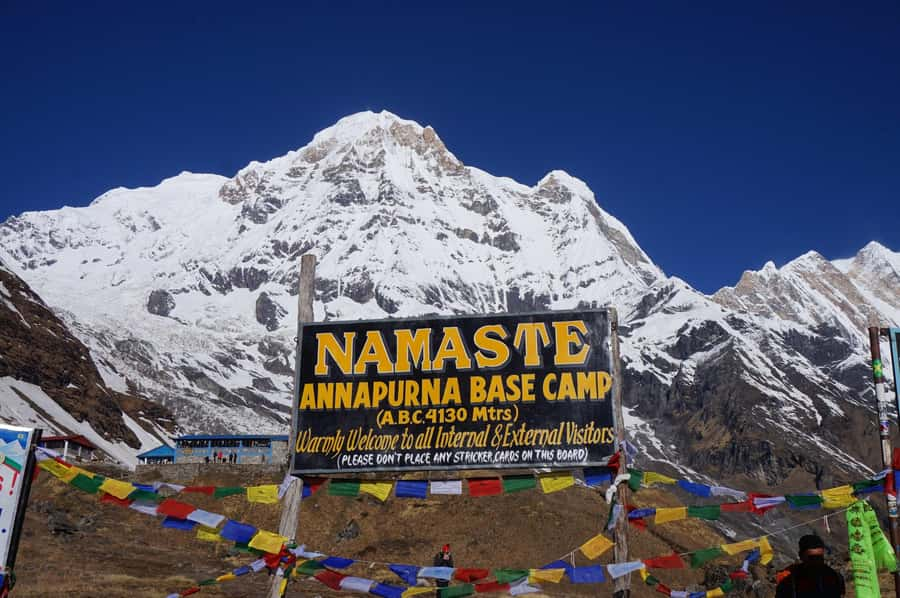
The third day is the great push. From Deurali, you walk to Annapurna Base Camp via Machhapuchhre Base Camp, with around four hours of hiking listed. The final altitude is 4,130 meters.
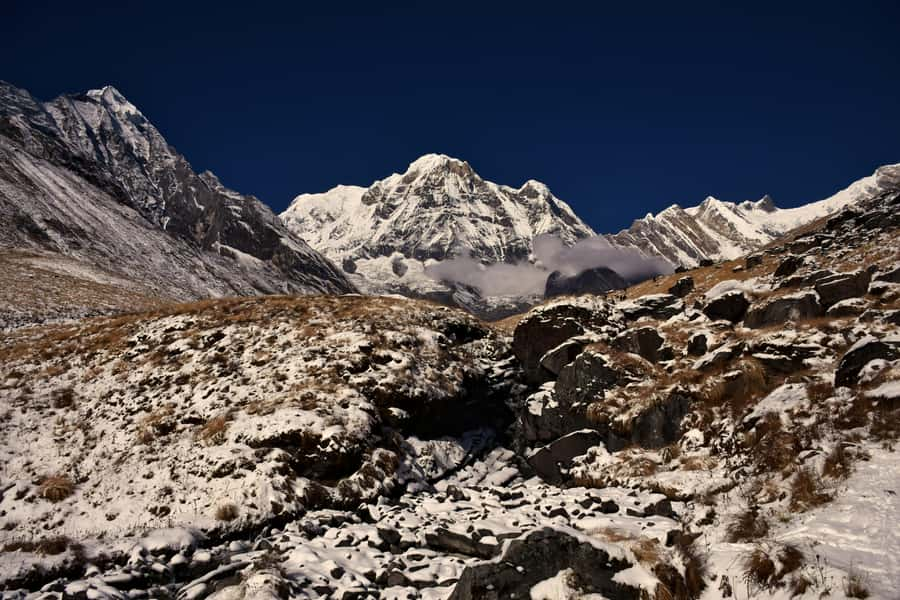
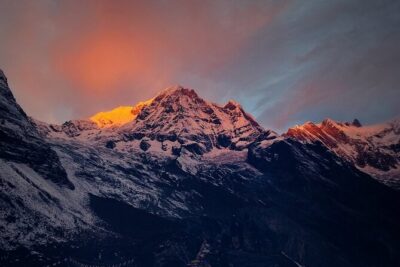
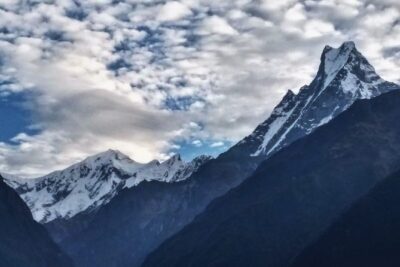
The shorter time on paper does not mean this is an easy day. You are walking higher, and the cold and thin air can make every climb feel slower. The route leads into increasingly stark mountain country, with fewer trees and larger views. Machhapuchhre, also called Fishtail, is one of the defining peaks of the region, and Hiunchuli and the Annapurna massif add to the sense that the mountains are closing around you.
ABC is the emotional high point of the trip. You reach a base camp surrounded by major Himalayan peaks rather than simply looking at them from a distant ridge. The exact visibility depends on weather, and conditions can change quickly. One useful feature of having a local guide is timing: Deepak has been praised for alerting groups when short clear windows opened during cloudy weather.
Take the cold seriously. One group specifically described ABC as chilly, and the trek can test both body and mind. Bring gloves, warm layers, and a reliable waterproof outer layer. Comfortable shoes are required, but waterproof shoes are especially useful in wet conditions.
Altitude is another concern. Some people on this route have experienced mild altitude sickness, and guides such as Paras and Basanta responded by slowing down, offering support, and changing plans when needed. That does not remove the risk. You should tell your guide promptly if you feel unwell and accept a lower destination or altered plan if advised.
More Hot Spring Treks in Nepal
- From Pokhara: 5-Day Annapurna Basecamp Trek with Hot Springs
★ 4.9 · 26 reviews - Pokhara: 7-Day Annapurna Base Camp Trek & Natural Hot Spring
★ 5.0 · 11 reviews - Pokhara: 5-Day Trek to Annapurna Base Camp and Hot Springs
★ 5.0 · 4 reviews - Pokhara: 7-Day Annapurna Base Camp Trek & Hot Spring
★ 4.0 · 3 reviews
Day 4: Morning at ABC, then down to Bamboo
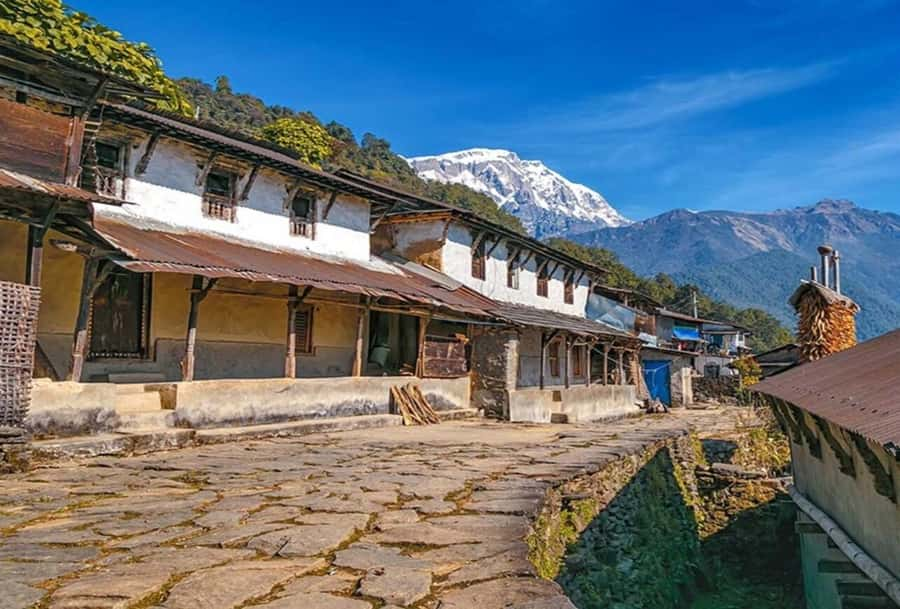
Day four gives you time to explore Annapurna Base Camp before descending to Bamboo. The day is listed at about six hours of hiking, with Bamboo around 2,400 meters.
The morning at ABC is valuable because the light and weather may look different from the previous afternoon. You can take in the surrounding peaks, photograph the basin, and appreciate how far you have walked from the lower villages. This is also the coldest part of the route for many people, so a warm drink and careful layering matter.
The descent to Bamboo changes the effort rather than removing it. Downhill walking can be hard on knees and tired feet, especially on steep or uneven sections. Trekking poles are worth requesting if available. The operator supplies trekking poles when required, and a duffel bag or trekking bag may also be available.
Bamboo feels like a relief because you return to a lower altitude and a less exposed setting. It is not a rest day, but the drop in height can help you feel more comfortable. Guides are also likely to become a steady part of your daily routine here, checking on your condition, helping with lodge arrangements, and making sure the group understands the next morning’s plan.
Day 5: Bamboo to Jhinu and the natural hot spring
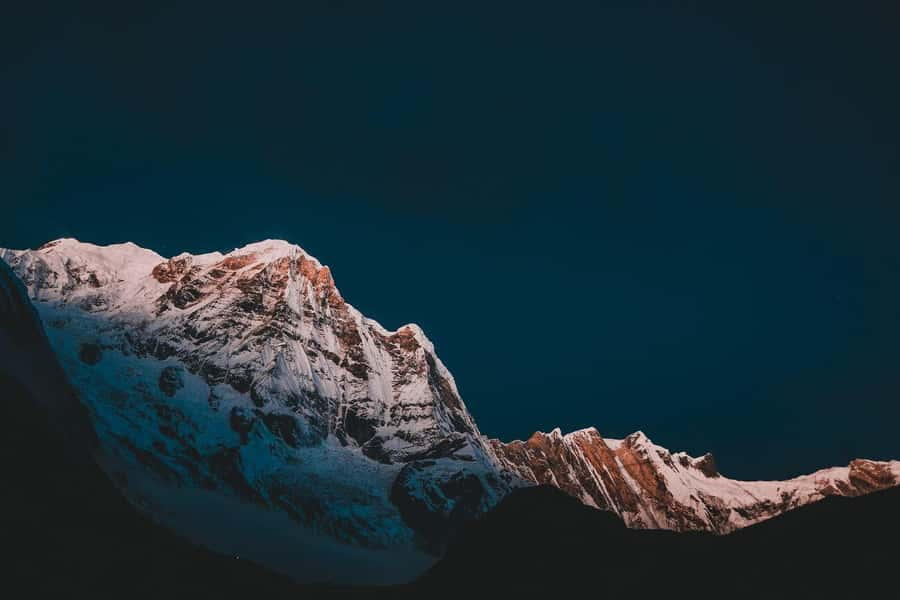
The final walking day takes you from Bamboo back to Jhinu, with about six hours of trekking listed. You then ride by shared jeep to Pokhara, a journey of roughly two hours.
The trail back is not a simple flat finish. You still have climbs and descents, and tired legs can make familiar terrain feel demanding. This is the point when pacing pays off. Walk steadily, drink regularly, and save enough energy for the final sections.
The Jhinu hot spring is the reward built into the route. After several days on foot, a warm soak can feel far better than another viewpoint. The stop is not the main reason to book the trek, but it gives the final day a pleasant sense of closure before the jeep ride back to Pokhara.
At the end, your guide drops you at Lakeside Pokhara or another agreed Pokhara location. The operator also provides luggage storage in Pokhara during the trek, which means you can leave larger bags behind and carry only what you need on the trail. One past booking had trouble getting a clear answer about storage, so confirm the arrangement before departure rather than assuming it is already sorted.
Guides make the biggest difference
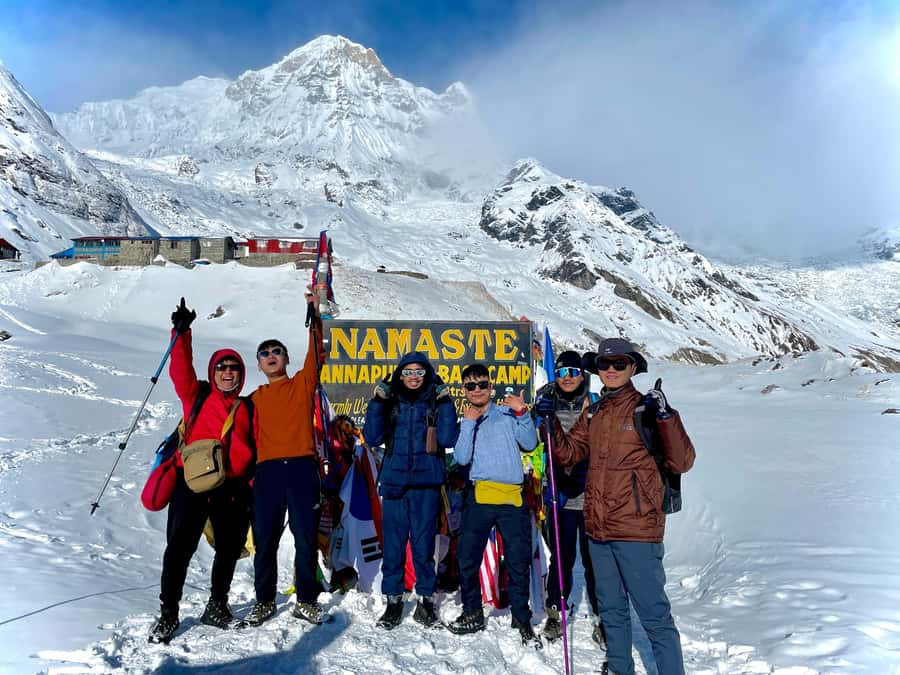
The most praised part of this experience is the guiding. Deepak receives especially strong attention for calm support, humor, mountain knowledge, and practical care. He has helped with bags, watched for safety, managed wet-season problems, and kept groups informed when clouds briefly cleared around the peaks.
Narayan is praised for clear daily briefings, sensible breaks, and many years of experience. Hari is described as careful and good at explaining local culture. Paras helped adjust plans when a member of the group had altitude sickness. Basanta and porter Sushil were praised for encouragement and close attention to first-time hikers.
Names can change when you book, so you may not receive one of these particular guides. Still, the pattern tells you what to ask for: a registered English-speaking guide, a clear pace plan, help with altitude concerns, and honest information about lodge and transport arrangements.
Porters are optional at $15 per day. If you are not used to carrying a pack uphill for several hours, this can be worthwhile. The guide may help in an emergency, but you should not plan your normal luggage strategy around the guide carrying your bag.
What the $171 price really covers
At $171 per person, the trip offers good value if you want the main logistics handled. The price includes hotel pickup and drop-off in Pokhara, shared jeep transport to and from Jhinu, permits, government taxes, an English-speaking registered guide, tourist-standard lodge accommodation, first aid equipment, and guide expenses.
It also includes ACAP and TIMS-related permits, which saves you from arranging the paperwork yourself. Luggage storage, trekking poles, and a duffel bag may be available if required.
The price does not include meals, personal spending, or a porter. That distinction matters. Your actual cost will be higher once you add breakfast, lunch, dinner, drinks, snacks, and any extra gear. Lodge prices can vary as you go higher, so carry cash and ask what is included at each overnight stop.
The shared jeep keeps the price down, but it is less private than a dedicated vehicle. For most people, that is a fair trade. You are paying for a compact, guided route to one of Nepal’s best-known base camps, not for a luxury trek.
Who should book this trek?
I would choose this for a reasonably fit first-time trekker who wants a structured Himalayan experience and has only five days. The reviews include beginners who completed it with patient guides, but that should not be mistaken for an easy route. First-time hikers still need to prepare for steep sections, long days, cold nights, and high altitude.
It also suits small private groups, friends, couples, and families with capable older children, though pregnancy is listed as unsuitable. The private-group format lets your guide adjust the pace more easily than a large group tour.
You should think twice if you dislike basic lodges, want every meal included, need a relaxed schedule, or are uncomfortable with uncertain mountain weather. Monsoon conditions can bring rain and leeches, while winter and early spring can bring cold conditions at ABC. A proper poncho, waterproof footwear, warm clothing, and trekking poles can make a large difference.
Cancellation is flexible, with a full refund available if you cancel at least 24 hours ahead. You can also reserve now and pay later, useful if your Pokhara plans are still moving.
Should you book it?
Book this trek if your priority is reaching Annapurna Base Camp within a short, organized schedule and you value a supportive local guide more than polished comfort. The combination of mountain views, Gurung villages, forest trails, permits, lodge planning, and the Jhinu hot spring gives you a lot for five days.
I would not book it expecting a gentle sightseeing trip. Prepare your legs, budget extra for meals and perhaps a porter, and ask who your guide will be. If you get a guide with the calm, attentive approach associated with Deepak, Narayan, Hari, Paras, or Basanta, you will have the kind of support that matters most when the trail gets steep and the air gets thin.
FAQ
How long is the Annapurna Base Camp trek?
The activity lasts five days and four nights. Daily hiking times are listed between four and six hours, with a two-hour jeep ride at the start and another roughly two-hour ride back to Pokhara.
What altitude does Annapurna Base Camp reach?
Annapurna Base Camp reaches about 4,130 meters. The route also passes Machhapuchhre Base Camp before reaching ABC.
Are meals included in the $171 price?
No. All meals are available for purchase but are not included in the listed price. Personal expenses are also excluded.
Is a porter included?
No. A porter is optional and listed at $15 per day. The guide’s food, accommodation, insurance, salary, transport, and equipment are included.
What transport is used?
You travel by shared jeep or SUV between Pokhara and Jhinu. The listed driving time is about two hours each way.
Does the trek include the Jhinu hot spring?
Yes. The final day includes a stop at the natural hot spring in Jhinu before you drive back to Pokhara.
More five-day treks in Pokhara
- From Pokhara: 5-Day Mardi Himal Base Camp Trek
★ 5.0 · 10 reviews - Pokhara: 5-Day Ghorepani and Poon Hill Private Trek
★ 5.0 · 4 reviews - Annapurna base camp trek 5 Days
★ 5.0 · 252 reviews - Kathmandu to Annapurna Base Camp (ABC) 5-Day Trek
★ 5.0 · 102 reviews
More Hot Spring Treks in Pokhara
- Private Tour Mount Batur Sunrise Trekking and Natural Hot Spring
★ 5.0 · 431 reviews - Mount Batur Sunrise Trek & Natural Hot Spring Experience
★ 5.0 · 95 reviews - 3D/2N Rinjani trekking summit,lake and hot springs.
★ 5.0 · 85 reviews - Mount Batur Sunrise Trekking & Natural Hot Spring – All Inclusive
★ 5.0 · 58 reviews
Latest treks added in Pokhara
- Pokhara: Majestic Mardi Base Camp Guided Trek with HotSpring★ 5.0 · 6 reviews
- Pokhara: 9-Day Annapurna Base Camp Trek with Poon Hill★ 5.0 · 6 reviews
- Pokhara: 5-Day Ghorepani and Poon Hill Private Trek★ 5.0 · 4 reviews
- Pokhara: 5-Day Trek to Annapurna Base Camp and Hot Springs★ 5.0 · 4 reviews
- Pokhara: 7-Day Annapurna Base Camp Trek & Hot Spring★ 4.0 · 3 reviews
- Pokhara:4-Day Ghorepani Poon Hill Guided Trek via Ghandruk★ 5.0 · 3 reviews
- Pokhara: 4-Day Poon Hill and Ghandruk Guided Trek★ 5.0 · 14 reviews
- Pokhara: 4-Day Beautiful Ghorepani Poon Hill & Ghandruk Trek★ 4.8 · 21 reviews
Annapurna Base Camp Treks, compared.

Trekking in Annapurna/Langtang/Everest/Upper Mustang regions
Read our review →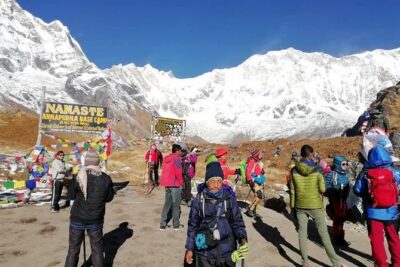
Kathmandu to Annapurna Base Camp (ABC) 5-Day Trek
Read our review →Browse the lists this tour appears in