
REVIEW · AREQUIPA
4 hours Tour: Route of Sillar with Trek in Culebrillas
Arequipa’s white-stone character begins outside the city, in the quarries where sillar is cut from volcanic rock. This half-day outing brings you face to face with that work, then adds a short walk through Culebrillas Canyon to see old Wari petroglyphs.
I like two things here: you get both the working quarry and the quieter canyon, and the price is low enough to fit easily into an Arequipa visit. The main caution is that this is a compact tour, so delays or a Spanish-only departure can reduce your time at the stops.
Key points to know before booking
- See where Arequipa’s white stone comes from: Añashuayco Quarry is still active, with stonemasons cutting volcanic ashlar.
- Try cutting a stone block: At the quarry, a local stonemason may explain the work and let you make a simple cut yourself.
- Walk into Culebrillas Canyon: The 20-minute walk passes between walls that reach roughly 15 to 20 meters high.
- Look for Wari petroglyphs: The canyon ends with rock markings made more than a thousand years ago.
- Allow for an extra 18 soles: Entrance fees are not included in the $11 tour price.
- Choose morning or afternoon: Departures are offered around 9:15 am and 2:00 pm, subject to availability.
Why Arequipa’s Sillar Route matters
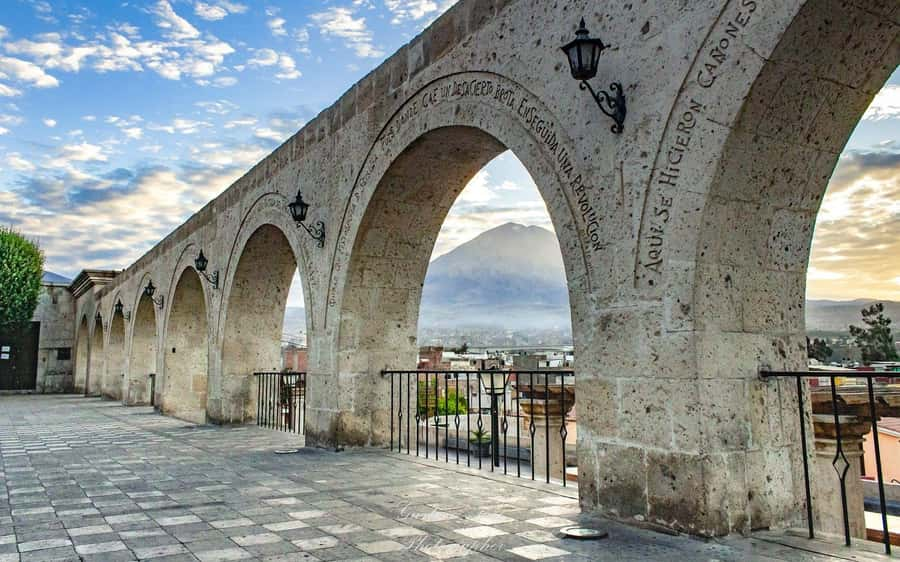
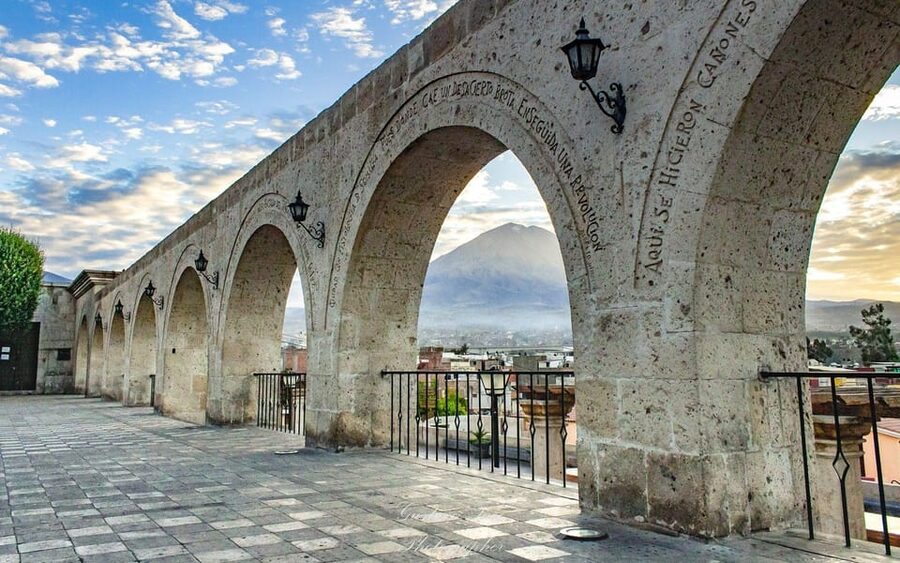
Arequipa is often called the White City because much of its historic architecture uses sillar, a pale volcanic stone. It is not simply decorative masonry. The stone shaped the look of the city, and the quarry work remains a living trade rather than a display built only for visitors.
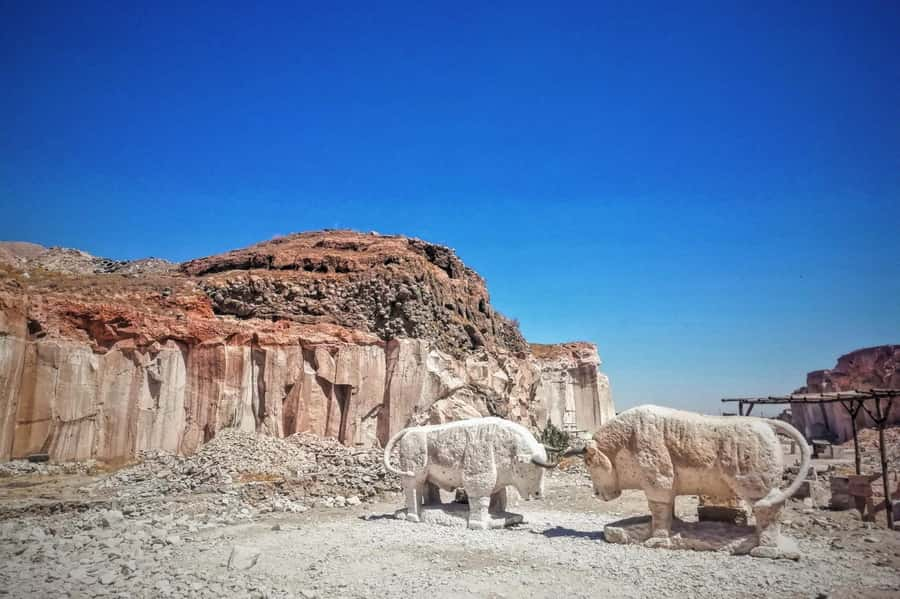
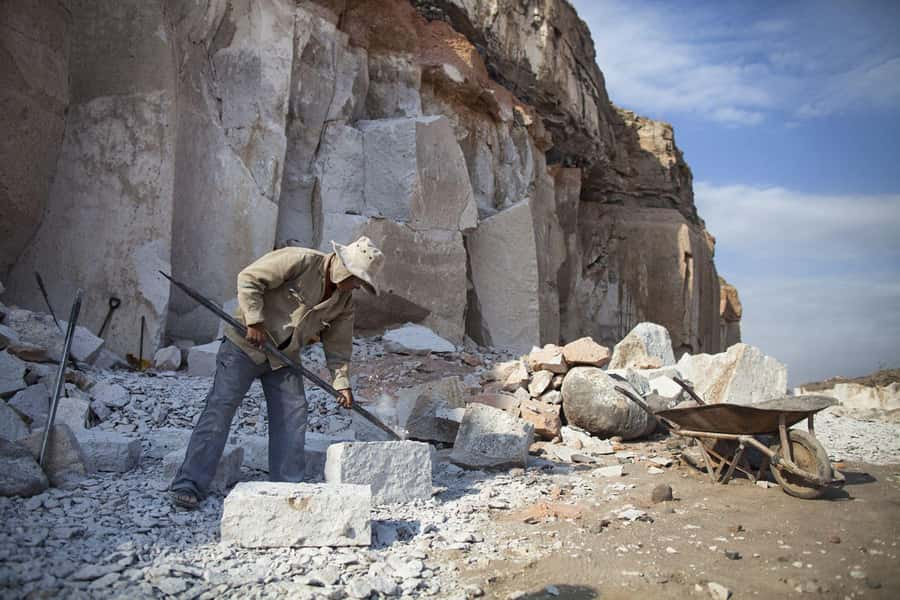
The first major stop is Añashuayco Quarry, about 45 minutes from the starting point. Here, the walls have been cut away over time as blocks of ignimbrite were removed and shaped. The result is a huge canyon of pale stone cliffs, with the marks of extraction visible in the rock.
That setting helps you understand something a city-center church cannot show you. In Arequipa, the stone seems to appear everywhere in carved facades, cloisters, and doorways. At Añashuayco, you see the hard labor behind those details.
The tour includes an explanation of how ashlar is produced and how it has been used over time. The strongest part is the chance to meet a stonemason and hear about the daily process directly. You may also get to try cutting one of the stone blocks under instruction. It is a small hands-on activity, but it gives the material more meaning than a quick photo stop.
More Trekking Tours in Peru
- From Arequipa: Sillar Route Trek
★ 4.2 · 461 reviews - From Cusco: 7 Lakes Ausangate Trek with Breakfast and Lunch
★ 4.8 · 360 reviews - From Arequipa: 2-Day Colca Canyon Trekking Tour
★ 4.8 · 243 reviews
The opening view of volcanoes and the Chilina Valley
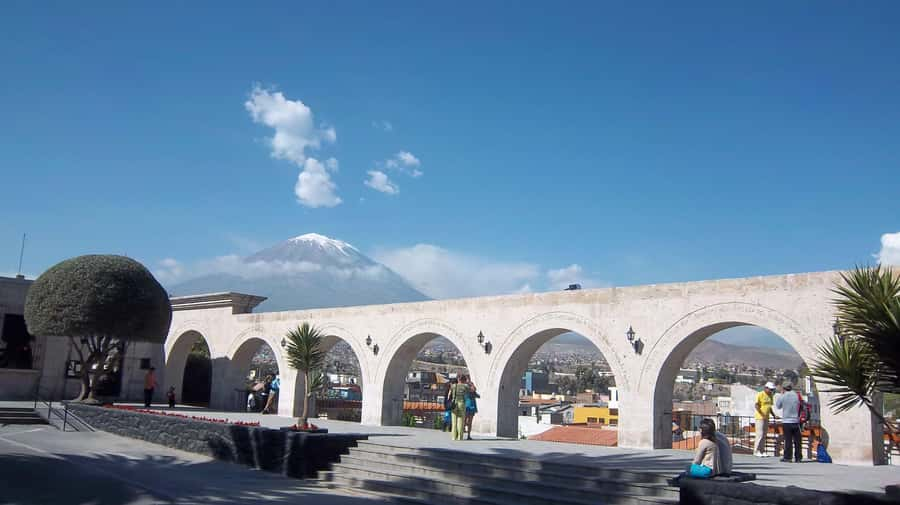
The outing begins from the main office at C. Álvarez Thomas 115, near central Arequipa. After a short ride, the van stops at a viewpoint for about 20 minutes.
From here, you can see volcanoes and the Chilina Valley. The exact viewpoint may vary by season, with another traditional lookout sometimes used at the start. That flexibility is practical, since weather and local conditions can affect which view works best.
This stop is useful as an introduction to the area. Before you reach the quarries, you get a broad look at the volcanic setting that created the stone in the first place. Your guide also gives an explanation of the area, so this is more than a quick roadside photograph.
Do not expect a long viewpoint visit. Twenty minutes is enough for photos and orientation, but not for a slow morning with coffee or a long walk. If clear skies matter to you, morning is probably the safer choice simply because it gives you the earlier departure, though the tour data does not promise particular weather conditions.
Exploring Añashuayco Quarry after a 45-minute ride
From the viewpoint, the van continues for about 45 minutes to Añashuayco Quarry. The ride is a significant part of this half-day trip, but it takes you from the city into the working area where the stone is extracted.
You’ll have around 50 minutes at the quarry for the guided visit, photos, and free time. The quarry is still in operation, and the stonemasons begin work early. That detail matters if you want to see the trade as a current part of local life, not as a frozen tradition.
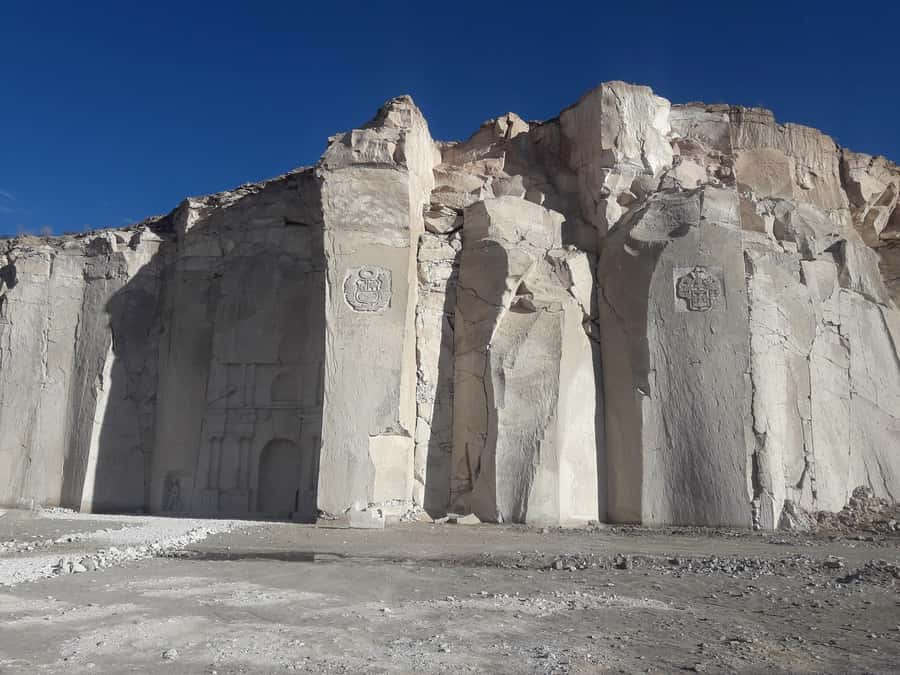
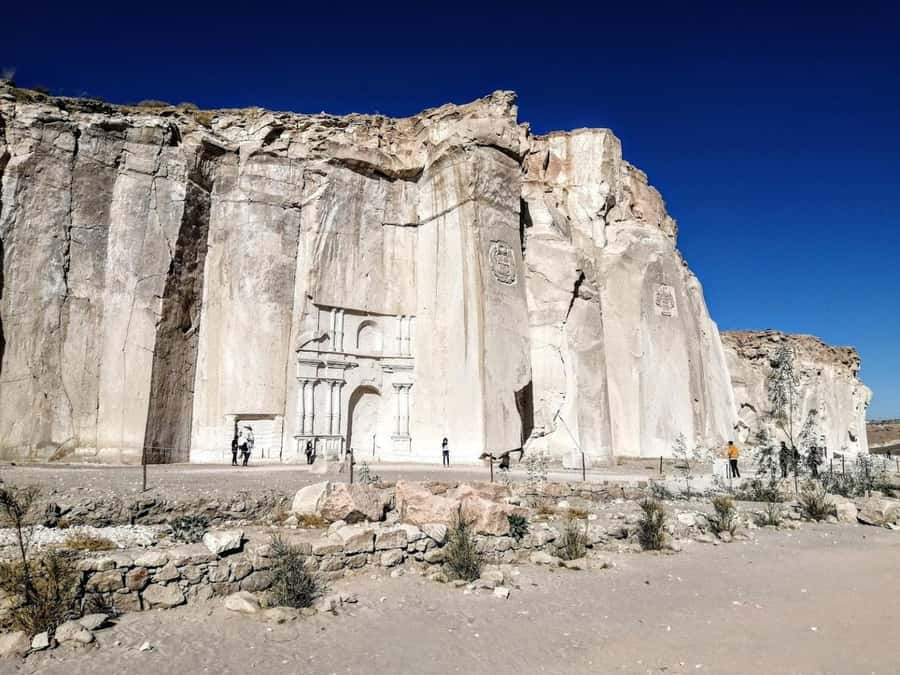
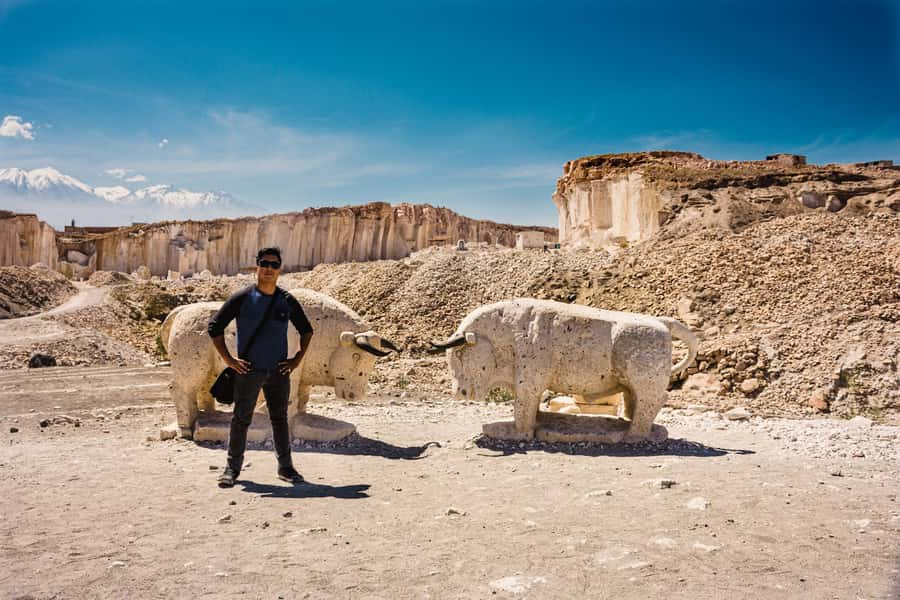
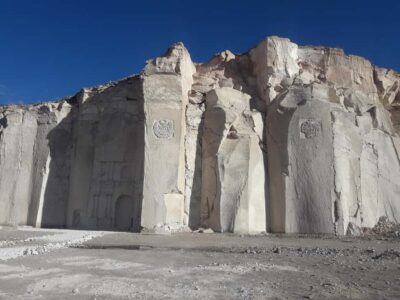
The pale rock walls are the visual centerpiece. Extraction has formed tall cliffs and an immense cut through the volcanic material. The scale is hard to grasp from photographs, especially when you notice how small the workers and carved features appear beside the walls.
The guide explains the origin of sillar, the methods used to produce it, and its long use in Arequipa. You can then look more closely at the quarry work. The exact amount of active work you see may depend on the time of day and what the stonemasons are doing when you arrive.
The carved Church of the Company of Jesus
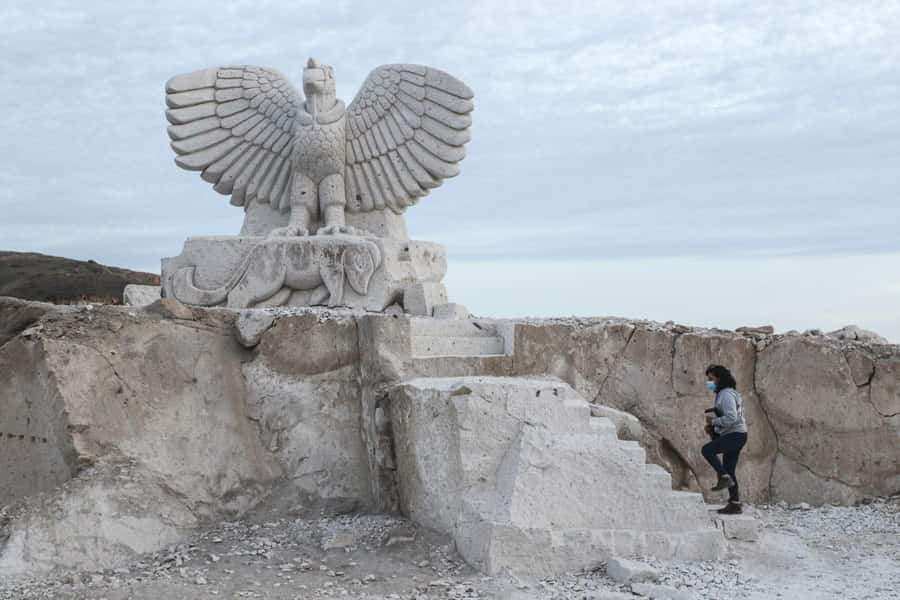
One of the quarry’s unusual features is a large carving of the Church of the Company of Jesus. Local stonemasons created it in the quarry itself, turning a working stone site into an open-air example of Arequipa’s architectural style.
This carving gives you a useful link between raw material and finished building. At the city’s churches, the detailed sillar facades can look delicate and almost lace-like. Here, you see the same material represented on a much larger and rougher scale.
The stop is best for people who enjoy seeing how things are made. If you only want a dramatic natural canyon, the quarry may feel too industrial. The stone walls are impressive, but the main interest comes from the combination of scenery, craft, and local explanation.
The hands-on stone-cutting activity is another reason to take the tour. It is not a full workshop, and you should not expect to learn the trade in 10 minutes. Still, making even a simple cut helps you understand that the polished white stone in Arequipa’s center began as heavy, stubborn rock.
Another trail to compare in Peru:
- Cusco: Full-Day Rainbow Mountain & Red Valley Trekking Tour
★ 4.5 · 121 reviews - Salkantay Trek Challenge – 3 Days / 2 Nights
★ 5.0 · 101 reviews - From Cusco: Rainbow Mountain Trek
★ 4.5 · 98 reviews - 2 Day 1 Night Trek / Colca Canyon
★ 4.5 · 92 reviews
Culebrillas Canyon and its Wari petroglyphs
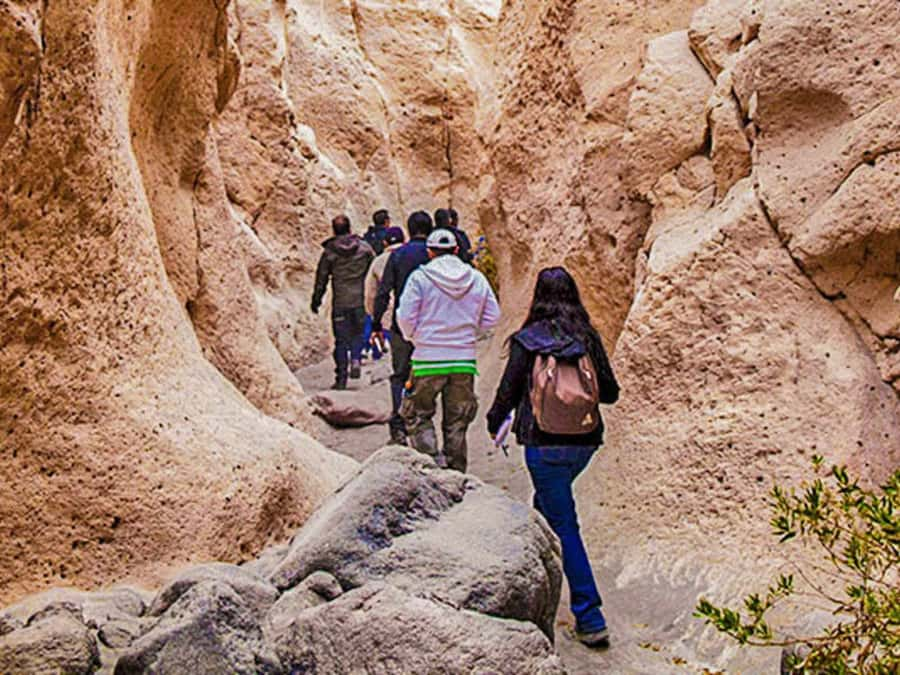
After the quarry, you drive about 30 minutes to Quebrada de Culebrillas. The canyon was formed by flowing water, and its walls rise around 15 to 20 meters. As you walk farther inside, the walls grow taller and the passage feels more enclosed.
The walk takes roughly 20 minutes, with about 30 minutes allotted for the stop. This is not a demanding mountain trek. It is a short canyon walk, but you should still wear shoes suitable for uneven ground and be ready for a bit of walking over stone.
Culebrillas changes the pace of the excursion. Añashuayco is about human work and extraction. The canyon is quieter and shaped by water, with the pale rock closing in around the route. You get a stronger sense of the region’s geology without needing a long hike.
At the end of the walk, you can see petroglyphs associated with the Wari culture, made more than a thousand years ago. Their presence gives the canyon an archaeological layer that the quarry alone would not provide. The visit is brief, so do not expect a museum-style interpretation or a large archaeological site. Your guide provides the context while you view the markings in place.
The quality of this stop depends partly on your expectations. If you want a full-day archaeological excursion, Culebrillas will feel limited. If you want a short walk with ancient rock art added to a quarry visit, it works well.
Apachetas and the return to Arequipa
Before leaving Culebrillas, the tour includes a look at apachetas. These are stacks of stones placed one on top of another. They are described as symbols of gratitude toward nature and are also linked with good luck.
For some people, the apachetas add a quiet, almost mystical finish to the canyon walk. For others, they may seem like a small stop beside the larger quarry walls and petroglyphs. I would treat them as a cultural detail rather than the main reason to book the tour.
The return journey begins around 12:30 pm on the morning departure. The van takes about 50 minutes to reach the end point near Av. La Marina, with arrival in central Arequipa around 1:30 pm. You are left near the city’s main square, which makes the tour easy to combine with lunch or an afternoon visit.
The afternoon departure follows the same general pattern, starting around 2:00 pm. If you choose that option, you should check the available starting time when booking and plan your evening around the return.
How much value do you get for $11?
At $11 per person, this is one of the easier Arequipa excursions to justify on cost. The fee covers tourist transport and a professional guide, while the quarry and canyon entrance charges add 18 soles in total.
That extra amount is important. The real cost is not just the advertised dollar price, so budget for the entrance fees at the start of your planning. Even with that addition, the tour remains inexpensive for a half-day outing that includes transport outside the city, two major stops, and guiding in English or Spanish.
The value is strongest if you want variety without giving up a whole day. In about four and a half hours, you get a viewpoint, an active quarry, a carved stone monument, a short canyon walk, and ancient petroglyphs. You do not need to arrange separate transport or work out how to reach the quarries yourself.
The tradeoff is depth. Each stop has a fixed time, and the quarry visit lasts about 50 minutes. If you want long photography sessions, a detailed geology lesson, or extended time with the stonemasons, this tour may feel rushed.
Transport, timing, and guide language
The tour uses tourist transport, with the first van ride lasting about 25 minutes before the viewpoint. The vehicle used on one recent departure was described as new, though vehicle conditions can vary by date.
The advertised guide languages are English and Spanish. A specific departure once ran only in Spanish because the English-speaking guide was ill. The company offered a postponement, but the group could not change plans. This is worth keeping in mind if an English guide is essential to your experience.
A separate departure began 30 minutes late, leaving less time at the stops. That is not presented as the normal schedule, but it shows why you should avoid placing a tight appointment immediately after the tour. The planned return is around 1:30 pm for the morning version, yet a little spare time is sensible.
The tour has a rating of 4.2 from 69 ratings. The most positive comments focus on the friendly, detailed guiding, the fun length, the strong price, and the appeal of both Culebrillas and the sillar quarry. The more critical reactions focus on the short format and the feeling that there was not enough time when the departure was delayed.
Who should book this half-day excursion?
I would choose this tour if you want a low-cost introduction to Arequipa’s stonework and prefer several short stops over one long visit. It suits first-time visitors who want to see something beyond the central plaza without committing to a full-day trip.
It is also a good match for anyone interested in traditional crafts. The working quarry and stone-cutting demonstration offer a direct connection to local building methods. Families may appreciate the hands-on element, although the provided information does not specify age rules or child facilities.
You should think twice if you dislike organized van rides or prefer to explore at your own pace. The route includes around 45 minutes to the quarry, 30 minutes to Culebrillas, and about 50 minutes back to the city. Much of the day is therefore spent moving between compact visits.
This is not the best choice for a serious hiker. The Culebrillas walk is only about 20 minutes, and the experience is more about scenery, craft, and archaeology than physical challenge.
Practical details before you go
Meet at the main office at C. Álvarez Thomas 115. Your name will be checked against the list before the group receives initial instructions and departs.
Bring comfortable footwear for the canyon walk, along with water and sun protection. The supplied details do not list equipment, meals, or hotel pickup as inclusions, so plan to handle those needs yourself.
The tour offers free cancellation up to 24 hours before departure for a full refund. You can also reserve now and pay later, which helps if your Arequipa schedule is still changing.
English and Spanish departures are available, but check the language for your chosen time. If you cannot attend a Spanish-only tour, confirm the guide arrangement before setting aside the morning or afternoon.
Should you book the Sillar Route and Culebrillas tour?
Book it if you want to see the source of Arequipa’s white stone, meet the people who work it, and add a short canyon walk with ancient petroglyphs. The low price, central meeting point, and half-day format make it an easy addition to an Arequipa stay.
Skip it if you want a slow, detailed quarry visit or a serious hike. The tour’s appeal lies in its range: a viewpoint, quarry, carved church, canyon, and Wari rock art in one compact outing. Keep your expectations at that scale, allow extra time for delays, and it offers a practical way to get beyond the city center.
FAQ
How long does the Sillar Route and Culebrillas tour last?
The activity lasts 270 minutes, or about four and a half hours.
What time does the morning tour start?
The morning departure begins at approximately 9:15 am and returns to central Arequipa around 1:30 pm.
Is there an afternoon departure?
Yes. An afternoon shift is also offered at approximately 2:00 pm. You should check availability for the date you want.
Where is the meeting point?
The meeting point is the main office at C. Álvarez Thomas 115 in Arequipa. The listed coordinates are -16.4003911, -71.5370347.
What languages are available?
The tour is offered with live guiding in English or Spanish.
Are entrance fees included?
No. Entrance fees cost 18 soles in total and are paid separately.
What does the tour price include?
The $11 price includes tourist transport and a professional guide.
Can I cancel for a full refund?
Yes. You can cancel up to 24 hours in advance for a full refund.
Latest treks added in Peru
- Small Group: 4-Day Inca Trail Trek to Machu Picchu★ 5.0 · 33 reviews
- Salkantay Trek: 5 Days to Machu Picchu★ 5.0 · 33 reviews
- 5 Day – Salkantay trek to Machu Picchu – Group Service★ 4.5 · 27 reviews
- Humantay Lake Full-Day Adventure: Scenic Trek and Stunning Views★ 4.5 · 39 reviews
- Inca Trail Trek to Machu Picchu – 2 Days (Small Group or Private)★ 5.0 · 31 reviews
- Salkantay 5-Day Trek To Machu Picchu★ 5.0 · 39 reviews
- Ausangate and Rainbow Mountain Trek – 3 Days / 2 Nights★ 5.0 · 35 reviews
- 6 day Rainbow Mountain x Ausangate Trek – FlashpackerConnect★ 5.0 · 30 reviews
Arequipa Trekking Tours, compared.
Private 3 Day Colca Canyon Trekking tour (superior Service)
Read our review →
2 Day Trek Including Transfer to Puno / Colca Canyon
Read our review →
Browse the lists this tour appears in