
REVIEW · CUSCO
Salkantay Trek Challenge – 3 Days / 2 Nights
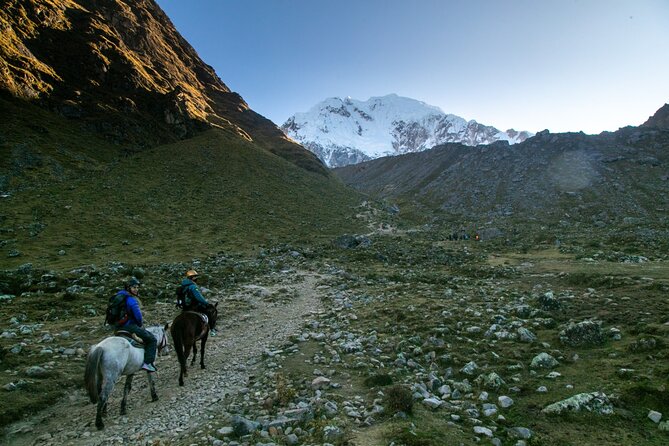
The big draw here is the dramatic change in scenery packed into just three days. You leave Cusco before sunrise, climb toward the icy Salkantay Pass at 4,630 meters, then drop into warmer forest, coffee country, and finally Machu Picchu.
I like the practical support: horses carry up to 5 kilograms of your gear, while cooks, meals, poles, sleeping bags, first aid, oxygen, and transport are arranged for you. I also like the human side, with guides such as Marco, Guido, and Cesar Quispe praised for keeping groups together and spirits high. The catch is simple: this is a very hard hike, especially on the first day, and three days leaves little time for sleep or recovery.
Key points to know before booking
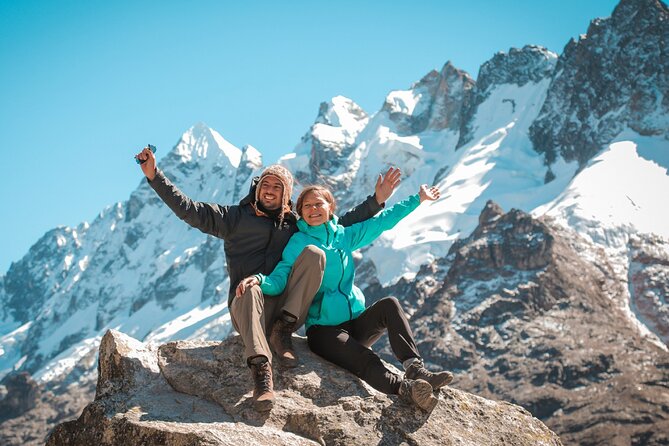
- The first day is the test: You climb from Soraypampa to the 4,630-meter Salkantay Pass, then descend for hours.
- The route changes climate fast: Expect high mountain air, glaciers, waterfalls, orchids, coffee fields, and tropical forest.
- You carry only a day pack: A horse transports up to 5 kilograms of personal gear in a duffel bag.
- Machu Picchu access is included: The package covers the entrance, a guided two-hour visit, and the bus up from Aguas Calientes.
- The support is unusually complete: Meals, cooks, camping facilities, poles, sleeping bag, first aid, oxygen, and private transfers are provided.
- You need altitude preparation: Arrive in Cusco at least two days early and train for long, strenuous hiking days.
What three days on the Salkantay route really means
This is not a gentle shortcut to Machu Picchu. It is a compressed version of a longer Salkantay trek, designed for people who want the big mountain crossing but have limited time.
The price is $680 per person. That is a serious sum, but it covers much more than a guide and a trail permit. You receive private transport, two nights of lodging, meals, trail snacks, tea, a horse for your main bag, camping staff, equipment, Machu Picchu admission, the bus uphill, and the train to Ollantaytambo.
The value comes from removing a lot of difficult planning. You do not need to arrange separate mountain transport, food support, camping gear, the Machu Picchu ticket, or the return connection to Cusco. You still need to buy lunch and dinner on the last day, and you will want travel insurance, but most of the major costs are bundled.
The group limit is 12 people. That is small enough for a guide to keep an eye on the pace and large enough to create a social group without turning the trail into a parade.
More Inca Trail Treks in Cusco
- Choquequirao Trek 4 days and 3 nights
★ 5.0 · 81 reviews - Machu Picchu: 5-Day Salkantay Trek with Panoramic Train
★ 5.0 · 79 reviews - Ancascocha Trek To Machu Picchu 4 Days And 3 Nights
★ 5.0 · 77 reviews
The 2:30 a.m. start from Cusco
Your day begins very early, with pickup in Cusco around 2:30 a.m. The listed start time is 3:00 a.m., so you should be ready before then and keep the evening before quiet.
The drive takes you toward Soraypampa, at about 3,900 meters. Breakfast comes before the main climb, giving you a chance to eat properly before the hardest stretch begins.
This early start is not comfortable, but it serves a purpose. The first day covers the highest pass and a huge amount of ground, so the schedule has little room for a lazy morning. You should expect tired legs before the day is over.
Salkantay Pass: the demanding heart of Day 1
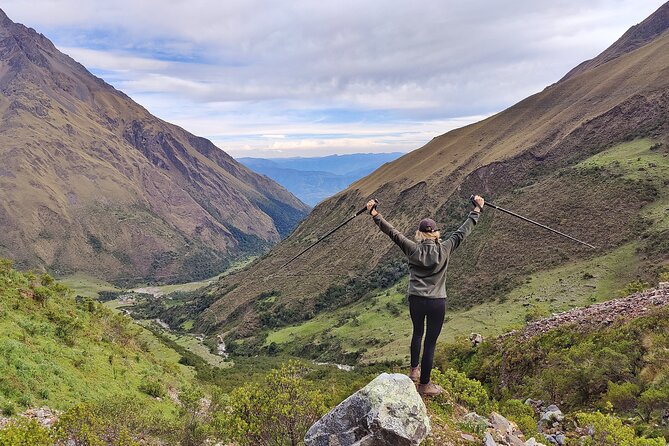
From Soraypampa, you begin the ascent on the Seven Serpents Trail. The path climbs toward Abra Salkantay, where the altitude reaches 4,630 meters, or about 15,190 feet.
The reward is huge mountain scenery, with imposing peaks and glaciers around the pass. The air is thin, and the climb can feel much harder than the distance suggests. Pace yourself. The goal is not to race the strongest person in the group.
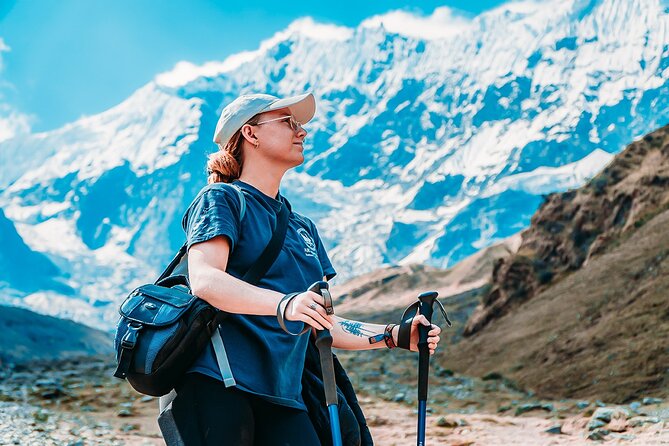
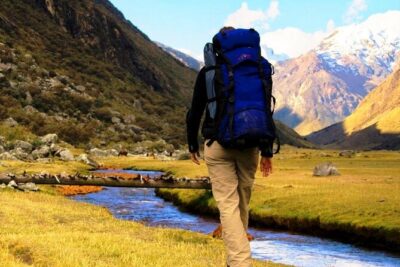
One practical point matters here: the horse carries your duffel, but you still carry a day pack. Keep water, snacks, rain protection, warm layers, sunscreen, and anything you need during the day with you.
After the pass, you eat lunch at Wayracmachay and begin a long descent. The scenery shifts as you move from cold high country toward the upper Amazon forest. That change is one of the best reasons to choose Salkantay over a route that stays in one climate.
The first day lasts roughly 10 hours. It combines a pre-dawn departure, a high-altitude climb, the pass, lunch, and a long descent. You should be in good physical shape before signing up. One participant described the first two days as 32 miles of hiking, which gives you a useful sense of the effort involved.
Night one at Mountain Sky View
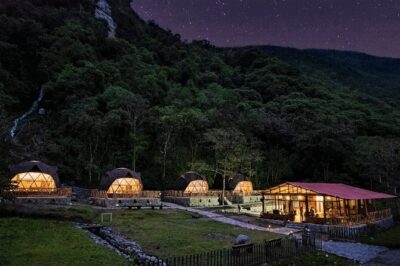
You finish Day 1 at Mountain Sky View in Collpapampa, at about 2,950 meters. The camp has private facilities, including a dining room, kitchen, tables, and chairs.
This is not a night in a standard hotel. You sleep in an Andean hut after a demanding day, then eat dinner under the stars. The setting gives the night a real mountain feel, but you should not expect a long, luxurious sleep. The overall schedule is intense, and rest time is limited.
Dinner, tea, and trail support are included. Experienced cooks prepare the meals, and vegetarian or vegan food is available if you request it when booking.
Another trail to compare in Cusco:
- From Cusco: 7 Lakes Ausangate Trek with Breakfast and Lunch
★ 4.8 · 360 reviews - Cusco: Full-Day Rainbow Mountain & Red Valley Trekking Tour
★ 4.5 · 121 reviews - From Cusco: Rainbow Mountain Trek
★ 4.5 · 98 reviews - Ausangate Trek 5 Days
★ 5.0 · 74 reviews
Coffee, waterfalls, and the Santa Teresa Valley
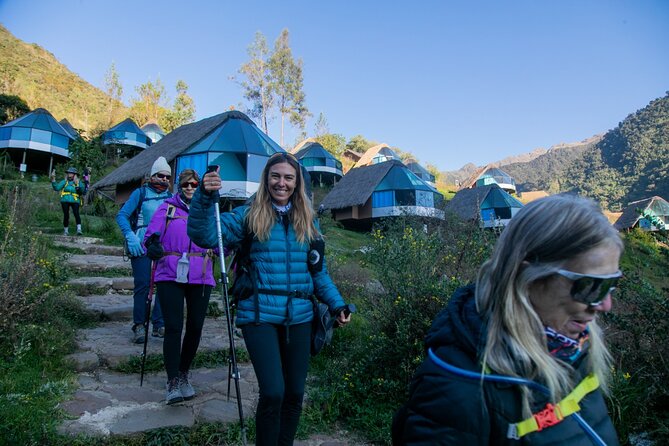
Day 2 begins with breakfast and a gentler walk through the Santa Teresa Valley. The route passes waterfalls, orchids, coffee plantations, and warmer forest scenery.
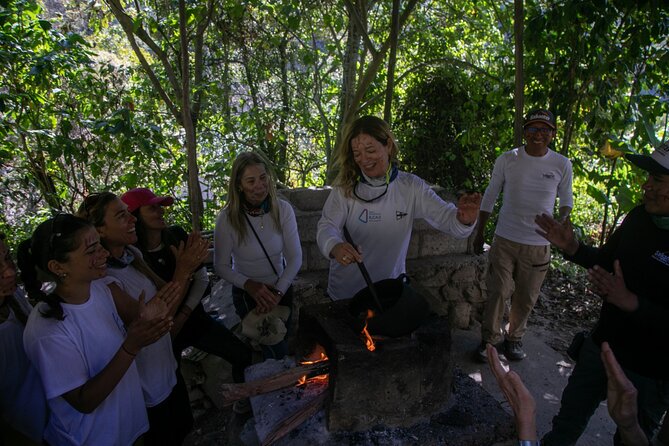
The walking is easier than the pass day, though the schedule remains full. You continue toward La Playa, where lunch uses local products and you see an artisanal coffee demonstration in the Lucmabamba area.
This coffee stop adds something useful to the route. You are not only moving from one famous site to another. You get a look at a local crop and a small piece of daily life in the valley. The cultural side is not as developed as the hiking and scenery, so if you want long historical explanations at every stop, this trip may feel light on that front.
Still, the coffee experience helps break up the physical challenge. It gives you a reason to slow down, eat, and notice how sharply Peru changes between the high Andes and the warmer valleys.
The walk from Hidroeléctrica to Aguas Calientes
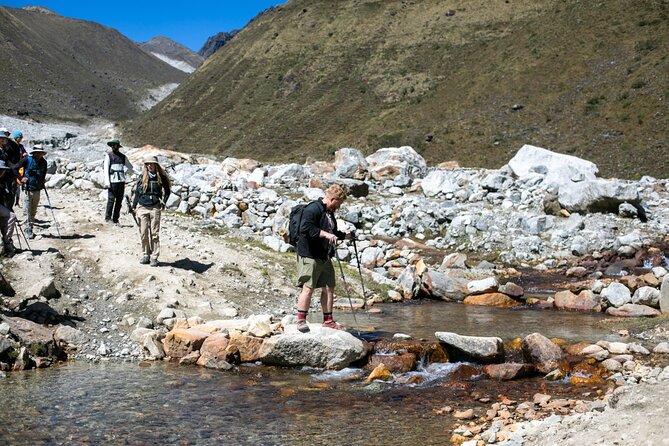
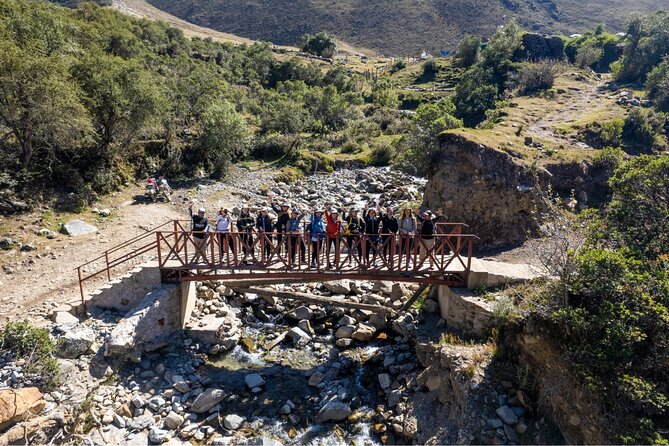
After lunch, you travel to Hidroeléctrica and continue on foot beside the Urubamba River. The route takes about three hours through tropical forest before reaching Aguas Calientes.
You can pay the train operator directly for an optional train transfer from Hidroeléctrica to Aguas Calientes. If your legs are still working, walking gives you more time in the river valley and keeps the trek moving under its own power. If you are worn out, the optional train is worth considering, but it is an extra cost.
Aguas Calientes brings a clear change in comfort. You spend the second night in a hotel, share dinner with the group, and prepare for Machu Picchu the next morning.
The hotel night is valuable because Day 3 begins early. Do not expect a restful vacation evening, though. The route is compressed, and the mountain crossing has already taken a lot from you.
Reaching Machu Picchu by bus
On Day 3, you eat a light breakfast and take the bus from Aguas Calientes to Machu Picchu. The ride climbs through cloud forest, saving your legs for the site itself.
The tour includes entrance to Machu Picchu and a two-hour guided visit. You walk through the Inca citadel, including its temples, terraces, and sacred places, with your guide explaining the main sights.
Circuit 2 is provided for bookings made three months ahead when space is available. If that circuit has sold out, the booking shifts first to Circuit 3, then Circuit 1. This is important because Machu Picchu circuits control where you can walk and what you can see.
Book early, and make sure your passport information is correct. Your passport name, number, expiry date, and country are required at booking, and your passport must be valid for the travel date.
The two-hour visit gives you a useful introduction, but it is not an all-day archaeological study. The guide-led format works well after a tough trek because you can focus on the main monuments without having to organize the visit yourself.
The return by train and private vehicle
After Machu Picchu, you return to Aguas Calientes for lunch. Lunch on the last day is not included, so plan to pay for it yourself.
In the afternoon, you board a tourist-class train to Ollantaytambo. The service is listed as either the Voyager or Expedition train. From Ollantaytambo, private transport takes you back to Cusco.
This return is efficient, but the day remains long. You hike hard, visit Machu Picchu, eat, take the train, and then continue by road. The package gets you back without making you arrange separate tickets and transfers, which is a major benefit after several demanding days.
The guides and support team matter
The strongest part of a hard trek is often the guide. Names connected with this route include Marco, Guido, and Cesar Quispe.
Marco is described as organized, energetic, and especially good at making a group feel supported. Guido is noted for patience, kindness, and helping hikers safely through the pass. Cesar Quispe is praised for keeping morale high while also adding historical, cultural, and spiritual context.
Those qualities matter more here than polished commentary. At altitude, a guide who watches the group, sets a sensible pace, and offers calm encouragement can change the entire experience.
The support crew also carries much of the workload. Cooks, horsemen, and porters handle the camp and food, while the safety kit includes first aid, oxygen, walkie-talkies, and emergency satellite phones. These items do not make the route easy, but they make the setup more secure and less burdensome.
What to pack and how to prepare
You receive a duffel bag allowance of up to 5 kilograms, carried by horses. That is helpful, but it is not a free pass to pack heavily. Keep your day pack light and make every item earn its place.
The package includes a sleeping bag, trekking poles, a backpack cover, and a rain poncho. You still need personal hiking clothes and gear. Because the route moves between cold high altitude and warm forest, layers are more useful than one bulky outfit.
Preparation should begin before arrival. The operator recommends spending at least two days in Cusco to adjust to the altitude. That advice is important, since Cusco itself is high and the Salkantay Pass is much higher.
You should also be ready for poor sleep. The first departure is around 2:30 a.m., the first day is long, and the second night comes after more walking. If you lead a sedentary life, build up with long walks, hills, and back-to-back hiking days before Peru.
Who should book this challenge
You should book this trek if you want mountain scenery, a serious physical test, and Machu Picchu in a tight three-day plan. It suits hikers who can handle long days and who appreciate having the food, equipment, transport, and logistics arranged.
It can also work for a less experienced hiker who trains properly and accepts the challenge. The support is strong, and the guide can help, but no guide can remove the effects of 4,630-meter altitude or a 10-hour hiking day.
You should think twice if you want a relaxed holiday, long mornings, or plenty of time for cultural visits. You should also reconsider if you have not adjusted to altitude or if strenuous walking is difficult for you.
The experience is non-refundable and cannot be changed after booking. If bad weather or an insufficient minimum group forces cancellation, you are offered another date or a full refund, but ordinary cancellations do not receive a refund. That makes travel insurance a sensible purchase.
Should you book the Salkantay Challenge?
Book it if the phrase hard but worth it sounds appealing. You will cross a high mountain pass, move through several climate zones, sleep in an Andean hut, walk beside the Urubamba River, and reach Machu Picchu without spending five or more days on the trail.
The $680 price is reasonable for the amount of support included, especially the horse transport, cooks, camping gear, private transfers, Machu Picchu ticket, and train. The real cost is paid in effort and sleep.
My practical advice is to arrive in Cusco two days early, reserve at least three months ahead, train for long climbs, and carry more water and snacks than you think you need. If you are ready for the first day, this is a focused and memorable way to reach Machu Picchu.
FAQ
How long is the Salkantay Trek Challenge?
The experience lasts approximately three days and two nights.
What time does pickup begin in Cusco?
Pickup begins around 2:30 a.m., with the listed start time at 3:00 a.m.
How high is the Salkantay Pass?
The pass reaches 4,630 meters, or about 15,190 feet.
How many people can join the tour?
The maximum group size is 12 people.
What accommodations are included?
You spend one night at Mountain Sky View in an Andean hut and one night in a hotel in Aguas Calientes.
Is Machu Picchu admission included?
Yes. The package includes Machu Picchu admission, with Circuit 2 available for bookings made three months ahead when space remains. If it is unavailable, Circuit 3 or Circuit 1 is used.
Is the bus from Aguas Calientes to Machu Picchu included?
Yes. One way bus transportation from Aguas Calientes to Machu Picchu is included.
Is the train back to Ollantaytambo included?
Yes. Tourist-class train service from Aguas Calientes to Ollantaytambo is included, using either the Voyager or Expedition service.
How much luggage can the horse carry?
The horse carries up to 5 kilograms, or 11 pounds, of your personal gear in a duffel bag.
Are vegetarian and vegan meals available?
Yes. Vegetarian and vegan options are available if you request them when booking.
More three-day treks in Cusco
- Ausangate and Rainbow Mountain Trek – 3 Days / 2 Nights
★ 5.0 · 35 reviews - Sapa 3 Days 2 Nights Trekking Tour (1 Night In Ta Van Village, 1 Night In Hotel)
★ 5.0 · 699 reviews - 3-Day Trekking Adventure of Sapa from Hanoi – Stay Ta Van Village
★ 5.0 · 611 reviews - From Marrakech: 3-Day Mount Toubkal Climbing Trek
★ 4.7 · 597 reviews
Latest treks added in Cusco
- Small Group: 4-Day Inca Trail Trek to Machu Picchu★ 5.0 · 33 reviews
- Salkantay Trek: 5 Days to Machu Picchu★ 5.0 · 33 reviews
- 5 Day – Salkantay trek to Machu Picchu – Group Service★ 4.5 · 27 reviews
- Inca Trail Trek to Machu Picchu – 2 Days (Small Group or Private)★ 5.0 · 31 reviews
- Salkantay 5-Day Trek To Machu Picchu★ 5.0 · 39 reviews
- Humantay Lake Full-Day Adventure: Scenic Trek and Stunning Views★ 4.5 · 39 reviews
- Ausangate and Rainbow Mountain Trek – 3 Days / 2 Nights★ 5.0 · 35 reviews
- 6 day Rainbow Mountain x Ausangate Trek – FlashpackerConnect★ 5.0 · 30 reviews
Machu Picchu & Inca Trail Treks, compared.
Machu Picchu: 5-Day Salkantay Trek with Panoramic Train
Read our review →
Ancascocha Trek To Machu Picchu 4 Days And 3 Nights
Read our review →
4 Day Inca Trail Trek to Machu Picchu Multi day tour
Read our review →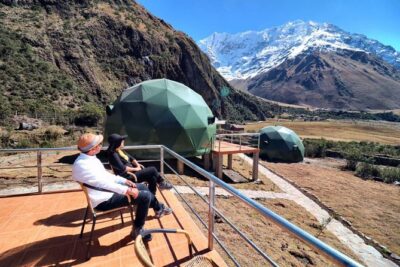
Salkantay Trek 4 Days to Machu Picchu by Glamping Sky Lodge Dome
Read our review →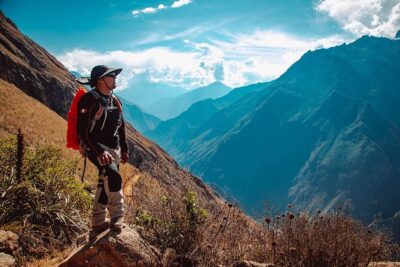
Browse the lists this tour appears in