
REVIEW · CUSCO
6 day Rainbow Mountain x Ausangate Trek – FlashpackerConnect
The real draw here is not Rainbow Mountain alone. You spend five nights crossing the remote Ausangate region, where turquoise lakes, glaciers, llamas, vicuñas, and high Andean passes appear long before the famous striped ridge. This is the long way to Rainbow Mountain, and that is exactly why it feels more rewarding.
I like the small maximum group of eight, and I like that pack horses carry your tent gear and up to 6 kilograms of personal belongings. You also get hot springs on the first night, five breakfasts, lunches, and dinners, plus private transport from Cusco. The catch is serious: this is a high-altitude trek with several 5,000-meter passes, long walking days, basic camping, and a non-refundable booking.
Key points
- Rainbow Mountain arrives after five days of trekking, not a quick bus ride and a short walk.
- Ausangate’s seven lagoons and glacial valleys provide the trip’s most varied scenery.
- Palomani Pass reaches 5,130 meters, the highest point of the trek.
- Pack horses carry shared gear and up to 6 kilograms of your belongings, but you still need a daypack.
- Upis hot springs offer a welcome soak after the first short hiking day.
- The group is capped at eight, with an English and Spanish-speaking guide, chef, and horseman.
Why this is more than a Rainbow Mountain day trip
At $1,050 per person, this is a substantial purchase. You are paying for six days of transport, guiding, camping equipment, meals, pack horses, private land access, and the work of moving a small camp through rough high country. The price makes more sense if you want a complete trek and do not want to arrange permits, cooks, mules, tents, or transport yourself.
The experience is not built around comfort. Camps sit between 4,200 and 4,600 meters, and the route crosses passes above 5,000 meters. You should expect cold nights, thin air, early starts, uneven ground, and long stretches without the conveniences of Cusco.
What you get in return is a quieter approach to Rainbow Mountain. Instead of joining a short morning excursion, you reach the famous ridge after several days among the Ausangate peaks. The mountain becomes the final reward rather than the entire product.
More six-day treks in Cusco
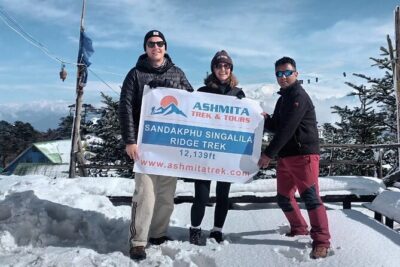
- Singalila Ridge Trek from Darjeeling – 6 Days
★ 5.0 · 56 reviews - 6 Days Machame Route Kilimanjaro Climbing Trekking Tour
★ 5.0 · 34 reviews - Kathmandu: 6-Day Limitless Langtang Trek
★ 5.0 · 21 reviews
Day 1: Tinqui, Upis, and a hot spring welcome
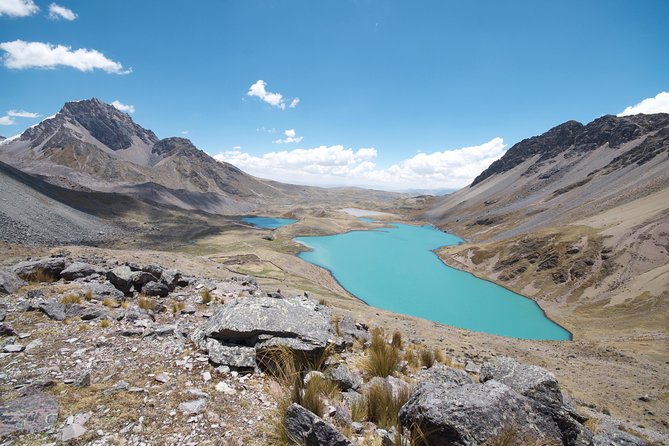
Your day begins with a 6:00 am pickup in Cusco and private transport to Tinqui, the trailhead. The first hiking stretch lasts only two to three hours, which is a sensible introduction to a route that quickly reaches high altitude.
After a local lunch in Tinqui, pack horses take on the group’s camping equipment and duffel bags. You walk to Upis, where camp sits at about 4,200 meters. The short distance does not make this an easy day for everyone. Cusco itself is already high, but sleeping above 4,000 meters can still feel like a shock.
The reward is Upis hot springs. You can soak while taking in views of the surrounding mountains, then warm up with coca tea before dinner. This first night has a useful rhythm: a gentle start, a hot bath, and an early rest before the route becomes much harder.
The included camping setup covers tents, sleeping bags, and a portable toilet. You should still bring personal trekking clothing and a daypack. The tour does not include personal trekking gear, so you need to arrive ready for cold, wet, and windy conditions.
Day 2: Ausangate’s seven lagoons
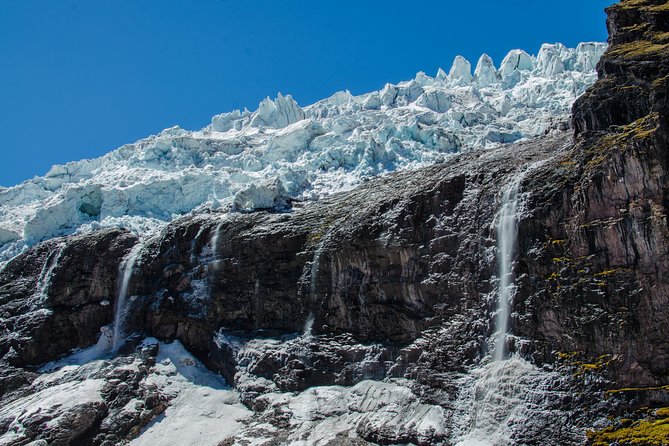
The group wakes at 5:00 am, with coca tea or coffee brought to the tent. Breakfast follows, then you begin the five-hour walk toward the seven lagoons of Ausangate. The day covers about 10 kilometers.
This is one of the best days for seeing how local life fits into the high Andes. You pass farmers and alpacas, and you might spot vicuñas, condors, or Andean chinchillas. These sightings are never guaranteed, but the route gives you a real chance to see animals in their natural setting rather than in a controlled attraction.
The seven lagoons are the main visual event of the day. Their colors shift with light, minerals, and weather, and they sit below some of the region’s tallest peaks. The scenery has scale here, but the details matter too: grazing animals, rocky slopes, and ice-covered summits keep the walk from feeling like a simple viewpoint stop.
You camp at Ninaparayuc. Once the tents are set up, you can change clothes, rest, eat lunch, and explore nearby lakes. A professional chef prepares the meals, which is valuable on a route where you burn a great deal of energy and have few chances to buy food.
Day 3: Qampa Pass and the long descent
Day three is the first major test. You climb to Qampa Pass at 5,051 meters, then descend into the Qampa Valley. The total walking time is seven to eight hours over 14 kilometers, so the challenge comes from both altitude and distance.
The climb is demanding, but the views of Mount Ausangate give you a clear reason to keep moving. The route then changes character as you descend through a valley with glaciers and grazing llamas. You gain a sense of the mountain’s scale because the path moves through several different zones rather than stopping at one overlook.
Lunch is served at Surapampa. Afterward, you continue through ancient moraine, where you might see mountain chinchillas, described here as Andean rabbits. Keep your camera ready, but do not count on a close encounter. Wildlife is an extra, not a scheduled part of the route.
The night is spent at Huchuy Phinaya. After seven or eight hours on foot, dinner and a dry place to change matter almost as much as the scenery. This is also the point where a good fitness base becomes important. You should not treat the route as a casual walking holiday.
More Trekking Tours in Cusco
- From Cusco: 7 Lakes Ausangate Trek with Breakfast and Lunch
★ 4.8 · 360 reviews - Cusco: Full-Day Rainbow Mountain & Red Valley Trekking Tour
★ 4.5 · 121 reviews - Salkantay Trek Challenge – 3 Days / 2 Nights
★ 5.0 · 101 reviews - From Cusco: Rainbow Mountain Trek
★ 4.5 · 98 reviews
Day 4: Palomani Pass, the route’s highest point
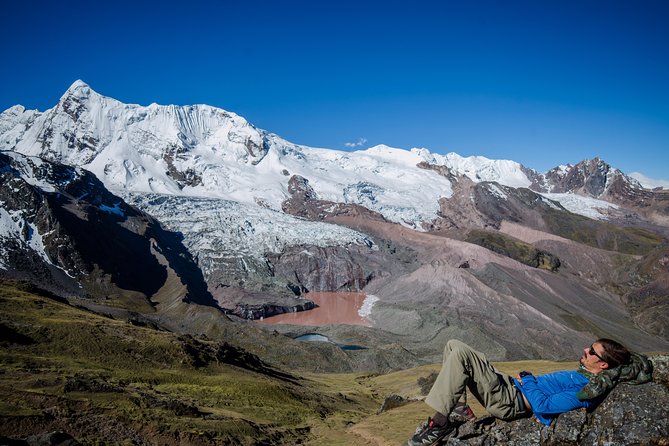
Day four brings the highest pass of the trek. Palomani reaches 5,130 meters, or about 16,831 feet. That number is not just a statistic. At this height, every uphill section can feel slow, and weather can change quickly.
The route passes more colored hills and glacial lagoons before the climb. Mount Ausangate remains a constant reference point, while the trail rises toward Palomani. You then descend into a valley for lunch before walking another two hours to Puca Cocha.
The day totals seven to eight hours and about 14 kilometers. It is a full mountain day, not a morning climb followed by a long break. Tea time and dinner at camp provide a simple but welcome finish.
Puca Cocha sits at about 4,600 meters. That means you still sleep high after crossing the pass. If you are sensitive to altitude, this combination of a very high climb, a long walking day, and another high camp deserves careful thought before booking.
Day 5: Red Mountain Valley and the first view of your goal
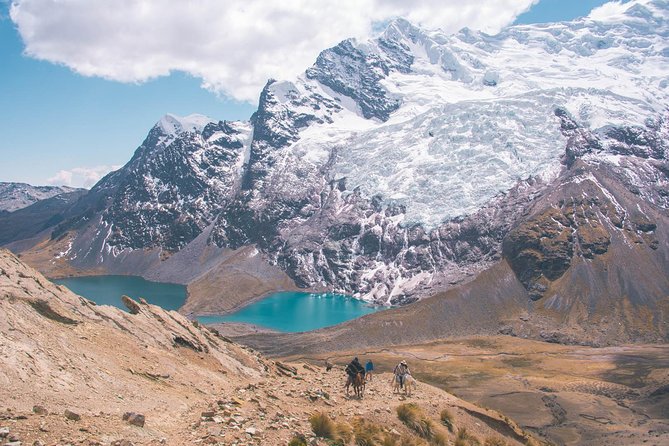
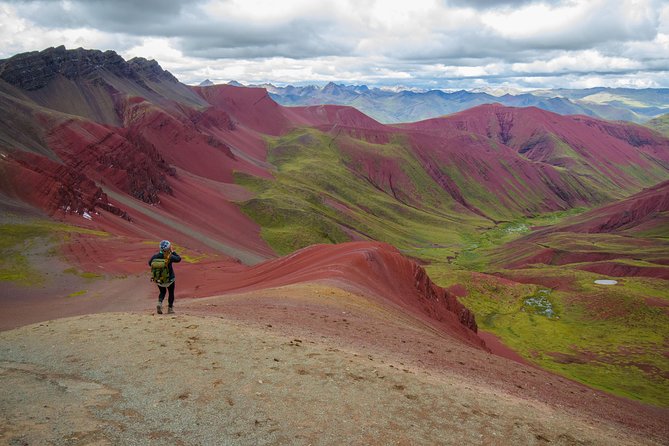
You begin day five with another climb, this time over Puca Cocha Pass at 5,051 meters. The route then enters Red Mountain Valley, where the colors of the hills become more pronounced and Mount Ausangate remains visible behind you.
The day includes a second pass, Warmi Saya. From the climb, you get your first view of Rainbow Mountain in the distance. Seeing it before the final morning gives the trek a useful sense of progress. You know the destination is close, but you still have to finish the day and wait for the early start.
The total walking time is six to seven hours over 13 kilometers. Lunch arrives at camp, followed by time to rest. That rest is important because the final morning starts before sunrise.
The supplied distance for this day is listed as 8,214 miles, which is clearly inconsistent with the 13-kilometer figure and the route itself. Plan around the stated 13 kilometers and six to seven hours of walking, not the stray mileage figure.
Day 6: Rainbow Mountain and Red Valley
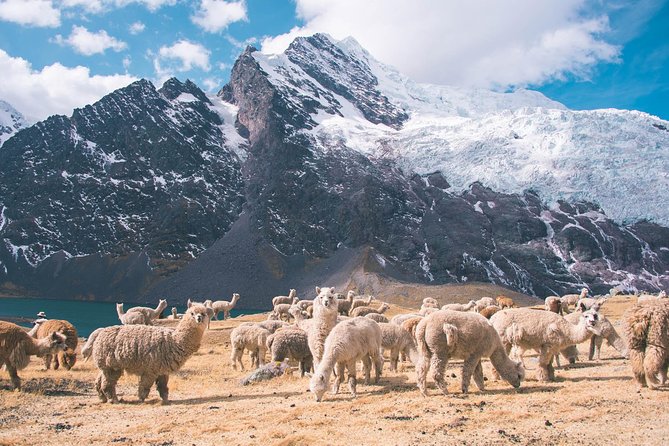
The final morning begins at 4:45 am with coca tea delivered to your tent. You walk for roughly 45 minutes to an hour, covering about 1 kilometer before reaching Rainbow Mountain.
The early start helps you reach the ridge before the day is fully underway, though weather and walking speed affect the timing. You have about 30 minutes to one hour at the viewpoint. That is enough for photographs and a proper look, but it is not an unlimited stay.
Rainbow Mountain is famous for its colored bands, yet the setting around it matters just as much. After the main viewpoint, you walk about another 30 minutes to Red Valley. This adds a second distinct scene instead of ending the trip at the most crowded or familiar photo stop.
You then go to the bus station and return by van. The planned arrival in Cusco is around 3:00 pm, with hotel drop-off included. The day also includes a farewell dinner and goodbyes to the horseman and chef, who have supported the group through the route.
What the $1,050 price includes
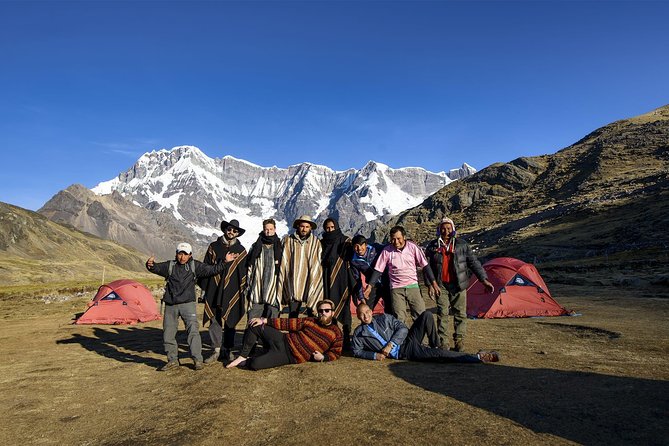
The strongest value comes from the number of moving parts covered in one booking. You receive:
- Private transport from and back to your Cusco hotel
- An English and Spanish-speaking guide
- Access fees for private land
- A first-aid kit and oxygen tank
- Snacks, coffee, and tea
- Tents and sleeping bags
- A portable toilet
- Horsemen and pack horses
- A duffel bag carried by horse, up to 6 kilograms per person
- Five breakfasts, five lunches, and five dinners
This is not a cheap way to see Rainbow Mountain, but it is a substantial guided expedition rather than a basic sightseeing transfer. Meals, camp labor, animal support, and transport would be difficult to organize independently, especially across remote high-altitude valleys.
The limits are just as important. Personal trekking clothing and a personal backpack are not included. A riding horse is also not included, so you should not assume you can switch from walking to riding if the route becomes tiring.
Fitness, altitude, and comfort
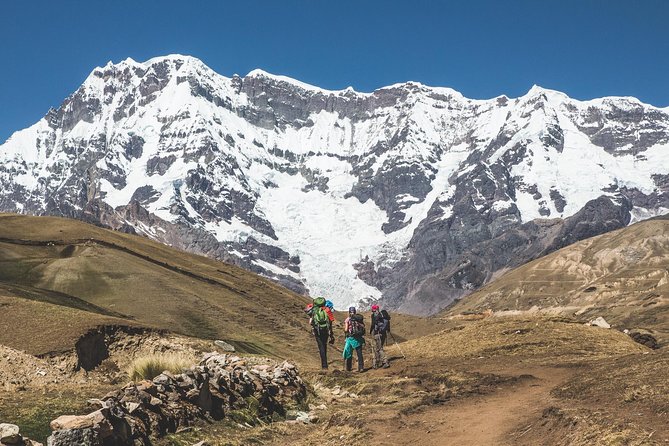
The operator requires a strong physical fitness level, and that is appropriate. The schedule includes several seven to eight-hour days, repeated climbs above 5,000 meters, and camps higher than 4,200 meters.
You should be comfortable walking for hours on uneven mountain paths while carrying your daily essentials. The horses carry the larger load, but your daypack still needs water, warm layers, rain protection, snacks, and personal items.
The first day is short, but the route becomes demanding on days three through five. The biggest concern is not one isolated climb. It is the repeated effort at high altitude, followed by sleeping high and starting early again.
The trip operates in all weather. Pack for cold, wind, rain, and changing conditions. A strong physical base does not guarantee that altitude will feel easy, so allow time in Cusco to adjust before setting out.
Group size and the human side of the trek
A maximum of eight people is a useful middle ground. The group is small enough for a guide to keep an eye on walking pace and altitude problems, but large enough to share the work and atmosphere of a multi-day camp.
The support team is a major part of the experience. The guide handles the route and communication, while the horseman and chef keep the camp functioning. You are not carrying the tents or cooking each meal, but you should remember that a working mountain camp still has basic conditions.
Vegetarian food is available if requested at booking. Since meals are included every day, tell the provider about that need before departure rather than waiting until you reach camp.
Booking caution and practical limits
The experience has a 97% recommendation rate and a 4.9 rating from 30 ratings, which points to strong overall satisfaction. Still, there is one important warning: a customer reported that the trek was canceled only a couple of days before departure, after a larger Peru trip had been planned around it.
That does not tell you how often this happens, but it is enough reason to avoid building your entire holiday around this one departure. The booking is non-refundable and cannot be changed for personal reasons. If the minimum number of two people is not reached and the operator cancels, you are offered another date or experience, or a full refund.
The tour requires at least two people and accepts a maximum of eight. Pickup is offered, and the listed start time is 6:00 am. Service animals are allowed, but the route is not recommended for people with walking disabilities because of uneven surfaces and demanding terrain.
Who should book this trek
I would choose this trip if you want a serious high-altitude camping route and see Rainbow Mountain as the final prize, not the whole reason for going. It suits strong walkers who enjoy remote scenery, basic camps, early mornings, and a clear support system.
I would not choose it for a first-ever mountain walk, a relaxed Peru holiday, or anyone who wants flexible timing and comfortable lodging. The short first day should not fool you. The middle section is long, high, and physically demanding.
Book it if you value the seven lagoons, Ausangate views, hot springs, wildlife possibilities, and remote valleys as much as the final viewpoint. Skip it if the only goal is to photograph Rainbow Mountain. A shorter outing would involve far less time, cost, and exertion.
FAQ
How long is the Rainbow Mountain and Ausangate trek?
The experience lasts approximately six days, with pickup in Cusco on the first morning and planned hotel drop-off in Cusco around 3:00 pm on the final day.
What time does the tour begin?
The listed start time is 6:00 am, with an early pickup from your hotel in Cusco.
How many people can join the trek?
The maximum group size is eight people. A minimum of two people is required for a booking.
What is the highest point on the route?
Palomani Pass is the highest point, reaching 5,130 meters, or about 16,831 feet.
Are meals included?
Yes. The tour includes five breakfasts, five lunches, and five dinners, along with snacks, coffee, and tea.
Does the tour provide camping equipment?
Yes. Tents, sleeping bags, and a portable toilet are included. Pack horses carry the camping gear and up to 6 kilograms of your personal belongings in a provided duffel bag.
Can I request vegetarian meals?
Yes. A vegetarian option is available, but you should request it when booking.
Can I cancel the trek for a refund?
The experience is non-refundable and cannot be changed for personal reasons. If the operator cancels because the minimum number of people is not met, you can choose another date or experience, or receive a full refund.
Latest treks added in Cusco
- Small Group: 4-Day Inca Trail Trek to Machu Picchu★ 5.0 · 33 reviews
- Salkantay Trek: 5 Days to Machu Picchu★ 5.0 · 33 reviews
- 5 Day – Salkantay trek to Machu Picchu – Group Service★ 4.5 · 27 reviews
- Humantay Lake Full-Day Adventure: Scenic Trek and Stunning Views★ 4.5 · 39 reviews
- Inca Trail Trek to Machu Picchu – 2 Days (Small Group or Private)★ 5.0 · 31 reviews
- Salkantay 5-Day Trek To Machu Picchu★ 5.0 · 39 reviews
- Ausangate and Rainbow Mountain Trek – 3 Days / 2 Nights★ 5.0 · 35 reviews
- 4-Day Salkantay Trek to Machu Picchu★ 4.5 · 36 reviews
6-Day Experiences, compared.
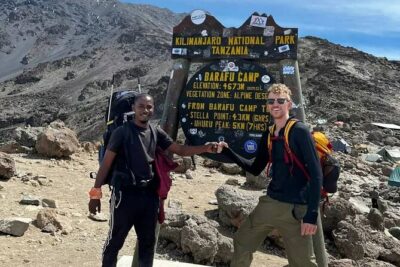
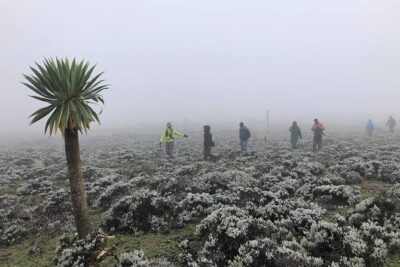
6 Days Machame Route Kilimanjaro Climbing Trekking Tour
Read our review →
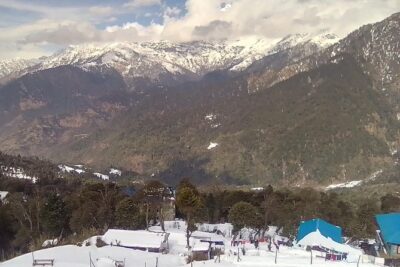
6 Days Poon Hill – Ghandruk Circuit Trek from Kathmandu
Read our review →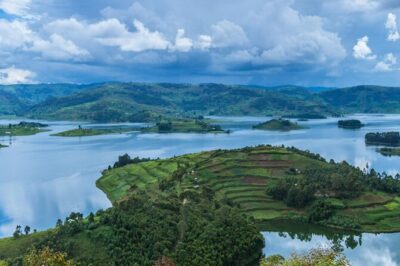
6 Days Uganda Gorilla, Chimps Trekking and Wildlife Safari
Read our review →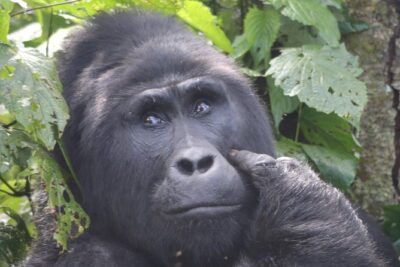
6 Day Gorillas, Golden Monkeys and Chimp Trek at Kibale
Read our review →Browse the lists this tour appears in