
REVIEW · TANZANIA
6 Days Machame Route Kilimanjaro Trekking
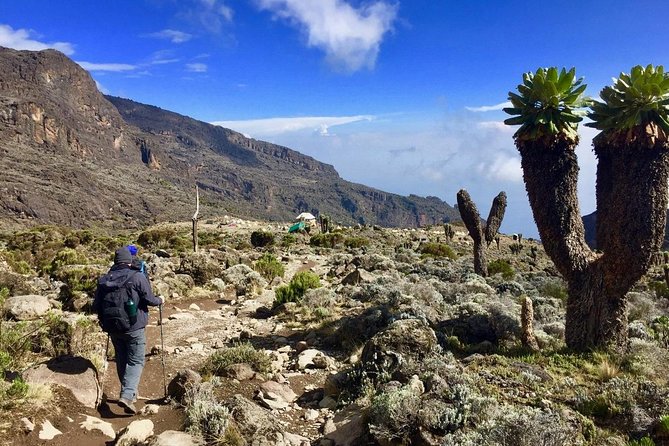
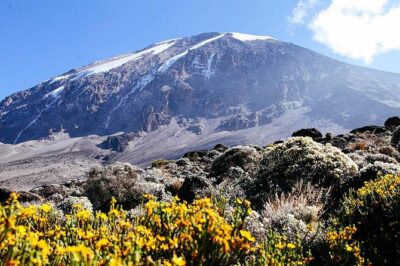
Kilimanjaro’s Machame Route gives you the mountain in changing chapters: wet rainforest, heather-covered moorland, high semi-desert, volcanic rock, and the frozen summit zone. In six days, you climb to Uhuru Peak at 19,345 feet, then descend through forest to the Mweka Gate.
I like two things right away. First, the route offers excellent scenery from several sides of the mountain, including views of Mawenzi and Kibo. Second, the climbing team provides the essentials: guides, porters, tents, meals, rescue fees, and park-related costs. The main consideration is time. Six days is demanding, and one past participant specifically advised choosing seven days if you walk slowly.
Key points to know
- The summit attempt starts around midnight to 2 a.m., with a steep ascent through scree to Stella Point.
- Day three is the key acclimatization day, climbing to Lava Tower before dropping to Barranco Camp.
- Camping equipment, porters, meals, taxes, parking, and rescue fees are included in the stated price.
- The route crosses five distinct habitats, from rainforest to the Arctic summit zone.
- The Barranco Wall is a hands-on section, followed by a long push to Barafu Camp.
- Past guide teams have included Erastus, Matthew, Joshua, Oliver, and Benjamin, with English communication noted as a strength.
Why Machame is Kilimanjaro’s popular six-day route
Machame is often selected because it gives you broad scenery without the higher price of some longer or more remote routes. It begins on the southern side of Kilimanjaro and uses a useful climb-high, sleep-lower pattern on day three, which helps your body adjust before the final push.
The route is not a gentle walk in the park. You gain thousands of feet in the first two days, sleep at high camps, and spend much of summit day moving over loose volcanic scree. Still, the daily distances are manageable for a fit person, and the support team carries the camping and cooking equipment.
This is a private activity, so only your group participates. That can make a real difference on a hard climb. Your guide can set a pace for your group rather than moving according to a large public departure. The company has used guides named Erastus, Matthew, Joshua, Oliver, and Benjamin on past trips, and English communication has been praised in the supplied feedback.
The stated price is $1,930.42 per person. That is a serious amount of money, but it covers much of what makes a Kilimanjaro climb costly: park access-related charges, camping equipment, porters, a professional guide, rescue fees, all accommodation during the trek, and five breakfasts, five lunches, and five dinners. You still need to budget for flights, pre-and post-trek lodging, tips, rental gear, insurance, visa fees, and personal items.
More Kilimanjaro Climbs in Tanzania
- 8-Day Small-group Lemosho Kilimanjaro Summit Trekking
★ 5.0 · 186 reviews - Best Kilimanjaro Adventure 7 days Machame route Trekking
★ 5.0 · 42 reviews - Kilimanjaro 7 Day Private Trekking Experience
★ 5.0 · 40 reviews
Day one: Machame Gate to rainforest camp
The drive from Moshi to Kilimanjaro National Park takes about 50 minutes. The road passes through Machame village, which sits on the lower slopes of the mountain, before you reach the park gate at roughly 5,400 feet.
The walk begins in the rainforest and climbs to Machame Camp at about 9,400 feet. You cover around 11 kilometers in five to seven hours. The trail winds up a ridge, and lower sections can be muddy and slippery.
This first day feels substantial, not ceremonial. You are gaining about 4,000 feet, and the humidity can make the climb feel harder than the distance suggests. Pack your rain gear where you can reach it, even if the morning begins dry. Gaiters are useful, and trekking poles can help on slick ground.
The rainforest is one of the route’s pleasures. You are not yet in the stark high-altitude world associated with Kilimanjaro. Instead, the trail passes through dense vegetation before the trees begin to thin. Camp is a basic mountain camp, and your tent, mattress, cooking setup, dinner, and breakfast are part of the package.
Day two: moorland and the Shira campsite
After breakfast, you leave the forest behind and climb from about 9,400 to 12,500 feet. This is a shorter day by distance, only about five kilometers, but the steep rocky ridge makes it a serious morning. Hiking time is listed at four to six hours.
The habitat changes to moorland, with heather and open slopes replacing the thick forest. The path crosses a small valley, follows a rocky ridge, and then turns west toward a river gorge. The change in scenery is quick and satisfying. Kilimanjaro begins to feel less like a forest hike and more like a high mountain trek.
You spend the night at Shira Camp. At this elevation, the cold and thinner air can affect sleep, even after a relatively short walking day. Take the evening slowly, drink as directed by your guide, and do not use the short distance as an excuse to rush.
The six-day schedule saves a day compared with longer versions of Machame. That keeps the price and total time lower, but it also gives you less room to adjust if you feel unwell or move slowly. The company’s own past advice is sensible: people who hike slowly should consider seven days instead.
Day three: Lava Tower, altitude training, and Barranco
Day three is the route’s cleverest section. You leave Shira at about 12,500 feet, climb toward 13,000 feet and the Lava Tower area, then descend to Barranco Camp at roughly 13,000 feet. The listed distance is 10 kilometers, with six to eight hours of walking.
The trail first heads east along a ridge, passing the junction toward Kibo, the volcanic cone that holds the summit. It then turns southeast toward Lava Tower, also called the Shark’s Tooth. A higher junction leads toward Arrow Glacier at about 16,000 feet, before the route drops to Barranco.
You may finish the day close to your starting elevation, but that is the point. Your body gets a chance to work at a higher altitude before sleeping lower than the highest point reached during the day. I consider this the most valuable day for acclimatization in the schedule.
Barranco Camp also brings one of the route’s memorable views. The next morning’s Barranco Wall rises above camp, and Kibo’s upper slopes give the place a proper high-mountain feel. Dinner and overnight camping are included, but conditions become more basic and colder as you go higher. Keep warm layers, gloves, and a hat in your personal day bag rather than buried in a porter’s load.
More six-day treks in Tanzania
- 6 Days Machame Route Kilimanjaro Climbing Trekking Tour
★ 5.0 · 34 reviews - 6 Days Trekking Marangu Route Mount Kilimanjaro
★ 5.0 · 3 reviews - 6 Days Marangu Route Trekking
★ 5.0 · 2 reviews - Singalila Ridge Trek from Darjeeling – 6 Days
★ 5.0 · 56 reviews
Day four: the Barranco Wall and Barafu Camp
Day four covers about nine kilometers and takes eight to ten hours. You begin at 13,000 feet, climb past the Barranco Wall, cross toward Karanga Valley, and continue to Barafu Camp at around 15,000 feet.
The Barranco Wall is steep and can require careful foot placement. It is not described as a technical climbing section, but you should expect hands-on movement and a slower pace. This is where patience matters more than speed. Let the guide choose the safest line and give space to the people ahead.
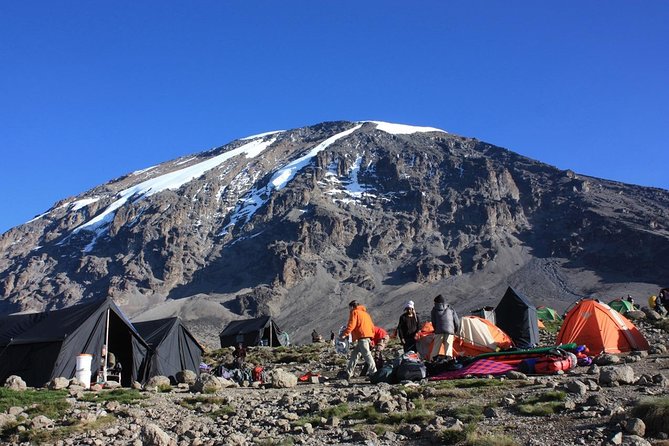
From Barranco, the route continues to Karanga Valley, then reaches the junction with the Mweka Trail before climbing to Barafu. At Barafu, you have completed the southern circuit, which gives you views of the summit from different angles. Mawenzi and Kibo can be seen from camp.
Barafu is the launch point for the summit attempt, so the afternoon is for eating, resting, checking clothing, and preparing your small pack. The schedule can feel strange here. You arrive after a long day, eat dinner, and then try to sleep before leaving around midnight or 2 a.m. Your guide team, which has included leaders such as Matthew, Joshua, Oliver, and Benjamin on past departures, is central to managing this stage.
Day five: the midnight push to Uhuru Peak
Summit day is the hardest part of the climb. The ascent begins in the early morning, generally between midnight and 2 a.m., from about 15,300 feet. You climb five kilometers through heavy scree toward Stella Point at 18,600 feet, then continue to the summit at 19,345 feet.
The route passes between the Rebmann and Ratzel glaciers and heads northwest. The loose rock makes each step feel inefficient. Progress can be slow, and this is the section where steady pacing and close attention to your guide matter most.
At Stella Point, you may pause for a short rest and, weather permitting, see sunrise. From there, you continue around the crater rim toward Uhuru Peak. The supplied schedule lists seven to eight hours for the ascent, although the exact timing depends on pace, weather, and how your body handles altitude.
The summit is only part of the day. After reaching the top, you descend about 12 kilometers, dropping to roughly 10,000 feet. The descent is faster than the climb but still tiring, especially on knees and ankles after hours on scree. The day is listed as eight hours in the schedule, but the ascent and descent figures show why you should treat this as a full-day effort.
This is also the point where the value of a strong guide team becomes clear. Several past departures specifically praised the guides’ patience, care, and close support. That does not remove the physical risk or guarantee a summit, but it means you have experienced staff monitoring the group and helping you make sensible decisions.
Day six: a muddy finish through the forest
The final day drops from about 10,000 feet to the Mweka Gate at 5,400 feet. The walk is around 10 kilometers and takes three to four hours. After breakfast, you continue downhill through rainforest to the gate, where summit certificates are issued.
The lower trail can be wet and muddy. Gaiters and poles are useful again, just as they were on day one. You may be comfortable in shorts and a T-shirt at this lower elevation, but keep rain protection and warmer clothing close in case conditions change.
The descent is not a mere formality. After the summit push, your legs may feel heavy, and downhill walking can expose sore muscles that were less obvious during the climb. Move carefully and keep some energy for the final stretch.
Meals, tents, porters, and what you carry
The package includes a mess tent, mattress, cooking equipment, and camping arrangements. It also includes five breakfasts, five lunches, and five dinners. Past feedback specifically praised the food, and the presence of a dedicated cooking setup makes a major difference on a six-day climb.
Porterage is included, so you are not expected to carry the camp’s full weight. You will still need a small personal bag for water, layers, snacks, rain gear, sun protection, and anything needed during the day. The guides have sometimes helped with small bags when necessary, but you should pack as if you will carry your own day essentials.
Climbing gear and sleeping bags are available to rent, but they are not included in the price. Bath towels are also excluded. Bring or arrange the equipment you need before the first walking day, and confirm rental costs separately.
Tips are not included. Neither are international flights, accommodation before or after the trek, travel insurance, visa fees, souvenirs, or any government-imposed increase in taxes or park fees. These extra costs can change the final budget considerably.
Who should choose this trek?
I would choose this six-day route if you are fit, comfortable with long days, and keen to keep the climb relatively short. It suits someone who wants strong scenery and a private group without paying for a longer luxury-style mountain program.
I would think twice if you have little hiking experience, know that you walk slowly, or want more time for altitude adjustment. The route is achievable for many people, but six days leaves less spare time than a seven-day version. The summit day alone combines a night start, a high-altitude ascent, and a long descent.
The route is also a good fit if you care about the human side of the climb. The strongest praise attached to this experience centers on attentive guides, good English communication, helpful porters, strong food, and careful support. Erastus has handled trip coordination, while guides including Matthew, Joshua, Oliver, and Benjamin have led groups on the mountain.
Pickup is offered, and the listed meeting point is Kilimanjaro International Airport. The activity ends back at the meeting point. The stated start time is 12:00 a.m., so confirm the exact pickup and walking schedule before departure, since the trek itself begins after the drive and park entry arrangements.
Should you book the 6-day Machame Route?
Book it if you want one of Kilimanjaro’s most scenic routes, value a private guide team, and can handle a brisk schedule. The included park-related costs, camping setup, meals, porters, rescue fees, and guide support make $1,930.42 a reasonable package price, though your full trip budget will be higher.
Choose a seven-day plan instead if you walk slowly or want more time to adjust to altitude. And remember that this is a serious mountain climb, not simply a long sightseeing walk. If you are ready for mud, cold nights, a midnight start, the Barranco Wall, and a demanding summit day, this route offers a strong mix of scenery, structure, and support.
The booking is non-refundable and cannot be changed for any reason, so confirm your dates, equipment needs, insurance, and fitness plans before paying.
FAQ
How long is the Machame Route trek?
The trek lasts approximately six days, including the summit attempt and descent to the Mweka Gate.
What is the highest point reached?
The route reaches Uhuru Peak at 19,345 feet.
When does the summit climb begin?
The summit attempt begins very early, generally between midnight and 2 a.m. on day five.
Is airport pickup offered?
Yes. Pickup is offered, and the listed meeting point is Kilimanjaro International Airport.
Is this a private tour?
Yes. Only your group participates in the activity.
Are meals included?
Yes. The package includes five breakfasts, five lunches, and five dinners.
Is camping equipment included?
Yes. The package includes a mess tent, mattress, and cooking equipment, along with accommodation during the trek.
Are sleeping bags and climbing gear included?
No. Climbing gear and sleeping bags are available to rent, but they are not included. Bath towels are also excluded.
Latest treks added in Tanzania
- 6 Days Marangu Route Trekking★ 5.0 · 2 reviews
- Mount Kilimanjaro day trip trekking★ 5.0 · 12 reviews
- 5 Days Marangu Route Kilimanjaro Trekking★ 5.0 · 4 reviews
- 3 Days Mount Meru trekking★ 4.5 · 7 reviews
- 8 Days Lemosho Route Kilimanjaro Trekking★ 5.0 · 5 reviews
- 7 Days Machame Route Kilimanjaro Trekking★ 5.0 · 9 reviews
- 7 Days Machame Route Trek Mount Kilimanjaro★ 5.0 · 12 reviews
- Lemosho Route 7 Days Trekking at Mount Kilimanjaro★ 5.0 · 7 reviews
Kilimanjaro Climbs, compared.
8-Day Small-group Lemosho Kilimanjaro Summit Trekking
Read our review →
Best Kilimanjaro Adventure 7 days Machame route Trekking
Read our review →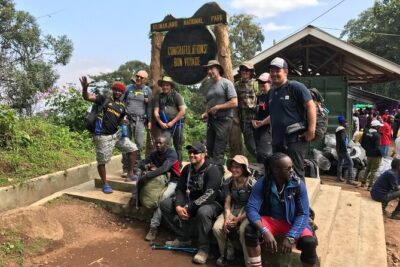
Kilimanjaro 7 Day Private Trekking Experience
Read our review →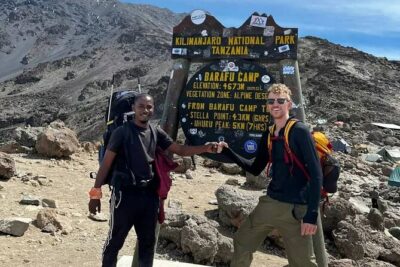
6 Days Machame Route Kilimanjaro Climbing Trekking Tour
Read our review →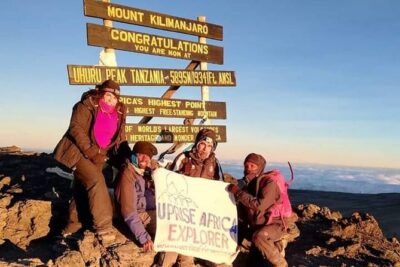
Kilimanjaro Trekking 7Days 6Night Lemosho Route
Read our review →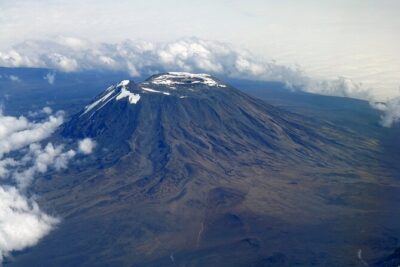
Browse the lists this tour appears in