
REVIEW · ARUSHA
7 Days Kilimanjaro trek via Machame route
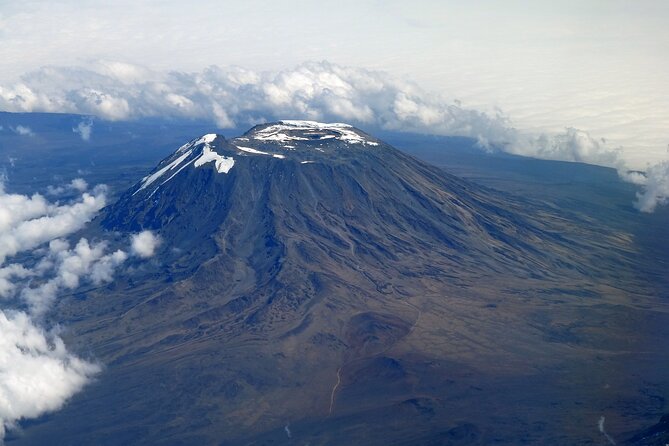
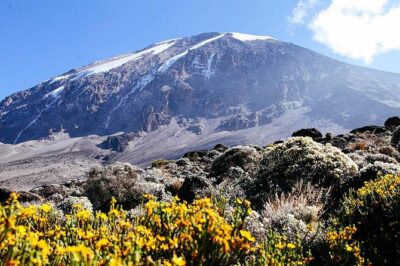
Kilimanjaro’s Machame Route gives you the mountain in chapters: mossy forest, open heather, volcanic plateau, bare alpine desert, and the glacier-ringed summit of Kibo. The route climbs from the west and uses a careful up-and-down pattern that helps your body adjust before the final push to Uhuru Peak.
I like the varied scenery and the practical camp setup, with private waterproof sleeping tents, a separate dining tent, tables, chairs, cooks, and purified water. I also like the steady human support. Guide Gasto James is repeatedly praised for his calm encouragement, mountain skill, singing, and patient use of pole pole, meaning slowly, slowly.
The main drawback is that Machame is a popular camping route, so the trail and campsites can feel busy. The summit day is also demanding: you start around midnight, climb for roughly six hours, then descend to Mweka Camp before walking out the next day.
Key points to know before booking
- Six nights on the mountain: You spend the trek in private waterproof tents, with meals and a mess tent provided.
- A strong acclimatization profile: Day three climbs high toward 4,530 meters before dropping to Barranco Camp.
- The Barranco Wall: Expect a hands-on scramble lasting about 90 minutes, followed by a descent into Karanga Valley.
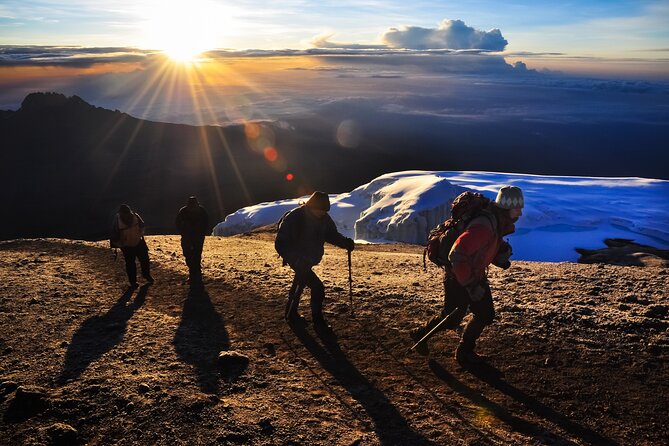
- A midnight summit attempt: The climb to Stella Point is steep, cold, dark, and tiring before the gentler walk to Uhuru Peak.
- Experienced local support: Gasto James and the Mountain Warriors team handle guiding, cooking, camp support, and mountain logistics.
- A substantial package: The $2,800 price includes park and rescue fees, meals, tents, airport transfers, guides, porters, cooks, and drinking water.
What seven days on Machame really feels like
This is not a sightseeing trip with a mountain backdrop. It is a serious high-altitude trek, though you do not need technical climbing skills for the route described here. You need patience, a moderate level of fitness, warm clothing, and the willingness to walk slowly for many hours.
The route begins near Arusha and ends back there after the descent. A vehicle takes you to Machame Gate, about an hour and a half away, through coffee farms and villages. At the gate, staff register the climb while guides, porters, and cooks organize the load and prepare for the week ahead.
The service level matters on Kilimanjaro. You carry your personal daypack, while the support crew handles tents, food, cooking equipment, and other group supplies. At camp, a dining tent with tables and chairs gives you a dry place to eat and rest. That small comfort becomes important after a wet forest walk or a cold afternoon above the tree line.
More Kilimanjaro Climbs in Arusha
- 8-Day Small-group Lemosho Kilimanjaro Summit Trekking
★ 5.0 · 186 reviews - Mount Kilimanjaro day trip trekking
★ 5.0 · 12 reviews - 7 Days Machame Route Trek Mount Kilimanjaro
★ 5.0 · 12 reviews
Day one: Machame Gate to the cloud forest
The first walk takes about six hours and begins in Kilimanjaro National Park. The trail passes through a cloud forest filled with moss-covered trees, then gradually opens into heather, tall grass, and wildflowers.
This is one of the most attractive parts of the trek because the mountain reveals itself slowly. You are not immediately dropped into bare rock and cold air. Instead, the forest creates a green, almost mysterious beginning, and on a clear day you may catch views of Kibo, the summit cone you will spend the week approaching.
The first day is not the hardest physically, but it can be wet and muddy. Your waterproof outer layers should be easy to reach, not buried at the bottom of your pack. The six-hour estimate also assumes a measured pace, rest stops, and trail conditions that may change with rain.
At Machame Camp, the porters and cooks should already have gone ahead to prepare the site. You can expect dinner and a chance to settle into the tent before the next day’s uphill work.
Day two: climbing toward the Shira Plateau
Day two continues for about six hours, with several uphill sections. On a clear day, the sun can make this feel warmer than expected, so keep drinking water regularly.
The reward is a major change in scenery. Trees become smaller and give way to high-altitude plants, including giant senecios and lobelias. You also gain views down toward the plains and forests, along with Kibo and Mawenzi, Kilimanjaro’s two major peaks.
After lunch, the trail reaches the Shira Plateau, formed when lava from Kibo filled the Shira crater. Shira Camp gives you an open setting with Kibo to the west and Mount Meru to the east. This is a good evening to eat well, organize your clothing, and listen to your guide’s instructions about the days ahead.
The possible trouble here is altitude. You may feel fine, or you may notice a headache, poor sleep, or a slower pace. Do not try to prove anything on this day. The route is designed around steady progress, not speed.
Day three: high climbing and the drop to Barranco
Day three is one of the most useful days for acclimatization. Although the final elevation gain is only about 110 meters, you climb to roughly 4,530 meters before descending to Barranco Camp.
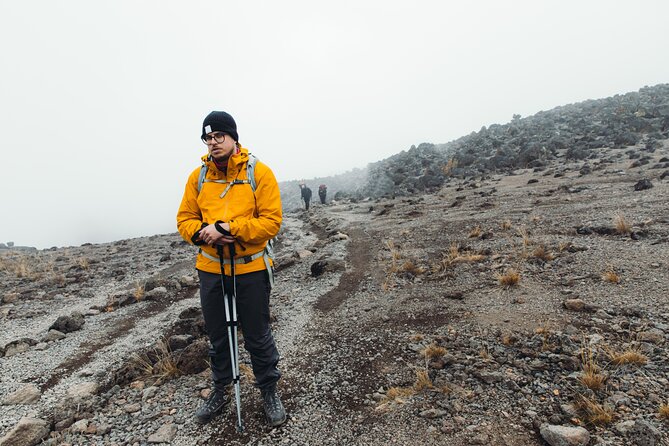
That pattern is intentional. You spend part of the day walking high, then sleep lower. The route crosses the Shira Plateau, passes the junction with the Shira and Lemosho routes, and continues through increasingly bare volcanic country.
After lunch, you reach the highest point of the day and then descend quickly toward Barranco. Faster hikers may take a detour to Lava Tower, a 300-foot volcanic formation. The detour adds another high point and can help your body adjust, but it is not a casual sightseeing sidetrack. Ask your guide if it fits your pace and condition.
The day lasts about seven hours. Barranco Camp is especially popular with the mountain staff because of its setting and the feeling of arriving below the imposing Barranco Wall. You should expect tired legs, a colder evening, and a useful chance to see how your body handles altitude.
More week-long treks in Arusha
- 7 Days Machame Route Kilimanjaro Trekking
★ 5.0 · 9 reviews - Lemosho Route 7 Days Trekking at Mount Kilimanjaro
★ 5.0 · 7 reviews - 7 Days Kilimanjaro Trekking Machame Route with Professional Guide
★ 5.0 · 5 reviews - Best Kilimanjaro Adventure 7 days Machame route Trekking
★ 5.0 · 42 reviews
Day four: the Barranco Wall and Karanga Valley
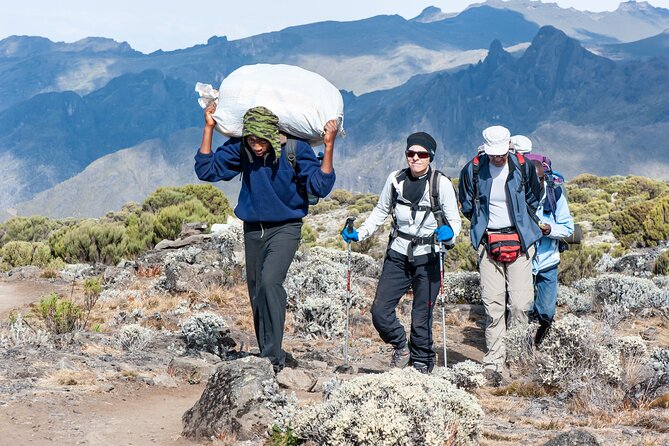
The fourth day is shorter in distance than the summit day, but the Barranco Wall gives it plenty of character. The initial scramble takes about an hour and a half. In places, you use your hands for balance and assistance.
This is not described as technical climbing, but it is more physical than an ordinary trail. Move slowly, follow your guide’s line, and keep your hands free. Your daypack should be compact and secure because you will want both hands available on the steeper sections.
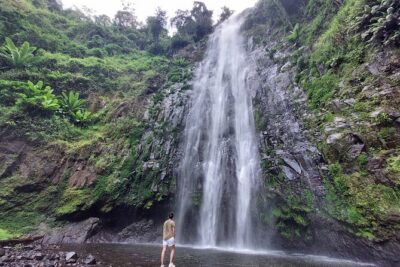
Once over the wall, the trail becomes fairly level before dropping into the green Karanga River Valley. The contrast is striking: a hands-on climb followed by a quieter valley crossing, with the mountain’s upper slopes close by.
The full day takes about seven hours. The word scramble is the useful warning here. If you dislike exposed or uneven ground, tell your guide early and take your time rather than trying to keep up with the fastest people in the group.
Day five: alpine desert and Barafu Camp
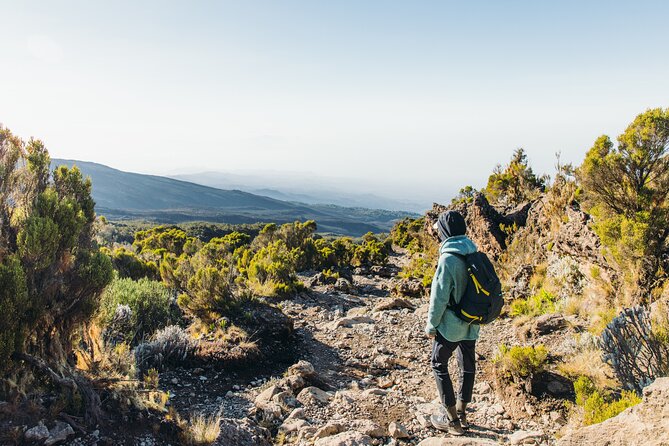
From Karanga, the trail climbs toward Barafu Camp for about seven hours. Vegetation becomes sparse, and the surroundings turn into alpine desert. You pass views of Kibo’s glaciers and the junction where the descent route through Mweka connects with the Machame trail.
Barafu means ice, and the camp’s setting feels appropriately stark. There is little shelter from the elements, but the reward is a clear view toward Kibo and Mawenzi. This is the final camp before the summit attempt, so the mood changes from regular trekking to preparation.
Try to eat dinner and sleep soon after arriving. You are expected to wake before midnight. That early start is not a minor detail. You may spend the night sleeping in short bursts, organizing layers, checking your headlamp, and wondering if your body has understood the schedule.
Your guide team’s job becomes especially important here. The reviews repeatedly highlight Gasto James and his crew for keeping the mood positive, helping tired climbers, and using songs to maintain energy during the hardest hours. That kind of encouragement cannot replace acclimatization, but it can help you keep moving when the trail feels endless.
Day six: Uhuru Peak and the long descent
Summit day begins around midnight. You walk by headlamp for roughly six hours toward the crater rim at Stella Point. This is the steepest and most demanding section of the trek.
The altitude makes the effort harder than the distance suggests. You may be walking slowly, stopping often, and focusing on one step at a time. The route is cold and dark at the start, and the long wait for daylight can test your patience as much as your legs.
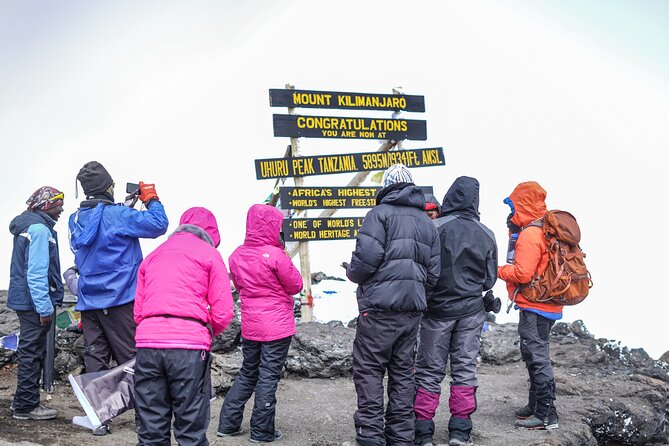
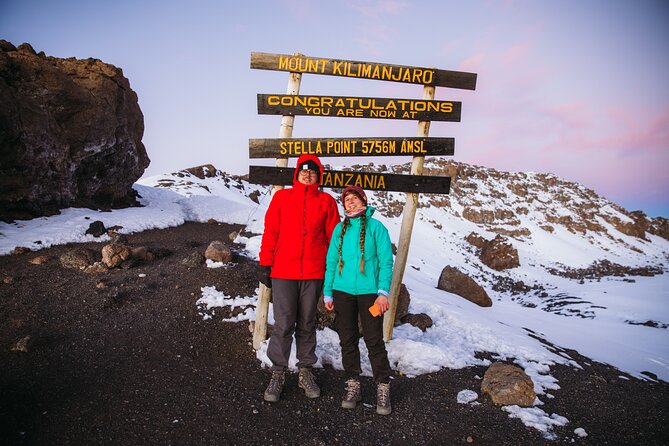
Stella Point marks the crater rim. From there, the walk to Uhuru Peak is a gradual climb that takes about an hour. It is technically easier than the slope below, but the altitude still makes it tiring. At the summit, you have time for photos with your guide and group before starting down.
The descent offers a different view of Kibo, the crater, clouds, and glaciers. You return to Barafu Camp before continuing to Mweka Camp, according to the stated plan. The listed timing is about six hours, but summit day includes a great deal of effort and may feel longer than that estimate.
This is the day when good judgment matters most. Follow your guide’s pace and instructions. If you feel unwell, speak up. Reaching the summit is the goal, but returning safely is part of the goal too.
Day seven: forest descent to Mweka Gate
The final day takes about six hours and leads through the forest to Mweka Gate. After the open, dry upper mountain, the return to trees feels almost lush.
Rain can make this trail slippery, so trekking poles and shoes with good grip are useful. The walk ends at the lower station of Mweka Gate, where vehicles meet the group for the trip back to Arusha.
This final day is not just a formality. Your knees and feet may be tired from the summit descent, and the trail can still demand attention. Plan to keep your pace controlled until you reach the vehicle.
What the $2,800 price includes
At $2,800 per person, this is a major purchase, but the price covers many of the costs that can otherwise appear as extras. Included are park fees, rescue fees, airport transfers, guides, porters, cooks, private waterproof mountain sleeping tents, a mess tent, meals, and purified drinking water.
You receive breakfast on all seven days, lunch on all seven days, and dinner on six days. The inclusion of clean drinking water is especially useful because hydration is vital and carrying enough water from town would be impractical.
The value depends on what you want from the trek. If you only compare the number with a basic camping package, it may look high. If you value private sleeping tents, a dining setup, experienced mountain staff, transfers, and a company with almost two decades of Kilimanjaro and Meru work, the package is easier to understand.
You still need to budget for personal climbing gear, tips, and visa fees. The supplied information does not specify the tipping amount or provide a personal gear list, so ask for both before paying. Also clarify the meeting details: the schedule says the first pickup leaves at 9 a.m., while the meeting information lists a 7:30 p.m. start time. That mismatch should be settled in writing.
Who should choose this Kilimanjaro trek
I would recommend this trip to someone who wants a full seven-day mountain experience rather than the quickest possible route. The varied scenery, high camp progression, and acclimatization day give you time to adjust to the mountain.
It suits people with moderate physical fitness who can walk uphill for six or seven hours, sleep in tents, and manage a midnight start. You do not need to be a technical mountaineer based on the route description, but you do need stamina and a sensible attitude.
It may not suit you if you dislike shared mountain camps, early starts, cold conditions, steep scrambles, or the possibility of walking among many other climbing groups. Machame is popular, and that popularity brings both good trail logistics and less solitude.
The strongest reason to choose this team is the human support. Gasto James is named repeatedly in the supplied feedback, with particular praise for encouragement, singing, cultural stories, attention to struggling climbers, and calm guidance toward the summit. Those details suggest a warm group atmosphere, but you should still ask about guide-to-climber ratios and current group size before booking.
Should you book it?
Book this Machame trek if you want Kilimanjaro with a well-supported camping system, changing scenery, a real acclimatization day, and a guide team known for morale as well as mountain work.
Think twice if you want quiet trails, a short trip, or a low-cost basic package. Before confirming, check the 7:30 p.m. versus 9 a.m. timing, request the personal gear list, confirm the current group size, and ask how tipping is handled.
The free cancellation rule allows a full refund when you cancel at least 24 hours before the local start time. Inside 24 hours, the payment is not refunded, and late changes are not accepted.
FAQ
How long is the Kilimanjaro Machame trek?
The experience lasts approximately seven days, including the return to Arusha after the descent from Mweka Gate.
Where does the trek start?
The group leaves Arusha for Machame Gate, which takes about one and a half hours by vehicle through coffee farms and villages.
Is airport transfer included?
Yes. Airport transfers are included in the package.
Are park and rescue fees included?
Yes. Kilimanjaro National Park fees and rescue fees are included.
Are meals included?
Yes. Breakfast is included for seven days, lunch for seven days, and dinner for six days while you are on the mountain.
What sleeping arrangements are provided?
The tour provides private, waterproof mountain sleeping tents and a mess tent with tables and chairs.
Is drinking water provided?
Yes. Clean, purified drinking water is included while you are on the mountain.
What fitness level is required?
A moderate physical fitness level is required. The trek includes several six- or seven-hour walking days, a steep summit attempt, and a scramble over the Barranco Wall.
Is personal climbing gear included?
No. Personal climbing gear is not included, so you must arrange your own equipment.
What is the cancellation policy?
You can receive a full refund if you cancel at least 24 hours before the experience start time. Cancellations or changes made within 24 hours are not refunded or accepted.
Latest treks added in Arusha
- Mount Kilimanjaro day trip trekking★ 5.0 · 12 reviews
- 5 Days Marangu Route Kilimanjaro Trekking★ 5.0 · 4 reviews
- 3 Days Mount Meru trekking★ 4.5 · 7 reviews
- 8 Days Lemosho Route Kilimanjaro Trekking★ 5.0 · 5 reviews
- 7 Days Machame Route Kilimanjaro Trekking★ 5.0 · 9 reviews
- 7 Days Machame Route Trek Mount Kilimanjaro★ 5.0 · 12 reviews
- Lemosho Route 7 Days Trekking at Mount Kilimanjaro★ 5.0 · 7 reviews
- Private One-Day Trek to Mount Kilimanjaro★ 4.5 · 2 reviews
Kilimanjaro Climbs, compared.
8-Day Small-group Lemosho Kilimanjaro Summit Trekking
Read our review →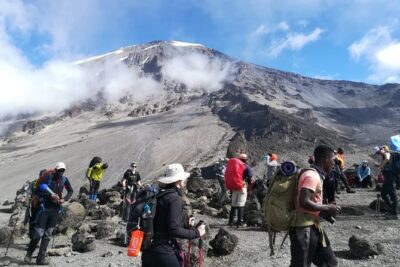
Best Kilimanjaro Adventure 7 days Machame route Trekking
Read our review →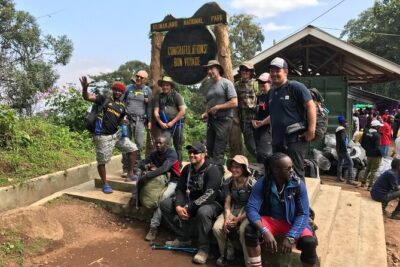
Kilimanjaro 7 Day Private Trekking Experience
Read our review →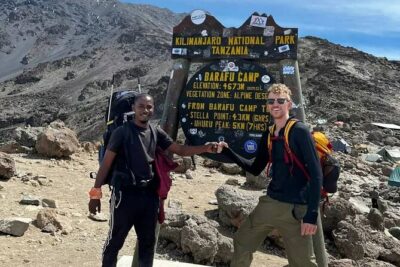
6 Days Machame Route Kilimanjaro Climbing Trekking Tour
Read our review →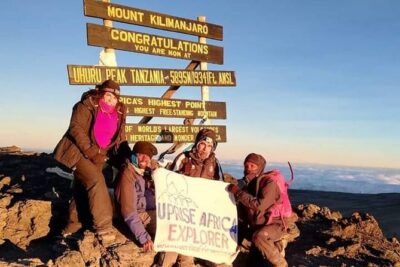
Kilimanjaro Trekking 7Days 6Night Lemosho Route
Read our review →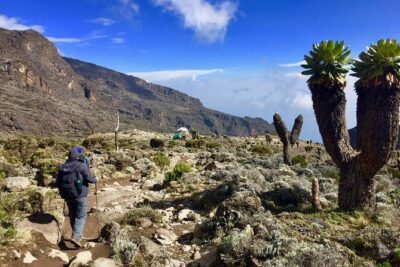
Browse the lists this tour appears in