
REVIEW · ARUSHA
7 Days Machame Route Trek Mount Kilimanjaro
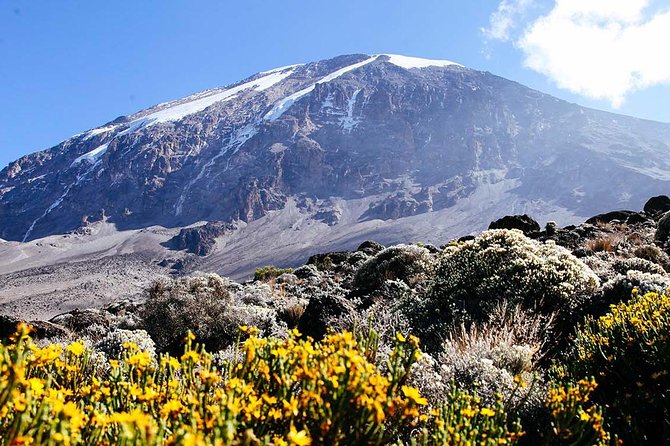
The best part of the Machame Route is how quickly Kilimanjaro changes around you. In seven days, you move from giant rainforest trees and colobus monkeys to dry moorland, alpine desert, snow, and the summit of Uhuru Peak at 5,895 meters. It is a serious physical challenge, but the route gives you several useful altitude changes before summit night.
I like the route’s variety, and I like the small group size of no more than four people. That makes it easier for the guide to match the pace to your ability. The main drawback is the summit day: you wake around midnight, climb for up to seven hours in the dark, reach the crater rim, then continue to Uhuru Peak before descending. The final push is demanding, and the downhill can feel just as hard as the climb.
Key points to know before booking
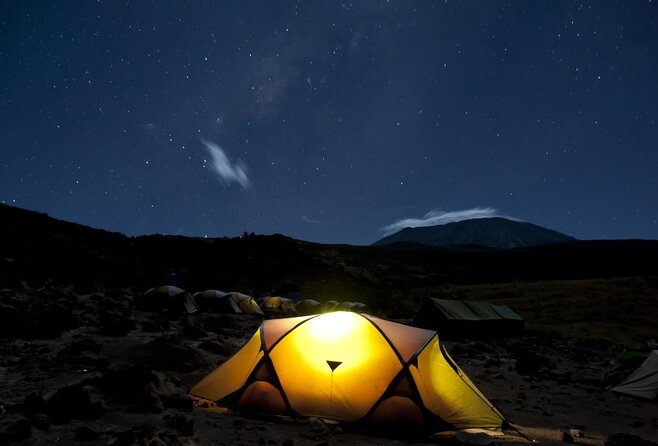
- Seven days on the mountain: You sleep in tents each night on the route, with a hotel stay after the descent.
- A strong acclimatization plan: Day three takes you to Lava Tower at 4,640 meters before you sleep lower at Barranco Camp.
- A changing natural setting: The trail passes through rainforest, heath, moorland, alpine desert, and icy summit terrain.
- A small maximum group: The experience is limited to four people, which should allow close contact with your guide.
- A midnight summit attempt: Expect 5 to 7 hours to Stella Point, then another 1 to 2 hours to Uhuru Peak.
- A high success focus: Past departures have included guides such as Gideon, Laurent, Emanuel, Meshack, Julius, and Johnny, with strong praise for the guiding, cooking, and porter teams.
What the $2,200 price really buys you
At $2,200 per person, this is not a cheap day trip with a view at the end. You are paying for seven days of mountain logistics, park entry arrangements, transport from your hotel, guiding, tent-based overnight stays, meals on the mountain, and the support of a larger mountain crew.
The value depends on how well you prepare and how much help you need. Kilimanjaro requires permits, route planning, food, camping equipment, porters, and safety decisions at high altitude. A good guide is especially important when someone in the group begins to slow down or shows signs of altitude trouble.
The maximum group size of four is a real benefit. A guide can watch your pace, water intake, and general condition more closely than on a large group departure. It also gives you a quieter walk and more flexibility during rest stops.
The price does not make the mountain easy. Nor does the high summit success rate described in past departures guarantee that you will reach Uhuru Peak. Your fitness, pacing, health, weather, and reaction to altitude still matter. I would treat the price as payment for support and organization, not as a promise of the summit.
More Kilimanjaro Climbs in Arusha
- 8-Day Small-group Lemosho Kilimanjaro Summit Trekking
★ 5.0 · 186 reviews - 7 Days Kilimanjaro trek via Machame route
★ 5.0 · 13 reviews - Mount Kilimanjaro day trip trekking
★ 5.0 · 12 reviews
Day one: rainforest, old trees, and Machame Camp
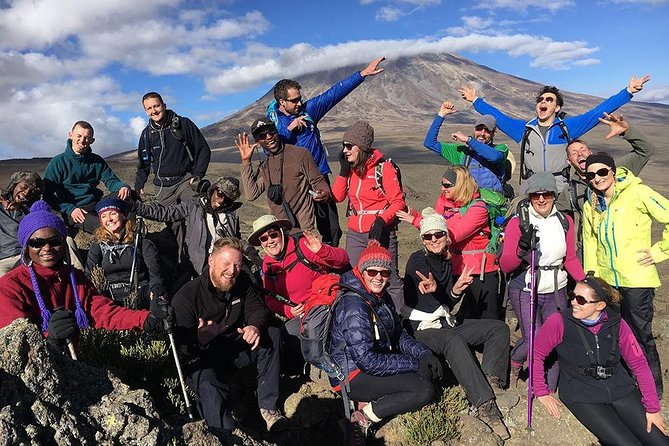
Pickup follows breakfast, with the meeting time set at 8:30 a.m. You travel to the Kilimanjaro National Park gate, complete the required paperwork, and begin walking toward Machame Camp.
The first hike takes about 5 to 6 hours. The rainforest is one of the most memorable parts of the route, with large old trees, ferns, and flowers including Impatiens Kilimanjari. You may also spot black and white colobus monkeys moving through the trees.
This is a good opening day because the forest gives you shade and a clear sense of progress. It is still a long first walk, so do not treat it as a gentle stroll. The trail can feel humid, and your legs are still getting used to carrying a daypack.
At camp, you have time to stretch, eat a substantial meal, and settle into your tent. The simplicity of the evening is part of the appeal. There is no sightseeing program after the hike. You eat, rest, and prepare for the next morning.
Day two: leaving the forest for Shira Camp
The early start on day two helps you reach Shira Camp by mid-afternoon. The trail changes quickly. The thick forest gives way to heath and moorland, with ferns and more open views.
This change matters because the mountain begins to feel larger once the trees thin out. You can see more of the surrounding country and, in clear conditions, the mountain range ahead. The glaciers on Kibo may catch the evening light.
The walk is shorter in feel than the summit day, but the increasing altitude begins to matter. You may find yourself breathing harder even when the trail does not look steep. The useful rule here is to walk slowly and avoid spending energy trying to keep up with a faster companion.
Dinner and another tent night follow at Shira Camp. The mountain crew prepares the meals, and the evening is meant for rest rather than entertainment. Bring something small to read if you like, but do not expect much spare energy.
Day three: Lava Tower at 4,640 meters, then Barranco
Day three is the key acclimatization day. You climb about 700 meters to Lava Tower at 4,640 meters, rest there, and then descend to Barranco Camp, which is only slightly higher than your previous sleeping point.
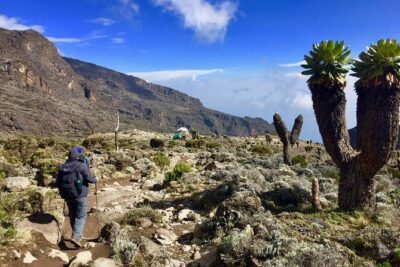
This is the classic climb high, sleep lower pattern. You spend time at a greater altitude without forcing your body to sleep there for the night. It is one of the smartest features of this seven-day route.
The full walk takes about 6 to 7 hours. The scenery becomes drier, with alpine desert around Lava Tower and unusual plants in the Barranco Valley. Small lobelias and giant senecios give the area a strange, almost prehistoric look.
The main challenge is mental. You climb toward a high point, then lose elevation when you may feel that you should be gaining it. That descent is not wasted effort. It is designed to help your body adjust.
Barranco Camp is a dramatic place to finish the day, but do not let the scenery tempt you into staying awake too long. You still have the Barranco Wall in the morning.
More week-long treks in Arusha
- 7 Days Machame Route Kilimanjaro Trekking
★ 5.0 · 9 reviews - Lemosho Route 7 Days Trekking at Mount Kilimanjaro
★ 5.0 · 7 reviews - 7 Days Kilimanjaro Trekking Machame Route with Professional Guide
★ 5.0 · 5 reviews - Best Kilimanjaro Adventure 7 days Machame route Trekking
★ 5.0 · 42 reviews
Day four: the Barranco Wall and Karanga Camp
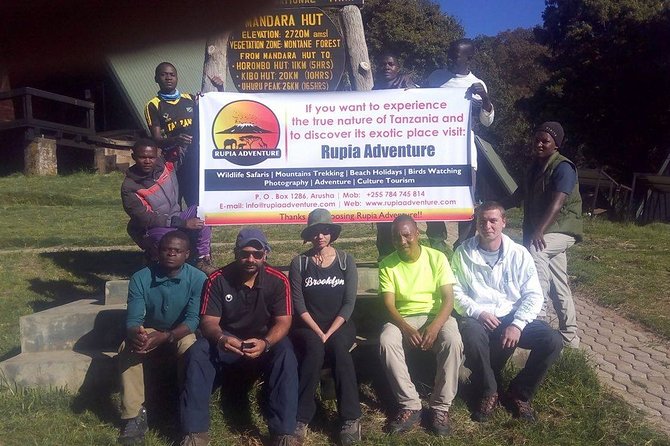
The Barranco Wall is the most hands-on part of the route. At some points, you use your hands for balance and grip, but this is not technical climbing. The guide helps you choose your footing and move carefully.
If you dislike exposed or awkward sections, this may be the day you think about most. The route is not described as requiring climbing equipment, but you still need confidence, patience, and good balance. Keep your hands free and follow the guide’s instructions.
After the wall, the trail includes several ascents and descents before reaching the mountain ridge. Those changes continue the acclimatization process, while the ridge opens views across the dry upper slopes and scattered vegetation.
The walk to Karanga Camp takes about 3 to 4 hours, so this is one of the shorter days. That extra time is useful. You can rest, eat, organize your clothing, or play a game of rummy before dinner.
I like this part of the schedule because it gives your body a pause before the final camps. The catch is that a short day does not necessarily mean an easy day. The Barranco Wall can be tiring, especially if your legs are already sore.
Day five: the dry walk to Barafu Camp
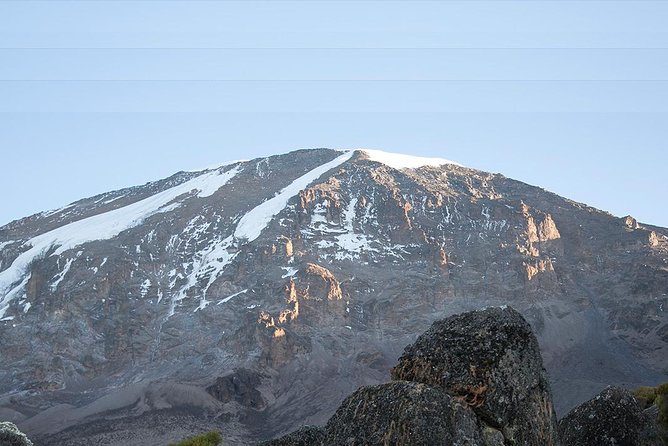
After breakfast, the trail heads toward Barafu Camp. The walk takes about 3 to 4 hours through very dry, desert-like terrain, with Kibo visible to your left.
Barafu is the launch point for the summit attempt, so the mood changes here. You reach camp relatively early, eat an early dinner, and try to sleep before the midnight wake-up. That may be easier said than done. The excitement, altitude, cold, and unfamiliar tent can all work against you.
Use this afternoon carefully. Check your headlamp, warm layers, water, snacks, and walking poles if you use them. Keep your equipment close and avoid wasting energy. Your guide will set the rhythm for the night, but you are responsible for knowing where your essentials are.
This is also the point where you need to be honest about how you feel. Do not hide a headache, nausea, dizziness, or unusual weakness because you are determined to continue. A summit goal is important, but sensible decisions matter more.
Day six: the midnight push to Uhuru Peak
Around midnight, your guide wakes you with tea and biscuits. The summit walk begins under moonlight and headlamp beams. You climb toward Stella Point, reaching the crater rim after roughly 5 to 7 hours.
The summit route is slow and steep. The point is not speed. A steady pace, regular breaks, and careful attention to your guide are more useful than trying to prove your strength early in the night.
Stella Point is at the crater rim, but it is not yet Uhuru Peak. From there, you need another 1 to 2 hours to reach the summit at 5,895 meters. The sunrise can cast a pink glow across the snow and make the glaciers shine, creating the defining view of the trip.
Take photographs, but keep the stop sensible. At this height and after many hours of walking, cold and fatigue build quickly. Your guide will help you judge how long to remain at the top.
The descent follows the same route back to Barafu Camp, where the mountain crew is waiting. This is a crucial point that first-time climbers sometimes underestimate. Going downhill can punish tired thighs and knees. One past departure put it plainly: the descent can feel like the worst part.
The supplied schedule ends this day with the return to Barafu and support from the crew. Your exact rest and meal arrangements should be confirmed with the operator before departure, since summit-day timing can change with weather and group condition.
Day seven: back through the rainforest to Mweka Gate
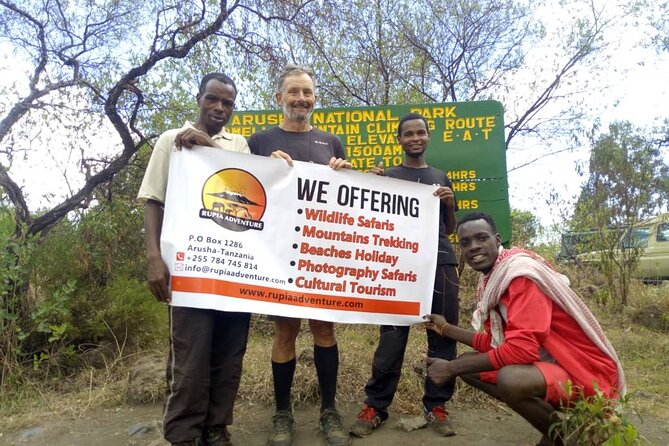
After breakfast, the crew holds a farewell ceremony before you begin the final descent. The trail returns to the rainforest, giving you one more chance to look for colobus monkeys.
The walk to Mweka Gate takes about 2 to 3 hours. After the open, dry upper mountain, the trees and warmer air should feel like a different world. The descent is not difficult in the same way as the summit push, but tired feet can make even a moderate trail feel long.
At the gate, a transfer takes you back to the hotel. The plan includes a long shower, time by the pool, dinner, and an overnight stay at the hotel. That final night is welcome. You have moved through several climate zones, slept in tents, and completed the hardest physical section on day six.
Guides, crew support, and the small-group advantage
The guide is central to this trip. You need someone who can set a slow pace, explain the trail, notice changes in your condition, and make sensible decisions at altitude.
Named guides connected with past departures include Gideon, Laurent, Emanuel, Meshack, Frank, Julius, and Johnny. Some customers also singled out company leader Mathias, cooks, and porters for their care and professionalism. That points to an important truth about Kilimanjaro: your experience depends on the whole mountain team, not just the person walking at the front.
Ask for the names of your assigned guides during the pre-climb briefing. A past departure included a gear check and briefing at Mvuli Hotel, which is the sort of preparation you should expect to confirm before you start. The gear check is especially useful because poor clothing or footwear can become a major problem after several days.
The maximum of four people helps. If one person needs a slower pace or extra rest, the guide has a better chance of responding without managing a large crowd.
Who should choose this seven-day climb?
This trek suits you if you want a route with changing scenery and a built-in acclimatization day. It is also a good match if you prefer a small group and want a guide close at hand.
You should be comfortable walking for several hours on consecutive days. The schedule includes hikes of 5 to 7 hours before the summit attempt, plus a midnight start and a long descent. You do not need technical climbing skills for the Barranco Wall, but you do need reasonable fitness and mental persistence.
This is not the best choice if you want a relaxed mountain holiday, a private room every night, or a flexible daily schedule. You sleep in tents on the mountain, and the summit attempt begins when most people are asleep.
Most people can participate according to the supplied tour details, but that should not replace proper medical advice. The altitude is real, and you should discuss the climb with a medical professional if you have health concerns.
Booking details and cancellation terms
Hotel pickup is offered, and the listed start time is 8:30 a.m. The experience is available with a mobile ticket and confirmation is provided at booking.
You can cancel up to 24 hours before the local start time for a full refund. Cancellations or changes made inside 24 hours are not accepted for a refund. Poor weather or failure to reach the minimum number of participants can lead to a new date, another experience, or a full refund.
Should you book the Machame Route trek?
I would book this trek if your priority is a varied route, a small group, and a seven-day schedule that gives altitude adjustment a proper place. The rainforest, Barranco Wall, Lava Tower, sunrise summit, and return through the forest create a strong progression rather than seven days of similar walking.
I would pause before booking if you are choosing it only because the price includes a summit attempt. The hard work remains yours, especially on day six. Go in prepared for cold, fatigue, tent nights, and a long descent.
Ask the operator to confirm your guide names, gear check, meals, tent arrangements, and the exact summit-day plan. If those details are clear and you are ready to walk slowly, rest often, and listen to the mountain crew, this is a well-shaped route for a serious Kilimanjaro goal.
FAQ
How long is the Machame Route trek?
The trek lasts approximately seven days, including the final descent from the mountain and the hotel night after reaching Mweka Gate.
What time does the experience start?
The listed start time is 8:30 a.m. Pickup takes place after breakfast at your hotel.
How many people can join the group?
The maximum group size is four people.
Where does the trek begin?
You are picked up from your hotel and taken to the Kilimanjaro National Park gate. After the required paperwork, the walk begins on the Machame Route.
Where do you sleep during the trek?
You sleep in tents during the mountain portion of the route. After descending to Mweka Gate, you return to a hotel for dinner and an overnight stay.
How high is Uhuru Peak?
Uhuru Peak is 5,895 meters above sea level.
How long is the summit-day walk?
The climb from Barafu Camp to Stella Point takes about 5 to 7 hours. The walk from Stella Point to Uhuru Peak takes another 1 to 2 hours.
Is the Barranco Wall technical climbing?
No technical climbing is required. Some sections require you to use your hands for balance and grip, and the guide assists you along the way.
Is hotel pickup included?
Yes. Pickup is offered from your hotel before the transfer to the national park gate.
Can I cancel for a full refund?
Yes, if you cancel at least 24 hours before the experience start time. Cancellations made less than 24 hours before the start time are not refundable.
Latest treks added in Arusha
- 3 Days Mount Meru trekking★ 4.5 · 7 reviews
- Mount Kilimanjaro day trip trekking★ 5.0 · 12 reviews
- 5 Days Marangu Route Kilimanjaro Trekking★ 5.0 · 4 reviews
- 8 Days Lemosho Route Kilimanjaro Trekking★ 5.0 · 5 reviews
- 7 Days Machame Route Kilimanjaro Trekking★ 5.0 · 9 reviews
- Lemosho Route 7 Days Trekking at Mount Kilimanjaro★ 5.0 · 7 reviews
- Private One-Day Trek to Mount Kilimanjaro★ 4.5 · 2 reviews
- 5 Days Marangu Route – Mount Kilimanjaro Trek★ 5.0 · 5 reviews
Kilimanjaro Climbs, compared.
8-Day Small-group Lemosho Kilimanjaro Summit Trekking
Read our review →
Best Kilimanjaro Adventure 7 days Machame route Trekking
Read our review →
Kilimanjaro 7 Day Private Trekking Experience
Read our review →
6 Days Machame Route Kilimanjaro Climbing Trekking Tour
Read our review →
Kilimanjaro Trekking 7Days 6Night Lemosho Route
Read our review →
Browse the lists this tour appears in