
REVIEW · ARUSHA
7 Days Machame Route Kilimanjaro Trekking
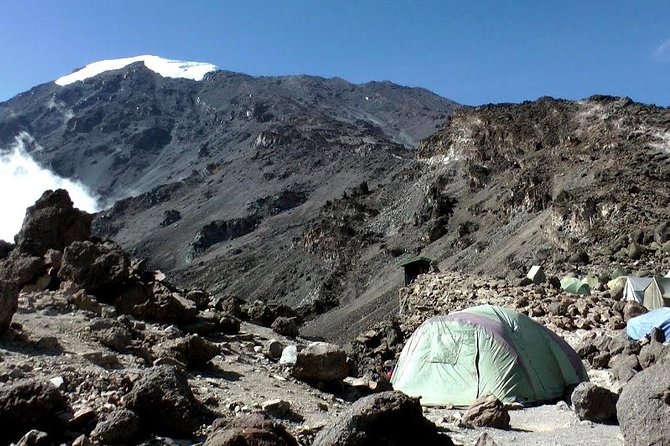
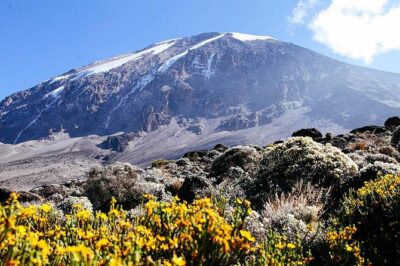
Kilimanjaro’s Machame Route gives you the mountain in chapters: wet rainforest, open moorland, rocky desert, glaciers, and a snow-dusted summit. The scenery changes so often that the long walking days feel like a journey through several climates, not one endless uphill slog.
I like the seven-day pace because it gives you more time to adjust to altitude than a shorter itinerary. I also like the practical setup: porters carry the camp gear, tents are prepared before you arrive, and the crew includes guides such as Oliver, Mathew, Ombeni, Safaeli, and Godlove. The main drawback is the summit day, which can take 15 to 16 hours from Barafu Camp and back down to Mweka Camp.
Key points at a glance
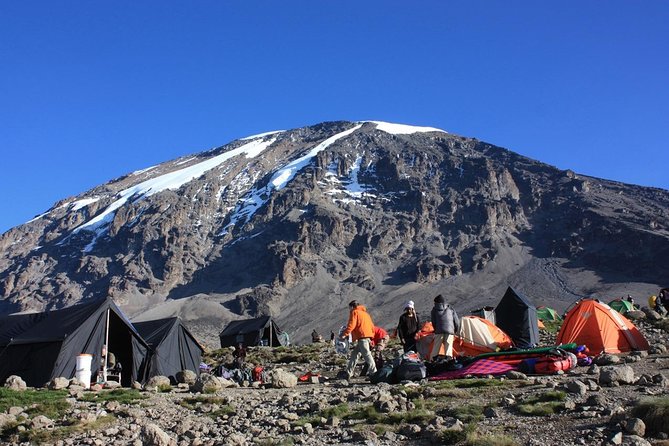
- Rainforest to ice in seven days: You pass through montane forest, moorland, semi-desert, alpine desert, and summit scree.
- Lava Tower acclimatization: Day three climbs to 4,630 meters before descending to Barranco Camp, a useful high-and-low altitude pattern.
- A serious summit night: You start around 11:30 pm and may spend six hours reaching Stella Point before continuing to Uhuru Peak.
- Porter-supported camping: Tents, mattresses, a mess tent, cooking equipment, meals, and porterage are included.
- Private group format: Only your group takes part, with pickup offered from Arusha at about 4:00 am.
- Strong service focus: The operation is associated with guides and staff named Oliver, Mathew, Ombeni, Safaeli, Godlove, and Erastus.
Why the Machame Route earns its reputation
Machame is popular for good reason. It is one of the more scenic ways up Kilimanjaro, and its seven-day version gives you a better shot at handling the altitude than a rushed climb. You do not simply walk uphill every day. The route rises high, drops lower to sleep, then climbs again. That rhythm matters.
The route is also relatively economical because it has easy access and a shorter schedule than longer circuits. At $2,200.11 per person, the price is not a budget stroll, but it covers the costly working parts of a Kilimanjaro climb: park access, camping equipment, food, porters, guides, rescue fees, transport, taxes, and mountain accommodation.
I like the way this setup keeps you focused on walking. The porters handle the bulky camp supplies, while the cooking team provides breakfast, lunch, dinner, and snacks. You still need to carry your personal day gear, but you are not hauling a tent or kitchen up the mountain.
The tradeoff is that Machame is not the quietest route on Kilimanjaro. Its popularity means you may share sections of trail and camp areas with other climbing groups, though this particular activity is private for your own party. The route also has several steep, rough sections, and the summit attempt is physically demanding even for fit hikers.
More Kilimanjaro Climbs in Arusha
- 8-Day Small-group Lemosho Kilimanjaro Summit Trekking
★ 5.0 · 186 reviews - 7 Days Kilimanjaro trek via Machame route
★ 5.0 · 13 reviews - Mount Kilimanjaro day trip trekking
★ 5.0 · 12 reviews
Day one: 18 kilometers through wet forest
Your day starts early, with pickup from Arusha at about 4:00 am after breakfast. Arusha sits around 1,400 meters, while the Machame Gate is near 1,490 meters. You drive to Machame Village, where you can buy mineral water and collect a packed lunch.
Depending on road conditions, the vehicle continues for about three kilometers or you walk that section to the gate. This is a small detail with practical value: poor roads can turn the final approach into an extra walk before the official hike begins.
At Machame Gate, you and your guide register with the Tanzania National Park Authority. The porters sort and pack the expedition’s equipment while you prepare for the trail. Once walking begins, the path climbs into montane forest.
Expect rain, mud, and fog. The first day covers about 18 kilometers and takes roughly seven hours, so this is not merely a gentle warm-up. The forest section is humid and often slippery, and your boots, rain shell, and pack cover need to be ready from the start.
The reward is the first clear sense that you have left normal road travel behind. You walk beneath dense forest for most of the day, then reach camp tired but already surrounded by the mountain’s changing plant zones.
Day two: Shira Plateau and a colder camp
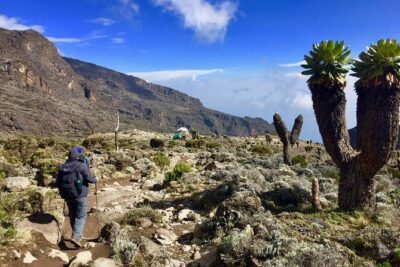
Day two leaves the rainforest behind and enters heathland and moorland. The route covers about nine kilometers in around six hours, crossing streams and following a rocky ridge toward Shira Camp at approximately 3,840 meters.
This is where the scale of Kilimanjaro begins to open up. Shira Camp sits beside a stream and offers views toward the Western Breach and its glaciers to the east. The vegetation is lower and more open than on day one, so you begin to see farther across the mountain.
Your tents should be set up before you arrive, and the porters prepare water for drinking and washing. That support is easy to take for granted until you realize how much work goes into camp life at altitude.
The night can drop below freezing. Shira is exposed, and the cold may be more noticeable than the day’s walking distance suggests. Bring warm night clothing, keep essential items inside your sleeping bag or clothing system, and do not judge the climb only by daytime temperatures.
Day three: Lava Tower, 4,630 meters, then Barranco
Day three is one of the most useful days on the route. You walk about 15 kilometers over seven hours, leaving the moorland for a rocky semi-desert. After roughly five hours, you reach Lava Tower at 4,630 meters.
This high point is important for acclimatization. You climb high during the day, then descend to sleep at Barranco Camp around 3,950 meters. That high-and-low pattern gives your body a chance to adjust without forcing you to spend the night at Lava Tower.
The altitude may announce itself here through headache, shortness of breath, or unusual fatigue. You should walk slowly, drink as instructed, and tell your guide early if you feel unwell. The guide’s job is not just to show the path. It is also to watch how you are coping.
Packed lunch is served at Lava Tower, and climbing the tower may be possible if weather allows. Do not treat that optional climb as a requirement. The main purpose of the stop is the altitude experience and the later descent.
Barranco Camp is a fine payoff. The descent leads into a dramatic setting beneath the Barranco Wall, with a much lower sleeping altitude than the tower. You will probably feel the day in your legs, but this is one of the route’s smartest design features.
More week-long treks in Arusha
- 7 Days Machame Route Trek Mount Kilimanjaro
★ 5.0 · 12 reviews - Lemosho Route 7 Days Trekking at Mount Kilimanjaro
★ 5.0 · 7 reviews - 7 Days Kilimanjaro Trekking Machame Route with Professional Guide
★ 5.0 · 5 reviews - Best Kilimanjaro Adventure 7 days Machame route Trekking
★ 5.0 · 42 reviews
Day four: The Barranco Wall and Karanga Valley
Day four is shorter, covering about five kilometers in four to five hours. It is not necessarily easy. The main task is climbing the Barranco Wall, a steep Class 2 section that looks more intimidating from below than it often feels once you are moving.
You may use your hands at times, and the trail requires attention to footing. This is not technical mountaineering, but it is a rough mountain path with exposure in places. Listen to your guide and take your time rather than trying to match someone else’s pace.
At the top, you gain views toward Heim Glacier and rise above the clouds. The path then winds through the Karanga Valley with several ups and downs. That repeated climbing and descending can surprise you on a short day.
Karanga is a useful acclimatization stop. You are still gaining height, but the day gives you a chance to recover before the final push to Barafu. I would treat this as a day for steady walking, good meals, and an early night rather than a chance to prove fitness.
Day five: Barafu Camp at 4,550 meters
From Karanga Camp, around 3,959 meters, you walk only four kilometers in two to three hours. The trail joins the Mweka Route, which you will use for the descent. After about an hour, you reach Barafu Hut and then the exposed Barafu Camp at about 4,550 meters.
The short distance can be misleading. Barafu is the launch point for the summit attempt, and the camp is rocky, windy, and exposed. There is no accessible water at the camp, so this is the last water stop for the porters. That explains why the support team must carry water upward in advance.
The word barafu means ice in Swahili, and the name suits the setting. You should inspect the campsite before dark, organize your summit clothing, and keep your headlamp, gloves, water, snacks, and warm layers where you can reach them quickly.
Dinner is served early, followed by rest. You may not sleep well because of the altitude, excitement, or the awkward timing. That is normal enough, but do not waste the afternoon. The summit day begins around 11:30 pm.
Day six: Stella Point, Uhuru Peak, and a long descent
This is the day that defines the climb. You wake around 11:30 pm for tea and biscuits, then start up over stone scree. The ascent heads northwest toward Stella Point on the crater rim at approximately 5,685 meters.
The climb to Stella Point takes about six hours. You walk in darkness for much of it, and the cold, steep slope, thin air, and slow pace can make this the hardest mental section of the trek. The distance is only about seven kilometers upward, but altitude changes the meaning of every step.
At Stella Point, you can watch the sunrise from the crater rim. From there, you continue for about two hours over a snow-covered trail to Uhuru Peak, at 5,895 meters, the highest point in Africa. The summit section is not guaranteed simply because you reached Barafu. Weather, altitude, and your physical condition all matter.
After the summit, you return to Barafu and continue down to Mweka Camp. The stated descent is about 23 kilometers and takes seven to eight hours. In total, the day may run 15 to 16 hours, so you need realistic expectations. Reaching the top is only half of this day’s work.
This is also where good guiding matters most. The named guides associated with the company include Oliver, Mathew, Ombeni, Safaeli, and Godlove, while Erastus has handled communication and trip arrangements. The operation’s strongest service pattern is personal support, clear mountain guidance, and a crew that keeps the group moving through a very long day.
Day seven: Celebration, certificates, and Mweka Gate
After breakfast at Mweka Camp, the crew holds a celebration with singing and dancing. You also present tips to the guides, assistant guides, chef or chefs, and porters. Tips are not included in the price, so you should plan for them before setting out.
The final descent takes about three hours through forest to Mweka Gate. You sign your name with the national park and receive a certificate based on your highest point. Reaching Stella Point brings a green certificate, while reaching Uhuru Peak brings a gold certificate.
After the gate, you descend for about an hour to Mweka Village, a further three kilometers. The mountain part may be finished, but the day still includes the formal exit and transfer back toward the meeting point.
This last day is short compared with summit day, though tired knees can make downhill walking feel longer than expected. The celebration is a good touch because it recognizes the whole crew, not just the person who reached the summit.
What the $2,200.11 price covers
The price includes:
- Camping equipment, including a mess tent, mattress, and cooking equipment
- Rescue fees and park-related parking fees
- Camping accommodation during the trek
- Professional driver and guide
- Porterage
- Breakfast on six days
- Lunch on seven days
- Dinner on six days
- Taxes and VAT
That is a solid package for a seven-day Kilimanjaro climb. Food, camp support, permits-related costs, porters, and rescue coverage can add up quickly when purchased separately. The private format also means your group is not simply attached to a large public departure.
You still need to budget for climbing gear, sleeping bag rental if required, international flights, visa fees, travel insurance, souvenirs, bath towels, tips, and any government increase in taxes or park fees. Accommodation before and after the trek is not included, so arrange your Arusha hotel separately.
Climbing gear and sleeping bags are available to rent. That helps if you do not want to buy specialist equipment for one mountain, but ask for current rental details before you arrive. The listed package does not include personal gear automatically.
Who should choose this seven-day climb?
I would choose this route if you want strong scenery, a private group, and a middle-length schedule that gives altitude adjustment more attention than a very short climb. It suits people who can handle long walking days, cold camps, uneven ground, and a demanding summit night.
It is also a sensible choice if you value a full support team. You walk, while porters handle camp supplies and the chef prepares meals. The guides named in connection with the operation, including Oliver, Mathew, Ombeni, Safaeli, and Godlove, are part of the human side of the trip, which matters when you are tired and making decisions at altitude.
I would hesitate if you want a relaxed holiday with flexible mornings. The 4:00 am pickup, early breakfasts, cold exposed camps, and 15-hour summit day are serious commitments. The non-refundable booking condition also means you should have your dates, insurance, and personal preparation settled before paying.
Should you book the Machame Route?
Book it if you want Kilimanjaro’s broadest scenery in seven days and you accept that the summit attempt will be hard. The route offers good value for a supported private climb, especially with camping equipment, meals, porters, rescue fees, and park costs included.
Before booking, confirm your gear plan, sleeping bag needs, pre- and post-trek accommodation, tipping budget, and travel insurance. If you are prepared for mud on day one, cold at Shira and Barafu, and a very long summit day, this is a strong route for seeing Kilimanjaro from forest floor to ice-capped peak.
FAQ
Where does the trek start?
The activity starts in Arusha, Tanzania, with pickup offered from the meeting point. The listed start time is about 4:00 am.
How long does the Machame Route trek take?
The trek lasts approximately seven days, ending back at the meeting point after the descent from Mweka.
Is this a private activity?
Yes. Only your group participates in the private tour or activity.
Are meals included?
Yes. The package includes breakfast on six days, lunch on seven days, and dinner on six days.
Is camping equipment included?
Yes. The included camping equipment covers a mess tent, mattress, and cooking equipment. A sleeping bag is not included, but one is available for rent.
Are climbing gear and personal expenses included?
No. Climbing gear is available for rent, but personal items, souvenirs, travel insurance, visa fees, international flights, bath towels, and tips are not included. Lodging before and after the trek is also separate.
Latest treks added in Arusha
- 3 Days Mount Meru trekking★ 4.5 · 7 reviews
- Mount Kilimanjaro day trip trekking★ 5.0 · 12 reviews
- 5 Days Marangu Route Kilimanjaro Trekking★ 5.0 · 4 reviews
- 8 Days Lemosho Route Kilimanjaro Trekking★ 5.0 · 5 reviews
- 7 Days Machame Route Trek Mount Kilimanjaro★ 5.0 · 12 reviews
- Lemosho Route 7 Days Trekking at Mount Kilimanjaro★ 5.0 · 7 reviews
- Private One-Day Trek to Mount Kilimanjaro★ 4.5 · 2 reviews
- 5 Days Marangu Route – Mount Kilimanjaro Trek★ 5.0 · 5 reviews
Kilimanjaro Climbs, compared.
8-Day Small-group Lemosho Kilimanjaro Summit Trekking
Read our review →
Best Kilimanjaro Adventure 7 days Machame route Trekking
Read our review →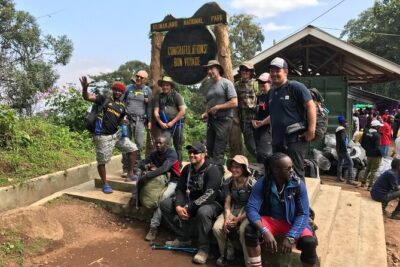
Kilimanjaro 7 Day Private Trekking Experience
Read our review →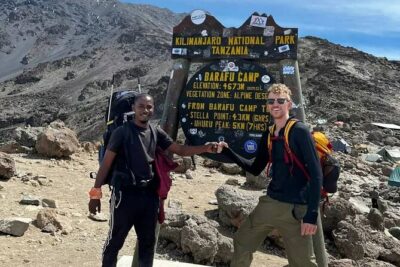
6 Days Machame Route Kilimanjaro Climbing Trekking Tour
Read our review →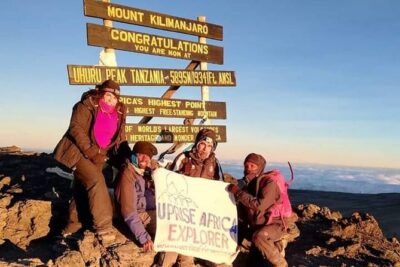
Kilimanjaro Trekking 7Days 6Night Lemosho Route
Read our review →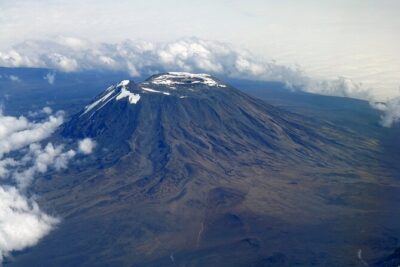
Browse the lists this tour appears in