
REVIEW · ARUSHA
3 Days Mount Meru trekking
Mount Meru gives you a rare two-part mountain day: a wildlife walk through Arusha National Park followed by a serious high-altitude climb. Giraffes, zebras, antelope, buffalo, and possibly elephants may appear near the trail, while the summit route brings crater views and Mount Kilimanjaro at sunrise.
I like the private guide setup and the fact that porters, a cook, and an armed park ranger are part of the team. I also like the sensible three-day rhythm, with a short second hiking day and a midnight start that gets you to the summit in good light. The drawback is clear: this is a hard trek, with little sleep before the final push and a rocky ridge near the top.
Key points to know before you book
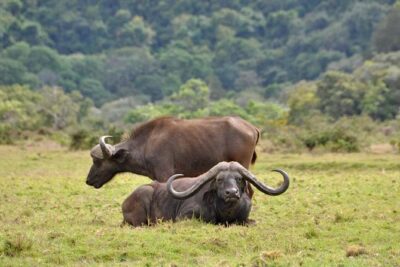
- Wildlife comes before the mountain climb: The first day can feel like a walking safari, with giraffes, zebras, buffalo, antelope, and possible elephant sightings.
- The summit reaches 4,565 meters: You gain serious altitude quickly, so strong fitness and a steady pace matter.
- The final day starts at 12:30 a.m.: Tea and biscuits come first, then the summit walk begins around 1:30 a.m.
- An armed ranger is required: Wildlife near the trail means this is not a simple unguided hike.
- The $800 price includes the working team: Meals, hut accommodation, porters, guide services, and park admission are included.
- You get a private experience within a maximum group of 15: Ask ahead about the expected group size and confirm all payment details carefully.
Why Mount Meru makes a strong three-day trek
Mount Meru is Tanzania’s fifth-highest mountain, rising to 4,565 meters. It often gets less attention than Kilimanjaro, but that is part of its appeal. You get a demanding summit, a volcanic crater, a dramatic ridge, and views toward Kilimanjaro without committing to a much longer climb.
The route also gives you more than a standard mountain walk. Your first hours take place in Arusha National Park, where the trail can feel like a walking safari. The combination is unusual: one minute you may be watching giraffes or buffalo, and later you are climbing toward a high mountain hut.
This is a private guided trek operated by Rupia Adventure. A guide leads the climb, porters organize and carry the group’s belongings, and a cook prepares the included meals. Because wildlife may be close to the path, a park-hired armed ranger joins the group for the trek.
That ranger is not a decorative extra. The route passes through habitat used by large animals, and the park requires the ranger to accompany hiking groups. It also means you should treat the first day as a real park excursion, not just a long walk to the first hut.
More three-day treks in Arusha
- 3 Days Mount Meru Trek
★ 5.0 · 3 reviews - Sapa 3 Days 2 Nights Trekking Tour (1 Night In Ta Van Village, 1 Night In Hotel)
★ 5.0 · 699 reviews - 3-Day Trekking Adventure of Sapa from Hanoi – Stay Ta Van Village
★ 5.0 · 611 reviews
Day 1: From Arusha to a wildlife-filled trail
Your morning begins with breakfast in Arusha, at about 1,400 meters. Pickup is offered from your hotel, and the stated start time is 9:00 a.m. The drive takes you to Momella Gate in Arusha National Park, where you and your guide handle registration with Tanzania National Parks.
While you deal with registration, the porters organize and pack the equipment. This is useful because you do not need to begin the hike carrying the full load. You should still have a daypack with the items you need during the walk, although the exact packing list is not provided.
The first hiking day lasts about six hours. It is the most wildlife-focused part of the trek, with possible sightings of giraffes, zebras, antelope, buffalo, and elephants. Keep your expectations realistic: animals are wild, sightings are not guaranteed, and the presence of wildlife is the reason an armed ranger must join you.
The trail then begins to shift from safari walking to mountain walking. You gain altitude as you move through the park, and the scenery changes as the route approaches Mount Meru’s higher slopes. A guide who can explain local plants, animals, and mountain conditions adds real value here. One guide praised in the tour feedback is Frank, who was described as giving information about the flora, fauna, and mountain life throughout the climb.
This day is long enough to test your legs, but it is not the hardest section. You have time to settle into the pace, see how the team works, and find out how your body responds to the altitude. Use it well. Drink regularly, walk steadily, and do not burn energy trying to hurry toward the hut.
Day 2: The saddle, crater views, and Little Mount Meru
After breakfast, you continue upward along a steep trail on the ridge of the saddle. The listed hiking time is about four hours, making this the shortest scheduled walking day. That shorter day is important because it gives you time to recover before the summit push.
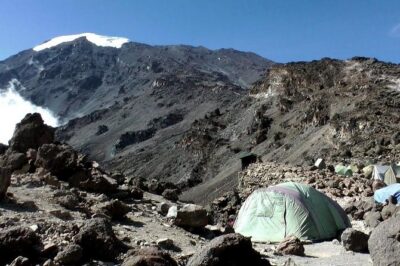
The route offers views into the Mount Meru Crater and toward the Ash Tray, a striking volcanic feature. You may also see more wildlife along this section, although the main attraction now is the changing mountain scenery and the sense of height.
At camp, you can choose to hike Little Mount Meru, which reaches about 3,820 meters. This extra walk is intended to help your body adjust to altitude, but it is still an added climb. If you feel strong, it gives you more views and useful time at elevation. If you have a headache, unusual fatigue, or trouble breathing, resting is the wiser choice.
Dinner is served early, and the schedule asks you to sleep by about 7:00 p.m. This is not a normal evening in the mountains. You are trying to rest before a 12:30 a.m. wake-up, so keep your evening simple and prepare your summit clothing and daypack before bed.
The hut accommodation is included, but the information provided does not give details about room layouts, bedding, bathrooms, or electricity. Assume the facilities are basic and ask the operator what you need to bring. The same applies to equipment. The team organizes the trek, but the published details do not say that personal hiking boots, warm layers, headlamps, or other gear are supplied.
Day 3: A midnight start and a rocky route to 4,565 meters
Your guide wakes you at 12:30 a.m. Tea and biscuits are provided before the climb begins at about 1:30 a.m. This early start helps you reach the summit around sunrise, when Mount Meru’s crater and Kilimanjaro can appear in the best light.
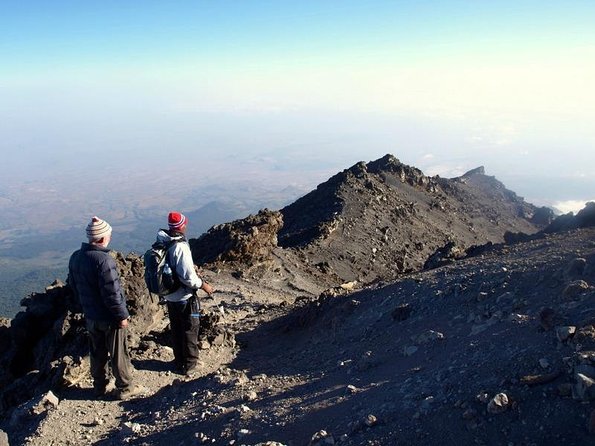
The first part of the trail climbs steeply toward Rhino Point at about 3,800 meters. From there, you continue to Cobra Point at about 4,350 meters. The altitude and darkness make this a demanding section, even for a fit hiker.
The final hour is especially important. You scramble along a rocky ridge between the crater and Meru’s inner cliffs. This is not a smooth, easy path, and you should be comfortable using your hands for balance on rough ground. A strong physical fitness level is required, and anyone uneasy with steep or exposed terrain should ask detailed questions before booking.
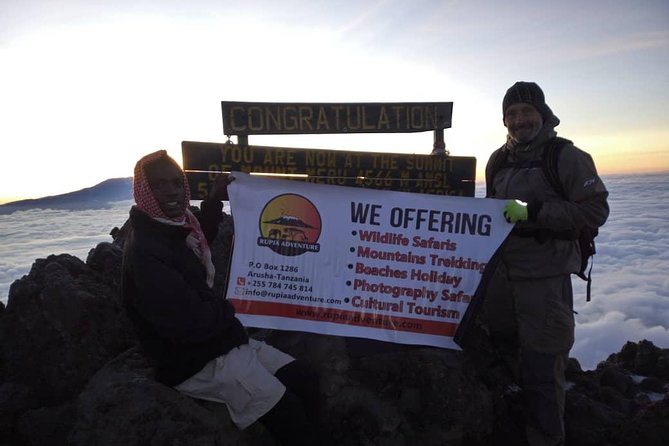
Reaching the summit at 4,565 meters is the reward for the night’s work. You can look across Mount Meru’s Ash Tray and, weather permitting, see Mount Kilimanjaro. Sunrise adds a memorable finish, but the summit is not the end of the effort.
You then descend to Momella Gate and return to Arusha. The published schedule describes this as a long final day, with the supplied duration displayed inconsistently as nearly six days. The actual itinerary makes clear that the trek is sold as three days, and the last day includes the midnight wake-up, summit climb, descent, and return transfer. Plan for a very tiring day.
More Trekking Tours in Arusha
- 8-Day Small-group Lemosho Kilimanjaro Summit Trekking
★ 5.0 · 186 reviews - 4 Days Mount Meru Trekking
★ 5.0 · 55 reviews - 7 Days Kilimanjaro trek via Machame route
★ 5.0 · 13 reviews - 4 Days Mount Meru Climbing | Hiking | Trekking Tour
★ 5.0 · 13 reviews
What the $800 price really covers
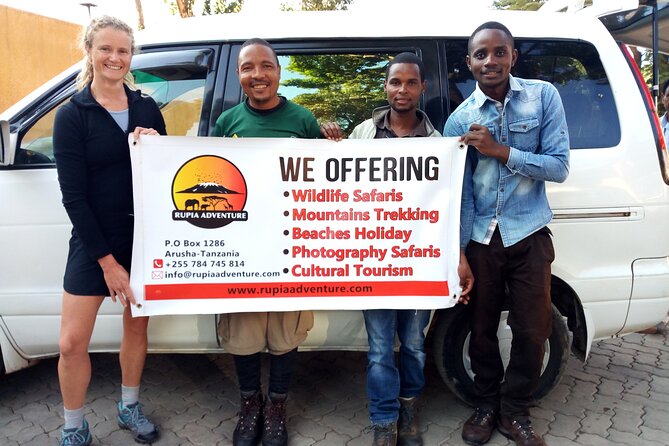
At $800 per person, this is not a cheap day hike. It is also not simply a guide walking beside you. The price includes park admission, meals, hut accommodation, a private guide, porters, and the support of a cook and armed ranger.
That package matters on Mount Meru. You are entering a national park, sleeping at altitude, and relying on a team to move food and equipment along the route. Porters also let you hike with a lighter personal load, which can make a real difference on the steep upper trail.
The best value comes if you want a supported climb rather than a self-organized route. The included meals are another practical benefit. Previous feedback praised the food for being plentiful and well prepared, though the supplied information does not provide a set menu. Ask about dietary needs before departure.
A private tour can also be useful if you want the guide to adjust the pace to your group. The maximum group size is 15, but the word private can mean different things in mountain tourism. Confirm whether you receive an exclusive guide and support team, or whether some services are shared with another group.
One financial warning deserves attention. A serious complaint alleges incorrect bank details, repeated charges, poor communication, bad vehicles, and weak equipment. Other feedback describes professional organization, friendly support, strong food, and a good guide, porter, and cook team. That mixed record does not prove a pattern, but it gives you a clear practical task: verify the company’s official payment details directly before sending money, keep receipts, and confirm what equipment and transport are included.
The people who shape the experience
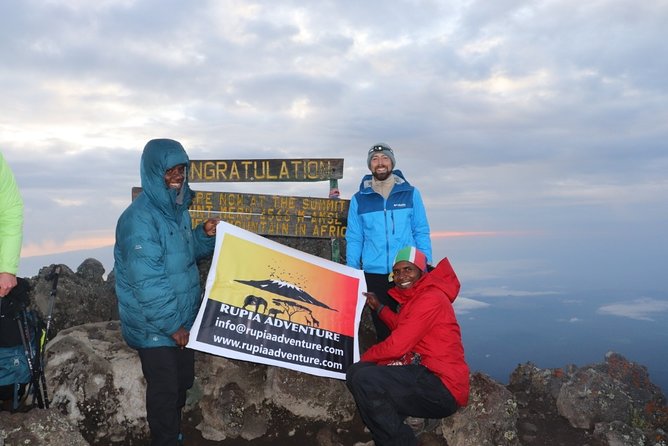
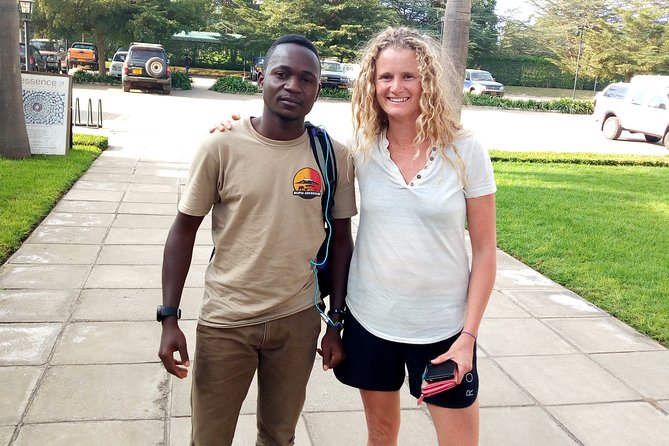
A mountain trek is only partly about the trail. The guide sets the pace, explains the park, watches for altitude problems, and decides when the group should slow down. The porter team carries the load and helps keep camp running, while the cook handles the meals that keep you moving.
The strongest feedback about this trek focuses on the team’s support and attitude. The guide, porter, and cook were praised for being helpful, enthusiastic, and attentive. Another account describes the staff checking that the group was comfortable throughout the climb.
Those details matter more on the third day than on the first. At 4,000 meters, a calm guide who notices fatigue can make a hard climb feel manageable. You should still ask who your guide will be, how many people are in your group, and what happens if someone cannot continue to the summit.
An armed ranger also joins the group because of the park’s wildlife. That adds another trained person to the hiking party and helps keep the wildlife encounter at a safe distance. Do not expect a private animal encounter. The aim is to pass through the park responsibly and safely.
Who should book this trek
I would recommend this climb to a fit hiker who wants a short but serious mountain challenge and likes the idea of combining wildlife with a summit. It suits someone with enough stamina for six hours on the first day, steep climbing on the second, and a midnight-to-afternoon effort on the third.
You should be ready for:
- Steep trails and high altitude
- A 12:30 a.m. wake-up
- A rocky ridge near the summit
- Basic hut accommodation
- Long hours outside
- Possible wildlife near the route
- A guided pace rather than complete independence
This is not a relaxed national park outing. The safari element may sound gentle, but the mountain section is demanding. If you have limited hiking experience, ask the operator for a detailed gear list and a frank description of the ridge before paying.
The trek may also work well before a longer Kilimanjaro climb, but the supplied information does not promise that it is designed as an acclimatization package for Kilimanjaro. Treat Little Mount Meru as an optional extra, not a guarantee of preparation for another expedition.
Booking details worth checking first
Confirmation is provided at booking, and mobile tickets are available. Pickup is offered, with the listed start time at 9:00 a.m. from Arusha. The experience has a maximum of 15 people and may require a minimum number to operate.
The cancellation rule is strict. The booking is non-refundable and cannot be changed for any reason. If poor weather forces cancellation, you are offered another date or a full refund. If the minimum number is not met, you are offered another date or experience, or a full refund.
Because the payment complaint is serious, take a few minutes to confirm the bank or payment account through an official contact before making the transfer. Also confirm the meeting point, hotel pickup, expected group size, hut details, and personal gear requirements.
Should you book the Mount Meru trek?
Book it if you want a compact, well-supported mountain climb with wildlife on the approach, volcanic scenery, and a sunrise summit. The price includes the main services you would otherwise need to arrange separately, and the three-day schedule makes Mount Meru possible within a short Tanzania visit.
Think twice if you dislike basic accommodation, steep rocky trails, or sleepless summit nights. The payment and equipment concerns also mean you should verify the operator carefully before committing. With those checks in place, this trek offers a strong mix of park wildlife, mountain scenery, and a genuine high-altitude challenge.
FAQ
How long is the Mount Meru trek?
The experience is sold as a three-day trek. Day one takes about six hours of hiking, day two about four hours, and day three includes the midnight summit attempt, descent, and return to Arusha.
Where does the trek begin?
You are picked up in Arusha and taken to Momella Gate in Arusha National Park. The listed start time is 9:00 a.m.
What altitude does Mount Meru summit reach?
The summit reaches 4,565 meters.
What time does the summit hike begin?
You are woken at about 12:30 a.m. for tea and biscuits. The summit hike begins around 1:30 a.m.
What animals might I see?
Possible sightings include giraffes, zebras, antelope, buffalo, and elephants. Wildlife sightings are not guaranteed.
Is an armed ranger included?
An armed ranger hired through the national park is required to accompany the group because of the possibility of wildlife near the trail.
Are meals included?
Yes. All meals are included, and a cook is part of the support team.
Is hut accommodation included?
Yes. Hut accommodation is included, although the available information does not specify the hut facilities or bedding.
Is the trek suitable for all fitness levels?
No. A strong physical fitness level is required because of the steep trails, high altitude, rocky summit ridge, and long final day.
Can I cancel for a refund?
The experience is normally non-refundable and cannot be changed. If the operator cancels because of poor weather or because the minimum group size is not met, you can receive a full refund or choose another date or experience.
Latest treks added in Arusha
- Mount Kilimanjaro day trip trekking★ 5.0 · 12 reviews
- 5 Days Marangu Route Kilimanjaro Trekking★ 5.0 · 4 reviews
- 8 Days Lemosho Route Kilimanjaro Trekking★ 5.0 · 5 reviews
- 7 Days Machame Route Kilimanjaro Trekking★ 5.0 · 9 reviews
- 7 Days Machame Route Trek Mount Kilimanjaro★ 5.0 · 12 reviews
- Lemosho Route 7 Days Trekking at Mount Kilimanjaro★ 5.0 · 7 reviews
- Private One-Day Trek to Mount Kilimanjaro★ 4.5 · 2 reviews
- 5 Days Marangu Route – Mount Kilimanjaro Trek★ 5.0 · 5 reviews
Arusha Trekking Tours, compared.
8-Day Small-group Lemosho Kilimanjaro Summit Trekking
Read our review →
4 Days Mount Meru Climbing | Hiking | Trekking Tour
Read our review →
13 Days Adventure in Tanzania – Trekking and Wildlife Safari
Read our review →Browse the lists this tour appears in