
REVIEW · KATHMANDU
Kathmandu: 6-Day Limitless Langtang Trek
Langtang gives you a real Himalayan trek without requiring a long expedition. In six days, you travel from Kathmandu to Syabrubesi, follow the Langtang River through forest and mountain villages, and reach Kyanjin Gompa at 3,870 meters. The optional climb to Kyanjin Ri, 4,770 meters, adds the big mountain payoff, but it also makes clear that this is more than a casual walk.
I especially like the chance to meet the Tamang community in the villages and the simple pleasures along the route: monasteries, a cheese factory, warm lodge dining rooms, and quiet trails. I also like the strong guiding record. Guides including Niraj, Mahesh Aryal, Bipin, Dipesh, and Ghanshyam are praised for checking on fitness, explaining the plan, and helping with packs when the trail gets tough.
The main caution is the pace. The trek is described as moderate, but some days can run to eight hours on steep ground, and the quick rise from 1,550 meters to 3,870 meters requires care. Families and first-time trekkers may enjoy it, but only if everyone is ready for long uphill days and cold nights.
Key points to know before you book
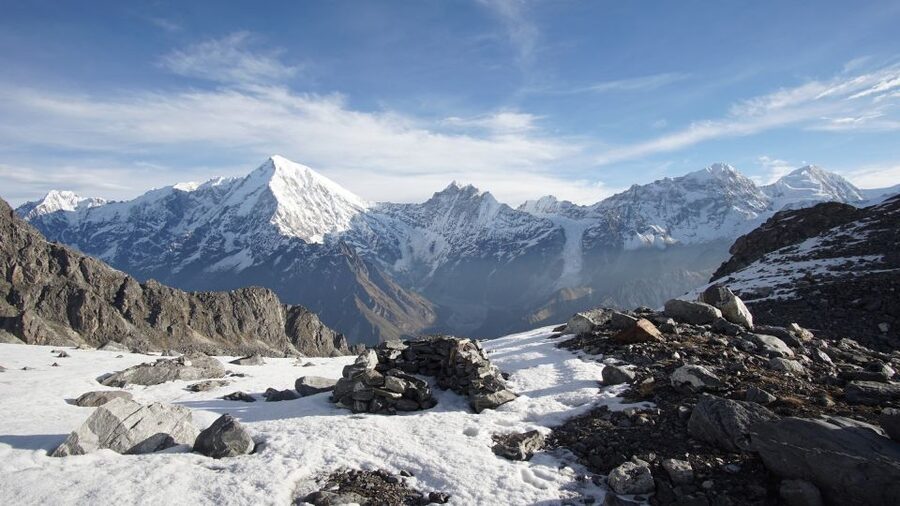
- Kyanjin Ri is optional: The 4,770-meter viewpoint offers wide Himalayan views, but the climb is hard and is not essential to enjoy the valley.
- The scenery changes quickly: You move from river trails and forest to high mountain country in only a few days.
- Guiding is the strongest part: Niraj, Mahesh, Bipin, Dipesh, and Ghanshyam are all named as helpful, careful guides.
- This is a private group trek: You get a guide for your own group, while road transport to and from Syabrubesi is shared.
- The $181 price can be good value: Permits, guide costs, five nights of lodging, transport, and meals on the full package are covered, though a porter and personal extras cost more.
- Pack for cold nights: Warm clothing, gloves, a sleeping bag, a flashlight, good shoes, and sun protection are important.
Why Langtang works well for a six-day Himalayan trek
Langtang is a sensible choice if you want mountain scenery and local culture but have limited time in Nepal. The route does not spend a week simply reaching the main valley. You drive from Kathmandu to Syabrubesi on the first day, then spend several days walking into the high country before returning along the same route.
That compact plan is both its strength and its weakness. You get forests, waterfalls, villages, Buddhist sites, and high peaks in a short time. But the schedule leaves less room for slow acclimatization or a rest day. Your guide’s judgment matters, especially on the climb toward Kyanjin Gompa and the optional high viewpoint.
The trek suits a private group of friends, a couple, a solo trekker with a guide, or a family with older children who already walk well. It is not suitable for pregnant women, and anyone with limited hiking experience should take the descriptions of steep paths and long days seriously.
More Langtang Treks in Kathmandu
- Langtang Valley Trek
★ 5.0 · 140 reviews - Langtang Valley Trek
★ 5.0 · 61 reviews - 8 Days Tour in Langtang Valley Trek
★ 5.0 · 45 reviews
Kathmandu to Pahiro, with the first six hours on the road
Day one begins with pickup in Kathmandu and a long drive to Syabrubesi. The road journey takes about six hours, using winding mountain roads and passing through changing scenery before you reach the trailhead area.
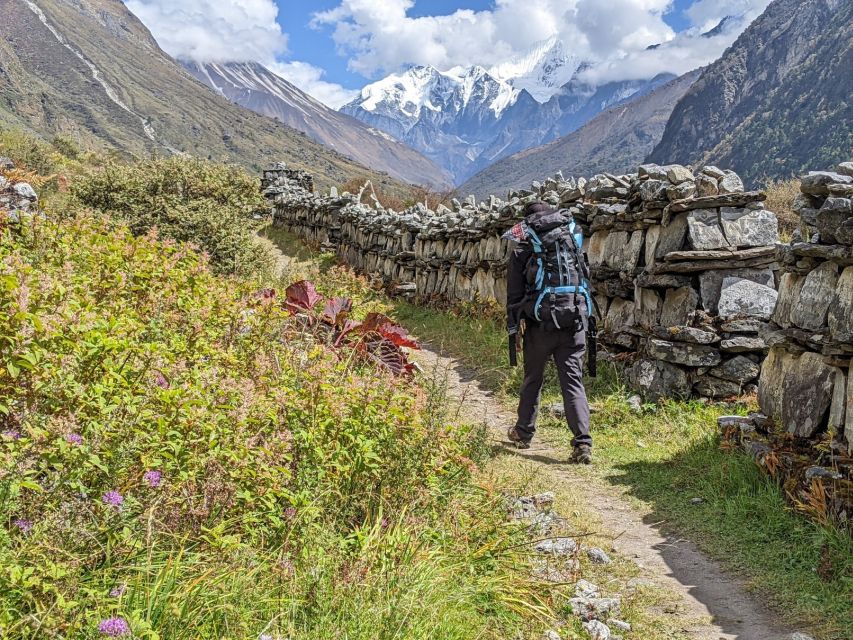
From Syabrubesi, you walk for about two hours toward Pahiro. The trail follows the Langtang River and passes through forest. This opening walk is useful because it lets your legs adjust before the longer hiking days begin, although the combination of a full road journey and a trek makes day one busy.
You spend the night at Pahiro. The itinerary later refers to the walk from Pahiro to Ghoda Tabela, though one part of the schedule also describes day two as starting from Syabrubesi. Confirm the exact overnight point and meeting plan with the operator before departure. That small detail matters after a long drive, particularly if you are carrying your own pack.
Pahiro to Ghoda Tabela, a steady climb through forest
The second trekking day leads toward Ghoda Tabela at 2,900 meters. You walk through green forest, pass villages, and see waterfalls along the route. The river remains part of the setting, and the trail begins to feel more like a high valley route than a simple village walk.
This is where the trek starts asking more from you. The elevation gain is considerable, and the day is listed at about six hours, though actual timing depends on your pace and stops. Keep breakfast practical, drink regularly, and tell your guide early if you develop a headache or feel unusually tired.
Ghoda Tabela offers a quieter night before the final push to Kyanjin Gompa. Lodge accommodation is described as private and comfortable, but this is still a mountain trek. Personal showers, battery charging, bottled or boiled water, and other extras are not included, so keep some Nepalese currency available.
Ghoda Tabela to Kyanjin Gompa at 3,870 meters
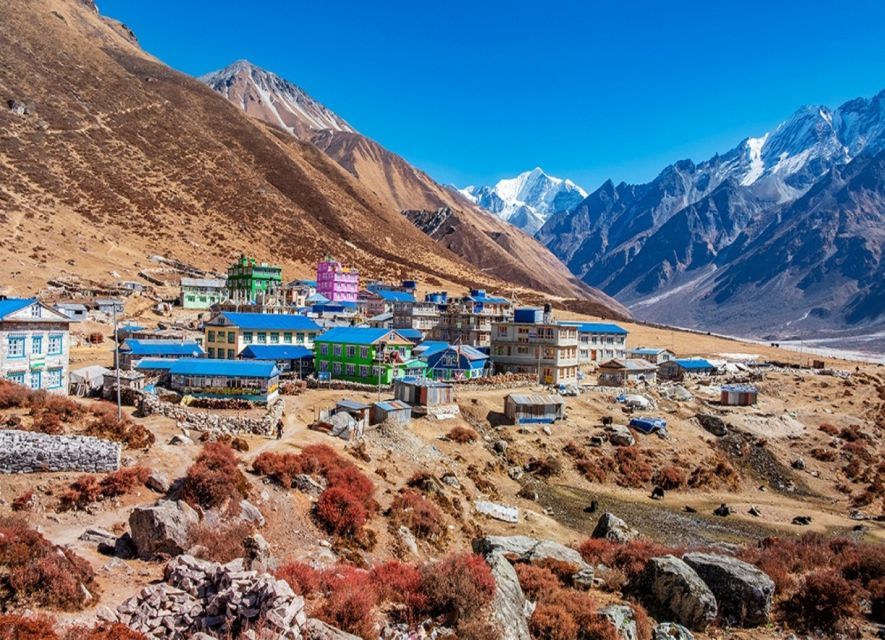
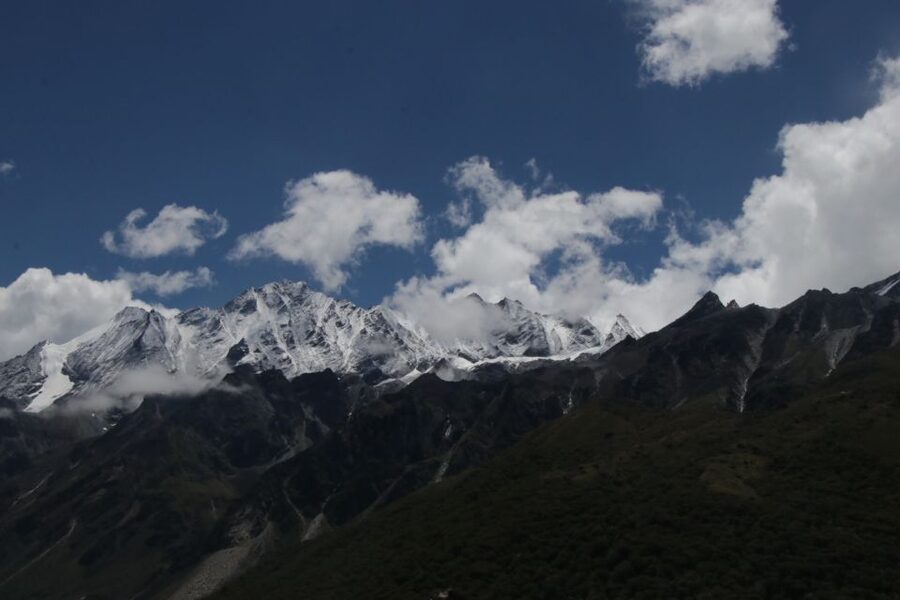
Day three takes you higher, to Kyanjin Gompa at 3,870 meters. The surroundings open up as the route leaves much of the lower forest behind. Snow-capped peaks and the broad glacial valley become the main attraction.
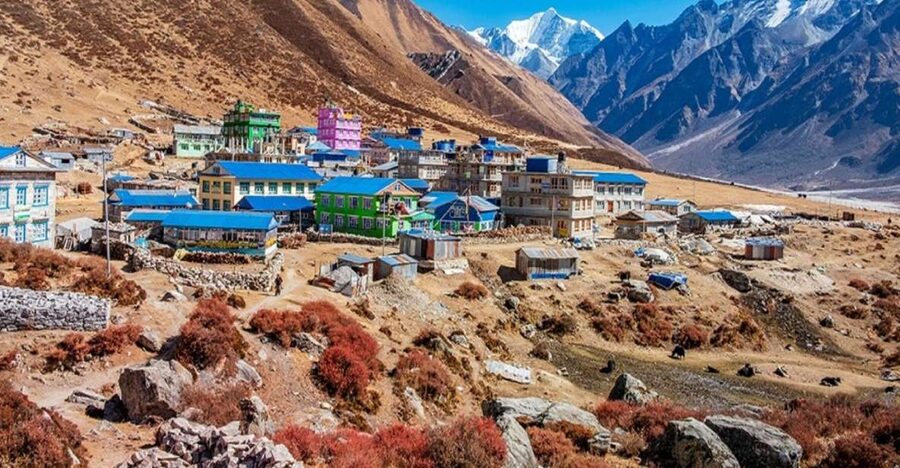
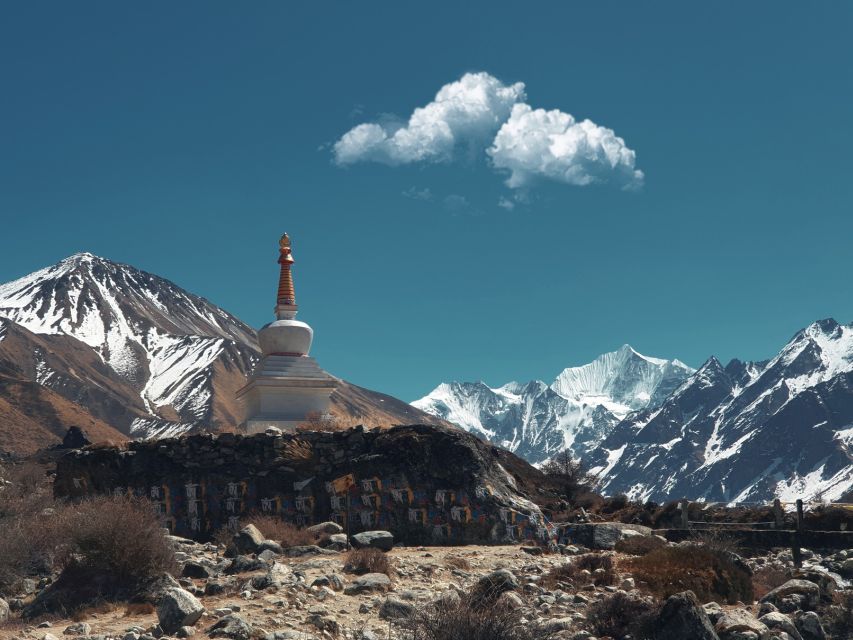
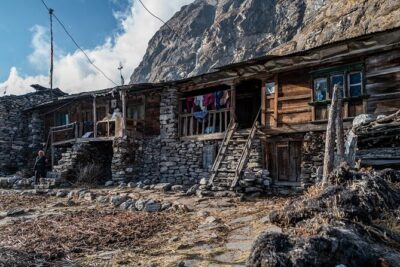
Kyanjin Gompa is more than a place to sleep. You can walk around the village, visit monasteries, see the cheese factory, and learn about local life. The Tamang culture is an important part of this route, and a good guide can help you understand what you are seeing rather than treating the village as a quick photo stop.
This day is also a major test of acclimatization. The itinerary moves from Ghoda Tabela at 2,900 meters to nearly 3,900 meters in one day. Some people manage that comfortably, while others need a slower pace. Guides such as Mahesh Aryal are praised for checking regularly on how trekkers feel, reviewing the day just completed, and explaining the next day’s plan. That kind of communication is especially useful here.
Kyanjin Gompa is the emotional center of the trek for many people. You have reached the high valley, the views are large, and the village gives you time to pause. The route is not only about getting to a summit. The monastery, the cheese-making tradition, and the chance to speak with local people give the trek its human side.
More six-day treks in Kathmandu
- 6 Days Poon Hill – Ghandruk Circuit Trek from Kathmandu
★ 5.0 · 10 reviews - Kathmandu: 6 Days Langtang Valley Trek with Kyanjin Ri
★ 5.0 · 7 reviews - Ghorepani Poonhill Trek (6 Days)
★ 5.0 · 6 reviews - Dive into Spirituality: 6 Days Trek to Gosaikunda Lake
★ 4.5 · 3 reviews
Kyanjin Ri, the hard optional climb
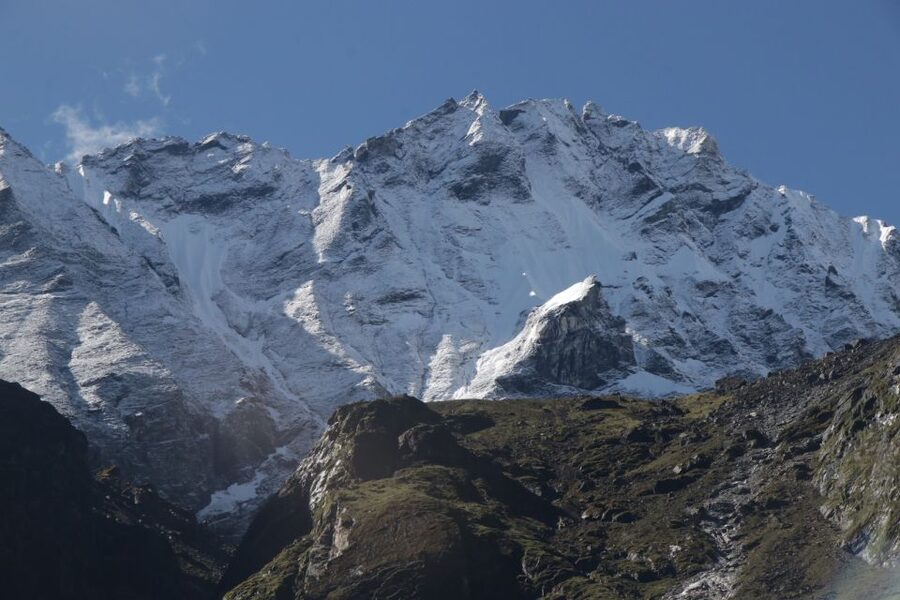
The fourth day is the most ambitious. The plan includes a climb from the Kyanjin area toward Kyanjin Ri, listed at 4,770 meters, followed by a return down the same route and a continuation toward Thangsyap at 3,200 meters.
The description also refers to starting from Langtang Village, so confirm the day’s exact sequence with your guide. The practical point is clear: you climb high above Kyanjin, take in views of snow-covered peaks and the glacial valley, then retrace your steps before descending.
Do not treat Kyanjin Ri as a required box to tick. The ascent is steep and can be hard at altitude. The climb is optional, and that is a useful feature of the program. If your breathing, legs, or head do not feel right, you can skip the peak and still have a rewarding day around Kyanjin Gompa.
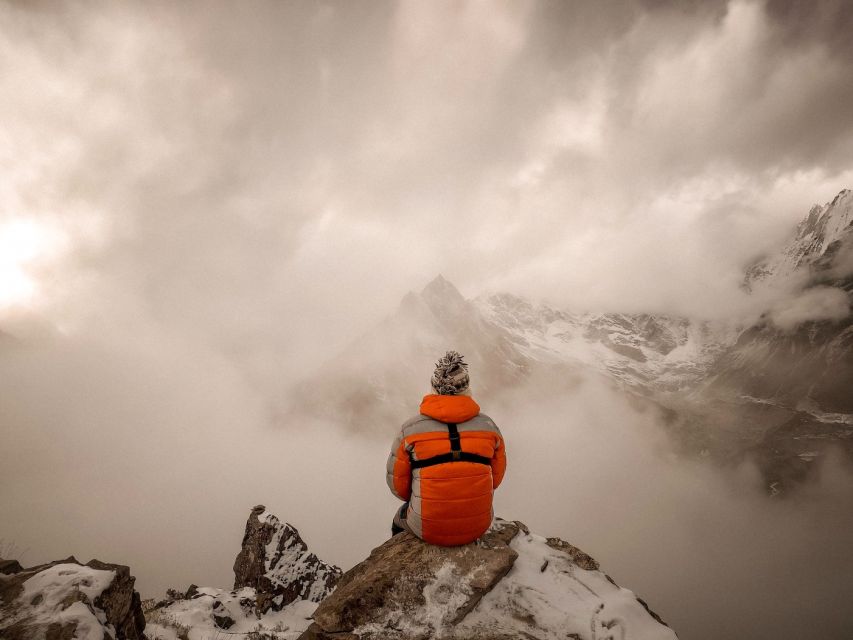
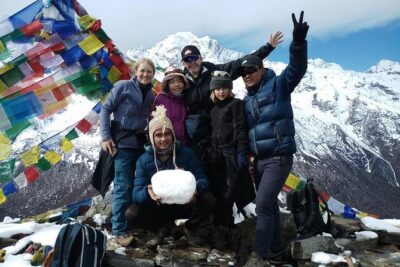
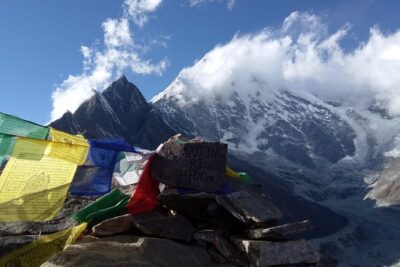
The altitude gives the viewpoint its power. You are not simply walking to another village. You are gaining a broad view over the valley and surrounding Himalayan peaks. One trekker reached about 4,700 meters with the help of guide Niraj, while another described reaching the Black Peak area for sunrise in January. Those details show what is possible, but they should not be treated as a guaranteed schedule or standard result.
After the high point, the route heads down toward Thangsyap. Descending does not always feel easy after a hard ascent, especially when your knees are tired. Trekking poles, sturdy shoes, gloves, and a warm jacket will make this section more comfortable.
Thangsyap to Syabrubesi beside the Langtang River
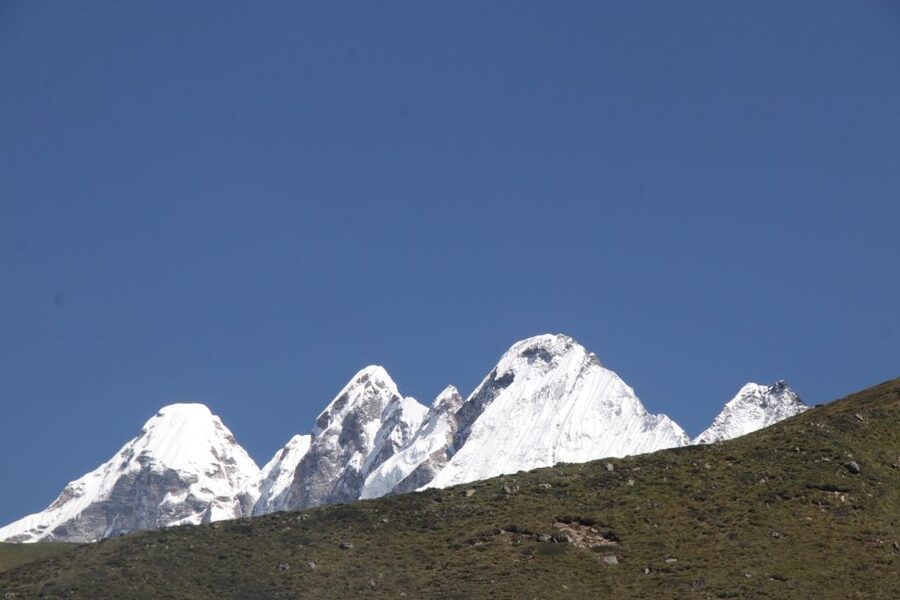
Day five is the return to Syabrubesi at 1,550 meters. You begin around Thangsyap, enjoy more views of the Langtang range, and then retrace the trail through the valley.
The descent should be easier on your lungs, but it can be demanding on your knees. The path beside the Langtang River brings back the forest and lower-altitude scenery you saw near the beginning. Retracing the route means you do not see a completely new section, but it also gives you a different view of familiar places and reduces the risk of a rushed transfer.
This is a good day to appreciate the small details you may have missed while climbing: village life, waterfalls, changing vegetation, and lodge courtyards. Guides can also help with meal orders and accommodation arrangements. Bipin, for example, is praised for explaining lodge routines, organizing food, and answering questions about subjects ranging from yak keeping to Nepalese sports.
You spend the night in Syabrubesi before the return to Kathmandu. The change from high valley to lower village is striking, and a hot meal or a less demanding evening will feel well earned.
The road back to Kathmandu
On day six, you take shared bus transport from Syabrubesi to Kathmandu. The trip follows the road system back through the mountain country and completes the loop in practical rather than glamorous fashion.
Shared transport keeps the package price down, but it means you should not expect a private vehicle for your group. The transport rating is excellent, yet mountain roads can still make this a long day. Keep water, snacks, and your most useful items close rather than buried in luggage.
Hotel pickup and drop-off are included as part of the planned transport arrangements. If you arrive early, leave late, or return ahead of schedule for reasons outside the itinerary, extra hotel nights in Kathmandu or Pokhara are not included.
What $181 includes, and where costs can grow
At $181 per person, this trek offers a good amount for a six-day mountain program. The package includes permits, paperwork, the Trekkers’ Information Management System fee, government tax, five nights of private accommodation during the trek, staff costs, luggage storage, and transport listed in the plan.
An authorized guide who speaks English, Hindi, or Nepali is included. Guide expenses such as meals, accommodation, salary, equipment, insurance, and transport are also covered. That is important because a licensed guide is not simply a person who walks at the front. The best guides on this route help you judge your pace, understand the villages, manage the next day, and deal with the strain of altitude.
Food requires a close look. Breakfast, lunch, and dinner are included during the trek with the full package option. Confirm that you are booking the full package if meals matter to your budget. Drinks, bottled or boiled water, showers, laundry, phone calls, bar bills, battery charging, and personal purchases are extra.
A porter is not included in the stated price. Reviews describe useful porter support on some trips, including help with a larger backpack, so ask about the current porter charge before booking. If you want to walk with only a daypack, this is one of the first costs to settle.
Travel insurance and rescue insurance are also not included. That is not a minor detail for a high-altitude trek. Arrange suitable cover before you go, and make sure you understand what it says about trekking at the elevations on this route.
The guides make the practical difference
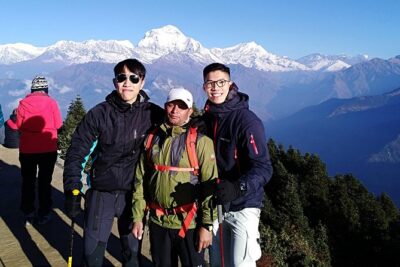
The strongest feature of this experience is the attention from the guides. Niraj is praised for being supportive and helping a group reach around 4,700 meters. Mahesh Aryal is described as attentive, calm, and good at explaining both the plan and the route. Bipin is valued for handling lodge details, meals, and questions. Dipesh is praised for patience with first-time trekkers, while Ghanshyam helped a solo woman feel safe on the trail.
You should still tell the company if you have a preferred guide. Guide assignment may depend on availability, so do not assume a particular person is guaranteed unless the operator confirms it.
A private group gives you more control than a large group, but the guide cannot remove the physical demands of the trek. The useful advantage is that you can discuss pace, the Kyanjin Ri option, and how you feel each day.
Packing for cold nights and long days
The supplied packing list is sensible. Bring a passport or ID card, towel, sunscreen, gloves, sleeping bag, flashlight, hiking shoes, jacket, hat, trekking gear, and sunglasses.
Warm clothes deserve special attention. January conditions can be cold at night, and a past trekker specifically advised bringing warm clothing and medication. Even in more comfortable seasons, Kyanjin Gompa is high, and lodge dining rooms may feel chilly after sunset.
A sleeping bag is listed as necessary, so do not assume the accommodation will provide everything you need. Good shoes matter on steep and uneven sections. Sunscreen and sunglasses are just as useful as warm layers because high-altitude sun can feel strong even when the air is cold.
Who should choose this Langtang trek
Choose this trek if you want a compact Himalayan route with cultural stops, high peaks, monasteries, and a flexible summit option. It works particularly well for a private couple, a small group of friends, a solo trekker who wants support, or an experienced family.
First-time trekkers can do it, but the six-day schedule is not effortless. Some days may last eight hours, and the path can be steep. I would choose a slower pace over forcing the Kyanjin Ri climb. The valley itself is the main experience.
This is less suitable if you dislike long road journeys, shared buses, basic mountain facilities, or repeated walking on the return route. It is also not suitable for pregnant women. Anyone worried about altitude should discuss the plan with the guide before setting out and be willing to stop or descend if needed.
Should you book it?
I would book this trek if you want a short, well-supported introduction to the Langtang Valley and value local contact as much as dramatic mountain views. The combination of Tamang villages, Kyanjin Gompa, the cheese factory, monasteries, and the optional 4,770-meter viewpoint gives you plenty of variety for six days.
Book with care if you expect an easy family stroll. Confirm the full meal package, porter price, exact day-two and day-four route details, and which guide is assigned. Pack for cold nights, buy proper insurance, and treat Kyanjin Ri as an option rather than an obligation. With those points clear, the $181 price is appealing for a private guided trek with permits, lodging, transport, and core staff costs included.
FAQ
How long is the Langtang trek?
The experience lasts six days, including transport from Kathmandu to Syabrubesi and the return journey to Kathmandu.
What altitude does the trek reach?
Kyanjin Gompa is listed at 3,870 meters, and the optional Kyanjin Ri climb reaches about 4,770 meters.
Is Kyanjin Ri included for everyone?
The climb is optional because it is steep and hard for some trekkers. You can still enjoy Kyanjin Gompa and the valley without reaching the peak.
Are meals included?
Breakfast, lunch, and dinner are included during the trek with the full package option. Drinks and bottled or boiled water are not included.
Is a guide included?
Yes. An authorized guide who speaks English, Hindi, or Nepali is included. Guide expenses such as accommodation, meals, salary, equipment, insurance, and transport are covered.
Is a porter included?
No. Porter service costs extra, and the supplied information lists extra porters among the personal expenses.
What transport is used?
Transport follows the itinerary and may be shared bus or shared transportation, depending on the number of people. The route includes a drive from Kathmandu to Syabrubesi and a shared bus return.
What should I bring?
Bring identification, a towel, sunscreen, gloves, a sleeping bag, flashlight, hiking shoes, jacket, hat, trekking gear, and sunglasses.
Can I cancel or pay later?
You can cancel up to 24 hours before the experience for a full refund. You can also reserve now and pay later, so payment is not required at the time of booking.
Latest treks added in Kathmandu
- Private Manaslu Circuit Trek at Himalayas★ 5.0 · 3 reviews
- Ghorepani Poonhill Trek★ 5.0 · 5 reviews
- Ghorepani Poon Hill Trek★ 5.0 · 16 reviews
- Upper Mustang Trekking★ 3.0 · 2 reviews
- Amazing 1 Day Trekking Experience in Kathmandu Nepal★ 5.0 · 24 reviews
- Upper Mustang Trekking★ 5.0 · 2 reviews
- Upper Mustang Trek★ 5.0 · 5 reviews
- Upper Mustang Trekking★ 5.0 · 4 reviews
Langtang Valley Treks, compared.
Trekking in Annapurna/Langtang/Everest/Upper Mustang regions
Read our review →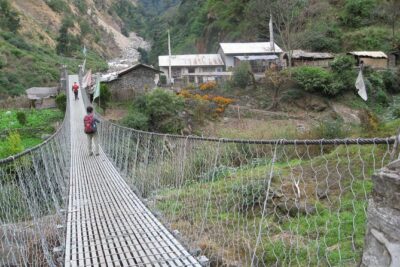
Browse the lists this tour appears in