
REVIEW · KATHMANDU
Dive into Spirituality: 6 Days Trek to Gosaikunda Lake
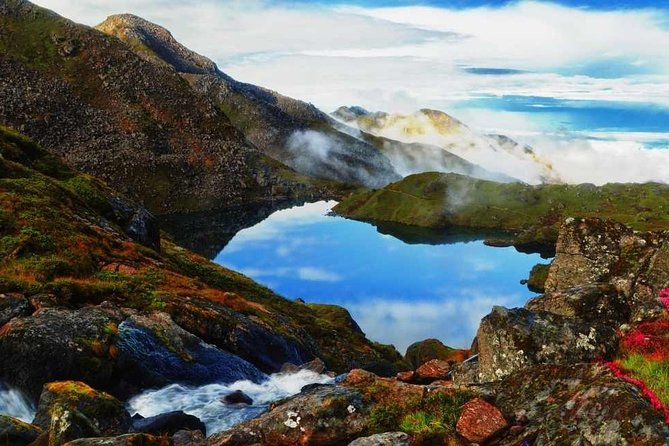
Gosaikunda is not just a mountain lake. For Hindu and Buddhist pilgrims, it is a holy place, and reaching it on foot gives the journey a strong sense of purpose. I like the way this six-day route packs a major Himalayan outing into a short holiday, and I like the mix of forests, ethnic villages, high ridges, and sacred water.
The price includes public transport, meals, teahouse lodging, permits, an English-speaking guide, and porter support, which makes the $735 cost easier to understand. The main caution is the physical demand: six to seven hours of uphill walking on Day 2, followed by a high-altitude trek to Gosaikunda, is not a casual stroll.
Key points to know before booking
- Gosaikunda is the goal: Visit the sacred lake along with Surya Kunda, Saraswoti Kunda, and Bhairab Kunda.
- The trip begins early: Meet at 5:45 am for the drive from Kathmandu to Dhunche.
- You walk through Langtang National Park: Forests, rugged ground, mountain views, and possible sightings of rare wildlife form the setting.
- The route is short but demanding: The six-day schedule includes long uphill and downhill days rather than easy sightseeing.
- Your main costs are covered: Public transport, local meals, teahouse lodging, permits, a guide, and porter service are included.
- It suits a private group: Only your own party takes part, with group discounts available.
Why Gosaikunda feels different from a standard Himalayan trek
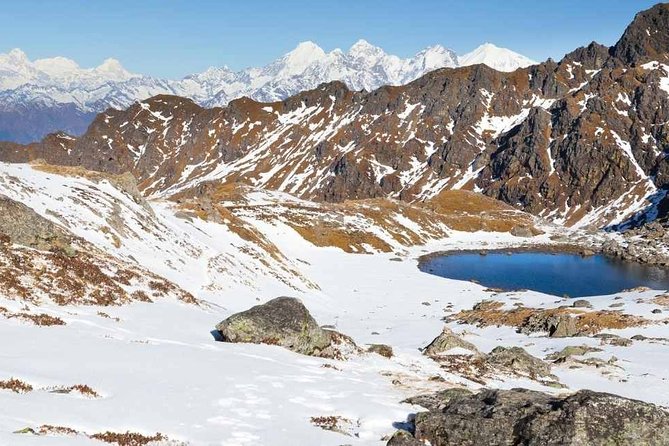
Many mountain trips focus mainly on scenery. Gosaikunda adds a religious purpose. The lake is revered by Hindus and Buddhists, and the surrounding water bodies carry their own sacred names and meaning. You are not simply walking toward a viewpoint. You are heading to a place that has long drawn people for worship and pilgrimage.
That spiritual element changes the rhythm of the trek. The trail is still a physical challenge, but the destination gives the effort a clear reason. You can take time at Gosaikunda for prayer, quiet reflection, or simply to look across the water and the surrounding peaks.
The route also gives you a useful introduction to the Langtang region without requiring a much longer holiday. The mountain views include Langtang Himal and Ganesh Himal, while the trail passes through forests and ethnic villages. If you have limited time in Nepal but want more than a city tour, this is a practical choice.
More six-day treks in Kathmandu
- Kathmandu: 6-Day Limitless Langtang Trek
★ 5.0 · 21 reviews - 6 Days Poon Hill – Ghandruk Circuit Trek from Kathmandu
★ 5.0 · 10 reviews - Kathmandu: 6 Days Langtang Valley Trek with Kyanjin Ri
★ 5.0 · 7 reviews
Day 1: Kathmandu to Dhunche by public transport
Your meeting time is 5:45 am, so this is an early start. The first day is spent traveling from Kathmandu toward Dhunche, passing through Trisuli Bazar. Public transport keeps the trip cost lower than a private vehicle, but it also means you should expect a more basic and less predictable road journey.
Dhunche is the overnight base before the walking begins. This first day matters because it moves you from the capital into the mountain region without using one of your trekking days. It also gives your body some time to adjust before the harder walking starts.
The included transport is one of the useful parts of the package, especially if you do not want to arrange the Kathmandu to Dhunche connection yourself. Still, public transport is not the comfort option. If you prefer private transfers, more space, or a tightly controlled schedule, ask about alternatives before booking.
Day 2: The long climb to Chandanbari
The trek to Chandanbari takes about six to seven hours and is described as an uphill day. This is the first serious test of the itinerary. You will need steady pacing, regular water breaks, and enough energy left for the next morning.
The route leads through changing terrain, including forested sections and rougher mountain ground. The forest provides shade and a sense of being far from Kathmandu, while the rising trail begins to open the view toward the Himalayan peaks.
Chandanbari is important as both a village stop and a place to spend the night before the push toward Gosaikunda. Teahouse accommodation is included on a twin-sharing basis. You should expect practical shelter rather than hotel comfort. Meals are also included, with breakfast, lunch, and dinner served during the trek.
This is where moderate physical fitness becomes more than a line in the booking details. You do not need to be an elite mountaineer based on the information provided, but you should be comfortable walking uphill for most of a day. If your normal routine involves little exercise, give yourself time to prepare before arriving in Nepal.
Day 3: Reaching sacred Gosaikunda Lake
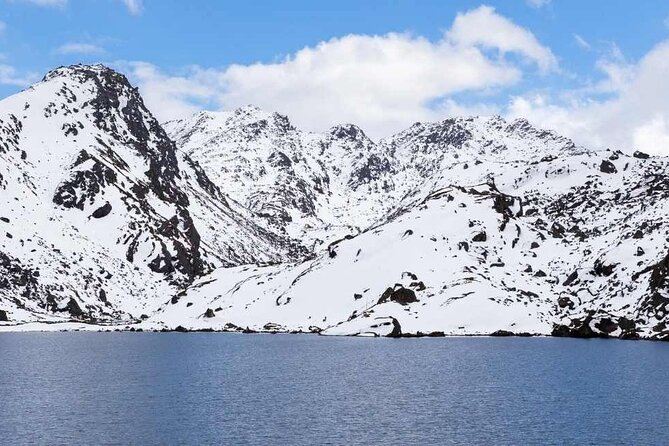
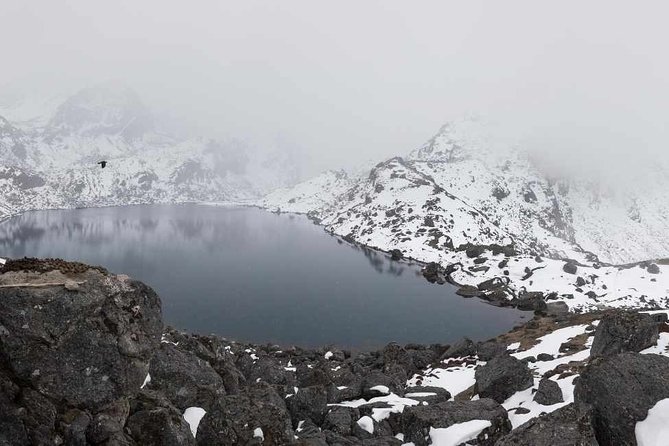
The third day begins early with the trek to Gosaikunda. Reaching the lake is the central moment of the trip, and the setting combines religious importance with dramatic mountain scenery.
Near Gosaikunda, you will also visit Surya Kunda, Saraswoti Kunda, and Bhairab Kunda. These names are part of what gives the area its spiritual character. You will have the chance to worship at Gosaikunda, though you can also approach the place in your own way, with quiet respect and time to take in the surroundings.
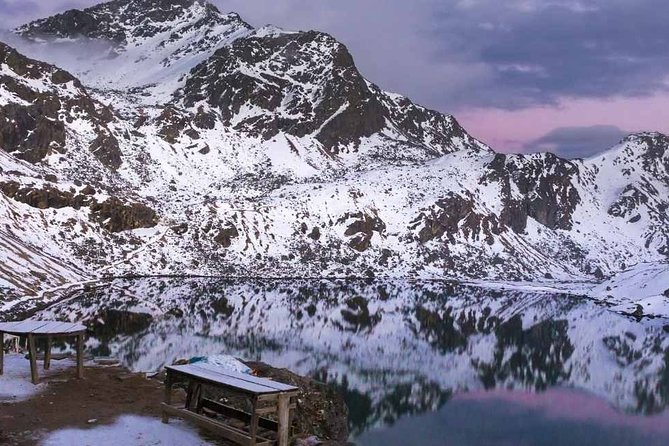
The views include Langtang Himal and Ganesh Himal. On a clear day, the mountains should provide the kind of backdrop that makes the long climb feel worthwhile. Weather is a real factor, however. Clouds can limit what you see, and the entire activity depends on suitable conditions.
You spend the night at Gosaikunda. That overnight stay is a strong feature because it keeps the lake from becoming a rushed stop. Instead of arriving, taking a few pictures, and immediately turning around, you have time to experience the high mountain setting at a slower pace.
The schedule is still demanding. The route reaches a high Himalayan area, though the supplied details do not give an exact elevation. You should take the guide’s advice seriously, walk at a controlled pace, and tell the guide promptly if you feel unwell.
More Trekking Tours in Kathmandu
- Everest Base Camp Trek – 14 Days
★ 5.0 · 1,499 reviews - Everest Base Camp Trek
★ 5.0 · 842 reviews - Everest Base Camp Trekking
★ 5.0 · 485 reviews - Annapurna Circuit Trek with Tilicho Lake
★ 5.0 · 368 reviews
Day 4: Returning to Chandanbari
After the main destination, you trek back to Chandanbari. The return route lets you see familiar ground from a different angle, and the downhill direction can feel easier after the climb. Do not assume it will be effortless. Descending on uneven ground can be hard on your knees and requires careful footing.
This is also the day when the trip may feel most like a real trek rather than a sightseeing program. You will be carrying your personal items, spending another night in a teahouse, and relying on the guide and porter team for the daily routine.
The porter arrangement is one porter for every two trekkers. That can reduce the load you carry, but you should still pack sensibly. A light bag is easier to manage during long walks, and unnecessary items only make the days harder.
Day 5: Downhill to Dhunche
The fifth day takes you from Chandanbari back to Dhunche, with downhill walking as the main feature. By now, your legs may be tired, but the route provides a chance to finish the trekking section without another major uphill push.
Dhunche is a useful final overnight point before returning to Kathmandu. It marks the end of the walking portion and gives you a clear break between the mountain trail and the road journey.
This part of the route may appeal to you if you enjoy a straightforward out-and-back plan. You visit the main destination, return along the same general route, and avoid the extra transport arrangements needed for a point-to-point trek. The tradeoff is that you do not get a brand-new trail every day.
Day 6: Returning to Kathmandu
The final day is spent traveling back to Kathmandu by public transport. You will likely have time to think back over the lake, the mountain views, village stops, and the physical work of the trail.
Because the package includes transport both ways, you do not need to arrange a separate return connection from Dhunche. The drawback remains the same as on Day 1: public transport is the practical budget choice, not the most comfortable one.
Once back in Kathmandu, your trekking services end. Accommodation and meals in the capital are not included, so plan and budget for your own hotel, food, and drinks after the trek.
What the $735 price really covers
At $735 per person, the tour is not a bare trail permit with a guide added on. It includes the major services you need for the trek:
- Transport from Kathmandu to Dhunche and back
- Breakfast, lunch, and dinner during the trek
- Twin-sharing teahouse accommodation
- Langtang Conservation Area Permit
- TIMS card
- An English-speaking trekking guide
- One Sherpa porter for every two trekkers
- Government taxes and service charges
That package gives the price real value, particularly if you would otherwise need to arrange permits, transport, food, lodging, and porter support yourself. The guide also helps keep the group on the planned route and provides support during the longer walking days.
You still need to pay for tips, drinks, hot showers, internet, and any tea, coffee, bottled water, soft drinks, or alcohol. Meals and accommodation in Kathmandu are also separate. Travel insurance is compulsory for an adventure trip, so include that cost before deciding your full budget.
The private format is another point to consider. Only your group participates, which can make the pace and daily routine feel more personal than a large shared departure. Group discounts are available, so the value may improve if you are traveling with friends or family.
Guides, porters, and the human side of the trek
An experienced English-speaking guide is included, along with Sherpa porter support. The guide is not just there to point out the way. On a route with long climbs, changing weather, and high-altitude walking, having someone responsible for the daily trail plan is useful.
One past booking was arranged with help from Manish, who suggested the Langtang region when a visitor had too little time for an Everest Base Camp trip. That detail is useful if you are comparing famous Himalayan routes. Gosaikunda offers a shorter option for someone who wants a serious mountain walk but cannot commit to a longer expedition.
The information does not name the guide assigned to every departure, so you should confirm that detail when booking. You can also ask how the team handles pacing, weather changes, and any health concern on the trail.
Wildlife and the protected area
The route passes through Langtang National Park, where rare species including red pandas and snow leopards are found. This does not mean you should expect to see either animal. Wildlife sightings are never guaranteed, especially on a short trek.
The value is in walking through a protected mountain area where forests and wildlife habitat remain part of the setting. Keep your expectations sensible and your attention open. The mountains and villages are the dependable highlights, while wildlife is a possible bonus.
Who should book this six-day trek
I would suggest this trip to you if you want:
- A short Himalayan trek from Kathmandu
- A destination with religious importance
- A mix of village life, forests, rugged ground, and mountain views
- Guided support and porter service
- A private trip for your own group
- An organized package that includes permits and local meals
You should think twice if you dislike early starts, long uphill walks, shared teahouse lodging, or basic public transport. The itinerary is compact, so there is little spare time if you need a slow recovery day.
This is also not the right choice if you want a luxury mountain holiday. Hot showers, internet, drinks, and accommodation in Kathmandu are not included. The strength of the trip is access to the trail and sacred lake, not polished comfort.
Booking, weather, and cancellation details
Confirmation is provided when you book, and the meeting time is 5:45 am. You can cancel up to 24 hours before the start for a full refund. Changes or cancellations made less than 24 hours before the start do not qualify for a refund.
The trip requires good weather. If poor conditions force a cancellation, you will be offered another date or a full refund. A minimum number of participants is also required, and if that minimum is not met, you will be offered another date or experience, or a full refund.
Because conditions matter in the mountains, keep some flexibility in your wider Nepal schedule if possible.
Should you book the Gosaikunda trek?
Book it if you want a meaningful short trek rather than a simple mountain photo stop. The sacred lake, nearby holy water bodies, Himalayan views, and village route give the six days more depth than a basic out-and-back walk.
The strongest reason to choose it is time. You can reach a major Himalayan destination without committing to the length of an Everest Base Camp journey. The strongest reason to hesitate is the effort required. The six-day schedule includes long walking days, basic lodging, early departures, and high-mountain conditions.
For someone with moderate fitness, a flexible attitude, and an interest in Nepal’s spiritual and natural settings, the $735 package offers a practical way to experience Gosaikunda with the key logistics handled. Prepare properly, pack lightly, and do not mistake the short duration for an easy trip.
FAQ
How long is the Gosaikunda trek?
The experience lasts approximately six days, including transport between Kathmandu and Dhunche.
What time does the tour start?
The meeting time is 5:45 am.
How do I travel between Kathmandu and Dhunche?
The package includes public transport from Kathmandu to Dhunche and back to Kathmandu.
Is accommodation included during the trek?
Yes. Teahouse accommodation on a twin-sharing basis is included during the trekking portion.
Are meals included?
Breakfast, lunch, and dinner are included during the trek. Meals in Kathmandu are not included.
Is a guide provided?
Yes. The package includes one experienced English-speaking trekking guide.
Is porter support included?
Yes. One Sherpa porter is provided for every two trekkers.
Do I need travel insurance?
Yes. Travel insurance is compulsory for this adventure trip.
What happens if bad weather cancels the trip?
You will be offered a different date or a full refund if the experience is canceled because of poor weather.
Latest treks added in Kathmandu
- Private Manaslu Circuit Trek at Himalayas★ 5.0 · 3 reviews
- Ghorepani Poonhill Trek★ 5.0 · 5 reviews
- Ghorepani Poon Hill Trek★ 5.0 · 16 reviews
- Upper Mustang Trekking★ 3.0 · 2 reviews
- Amazing 1 Day Trekking Experience in Kathmandu Nepal★ 5.0 · 24 reviews
- Upper Mustang Trekking★ 5.0 · 2 reviews
- Upper Mustang Trek★ 5.0 · 5 reviews
- Upper Mustang Trekking★ 5.0 · 4 reviews
6-Day Experiences, compared.
6 Days Machame Route Kilimanjaro Climbing Trekking Tour
Read our review →
6 day Rainbow Mountain x Ausangate Trek – FlashpackerConnect
Read our review →
6 Days Poon Hill – Ghandruk Circuit Trek from Kathmandu
Read our review →
6 Days Uganda Gorilla, Chimps Trekking and Wildlife Safari
Read our review →Browse the lists this tour appears in