
REVIEW · CUSCO
Ausangate Trek 5 Days
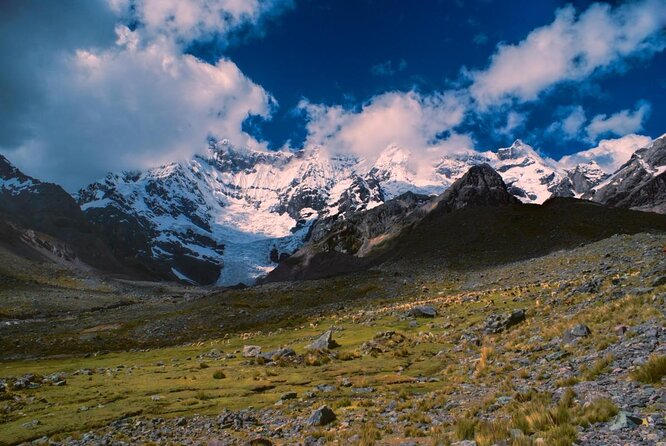
Ausangate is Peru at its wildest: glacier-fed lakes, broad high valleys, alpacas, and long stretches with almost no other hikers in sight. This five-day circuit reaches Palomani Pass at 5,200 meters, then winds past turquoise water and hot springs before returning to Cusco.
I like the small group size, capped at 10, and the thoughtful support from a cook, horse driver, and guide. I also like that the trip makes room for local culture, from a ceremony for Apu Ausangate to food preparation and weaving with a local family. The main drawback is clear: this is a hard trek at serious altitude, with cold camps as high as 4,630 meters and little room for casual fitness.
Key points to know before booking
- 5,200-meter Palomani Pass: The highest point comes on Day 3, after a steep morning climb.
- Two hot-spring stops: Soak at Upis on the first night and Pacchanta on the fourth day.
- Small, supported group: A maximum of 10 people travels with a guide, cook, horse driver, and pack animals.
- Remote scenery: Ausangate, turquoise lakes, glaciers, and high valleys replace the crowds found on Peru’s best-known routes.
- Comfort in camp: Meals, camping equipment, and horses for equipment are included, but a sleeping bag is not.
- Cultural encounters: The closing day includes local food, traditions, and weaving techniques with a Peruvian family.
Why Ausangate feels different from the Inca Trail
The Ausangate circuit is not mainly about ruins. Its appeal is the mountain itself and the life around it. The route circles Apu Ausangate, a major sacred mountain in the Andes, through high country where the views change from glacier to lake to open pasture.
You will see far fewer people than on the Inca Trail or the route to Machu Picchu. That quiet is part of the value. You get long views, cold air, and a sense of distance from Cusco. The tradeoff is that the route offers fewer easy sections and less shelter from the elements.
The tour costs $660 per person. That is a fair price for five days of transport, a guide, camping gear, cooks, meals, and horses carrying the equipment. You also get private transportation at the beginning and a bus back to Cusco. An entrance fee of 20 soles and a sleeping bag cost extra, so add those to your budget.
The included support matters here. You are not carrying the full camp, cooking after a seven-hour hike, or sorting out transport between remote trailheads. The horse driver and pack animals handle the equipment, while the cook prepares breakfast, lunch, and dinner during the trek.
More five-day treks in Cusco
- Machu Picchu: 5-Day Salkantay Trek with Panoramic Train
★ 5.0 · 79 reviews - Classic Choquequirao Trek – 5 Days / 4 Nights
★ 5.0 · 52 reviews - Ultimate Lares Trek & Inca Trail 5 days
★ 5.0 · 47 reviews
Day 1: Cusco to Tinke, Rondoca, and Upis
The day begins at 5 a.m. in Cusco. Your guide takes you by private vehicle toward Tinke, where you can buy last-minute items and have breakfast before continuing to Rondoca, the trailhead.
This early stop is practical rather than scenic, but it gives you one final chance to pick up supplies. Make use of it. Once you leave Tinke, access to basic shopping is limited.
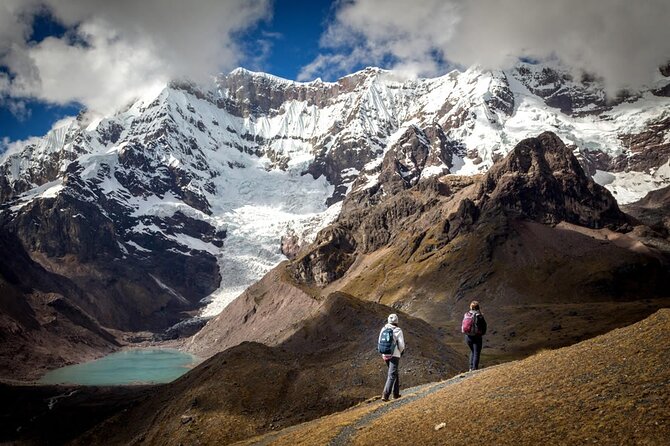
At Rondoca, you meet the cook and horse driver before hiking for roughly three to four hours. The first section is relatively short, about 8 kilometers according to the schedule, with elevation rising from 3,800 to 4,200 meters. You stop for lunch with views toward Ausangate, then continue to Upis.
Upis is a good first camp because the hot springs give you a way to loosen tired legs. You can soak while drinking coca tea, then return for dinner. The camp sits at about 4,200 meters, so do not mistake the short hiking time for an easy day. You are sleeping high on the first night.
The published distance is listed as both 8 kilometers and 3 miles, which do not match. Ask the operator to confirm the expected mileage before departure. The elevation and hiking time are the more useful measures here.
Day 2: Arapa Pass and the blue lakes
Day 2 is the first serious test. The crew wakes you with hot coca tea, followed by breakfast. You then climb to Arapa Pass at 4,850 meters.
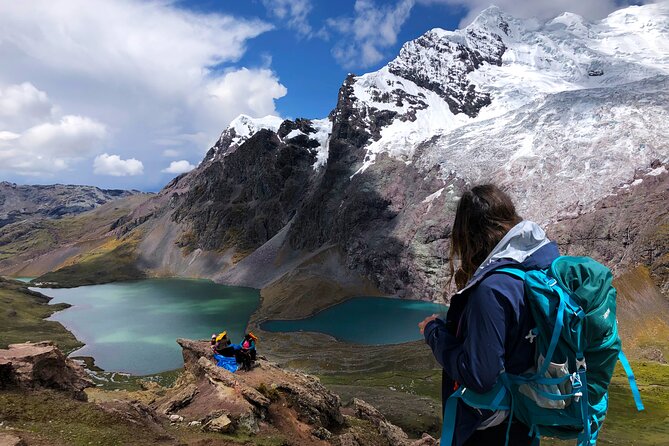
The pass gives you the high-country feeling that defines this trek. From there, the trail drops for about two and a half hours through a valley, passing Puqa Q’ocha, described as a green lake, before reaching the turquoise Jatun Puqa Q’ocha.
Lunch beside Jatun Puqa Q’ocha is one of the strongest moments of the route. You have time to look around and take photographs, with Ausangate providing the backdrop. This is not a quick roadside stop. The lake and mountain views are meant to be enjoyed before the next climb.
After lunch comes Apacheta Pass at 4,980 meters. A turquoise lagoon below is fed by snowmelt from Ausangate, giving you another angle on the mountain and its ice. The descent to Ausangate Qocha takes about an hour, and camp is set near the lake at around 4,630 meters.
This is an eight-hour day, with roughly seven hours of walking and about 12 kilometers of distance. The combination of altitude, repeated climbing, and cold at camp makes Day 2 demanding. Pace yourself early. There is no benefit in racing to the pass.
Day 3: The 5,200-meter climb to Palomani
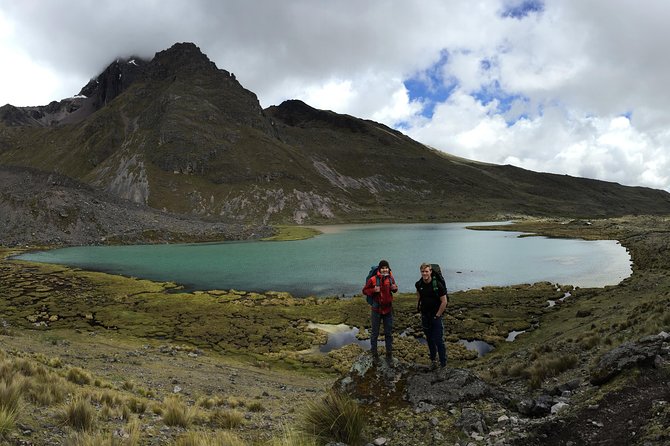
Day 3 reaches the highest point of the entire trek. After breakfast, you climb to Palomani Pass, at 5,200 meters. The ascent takes about two hours, but altitude matters more than the clock.
At the pass, your guide leads a ceremony for Apu Ausangate. This gives the climb a cultural meaning beyond simply reaching the high point. The mountain is not presented only as scenery, but as a sacred presence in Andean life.
The descent takes about an hour to Uchuy Phinaya, where you stop for lunch. In the afternoon, you hike for another couple of hours to camp. The day covers about 13 kilometers and six to seven hours of walking, with elevation moving from roughly 4,600 meters to 5,200 meters and then down to about 4,300 meters.
The next camp is listed at approximately 4,500 meters. That still means another cold night. Pack warm clothing you can put on quickly after sunset, not just a heavy jacket buried at the bottom of your bag.
This is the day that separates a good match from a poor one. If you are comfortable with steep high-altitude hiking, the pass is a powerful highlight. If you are still struggling with the previous days, the climb can feel long and exposed. The tour requires moderate physical fitness, but I would treat that as a minimum rather than a complete description of the effort.
More Trekking Tours in Cusco
- From Cusco: 7 Lakes Ausangate Trek with Breakfast and Lunch
★ 4.8 · 360 reviews - Cusco: Full-Day Rainbow Mountain & Red Valley Trekking Tour
★ 4.5 · 121 reviews - Salkantay Trek Challenge – 3 Days / 2 Nights
★ 5.0 · 101 reviews - From Cusco: Rainbow Mountain Trek
★ 4.5 · 98 reviews
Day 4: Glacial lakes and Pacchanta hot springs
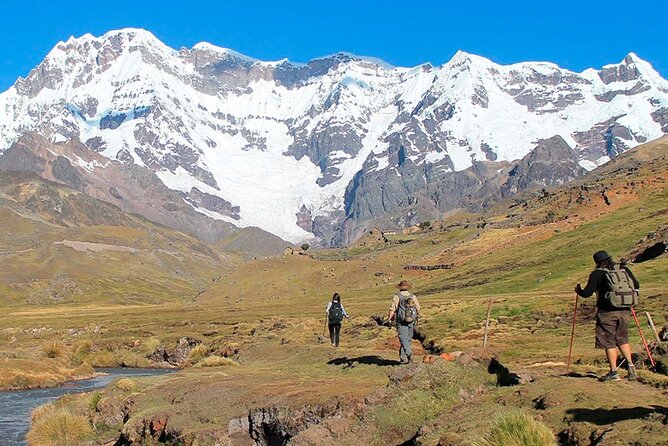
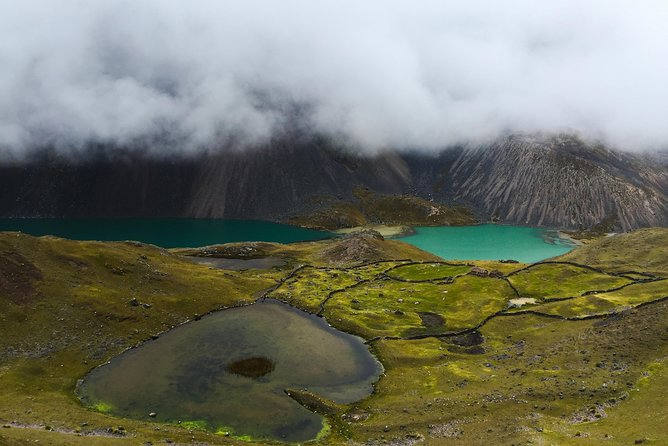
Day 4 is shorter, at about six hours, and has one pass to cross. The route takes you past deep blue lagoons and alpine glacial lakes, with Ausangate still visible from a new angle.
The schedule even allows for a swim in some of the lakes if you are brave enough. That is optional, and the water will be cold. You do not need to swim to enjoy the stops, but the chance adds a playful note after several serious days of walking.
The trail then heads toward Pacchanta Valley and the hot springs at Pacchanta. This is the trip’s second major soak, and perhaps the more welcome one after three nights at altitude. You can rest in the warm water with Ausangate above you.
The day covers about 15 kilometers and descends toward a camp elevation of about 4,300 meters. The schedule calls Pacchanta the goal, so confirm whether your final night is beside the hot springs or at a nearby camp. Either way, this is the best day for a slower pace and a final look at the mountain.
Day 5: Local food, weaving, and the ride back
The final morning begins with breakfast and a ceremony with a local family. You learn about local traditions, watch food preparation, taste local food, and see weaving techniques.
This is a useful ending because it connects the spectacular scenery with daily life in the region. A mountain trek can become a string of photographs if you never meet the people who live there. Here, the final activity adds context to what you have seen.
The cultural visit lasts about three hours, followed by a bus ride to Cusco. After four nights in camp, the vehicle ride will feel easy. The program does not list a final trek on this day, so you should finish the walking portion on Day 4.
The crew and the level of personal attention
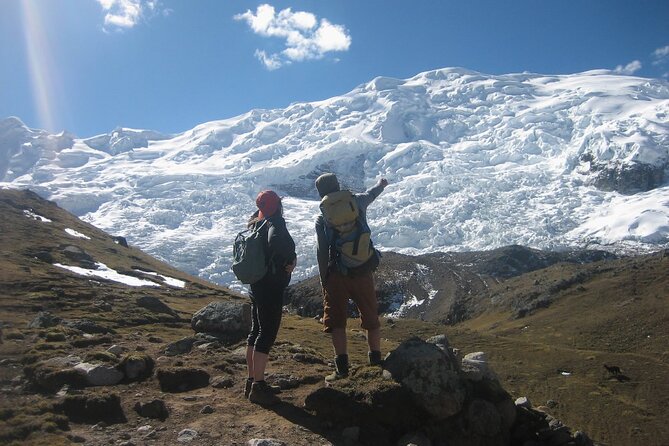
The group limit is 10, but the experience may run with fewer people. One party described being the only two participants, which allowed the team to give very personal attention.
Guide names connected with this trip include Chino, also called Urbano, Guillermo, and other Vidal Expeditions guides. The individual assigned to your departure can vary, so do not assume a specific guide unless the company confirms it.
The guide’s role is important here. You need someone who can set a sensible pace, explain the mountain’s cultural meaning, and help you manage long days above 4,500 meters. Chino and Guillermo are specifically associated with strong route knowledge, cultural explanations, and good company on the trail.
The cook is just as important. The food is described as a major strength, with hot, fresh meals prepared in camp. That is not a minor perk after seven hours of walking. Good meals help you recover and make the evenings more pleasant.
The horse driver carries equipment and helps with camp chores. This support lets you walk with a lighter daypack, though you still need to carry personal essentials, water, warm clothing, and anything you need during the day.
What is included, and what you still need
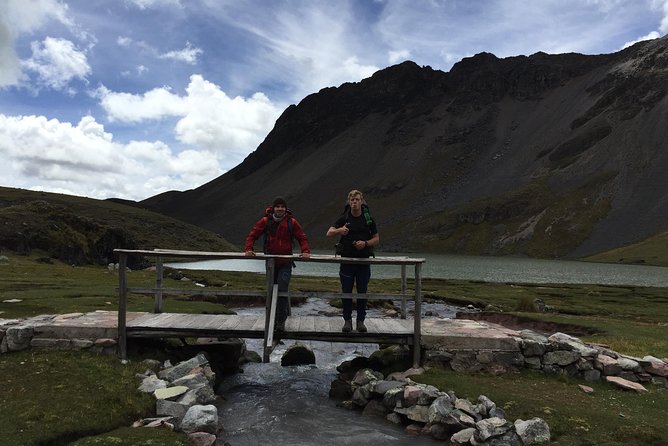
The package includes camping equipment, horses for equipment, five lunches, four dinners, and four breakfasts. Breakfast begins on the first full trekking morning, while the final day also includes breakfast before the family visit.
A sleeping bag is not included. At camps above 4,000 meters, that matters. Bring or arrange a properly warm mountain sleeping bag rather than assuming a basic rental will be enough.
The 20 soles entrance fee is also extra. Ask before departure how and when this is collected, and carry local currency.
You should also plan for:
- Warm layers for cold evenings and nights
- Rain protection
- Sun protection
- A headlamp
- Personal medication
- A small daypack
- Water for each hiking day
The exact gear list is not supplied, so get one from Vidal Expeditions before leaving Cusco. That simple step can prevent an uncomfortable night.
Weather, altitude, and the real level of difficulty
The greatest challenge is altitude, not technical climbing. The route reaches 5,200 meters and camps between about 4,200 and 4,630 meters. Even fit hikers can feel slow, breathless, or headachy at these heights.
The itinerary labels the activity as requiring moderate fitness. I would choose it only if you are ready for six to eight hours of walking on several days, steep ascents, cold camping, and limited recovery time.
The company notes that the trip requires good weather. If poor weather forces cancellation, you are offered another date or a full refund. The same applies if the minimum number of participants is not met. For your own booking, you can cancel for a full refund up to 24 hours before the 5 a.m. start time. Cancellations or changes inside that window are not refunded or accepted.
Who should book the Ausangate Trek
You should consider this trip if you want:
- A remote high-mountain route rather than archaeological sites
- A small group and close support
- Glacier-fed lakes and big views every day
- Cultural contact tied to the places you visit
- Hot springs at both the beginning and end of the trek
- A fully catered camping experience
It is a poor fit if you want a relaxed holiday, low camps, private rooms, or a gentle walk. It is also not the route to choose if you have no experience with high-altitude exertion and no time to prepare.
The scenery is the main reward, but the cultural pieces give the trek more meaning. The ceremony at Palomani Pass and the family visit on Day 5 make the trip feel connected to the Andes rather than simply staged around viewpoints.
Should you book this five-day trek?
I would book it if you are prepared for the altitude and want Peru away from the busiest routes. The $660 price makes sense because it covers the hard work behind the experience: food, camp equipment, pack horses, guiding, transport, and a small group.
Before paying, confirm the guide assigned to your date, the exact distance on Day 1, the sleeping bag arrangements, and where you sleep after reaching Pacchanta. If those details suit you, this is a strong choice for a demanding but well-supported circuit around one of Peru’s great sacred mountains.
FAQ
How long is the Ausangate Trek?
The trek lasts approximately five days, with four nights of camping and a bus ride back to Cusco on Day 5.
What time does the tour begin?
Pickup in Cusco is scheduled for 5 a.m.
How high does the trek go?
The highest point is Palomani Pass at 5,200 meters, or about 17,060 feet.
How large is the group?
The tour has a maximum of 10 participants.
Are meals included?
Yes. The package includes five lunches, four dinners, and four breakfasts.
Is a sleeping bag included?
No. You need to bring or arrange your own sleeping bag.
What is the cancellation policy?
You can cancel up to 24 hours before the experience begins for a full refund. Cancellations or changes made less than 24 hours before the start are not refunded or accepted.
Latest treks added in Cusco
- Small Group: 4-Day Inca Trail Trek to Machu Picchu★ 5.0 · 33 reviews
- Salkantay Trek: 5 Days to Machu Picchu★ 5.0 · 33 reviews
- 5 Day – Salkantay trek to Machu Picchu – Group Service★ 4.5 · 27 reviews
- Humantay Lake Full-Day Adventure: Scenic Trek and Stunning Views★ 4.5 · 39 reviews
- Inca Trail Trek to Machu Picchu – 2 Days (Small Group or Private)★ 5.0 · 31 reviews
- Salkantay 5-Day Trek To Machu Picchu★ 5.0 · 39 reviews
- 6 day Rainbow Mountain x Ausangate Trek – FlashpackerConnect★ 5.0 · 30 reviews
- Ausangate and Rainbow Mountain Trek – 3 Days / 2 Nights★ 5.0 · 35 reviews
Cusco Trekking Tours, compared.
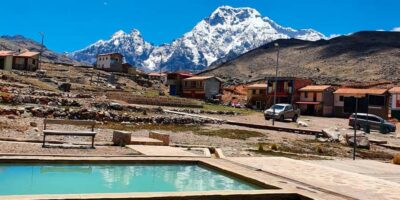
7 Lakes Ausangate Trek with Breakfast and Lunch
Read our review →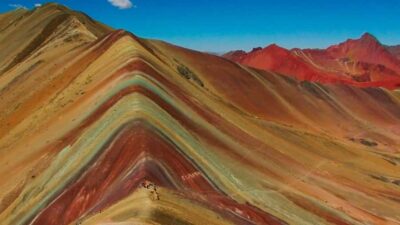
Full-Day Rainbow Mountain & Red Valley Trekking Tour
Read our review →
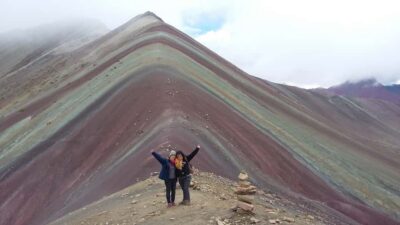
Machu Picchu: 5-Day Salkantay Trek with Panoramic Train
Read our review →
Ancascocha Trek To Machu Picchu 4 Days And 3 Nights
Read our review →
4 Day Inca Trail Trek to Machu Picchu Multi day tour
Read our review →Browse the lists this tour appears in