
REVIEW · CUSCO
4 Day Inca Trail Trek to Machu Picchu Multi day tour
The finest part of this trek is the way Machu Picchu arrives at the end of a real journey. You walk an ancient stone route for about 42 kilometers, climb to 4,215 meters at Dead Woman’s Pass, sleep three nights in tents, and enter the citadel through the Sun Gate rather than simply arriving by train.
I like the strong support package: porters carry up to 7 kilograms of your personal gear, and the cook prepares three full days of meals in camp. I also like the small maximum group of 16, plus guides such as Nico, Cesar, Plinio, and Josias, who are repeatedly praised for pacing groups well and explaining Inca sites clearly. The catch is simple: this is a serious high-altitude hike, not a sightseeing tour with a little walking.
Key points to know before booking
- Dead Woman’s Pass reaches 4,215 meters, making the second day the toughest part of the trek.
- The route includes Llactapata, Runkurakay, Sayacmarca, Phuyupatamarca, and Wiñay Wayna, not just Machu Picchu.
- Porters carry up to 7 kilograms of your personal belongings, while super porters carry food and camping equipment.
- A chef, dining tent, kitchen tent, toilet tent, mattress, meals, and water are included in the camping setup.
- The group is limited to 16 people, with pickup in Cusco at 4:30 a.m.
- The $930 price includes permits, entrance fees, guides, camping, meals, and return transport, but not a sleeping bag, hiking poles, insurance, or tips.
Why the four-day Inca Trail earns its reputation
The Inca Trail is special because the walking is part of the arrival. You do not simply reach Machu Picchu by bus, take a few pictures, and leave. You follow an old stone route through several climate zones, pass small settlements and major ruins, and gradually trade open highland views for cloud forest and subtropical vegetation.
That gradual change gives the trek its shape. The first day feels like an approach. The second tests your legs and lungs. The third rewards you with ruins and forest walking. The fourth delivers the great reveal at the Sun Gate.
The route begins at Km 82, after a drive from Cusco through the Urubamba Valley. The transfer is early, with pickup scheduled for 4:30 a.m., so plan your evening before the trek carefully. This is not the time for a late dinner or a relaxed morning.
At $930 per person, the cost is high compared with a simple day trip to Machu Picchu. But the fee covers the Inca Trail permit, Machu Picchu entrance, three nights of camping, a guide, chef, porters, meals, water, equipment, and transport back to Cusco. For a permitted multi-day route with a full support team, the package offers substantial value if you want the complete trail experience.
More Inca Trail Treks in Cusco
- Salkantay Trek Challenge – 3 Days / 2 Nights
★ 5.0 · 101 reviews - Choquequirao Trek 4 days and 3 nights
★ 5.0 · 81 reviews - Machu Picchu: 5-Day Salkantay Trek with Panoramic Train
★ 5.0 · 79 reviews
Day one: Km 82, the Vilcanota River, and the first camp
The first day starts with the transfer from Cusco to Km 82. After crossing the Vilcanota River, you begin walking on the ancient route toward Huayllabamba.
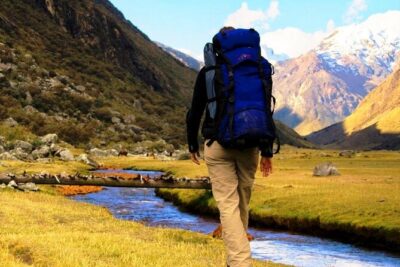
This opening day covers about 12 kilometers, or 7.5 miles, with roughly eight hours set aside for the full experience. The trail follows the river and gives you wide views of the mountains and valleys. It is a moderate beginning, but the early start, altitude, and steady walking still require energy.
Passing through Huayllabamba adds a human side to the day. You may have a chance to interact with local people before the trail moves farther into the mountains. This is also when you learn how your group walks together. Some people move quickly on flat ground but slow down sharply on climbs, while others prefer a steady, measured pace.
Your guide matters here. Guides named in the strongest accounts include Nico, Cesar, Plinio, Josias, and Yijo, though your assigned guide can vary. The best approach is to walk at a pace you can maintain instead of trying to keep up with the fastest person in the group.
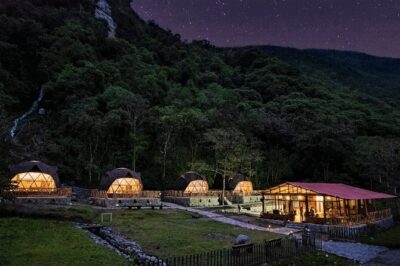
The first night is camping. A two-person sleeping arrangement uses a four-person Eureka tent, giving you more room for gear and a little more comfort than a tightly packed tent. The included dining tent, kitchen tent, tables, chairs, and toilet tent also make a real difference after a long day outside.
Day two: the hard climb to Dead Woman’s Pass
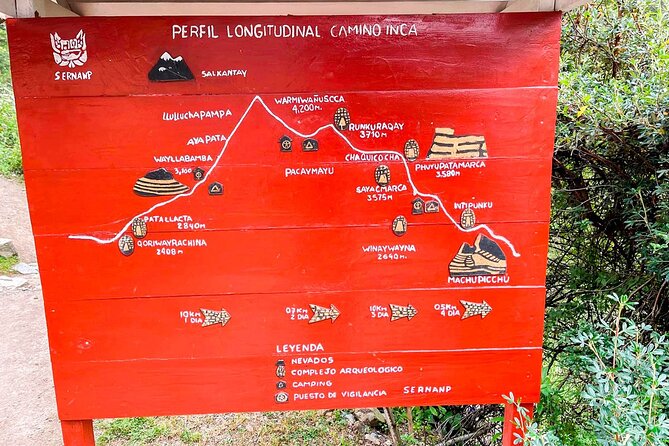
Day two is the physical test. After breakfast, you climb toward Warmiwañusca, better known as Dead Woman’s Pass, at 4,215 meters.
The pass is the highest point on the route. The climb is not difficult because of one technical section. It is difficult because the ascent is long, steep, and high. Thin air can turn a normal hill into a slow grind. If you have not spent time at altitude before, this is where fitness and patience matter most.
The reward is the view across the surrounding mountains and valleys. After a short rest at the top, you descend into the Pacaymayo Valley, where the second camp is located.
Do not judge the day only by the ascent. The downhill section can be hard on knees and thighs, especially after the climb. Trekking poles cost an extra $20, but they may be worth considering for balance and for the long descents. A sleeping bag costs $25, and an inflatable rest mattress costs $20 if you want those additions.
The route shifts from high grasslands toward cloud forest, with orchids and bromeliads appearing along the way. That change in vegetation is one of the satisfying parts of the trek. You can feel the mountain climate change as you lose altitude.
The included chef prepares breakfast, lunch, and dinner across the three camping days. Food is one of the strongest parts of this package. The meals are described as plentiful and impressively prepared, with one cook even producing a cake in camp. That matters more than it may sound. A hot, filling meal gives you fuel and lifts morale after a cold or tiring afternoon.
Day three: three passes, cloud forest, and Wiñay Wayna
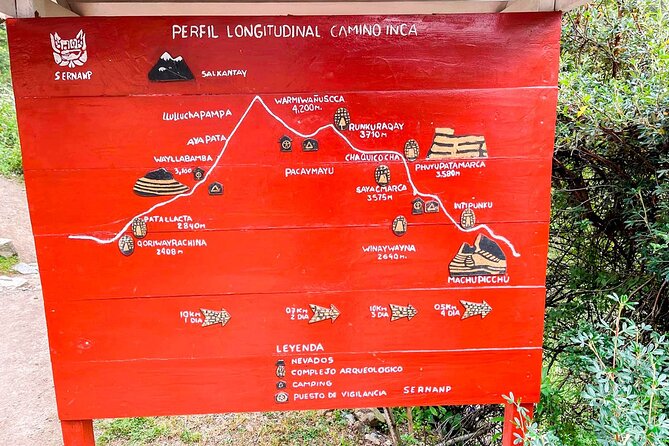
Day three is often the most rewarding walking day. It is long enough to be interesting but shorter than the first two days, with about six hours on the trail.
You climb to Runkurakay, the second pass, at 3,970 meters. From there, the path descends through cloud forest toward Sayacmarca, an Inca site at about 3,624 meters. The ruins are positioned high above the surrounding terrain, and the approach gives you a sense of how carefully the Incas used steep mountain slopes.
The trail continues through forest and passes smaller ruins before reaching Phuyupatamarca, the third pass, at 3,670 meters. The name is often translated as City Above the Clouds, an apt description for a site high in the mountains.
The final descent leads to Wiñay Wayna, at about 2,650 meters. Its terraces and ritual baths are among the most memorable ruins on the route. This is not just a quick stop for a photograph. The terraces show how the Incas shaped steep ground for farming, while the baths point to the ceremonial role of the site.
Camping near Wiñay Wayna places you close to the final approach to Machu Picchu. It also makes day four an early and exciting start. You are no longer walking toward an abstract destination. The citadel is close.
This day also shows why a guide adds value. A guide can explain what you are seeing, point out smaller ruins you might otherwise pass, and help you understand why the trail rises and falls so sharply. Guides such as Cesar, Nico, and Plinio are especially praised for combining history with practical care, including adjusting the walking pace and helping people through hard sections.
Another trail to compare in Cusco:
- From Cusco: 7 Lakes Ausangate Trek with Breakfast and Lunch
★ 4.8 · 360 reviews - Cusco: Full-Day Rainbow Mountain & Red Valley Trekking Tour
★ 4.5 · 121 reviews - From Cusco: Rainbow Mountain Trek
★ 4.5 · 98 reviews - Ancascocha Trek To Machu Picchu 4 Days And 3 Nights
★ 5.0 · 77 reviews
Day four: the Sun Gate and Machu Picchu
The final day begins early with breakfast and the walk to the checkpoint. The timing is designed to get you onto the final section of the trail and toward Inti Punku, the Sun Gate.
The first view of Machu Picchu from Inti Punku is the emotional payoff. After three nights of camping and the climb over Dead Woman’s Pass, the citadel appears below with the surrounding peaks behind it. Weather can affect the view, so keep your expectations flexible, but the approach itself remains memorable.
From the Sun Gate, you continue to Machu Picchu for a guided visit. The citadel was rediscovered by Hiram Bingham in 1911, and your guide can place the ruins within the wider Inca story. This is where a strong guide earns the fee. The stones and terraces are impressive on their own, but explanations help you see the site as more than a collection of walls.
The day includes about six hours of activity. After the visit, you take the shuttle bus down to Aguas Calientes. Lunch there is not included, so budget for your own meal. You then take the tourist train to Ollantaytambo, followed by a tourist bus back to Cusco.
That return is practical but long. You have already walked for four days, so the train and bus connection may feel tiring. Still, having the transport included removes the need to arrange separate tickets after the visit.
Camping, porters, and what the $930 covers
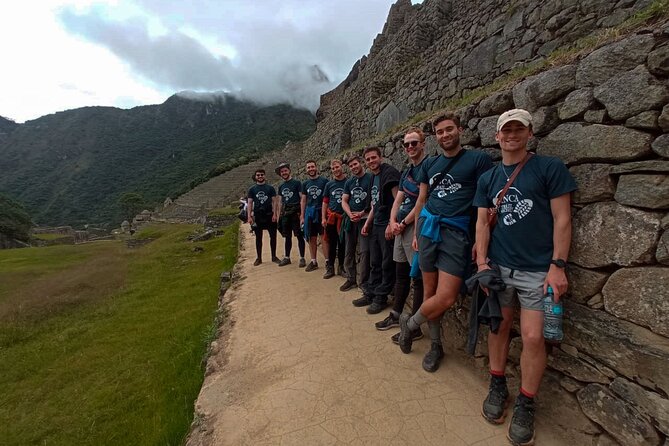
The support team is a major part of the value. You receive a personal super porter for up to 7 kilograms of personal belongings. Other porters carry the food, tents, cooking gear, and camp equipment.
You still need a daypack for items you want during the walk. The supplied information does not specify what you should pack into that daypack, so ask the operator during the pre-trek briefing. Keep your essentials light. Every unnecessary item becomes more noticeable on the climb to Dead Woman’s Pass.
The camping setup includes:
- Three nights of camping
- Eureka tents, with two people using each four-person tent
- Kitchen and dining tents
- Tables and chairs
- Cooking equipment and gas
- Toilet tent
- Sleeping roll mattress
- Water at each campsite
- Plastic rain poncho
- First-aid kit and emergency oxygen bottle
Breakfast, lunch, and dinner are included for the three camping days. Your first breakfast and final lunch in Aguas Calientes are not included.
The porter and chef system also carries an ethical responsibility. You are relying on people to move heavy equipment through demanding terrain. Pack carefully, respect the staff, and budget for tips. Tips and souvenirs are not included, and the company also offers the chance to sponsor native-tree planting, a thoughtful extra for anyone who wants to support a local environmental effort.
How demanding is this trek?
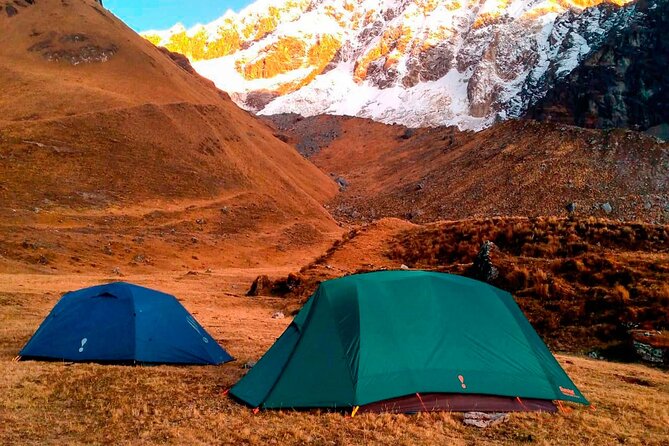
The operator requires a strong physical fitness level, and that warning should guide your decision. The route involves steep climbs, high altitude, long walking days, and repeated descents. You need to be comfortable walking for several hours and dealing with changing weather.
The trek is not reserved only for young athletes. People in their 60s and even into their early 70s have completed similar journeys with careful pacing and support. That does not mean age is irrelevant. It means steady preparation, honest communication with your guide, and a willingness to walk slowly can matter as much as speed.
I would prepare with long walks that include hills and stairs. Train for descents as well as climbs. Your legs may complain more on the downhill portions than on the uphill sections.
Altitude is the other major concern. Cusco is already high, and the trail rises much higher. The tour includes emergency oxygen in the first-aid kit, but that is not a substitute for acclimatization or good judgment. Tell your guide promptly if you feel unwell.
Group size, guides, and the human side of the trek
The group maximum is 16 people. That is large enough for a social experience but small enough for a guide to keep an eye on the group.
The strongest praise goes to the guiding and support staff. Nico Raul is described as attentive, encouraging, and well informed about Inca history. Cesar is repeatedly singled out for managing pace and handling unexpected problems. Plinio is praised for supporting older hikers and keeping the trip enjoyable. Josias, Yijo, and other named guides also receive credit for explaining the route and helping people through difficult stretches.
Your actual guide may be different, so treat those names as examples rather than a guarantee. The common pattern is clear: the guide’s role is not only to point out ruins. A good guide watches the group, answers questions, adjusts the pace, and keeps spirits up when the trail feels long.
The chef and porters also shape the experience. The food receives unusually strong praise, and the porters are described as dedicated and efficient. That support lets you focus on walking rather than carrying a full camping load.
What to pack and what costs extra
The tour provides a poncho and mattress, but you should still prepare for wet and cold conditions. The route moves through several climate zones, so pack layers and protect anything sensitive to rain.
The listed extras are:
- Sleeping bag: $25
- Hiking poles: $20
- Inflatable rest mattress: $20
- Tips
- Souvenirs
- Travel insurance
- First breakfast
- Final lunch in Aguas Calientes
The supplied information does not state whether you can rent other personal equipment, so ask before departure. Use the pre-trek briefing to confirm the 7-kilogram duffel limit, meeting arrangements, meal details, and what you need to carry yourself.
The booking is subject to permit availability, with confirmation expected within 48 hours. The payment is non-refundable and cannot be changed after cancellation, so do not book until your dates and fitness plans are firm.
Should you book this Inca Trail trek?
Book it if you want the classic route, accept camping, and see the journey as part of Machu Picchu rather than simply a way to reach it. The price makes sense for you if you value a guide, chef, porters, permits, camping gear, and return transport in one package.
Think twice if you dislike early mornings, steep mountain paths, basic camps, or fixed plans. The trek is demanding, and the non-refundable policy leaves little room for a last-minute change.
For a fit hiker who wants ancient ruins, high mountain passes, cloud forest, and a dramatic arrival at the Sun Gate, this is a well-supported way to experience the Inca Trail. Bring patience, train for hills, and let the porters and chef do the work they are there to do.
FAQ
How long is the Inca Trail trek?
The trek takes approximately four days and covers about 42 kilometers, or 26 miles.
What time does pickup begin?
Pickup from your hotel in Cusco is scheduled for 4:30 a.m.
What is the highest point on the route?
Dead Woman’s Pass, also called Warmiwañusca, reaches 4,215 meters, or 13,828 feet.
How many people can join the group?
The maximum group size is 16 people.
What meals are included?
Breakfast, lunch, and dinner are included for the three camping days. The first breakfast and final lunch in Aguas Calientes are not included.
Is a sleeping bag included?
No. A sleeping bag is available for an additional $25. Hiking poles cost $20, and an inflatable rest mattress costs $20.
More four-day treks in Cusco
- Salkantay Trek 4 Days to Machu Picchu by Glamping Sky Lodge Dome
★ 5.0 · 68 reviews - Salkantay Trek to Machu Picchu in 4 days
★ 4.5 · 50 reviews - 4-Day Lares Trek to Machu Picchu from Cusco
★ 5.0 · 47 reviews - 4-Day Salkantay Trek to Machu Picchu
★ 4.5 · 36 reviews
Latest treks added in Cusco
- Small Group: 4-Day Inca Trail Trek to Machu Picchu★ 5.0 · 33 reviews
- Salkantay Trek: 5 Days to Machu Picchu★ 5.0 · 33 reviews
- 5 Day – Salkantay trek to Machu Picchu – Group Service★ 4.5 · 27 reviews
- Humantay Lake Full-Day Adventure: Scenic Trek and Stunning Views★ 4.5 · 39 reviews
- Inca Trail Trek to Machu Picchu – 2 Days (Small Group or Private)★ 5.0 · 31 reviews
- Salkantay 5-Day Trek To Machu Picchu★ 5.0 · 39 reviews
- 6 day Rainbow Mountain x Ausangate Trek – FlashpackerConnect★ 5.0 · 30 reviews
- Ausangate and Rainbow Mountain Trek – 3 Days / 2 Nights★ 5.0 · 35 reviews
Machu Picchu & Inca Trail Treks, compared.
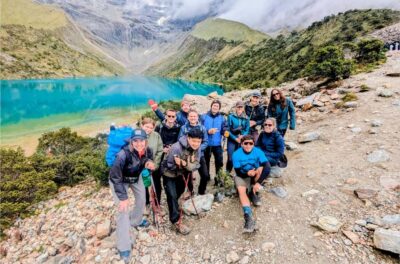
Machu Picchu: 5-Day Salkantay Trek with Panoramic Train
Read our review →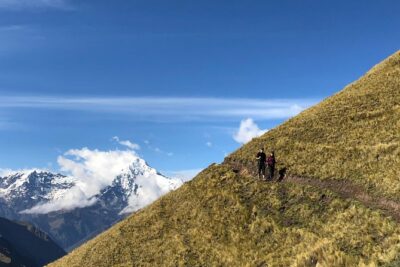
Ancascocha Trek To Machu Picchu 4 Days And 3 Nights
Read our review →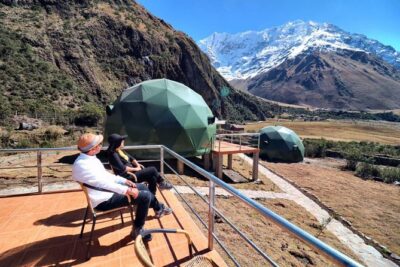
Salkantay Trek 4 Days to Machu Picchu by Glamping Sky Lodge Dome
Read our review →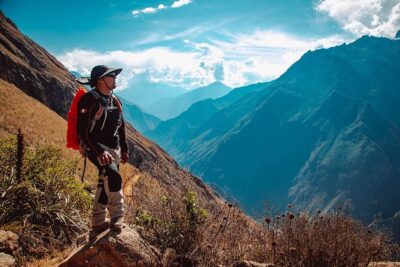
Browse the lists this tour appears in