
REVIEW · MARRAKECH
From Marrakech: 3-Day Mount Toubkal Climbing Trek
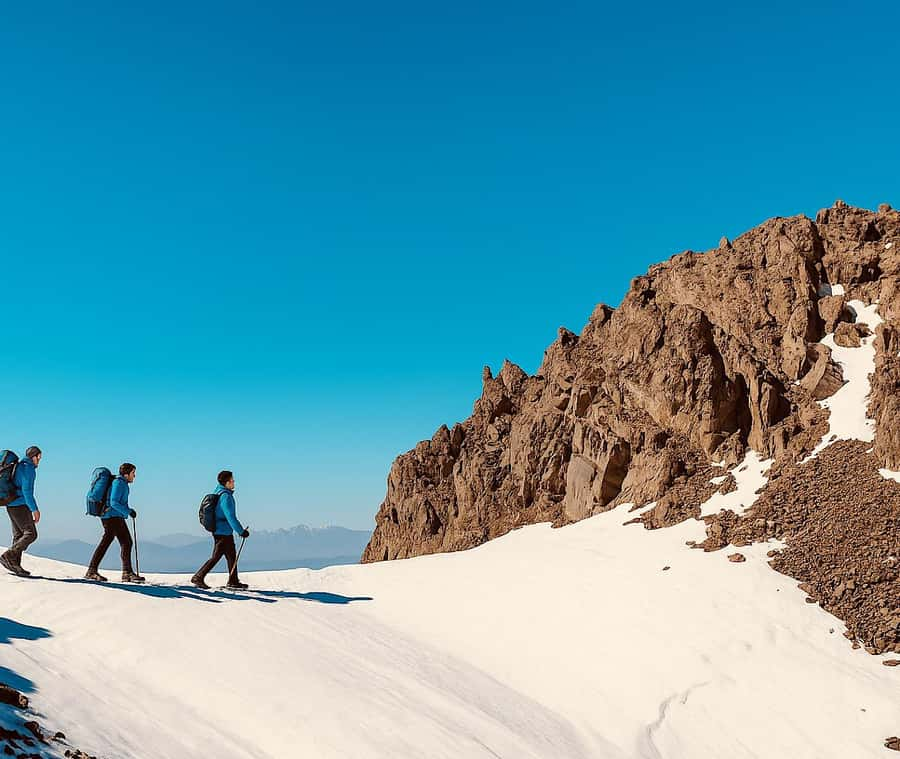
Mount Toubkal is a non-technical climb, but do not mistake that for an easy hike. At 4,167 meters, North Africa’s highest summit brings steep paths, loose scree, cold air, and a very long final day. The reward is a proper mountain journey, not just a quick out-and-back from Marrakech.
I like the three-day circular route, which gives you waterfalls, remote Berber villages, the Tizi Mzik and Aguelzim passes, and more time to adjust to the altitude. I also like the local team setup: a certified guide, muleteers, and cooks carry luggage and prepare filling meals while you concentrate on walking.
The main drawback is the summit day. It can last eight to nine hours, includes roughly 980 meters of ascent, and then drops about 2,500 meters toward Imlil. Accommodation is basic, the summit can be bitterly cold, and bad weather may force a shorter or altered itinerary.
The trek in five useful facts
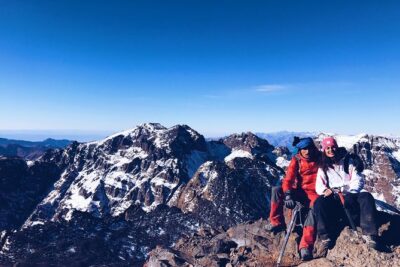
- You climb to 4,167 meters: Mount Toubkal is the highest mountain in North Africa, with wide views across the High Atlas and, in clear weather, toward the Sahara.
- The route is a loop: Instead of simply walking up and down the same trail, you pass Tizi Mzik, Tamsoult Waterfalls, Aguelzim Pass, and two different refuges.
- Day three is the test: The summit attempt starts early, often before sunrise, and ends with a long descent to Imlil.
- Mules carry your main luggage: Keep warm layers, water, snacks, and personal items in a daypack. Pack carefully because you may not have every item with you at every stop.
- The group is limited to 14: Actual groups may be smaller. Several recent departures had between five and eight people, while one had 12.
- Plan for basic mountain facilities: Bring toilet paper, soap, a sleeping bag or liner, a headlamp, and warm clothing even if blankets are available.
Why three days is better than a rushed ascent
You can approach Toubkal in two days, but the three-day plan makes more sense if you want to see the High Atlas rather than simply collect a summit. The first day uses a quieter route over Tizi Mzik and through Tamsoult, while the second day brings you closer to the summit from a different direction.
That extra day also helps your body adjust. You begin near Imlil, climb to 2,479 meters at Tizi Mzik, then spend the night at Tamsoult Refuge before rising to Aguelzim Pass at 3,650 meters. This gradual increase is useful because altitude affects people differently, regardless of age or hiking experience.
I would choose this version for the better mountain experience. The cost is $226 per person, including transport from Marrakech, a guide, muleteers, accommodation, and three days of meals. For a supported three-day trek with luggage transport, that is good value, though you should budget for personal expenses, drinks, tips, and any gear rental.
More Atlas Mountains Treks in Marrakesh
- Marrakesh: 2-Day Mt. Toubkal Trek with 1-Night Stay & Meals
★ 4.7 · 795 reviews - Marrakech: 2-Day Atlas Mountains Trek with Village Stay
★ 4.8 · 717 reviews - From Marrakesh: 2-Day Mount Toubkal Trek
★ 4.7 · 591 reviews
From Marrakech to Imlil through the High Atlas
Pickup comes after breakfast in Marrakech. The drive covers about 65 kilometers to Imlil and passes through Tahanaout, Oued Ghighaya, and Asni. The scenery changes quickly from the city to dry valleys and villages built into the mountain slopes.
Imlil is the practical starting point. Here you meet the mountain guide and muleteer team, organize your luggage, and begin walking. Guides on different departures have included Hassan, Mustafa, Kamal, Mohamed, Youssef, Omar, and others. The strongest part of the guiding service is its attention to pace and safety. Guides regularly check how people are coping and adjust the walking speed to the group.
That matters more than a running commentary. A good mountain guide keeps the group together, watches for slips on loose ground, and knows when a rest is needed. Still, if you want detailed information about plants, rocks, wildlife, or local culture, tell your guide early. One departure appreciated the safe pacing but wanted more explanation of the area.
Day one: Tizi Mzik and Tamsoult Waterfalls
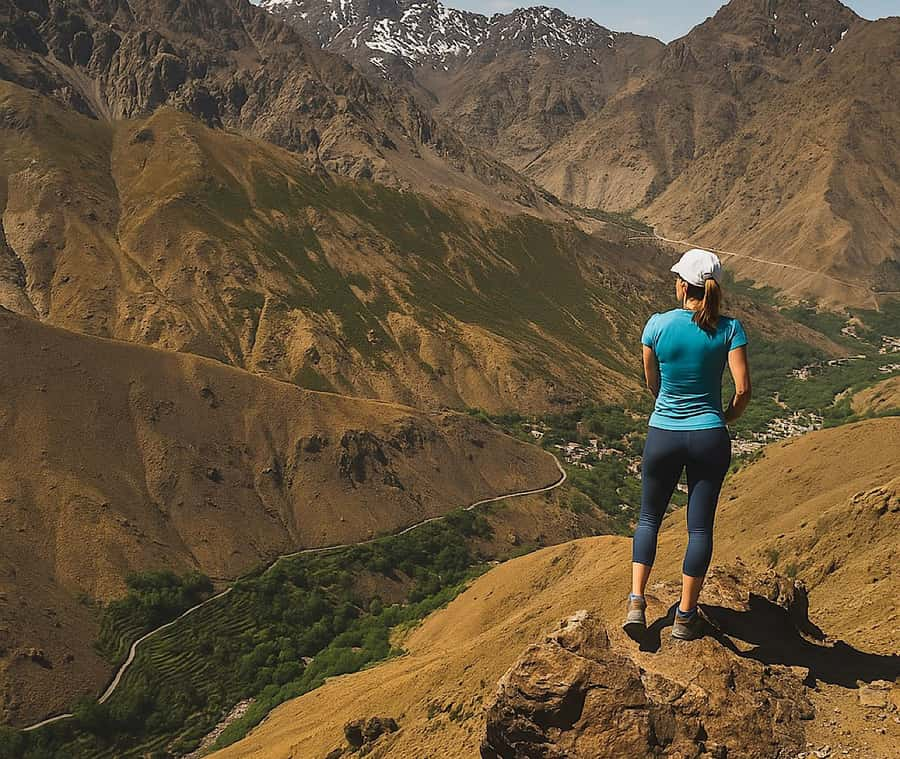
The first walking day covers about 11 kilometers, with 800 meters of ascent and 400 meters of descent. Expect five to six hours on foot, with a steady climb from Imlil to Tizi Mzik Pass at 2,479 meters.
The pass gives you a fine first view across the Imlil Valley and toward Mount Toubkal. It is a good place to pause, catch your breath, and understand the scale of the mountains ahead. The route then continues through juniper forest toward Tamsoult Waterfalls.
At roughly 100 meters, these are described as the highest waterfalls in the Atlas Mountains. Their appeal is not just the height. They break up a demanding walking day with water, trees, and a change from the dry, open slopes around the pass.
You finish at Tamsoult Refuge. The first night is important because it is your first taste of mountain accommodation. Expect bunk-style sleeping arrangements and simple facilities rather than hotel comfort. Some departures had hot showers, though facilities and charges can vary. Bring a sleeping bag or liner for warmth and personal comfort.
Meals are prepared along the route and are designed to keep you moving. Food has included generous portions and warm, freshly made dishes, which become especially welcome after several hours of uphill walking. Carry small snacks and electrolytes anyway. A full meal does not replace the quick energy you may need between stops.
Day two: the climb to Aguelzim Pass
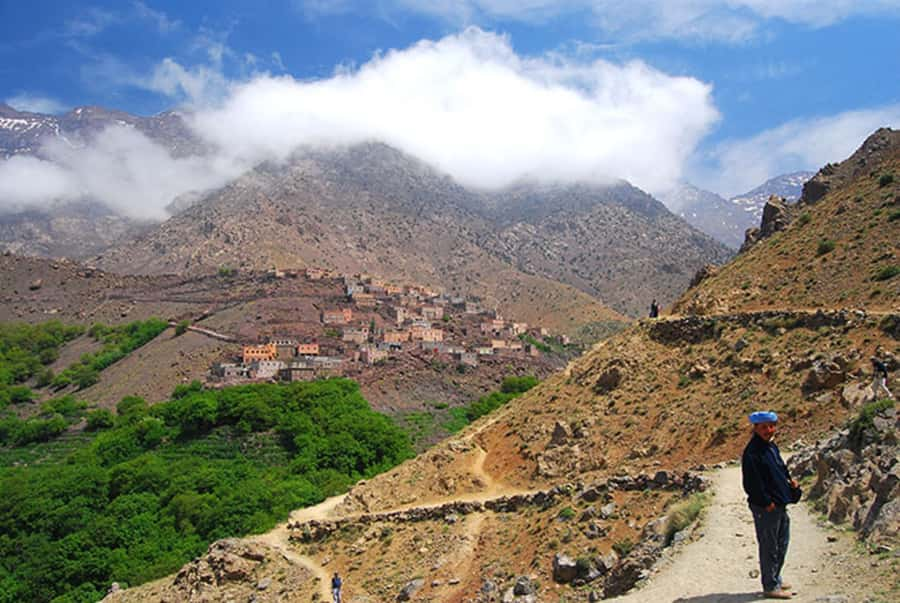
The second day is shorter by distance but harder by altitude. You walk about 10 kilometers, gain 1,200 meters, lose 300 meters, and spend six to six and a half hours on the trail.
The steady climb leads to Aguelzim Pass at 3,650 meters. This is where the trek begins to feel like a high mountain outing rather than a valley hike. Your breathing may become heavier, your pace will slow, and you may need more frequent pauses. The guide’s job is to keep the group moving without rushing anyone.
From the pass, you get impressive views toward Toubkal Summit. The route then drops to Toubkal Refuge at 3,207 meters, where you spend the night before the summit attempt.
This refuge is basic but functional. Beds and blankets may be provided, yet a sleeping bag is still a sensible choice, especially outside the warmest months. Hot showers may be available for an extra charge, and toilet paper and soap are not guaranteed. Pack both. Earplugs can also help if you are a light sleeper in a shared room.
The early bedtime can be one of the oddest parts of the trip. You may arrive tired but still need to organize your clothes, water, headlamp, and snacks before trying to sleep. Put your summit clothing where you can reach it easily. The pre-dawn start leaves little room for searching through a large bag.
More three-day treks in Marrakesh
- Marrakech: 3-Day High Atlas Mountains and Three Valleys Trek
★ 4.8 · 63 reviews - Climb Mount Toubkal: 3-Day Trek from Marrakech
★ 4.4 · 58 reviews - Marrakech: 3-Day Atlas Mountains Berber Villages Trek
★ 4.5 · 41 reviews - Sapa 3 Days 2 Nights Trekking Tour (1 Night In Ta Van Village, 1 Night In Hotel)
★ 5.0 · 699 reviews
Day three: a cold push to the summit
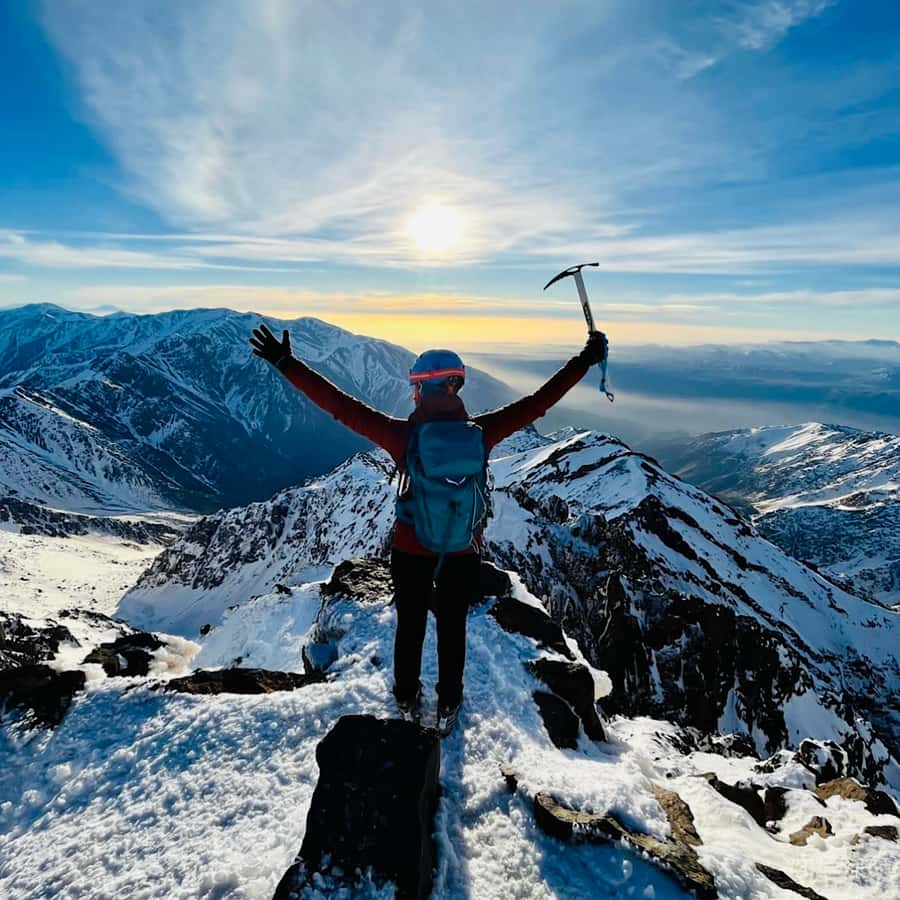
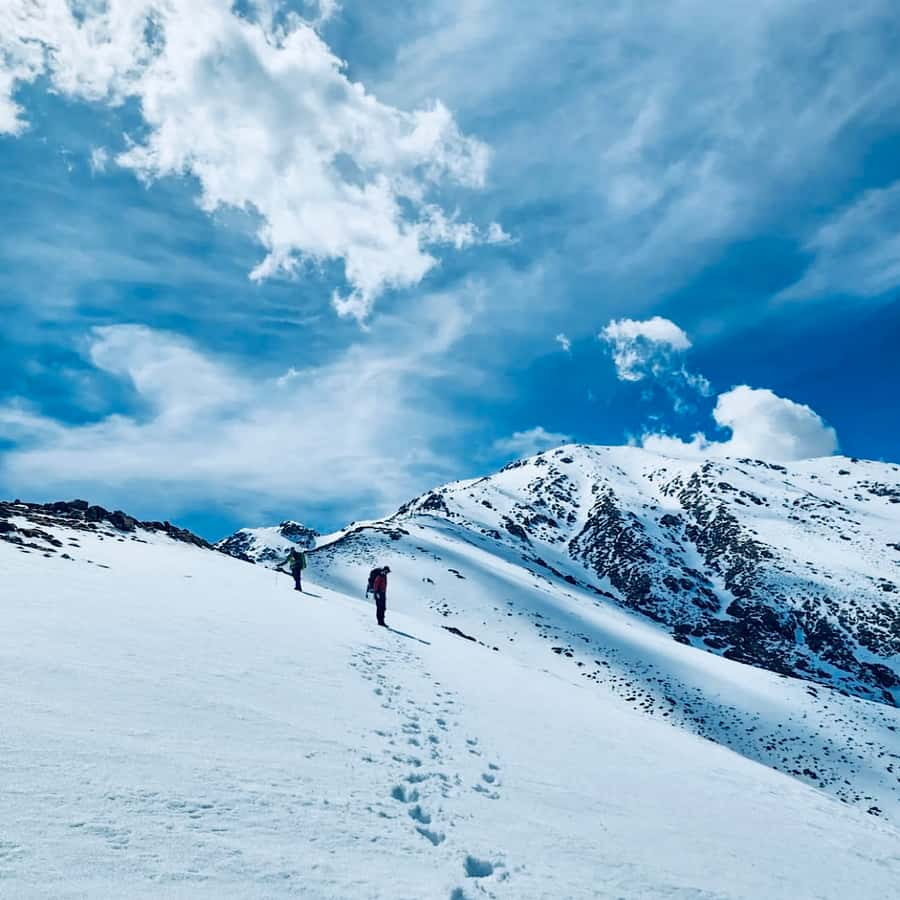
The final day begins early, sometimes around 3:30 a.m., so the group can reach the summit near sunrise. The summit section is listed as a four-kilometer loop, followed by a four-kilometer descent and then a much longer descent toward Imlil. The full day can run eight to nine hours.
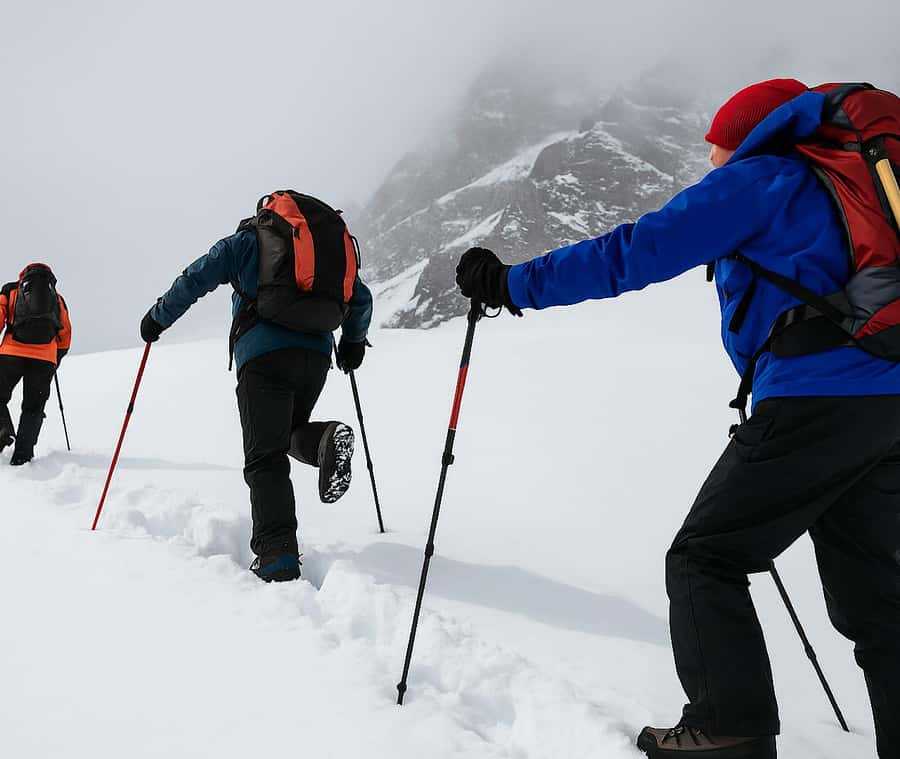
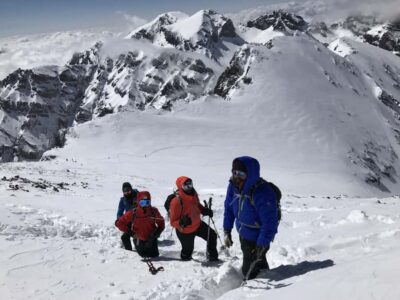
The climb gains about 980 meters to reach 4,167 meters. The upper route is not technical in the mountaineering sense, but it is steep and can include loose scree. You need firm hiking shoes, careful footing, and patience. On the way down, tired legs make slips more likely, so do not treat the descent as an easy finish.
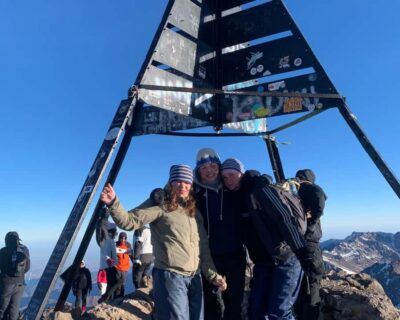
The reward is the view from the summit. In clear conditions, you see a broad sweep of the High Atlas, with the Sahara Desert visible on the horizon. Sunrise adds drama, but weather controls everything. Clouds, wind, snow, or a storm can block the view or make the summit unsafe.
A bad-weather change is not a failed tour. On one departure, the summit plan was shortened because of conditions, and the group spent time visiting Berber villages instead. On another, a road closure changed the route and added a different summit hike. The important thing is to understand that mountain schedules are plans, not promises.
After a short break at the refuge, you continue down toward Imlil. This is the part many people underestimate. The descent from high altitude is long, and the final walk through the valley can feel like an unnecessary extra stretch after the summit. One useful improvement would be a pickup farther down the valley, but the current plan generally returns you to Marrakech around 5 p.m.
The Berber villages and the human side of the trek
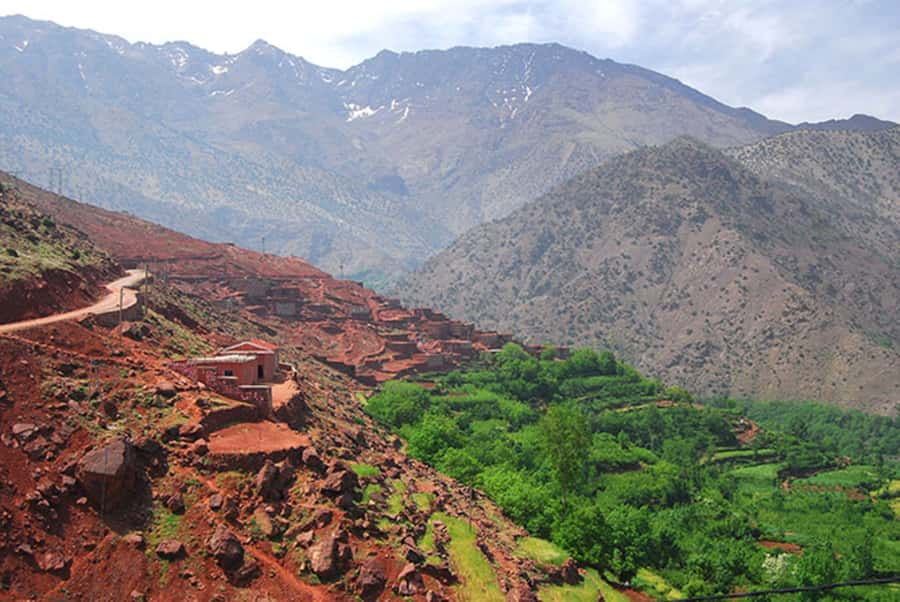
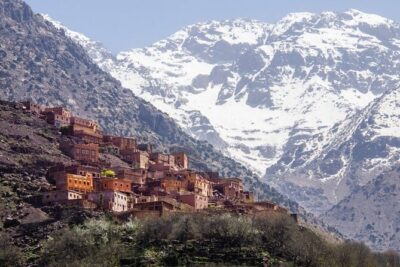
The route passes through traditional Berber villages scattered along the valleys. These are not staged cultural stops. They are part of the working mountain environment, where muleteers, guides, cooks, and local families support trekking in the region.
The muleteers are especially important. Mules carry luggage and supplies ahead to the accommodation, allowing you to walk with a lighter pack. They also help move food and equipment between the refuges. The practical lesson is simple: ask what will be carried and where it will be available before you pack.
You should still carry the essentials for the day. Keep your passport, water, rain layer, warm layer, camera, snacks, sunscreen, and any personal medication with you. Do not assume your main bag will be beside you at every break.
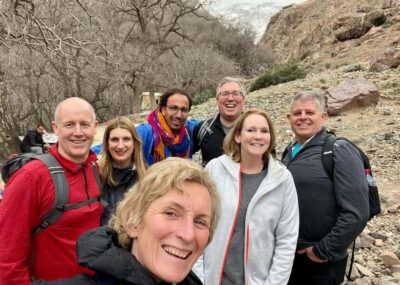
The human atmosphere is part of the appeal. Guides such as Mustafa, Hassan, Kamal, and Youssef have been praised for keeping groups together, offering encouragement, and making people feel safe. Some guides also share stories about Berber culture or play card games with the group at the refuge. The level of cultural explanation can vary, so ask questions rather than waiting for a formal talk.
Food, accommodation, and what $226 really covers
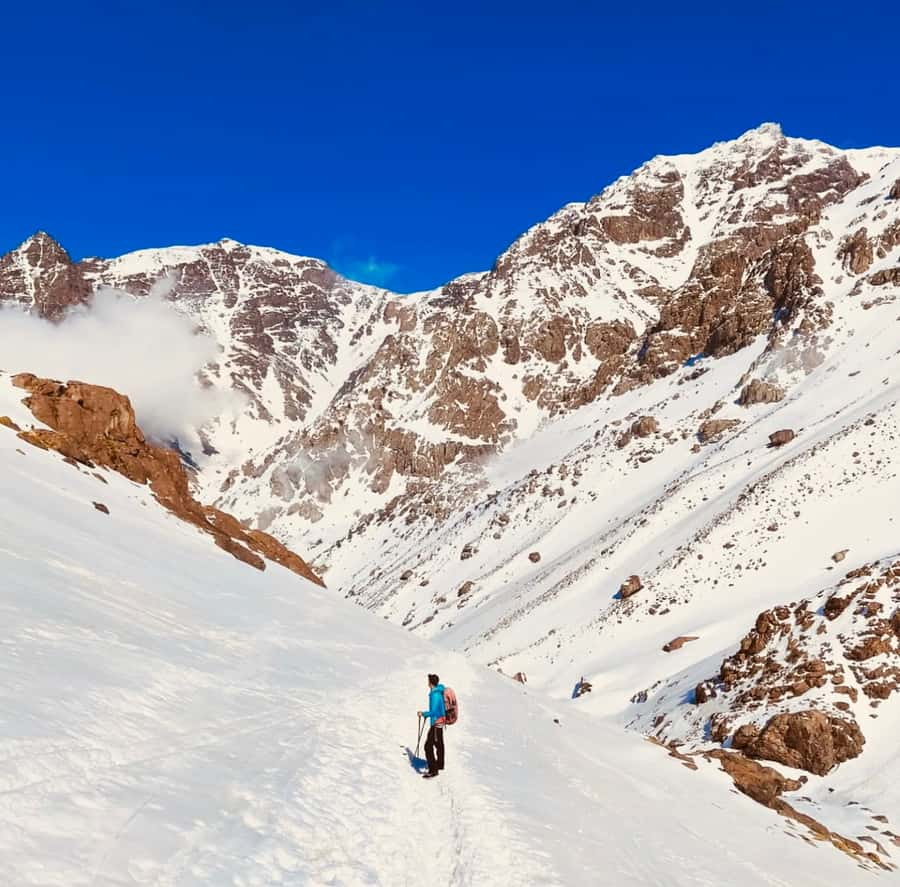
The price includes three breakfasts, three lunches, and three dinners, as well as transport from Marrakech, guiding, mule support, and accommodation. For three days in a remote mountain area, that package covers the costly practical parts of the trip.
Meals are generally simple, warm, and plentiful. Expect food meant to fuel walking rather than restaurant presentation. Couscous, tagines, soup, bread, and other Moroccan dishes may appear, though the exact menu is not specified. The cooks have been a major part of the experience, with several departures praising the amount and timing of meals.
Check the meal details before departure. One program displayed dinner on the final day, but the operator later said this was a typing error and did not provide it. That is a small issue, but it is worth confirming so you are not expecting a meal after the long return journey.
The accommodation is mountain-refuge style. Some facilities have offered warm showers and clean rooms with mountain views, while other descriptions point to basic or less comfortable conditions. Think bunk beds, shared facilities, blankets, and limited privacy. Bring a sleeping bag or liner, soap, toilet paper, and sandals or lightweight shoes for the evening. The activity prohibits sandals and flip flops as walking footwear, but comfortable footwear for the refuge can still be useful.
Fitness, altitude, and the right season
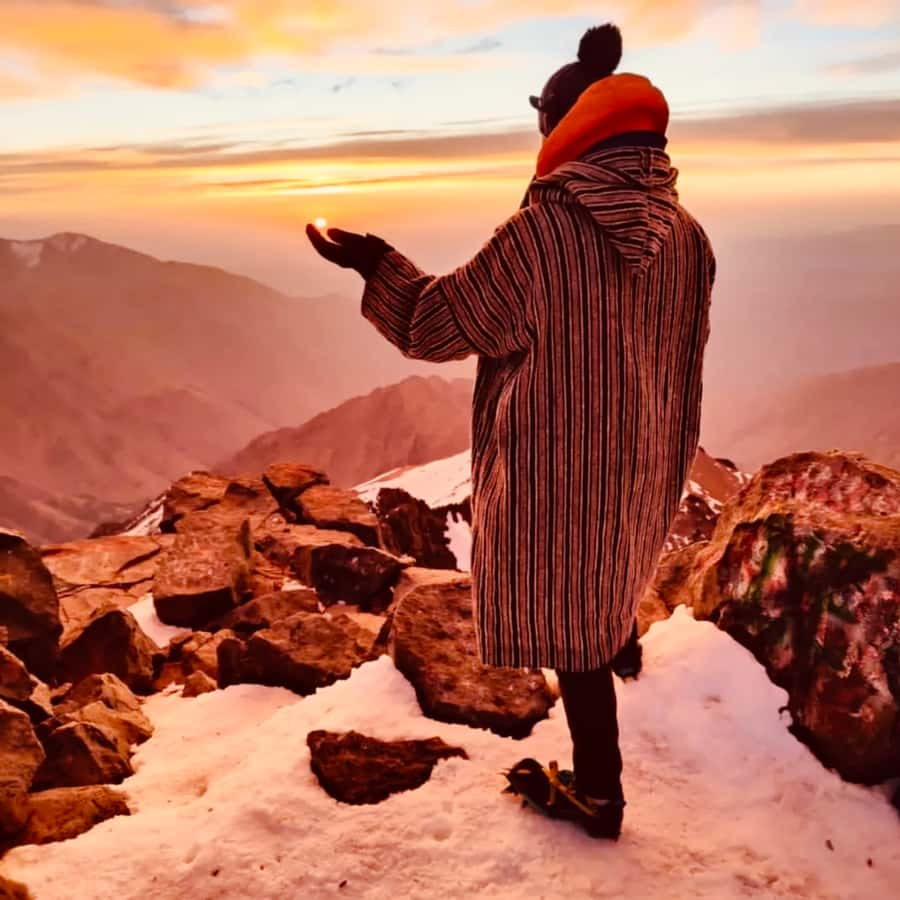
You do not need climbing ropes or technical mountaineering skills. You do need a good level of fitness and the ability to walk uphill for several hours, then descend for much longer than you might expect.
The altitude is the bigger concern. You climb from Imlil to passes above 2,400 and 3,600 meters before attempting the summit at 4,167 meters. Headache, unusual tiredness, nausea, or dizziness should be taken seriously. Tell your guide immediately if you feel unwell.
The trek has run in summer, autumn, winter, and spring conditions, but the experience changes sharply with the season. Summer brings heat in the lower valleys and strong sun. Autumn can offer comfortable walking temperatures but very cold summit mornings. Winter conditions can bring storms, snow, or route changes. The exact weather cannot be guaranteed, so warm clothing and rain gear belong in every pack.
At the summit, even a warm-season departure can feel icy. Bring a jacket, hat or beanie, gloves, and layers. A headlamp is essential for the early start. Hiking poles are useful on scree and the long descent, and guides may sometimes lend equipment, but you should not count on that.
Pickup, group size, and small practical matters
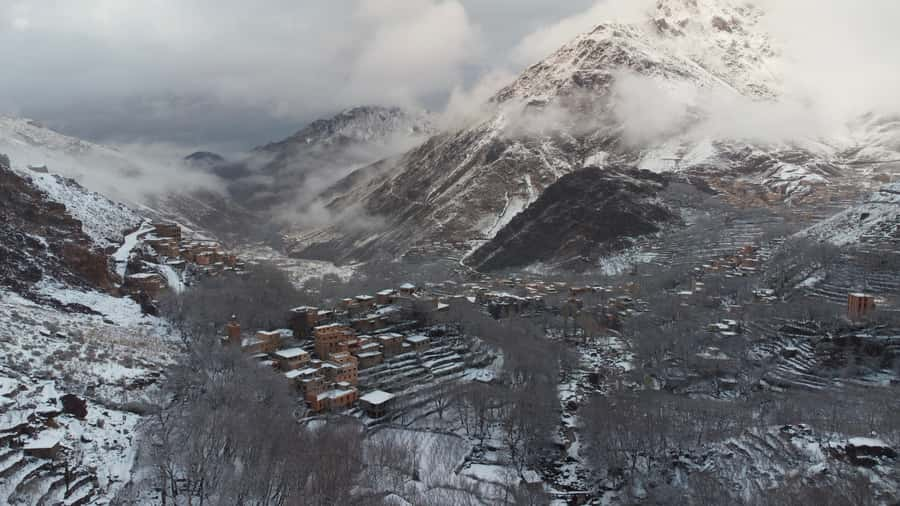
The driver picks you up at your hotel or riad in Marrakech. If your accommodation is outside the Medina, wait in the hotel lobby. If you are staying inside the Medina or at a riad that cars cannot reach, the operator contacts you through WhatsApp to arrange a nearby meeting point.
The group limit is 14 people. Smaller groups are common, and that makes a real difference on a demanding climb. You spend long hours walking together, so a group of five to eight can feel more personal and easier to pace than a full departure.
Guiding is available in Arabic, English, and French. Transportation is included both ways. You should still carry some Moroccan currency for water, snacks, showers, and tips. Personal expenses, travel insurance, and mountain gear are not included.
The activity allows cancellation up to 24 hours before departure for a full refund, and you can reserve without paying immediately. Those policies are useful if your Marrakech plans are still shifting, but they do not remove the need to check your physical readiness and the weather forecast.
Who should book this Toubkal trek?
I would choose this trip if you want a serious mountain challenge with practical support and a strong taste of rural Morocco. It suits hikers with reasonable fitness, first-time peak walkers who are prepared to work hard, and anyone who prefers a circular route to a fast two-day ascent.
I would not choose it if you want a soft adventure, private hotel rooms, guaranteed summit weather, or an easy sightseeing tour from Marrakech. The summit day is long, the refuges are basic, and an itinerary change may be necessary for safety.
The 4.7 rating from 597 reviews reflects the strongest parts of the experience: supportive guides, generous food, efficient transport, and a route that feels bigger than a simple summit dash. The best value comes from choosing the three-day plan, packing sensibly, and accepting that the mountain gets the final say.
FAQ
Is Mount Toubkal a technical climb?
No. The ascent is described as non-technical, so ropes and technical climbing skills are not part of the standard plan. You still need good fitness for steep paths, loose scree, high altitude, and a long summit day.
How high is Mount Toubkal?
The summit is 4,167 meters above sea level. The route also crosses Tizi Mzik Pass at 2,479 meters and Aguelzim Pass at 3,650 meters.
What is included in the $226 price?
The price includes a mountain guide, roundtrip transportation from Marrakech, muleteers and mules for luggage, accommodation at a local house or mountain refuge, and three breakfasts, three lunches, and three dinners.
What should I bring?
Bring your passport, warm clothing, a jacket, rain gear, hiking shoes, a camera, and a sleeping bag. You should also bring a headlamp, toilet paper, soap, snacks, electrolytes, and comfortable footwear for the refuges.
How long is the summit day?
The summit day takes about eight to nine hours. It includes the climb to 4,167 meters, a descent to the refuge, and the continuation toward Imlil. It is the most physically demanding day of the trek.
Can bad weather change the route?
Yes. Storms, closed roads, or unsafe conditions can lead to a shorter trek or a changed itinerary. A summit attempt is dependent on weather and mountain safety, and the guides may substitute village walks or another mountain route.
Latest treks added in Marrakesh
- Mount Toubkal Trek 2 Days & 1 Night★ 4.5 · 26 reviews
- Marrakech: Mount Toubkal 2-Day trek from Marrakech★ 5.0 · 2 reviews
- Marrakech: Guided 2-Day Trek to Imlil and Imnan Valleys★ 4.6 · 14 reviews
- Marrakech: High Atlas Tedali Summit Guided Day Trek★ 5.0 · 4 reviews
- Marrakech: 2 Day Toubkal Trek & 1 Nights with Hotel Pick up★ 5.0 · 2 reviews
- Marrakech: 2 Day Trek Atlas Mountains & Taoudja Summit 2724M★ 5.0 · 2 reviews
- From Marrakesh: 2-Day Trek to Ait-Benhaddou and Ouarzazate★ 4.6 · 36 reviews
- From Marrakech: Aourirt N’ouassif Summit Day Hike & Trek★ 4.9 · 10 reviews
Atlas Mountains Treks, compared.
Mt Toubkal Ascent Express Trek 2 Days 1 Nights
Read our review →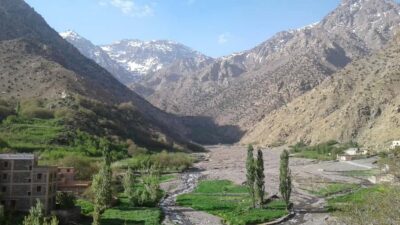
2-Day Mt. Toubkal Trek with 1-Night Stay & Meals
Read our review →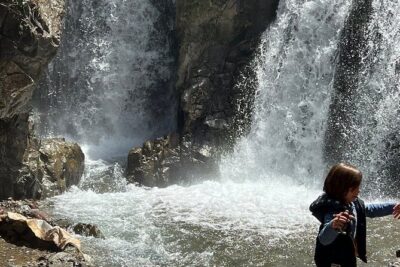
Summiting and Hiking the Atlas Mountains Day Trek from Marrakech
Read our review →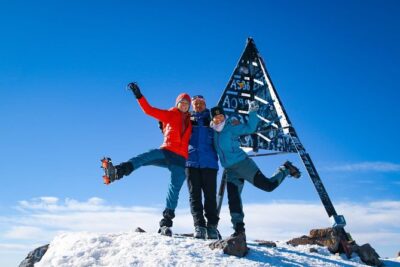
Browse the lists this tour appears in