
REVIEW · AREQUIPA
Arequipa: Colca Canyon Trekking 2 days and 1 night + food
The real test here is not spotting a condor. It is walking into the Colca Canyon, sleeping beside the Colca River, then climbing back out before breakfast. The canyon views are superb, but this is a serious mountain trek, not a casual sightseeing trip.
I like the mix of big scenery and local places: the condor viewpoint, small canyon villages, rustic Sangalle, and the high puna on the return drive. I also like the helpful guiding. Alix has been praised for clear explanations and quick solutions, while Carlos and Alex supported hikers when the climb became too much. The main drawback is plain: the second day is a hard three-hour ascent, and the lodge can be very basic, with shared rooms, limited solar electricity, and unreliable toilets.
Key points to know before booking
- A 5:00 a.m. climb follows a six-hour first-day trek: You need good fitness for steep mountain paths.
- Cruz del Condor comes before the hike: You get one of the region’s best chances to watch Andean condors in flight.
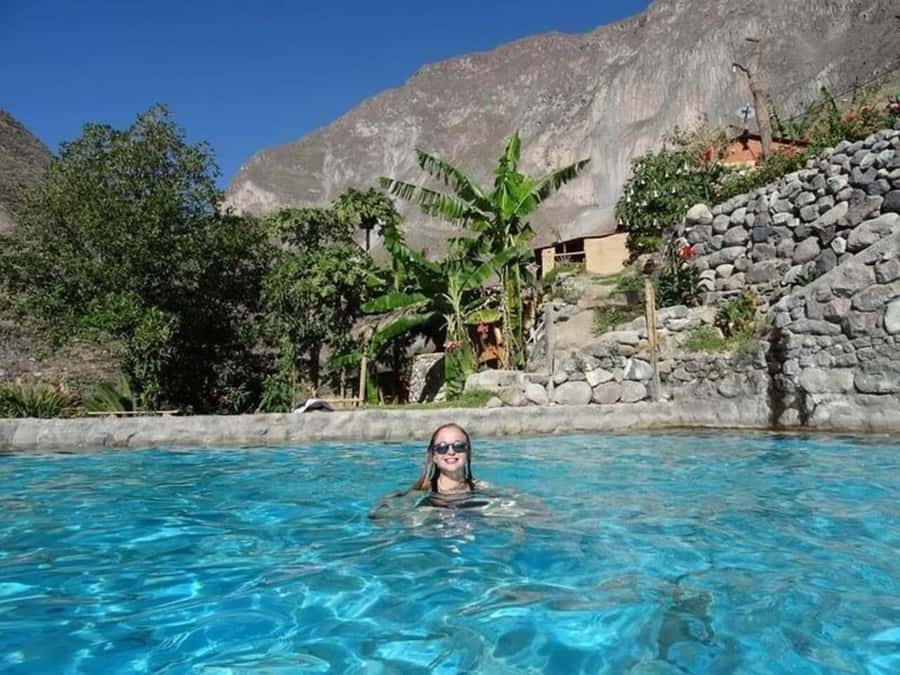
- Sangalle is a true canyon stop: Expect pools, a simple lodge, no regular electricity, and a star-filled night.
- The price covers major costs: At $150 per person, transport, guide, two breakfasts, one lunch, dinner, and lodging are included.
- The return route adds more than a transfer: You stop at hot springs, volcano viewpoints, Tocra wetlands, and Pampa Cañahuas.
- A mule taxi may be possible if you cannot finish: This was arranged for one hiker, but the service is not listed as included, so carry extra cash.
Why this Colca Canyon trek is worth the effort
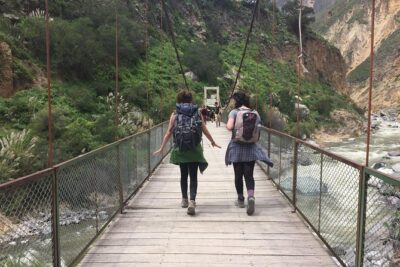
Colca Canyon is best understood on foot. From the rim, you can admire its scale, but the descent shows how the canyon changes from dry upper slopes to a warmer river valley. You pass through small settlements, look across steep walls, and finish at Sangalle, an oasis-like stop in the canyon interior.
This outing gives you that change in scenery in only two days. It also avoids turning the experience into a simple coach ride. You still spend plenty of time in a vehicle, especially on the second day, but the heart of the trip is the walk.
The $150 price is reasonable for what is included. Round-trip transport from Arequipa, an English- and Spanish-speaking high-mountain guide, three included meals, two breakfasts, and one night of lodging cover the main expenses. You still pay the tourist ticket, hot springs, and second-day lunch, so the final cost will be higher.
The tourist ticket is listed at S/. 20 for Peruvian nationals, S/. 5 for national students, S/. 40 for Latin Americans, and S/. 70 for foreign visitors. The hot springs cost S/. 15. Bring cash for these charges, lunch, drinks, and any unlisted service.
More food and drink stops in Peru
- Etna Sunset Tour: Volcano trek, Cave & tasting from Catania
★ 4.8 · 1,290 reviews - From Catania: trek on Mount Etna, Lava Cave & tasting Tour
★ 4.8 · 563 reviews - Catania: Mount Etna Sunset Trekking with Wine Tasting
★ 5.0 · 140 reviews
The 3:00 a.m. departure from Arequipa
The day begins early, with hotel pickup near Arequipa’s main square between 3:00 and 3:30 a.m. That timing feels brutal at first, but it allows the group to reach Chivay for breakfast around 6:00 a.m. and continue to Cruz del Condor in the morning.
You ride for about three hours to Chivay, eat breakfast at a tourist restaurant, then continue for roughly another hour. This is a long opening transfer, so keep water and a small snack within reach. A charged phone is useful for navigation-free entertainment and photos, though it cannot be recharged at the Sangalle lodge.
The pickup is limited to hotels near the main square. Confirm your exact pickup point before departure, and do not assume every Arequipa address is covered.
Cruz del Condor and the start of the descent
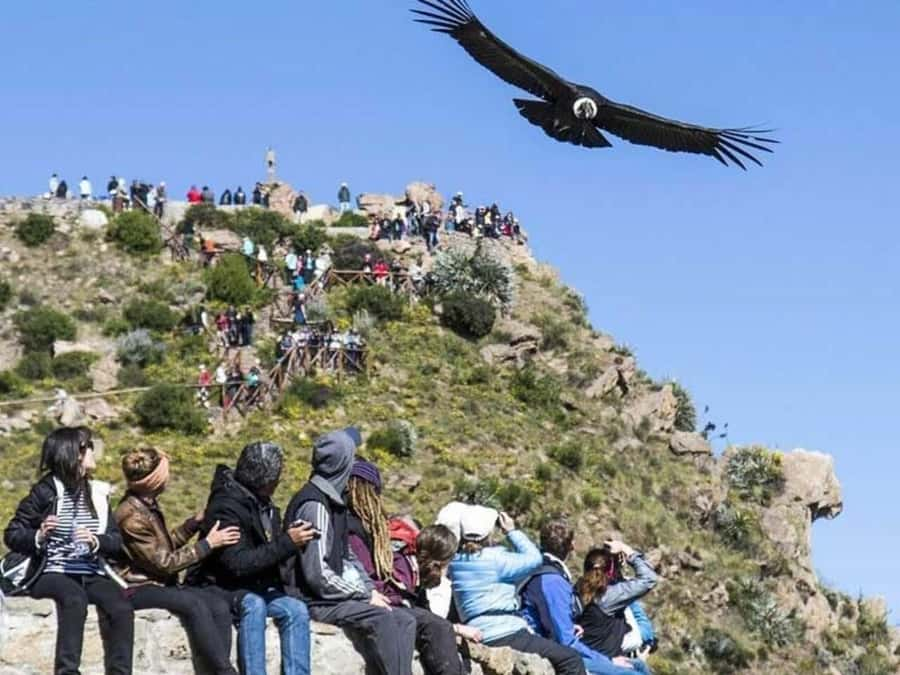
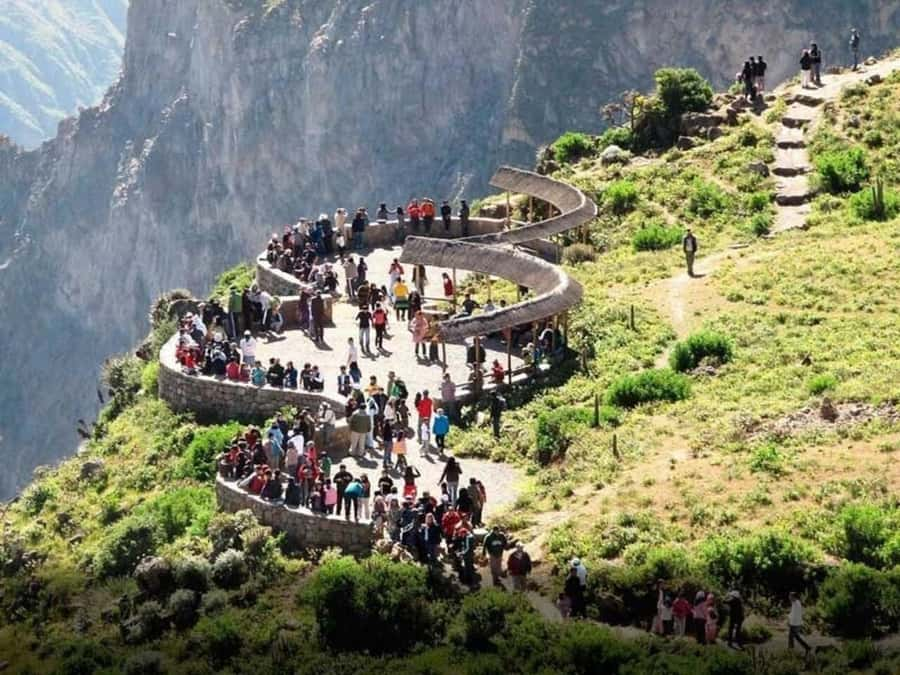
Cruz del Condor is the first major stop. From the viewpoint, you can see the shape and depth of Colca Canyon and watch for Andean condors riding the air currents. This is a viewing stop, not the trek itself, but it gives you a useful sense of the scale you are about to enter.
Afterward, the vehicle passes through Cabanaconde and reaches La Pampa de San Miguel. Here the walking begins. The first stretch takes about four hours, with views toward villages and the canyon interior.
This is where the trip changes character. You are no longer simply looking over the canyon from a roadside viewpoint. You are walking down into it. Descending can feel easier than climbing, but steep downhill paths still demand care, especially on loose or uneven mountain ground.
Good hiking shoes matter. Comfortable street shoes are not enough for a route that lasts several hours each day and reaches altitudes above 3,000 meters.
San Juan de Chucho, Cosñirhua, and Malata
After about four hours on foot, you reach San Juan de Chucho for lunch. The meal is included on the first day, which is useful because you will have already spent much of the morning walking.
The route continues toward Sangalle for about three hours. Along the way, you pass through Cosñirhua and Malata. These villages offer a closer look at life inside the canyon, and a small museum in the area adds a cultural stop to what could otherwise be a purely physical outing.
I like this section because it breaks up the long walk. You are not simply counting down miles. The villages give the route human scale, and the changing views help explain how communities live in a place reached by steep paths rather than easy roads.
Still, this is a demanding first day. The schedule describes roughly seven hours of walking when the two main sections are combined. The exact pace can vary, but you should expect a full day on foot, not a gentle afternoon hike.
More food tours in Peru
- From Siracusa: Etna Tour – Trek, Wine and Food
★ 4.8 · 50 reviews - Ancona: Urban Trek Tour with Wine and Food Tasting
★ 4.5 · 4 reviews - 2-Day SAPA Trekking – Villages-Homestay-Ethnic-Local Food-Market
★ 5.0 · 2 reviews
Sangalle after the long descent
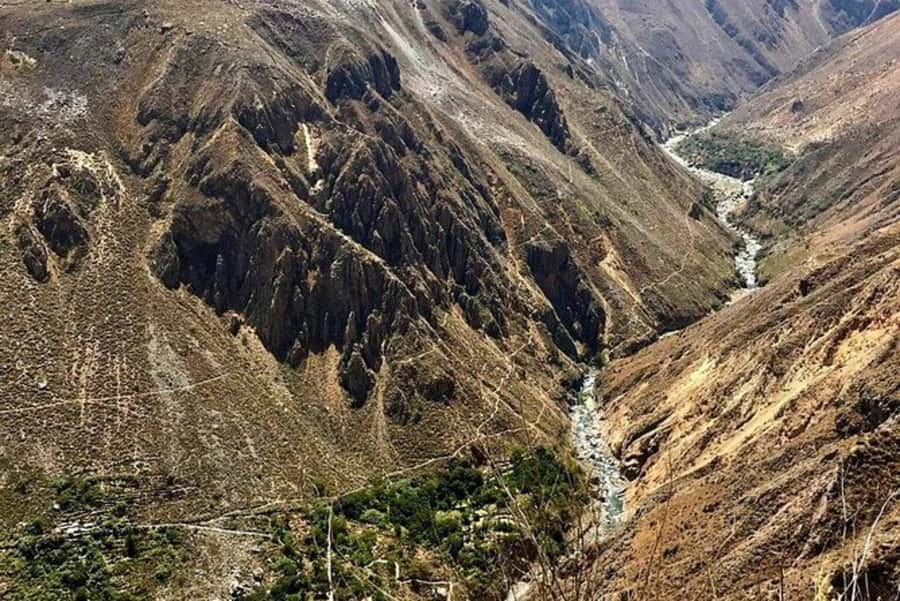
Sangalle sits in the canyon beside the Colca River. After the descent and the final approach, the pools are a welcome feature. You can use them before dinner, so pack swimwear, a towel, sandals, and a change of clothes where you can reach them easily.
The accommodation is a rustic lodge with shared rooms. Solar panels provide limited electricity, and once it gets dark, lights are available for only a couple of hours. Cell phones cannot be charged there.
This is a place to reset your expectations. You are not booking a standard hotel night. The setting is remote, and the lack of regular electricity is part of the experience, but practical problems can occur. One published account described mold in a room and a toilet that worked only sometimes. That does not mean every room will have the same issue, but it is a fair reason to pack modest expectations.
Private rooms may be available for an extra charge. Ask about this before booking if sharing is a concern.
Dinner and the first night’s lodging are included. After dinner, the darkness and remote location make the stars a natural part of the evening. Bring a small flashlight if you have one, though the supplied information only specifically requires a charged phone and basic hiking items.
The 5:00 a.m. climb to Cabanaconde
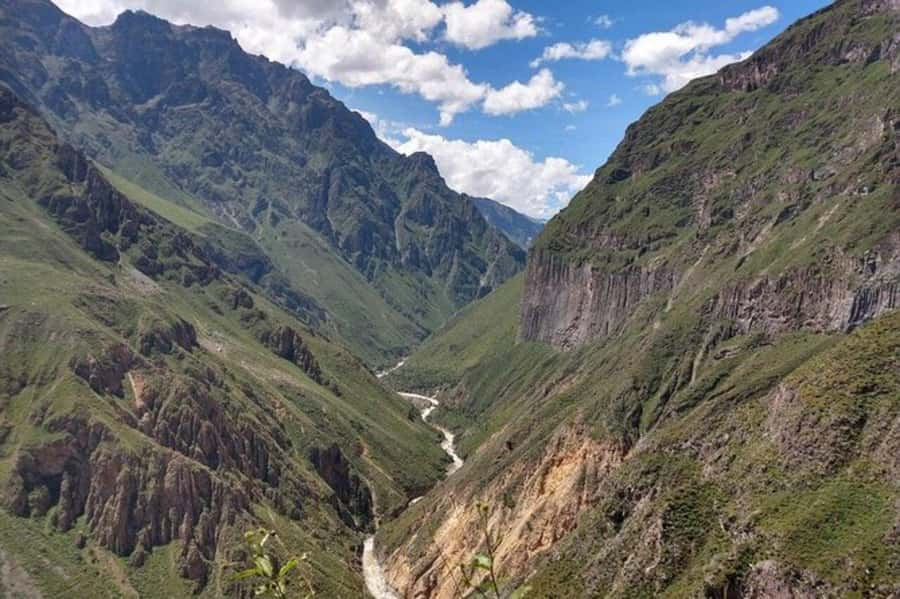
Day two starts at about 5:00 a.m. with a three-hour climb to Cabanaconde. This is the key physical challenge and the part that catches less-fit hikers off guard.
The ascent reverses the previous day’s descent. You are walking uphill for hours, at altitude, before breakfast. If you are used to easy hikes, do not underestimate it. One hiker could not complete the climb and needed a Colca Canyon taxi using mules, arranged by guide Alex. That solution may be available, but it should not be treated as a guaranteed inclusion or a substitute for fitness.
A steady pace matters more than speed. Carry water, use sunscreen, and keep your pack light. Poles may help, though they are not listed as provided, so bring your own if you normally use them.
Breakfast follows in Cabanaconde. The second breakfast is included, and the timing gives you a chance to recover before the drive back toward Chivay.
Hot springs and the return through high country
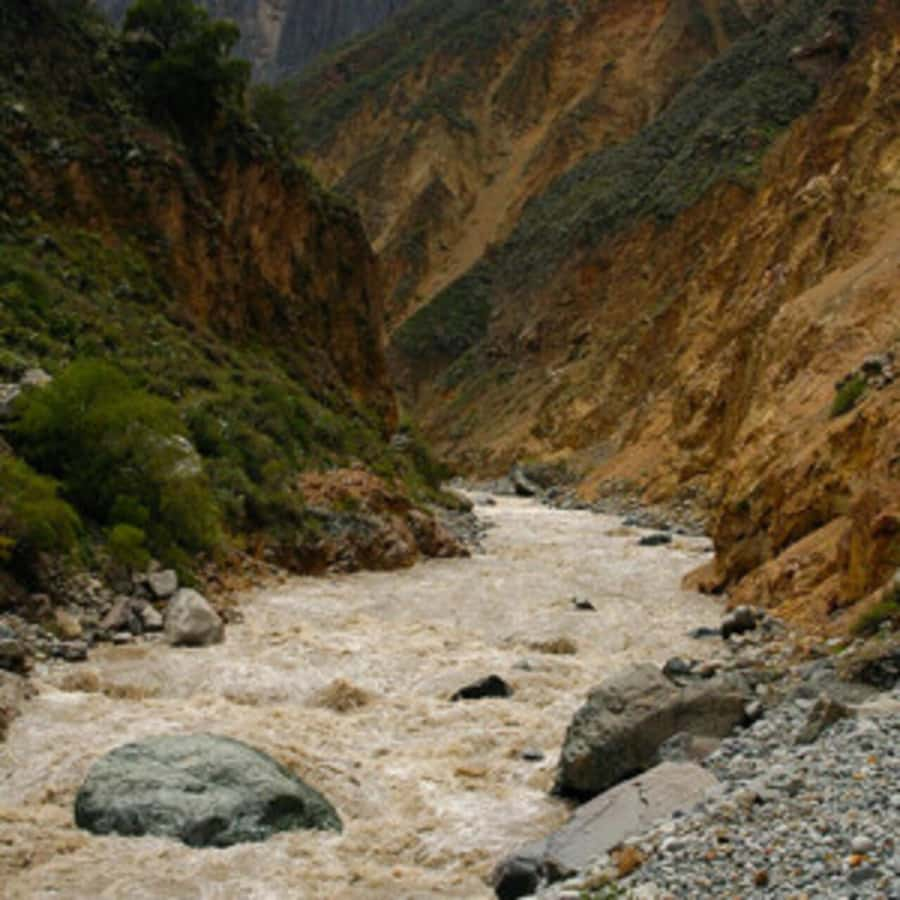
The vehicle returns toward Chivay with stops at scenic points along the way. Around 11:30 a.m., you visit the thermal baths. The entry fee is S/. 15 in cash, and swimwear, a towel, and sandals belong in your day bag rather than at the bottom of your main luggage.
Lunch in Chivay follows at about 12:30 p.m., but it is not included. Keep soles available for this meal and any drinks.
The drive back to Arequipa begins around 1:30 p.m. The route includes a viewpoint of the volcanoes at about 4,910 meters above sea level. That altitude is worth taking seriously, especially after two days of walking. Move slowly at stops, protect yourself from the sun, and tell the guide if altitude symptoms become a problem.
At the Tocra wetlands, you can look for wild birds and see herds of alpacas and llamas. At Pampa Cañahuas, inside the Aguada Blanca and Salinas National Reserve, the route passes groups of vicuñas. These stops broaden the trip beyond the canyon itself and make the long return drive more interesting.
Arrival in Arequipa is expected around 5:30 p.m. That is a full second day, even after the hiking ends. Avoid scheduling an important evening departure unless you are comfortable with possible delays.
The guides can make a hard trek manageable
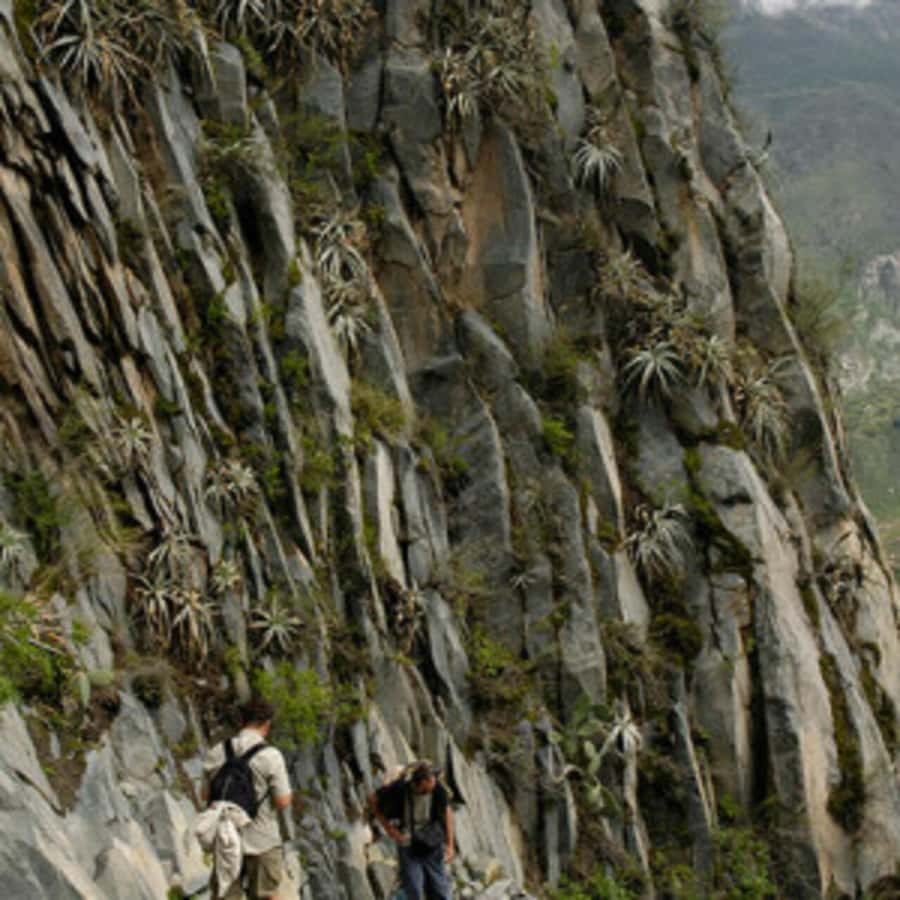
The guide is especially important on this route. You are walking in mountainous terrain, dealing with altitude, early starts, and a lodge with limited services. A guide who keeps the group moving while watching for trouble can change the entire experience.
Alix has been singled out for informative explanations and for finding solutions when some people struggled to finish. Carlos and Alex were also praised for support and explanations, with Alex arranging a mule taxi for a hiker who could not complete the second-day ascent.
Guide assignments can change, so you should not book on the assumption that one named guide is guaranteed. The important point is that this operator has used bilingual guides who are prepared to help when the route proves harder than expected.
The tour is offered in Spanish and English. Some activity information may appear in its original language, so ask questions before departure if you need a detail clarified.
What to pack for two days in the canyon
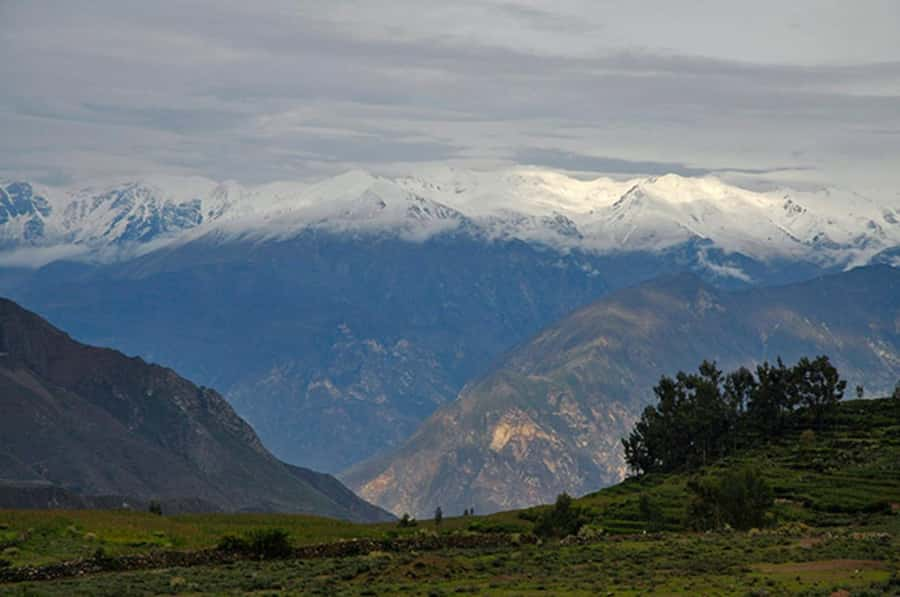
Pack for both hot sunshine and a cool, high-altitude morning. The supplied packing list is sensible:
- Passport or identity card
- Hiking shoes and comfortable clothing
- Sunglasses, a hat, and sunscreen
- Swimwear, towel, sandals, and a change of clothes
- Cash for tickets, hot springs, lunch, and other services
- A charged smartphone
Keep your overnight items compact. You will be walking for hours, and the less weight on your back, the better. Do not count on charging your phone in Sangalle.
Alcohol and drugs are not allowed. The tour is also not suitable for people with back problems, mobility impairments, altitude sickness, very low fitness, or people over 70. Those limits are sensible given the descent, the uphill return, and the altitude.
Who should book this trek
I would choose this trip if you want a short but demanding route into Colca Canyon and prefer walking to spending the entire visit on a bus. It suits hikers who can manage up to six hours per day on mountain paths and who are comfortable with a basic overnight stay.
It is less suitable if your priority is comfort, sleep, or a relaxed schedule. The 3:00 a.m. departure, shared lodge, limited electricity, long walking days, and 5:00 a.m. climb leave little room for ease.
The experience also works well for people who want several kinds of scenery in one outing: condors, canyon villages, river-level views, hot springs, wetlands, llamas, alpacas, vicuñas, and high volcano viewpoints. You pay for the walking with access to places a standard coach itinerary cannot provide.
My booking advice
Book this Colca Canyon trek if you are fit, pack light, and see rustic lodging as part of the adventure rather than a hotel night. The strongest reasons to go are the route into the canyon, the condor viewpoint, the village stops, and the support offered by guides such as Alix, Carlos, and Alex.
Choose another option if you want a softer introduction to the region or cannot handle a three-hour uphill walk before breakfast. At $150, the tour offers solid value for transport, meals, a bilingual guide, and lodging, but it is the physical challenge, not the price, that should decide your booking.
FAQ
How long does the Colca Canyon trek last?
The activity lasts two days and one night. The first day includes about seven hours of walking in total, and the second day begins with an ascent of about three hours.
What time is pickup in Arequipa?
Hotel pickup takes place between 3:00 and 3:30 a.m. The pickup area is near Arequipa’s main square.
Is transportation included?
Yes. Round-trip transportation from Arequipa is included, with transport between the canyon stops and the return to Arequipa.
Is Cruz del Condor part of the tour?
Yes. You visit Cruz del Condor before reaching the start of the trek and have the chance to see Andean condors and the canyon from the viewpoint.
What meals are included?
The tour includes breakfast on the first day, lunch and dinner on the first day, and breakfast on the second day. Lunch on the second day in Chivay is not included.
What is the accommodation like in Sangalle?
You stay in a rustic lodge with simple shared rooms. Solar panels provide limited electricity, lights are available for a few hours after dark, and cell phones cannot be charged.
Can I request a private room?
A private room may be available for an extra cost. Ask about this when making your reservation.
How much do the tourist ticket and hot springs cost?
The tourist ticket is listed at S/. 20 for Peruvian nationals, S/. 5 for national students, S/. 40 for Latin Americans, and S/. 70 for foreign visitors. The hot springs cost S/. 15. These payments are made in cash.
Is the trek suitable for beginners?
It is suitable only for people in good physical condition. The route includes mountain hiking at altitudes above 3,000 meters and up to six hours of walking per day.
What languages are available for the tour?
The tour is available with a live guide in Spanish or English.
More two-day treks in Peru
- From Arequipa: 2-Day Colca Canyon Trekking Tour
★ 4.8 · 243 reviews - 2 Day Trek Including Transfer to Puno / Colca Canyon
★ 4.5 · 38 reviews - From Arequipa Trek : 2-Days of Hiking in the Colca Canyon
★ 4.5 · 35 reviews - Inca Trail Trek to Machu Picchu – 2 Days (Small Group or Private)
★ 5.0 · 31 reviews
More evening departures in Peru
- 2 Day 1 Night Trek / Colca Canyon
★ 4.5 · 92 reviews - From Cusco: 5-Night Trip with Salkantay Trek & Machu Picchu
★ 4.7 · 6 reviews - PARACAS|| Sunset trekking in the Paracas National Reserve
★ 3.3 · 3 reviews - 2 day 1 night trek / Colca Canyon
★ 3.0 · 3 reviews
Latest treks added in Peru
- Small Group: 4-Day Inca Trail Trek to Machu Picchu★ 5.0 · 33 reviews
- Salkantay Trek: 5 Days to Machu Picchu★ 5.0 · 33 reviews
- 5 Day – Salkantay trek to Machu Picchu – Group Service★ 4.5 · 27 reviews
- Humantay Lake Full-Day Adventure: Scenic Trek and Stunning Views★ 4.5 · 39 reviews
- Inca Trail Trek to Machu Picchu – 2 Days (Small Group or Private)★ 5.0 · 31 reviews
- Salkantay 5-Day Trek To Machu Picchu★ 5.0 · 39 reviews
- Ausangate and Rainbow Mountain Trek – 3 Days / 2 Nights★ 5.0 · 35 reviews
- 6 day Rainbow Mountain x Ausangate Trek – FlashpackerConnect★ 5.0 · 30 reviews
Arequipa Trekking Tours, compared.
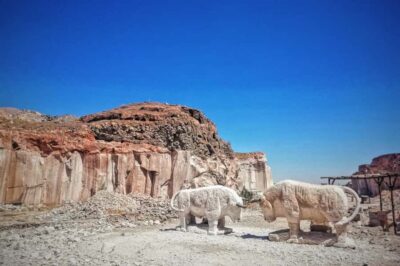
4 hours Tour: Route of Sillar with Trek in Culebrillas
Read our review →
Private 3 Day Colca Canyon Trekking tour (superior Service)
Read our review →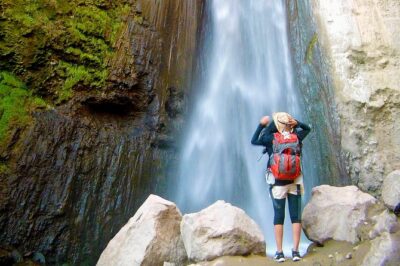
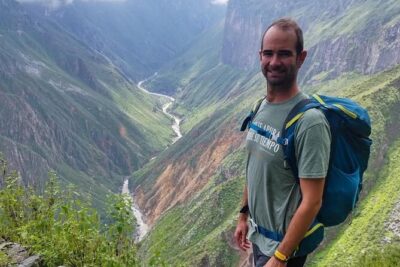
2 Day Trek Including Transfer to Puno / Colca Canyon
Read our review →Browse the lists this tour appears in