
REVIEW · AREQUIPA
3-Day Colca Canyon trek with Professional Guide
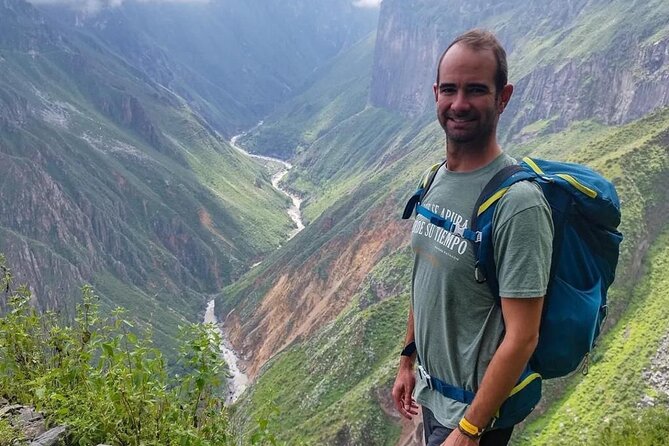
Colca Canyon saves its hardest work for the end. This three-day trek begins with condors and a long descent, gives you a full afternoon at Sangalle’s natural pools, then sends you uphill before sunrise on the final day. I like the extra night because it gives you time to enjoy the canyon instead of racing through it. I also like the small group limit of 10, which makes it easier for guides such as Marcos, Ghersy, César, Jonathan, and Jean Carlos to keep the pace together.
The food and simple canyon lodges add real value at $98. You get three breakfasts, two lunches, and two dinners, along with guiding and transport arrangements. The main catch is physical: the descent is steep, the sun can be fierce, and the final climb starts very early. Bring proper hiking shoes and poles, and budget separately for the $20 park entrance, $5 hot springs, and final-day lunch at 45 soles.
Key points to know before booking
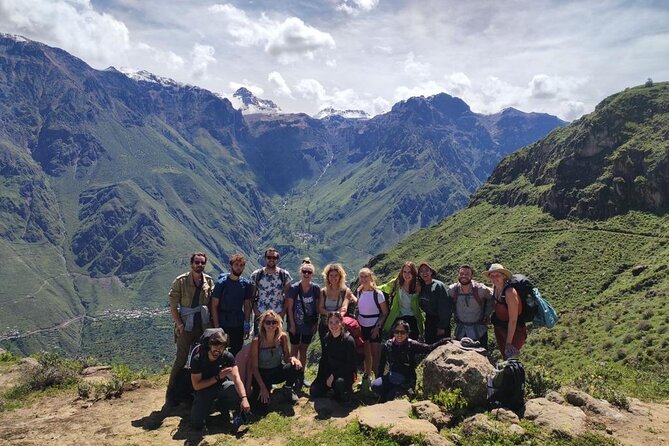
- The three-day pace is the sensible choice: You spend two nights below the rim, with more time for the canyon and less pressure than a two-day schedule.
- Cruz del Condor comes first: The opening stop combines dramatic canyon views with the chance to watch Andean condors in flight.
- The final climb is the test: You leave very early, walk uphill in darkness, and reach the rim before visiting Chacapi’s thermal baths.
- Sangalle gives you a proper rest: Natural pools and a relaxed afternoon break up the demanding walking.
- Food and lodging are covered: Three breakfasts, two lunches, and two dinners are included, while lodges are basic but clean and pleasant.
- The price is attractive, with extras: At $98 per person, the package is strong value, but entrance fees, hot springs, and the last lunch are separate.
Why three days works better than rushing Colca Canyon
Colca Canyon is not a gentle stroll with a scenic lookout at the end. It is a real mountain walk, with a long descent, heat, exposed stretches, and a punishing climb back out. The three-day plan breaks that effort into a more manageable rhythm.
You walk about four hours on the first day and another four hours on the second. The third day is built around the early uphill climb. That schedule gives you two nights in the canyon, rather than simply dropping in and climbing out with little time to enjoy the villages and lodges.
I would choose this version over a two-day trek if you want time to stop for views, talk with your guide, and enjoy the canyon floor. It also suits you if you would rather keep a steady pace than hurry behind a faster group.
The tradeoff is time. You must commit three days, with a 3 a.m. start from Arequipa, and the walking remains demanding even with the slower schedule. This is not a soft option. It is simply the more forgiving version of a hard hike.
More three-day treks in Peru
- Salkantay Trek Challenge – 3 Days / 2 Nights
★ 5.0 · 101 reviews - Private 3 Day Colca Canyon Trekking tour (superior Service)
★ 5.0 · 58 reviews - Ausangate and Rainbow Mountain Trek – 3 Days / 2 Nights
★ 5.0 · 35 reviews
The 3 a.m. start and the road to Cruz del Condor
Your day begins at 3 a.m. That early departure is one of the less appealing parts of the experience, but it allows the tour to reach Cruz del Condor before the main walking begins. The lookout gives you a broad view into the canyon and across the surrounding mountains.
The condors are the star here. You may watch them ride the rising air near the canyon walls, a sight that feels much more impressive when you can see the enormous drop below them. The stop also helps you understand the scale of Colca before you start walking into it.
After the lookout, the trek descends for about four hours. This is where you should take your time. A steep downhill route can be harder on knees than expected, especially when the sun comes out and the trail offers little shade.
Several guides named in the feedback receive strong praise for their manner and subject knowledge. Marcos is noted for explaining plants, animals, history, and local life while keeping the walking pace comfortable. Ghersy is described as friendly and helpful, while César, Jonathan, and Jean Carlos are also singled out for clear information and good group spirit.
Guide quality matters here. A good guide can help you avoid wasting energy at the start, explain the plants and farming areas you pass, and keep the group moving together without turning the walk into a race.
Day one: a steep descent and a village night
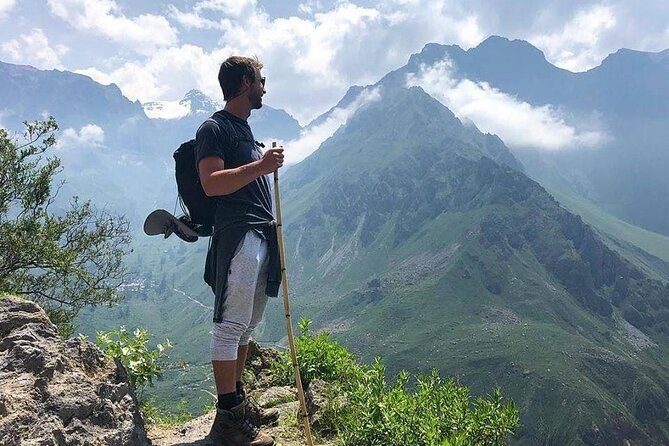
The first walking day covers roughly four hours downhill. You pass through the canyon’s changing scenery and reach a small village for the night, where you can expect local hospitality and broad views.
The village stay is part of the appeal. This is not a resort experience, and that is useful to understand before booking. Accommodation in the canyon is basic, though the available feedback describes the lodges as clean, comfortable, and set in attractive gardens.
Some named lodging includes Posada Gloria for one night and Tropical Lodge in Sangalle for another. Exact room arrangements can vary, and private rooms may cost extra. If you need a private room, ask before departure rather than assuming it is part of the $98 price.
The first night also marks the end of your biggest downhill push. Your legs may feel the descent more than expected, especially if you are used to walking on flat ground. Hiking poles are a smart addition, and shoes with a firm grip are far better than casual trainers.
You will want sun protection, water, and light layers. The supplied information does not set out a packing list, so keep your kit simple and practical. A heavy bag will make the descent and the next day less pleasant.
Day two: farming villages and an afternoon at Sangalle
The second day covers about four hours and brings you through small communities where agriculture and livestock remain part of daily life. This section gives the trek more meaning than a simple mountain route. You see how people live and work in the canyon, rather than only passing through for a photograph.
Your guide can help explain local customs, farming, plants, and animals. Marcos is particularly praised for this kind of information, while César and Jonathan are also described as offering useful context about the canyon and Peru.
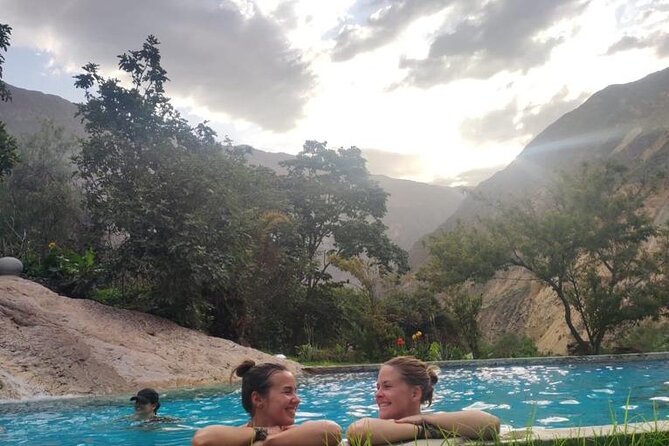
Around midday, you reach Sangalle, often called an oasis because of its greener setting and pools. The natural swimming pools are the day’s reward. After a hot walk, this is the chance to slow down, relax, and enjoy the canyon floor without another major stretch of walking on the schedule.
The word oasis should not make you picture a polished luxury resort. The lodges are simple, and the facilities are part of a rural canyon stay. Still, a pool, a garden, and a quiet afternoon can feel wonderfully generous after the first day’s descent.
Food is another strong part of the package. Two lunches and two dinners are included, along with three breakfasts. Portions are described as generous, and the meals are a useful saving because buying food independently in a remote canyon can be awkward.
You should still allow for the final-day lunch, which is not included and costs 45 soles. That small detail is easy to miss when comparing tour prices.
More guided trips in Peru
- Full-Day Trek to Humantay Lake from Cusco with Guide
★ 4.5 · 66 reviews - Bali: Mount Batur Sunrise Trek With Guide and Breakfast
★ 4.8 · 3,461 reviews - From Chania: Full-Day Samaria Gorge Trek Excursion & Guide
★ 4.6 · 3,191 reviews - La Palma: Tajogaite Volcano Guided Trek
★ 4.8 · 1,810 reviews
Day three: the uphill test before Chacapi
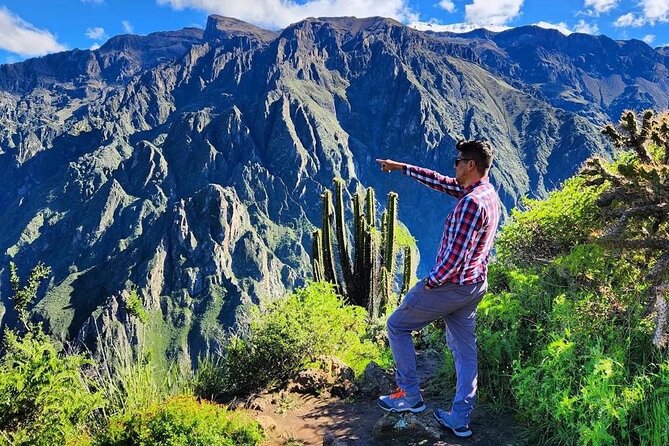
The final day starts very early with the climb out of the canyon. The route begins in darkness, then gradually opens to morning light and sunrise. This is the trek’s toughest section, and starting early helps you handle the heat before the day grows hotter.
The climb is the main reason to take your fitness seriously. The tour asks for a moderate fitness level, but the description from the trail experience makes clear that the route can feel difficult. The earlier descent can leave your legs tired, and the uphill route is long enough to demand patience.
Your guide should help set a manageable pace. Marcos is described as keeping groups together at a comfortable speed, and Jonathan is noted for letting people walk at their own pace. That flexibility is important because a group may include people with very different hiking backgrounds.
Once the climb is over, you head to Chacapi hot springs. The visit lasts about an hour and is designed as a way to relax after the walk. The hot spring admission is not included and costs $5 per person.
The order of the day makes sense. You do the hardest walking first, then use the thermal baths to loosen tired muscles. It also gives you a memorable final image: a long climb under the early sky, followed by warm water and a chance to rest.
Food, rooms, and what the $98 price really covers
At $98 per person, this is a strong-value trek if you want guiding, meals, lodging, and a structured three-day route. You receive three breakfasts, two lunches, and two dinners. The package also includes admission tickets for the main itinerary stops, though the park entrance is separately listed at $20, so confirm exactly which admission costs are covered when booking.
The low price does not mean you should expect hotel comfort. The canyon lodges are basic, but the available details point to clean rooms, gardens, and comfortable places to rest. Private rooms may require an additional payment.
The biggest financial advantage is convenience. You do not need to arrange each meal, find a village room, or work out how to connect the viewpoints and walking sections yourself. You also get a professional guide and a group capped at 10 people.
Set aside extra cash for:
- $20 park entrance
- $5 Chacapi hot springs
- 45 soles for lunch on the final day
- Any private-room supplement
The tour is often booked about 41 days ahead, so it is sensible to reserve early if your dates are fixed. Confirmation is provided at booking, and free cancellation is available up to 24 hours before the local start time. Inside that window, the payment is not refunded.
How the guides shape the experience
The guide is not a minor detail on this trek. The canyon route is physically demanding, and the right guide can make the difference between a steady, enjoyable walk and a tiring scramble.
The named guides connected with this experience include Marcos, Ghersy, César, Jonathan, and Jean Carlos. The strongest praise centers on four things: clear information, a friendly manner, a sensible walking pace, and attention to the group.
Marcos is noted for his explanations of plants and animals and for keeping the group together. Ghersy receives praise for being warm, helpful, and well organized. César is described as fun and informed about both Colca and Peru. Jonathan is valued for his knowledge of wildlife and for allowing people to walk at a comfortable speed. Jean Carlos is credited with strong local information and a welcoming approach.
You cannot necessarily request one specific guide unless the company confirms it. Still, these details tell you what to expect from the guiding style: practical support, local interpretation, and an effort to keep different walking speeds within one group.
Who should book this trek
This tour fits you best if you want more than a quick lookout visit and are ready for serious walking. It is a good choice for someone who values small villages, local food, simple lodging, and time to notice the canyon rather than rushing from one point to another.
It also works well for couples and small groups. The limit of 10 people is small enough for personal contact, while still giving you the social feel of a guided group.
You should think twice if you dislike very early starts, steep trails, basic accommodation, or changing weather. The first descent can be hard on your knees, and the last climb can be hard on almost everything else. The route is not presented as suitable for low fitness, and you should not treat the moderate fitness label as a promise of an easy walk.
I would bring hiking poles, grippy shoes, sun protection, and enough personal water for the walking sections. Ask about luggage storage if you are continuing elsewhere after the trek. The tour has been used with luggage left at the starting location for onward travel, but that arrangement should be confirmed directly rather than assumed.
Should you book the three-day Colca Canyon trek?
Book it if you want the best balance of scenery, village life, pool time, and walking. The three-day schedule gives your legs more room to recover and gives you a full afternoon at Sangalle, which is the main advantage over a rushed itinerary.
The $98 price is appealing, especially with meals, lodging, a guide, and a small group included. Just add the park fee, hot springs, final lunch, and any private-room charge to your real budget.
I would not book this as a casual sightseeing add-on. Book it as a proper mountain trek with a 3 a.m. start, a steep descent, and an early uphill finish. If that sounds like a fair challenge, this is a well-organized way to experience Colca Canyon at a measured pace.
FAQ
How long is the Colca Canyon trek?
The experience lasts approximately three days. The first two walking days involve about four hours of walking each, while the final day begins with an early climb out of the canyon.
What time does the tour start?
The meeting time is 3 a.m. from Arequipa.
What meals are included?
The price includes three breakfasts, two lunches, and two dinners. Lunch on the final day is not included and costs 45 soles.
Are the park entrance and hot springs included?
The park entrance costs $20 per person, and Chacapi hot springs cost $5 per person. These charges are listed separately from the tour price.
How many people can join the group?
The activity has a maximum of 10 participants.
Can I cancel for a full refund?
Yes. You can cancel at least 24 hours before the experience start time for a full refund. Cancellations or changes made within 24 hours are not refunded or accepted.
Latest treks added in Peru
- Small Group: 4-Day Inca Trail Trek to Machu Picchu★ 5.0 · 33 reviews
- Salkantay Trek: 5 Days to Machu Picchu★ 5.0 · 33 reviews
- 5 Day – Salkantay trek to Machu Picchu – Group Service★ 4.5 · 27 reviews
- Humantay Lake Full-Day Adventure: Scenic Trek and Stunning Views★ 4.5 · 39 reviews
- Inca Trail Trek to Machu Picchu – 2 Days (Small Group or Private)★ 5.0 · 31 reviews
- Salkantay 5-Day Trek To Machu Picchu★ 5.0 · 39 reviews
- 6 day Rainbow Mountain x Ausangate Trek – FlashpackerConnect★ 5.0 · 30 reviews
- Ausangate and Rainbow Mountain Trek – 3 Days / 2 Nights★ 5.0 · 35 reviews
Arequipa Trekking Tours, compared.
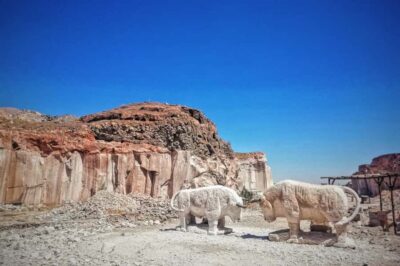
4 hours Tour: Route of Sillar with Trek in Culebrillas
Read our review →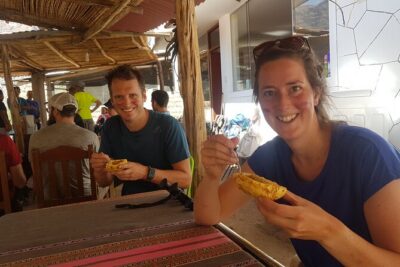
Private 3 Day Colca Canyon Trekking tour (superior Service)
Read our review →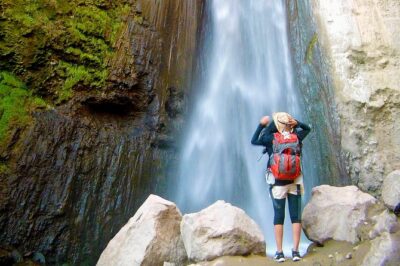
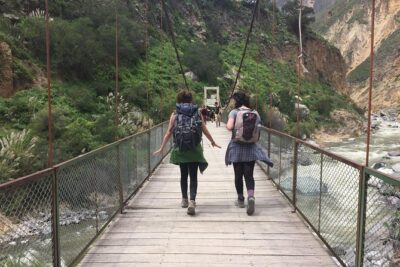
2 Day Trek Including Transfer to Puno / Colca Canyon
Read our review →
Browse the lists this tour appears in