
REVIEW · KATHMANDU
4 Days Mardi Himal Base Camp Trek – 4500 Meters
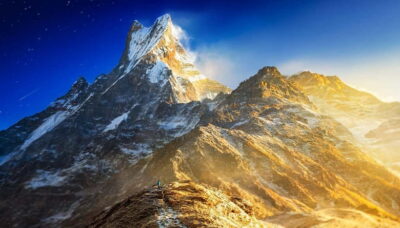
Mardi Himal Base Camp gives you a sharp mountain adventure in just four days, with the trail rising from Phedi to 4,500 meters and the high point reached at sunrise on Day 3. You walk through bamboo and rhododendron forest, pass small mountain settlements, and finish with broad views of Annapurna and Machhapuchhare, also called Fishtail.
I like the private format, since your group can set its own pace with an English-speaking guide. I also like the useful mix of transport: a private car from Pokhara to Phedi, then a shared local jeep from Sidding back to Pokhara, which keeps the $260 price reasonable.
The main caution is the schedule. This is not a gentle stroll, with several six-to-eight-hour days and a major climb to 4,500 meters. Basic guesthouse rooms, meals bought separately, and the lack of included emergency rescue cover mean you should arrive fit, prepared, and properly insured.
Key points before you book
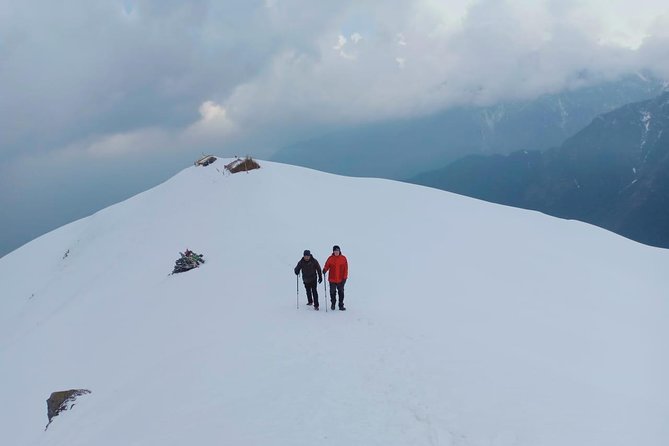
- 4,500-meter summit day: You leave High Camp early, reach Mardi Himal Base Camp, enjoy the mountain views, then return to High Camp the same day.
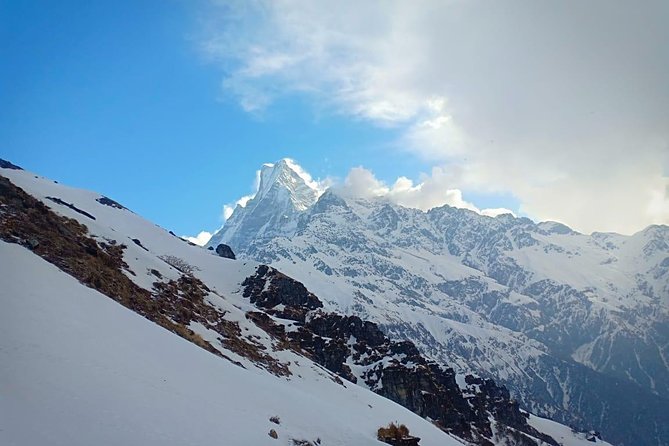
- Forest to high mountain terrain: The route moves from Australian Camp and Pothana through bamboo and rhododendron woods to exposed high-country trails.
- Private trip for your own group: Only your party takes part, with an English-speaking trekking guide.
- Pokhara-based logistics: Pickup and drop-off are included within Pokhara Lakeside, with road transfers at both ends of the walk.
- Basic but practical package: Accommodation, permits, TIMS, and transport are included, while meals, drinks, and emergency rescue costs are extra.
- Guide support matters: Past bookings name guides including Biru, Amrit, Dadhi, and Prakash, with praise focused on friendly help, good care, and making the route easier.
Why this four-day Mardi Himal route works
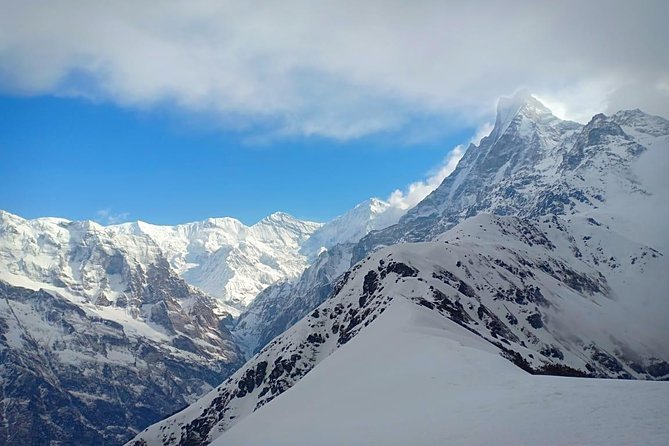
Mardi Himal is a good fit if you want a real Himalayan trek but cannot spare a week or more. The route compresses forest walking, ridge trails, mountain villages, and a high-altitude objective into four demanding days.
The appeal is not simply reaching a number on a map. You get a change of scenery almost every day. The opening section begins near Pokhara and passes through Australian Camp and Pothana. By Day 2, the trail heads higher through thick forest. Day 3 brings the main goal at 4,500 meters, and Day 4 drops through villages and woodland to Sidding.
That variety gives the trek its character. You are not spending four days on one dull uphill road. You are moving from low mountain farmland and forest into a more exposed zone where Annapurna and Fishtail become the main event.
At $260 per person, the price makes sense for a private four-day trip because it includes hotel pickup and drop-off in Lakeside, road transfers, a guide, accommodation, a trekking permit, and TIMS. You still need to budget for all meals and drinks, but the package avoids several large costs that can add up when arranged separately.
The price is especially useful for a small group. Group discounts are available, and the trip is private rather than mixed with strangers. That can make the long walking days easier to manage, since your guide is working with your group instead of a large crowd moving at one fixed pace.
More Mardi Himal Treks in Kathmandu
- Mardi Himal Trek
★ 5.0 · 41 reviews - Mardi Himal Trek Nepal
★ 5.0 · 29 reviews - Mardi Himal Trek – 8 Days | Hidden Gem of the Annapurnas
★ 5.0 · 19 reviews
Day 1: Phedi to Forest Camp through Australian Camp
The first morning begins with hotel pickup in Pokhara Lakeside. A private car takes you roughly 40 minutes to Phedi, where the walking starts.
The trail climbs uphill toward Australian Camp and then continues through Pothana to Forest Camp. This is listed as a seven-hour day, so you should not treat the short drive from Pokhara as the start of an easy outing. The walking begins almost at once, and the first day gives your legs a serious introduction to the route.
Australian Camp and Pothana are useful early landmarks because they break up the climb and help you see the setting change from the Pokhara area to the mountain route. The exact feel of the day depends on pace and conditions, but the broad pattern is clear: uphill walking, forest sections, and a long push to the overnight stop.
Forest Camp is the first night in basic guesthouse accommodation. Basic means you should focus on shelter and rest rather than hotel comforts. Meals are not included, so you buy food and drinks along the way or at the guesthouse.
I like this first day because it gets you properly onto the trail instead of using most of the day for road travel. The drawback is that the seven-hour climb can feel tough before your body has settled into the rhythm. Keep your day bag light, carry water, and do not race the guide early on.
Day 2: The long climb to High Camp at 3,550 meters
The second day starts at 8 a.m. and heads toward High Camp, at 3,550 meters. The scheduled walking time is about six hours.
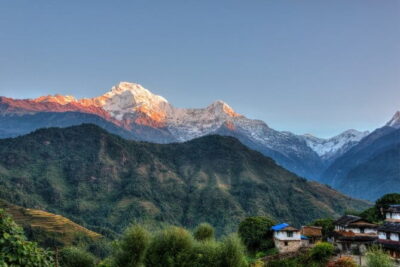
This section passes through dense bamboo and rhododendron forest, with the trail following high hills and cliffside sections. The forest gives the route a sheltered, green feel in places, while openings provide views toward the Annapurna and Fishtail mountain ranges.
The word cliff deserves attention. It does not mean you should assume a technical climbing route, but it does signal that parts of the trail run along steep mountain terrain. Pay attention to your footing and listen to your guide, especially where the trail narrows or the ground is uneven.
The climb to High Camp is one of the most important parts of the trip because it puts you in position for the base camp walk. At 3,550 meters, you are already high enough for altitude to affect your pace. Walk steadily, drink regularly, and tell your guide if you feel unwell. A private trip helps here because the day can be managed around your group rather than a fixed large-party schedule.
Overnight accommodation is again in a basic guesthouse. Do not expect a polished mountain lodge experience. The value is in the route and the location, not in luxury.
This is also the day when the trip’s physical demands become most obvious. The six-hour estimate is manageable for a person with moderate fitness, but the rising altitude adds difficulty. You may find the final section tiring even if you regularly exercise at home.
Day 3: Early morning at Mardi Himal Base Camp
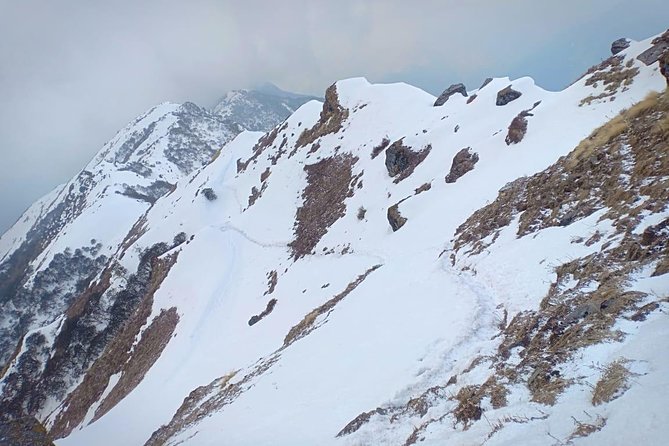
Day 3 is the main reason to book this trek. You leave High Camp early and walk to Mardi Himal Base Camp at 4,500 meters.
The planned walking time is seven hours, including the trip to the base camp and the return to High Camp. You spend time at the destination before retracing the route back, rather than continuing to a different overnight stop.
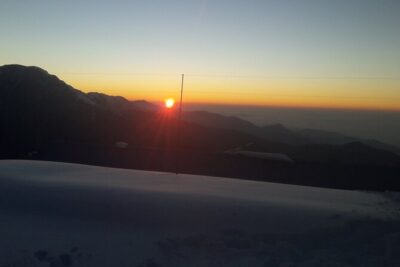
The payoff is the 360-degree mountain view, including Fishtail and Annapurna. Morning is a sensible time for this attempt because mountain views can be clearest early, although no schedule can guarantee weather. At 4,500 meters, the air is thinner and the walking is demanding, so the point is to move slowly and stay alert.
This is where a private guide earns real value. A good guide can help you keep a sensible pace, watch how you are coping, and make practical decisions during the ascent. Previous bookings specifically praise guides such as Biru, Amrit, Dadhi, and Prakash for being friendly, helpful, and attentive. Your assigned guide may be different, but those names give you an idea of the human support associated with this operator.
You should not view the base camp stop as a race. The 360-degree view is the reward, and you need enough energy for the return to High Camp. The descent is not automatically easy. After several hours at altitude, tired legs can make downhill sections awkward.
The altitude is the key consideration. The tour is designed for people with moderate physical fitness, but fitness alone does not remove the effects of height. If you have concerns about altitude or medical conditions, seek professional medical advice before booking. Rescue costs are not included, so suitable travel insurance is important.
Another trail to compare in Kathmandu:
- Everest Base Camp Trek – 14 Days
★ 5.0 · 1,499 reviews - Everest Base Camp Trek
★ 5.0 · 842 reviews - Everest Base Camp Trekking
★ 5.0 · 485 reviews - Annapurna Circuit Trek with Tilicho Lake
★ 5.0 · 368 reviews
Day 4: High Camp to Sidding and back to Pokhara
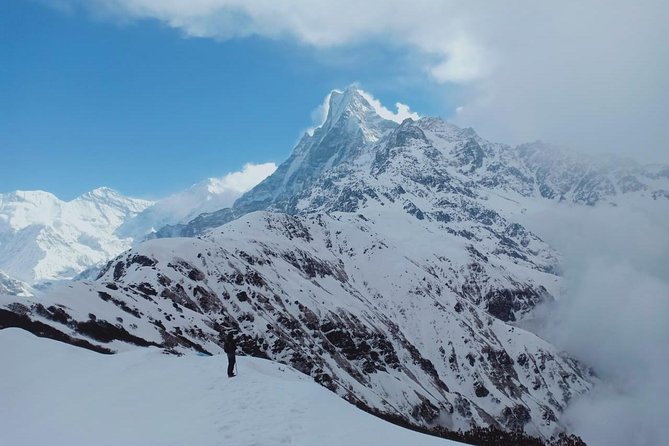
The final day begins at 7 a.m. with a long descent to Sidding. The walking time is about eight hours, making this the longest scheduled day of the trek.
The route goes downhill through mountain cliffs, rural villages, and forests. After the high-altitude views of the previous morning, this return gives you another look at local mountain life and the rural setting around the trail.
A long descent can be harder than it sounds. Your knees and feet take repeated impact, and tiredness from the previous three days does not disappear just because the trail points down. Use trekking poles if you normally rely on them, take care with every step, and save enough food and water for the full walk to Sidding.
At Sidding, you take a shared local jeep back to Pokhara. This is a practical ending, but it is not a private vehicle for your group. Shared transport can be less predictable and less comfortable than the private car used at the beginning, yet it keeps the package price under control.
The tour ends in Pokhara after the jeep ride. Hotel pickup and drop-off are included within the Lakeside area, so check that your accommodation is inside that service zone before you book.
What the $260 price really covers
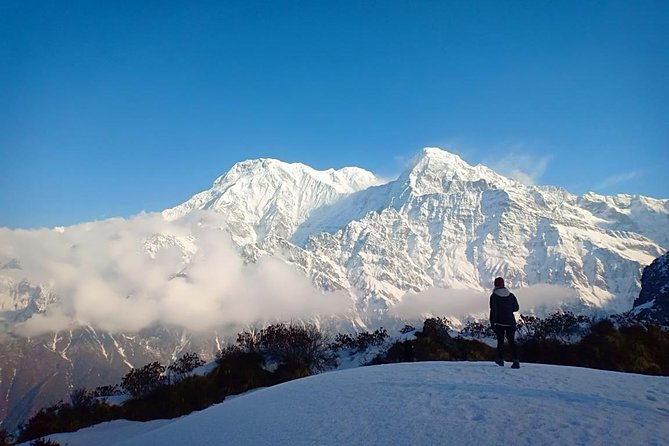
The price is strong if you want the basic pieces handled in one booking. Included are:
- Pickup and drop-off within Pokhara Lakeside
- Private car from Pokhara to Phedi
- Shared local jeep from Sidding to Pokhara
- English-speaking trekking guide
- Trekking permit and TIMS
- Basic guesthouse accommodation
- A private trip for your group
The package does not include meals or drinks. That matters because four days of walking means food is not a minor extra. You should carry enough spending money for meals, drinks, and any other personal purchases along the trail.
Emergency rescue costs are also excluded. This is normal enough for a low-cost trekking package, but you should not overlook it. Check that your insurance covers trekking at 4,500 meters and emergency evacuation before setting off.
Gratuity is optional. If your guide helps with pacing, route decisions, comfort, and safety, a tip is a reasonable way to show appreciation, but it is not part of the stated price.
The accommodation is described as basic guesthouse lodging. That suits an active trek where you mainly need a bed after a long day. If you want private rooms, upgraded facilities, or a more polished lodge experience, ask before booking rather than assuming those features are included.
The guide can shape the whole experience
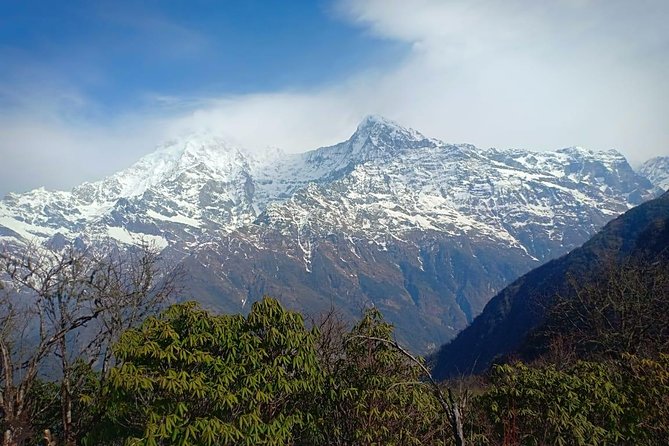
The strongest praise attached to this trip focuses on the guides. Biru is described as friendly and helpful, Amrit as attentive and supportive, Dadhi as quiet and good at giving people space, and Prakash as highly capable and helpful.
Those details matter because a guide is not just someone who points to the trail. On a short trek, the guide helps with pace, timing, local contact, and the practical problems that arise when a group is tired. A guide who gives you room to walk quietly can be just as useful as one who talks constantly.
The trip is private, but that does not mean it is self-directed. You still follow the planned route and depend on the guide for local support. At booking, it is sensible to confirm who will lead your group, what language support is available, and how the daily pace will be handled.
The overall feedback is consistently positive, with a five-star rating based on nine reviews. The most repeated themes are friendly guide service, smooth organization, affordable pricing, and the feeling that the route is peaceful and less crowded than better-known Nepal treks. The sample is small, so I would treat it as useful reassurance rather than a guarantee that every detail will be perfect.
Who should book this trek?
I would recommend it to you if you want a compact Himalayan trek, prefer a private group, and are comfortable with long uphill and downhill days. It suits people who value mountain views, forest walking, and rural contact more than comfortable lodging or a relaxed holiday pace.
It can work well for a first serious trek if you prepare properly and understand the altitude. The guide support and included permits remove much of the planning burden, while the four-day schedule fits a short Nepal visit.
I would be more cautious if you dislike early starts, have limited walking fitness, or expect a hotel-style trip. The 4,500-meter base camp, seven-hour summit day, eight-hour descent, and basic guesthouses are not small details.
You also need to plan your food budget and insurance. Since meals, drinks, and rescue costs are separate, the advertised price is not your final spending figure.
Booking and cancellation details
Confirmation is provided when you book. The experience is private, and only your group participates. Pickup is offered within Pokhara Lakeside, not as a general service across all of Nepal, so your accommodation location matters.
Free cancellation is available when you cancel at least 24 hours before the local start time. Cancellations made less than 24 hours in advance are not refunded, and late changes are not accepted.
Should you book the Mardi Himal Base Camp trek?
Book it if you want a short, serious mountain trek with a private guide and a clear high point at 4,500 meters. The mix of forest, villages, mountain views, included permits, and simple transport offers good value at $260, especially for a small group.
Do not book it expecting a soft adventure. The long days, basic accommodation, separate meal costs, shared return jeep, and altitude all require honest preparation.
My practical call is this: if you have moderate fitness, proper insurance, and four days available from Pokhara, this is a well-priced way to reach Mardi Himal Base Camp without arranging every detail yourself. Pack lightly, walk steadily, and give the mountain enough respect.
FAQ
How long is the Mardi Himal Base Camp trek?
The trek lasts approximately four days. The listed walking times are about seven hours on Day 1, six hours on Day 2, seven hours on Day 3, and eight hours on Day 4.
How high does the trek go?
The route reaches Mardi Himal Base Camp at 4,500 meters. High Camp, where you spend the second and third nights, is at 3,550 meters.
Where does the trek start and finish?
A private car takes you from Pokhara to Phedi, where the walking begins. After trekking to Sidding on the final day, you take a shared local jeep back to Pokhara.
Is hotel pickup included?
Yes. Hotel pickup and drop-off are included for hotels within the Lakeside area of Pokhara.
Are meals and drinks included?
No. All meals and drinks are available for purchase and are not included in the tour price.
Is this a private trek?
Yes. Only your group takes part in the activity, and an English-speaking trekking guide accompanies you.
What happens if I need an emergency rescue?
Emergency rescue costs are not included in the tour price. You should account for this when arranging suitable travel insurance before the trek.
More four-day treks in Kathmandu
- 4 Days Poon Hill Trek
★ 5.0 · 94 reviews - 4-day Poon Hill Trek
★ 5.0 · 74 reviews - 4 Days Poonhill Trek From Pokhara To Pokhara
★ 5.0 · 8 reviews - 4 Days Pikey Peak Trek : The Best View of Mt Everest
★ 4.2 · 4 reviews
Latest treks added in Kathmandu
- Private Manaslu Circuit Trek at Himalayas★ 5.0 · 3 reviews
- Ghorepani Poonhill Trek★ 5.0 · 5 reviews
- Ghorepani Poon Hill Trek★ 5.0 · 16 reviews
- Upper Mustang Trekking★ 3.0 · 2 reviews
- Amazing 1 Day Trekking Experience in Kathmandu Nepal★ 5.0 · 24 reviews
- Upper Mustang Trekking★ 5.0 · 2 reviews
- Upper Mustang Trek★ 5.0 · 5 reviews
- Upper Mustang Trekking★ 5.0 · 4 reviews
Mardi Himal Treks, compared.
Mardi Himal Trek – 8 Days | Hidden Gem of the Annapurnas
Read our review →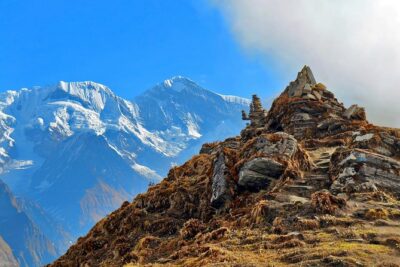
Browse the lists this tour appears in