
REVIEW · KATHMANDU
14-Days Private Everest Base Camp Trek Activity
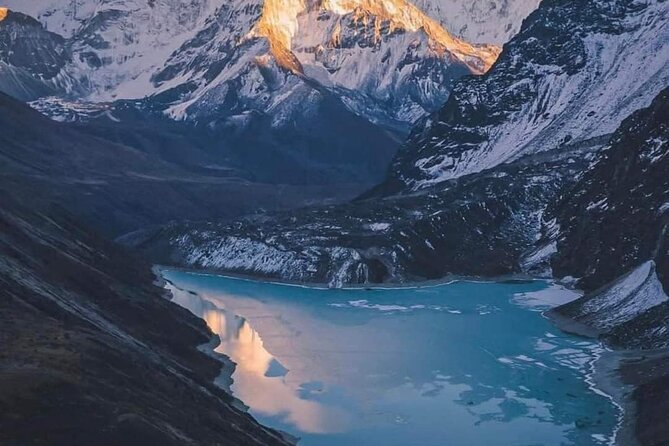
Everest Base Camp is less about reaching a single sign than earning your way through the Khumbu, one mountain village at a time. This 14-day private trek takes you from Kathmandu to Lukla, then along suspension bridges, Mani walls, glacier valleys, and Sherpa settlements beneath Everest, Lhotse, Ama Dablam, and Nuptse.
I like the two acclimatization days, one around Namche Bazaar and another in Dingboche. I also like the private format, since your group can move at its own pace with a guide rather than being tied to a large tour. The main drawback is that this is a serious high-altitude walk, not a scenic stroll, and the package details do not clearly spell out every cost beyond meals.
Key points to know
- Kala Patthar sunrise: An early climb brings broad views of Everest and its neighboring peaks.
- Private group format: Only your party takes part, with a guide and porter support described in the trip information.
- Two acclimatization stops: Namche and Dingboche give your body time to adjust.
- Classic Khumbu route: You pass Phakding, Namche Bazaar, Tengboche, Lobuche, Gorakshep, and Everest Base Camp.
- Mountain village life: Tea houses, Mani walls, Chorten, yak traffic, and Sherpa settlements make the route feel lived-in.
- $1,600 per person: A fair starting point for a guided private trek, but you should confirm flights, lodging, permits, insurance, and other charges before paying.
Why this Everest trek works as a private journey
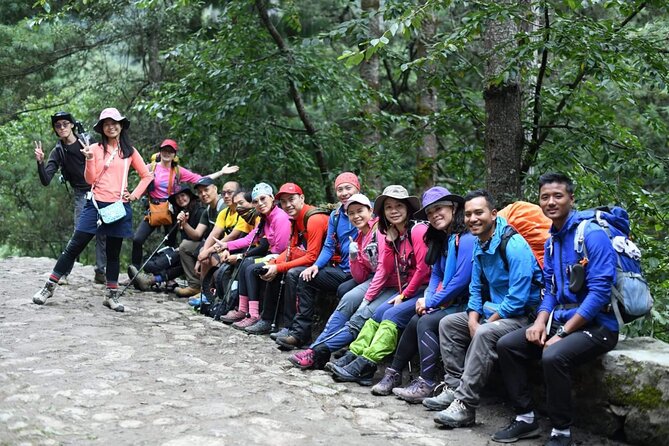
The route follows the familiar approach to Everest Base Camp, but the private setup changes the feel of the trip. You are not simply placed in a large walking group. Your own party participates, and the guide can focus on your pace, comfort, and altitude response.
That matters most on the harder days. The walk from Namche to Tengboche, the climb toward Thukla Pass, and the rocky approach to Gorakshep all demand patience. A guide who knows your pace can help you avoid racing uphill, which is exactly the wrong habit at altitude.
The company connected with this trip is Himalayan Vista Trekking Pvt. Ltd. Guides named in past trekking accounts include Deepak and Bishal. Deepak is also mentioned alongside porter Basanta, while Bishal has guided Everest Base Camp trips and is identified as the company owner. Those names are useful when you book: ask who will lead your departure and whether the guide listed for your group is one of these people or another member of the team.
More Everest Base Camp Treks in Kathmandu
- Everest Base Camp Trek – 14 Days
★ 5.0 · 1,499 reviews - Everest Base Camp Trek
★ 5.0 · 842 reviews - Everest Base Camp Trekking
★ 5.0 · 485 reviews
Kathmandu arrival and the flight to Lukla
Day one begins at Tribhuvan International Airport, where a representative meets you and takes you to your hotel. The welcome includes a marigold garland and a drink, followed by a briefing about the trek.
You may stay in a three-star or five-star hotel, depending on the package arranged for you. That difference matters, so confirm the hotel category before booking. You also have time to rest and visit Thamel, Kathmandu’s main tourist district, where you can look for trekking gear and make last-minute preparations.
The next stage is the flight to Lukla. The itinerary begins the walking portion from Lukla and places the first overnight stop in Phakding. Since mountain flights can be affected by weather, build some flexibility into your wider Nepal plans even though the published schedule gives you 14 days.
Phakding to Namche Bazaar, the first real test
From Lukla, you meet the trekking team, have breakfast at a tea house, and start down toward Phakding. The route passes Mani walls, Chorten, the Pasang Lhamu Rural Municipality office, Cheplung, and views of Mt. Khumbila.
This first walk is described as manageable because Phakding sits lower than Lukla. That does not mean you should treat it as a warm-up race. The trail is rocky, and the best use of the day is to settle into a steady rhythm while learning how your boots, pack, and body feel.
Day three brings the harder push to Namche Bazaar. You pass through Monjo and stop at the Sagarmatha National Park office for the park permit before reaching Jorsalle. After lunch, the trail follows the Dudh Koshi River and crosses suspension bridges, including the Tenzing Hillary bridge.
The climb into Namche is sustained. You move through alpine and juniper forest, with mountain views opening as you gain height. Namche is more than a sleeping stop. It is the main trading center of the Khumbu, with cafes, restaurants, ATMs, and internet access. It is also the last place on this route with such a broad range of services.
Namche acclimatization and the value of slowing down
The fourth day is set aside for altitude adjustment around Namche, although the stop is labeled Khumjung in the schedule. Clarify the exact plan with your guide. The important point is that you do not simply keep climbing every day.
Namche sits high enough for altitude to matter. A rest day gives your body time to respond before the route rises toward Tengboche and Dingboche. You may spend part of the day around town or take a short outing toward the nearby hills and villages, depending on the guide’s plan.
I like this pause because it protects the rest of the trip. A missed viewpoint is disappointing. Altitude sickness can end the trek. Keep your day calm, drink as advised by your guide, and tell the guide promptly if you feel unwell.
More Trekking Tours in Kathmandu
- Annapurna Circuit Trek with Tilicho Lake
★ 5.0 · 368 reviews - Everest Base Camp Trekking – 13 Day
★ 5.0 · 365 reviews - Everest Base Camp Trek
★ 5.0 · 350 reviews - Everest Base Camp Trek -14 Days
★ 5.0 · 321 reviews
Tengboche and the first great Himalayan views
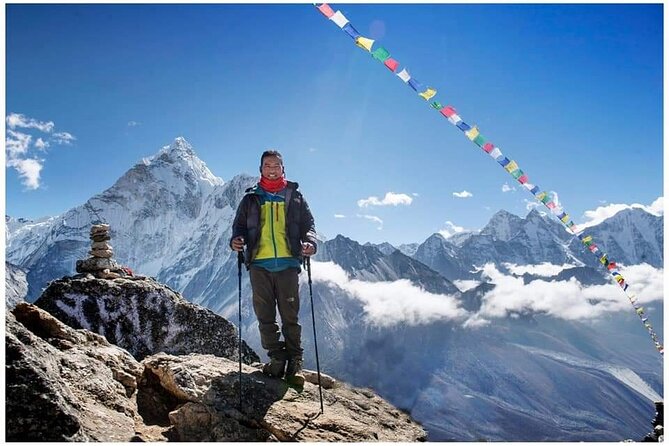
The trail from Namche to Tengboche brings some of the most attractive mountain scenery on the lower part of the route. Ama Dablam, Khangtega, and other peaks come into view as you follow rocky, dusty paths and leave the more wooded section behind.
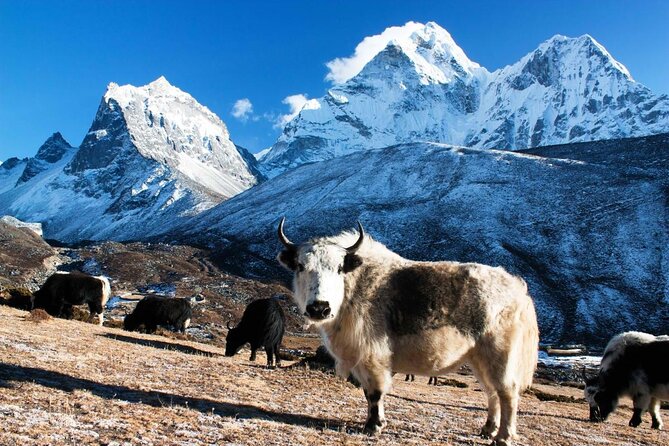
You also need to pay attention to local traffic. Yaks carry supplies along these trails, and you are told to move to the side and let them pass. Stay on the outer edge away from the animal’s path, and do not try to squeeze between a yak and the drop or hillside.
The climb to Tengboche follows a zigzag route through forest before reaching the settlement. It is a good example of what makes this trek more than a mountain photo trip. The trail connects working villages, religious sites, porters, animals, and mountain routes used every day.
Dingboche and the second altitude break
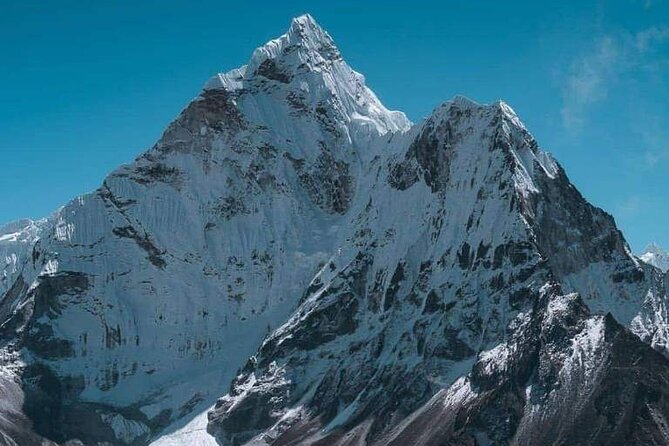
Day six takes you toward Dingboche through increasingly dry, open terrain. The route passes Somari, a small stream, a suspension bridge, and rocky ground before reaching the broad settlement.
Dingboche sits at about 4,410 meters. That figure explains why the following day is another acclimatization day. You are now high enough that even ordinary walking can feel taxing, and a planned pause is essential rather than optional.
The suggested outing climbs the hill above Dingboche and takes roughly three to four hours. From the viewpoint, you can see Tawache, Thamserku, Lobuche West, and a striking view of Ama Dablam. This is a useful acclimatization walk because you gain height during the day but return to sleep lower down in Dingboche.
Thukla Pass and Lobuche
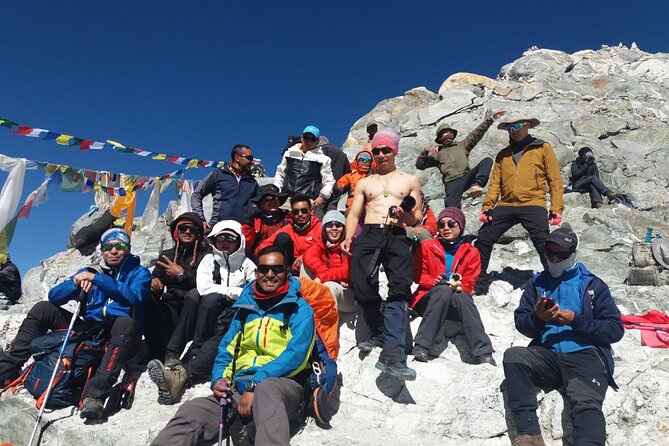
From Dingboche, the trail heads toward Thukla through a wide, dry Himalayan valley. The walking is fairly smooth at first, with views toward Tawache, Cholatse, Arakamche, and Lobuche Peak.
After lunch at Thukla, the route climbs steeply toward Thukla Pass. This is one of the days when slow, even steps matter more than speed. The path contains loose stones and is not always well managed, so watch your footing and keep space between you and other walkers.
At the pass, you can pause for views of Pumori, Khumbutse, and surrounding peaks. After about another hour, you reach Lobuche. Accommodation at this altitude is basic by city standards, and the cold, thin air can make the evening feel long. The reward is your position close to the final approach.
Gorakshep and Everest Base Camp
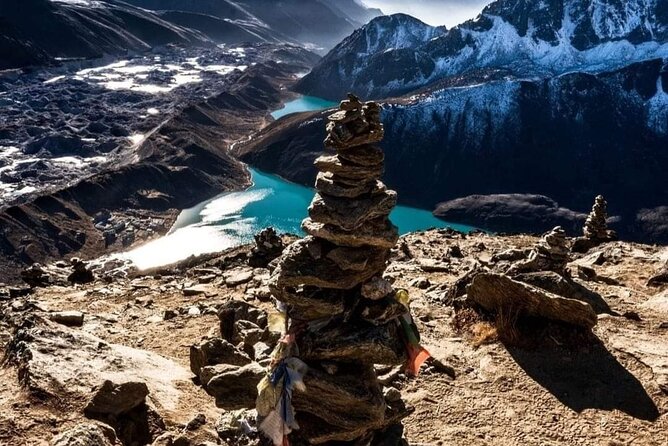
Day nine is the central day of the trek. You first reach Gorakshep, the highest overnight stop on the route and the base for the walk to Everest Base Camp.
The schedule describes the day in two parts: a morning approach to Gorakshep, followed by the walk toward Base Camp after breakfast. The route follows a wide valley beside the Khumbu Glacier and then continues over rocky ground. Ask your guide to confirm the exact order and timing, since Gorakshep is normally the practical staging point for Base Camp.
Everest Base Camp itself is a powerful destination, but be realistic about what you see. During the climbing season, it is a working mountaineering area. At other times, it may feel quieter. You are close to the glacier and surrounded by high peaks, but Everest’s summit is not always the most dramatic feature from Base Camp itself.
The value is in the route and the setting: the Khumbu Glacier, the rocky trail, the immense walls around you, and the knowledge that climbers use this point before heading higher. The schedule allows about three hours for this section, but your actual pace depends on weather, trail conditions, and how your body handles the altitude.
Kala Patthar at sunrise
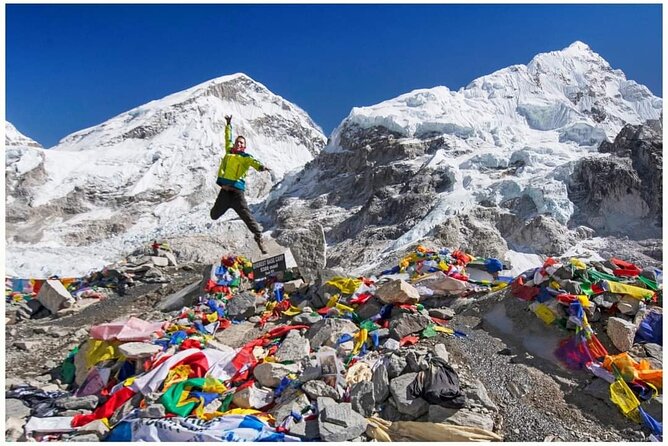
Day ten begins before dawn with the climb to Kala Patthar. This is the viewpoint many people picture when they imagine an Everest trek. From the top, you can see Everest and nearby peaks across a broad 360-degree mountain view.
The climb is steep and the air is thin. You should expect a slow ascent, frequent pauses, and a cold start before the sun reaches the ridge. The reward is the first light touching the Himalaya, with Everest and the surrounding peaks changing color as the morning develops.
After returning to Gorakshep for breakfast, you descend toward Pheriche. This is a demanding day because it combines an early climb with a long downhill walk. Still, the descent brings you back toward thicker air, which can feel like a relief.
Returning through Pheriche and Namche
The route from Pheriche heads downhill toward Phungi Tenga and then back to Namche Bazaar. Descending is not always easy. Your knees and ankles absorb more impact, and loose rock can make the trail awkward.
You will pass through villages and revisit sections of the route from a different direction. The mountains do not look exactly the same when you are facing back toward the lower valleys. This is also a good time to appreciate the scale of the walk you have completed.
The return to Namche is long, but the lower altitude helps. Plan for tired legs, not a leisurely afternoon. The trip information suggests about 12 hours for this day, so confirm the expected walking time with your guide and pace yourself from the start.
Lukla, celebration, and the flight back
Day twelve continues downhill from Namche to Lukla. The trail is steep in places, and loose stones require care. The final walking day can feel joyful, but it is still a full day on your feet.
The trip includes a celebration in Lukla, with cake and time to thank the guide and porters. That small ritual has real meaning. A successful high-altitude trek depends on the whole team, not just the person taking photographs at Base Camp.
Day thirteen begins with the flight from Lukla to Kathmandu. From the plane, you can watch the terrain change from high mountain valleys to the lower country around the capital. Once back in Kathmandu, you return to the hotel and rest.
Day fourteen is the departure day. A representative takes you to Tribhuvan International Airport three hours before your flight. The airport transfer is useful, particularly after a long trek when you may not want to arrange transport yourself.
What the $1,600 price really means
At $1,600 per person, this is positioned as a guided private trek rather than a budget walk arranged entirely on your own. The price includes breakfast, lunch, and dinner for the 14-day period. Pickup is offered, and the activity provides a mobile ticket.
However, the supplied details do not clearly confirm that every major cost is included. Insurance is specifically excluded, and all other expenses not listed as included are also excluded. Ask in writing about flights to and from Lukla, hotel nights, tea house lodging, permits, porter costs, guide costs, airport transfers, drinks, charging, gear, and emergency arrangements.
That question is especially important because the price can look attractive until unlisted costs are added. If the quoted amount covers the main transport, accommodation, permits, guides, porters, and meals, it may offer good value. If it covers only selected services, your total budget will be higher.
Who should book this trek?
This trip suits you if you want the classic Everest Base Camp route with a private guide, planned acclimatization, and support from Kathmandu through Lukla. You need moderate physical fitness and the ability to handle long days on rocky trails.
It is a good match for people who value mountain scenery, village routes, and a structured itinerary more than luxury. The tea house format and high-altitude conditions mean you should not expect city-hotel comfort throughout.
The trip may not suit you if you want short walking days, guaranteed flights, or a soft adventure with little physical strain. The highest sections are cold, steep, and exposed to weather changes. You also need to be comfortable confirming important details that are not fully clear in the package description.
Cancellation is free up to 24 hours before the start time for a full refund. Later cancellations are not refunded, and changes made within 24 hours are not accepted. If poor weather or an insufficient number of participants causes cancellation, you are offered another date or a full refund.
Should you book the Everest Base Camp trek?
Book it if you want a private, classic route with two planned altitude breaks and a strong focus on Everest views. The best features are the Kala Patthar sunrise, the progression through real Khumbu settlements, and the chance to travel with a guide such as Deepak or Bishal if available for your dates.
Before paying, get a written list of inclusions and exclusions. Confirm the guide, porter support, hotel category, Lukla flights, permits, tea house stays, and emergency procedures. If those details are clear and you are prepared for long days at altitude, this 14-day plan gives you a solid route to one of Nepal’s great mountain destinations.
FAQ
How long does the Everest Base Camp trek take?
The activity lasts approximately 14 days, including arrival in Kathmandu, the trek from Lukla to Everest Base Camp, the return to Lukla, the flight back to Kathmandu, and departure.
Is this a private tour?
Yes. Only your group participates in the private activity.
What physical fitness level is required?
The activity states that you should have a moderate physical fitness level. You should also be ready for rocky trails, steep climbs, long walking days, and high altitude.
Are meals included?
Breakfast, lunch, and dinner are included for the 14-day experience.
Is travel insurance included?
No. Insurance is listed as an exclusion, so you need to arrange it separately.
Does the tour include airport pickup?
Pickup is offered. The itinerary also describes airport transfers on arrival and before departure.
What is the cancellation policy?
You can cancel at least 24 hours before the local start time for a full refund. Cancellations or changes made less than 24 hours before the start are not accepted for a refund.
What happens if bad weather cancels the trek?
If poor weather causes cancellation, you are offered a different date or a full refund. If the minimum number of participants is not met, you are also offered another date, another experience, or a full refund.
Latest treks added in Kathmandu
- Private Manaslu Circuit Trek at Himalayas★ 5.0 · 3 reviews
- Ghorepani Poonhill Trek★ 5.0 · 5 reviews
- Ghorepani Poon Hill Trek★ 5.0 · 16 reviews
- Upper Mustang Trekking★ 3.0 · 2 reviews
- Amazing 1 Day Trekking Experience in Kathmandu Nepal★ 5.0 · 24 reviews
- Upper Mustang Trekking★ 5.0 · 2 reviews
- Upper Mustang Trek★ 5.0 · 5 reviews
- Upper Mustang Trekking★ 5.0 · 4 reviews
Everest Base Camp Treks, compared.






Browse the lists this tour appears in