
REVIEW · KATHMANDU
14 Days Everest Base Camp Trek
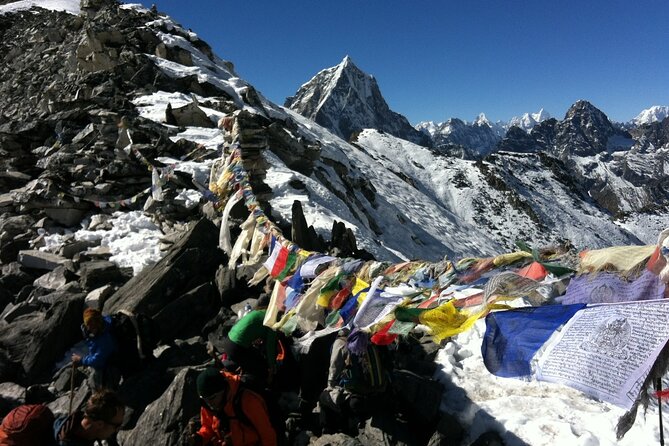
The reward here is not just reaching Everest Base Camp. It is the steady change from rhododendron woods and Sherpa villages to glacial moraines, high alpine valleys, and the sharp wall of peaks around Gorak Shep. Kala Patthar at 5,545 meters gives you the biggest mountain panorama of the trip.
I like the sensible acclimatization stops in Namche Bazaar and Dingboche, plus the private-group format. A licensed guide, porter, permits, meals, domestic flights, and airport transfers are bundled into the $2,200 price, which keeps the trip easy to organize.
The main caution is altitude and logistics. The walk is demanding, the Lukla flight depends on weather and availability, and the day involving a drive from Kathmandu to Manthali followed by a flight to Lukla is long. You also need to pay for insurance, personal gear, drinks, and tips separately.
Key points to know before booking
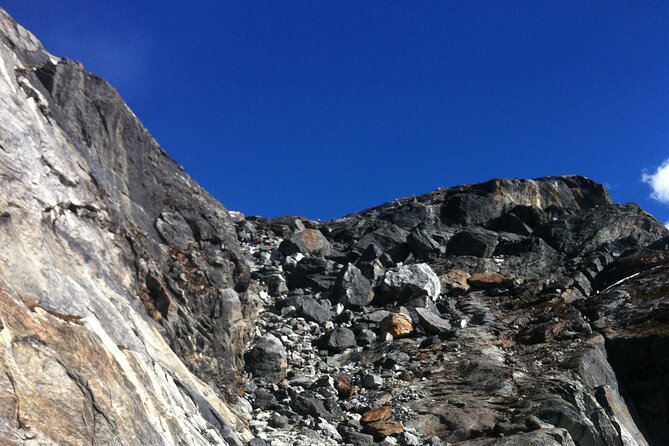
- Kala Patthar is the visual high point: The pre-dawn climb reaches 5,545 meters and gives wide views of Everest, Lhotse, Nuptse, Ama Dablam, and nearby peaks.
- Namche and Dingboche provide two acclimatization days: You still walk on both days, including the climb to Everest View Hotel and Nagarjun Hill.
- The Lukla connection takes patience: The current plan uses a four to five-hour drive from Kathmandu to Manthali, followed by a 20-minute flight to Lukla.
- The $2,200 package covers much of the hard planning: Flights, permits, meals during the trek, a guide, a shared porter, airport transfers, and staff costs are included.
- The private format gives your group control: Only your group takes part, with a minimum of two people required.
- Pemba and Prayash are names worth asking about: Pemba runs Eco Nepal Trekkers, and Prayash has guided an Everest Base Camp trip for the company. Guide availability is not guaranteed, so ask before booking.
From Kathmandu to Lukla, a long first mountain day
Your first day is gentle by trekking standards. A representative collects you at the airport and takes you to a hotel in Thamel, Kathmandu’s main visitor district. You have the afternoon to walk among shops and restaurants, check your equipment, and settle in before the mountain section begins.
Day two is less simple than the short flight time suggests. You drive for four to five hours from Kathmandu to Manthali Airport in Ramechhap, then fly for about 20 minutes to Lukla. From Lukla, you walk to Phakding for roughly four hours.
That combination of road, small-airport procedure, flight, and first hike can make the day feel full. Keep essentials in your daypack, including water, warm layers, and anything you may need during the transfer. The itinerary does not promise a direct Kathmandu to Lukla flight, so the Manthali road transfer is an important detail when you plan your arrival.
Phakding is your first night on the trail. The walking time is moderate, but you are already at altitude. Take the day as a transition rather than trying to prove your fitness too soon.
More Everest Base Camp Treks in Kathmandu
- Everest Base Camp Trek – 14 Days
★ 5.0 · 1,499 reviews - Everest Base Camp Trek
★ 5.0 · 842 reviews - Everest Base Camp Trekking
★ 5.0 · 485 reviews
Namche Bazaar brings the first real climb
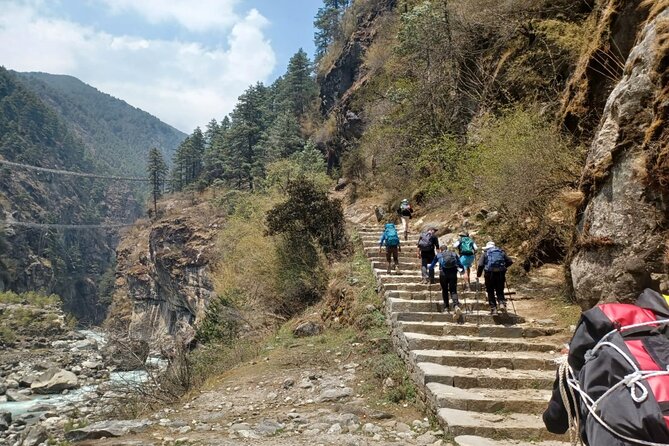
Day three takes you from Phakding to Namche Bazaar in about five hours. The trail passes Sherpa settlements such as Benkar and Chumoa before reaching Monjo, the entrance to Sagarmatha National Park. From there, the route becomes steeper as it climbs toward Namche.
This is the first day when the trek feels properly demanding. The climb is not especially long on paper, but altitude changes how your legs and breathing feel. Walk slowly, listen to your guide, and save energy for the final uphill sections.
Namche is more than a stopping point. It is the main trading center for the Everest region, with shops, food, and a chance to see how the Sherpa communities support life in the high valleys. The package includes breakfast, lunch, and dinner during the trek, but drinks, mineral water, hot water, coffee, alcohol, and snacks cost extra.
Day four is set aside for acclimatization, but it is not a day of doing nothing. You walk to the Everest View Hotel for views of Ama Dablam, Thamserku, Everest, Nuptse, and other peaks. This short climb helps your body adjust while giving you an early mountain panorama.
I like this approach. You gain height during the day, then return to Namche rather than sleeping higher. The itinerary allows about five hours for the outing, so expect a proper walk, not just a quick viewpoint stop.
Tengboche adds monastery, peaks, and quieter trails
The route to Tengboche on day five takes about five hours. This section is described as more relaxed, with fewer steep parts, making it a good day for photography. Prayer flags, stupas, and views of Ama Dablam give the trail a strong sense of place.
Tengboche is one of the most memorable stops because of its old monastery and its position among the peaks. The schedule specifically highlights sunrise and sunset views of Everest from this area. Timing and weather will affect what you see, so keep your camera ready but do not expect every mountain to appear on command.
The walk is easier than the climb to Namche, but the altitude continues to rise. You should still treat the day seriously. The point is not speed. It is reaching Tengboche with enough energy to enjoy the setting.
Dingboche gives your body another chance to adjust
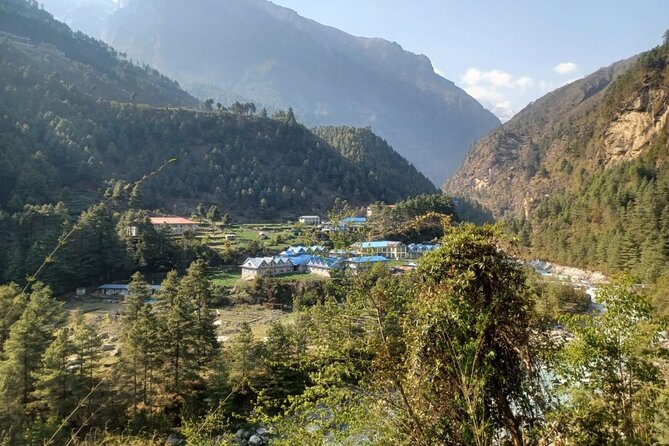
Day six leads to Dingboche in about four hours. You pass through Pangboche, with views of Ama Dablam, chortens, and mani walls. As the trail rises, the vegetation becomes more open and the valley feels more exposed.
Dingboche is an important base for acclimatization. Day seven includes a walk to Nagarjun Hill at about 5,100 meters, taking around five hours. This is a high outing, and the scenery rewards the effort, but it is also where you may begin to feel the effects of altitude more clearly.
The itinerary calls this a rest day, though the climb means it is better understood as an active acclimatization day. You should not treat it as optional exercise if you feel unwell. Tell your guide about headaches, nausea, unusual fatigue, or breathing problems. Your travel insurance should include high-altitude emergency evacuation, which is specifically not included in the package.
More Trekking Tours in Kathmandu
- Annapurna Circuit Trek with Tilicho Lake
★ 5.0 · 368 reviews - Everest Base Camp Trekking – 13 Day
★ 5.0 · 365 reviews - Everest Base Camp Trek
★ 5.0 · 350 reviews - Everest Base Camp Trek -14 Days
★ 5.0 · 321 reviews
Lobuche and Gorak Shep mark the high point of the trek
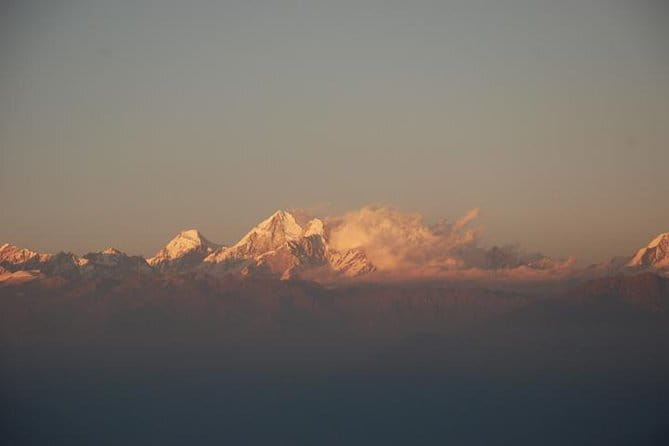
Day eight takes you toward Lobuche through the Pheriche Valley. The walk lasts about four hours and passes alpine brush and yak pastures. Ama Dablam, Tawoch, and Cholatse rise above the valley, while the lower vegetation becomes thinner.
This part of the trek is less about villages and more about open mountain terrain. The trail passes memorials and glacial scenery in the wider Everest region, although the exact stops are not specified in the schedule. Expect a gradual climb, cold conditions, and a day when your pace matters more than distance.
On day nine, you walk to Gorak Shep, then continue to Everest Base Camp. The day takes about four hours. Gorak Shep sits near the lateral moraine of the Khumbu Glacier and is surrounded by snow-covered peaks.
Reaching Base Camp is a major moment, but keep your expectations practical. Everest Base Camp itself is a seasonal expedition site, and the view from the trail is shaped by the glacier, moraine, and surrounding mountains. The grand panoramic view comes the next morning from Kala Patthar.
The itinerary returns you to Gorak Shep after the Base Camp walk. At this altitude, even a short route can feel slow. Eat what you can, stay warm, and follow your guide’s advice closely.
Kala Patthar delivers the best mountain view
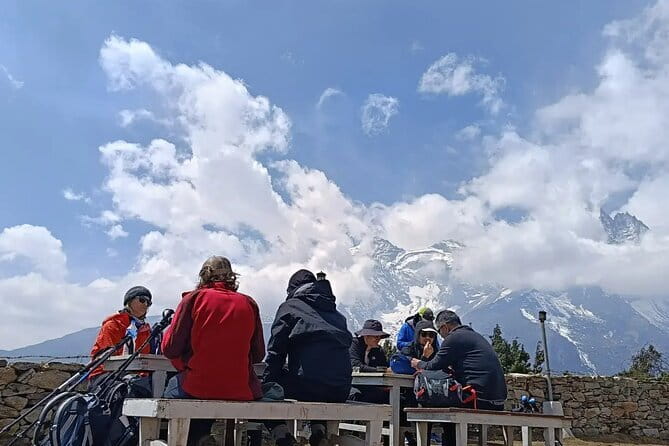
Day ten begins before dawn with the climb to Kala Patthar. At 5,545 meters, it is the highest point on this itinerary and one of its hardest sections. The early start is designed for mountain views, with Everest, Nuptse, Lhotse, Ama Dablam, and other peaks filling the horizon when conditions are clear.
This is the day that makes the long approach worthwhile for many people. Everest Base Camp is the named goal, but Kala Patthar is where the scale of the Khumbu becomes easiest to grasp. The route is strenuous, especially after the previous day, so you need a reasonable fitness base and patience with the pace.
After Kala Patthar, you descend to Pheriche. The return to lower ground should feel welcome, but it is still a long day. Pack warm clothing for the morning, since the summit attempt begins in darkness and high wind or cloud can change the experience quickly.
The return through Namche and Lukla
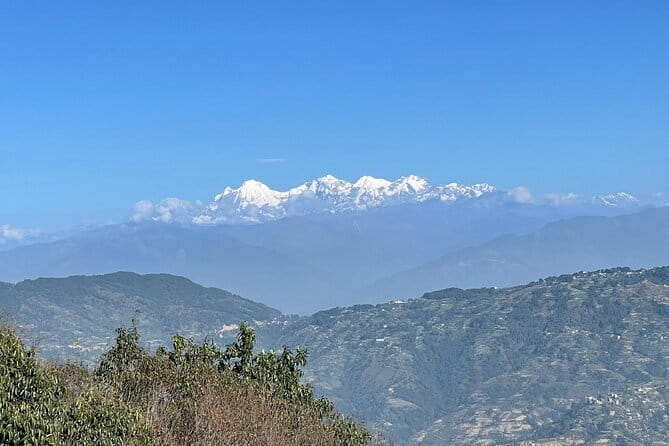
Day eleven takes you back toward Namche Bazaar in about five hours. The route descends overall, with some uphill stretches. Forest and plant life return as you lose altitude, which makes the scenery feel different from the high, bare valleys above Lobuche.
This is still a demanding day because it follows the Base Camp and Kala Patthar section. Downhill walking can be hard on knees and ankles, so trekking poles may be useful, although personal equipment is not included and must be arranged by you.
Day twelve is the last hiking day. You follow the trail back to Lukla, again walking for about five hours. The final evening gives you time to rest and look back on the route from Phakding, Namche, Tengboche, Dingboche, Lobuche, Gorak Shep, and the high point at Kala Patthar.
Day thirteen returns you to Kathmandu, either by flight or through Manthali Airport depending on weather and flight availability. This flexibility matters. Mountain aviation can disrupt a fixed plan, so do not schedule an international flight immediately after the expected return unless you have a safety buffer.
Back in Kathmandu, you have time to shop and attend a farewell dinner at a typical Nepali restaurant. The package includes two nights in a three-star Kathmandu hotel on a twin-sharing basis with breakfast, though lunch and dinner in the city are not covered.
Day fourteen is departure day. A staff member takes you to the airport three hours before your scheduled flight. Airport pickup and drop-off by private vehicle are included.
What the $2,200 price really covers
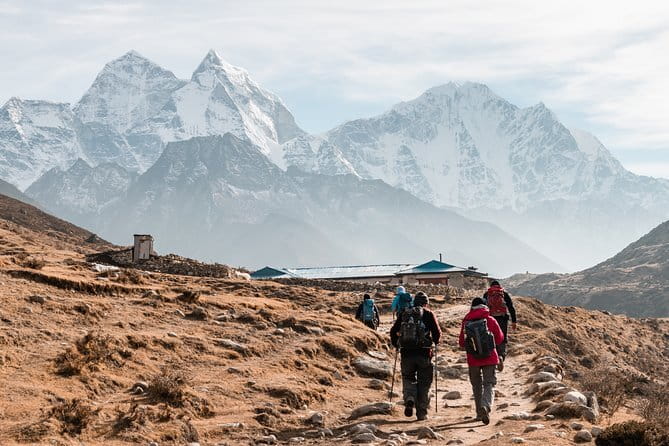
At $2,200 per person, this is not a bare walking permit with a guide added on. The price includes airport transfers, domestic flights between Lukla and the Manthali area, airport tax, two Kathmandu hotel nights, trekking meals, permits, the licensed guide, and a porter shared by two clients.
It also covers staff wages, accommodation, meals, gear, insurance, government taxes, VAT, and office service charges for the staff team. A completion certificate and farewell dinner are included as well.
That package can be good value if you want one company handling the main moving parts. Permits, flights, meals, guide arrangements, and porter support add up quickly when arranged separately. The private format is another benefit if you want your group to set the pace rather than join a large fixed party.
There are several extra costs to budget for:
- Nepal entry visa and international airfare
- Travel insurance with high-altitude evacuation cover
- Personal trekking clothing and equipment
- Lunch and dinner in Kathmandu
- Showers, WiFi, drinks, hot water, coffee, bar bills, and phone use during the trek
- Chocolates, desserts, and other sweet snacks
- Tips for the guide, porter, and driver
One point deserves clarification before you pay: the included list does not clearly state the standard of your own accommodation during the trek. Ask Eco Nepal Trekkers which lodges are used, what room arrangements apply, and what happens if weather delays the Lukla flight.
Who will get the most from this trek
This trip suits you if you want the classic Everest Base Camp route with a private group, two acclimatization days, and a company handling the practical details. You need moderate physical fitness and the ability to walk for roughly four to five hours on most trekking days, with harder sections at altitude.
It is not a casual sightseeing holiday. You face steep climbs, cold conditions, limited services, long walking days, and a high point above 5,500 meters. The itinerary is carefully paced, but no schedule can remove the physical demands of the Himalayas.
The company has earned strong praise for organization, care, and personal support. Pemba is identified as the owner, and Prayash has guided an Everest Base Camp trip. If personal continuity matters to you, ask if either is available for your dates rather than assuming it.
The cancellation terms are worth reading before you commit. You receive a full refund if you cancel at least six full days before the start time, a 50 percent refund for cancellations two to six days ahead, and no refund for cancellations less than two full days before departure. Weather, flights, and health can affect high-altitude plans, so insurance remains essential.
Should you book this Everest Base Camp trek?
I would consider this a strong choice for someone who wants a well-supported private trek rather than an independent expedition. The itinerary gives you the classic sights, sensible acclimatization days, a licensed guide, porter help, meals, permits, and the key domestic transport for one stated price.
Book it if you are comfortable with altitude, can manage the walking, and value having airport transfers and logistics arranged. Before booking, confirm the trekking lodge standard, flight-delay plan, porter load limits, guide availability, and exactly what happens if the Manthali to Lukla flight is canceled.
If you want a relaxed holiday, this is the wrong trip. If you want the Everest Base Camp route with strong practical support and room for your own small group, the package offers a useful balance of structure and adventure.
FAQ
How long is the Everest Base Camp Trek?
The experience lasts approximately 14 days, including arrival and departure days in Kathmandu.
What is the price per person?
The listed price is $2,200 per person.
Is this a private tour?
Yes. Only your group participates, and the trip requires a minimum of two people.
Are airport transfers included?
Yes. Private vehicle pickup and drop-off at the airport are included.
How do you travel between Kathmandu and Lukla?
The itinerary uses a four to five-hour drive from Kathmandu to Manthali in Ramechhap, followed by a flight of about 20 minutes to Lukla. The return may be by flight to Kathmandu or through Manthali, depending on weather and availability.
Are meals included during the trek?
Breakfast, lunch, and dinner are included during the trek. Lunch and dinner in Kathmandu are not included.
Is a guide and porter provided?
Yes. The package includes a government-licensed trekking guide and a porter shared by two clients.
Is travel insurance included?
No. You must arrange your own travel insurance, including high-altitude emergency evacuation coverage.
Latest treks added in Kathmandu
- Private Manaslu Circuit Trek at Himalayas★ 5.0 · 3 reviews
- Ghorepani Poonhill Trek★ 5.0 · 5 reviews
- Ghorepani Poon Hill Trek★ 5.0 · 16 reviews
- Upper Mustang Trekking★ 3.0 · 2 reviews
- Amazing 1 Day Trekking Experience in Kathmandu Nepal★ 5.0 · 24 reviews
- Upper Mustang Trekking★ 5.0 · 2 reviews
- Upper Mustang Trek★ 5.0 · 5 reviews
- Upper Mustang Trekking★ 5.0 · 4 reviews
Everest Base Camp Treks, compared.






Browse the lists this tour appears in