
REVIEW · KATHMANDU
14 Days Everest Base Camp Trek
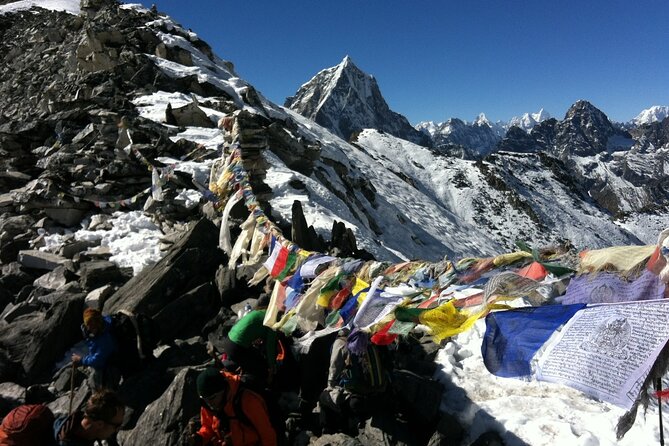
The most striking part of this 14-day Everest Base Camp Trek is the steady change in scenery and pace. You fly from Kathmandu to Lukla, walk through Sherpa villages and rhododendron country, cross high suspension bridges, and finish beside the Khumbu Glacier at 5,463 meters. The sunrise hike to Kala Patthar, at 5,450 meters, gives you the closest planned view of Everest.
I like the two acclimatization days, especially the hikes above Namche Bazaar and Dingboche rather than idle rest days. I also like the practical setup: domestic flights, airport transfers, a licensed guide, porters, meals, permits, and government fees are covered. The main caution is altitude. This is a demanding trek, and the itinerary cannot guarantee that you will reach base camp. One review describes a participant turning back with altitude sickness, so flexibility and good travel insurance matter.
Key points to know before booking
- Everest Base Camp at 5,463 meters: The route ends beside the Khumbu Glacier, where the camp shifts as the glacier moves.
- Kala Patthar sunrise: The early hike to 5,450 meters is one of the strongest viewpoints on the route.
- Two useful acclimatization hikes: You climb near Syangboche and Nangkartshang Hill to help your body adjust.
- Lukla flight included: The scenic domestic flight is part of the trip, though poor weather can affect schedules.
- Private group format: Only your group takes part, with an experienced licensed guide and porters.
- Strong local support: The company’s named contacts include Nabin and Shantas, and past feedback highlights friendly guides, helpful porters, and careful attention to safety.
Starting in Kathmandu and flying to Lukla
Your trip begins with an airport pickup at Tribhuvan International Airport in Kathmandu. A Magic Himalaya Treks representative meets you with a name board and transfers you to your hotel. This simple arrival service is useful after an international flight, especially if Nepal is new to you.
The next morning, your guide takes you to Kathmandu’s domestic terminal for the flight to Lukla. The flight is short, but it is a major part of the experience. Lukla is the gateway to the Khumbu region, and the mountain setting changes quickly once you leave Kathmandu.
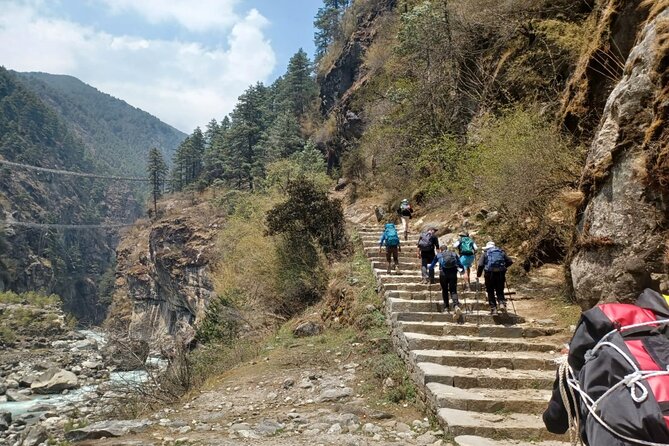
The schedule gives you roughly five hours of walking after meeting the porters in Lukla. You begin the trek toward the lower Khumbu villages, with the trail generally following the Dudh Koshi River. The first day is a useful introduction to the rhythm of the trek: walk, eat, rest, and let your body begin adjusting.
The flight is also one of the least predictable parts of the trip. The program requires good weather, and the return flight from Lukla depends on flight conditions. You should avoid scheduling an international departure immediately after the planned return if possible, even though the itinerary includes a Kathmandu rest day on Day 13.
More Everest Base Camp Treks in Kathmandu
- Everest Base Camp Trek – 14 Days
★ 5.0 · 1,499 reviews - Everest Base Camp Trek
★ 5.0 · 842 reviews - Everest Base Camp Trekking
★ 5.0 · 485 reviews
Namche Bazaar and the first altitude test
From the lower Khumbu, you continue beside the Dudh Koshi and cross several suspension bridges. You stop for lunch in Jorsale before walking toward Namche Bazaar, with about six hours of trekking planned.
Namche is more than a place to sleep. It is the main settlement of the region and an important pause before the trail climbs higher. The horseshoe-shaped town is a practical place to rest, and the itinerary allows two nights here.
Day 4 is an acclimatization day, but you still walk for about four hours. The options include Syangboche viewpoint and an Everest viewpoint. That is a sensible plan. A gentle climb and return gives your body a chance to work at altitude without forcing a full day of hard trail.
I like this approach because it gives you something to see while protecting the schedule. You are not simply waiting in a lodge. You are gaining height, looking across the mountain country, and returning to Namche to sleep lower than the day’s highest point.
The review feedback places strong emphasis on the people who make this stage manageable. The company’s guides and porters are repeatedly praised for encouragement, humor, and help with practical needs. Names connected with the company include Nabin, Shantas, and Santaji. Confirm who your own guide will be before departure, but the local support is clearly a major part of the experience.
Tengboche and the best mountain views
Day 5 takes you toward Tengboche, with about six hours on foot. This is one of the most scenic sections, since the trail opens toward Everest and several major peaks, including Ama Dablam, Thamserku, and Taboche.
Tengboche is a special overnight stop because of its mountain setting and Sherpa cultural connection. The itinerary does not provide a detailed monastery visit schedule, so you should not assume a formal tour inside the monastery. Still, the stop gives you time in one of the best-known settlements on the route and a chance to understand how Sherpa communities support life in this remote region.
This is also where the trail begins to feel more serious. You are walking at higher elevation, and the views can tempt you to move faster than your body should. Keep your pace steady. The best strategy is not to race toward the next village, but to save energy for the days around base camp.
Dingboche and a 5,000-meter acclimatization hike
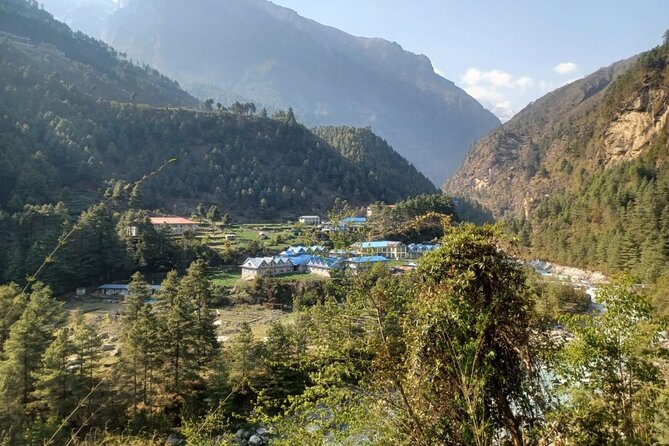
The walk to Dingboche is listed as about four to five hours, passing Pangboche and Sanasa. Ama Dablam remains a major visual feature, and the shorter day gives you a chance to recover after the longer walk to Tengboche.
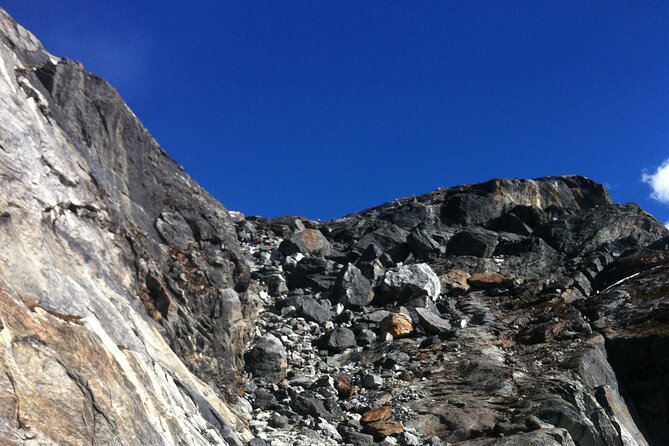
Dingboche is another two-night stop. On Day 7, instead of spending the whole day inside, you hike to Nangkartshang Hill, listed at around 5,000 meters. From there, you can look over the Imja Tse Valley and toward Island Peak, Ama Dablam, and other high mountains.
This hike is one of the most valuable parts of the plan. It helps prepare you for the altitude ahead, but it also gives you a high viewpoint without the need to carry your full trekking load to a new lodge. You may find the air noticeably thin here. The pace should be slow, and you should tell your guide promptly about headache, nausea, unusual tiredness, or other symptoms.
The program includes a medical kit and required medicine for the trek. That is useful support, but it does not replace travel insurance. Emergency rescue is not included, so insurance with high-altitude trekking and evacuation cover is essential.
More Trekking Tours in Kathmandu
- Annapurna Circuit Trek with Tilicho Lake
★ 5.0 · 368 reviews - Everest Base Camp Trekking – 13 Day
★ 5.0 · 365 reviews - Everest Base Camp Trek
★ 5.0 · 350 reviews - Everest Base Camp Trek -14 Days
★ 5.0 · 321 reviews
Lobuche, Thukla Pass, and the memorial stones
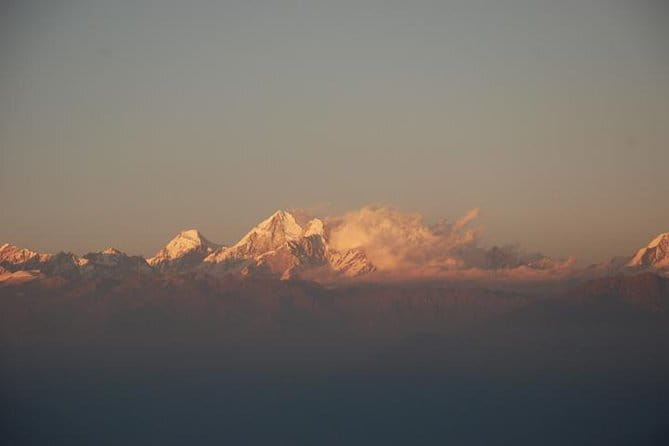
From Dingboche, you continue toward Lobuche, passing Thukla and Thukla Pass. The walk takes about six hours. At Thukla Pass, you see memorials to climbers who died on Himalayan expeditions.
This can be a quiet and emotional part of the route. The memorials put the scale of the mountains into perspective. Everest Base Camp is not just a sightseeing target. It is part of a serious mountaineering world, and the route passes through places connected with both ambition and loss.
You have lunch at Lobuche before continuing to the overnight stop. At this point, the air is thin, the nights are cold, and a simple lodge room can feel like a welcome luxury. The itinerary gives you little room for delay, so you need to keep your gear organized and follow the guide’s advice about rest and hydration.
Everest Base Camp and the Khumbu Glacier
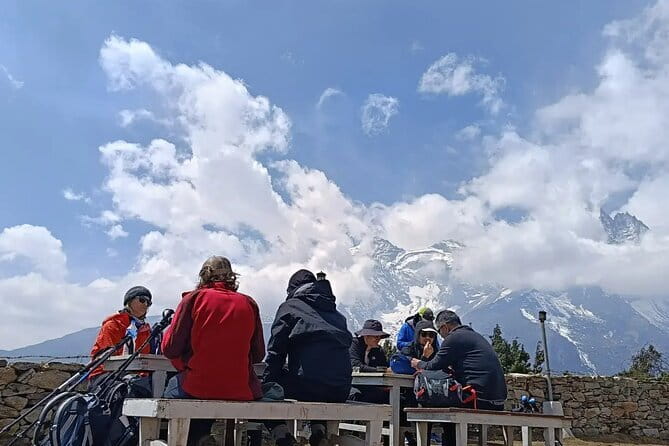
Day 9 is one of the longest days. You walk to Gorak Shep in the morning, have a light lunch, then continue for about two hours toward Everest Base Camp.
The base camp sits at 5,463 meters, beside the Khumbu Glacier. Its exact appearance changes because the glacier moves, so you should not expect a permanent built-up site. The attraction is the setting: you are at the foot of the route used by Everest expeditions, surrounded by high peaks, ice, and rough mountain terrain.
The itinerary does not state how long you spend at base camp, and conditions can affect the pace. Do not judge the day only by the destination. You still need to walk back to Gorak Shep, and the return can feel harder than expected after the altitude and distance.
For many people, this is the emotional high point of the trek. For others, Kala Patthar the next morning offers the stronger view. Both stops serve different purposes: base camp gives you the mountaineering connection, while Kala Patthar gives you the wider mountain panorama.
Kala Patthar at sunrise
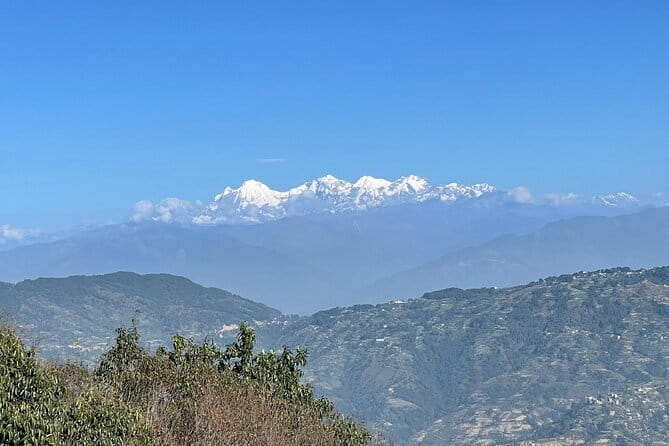
The next morning begins early, after tea, with a hike to Kala Patthar. The summit is listed at 5,450 meters, just below the height of base camp. You take pictures at the top, spend time looking across the mountains, then descend to Gorak Shep for breakfast.
This is a hard morning because you are climbing high soon after the longest day. The reward is the viewpoint. Kala Patthar is described as the closest planned viewpoint of Everest on this route, and the early light can show the mountain faces and ridges in changing colors.
You should dress for a cold start and keep your expectations sensible. Weather may limit visibility, and the tour does not promise a clear sunrise. The climb itself remains worthwhile for the experience of reaching a high point, but the views depend on conditions.
After breakfast, you begin the descent. This is an important shift in the trip. Going down is usually easier on breathing, but the long trail can still punish knees and feet.
Returning through Namche to Lukla
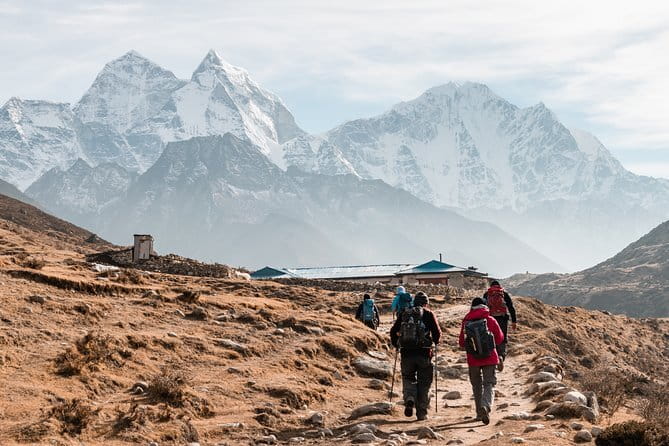
Day 11 takes you back toward Namche Bazaar, passing Pangboche and Tengboche. You stop for lunch at Phortse Tanga, then return to Namche for the night. The listed walking time is about six hours.
The return route lets you see familiar villages from a different angle. You also get a more relaxed evening in Namche, with bars and pubs mentioned as options. Drinks are not included, and alcohol is best treated carefully after a high-altitude trek, but the town provides a welcome change from the quieter upper lodges.
Day 12 is the final trekking day and one of the longest, at about seven to eight hours. You walk from Namche to Lukla, stopping for lunch in Phakding. The itinerary includes a farewell celebration intended to thank the porters and mark the end of the walking section.
That celebration reflects an important truth about the trek: you are not doing this alone. Porters carry much of the group’s equipment, and the guide handles route decisions, pacing, and local arrangements. Tips for guides and porters are listed as compulsory, so you should budget for them separately and ask the company for current guidance before departure.
What the $1,680 price covers
At $1,680 per person, the price offers solid value for a private 14-day trek, provided you are comfortable with the basic mountain-lodge style of travel. The package includes domestic flights between Kathmandu and Lukla for you and the guide, airport pickup and private Kathmandu transfers, an experienced licensed guide, required porters, medical supplies, government taxes, Khumbu Municipality charges, and the Sagarmatha National Park entrance fee.
Food coverage is also broad:
- 13 breakfasts
- 13 dinners
- 11 lunches
The missing meals correspond to parts of the arrival, departure, or flight schedule, so check the day-by-day arrangements before you go. Extra food and drinks are not included, and bar bills are your responsibility.
The value is strongest if you want one company to handle the main moving parts. You are not paying only for a walk. You are paying for permits, local staff, flights, transfers, food, route support, and a private group format.
You still need to budget for Nepal’s entry visa, international flights, departure tax, personal spending, alcoholic and non-alcoholic drinks, insurance, emergency rescue, and tips. Those extras can change the real cost substantially.
Who should book this trek
This trek suits you if you want a classic Everest route with a clear schedule, local guide support, and enough time for acclimatization. It is also a good fit if you prefer a private activity rather than joining an open group.
You should have a strong level of physical fitness. The itinerary includes several six-hour days, an eight-hour return to Lukla, a high hike near 5,000 meters, and the base camp section above 5,400 meters. You should be ready for basic conditions, long walking days, and changes caused by weather.
The trip may not suit you if you need fixed flight times, dislike altitude, or want a relaxed holiday with short walks. The company offers other Everest routes, including an itinerary through the Gokyo Lakes, but this specific plan follows the standard base camp route described here.
The strongest praise attached to the company focuses on organization, personal care, guide support, and the good relationship between the staff and porters. That matters on a trek where small problems can become tiring quickly. Still, no guide can remove the risks of altitude or mountain weather. The decision should rest on your fitness, insurance, and willingness to accept uncertainty.
Should you book the 14-day Everest Base Camp Trek?
I would choose this trek if you want the classic Everest Base Camp experience and value having transport, meals, permits, porters, and guide support arranged in one package. The two acclimatization days, Kala Patthar sunrise, and private format add real value.
I would pause before booking if you are not prepared for altitude or if your international flight home leaves immediately after the planned return to Kathmandu. Ask about current flight arrangements, confirm your guide’s name, clarify the tipping amount, and buy insurance that covers high-altitude rescue.
For a fit walker who accepts basic conditions and wants a direct route to Everest Base Camp, this is a well-priced, locally supported plan. Book it for the journey as much as the destination, since the Sherpa villages, memorials, bridges, and mountain days are what make the whole route meaningful.
FAQ
How long is the Everest Base Camp Trek?
The experience lasts approximately 14 days, including arrival and departure days in Nepal.
Where does the trek begin?
The trip begins in Kathmandu, followed by a domestic flight to Lukla. Trekking starts after arriving in Lukla and meeting the porters.
Is the flight from Kathmandu to Lukla included?
Yes. Round-trip domestic flights between Kathmandu and Lukla are included for the client and guide.
What altitude is Everest Base Camp?
Everest Base Camp is listed at 5,463 meters above sea level.
How high is Kala Patthar?
Kala Patthar is listed at 5,450 meters above sea level.
Are acclimatization days included?
Yes. The itinerary includes an acclimatization day near Namche Bazaar and another in Dingboche. The plan includes walks to viewpoints and a hike to Nangkartshang Hill.
Are meals included?
The package includes 13 breakfasts, 13 dinners, and 11 lunches. Extra items during meals and all bar bills are excluded.
Are a guide and porters included?
Yes. An experienced licensed guide and required porters are included, along with their salaries and trek-related expenses.
What is not included in the price?
Personal expenses, guide and porter tips, bar bills, emergency rescue, Nepal’s entry visa, travel insurance, international flights, departure tax, and extra food or drinks are not included.
Latest treks added in Kathmandu
- Private Manaslu Circuit Trek at Himalayas★ 5.0 · 3 reviews
- Ghorepani Poonhill Trek★ 5.0 · 5 reviews
- Ghorepani Poon Hill Trek★ 5.0 · 16 reviews
- Upper Mustang Trekking★ 3.0 · 2 reviews
- Amazing 1 Day Trekking Experience in Kathmandu Nepal★ 5.0 · 24 reviews
- Upper Mustang Trekking★ 5.0 · 2 reviews
- Upper Mustang Trek★ 5.0 · 5 reviews
- Upper Mustang Trekking★ 5.0 · 4 reviews
Everest Base Camp Treks, compared.






Browse the lists this tour appears in