
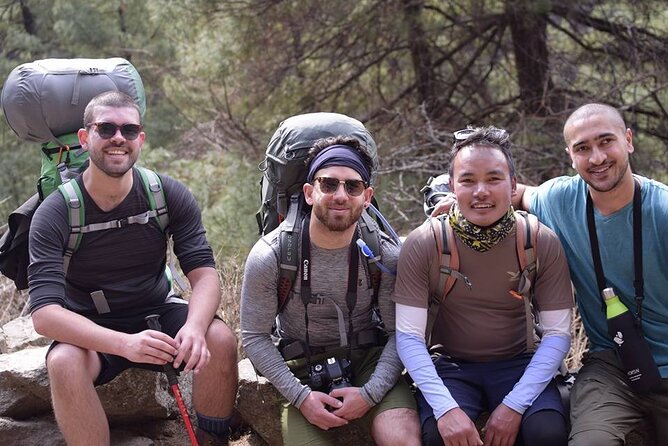
REVIEW · KATHMANDU
14-Day Everest Base Camp Trek
The most thrilling part of this trek is that the big sights arrive one by one: the short flight into Lukla, the first view of Everest above Namche, Tengboche Monastery, the memorials near Lobuche, and finally the rough glacier trail to Base Camp. You are not simply standing in front of a mountain. You are walking through Sherpa villages and high valleys where the terrain changes every day.
I like the two acclimatization days, especially the rest day in Dingboche, and I like the small maximum group size of eight. The package also covers the costly essentials: Lukla flights, permits, a guide, a porter, teahouse lodging, and meals during the trek. The main drawback is the physical demand. Several days run five to eight hours, and the return from Gorakshep to Base Camp and back is a serious walk over rocky glacier debris.
The timing also needs flexibility. Flights to Lukla can shift to Ramechhap during airport work, adding a roughly four-hour drive each way. Weather can affect the schedule, so you need patience, good insurance, and enough fitness for a high-altitude route.
Key points to know before booking
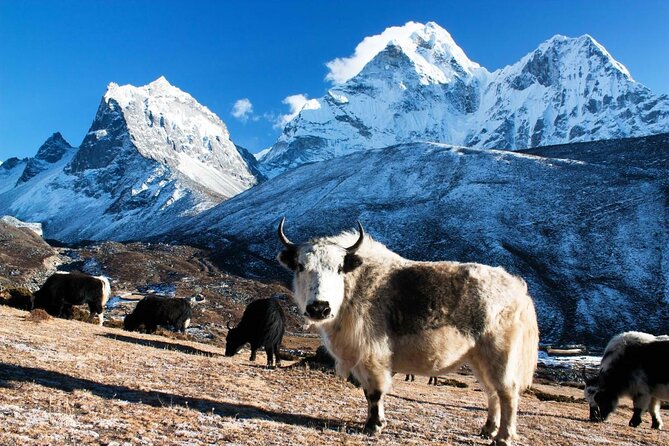
- Lukla starts the walking immediately: After landing at 2,860 meters, you walk three to four hours to Phakding.
- Namche is your first major altitude test: The climb after Jorsale includes suspension bridges, pine forest, and a first glimpse of Everest.
- Dingboche gives your body time: A full rest day helps you adjust before the highest part of the trek.
- Base Camp is not a quick photo stop: Gorakshep to Base Camp and back takes about six to seven hours over moraine and rocky ground.
- Kalapatthar provides the classic sunrise: You rise before dawn for views of Everest, Nuptse, Changtse, and Lhotse.
- The $1,600 price covers the core trek: Flights, permits, lodging, meals, guide, porter, and transfers are included, but Kathmandu meals, personal costs, and insurance are not.
Why this 14-day route works
This is a classic Everest Base Camp route with a sensible pace for a two-week trip. You fly from Kathmandu toward Lukla, walk through the Khumbu region, spend time adjusting to altitude, reach Base Camp, climb Kalapatthar, and return by the same general route.
I like the way the schedule builds gradually. You do not race straight toward the high point. Namche gets an acclimatization day, and Dingboche gets another. That matters because the route rises from Lukla at 2,860 meters to Gorakshep and Kalapatthar, where the air is much thinner.
The group limit of eight is another practical advantage. A small group is easier to manage on narrow trails and more likely to move at a similar pace. Your guide also has a better chance to notice when you are tiring or struggling with altitude.
The price is strong for what is included. At $1,600 per person, you receive two nights in Kathmandu, 11 nights in mountain teahouses, domestic flights, national park and local entry permits, a guide for 12 days, a porter for 11 days, and breakfast, lunch, and dinner for 12 days. You still need to budget for Kathmandu lunches and dinners, personal purchases, travel insurance, and any changes caused by weather or transport.
More Everest Base Camp Treks in Kathmandu
- Everest Base Camp Trek – 14 Days
★ 5.0 · 1,499 reviews - Everest Base Camp Trek
★ 5.0 · 842 reviews - Everest Base Camp Trekking
★ 5.0 · 485 reviews
Arrival in Kathmandu and the Lukla flight
Your guide or office staff meets you at Tribhuvan International Airport and transfers you to your hotel. The package includes two nights in Kathmandu at Bodhi Boutique or a similar property, one at the beginning and one near the end.
The flight to Lukla is part of the appeal, but it is also one of the schedule’s weak points. At certain times, flights use Ramechhap rather than Kathmandu because of airport upgrades. The drive from Kathmandu to Ramechhap takes about four hours, and the departure can require a 2 a.m. start. On the way back, the drive may take four to six hours depending on traffic.
That is not a small change to your day. Ask about the current departure airport before you travel, and avoid planning a tight international connection immediately after the trek. The package includes local transfers for the international and domestic flights, which removes much of the usual airport confusion.
Day 2: Lukla to Phakding
After landing at Lukla, you meet your guide and porter and start walking almost at once. The route descends toward Dudh Koshi Ghat, then follows the river to Phakding.
This first walk takes roughly three to four hours. It is shorter than the later days, but do not treat it as a free warm-up. You are already at high elevation, and the combination of a flight, cool air, uneven paths, and excitement can make the day feel longer.
Phakding offers your first taste of the trekking rhythm: walk, eat, rest, and sleep in a teahouse. You also begin to see the blend of mountain scenery and local life that makes this route more than a summit-viewing trip.
Days 3 and 4: Namche Bazaar and your first Everest view
The walk from Phakding to Namche brings your first serious climb. You cross the Dudh Koshi several times, pass through pine forest, enter Sagarmatha National Park, and show your permits at the entrance.
The trail drops toward Jorsale for lunch before climbing to Namche. Along the way, you cross the Hillary Suspension Bridge, one of the route’s memorable crossings. The path can feel demanding because the climb comes after several hours of walking.
Namche Bazaar is the main trading and service center of the region and the starting point for many Everest expeditions. It is also where you get your first sight of Mount Everest. The view is not yet the huge, close-up image you may expect, but it is an important moment. The peak appears as part of a larger wall of mountains, and you begin to understand the scale of the country around you.
The next day is for acclimatization. You can explore Namche, visit the Sherpa museum, or take the roughly two-hour hike to Everest View Point. Saturday brings a small outdoor market. The stop is useful because it lets your body adjust without giving up the mountain scenery.
More Trekking Tours in Kathmandu
- Annapurna Circuit Trek with Tilicho Lake
★ 5.0 · 368 reviews - Everest Base Camp Trekking – 13 Day
★ 5.0 · 365 reviews - Everest Base Camp Trek
★ 5.0 · 350 reviews - Everest Base Camp Trek -14 Days
★ 5.0 · 321 reviews
Days 5 and 6: Tengboche to Dingboche
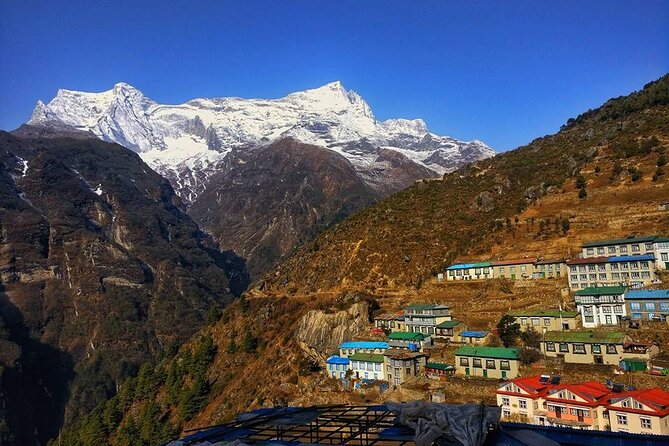
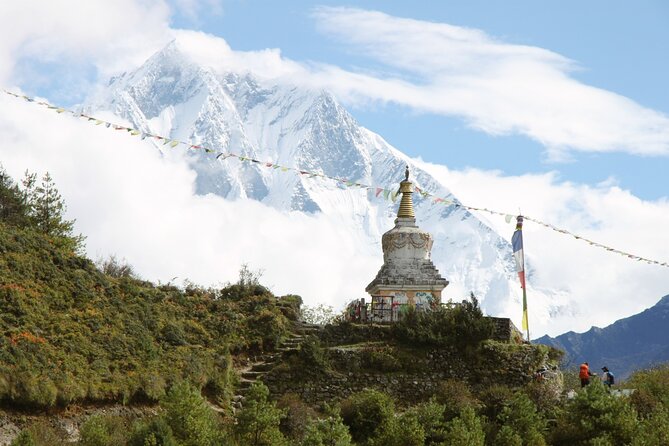
From Namche, the route heads toward Tengboche, famous for its large monastery and its views of Ama Dablam, Thamserku, and Khumbila. You have the chance to visit the monastery and receive blessings.
Tengboche is one of the trip’s best cultural stops. The mountain setting is impressive, but the monastery gives the day a stronger sense of place. You are passing through a living Sherpa region, not just a corridor used by mountaineering groups.
The next walk leads through alpine forest and villages toward Dingboche. You follow the Khumbila Khola Valley and climb to a ridge with views of Taboche, Nuptse, Cholatse, and other peaks. Notice how the scenery changes as you gain height. Trees become less common, while shrubs and open ground take over.
Dingboche is a good base for the next rest day because the route is becoming harder and the air thinner. The walking days are often listed as long activity days, but actual trekking time varies with pace, stops, weather, and group condition. Plan for roughly five hours on a normal day, with some days reaching seven or eight hours.
Day 7: Dingboche acclimatization
The second acclimatization day is one of the smartest features of the schedule. You can rest in Dingboche or walk into the Chhukung and Imja Valleys.
The Imja Valley links toward Island Peak and Makalu-Barun National Park, although this trip does not include those routes. The point here is not to add another major hike. It is to let your body handle the elevation before the trail becomes more exposed and demanding.
Use this day honestly. You do not need to prove anything by walking farther than planned. Eat, drink, rest, and follow your guide’s advice. At this altitude, saving energy is part of reaching Base Camp.
Days 8 and 9: Lobuche, Gorakshep, and Everest Base Camp
The route from Dingboche to Lobuche is quieter in feel and tougher underfoot. You climb toward memorial stupas honoring people who died on Everest. These memorials give the day a serious tone and remind you that the mountain is not simply a backdrop for photographs.
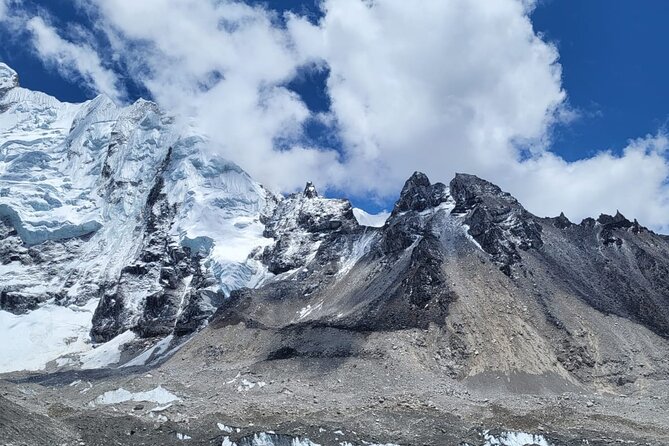
From Lobuche, the path continues toward Gorakshep. The early section can seem manageable, but the terrain becomes rougher, with moraine, rocky ground, and glacier debris. The air is thin, so you move more slowly and take breaks more often.
The walk from Gorakshep to Everest Base Camp and back takes about six to seven hours. This is the trip’s major physical test. The route is not a smooth path to a neat viewpoint. It is uneven, tiring, and shaped by the Khumbu Glacier.
At Base Camp, you can see the Khumbu Glacier and Icefall. Depending on the season and conditions, you might see climbers preparing for an Everest attempt. The summit itself is not always the best view from Base Camp, which is why Kalapatthar the next morning matters so much.
Gorakshep is a basic overnight stop. Keep your expectations practical. The reward is not comfort, but the chance to sleep close to the highest part of the route.
Day 10: Sunrise at Kalapatthar and the walk to Pheriche
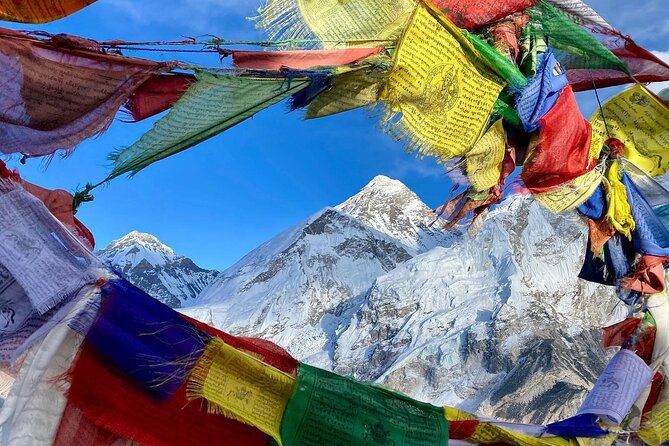
You rise before dawn for the climb to Kalapatthar. This is the best viewpoint on the route for a broad view of Everest, Nuptse, Changtse, and Lhotse. The first light on the peaks is the payoff for the cold, early start.
Kalapatthar is not the summit of Everest, but it is the closest you get to the mountain’s famous views without climbing. The walk is steep and tiring after Base Camp, so your guide’s pacing is important.
After returning to Gorakshep for breakfast, you descend toward Pheriche. If the group has enough energy, the route may continue to Panboche for the night. That flexibility can be useful, but you should not feel pressured to extend the day. The schedule already asks a lot of your legs.
Days 11 to 13: Returning to Lukla
The return from Pheriche to Namche is mainly downhill, passing through Tengboche again. Downhill walking sounds easy, but rocky trails can be hard on knees and ankles. Trekking poles may be useful, though the supplied information does not state that equipment is provided.
You spend the night in Namche, then continue toward Lukla. The route includes the Hillary Suspension Bridge again, and the final approach gives you a chance to say goodbye to the villages and Sherpa communities along the trail.
The last evening in Lukla includes a traditional group farewell party. The next morning, you fly to Kathmandu or Ramechhap, depending on airport operations. If you land at Ramechhap, allow four to six hours for the drive to Kathmandu.
The extra night in Lukla is valuable. Mountain flights can be delayed by poor weather, and a little schedule space is safer than arranging an immediate international departure.
Guides, porters, meals, and teahouse life
Magical Nepal has used guides named KP, Dil Man, Pemba Sherpa, Narayan, and Saugat on Everest-region trips. Your assigned guide may be different, so confirm the name before departure. The strongest pattern in the supplied feedback is personal care, with guides checking on pace, handling changes, and helping when altitude problems appeared.
The package includes a guide for 12 days and a porter for 11 days. That support is more than a convenience. It lets you walk with a lighter load and gives the group local help with routes, permits, timing, and changing conditions.
You receive 12 breakfasts, 12 lunches, and 12 dinners during the trek. Food choices are not specified, so do not book this expecting a particular menu. In Kathmandu, lunch and dinner are your responsibility.
The 11 mountain nights are in teahouses. These are practical places to sleep along the route, not luxury hotels. The value comes from their location and from having meals and a bed at the end of demanding walking days.
Who should book this trek?
This trip suits you if you have strong physical fitness, can walk for several hours over uneven ground, and are comfortable with basic mountain accommodation. The route is not designed for a relaxed sightseeing holiday.
It also suits people who want a guided experience but do not want to join a large crowd. With a maximum of eight participants, the group should remain manageable.
I would be cautious if you have a tight schedule, dislike early starts, or expect flights to operate exactly on time. You also need travel insurance, and the supplied information specifically excludes it. Because weather can cancel the experience, insurance is not an optional detail.
Should you book the Everest Base Camp trek?
Book it if you want the full classic route, including Namche, Tengboche, Dingboche, Base Camp, and Kalapatthar, and you value having permits, flights, meals, guides, porters, and teahouses arranged for you.
The $1,600 price offers solid value for a 14-day guided trek, especially with the domestic flights and support staff included. The trade-off is comfort and flexibility: you will walk hard, sleep simply, and need patience when weather or airport changes disrupt the plan.
This is a good choice for a fit first-time trekker who wants support without a large group. It is not the right pick if you want a soft adventure or a guaranteed timetable. Free cancellation is available up to 24 hours before the start, and poor weather may lead to a new date or a full refund, but you should still plan your wider Nepal trip with room to spare.
FAQ
How long is the Everest Base Camp trek?
The experience lasts approximately 14 days, including arrival and departure arrangements in Kathmandu, the Lukla flights, the trek, and the return to Kathmandu.
What is the price per person?
The listed price is $1,600 per person.
What is included in the price?
The package includes international airport transfers, domestic airport transfers, Kathmandu to Lukla and return flights, Sagarmatha National Park and local entry permits, a guide for 12 days, a porter for 11 days, two Kathmandu hotel nights, 11 teahouse nights, staff insurance and ground transport, and 12 breakfasts, lunches, and dinners.
Are meals included in Kathmandu?
No. Lunch and dinner in Kathmandu are not included. Trekking meals are included for 12 breakfasts, 12 lunches, and 12 dinners.
How large is the group?
The maximum group size is eight participants.
How fit do I need to be?
You should have a strong physical fitness level. The trek involves roughly five hours of walking on many days, with some days lasting seven to eight hours. The route from Gorakshep to Base Camp and back takes about six to seven hours over rocky ground.
Is a porter provided?
Yes. A porter is included for 11 days of the trek.
Can Lukla flights use another airport?
Yes. At certain times, flights operate from Ramechhap instead of Kathmandu because of airport upgrades. The drive from Kathmandu to Ramechhap takes about four hours, and the return drive to Kathmandu may take four to six hours.
What is the cancellation policy?
You can cancel at least 24 hours before the start time for a full refund. If poor weather cancels the experience, you will be offered another date or a full refund. The same applies if the minimum number of participants is not met.
Latest treks added in Kathmandu
- Ghorepani Poonhill Trek★ 5.0 · 5 reviews
- Ghorepani Poon Hill Trek★ 5.0 · 16 reviews
- Private Manaslu Circuit Trek at Himalayas★ 5.0 · 3 reviews
- Upper Mustang Trekking★ 3.0 · 2 reviews
- Amazing 1 Day Trekking Experience in Kathmandu Nepal★ 5.0 · 24 reviews
- Upper Mustang Trekking★ 5.0 · 2 reviews
- Upper Mustang Trek★ 5.0 · 5 reviews
- Upper Mustang Trekking★ 5.0 · 4 reviews
Everest Base Camp Treks, compared.






Browse the lists this tour appears in