
REVIEW · KATHMANDU
13 Days Adventurous Mardi Himal Trek From Kathmandu
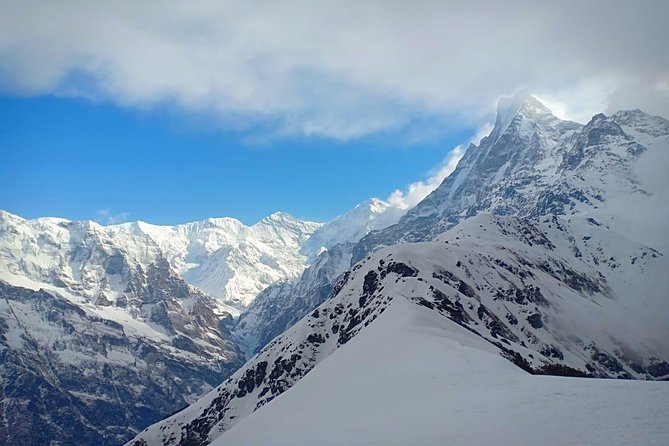
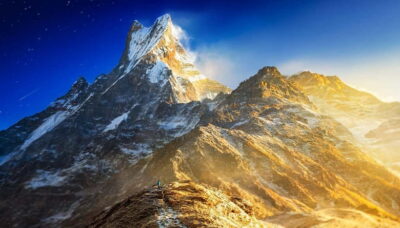
Mardi Himal gives you a compact Himalayan trek with a satisfying payoff: a high ridge facing Machchhapuchchhre, the famous Fish Tail mountain. You also get Kathmandu’s major temples, Pokhara’s lake country, a Gurung village homestay, and several days on foot rather than one long stay in a city.
I like the way the trip joins Nepal’s cultural sights with a real mountain route. I also like the practical setup: an English-speaking guide, trekking permits, tea house lodging, private transfers to the trail, and a tourist bus between Kathmandu and Pokhara. The catch is that meals, drinks, monument tickets, emergency rescue, and tips are extra, while the walking demands strong fitness.
Key points to know before booking
- Mardi Himal Base Camp is the main prize: You walk a narrow mountain ridge for sweeping views of Fish Tail and other high peaks.
- The route includes two different village stays: Tea houses support the trek, while Lwang Ghalel adds a home stay and a closer look at Gurung culture.
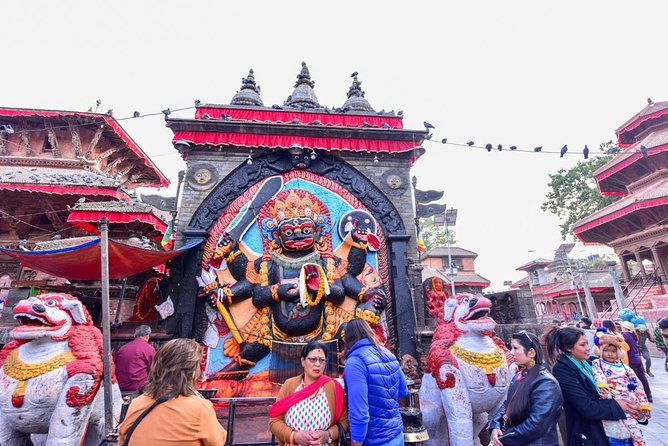
- Pokhara and Kathmandu are part of the trip: Devi’s Fall, Gupteshwor Cave, World Peace Stupa, Pashupatinath, Swayambhunath, Boudhha, and Kathmandu Durbar Square fill out the schedule.
- The trip is private: Only your own group takes part, which gives you more room to discuss pace and route conditions with the guide.
- The price covers key logistics, not full board: At $906.67 per person, permits, transport, lodging, and guiding are included, but food, drinks, entry tickets, rescue, and gratuities are not.
- Monsoon conditions can change the feel of the trek: A past departure had clear weather despite the season, but mountain weather is never something to count on.
The trip’s big appeal: a mountain ridge above Pokhara
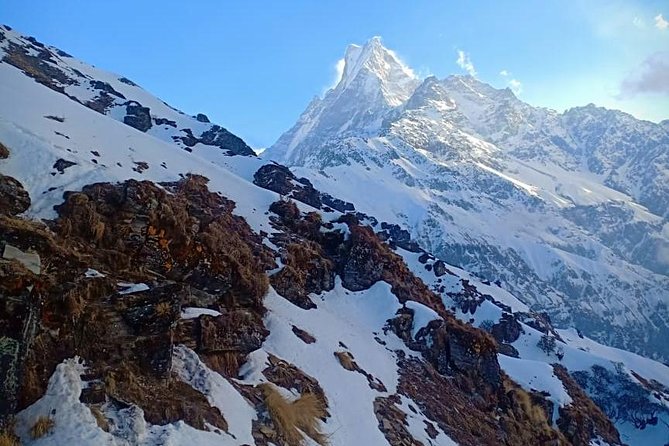
The Mardi Himal route is a newer trekking option in the Annapurna region. It is not simply a walk from village to village. The high point is the ridge walk toward Mardi Himal Base Camp, where your guide keeps you alert to the route and the technique needed on steeper and more exposed sections.
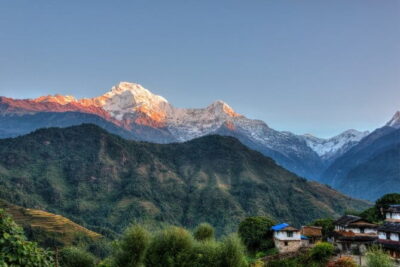
The prize is Machchhapuchchhre, also called Fish Tail, along with Annapurna, Manaslu, and other peaks above 7,000 meters. The mountain views are the reason to accept the long road transfers and basic tea house nights.
You should keep expectations sensible. This is not a luxury mountain holiday. The trek uses tea houses, meals are bought separately, and the schedule includes several five to eight-hour walking days. The reward is a stronger sense of place and effort than you get from a short sightseeing trip.
More Mardi Himal Treks in Kathmandu
- Mardi Himal Trek
★ 5.0 · 41 reviews - Mardi Himal Trek Nepal
★ 5.0 · 29 reviews - Mardi Himal Trek – 8 Days | Hidden Gem of the Annapurnas
★ 5.0 · 19 reviews
Days 1 and 2: Kathmandu arrival, then the long road to Pokhara
Your first day is light. You are met at Tribhuvan International Airport and transferred by private car to a two-star hotel in Kathmandu. The ride takes about 40 minutes, depending on traffic. Since the next morning begins early, this is mainly a chance to arrive, settle in, and prepare.
At 7am on Day 2, you take a tourist bus to Pokhara. The drive takes about seven hours. The route is described as scenic, with river and mountain views, but it is still a full day on the road. This is one place where the tour saves money by using a bus instead of a private vehicle.
I see this as a fair trade for the price, though you should not expect a quick transfer. On arrival, a private vehicle takes you from the bus station to your Pokhara hotel. That small connection matters after a long bus ride, especially if you have trekking bags and day packs.
Day 3: Pothana begins the walking portion
At about 8:30am, you drive for roughly 40 minutes to the trail area and begin walking toward Pothana. The day includes about five hours of trekking. This first walk lets you shift from road travel to mountain travel without immediately facing the hardest part of the route.
Pothana is an important early stop because it puts you into the village and forest rhythm of the trek. You will want to use this day to check your boots, walking poles, water supply, and day pack. If anything feels wrong, it is better to tell your guide early than wait until the higher sections.
Day 4: Forest Camp through trees and small villages
The route continues through forest, small mountain settlements, and open spots with mountain views. The walk to Forest Camp takes about five hours.
This is a quieter day than the famous base camp ridge. The appeal is the change in scenery: trees and village paths replace the roads and city streets of the opening days. The forest also gives you shade, though conditions underfoot may vary with weather.
Your overnight stay is in a tea house, a basic mountain lodge. Tea house accommodation is included, but food and drinks are not. You should budget for meals each day and keep some cash available for purchases along the route.
Another trail to compare in Kathmandu:
- Everest Base Camp Trek – 14 Days
★ 5.0 · 1,499 reviews - Everest Base Camp Trek
★ 5.0 · 842 reviews - Everest Base Camp Trekking
★ 5.0 · 485 reviews - Annapurna Circuit Trek with Tilicho Lake
★ 5.0 · 368 reviews
Days 5 and 6: Low Camp to High Camp
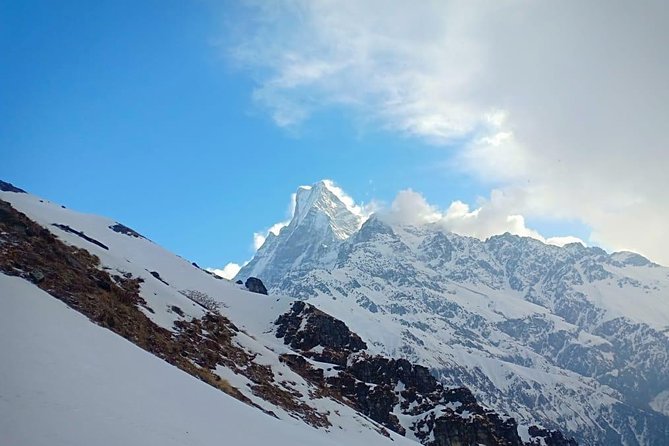
Day 5 continues toward Low Camp, with another five hours of walking and broad mountain views. The supplied schedule labels this section with Mardi Himal Base Camp, but the actual progression places Low Camp before High Camp and the base camp visit on the following day.
Day 6 takes you higher to High Camp. The walk again lasts about five hours. From High Camp, you are positioned for the early or timely push toward Mardi Himal Base Camp on Day 7.
Altitude becomes more important as you climb. The tour requires a strong level of physical fitness, and that warning should guide your decision. You need to be comfortable walking uphill for several hours on consecutive days. The exact effect of altitude varies from person to person, and the guide is there to help with the route and safety, not to remove the physical demands.
One unusual detail in the schedule is a stop named Hotel Trekkers Paradise, Pizzaria and Cafe. It appears as a location connected with the High Camp day. Do not read this as a promise of extensive dining choices or hotel comforts. The wider accommodation plan is tea houses, so keep your expectations basic.
Day 7: The ridge walk to Mardi Himal Base Camp
This is the hardest and most memorable day. The walk takes about eight hours and follows a mountain ridge with sections close to a cliff edge. Your guide will explain the route and walking technique, and you should take those instructions seriously.
The route leads to Mardi Himal Base Camp, with views of Machchhapuchchhre and other Himalayan peaks. The description of the setting is understandably enthusiastic, but the practical point is more useful: you need steady footing, patience, and enough energy for the return to High Camp.
After spending time at base camp, you walk back to High Camp for the night. That return makes the day long. It also means the high point is not the end of your walking day, so pace yourself from the start and avoid treating the first views as a signal to rush.
A private trip helps here. Because only your group participates, you have a better chance to discuss your pace and concerns directly with the guide. The guide’s role is especially valuable on the ridge, where route awareness matters more than simply following a broad village path.
Days 8 and 9: Descending through Siding to a Gurung home stay
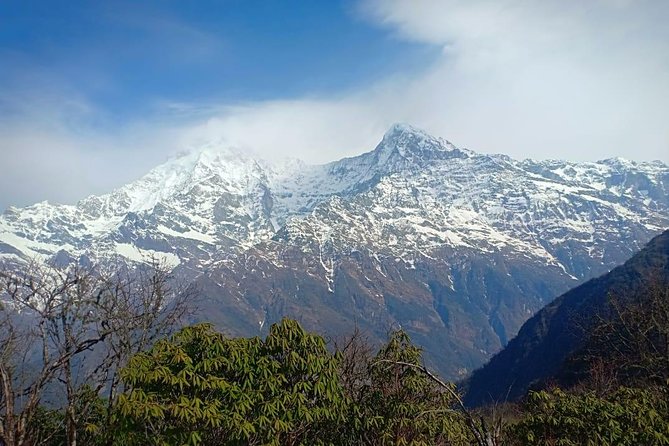
Day 8 brings six hours of descent to Siding. The route passes through villages, forest, and green hills. Downhill walking can sound easy, but tired knees often make it demanding after the base camp day.
Day 9 continues to Lwang Ghalel, another six-hour walking day. Here, you stay in a home rather than only using the standard tea house setup. This is one of the strongest cultural parts of the trip because you have a chance to interact with local people and learn about Gurung culture in a more direct setting.
The home stay also changes the pace of the journey. After the effort and altitude of the high route, a village night gives you a different view of Nepal. You should still expect simple conditions. The value is contact and setting, not hotel-style service.
Day 10: Return to Pokhara, then three easy sights
The last walking day takes about four hours, descending to Banskot through Hyangjakot. The route includes village and mountain views. From there, a transfer returns you to Pokhara.
After refreshing at the hotel, you visit three places. Devi’s Fall takes about 20 minutes, and the nearby Gupteshwor Mahadev Cave takes about an hour. Admission fees for both are not included, so carry extra money for these stops.
The final visit is the World Peace Stupa. A vehicle takes you up the hill, where the Buddhist temple provides views over Fewa Lake, the Annapurna range, Pokhara, and the surrounding green hills. This is a good way to finish the trekking section because you can enjoy a broad view without another long mountain walk.
The schedule is full, but it works well. You get a shower and a city bed, then a few short sightseeing visits instead of being sent straight to an airport or bus station.
Day 11: The return bus to Kathmandu
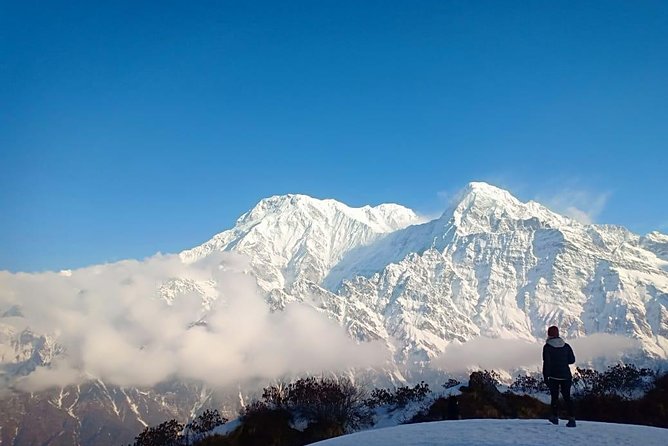
At 7am, you transfer to the bus station and take the tourist bus back to Kathmandu. The journey takes about eight hours. Like the outward trip, this is a budget-minded choice with a time cost.
You return to a Kathmandu hotel after the bus ride. I would treat this as a recovery evening rather than plan a demanding night out. The next day includes four major cultural stops, so a quiet dinner and an early night make sense.
Day 12: Four important Kathmandu sights
The cultural sightseeing day begins at Pashupatinath Temple, one of Nepal’s best-known Hindu temples. The visit takes about an hour, and admission is not included.
Next comes Swayambhunath, often called the Monkey Temple. It sits on a hill and gives you a view across the Kathmandu Valley. The visit lasts about an hour. Boudhha follows, with about 30 minutes at another important Buddhist temple.
The final stop is Kathmandu Durbar Square, an ancient palace area with another admission fee. Together, these places give you a useful introduction to Kathmandu’s religious and royal landmarks. The schedule is efficient rather than slow and reflective, so you will see a lot in one day.
You should account for the extra entrance charges when judging the price. The package includes transfers and guiding, but not every ticket along the way.
What $906.67 includes, and what it leaves out
At $906.67 per person, this is a substantial package rather than a bare trekking permit. The included services cover airport pickup and drop-off, private hotel transfers to the bus station, Kathmandu to Pokhara and return by tourist bus, two-star hotels in both cities, tea house accommodation during the trek, trekking permits, the TIMS card, private transfers to and from the trail, and an English-speaking trekking guide.
That combination gives you a clear value advantage if you want one booking to handle the main transport and mountain arrangements. A private departure is also useful for people who do not want to join a large mixed group.
The price does not include meals or drinks, emergency rescue costs, monument and attraction admission fees, or gratuities. The most important omission is rescue coverage. You should understand how emergency costs would be handled before setting out and consider your own suitable insurance.
Group discounts are offered, but the exact terms are not provided. Ask for the current group price before assuming a particular saving.
Who will get the most from this trek
I would choose this trip if you want one Nepal holiday to combine mountain walking, village life, Pokhara sightseeing, and Kathmandu temples. It suits people who prefer a private group and want the basic logistics arranged without paying for a high-end trekking experience.
You should be ready for repeated five to six-hour walking days and one roughly eight-hour day. Strong fitness is specifically required. The High Camp to Base Camp section is not a casual stroll, especially with a ridge route and a return to High Camp on the same day.
This is less suitable if you want polished hotels throughout, included meals, short transfer days, or a completely flexible schedule. It is also not ideal if you dislike long bus rides or basic mountain accommodation.
The two available assessments are very positive, with a full five-star rating overall, though only two assessments are shown. One departure took place during the monsoon season and still had clear weather, with a helpful guide and good arrangements for vehicles and accommodation. That is encouraging, but it should not be treated as a weather guarantee.
Booking details worth checking first
Confirmation is provided at booking. The meeting point is Tribhuvan International Airport, and the listed start time is 7:15am. The arrival transfer itself is on Day 1, while the early bus departure begins on Day 2, so confirm the exact pickup details with Couch Adventure Nepal before arrival.
You can cancel for a full refund if you do so at least three full days before the local start time. Cancellations or changes inside that window are not accepted for a refund.
Should you book the 13-day Mardi Himal trek?
Book it if you want a serious but fairly compact Himalayan trek with a private guide, a real base camp goal, a Gurung home stay, and major sights in Kathmandu and Pokhara. The package covers the pieces that are hardest to arrange alone, especially permits, trail transfers, lodging, and the guide.
Think twice if your fitness is uncertain or if you expect food, entry tickets, rescue protection, and comfortable rooms to be part of the $906.67 price. The best choice is to confirm the extra costs, prepare for the eight-hour ridge day, and accept that the long bus journeys and simple tea houses are part of the bargain.
FAQ
Where does the Mardi Himal trek begin?
The experience begins with airport pickup at Tribhuvan International Airport in Kathmandu. After traveling to Pokhara, you take a vehicle to the trekking area near Pothana.
How long does the experience last?
The trip lasts approximately 13 days, including Kathmandu, Pokhara, the Mardi Himal trek, and the return to the airport.
Is transport from Kathmandu to Pokhara included?
Yes. The package includes tourist bus transport from Kathmandu to Pokhara and back to Kathmandu. Private car transfers to and from the bus station are also included.
Is accommodation included?
Yes. Two-star hotel accommodation in Kathmandu and Pokhara is included, along with tea house accommodation during the trek and a home stay in Lwang Ghalel.
Are meals and drinks included?
No. Meals and drinks are available for purchase and are not included in the tour price.
Is a trekking guide provided?
Yes. An English-speaking trekking guide is included. The guide also helps explain the route and walking technique on the ridge toward Mardi Himal Base Camp.
Are trekking permits included?
Yes. The trekking permit and TIMS card are included.
Are attraction admission tickets included?
Some are not. Admission to Devi’s Fall, Gupteshwor Mahadev Cave, Pashupatinath Temple, and Kathmandu Durbar Square is not included. The listed visits to Swayambhunath, Boudhha, and the World Peace Stupa do not show an admission charge.
Can I cancel for a full refund?
Yes, if you cancel at least three full days before the local start time. Cancellations or changes made less than three full days before the start are not refunded or accepted.
Latest treks added in Kathmandu
- Private Manaslu Circuit Trek at Himalayas★ 5.0 · 3 reviews
- Ghorepani Poonhill Trek★ 5.0 · 5 reviews
- Ghorepani Poon Hill Trek★ 5.0 · 16 reviews
- Upper Mustang Trekking★ 3.0 · 2 reviews
- Amazing 1 Day Trekking Experience in Kathmandu Nepal★ 5.0 · 24 reviews
- Upper Mustang Trekking★ 5.0 · 2 reviews
- Upper Mustang Trekking★ 5.0 · 4 reviews
- Upper Mustang Trek★ 5.0 · 5 reviews
Mardi Himal Treks, compared.
Mardi Himal Trek – 8 Days | Hidden Gem of the Annapurnas
Read our review →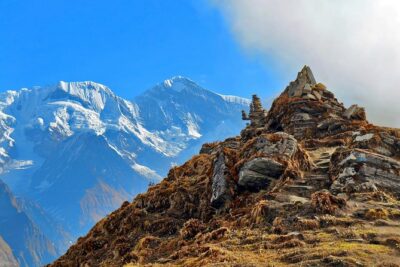
Browse the lists this tour appears in