
REVIEW · KATHMANDU
10 Days Everest Base Camp Trek
The real prize here is not simply reaching Everest Base Camp at 5,364 meters. It is the steady change from Kathmandu streets to Sherpa villages, suspension bridges, monasteries, glacier views, and the thin air around Gorakshep. You also climb Kala Patthar, at 5,545 meters, for one of the finest high views on the route.
I like the tidy package: both Lukla flights and nine tea-house nights are included, along with a licensed guide, permits, airport transfers, and Kathmandu hotel nights. I also like the personal guiding record associated with Dhansingh and assistant PJ, whose calm support and attention to a trekker afraid of heights made a difficult walk feel more manageable.
The main caution is the pace. This is a demanding high-altitude trek with no listed rest day, and several days run six to seven hours. The title says 10 days, but the supplied schedule covers 12 calendar days, so confirm the exact program before paying.
Key details worth knowing before you book
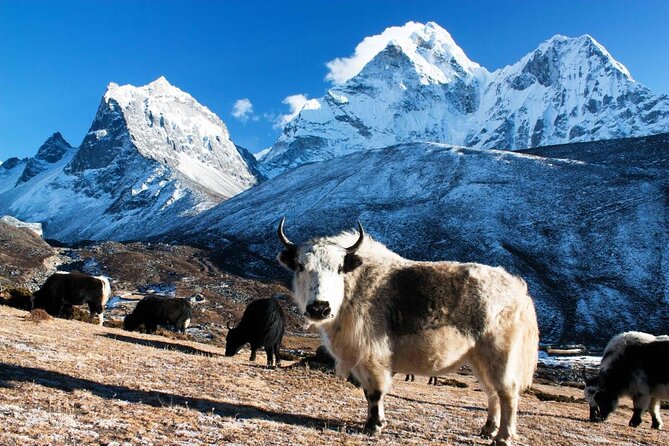
- Kala Patthar reaches 5,545 meters: This is higher than Base Camp and usually the key mountain-view morning of the trip.
- The trek begins with a flight to Lukla: Weather can affect this part of the plan, so keep your schedule flexible.
- Nine nights are in tea houses: Expect practical mountain lodging rather than hotel comfort.
- The itinerary uses a private group: Only your party participates, which can make walking pace and support more personal.
- Guide support is central: Dhansingh and assistant PJ are names connected with the operator, but confirm your assigned guide before departure.
- The $1,470 price covers major basics: Flights, permits, guide, mountain lodging, meals listed in the package, and transfers are included, while insurance, showers, drinks, charging, Wi-Fi, and tips cost extra.
From Kathmandu streets to the trail at Lukla
The trip opens in Kathmandu with a short drive to your hotel and a visit to Kathmandu Durbar Square. This gives you a quick cultural start before the mountain section, though the schedule allows only a short sightseeing stop rather than a full city tour.
Day two brings the small domestic flight to Lukla, listed at about 30 minutes. Lukla is the practical gateway to the Everest region, and the flight is one of the trip’s important moving parts. Since poor weather can cancel the experience, you should avoid booking a tight onward international connection immediately after the trek.
From Lukla, you walk to Phakding. This first trail day is useful because it eases you into the routine before the longer climbs ahead. You will already need to carry personal items, manage changing weather, and settle into the basic tea-house rhythm.
The package includes airport, hotel, and airport transfers by private car, van, or bus. That is a small but useful convenience in Kathmandu, where arriving with trekking bags can make local transport feel more complicated than expected.
More Everest Base Camp Treks in Kathmandu
- Everest Base Camp Trek – 14 Days
★ 5.0 · 1,499 reviews - Everest Base Camp Trek
★ 5.0 · 842 reviews - Everest Base Camp Trekking
★ 5.0 · 485 reviews
Phakding to Namche, the first serious walking day
Day three takes you from the Phakding area to Namche, with about six hours of walking. The route follows the river corridor and leads toward the main Sherpa settlement in the region, though the supplied schedule lists an Irish Pub as the stop rather than describing a formal sightseeing visit.
Namche is an important point in the trip because the walking becomes more demanding from here. You will notice the change in pace, the upward trail, and the need to drink regularly. The schedule does not list a separate acclimatization day in Namche, so your guide’s judgment and your own condition matter greatly.
This is also where the private-tour setup can help. A group made up only of your own party may make it easier to slow down, ask questions, or adjust the day’s rhythm than on a large fixed group departure. It does not make altitude harmless, though, and moderate fitness is the stated minimum.
Phortse and Dingboche, where altitude changes the rules
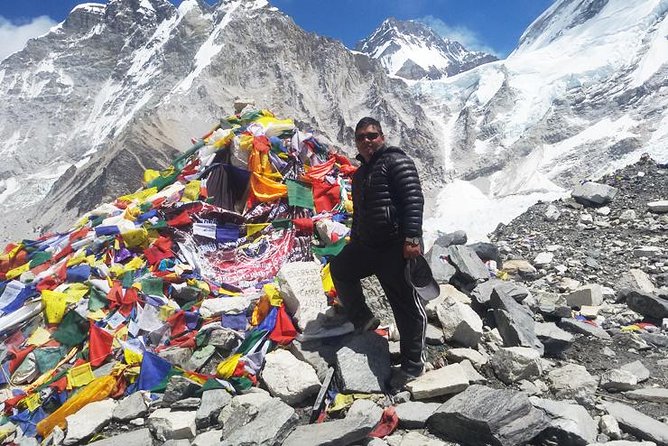
Day four heads to Phortse, a six-hour walk, with River Resort listed as the stop. Phortse gives the route a quieter feel than the larger settlements, and the day keeps you moving into higher country without trying to reach Base Camp too quickly.
The next day takes you to Dingboche in about six hours, passing a Dingboche viewpoint. This is one of the trip’s most important stages because the air gets thinner as you gain height. The itinerary moves forward each day, so you should tell the guide early if you develop a headache, unusual fatigue, or other altitude concerns.
The practical lesson is simple: do not treat the walking hours as a race. A moderate pace, regular breaks, and careful attention to your body will matter more than arriving first. The itinerary is fixed, but a licensed guide can help you judge how you are handling the route.
Tea-house accommodation is part of the appeal and part of the trade-off. You get a direct connection with mountain communities and a simple place to sleep, but the package does not include hot showers, Wi-Fi, electronic charging, or boiled water. Budget for those items as you go.
Lobuche and Gorakshep, the hard approach to Base Camp
Day six takes five to six hours to Lobuche. By this point, the route is less about casual sightseeing and more about keeping your energy for the high days ahead. The stop is practical, placing you within reach of Gorakshep and Base Camp.
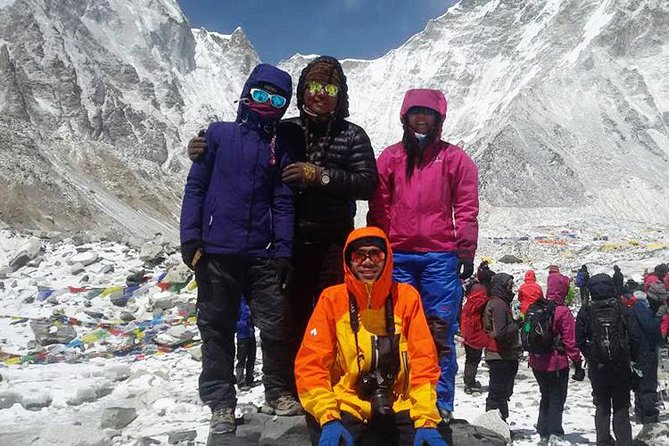
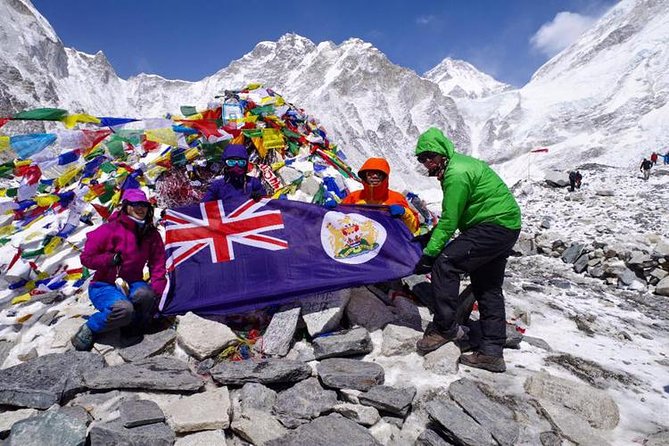
Day seven is the big approach: trek to Gorakshep and continue to Everest Base Camp at 5,364 meters. Reaching Base Camp is the emotional center of the trip, but it is important to understand what the visit involves. The attraction is the setting among immense peaks, glaciers, and high mountain terrain, not a comfortable resort or a long stay at a developed attraction.
Gorakshep is also where the basic nature of the trip is clearest. You are sleeping at high altitude in a tea house and walking on a demanding schedule. Food and rest become practical priorities, and the cold may make small comforts feel valuable.
The package covers 10 lunches and 10 dinners, plus 11 breakfasts. That broadly supports the listed trekking days, but the meal count is not perfectly matched to the 12-day calendar. Ask the operator exactly which meals are provided on the Kathmandu and travel days.
More Trekking Tours in Kathmandu
- Annapurna Circuit Trek with Tilicho Lake
★ 5.0 · 368 reviews - Everest Base Camp Trekking – 13 Day
★ 5.0 · 365 reviews - Everest Base Camp Trek
★ 5.0 · 350 reviews - Everest Base Camp Trek -14 Days
★ 5.0 · 321 reviews
Kala Patthar at 5,545 meters, then the long return
Day eight begins with a hike to Kala Patthar, listed at 5,545 meters, followed by a trek to Pheriche. This is likely the finest viewpoint of the entire program. Base Camp brings you close to the famous route, but Kala Patthar is the higher lookout and the place to focus on wide Himalayan views.
The early start is not specified, so confirm the timing with the operator. The mountain weather can change, and the best conditions for views may not last. You should also remember that this is a high climb after the Base Camp day, followed by a descent, so the day can feel strenuous even though you are going downhill afterward.
Day nine is a long seven-hour walk from Pheriche to Namche. This is a useful reminder that the return is not simply an easy stroll. Descending reduces altitude pressure, but tired legs and a long trail still require care.
Day ten continues from Namche to Lukla, again about seven hours, with an overnight lodge stay. This final walking day is long enough that you should keep some energy in reserve. The next day includes the flight back to Kathmandu and time to explore Thamel.
Thamel and the final Kathmandu night
Day eleven brings the return flight to Kathmandu, followed by exploration in Thamel. This is your chance to shift from trail clothes and tea houses back to city life. The program includes two Kathmandu hotel nights with breakfast, but extra meals and accommodation are not included beyond the stated package.
The final day is departure from Kathmandu to your hotel or onward arrangement. The wording is a little unclear, so confirm whether the operator is providing a transfer to the airport or simply ending the program with a hotel drop-off. Airport pickup and drop-off are listed as included, but it is wise to confirm the final timing.
What the $1,470 price really covers
At $1,470 per person, the cost is not just a guide fee. The package includes:
- Both domestic flights between Kathmandu and Lukla
- Nine nights of tea-house accommodation in the mountains
- Two Kathmandu hotel nights with breakfast
- A licensed trekking guide
- Trekking permit
- Airport and hotel transfers
- Ten lunches and ten dinners
- Eleven breakfasts
- Government taxes
- An adventure certificate after a successful trek
That is a useful bundle for a private Everest route, especially because the Lukla flights and mountain lodging are already handled. The value depends on how well the included meal and accommodation counts match your final schedule, so get that clarified in writing.
You will still need money for personal expenses, desserts, bottled drinks, larger hot drinks, boiled water, hot showers, electronic charging, trekking Wi-Fi, travel insurance, evacuation insurance, and tips for the guide and porter. These extras can add up quickly in the mountains.
Travel insurance and evacuation cover deserve special attention. They are not included, and this is a high-altitude trek with weather-sensitive flights. You should arrange suitable cover before departure rather than treating it as an optional luxury.
The human side of the guiding
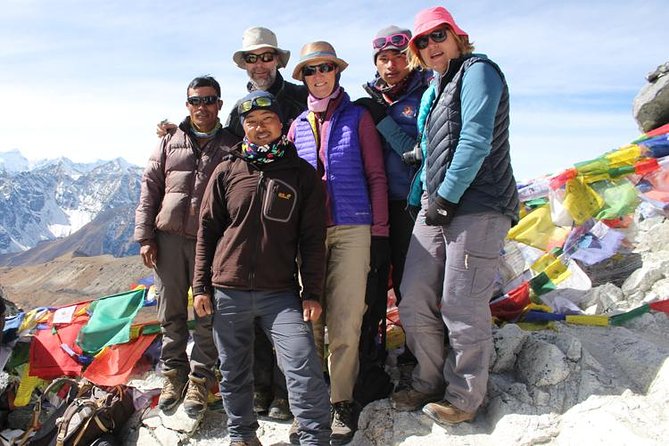
The strongest personal detail connected with this operator is the emphasis on guide support. Dhansingh and assistant PJ are names associated with successful Everest Base Camp groups, and their work has been described as patient, attentive, and willing to go beyond the basic job.
One particularly useful point is Dhansingh’s attention to a trekker who was afraid of heights. That matters on a route where steep paths, exposed sections, and suspension bridges can unsettle some people. You should still tell the company about concerns before departure, but a guide who watches your confidence as well as your pace can make a real difference.
The group size is private, though the exact number of people is not stated. One previous party connected with the operator had seven people, but you should not assume your group will be that size. Ask for the maximum party size and whether an assistant guide or porter is included for your booking.
The practical trade-offs
This is not a luxury trek. Tea-house accommodation, paid showers, extra charges for charging and Wi-Fi, and separate costs for drinks are all part of the mountain routine. If you want dependable comfort every night, this is not the right product.
The schedule is also tight. The program moves from Lukla to Base Camp and back within a short period, with six- and seven-hour walking days and no clearly listed rest day. That makes a moderate fitness level essential, and it gives you less spare time if weather or altitude causes a delay.
On the positive side, the route includes the main landmarks: Namche, Phortse, Dingboche, Lobuche, Gorakshep, Base Camp, Kala Patthar, Pheriche, and the return to Lukla. You get the classic route rather than a shortened visit that stops before the high country.
Service animals are allowed, and the meeting time is 6:15 a.m. The experience is near public transportation, though the included private transfers reduce the need to arrange local transport yourself. Confirmation is provided at booking, and the activity is non-refundable or changeable for personal cancellation.
Who should book this Everest trek?
I would point this trip toward someone who wants the classic Everest Base Camp route with the major transport and guide work arranged. It suits an active person who accepts basic lodging, long days, and the uncertainty of mountain weather.
It may also work well for a private group that wants familiar company and direct contact with one guide. The guiding stories linked with Dhansingh and PJ are encouraging, especially for people who want calm support rather than a rushed march.
I would be more cautious if you have limited walking experience, dislike early starts, need regular hotel comforts, or cannot allow flexibility around the Lukla flight. The itinerary does not list a spare day, so delays may put pressure on the schedule.
The cancellation rule is strict: the experience is non-refundable and cannot be amended for personal reasons. If poor weather forces the operator to cancel, you are offered another date or a full refund. That protection applies to weather cancellation, not a change of heart.
Should you book the 10 Days Everest Base Camp Trek?
Book it if you want a private, fully guided Everest route with Lukla flights, permits, tea houses, meals, and Kathmandu transfers wrapped into one price. The itinerary gives you Base Camp and Kala Patthar, while the local guide support can make the high trail feel less daunting.
Pause before booking if the 10-day title matters to you. The supplied schedule is actually 12 calendar days, and the fast progression leaves little room for delays or extra acclimatization. Confirm the exact day count, guide assignment, meal schedule, party size, and final airport transfer.
For a fit trekker who values the full Himalayan route more than comfort, $1,470 can be a fair starting price. Just budget for the many excluded extras and treat travel insurance, evacuation cover, and weather flexibility as essential parts of the trip.
FAQ
How long is the Everest Base Camp experience?
The title describes a 10-day trek, but the supplied day-by-day schedule runs from Day 1 through Day 12. Confirm the exact duration with the operator before booking.
What is the starting time?
The listed start time is 6:15 a.m.
Is the experience private?
Yes. Only your group participates in the activity. The exact group size is not stated.
What accommodation is included?
The package includes two nights in a Kathmandu hotel with breakfast and nine nights in tea-house accommodation in the mountains.
Are the Lukla flights included?
Yes. Both domestic flights are included, covering the journey between Kathmandu and Lukla.
Are meals included?
Ten lunches, 10 dinners, and 11 breakfasts are included. Extra meals and accommodation in Kathmandu are not included.
Is a guide provided?
Yes. The package includes one licensed trekking guide. Dhansingh and assistant PJ are names associated with the operator, but confirm who will lead your specific departure.
What is not included in the price?
Travel and evacuation insurance, tips, personal expenses, bottled drinks, boiled water, hot showers, electronic charging, trekking Wi-Fi, desserts, and larger hot drinks are not included.
What happens if bad weather cancels the experience?
If poor weather causes the operator to cancel, you are offered a different date or a full refund. Personal cancellations and amendments are non-refundable.
Latest treks added in Kathmandu
- Private Manaslu Circuit Trek at Himalayas★ 5.0 · 3 reviews
- Ghorepani Poonhill Trek★ 5.0 · 5 reviews
- Ghorepani Poon Hill Trek★ 5.0 · 16 reviews
- Upper Mustang Trekking★ 3.0 · 2 reviews
- Amazing 1 Day Trekking Experience in Kathmandu Nepal★ 5.0 · 24 reviews
- Upper Mustang Trekking★ 5.0 · 2 reviews
- Upper Mustang Trekking★ 5.0 · 4 reviews
- Upper Mustang Trek★ 5.0 · 5 reviews
Everest Base Camp Treks, compared.






Browse the lists this tour appears in