
REVIEW · SAPA
Red Dao Village Trek and Herbal Bath
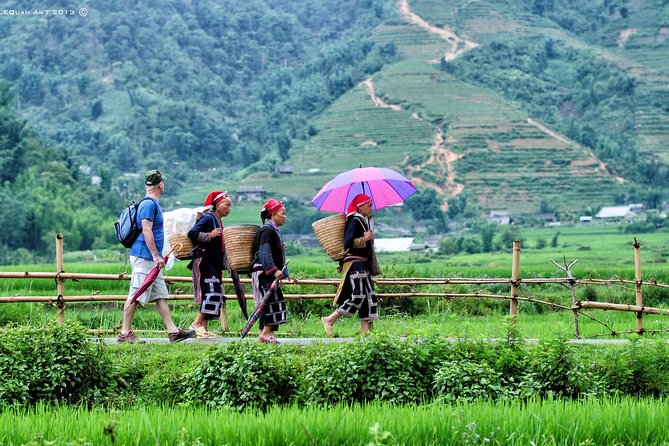
The best part of this outing is the walk out of Sapa’s tourist center and into the hills, where Black Hmong villages and Red Dao communities still shape the day-to-day setting. You pass terraced fields, bamboo forest, cornfields, and homes rather than simply stopping at a viewpoint for a quick photograph.
I like the local guide setup, especially the chance to ask direct questions about marriage customs, clothing, houses, and village life. I also like the lunch break, which can be a real highlight when it is served in a family setting with a broad view. The catch is simple: this can become a demanding walk of about 12 kilometers, and the herbal bath costs extra.
Key points at a glance
- Walk from Sapa into the hills: The route leaves the town on foot instead of relying on a long drive to the villages.
- Four village areas in one outing: You visit Suoi Ho, Ma Tra, Can Ho, and Ta Phin, each with a different local character.
- Black Hmong culture first: Look for traditional houses, indigo dyeing, embroidery, and weaving in Suoi Ho and Ma Tra.
- Red Dao traditions at Ta Phin: The guide explains houses, accommodation, marriage customs, and the use of herbal baths.
- A 12-kilometer possibility: One outing followed a demanding rice-field route, so good walking shoes and reasonable fitness matter.
- The bath is optional and extra: Bring cash and a change of clothes if you want to finish with the Red Dao herbal treatment.
Leaving Sapa behind on foot
The day begins with pickup at your hotel in central Sapa or at Sapa Church. The guide waits in the hotel lobby around 15 minutes before the scheduled time, then gives you a short briefing before setting off.
This start matters. You are not simply driven to a staged village entrance. The walk takes you away from Sapa’s busy center along a smaller road and into the surrounding hills. You get a gradual change from town streets to open fields, village paths, and mountain scenery.
The tour lasts about six hours, though the actual walking time can feel substantial. A 12-kilometer route was used on one outing, and the walk was described as demanding. I would treat the six-hour schedule as a full half-day outdoors, not as a gentle stroll with frequent vehicle transfers.
You receive 1.5 liters of water, a raincoat, an English-speaking local guide, and transport back to Sapa from the final village. That is useful in a mountain area where weather can change quickly, but you should still bring sunscreen, a hat, comfortable clothes, and sturdy footwear.
More Homestay Treks in Sapa
- Number one top rated ethical cultural trekking and homestay by ETHOS
★ 5.0 · 456 reviews - Sa Pa: 2-Day Trekking Trip with Ethnic Minority Homestay
★ 4.7 · 145 reviews - Sapa : 2-Day Trek & Heartwarming Homestay with an Ethnic Family
★ 5.0 · 143 reviews
Suoi Ho and the first Hmong views
Suoi Ho is a small Black Hmong village on a hill above a stream and rice fields. The setting gives you the first wide view across the valley, with homes and cultivated slopes arranged below the walking route.
This is where the cultural side of the outing begins in a practical way. You may see Hmong women embroidering, working with indigo dye, or weaving cloth. These are not abstract museum displays. The guide can explain how traditional clothing and textile work fit into village life.
I like this stop because it gives the scenery some meaning. Terraced fields are pleasant to photograph, but the view becomes more interesting when you understand that the terraces are working farmland and that the cloth-making traditions connect to family and community life.
The village can also feel quiet. That may be exactly what you want, but do not expect a nonstop program of demonstrations or a crowded market. The available account of this outing noted that the villages were fairly deserted at the time of the visit. Conditions can vary, but the tour is better for observation and conversation than for constant activity.
Ma Tra and the Ma family tradition
From Suoi Ho, the route continues toward Ma Tra, a traditional village associated with the Ma family community. The residents are also Black Hmong, yet the area keeps its own customs and local identity.
That distinction is useful. Sapa’s ethnic communities are often grouped together in broad descriptions, but village traditions can differ from one community to another. At Ma Tra, the guide helps you notice the traditional houses, the family setting, and the way local identity continues within a wider Black Hmong culture.
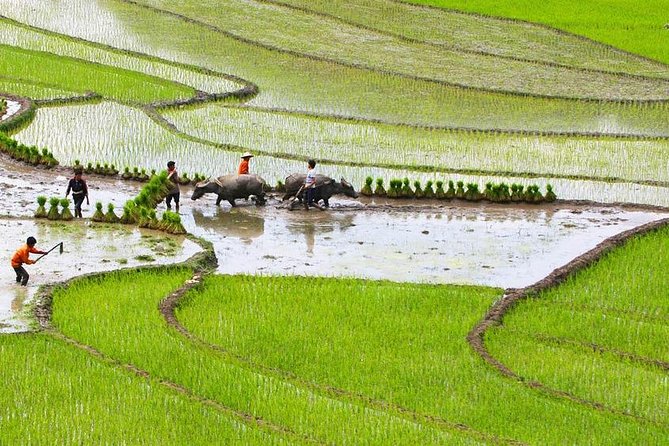
The walking route around Ma Tra brings you through more terraced fields. Depending on the season, the colors and amount of water in the fields can change, so the exact view will not be identical from one visit to the next. The important point is that the scenery is part of a working rural area, not just a viewpoint built for tours.
You should also expect uneven paths and slopes. A route through rice fields can be tiring even when the distance looks manageable on a map. If you are not used to several hours of walking, take the guide’s pace seriously and keep water within reach.
Lunch near Can Ho
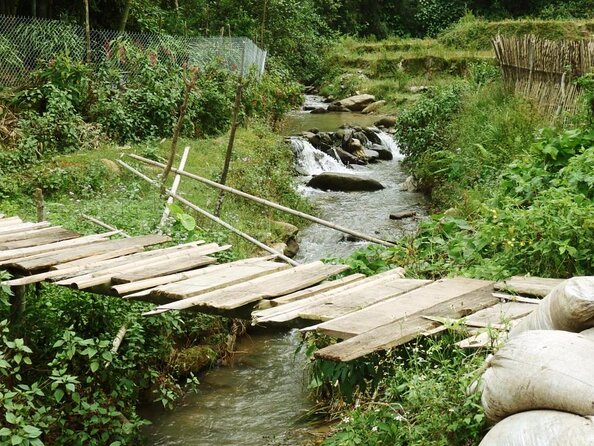
Can Ho is a small village along the route and the planned lunch stop. Lunch is included, with food served at a local restaurant. On one outing, lunch with a family and a wide view became one of the day’s strongest moments.
That setting is part of the value. A meal away from Sapa gives you a pause in the walk and a chance to ask questions without trying to talk while climbing a hill. It also adds a more personal feel than returning to town for a standard restaurant meal halfway through the day.
The exact food is not specified, so do not book this expecting a particular menu. If you have dietary needs, ask the operator before departure. Extra drinks along the way are not included, and the safest plan is to carry enough cash for anything beyond the supplied water and lunch.
More Homestay Treks in Vietnam
- Sapa Valley Trek and Homestay – 3D2N
★ 5.0 · 105 reviews - 2 days authentic trekking tour in Sapa ( Homestay – Less touristy )
★ 5.0 · 68 reviews - From Sapa: 2 Days 1 Night Trek Over Night At Homestay
★ 5.0 · 68 reviews - 3-Day Trek in Amazing Muong Hoa Valley & ethnic Homestay
★ 5.0 · 49 reviews
Through bamboo forest and fields to Ta Phin

After lunch, the route continues through cornfields, bamboo forest, and more terraced fields before reaching Ta Phin. This section is likely to feel like the most rural part of the day, with the path connecting small settlements rather than following a simple road.
The bamboo forest adds shade and variety, while the open fields bring back long views. You will want shoes with a good grip, especially if the path is wet. The tour supplies a raincoat, but you should still protect your phone and camera from sudden rain.
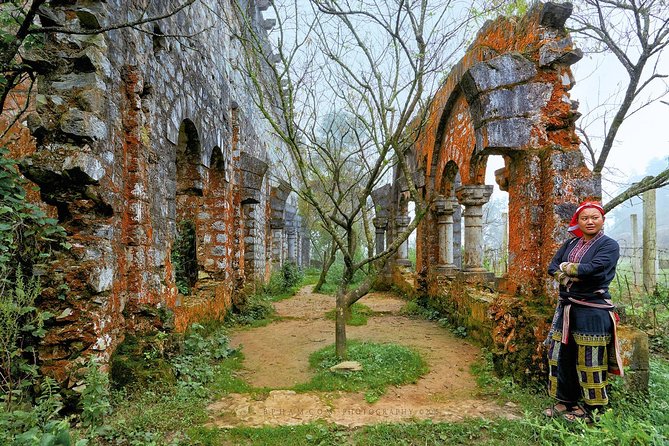
Ta Phin is home to both Red Dao and Black Hmong people. The community is known for its colorful clothing and for the Red Dao customs that the guide discusses during the visit. The subject matter includes traditional houses, accommodation, and marriage customs.
This is where the guide’s local background matters most. Sapa Trekking Hiking Tours uses Hmong and Red Dao guides, and the tour is run by an ethnic-minority-owned local business. You are not just looking at a village from outside. You have a better chance of getting explanations grounded in local life, provided you ask questions and allow time for conversation.
Understanding Red Dao customs
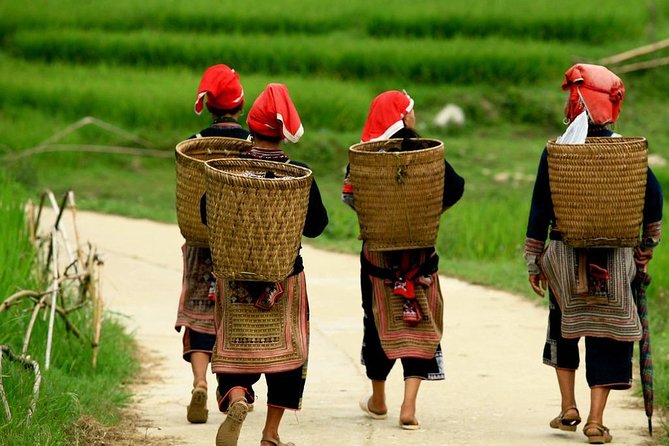
The cultural explanations are a major reason to choose this tour over a simple scenic hike. You learn about Red Dao and Black Hmong traditions, including marriage customs and the ways homes and family life are organized.
The tour does not promise a staged performance, and that is a strength for some people. The day is built around walking through communities and listening to the guide rather than watching a fixed cultural show. If you want polished entertainment, this may feel quiet. If you want context for what you see, it is a better fit.
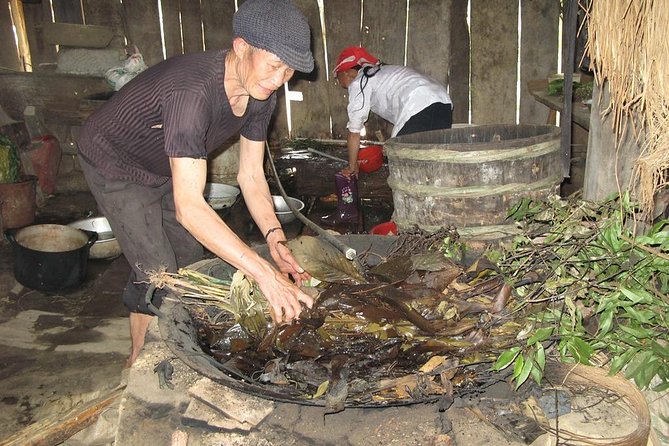
The village visit also helps explain why Ta Phin is associated with herbal bathing. The Red Dao herbal bath is a traditional remedy made and used locally. The guide explains its uses, but the bath itself is not included in the $38 price.
The optional Red Dao herbal bath
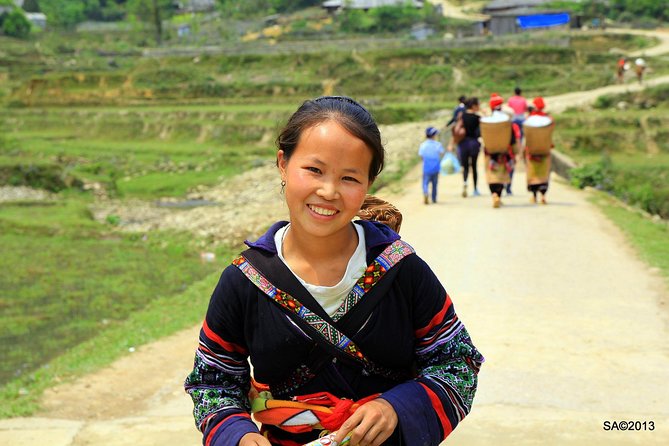
Before returning to Sapa, you can pay separately to take an herbal bath in a Red Dao home. This is not a minor footnote. It is the signature add-on, and you should budget for it if the bathing experience is central to your plans.
Bring a change of clothes. You may also want a small bag for wet items. The price is not provided, so ask before entering the bath and carry cash. Personal insurance, extra drinks, and tips for the guide or driver are also outside the tour price.
I like the fact that the bath is optional. Not everyone wants a traditional herbal treatment after a long walk, and some people will prefer to return to Sapa without paying for another activity. On the other hand, anyone booking this mainly for the bath should know that the walk and village visits come first, while the bath is an extra at the end.
What $38 includes
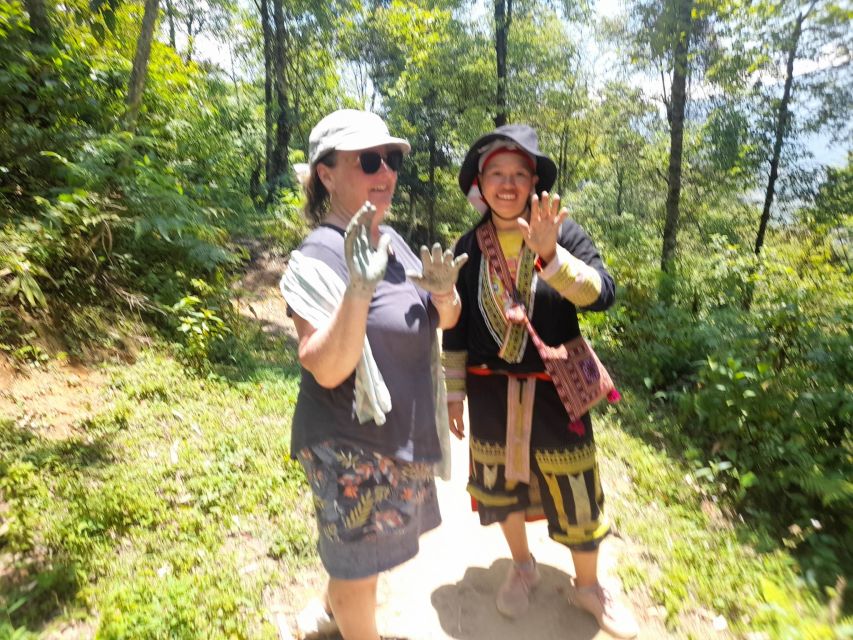
At $38 per person, the price is reasonable if you want a private, locally guided half-day with lunch and return transport. You are paying for more than a short photo stop: the route links several village areas, includes an English-speaking guide, covers village entry fees, supplies water and a raincoat, and gets you back to Sapa from the final village.
The value is strongest for people who want cultural explanation along with scenery. Hiring a guide who can discuss Hmong and Red Dao customs gives the terraces, homes, and textiles more meaning than walking the same hills alone.
The price is less complete than it may first appear. The herbal bath is extra, drinks beyond the provided water are extra, and tips are not included. The tour does not include transportation from Hanoi to Sapa, though the operator can arrange that separately if needed.
Because this is a private group, you are not tied to a large shared party. That can make questions easier and may help the guide adjust the pace within the fixed schedule. It does not remove the physical demands of the route.
Fitness, footwear, and practical preparation
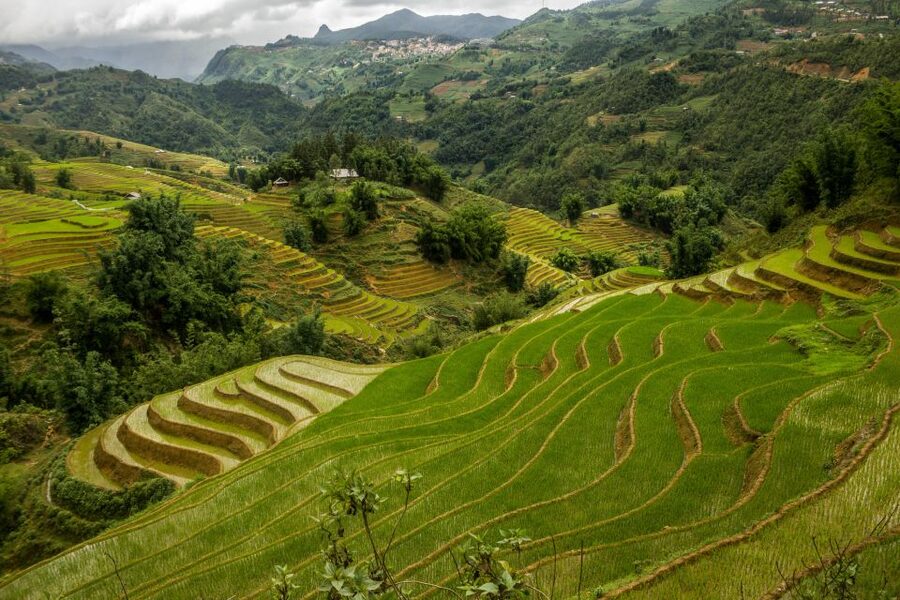
You do not need specialist climbing equipment, but you do need to be comfortable walking for several hours on uneven village paths, hills, fields, and forest tracks. The 12-kilometer account is the clearest warning: this is not suitable for people with mobility impairments, and it is not accessible for wheelchair users.
Wear comfortable shoes with traction. Comfortable clothes, a hat, sunscreen, and cash are listed as useful items. I would add a small day bag and keep the supplied water easy to reach.
Do not bring oversize luggage. This is a walking outing, not a transfer service for large bags. Your hotel can hold larger luggage while you take only what you need for the day.
Weather is another practical concern. Sapa’s hills can be wet and slippery, and the operator provides a raincoat for each person. That helps, but a raincoat does not make a poor pair of shoes suitable for a long route.
Who will enjoy this Sapa trek?
I would recommend this outing to you if you want a full half-day outdoors, prefer a private group, and care about meeting local guides from Hmong and Red Dao communities. It works especially well for people who want a combination of scenery, village life, textile traditions, and cultural explanation.
It is also a good choice if you prefer a route with several distinct stops instead of one village visit. Suoi Ho, Ma Tra, Can Ho, and Ta Phin create a sense of progress, and the scenery changes from hill views to fields, bamboo, and village paths.
I would be cautious if you want an easy walk, a guaranteed busy village atmosphere, or an included herbal bath. The physical effort is real, the villages may be quiet, and the bath costs extra. A private guide can improve the day, but cannot turn a 12-kilometer hill route into a relaxed stroll.
The tour has a 4.7 rating from three published ratings, but that is a small sample. The strongest praise centers on the friendly guide, clear explanations, beautiful nature, and the lunch setting. The main concerns are the demanding route, the extra cost of the bath, and quiet villages during one visit.
Should you book the Red Dao Village Trek?
Book it if you want to walk from Sapa into Hmong and Red Dao country, learn about local customs from an English-speaking guide, and accept a serious half-day hike. The combination of Suoi Ho textiles, Ma Tra traditions, Can Ho lunch, Ta Phin culture, and mountain scenery gives you plenty for the $38 cost.
Skip it if you need easy access, dislike uneven paths, or are choosing it only for the herbal bath. In that case, confirm the bath price and walking expectations before paying. For fit walkers who want local contact rather than a quick bus tour, this is a strong Sapa option, with the honest warning that the best views come with tired legs.
FAQ
How long does the Red Dao Village Trek and Herbal Bath take?
The activity lasts about six hours. Starting times depend on availability.
Where does pickup take place?
Pickup is available from hotels in central Sapa or from Sapa Church. If your hotel or homestay is outside central Sapa, you should meet the guide at Sapa Church.
Where does the tour finish?
The tour returns to Sapa. Transport back to Sapa from the final village is included.
Which villages does the route visit?
The route includes Suoi Ho, Ma Tra, Can Ho, and Ta Phin. Suoi Ho and Ma Tra are associated with Black Hmong communities, while Ta Phin is home to Red Dao and Black Hmong people.
Is the herbal bath included in the price?
No. The herbal bath at a Red Dao home is optional and must be paid for separately.
How much does the tour cost?
The listed price is $38 per person. The herbal bath, extra drinks, travel insurance, and tips are not included.
Is lunch included?
Yes. Lunch at a local restaurant is included. Extra drinks along the route are not included.
Is the trek suitable for people with mobility impairments?
No. The activity is not suitable for wheelchair users or people with mobility impairments. One outing followed a demanding route of about 12 kilometers.
What should I bring?
Bring comfortable shoes, comfortable clothes, cash, a hat, sunscreen, and a change of clothes. Do not bring oversize luggage.
More Homestay Treks in Sa Pa
- Muong Hoa Valley Trek & Homestay Experience – 4D3N
★ 5.0 · 42 reviews - Private Hoang Lien National Park & Tribal Village Trek
★ 4.7 · 30 reviews - Sapa: 2-Day Local Guided Valley Trek with Night Homestay
★ 5.0 · 27 reviews - Sapa: Ta Phin Village Trek & Red Dao Herbal Bath
★ 5.0 · 22 reviews
Latest treks added in Sa Pa
- Soob Sapa Trekking Tour★ 4.3 · 3 reviews
- Sapa: Y Linh Ho – Lao Chai, and Ta Van Trekking Day Tour★ 5.0 · 25 reviews
- Sapa Trekking – Waterfalls And H’mong Villages★ 5.0 · 2 reviews
- Sapa Trekking Private Tour With Ethnic Female Tour Guide★ 4.9 · 24 reviews
- Sapa: Ta Phin Village Trek with Lunch and Bathing Experience★ 4.7 · 13 reviews
- Sapa Trekking Guide Francophone 2 days – 1 night★ 5.0 · 2 reviews
- Sapa: Trekking Through Terraced Rice Fields & Valley 1 Day★ 4.8 · 4 reviews
- Sapa small groupe activities: 1 Day trek – Meet the locals★ 4.7 · 3 reviews
Homestay & Village Treks, compared.
Number one top rated ethical cultural trekking and homestay by ETHOS
Read our review →
2-Day Sa Pa Ethnic Homestay Tour & Trek with Limousine Bus
Read our review →
Sapa 3 Day 2 Night Trekking With Hotel & Homestay
Read our review →
Sapa 2 Days 1 Night Overnight At Local Homestay
Read our review →
2-Day Trekking Trip with Ethnic Minority Homestay
Read our review →
2-Day Trek & Heartwarming Homestay with an Ethnic Family
Read our review →Browse the lists this tour appears in