
REVIEW · KATHMANDU
Millennium Homestay Trek
The best part of the Millennium Homestay Trek is its close look at rural Nepal. Instead of following the crowded routes toward Everest or Annapurna Base Camp, you walk through more than 30 villages, sleep in family homes, and meet people from more than 10 ethnic groups. The trail reaches only about 6,500 feet, but it still serves up steep climbs, mountain views, rivers, caves, and long walking days.
I like the homestays and local meals, which put daily village life at the center of the trip. I also like the unusual stops: a waterfall-filled cave, a Shaman ceremony, a Newari village, and a Tibetan refugee settlement. The main caution is effort. Several days run close to 10 hours, and the repeated climbs can be hard even at lower altitude.
Key points to know before booking
- 30-plus villages: You pass through small communities rather than staying on a well-worn mountain route.
- Family homestays: Nights in Bankewa, Kolma, and other villages bring direct contact with local households.
- Low altitude, real exertion: The route avoids extreme altitude but includes steep uphill and downhill walking.
- Millennium Cave: Expect a cave with waterfalls, followed by a demanding climb toward Kolma.
- Ten or more ethnic groups: Gurung, Magar, Newari, Tibetan, and other communities shape the trip.
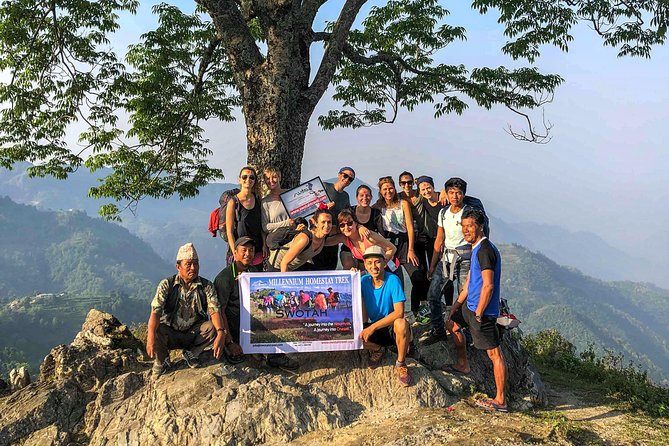
- Small group size: The maximum is 10 people, useful on narrow village paths and during homestay visits.
Why this Nepal trek feels different
Nepal has famous trekking routes, but the Millennium route offers a quieter kind of mountain experience. You are not chasing a high pass or base camp. Instead, the point is the human setting: stone paths, farming villages, river crossings, shared meals, and time with families who do not run large mountain lodges.
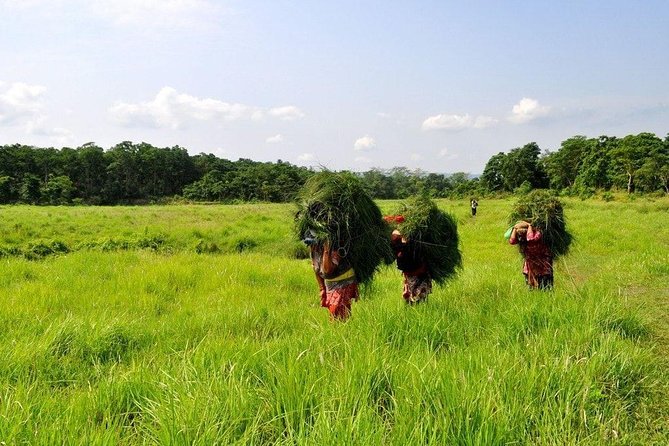
That makes this a cultural trip as much as a walking trip. You may see children heading to school, villagers working around their homes, and hosts preparing familiar Nepali food. The program describes contact with more than 10 ethnic groups in a fairly compact area, which gives the trek unusual cultural range.
The route is also a sensible choice if you want mountain scenery without the altitude associated with the major Himalayan treks. The highest point mentioned in the available details is roughly 6,500 feet. That reduces altitude concerns, but it does not turn the walk into an easy stroll. The hills still rise and fall sharply, and several days involve about 10 hours of activity.
More Homestay Treks in Kathmandu
- Hanoi – Sapa 2 Days 1 Night Overnight At Homestay
★ 5.0 · 899 reviews - From Hanoi: 2-Day Sapa Trekking Trip with Homestay & Meals
★ 4.8 · 704 reviews - Number one top rated ethical cultural trekking and homestay by ETHOS
★ 5.0 · 456 reviews
Kathmandu begins with temples and old city streets
Your trip starts at Tribhuvan International Airport, where a representative meets you and transfers you to your hotel. The first evening includes a traditional dinner and a discussion of the schedule. That is useful because the itinerary includes several long road transfers and changing types of accommodation.
Kathmandu Durbar Square provides the first major cultural stop. You have about two hours there, with admission included. The square gives you an immediate introduction to Nepalese art, temples, courtyards, and royal architecture. It is a concentrated first look at the country before you leave the urban center.
A full sightseeing day includes Swoyambhu Mahachaitya, better known as the Monkey Temple, along with other cultural sites in Kathmandu Valley. The program notes the valley’s seven UNESCO World Heritage Sites, though the exact number visited can vary with timing and traffic.
Kathmandu traffic can be tiring, especially after an international flight. Keep your first day flexible and do not expect a quiet start. The reward is a quick shift from airport roads to centuries-old religious and civic spaces.
The road to Pokhara is scenic but long
After breakfast, you drive from Kathmandu to Pokhara for roughly six to seven hours. The road follows the Trishuli River and passes villages, hills, and changing views of rural Nepal. It is a useful transition from city sightseeing to the walking portion of the program.
The drive is not a minor detail. In Nepal, road distances can take much longer than the map suggests, and this transfer uses a large part of the day. Once in Pokhara, you have time to stroll around Lakeside and prepare for the trek.
Pokhara is a pleasant staging point. Its lakefront restaurants, hotels, and mountain views give you a softer landing before the rural portion begins. You also return here near the end, with a sightseeing day that includes the Pokhara Museum and other city attractions.
Bankewa introduces the homestay style
From Pokhara, you travel toward Khairenitar Bazaar, about 28 kilometers away, by bus or car depending on group size. From there, the walking begins toward Bankewa, with a route passing through Udendhunga.
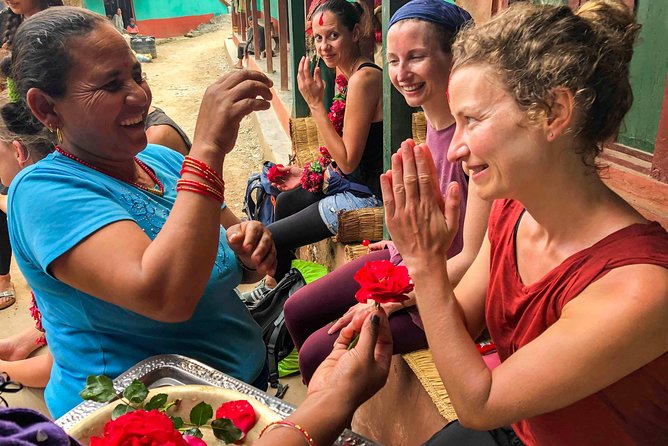
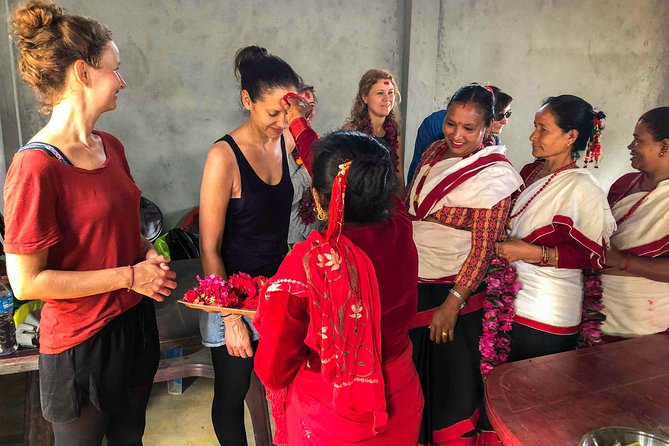
The first homestay is important because it sets expectations. You are not checking into a standard hotel with a fixed tourist routine. You are entering a village home, taking part in a welcome program, and observing ordinary community life.
The available details describe homestay rooms as private and clean, but you should still expect simple conditions rather than hotel service. Facilities and room arrangements may differ from one family to another. A light bag, modest clothing, and patience with local routines will help.
This is also a good point to begin asking questions. Hosts may have limited English, so your guide becomes the bridge between you and the family. Guides named in the program and past arrangements include Rajkumar, Kumar, Temba, Tek, Surya, Chandra, and others, though the person assigned to your departure may differ.
More Trekking Tours in Kathmandu
- Everest Base Camp Trek – 14 Days
★ 5.0 · 1,499 reviews - Everest Base Camp Trek
★ 5.0 · 842 reviews - Everest Base Camp Trekking
★ 5.0 · 485 reviews - Annapurna Circuit Trek with Tilicho Lake
★ 5.0 · 368 reviews
Rivers, prayers, and a Shaman show at PyuriDobhan
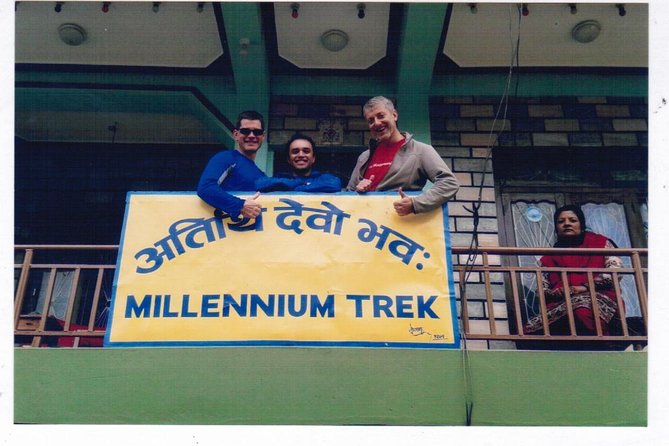
The next walking day follows a route that is often downhill or fairly level at first. You pass mountain views, village scenery, stone paths, and occasional motor roads. After crossing a bridge, the trail follows the clean Surdaudi River toward PyuriDobhan.
PyuriDobhan is described as a holy meeting point for three rivers. The religious setting adds meaning to what might otherwise be just a pleasant river walk. In the evening, you attend a Shaman show and evening prayers.
This is one of the trip’s more unusual cultural experiences. It is best approached with respect and curiosity rather than as a performance arranged only for outsiders. Your guide can explain the role of the ceremony and help you understand what is happening.
The day is listed at about 10 hours, including hiking, the Shaman show, and prayers. Even if the walking itself feels manageable, the length can make the day tiring. Start with a good breakfast, carry water, and do not underestimate the need for rest when you arrive.
Gurung villages bring the steepest early climb
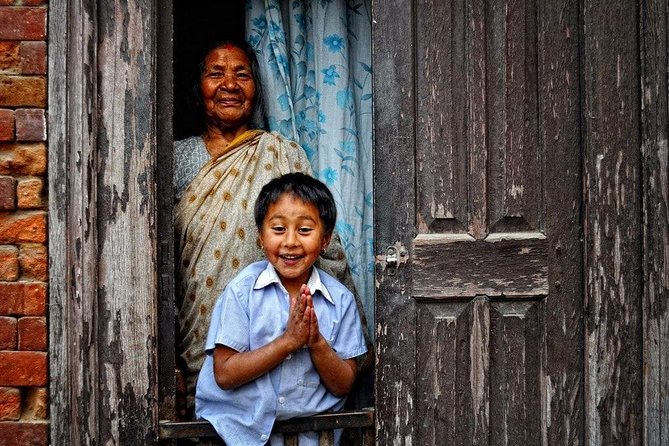
The route climbs through small villages toward Gurunghe Hill. You begin with a local breakfast, then tackle steep mountain paths. Lamagaon offers a chance to see Gurung village life, followed by lunch and a descent toward Gharedi.
Gharedi is described as one of the larger villages in the area. That makes it a useful place to see how communities connect across the surrounding hills. The day is listed at about five hours, shorter than some of the other walking days, but the steep ascent can still test your legs.
This is where the route’s lower elevation can fool you. You will not be dealing with the thin air found on high Himalayan treks, yet steep grades and uneven paths still demand reasonable fitness. The program is best for someone who can walk uphill for several hours and manage consecutive active days.
Millennium Cave rewards the climb to Kolma
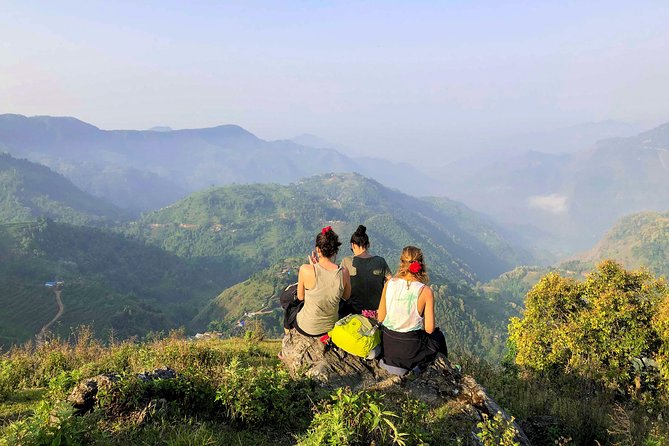
The walk toward Millennium Cave begins after breakfast. The cave includes waterfalls, giving this stop a strong natural appeal without requiring a high-altitude expedition. After spending time there, you climb toward Kalkhu and continue to Kolma.
The ascent to Kolma is described as one of the harder walking days. The payoff comes at the viewpoint, where village roofs and Himalayan views spread below you. This is the kind of route where the final climb may feel long, but the view gives the effort a clear purpose.
Plan your camera and phone battery carefully here. The scenery changes from enclosed village paths to broader mountain views, and this is likely to be one of the best photo days. Still, do not count on every trail section being easy to photograph while walking. Uneven footing and steep sections deserve your full attention.
Newari food and village life near Rangrung
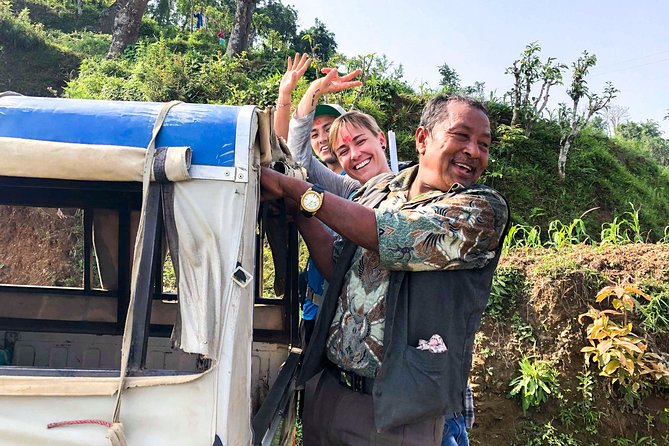
From Kolma, the path continues toward Rangrung, passing smaller villages and open views. You also visit or observe Thulo Hattiya and spend time in a Newari village.
Newar culture is strongly associated with the Kathmandu Valley, so seeing Newari traditions in a rural setting adds variety to the trek. The program specifically highlights traditional Newari cuisine. Food is a meaningful part of this experience because meals are not simply fuel between walking stages. They connect you to the households and communities hosting you.
The schedule lists two Rangrung entries with similar descriptions. That suggests the actual route or overnight arrangement may be adjusted, or that one day has been repeated in the published plan. Ask for the final day-by-day schedule before you pay, especially if you need to know exactly where you sleep each night.
One practical point deserves attention: local food can be simple and repetitive. Most meals are described as authentic Nepali cooking, and one comment specifically noted that the same meals appeared on several days. If you have dietary restrictions, tell the company in advance and ask what substitutions are realistic in village homes.
A Tibetan camp adds another layer of culture
The route then drops toward the Kyangdi River. After crossing it, you continue to Lalim village and enter a Tibetan camp. The program describes it as one of five Tibetan camps in Nepal, established for Tibetans who arrived as refugees after the Chinese invasion of Tibet.
This stop broadens the trip beyond the hill communities you have already visited. You see how a displaced community developed a new life in Nepal, with its own customs and social setting. Your guide’s explanation will matter here, since a short visit cannot convey the full background on its own.
After the camp, you cross the Seti gorge and see a rock garden. From the Dulegaunda highway, you take a bus or jeep back toward Pokhara. The walking ends on this day, which will be welcome after the long route through hills and villages.
Pokhara gives you a softer finish
Back in Pokhara, you have a full day for sightseeing. The program includes the Pokhara Museum and describes the city through its lakes, mountain views, caves, and Lakeside nightlife.
This is a useful recovery day after the trek. You can walk at an easier pace, revisit the lakefront, and let your legs recover before the drive to Kathmandu. The city is more developed and tour-focused than the villages, so the contrast is sharp. That contrast is part of the appeal, but it may feel like a return to ordinary tourism after the homestays.
The final road trip to Kathmandu takes about seven to eight hours by deluxe coach or jeep, depending on group size. It follows the Trishuli River and passes through picturesque villages. An airport transfer is arranged for your departure, with airport check-in advised three hours before the flight.
What the $1,500 price means
The listed price is $1,500 per person for approximately 13 days. That is not a bargain-basement village trek, but the length and range of services help explain the cost. The program combines airport pickup, Kathmandu sightseeing, long road transfers, Pokhara stays, guided walking, homestays, cultural visits, and departure support.
Do not assume every personal expense is covered. The supplied details identify admission tickets and transportation arrangements, but they do not clearly spell out every meal, hotel category, porter service, drinks, tips, or optional activity. Ask for a written list of inclusions before booking.
The value is strongest if you want a planned cultural route rather than a simple point-to-point trek. You are paying for coordination across many villages, several types of transport, local hosts, and a guide team. If your main goal is dramatic high-mountain scenery or a cheap walking holiday, another Nepal itinerary may suit you better.
Who should book this trek
I would point this trip toward a reasonably fit person who values local contact over polished facilities. It can suit families if the pace is adjusted, and one arrangement successfully included children aged five, seven, and nine. It has also worked for older walkers, including a group over age 65, but fitness and pacing still matter.
The route may also suit anyone recovering from an injury only if the company agrees to adjust the plan. One past arrangement changed the travel pace for a participant with a hip injury, but you should not assume that every route section can be shortened.
You should be comfortable with:
- Long days that may reach 10 hours
- Steep uphill and downhill walking
- Simple homestay conditions
- Local Nepali meals, sometimes repeated
- Long drives between Kathmandu and Pokhara
- A small amount of schedule flexibility
The maximum group size is 10, which is a useful limit for village visits and family homes. Smaller groups can also make it easier to speak with hosts and adjust the pace.
Should you book the Millennium Homestay Trek?
Book it if your ideal Nepal trip includes home cooking, village conversations, mountain scenery, and cultural variety more than famous trail names. The cave, Shaman ceremony, Newari village, Gurung communities, and Tibetan camp give the route a distinctive shape.
Think twice if you want reliable hotel comforts, short walking days, or a perfectly fixed schedule. The itinerary contains a repeated Rangrung entry and does not spell out every cost, so ask questions before committing.
Cancellation is free up to 24 hours before the start time. Inside that window, there is no refund. Poor weather or failure to reach the minimum group size can lead to a new date, a different experience, or a full refund. For a route this dependent on roads, trails, and village arrangements, that policy is worth understanding.
FAQ
How long is the Millennium Homestay Trek?
The full experience lasts approximately 13 days. It includes Kathmandu, Pokhara, the village trek, a return to Pokhara, and the drive back to Kathmandu.
Where does the experience start?
The listed meeting point is Tribhuvan International Airport in Kathmandu, Nepal. The stated start time is 6:15 am.
How many people can join the group?
The maximum group size is 10 people.
Is airport pickup available?
Yes. Pickup is offered from Tribhuvan International Airport, and an airport transfer is also arranged at the end of the trip according to your flight schedule.
Does the route reach high altitude?
The route stays much lower than Everest Base Camp or Annapurna Base Camp treks. The supplied details place the highest walking area at about 6,500 feet, but the trail still includes steep climbs.
What kinds of cultural stops are included?
The program includes Kathmandu Durbar Square, Swoyambhu Mahachaitya, a Shaman show and evening prayers, Gurung and other ethnic villages, a Newari village, Millennium Cave, and a Tibetan camp.
Can I cancel for a full refund?
You can receive a full refund if you cancel at least 24 hours before the experience start time. Cancellations within 24 hours are not refunded. If poor weather or an insufficient group size forces the operator to cancel, you are offered another date, another experience, or a full refund.
Latest treks added in Kathmandu
- Ghorepani Poon Hill Trek★ 5.0 · 16 reviews
- Private Manaslu Circuit Trek at Himalayas★ 5.0 · 3 reviews
- Ghorepani Poonhill Trek★ 5.0 · 5 reviews
- Upper Mustang Trekking★ 3.0 · 2 reviews
- Amazing 1 Day Trekking Experience in Kathmandu Nepal★ 5.0 · 24 reviews
- Upper Mustang Trekking★ 5.0 · 2 reviews
- Upper Mustang Trek★ 5.0 · 5 reviews
- Upper Mustang Trekking★ 5.0 · 4 reviews
Homestay & Village Treks, compared.
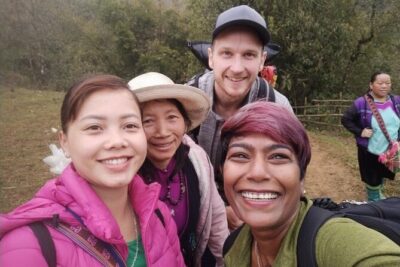
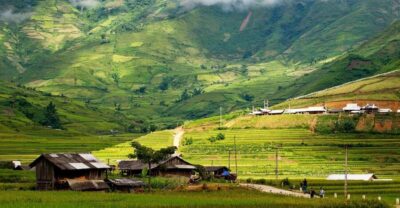
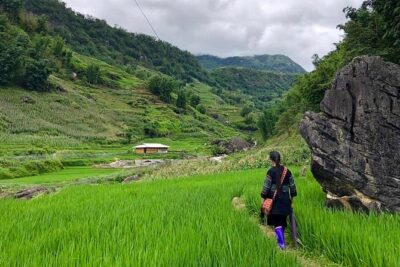
Number one top rated ethical cultural trekking and homestay by ETHOS
Read our review →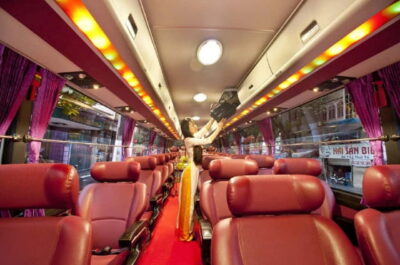
2-Day Sa Pa Ethnic Homestay Tour & Trek with Limousine Bus
Read our review →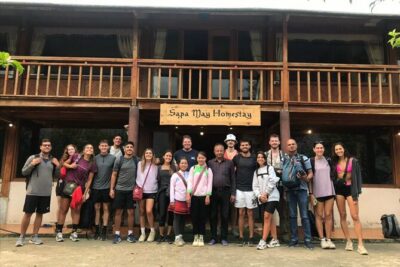
Sapa 3 Day 2 Night Trekking With Hotel & Homestay
Read our review →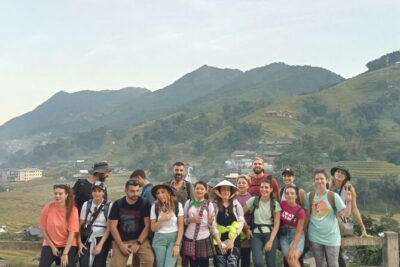
Sapa 2 Days 1 Night Overnight At Local Homestay
Read our review →
2-Day Trekking Trip with Ethnic Minority Homestay
Read our review →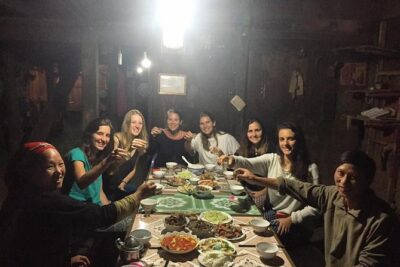
2-Day Trek & Heartwarming Homestay with an Ethnic Family
Read our review →Browse the lists this tour appears in