
REVIEW · SAPA
AUTHENIC 2D1N Trek & Bungalow Retreat with Dinh Hmong Family
The best part of this Sapa trip is the mix of terraced rice fields and real village life. Dinh, a Hmong guide from the area, leads you from Sapa into Muong Hoa Valley, then brings you home to meet her family, cook dinner, and spend the night in Ta Van.
I like the personal touch of learning about Hmong marriage customs and local farming rather than simply walking from one viewpoint to another. I also like the value: $48 covers two days, four meals, a homestay, village fees, guiding, water, and the ride back to Sapa. The main caution is the walking. Eighteen kilometers over steep, uneven paths is a moderate hike, not a gentle village stroll.
Key points
- Hmong-led cultural experience: Dinh and her sister share their own family traditions and local knowledge.
- Muong Hoa Valley on foot: Walk through Y Linh Ho, Lao Chai, and Ta Van, with rice terraces and mountain views.
- Family homestay in Ta Van: Expect a simple, clean, cozy stay with basic facilities and a peaceful setting.
- Hands-on evening: Help cook a traditional meal, meet local children, and join in a Hmong-style family gathering.
- Bamboo forest and waterfall: Day two includes Giang Ta Chai waterfall, with time to swim if conditions suit you.
- Strong value at $48: Meals, guiding, entry fees, water, overnight lodging, and return transport are included.
Why this Sapa trek feels personal
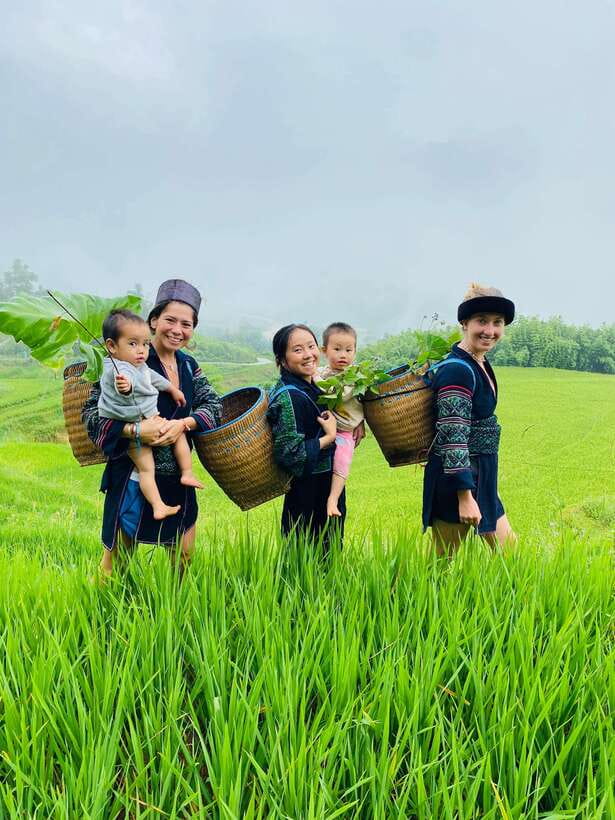
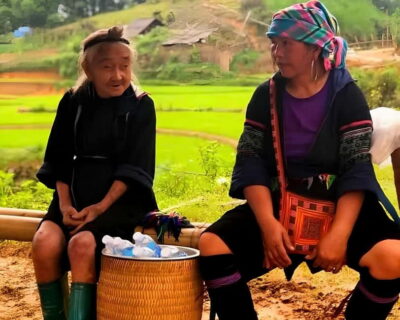
Many Sapa excursions focus on getting you to a viewpoint, taking a few photos, and returning to town. This one gives the trip more of a human center. Dinh is not simply a walking guide. She is a local Hmong woman introducing you to her family, her community, and the customs that shape daily life in the mountains.
You can expect Dinh and her sister to meet you at your Sapa hotel or near the main church at 9:00 AM. After a short introduction, the route leaves town and heads downhill toward Y Linh Ho. That start matters. You move quickly from Sapa’s busy streets into quieter paths and farming country.
Dinh also speaks English and Vietnamese, so you can ask questions as you walk. The cultural side is strongest when she explains differences between the Hmong and Giay communities, points out seasonal farm work, and talks about Hmong marriage traditions. These details help you understand the villages as lived-in communities, not just scenic stops.
More two-day treks in Sa Pa
- EXPLORE SAPA: 2D1N TREKKING & HMONG CULTURE WITH DINH
★ 4.9 · 191 reviews - Sa Pa: 2-Day Trekking Trip with Ethnic Minority Homestay
★ 4.7 · 145 reviews - Sapa : 2-Day Trek & Heartwarming Homestay with an Ethnic Family
★ 5.0 · 143 reviews
Day one: from Y Linh Ho to Ta Van
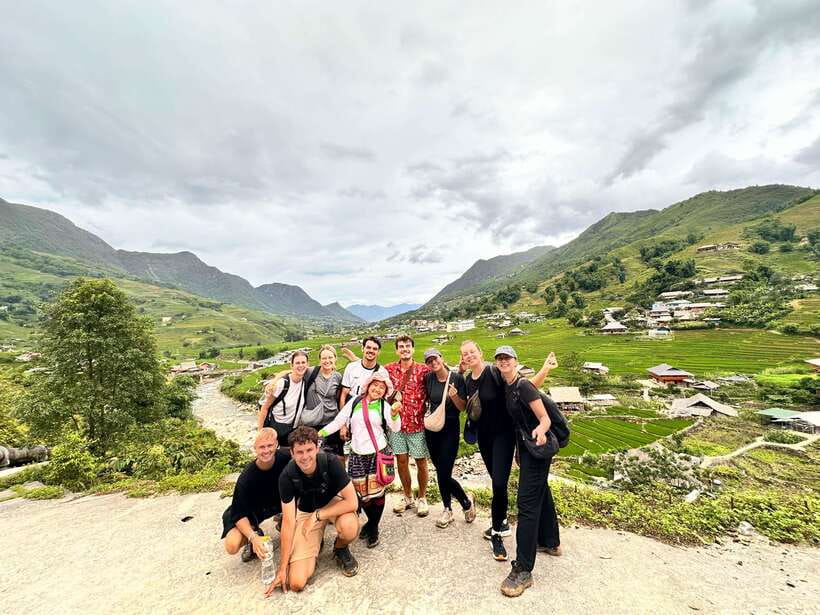
The first day covers about 9 to 12 kilometers and takes roughly five and a half hours. The route is not a race. You will have stops for photos, conversation, lunch, and breaks, but the terrain still demands care.
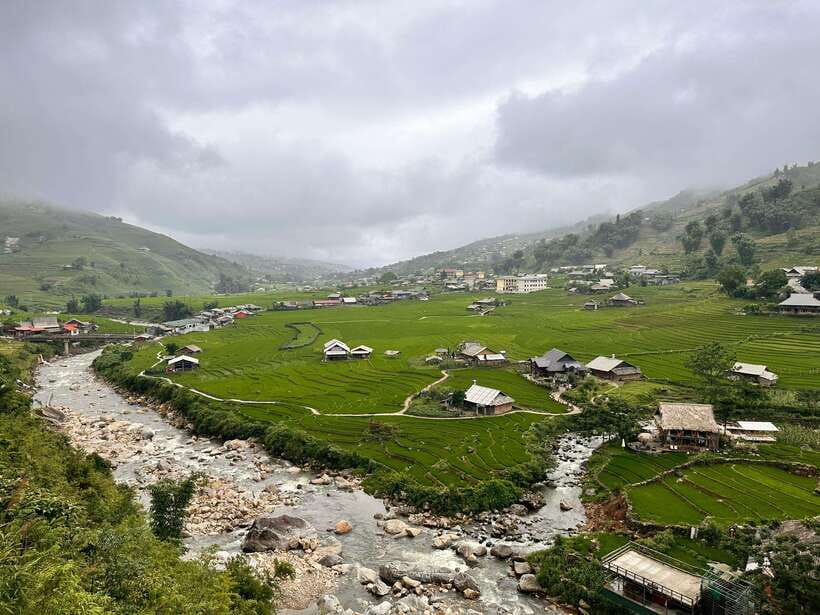
The path to Y Linh Ho gives you an early look at the famous Sapa rice terraces. Depending on the season, the fields may be bright green, freshly planted, golden with ripening rice, or partly harvested. The scenery changes throughout the year, so there is no single best month for the walk.
You should expect some steep and uneven ground. Paths can feel slippery after rain, and comfortable shoes with a firm sole are more useful than fashionable trainers. Bring sunscreen, a hat, snacks, and a camera, but keep your hands free when the trail becomes rough.
Lunch comes at a small restaurant run by a local Hmong family. This is a useful middle point in the walk, since you can eat a proper meal rather than relying on snacks. Two lunches are included in the price, along with dinner and breakfast, but drinks beyond the supplied water cost extra.
After lunch, the route continues toward Lao Chai. This is one of the oldest and largest Hmong villages in the area, and it gives Dinh plenty of room to explain local life. You may see people working in the fields, depending on the season, and the walk helps connect the mountain scenery with the work needed to maintain it.
From Lao Chai, you continue to Ta Van, where Hmong and Giay communities live. This section is especially useful for understanding how nearby ethnic groups can have different customs, clothing, and ways of organizing village life. You are not just crossing a pretty valley. You are seeing several communities within one walking route.
Lunch, village paths, and the real level of effort
The advertised fitness level is moderate, and that is a fair description. You do not need to be a serious mountaineer, but you should be comfortable walking for several hours on uneven ground. The full distance over two days is about 18 kilometers, with hills and sections that can be awkward underfoot.
The downhill start may feel easy at first, but descents can tire your knees. Day two includes more forest paths and uneven ground, so you should not assume the second day is only a short, easy walk because it covers fewer kilometers.
The group format is another practical point. You trek with other guests, rather than having a fully private guide. That can make the experience more social, but the pace may not always match your own. If you want a private itinerary or a very fast walking pace, ask about that before booking.
This trip is not suitable for pregnant people, anyone with back problems or mobility impairments, people with vertigo or a fear of heights, or anyone over 70. Those limits are sensible given the terrain. Children under three can join free, but you need to tell the provider ahead of time.
The Ta Van homestay and evening with the family
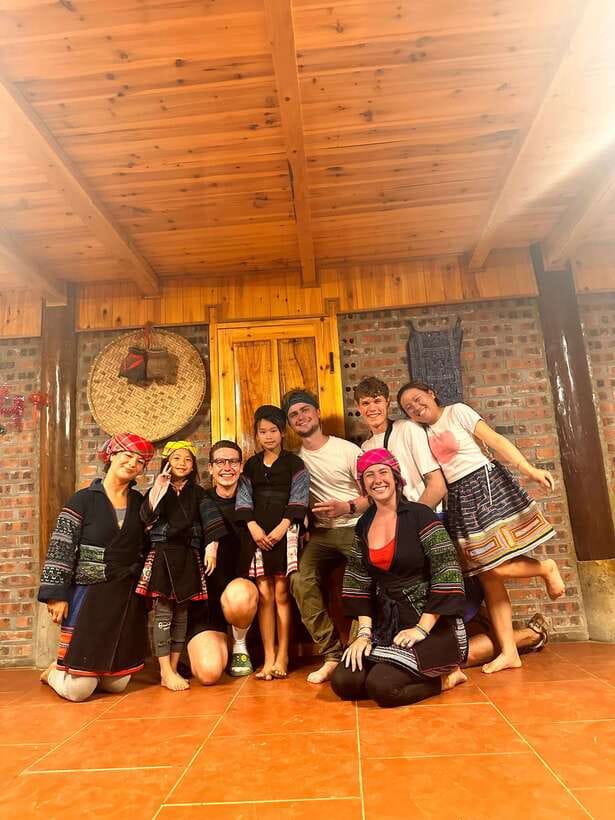
Arriving at Dinh’s family homestay is the reward at the end of day one. You can take a hot shower, rest, and enjoy the quiet setting before dinner. The accommodation is simple and authentic, with basic amenities rather than hotel-style facilities.
The lodging is described as a homestay, though several guests refer to it as a bungalow or a cozy room overlooking the rice fields. Expect a clean and comfortable place, but do not book this expecting a resort. The appeal is the setting and the family welcome, not luxury furnishings.
The evening includes an informal cooking session. You can help prepare a traditional meal with Dinh and her family, then sit down for dinner together. This is one of the strongest parts of the experience because food becomes a way to take part rather than simply consume a meal prepared for you.
Dinh also shares her story of supporting the education of ten local children. That gives the evening a personal and social purpose. Her students may perform a traditional dance to welcome you, and you can spend time with the children before joining in local drinking games with Happy Water, a name commonly used for rice wine.
The drinking is optional, and you should feel free to take part only as much as you like. The same applies to the cooking session. You can participate actively or simply watch and ask questions. Either way, the evening offers more contact with local life than a standard overnight stop.
More Trekking Tours in Sa Pa
- Sa Pa: Muong Hoa Valley Trek and Local Ethnic Villages
★ 4.6 · 864 reviews - Sapa: Eco Adventure Terrace Fields and Local Villages Trek
★ 4.9 · 636 reviews - Number one top rated ethical cultural trekking and homestay by ETHOS
★ 5.0 · 456 reviews - From Sapa: 1-Day Guided Trek to Lao Chai & Ta Van with Lunch
★ 4.9 · 416 reviews
Day two: bamboo forest, Giang Ta Chai, and Red Dao culture
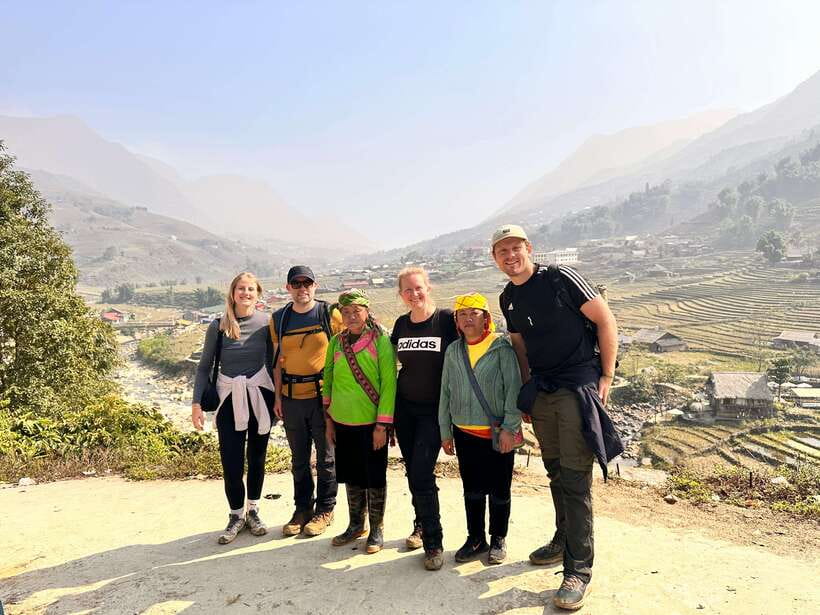
The second day begins with coffee or tea and breakfast at the homestay. This is a quiet start, with time to enjoy the mountain air before the walking begins again.
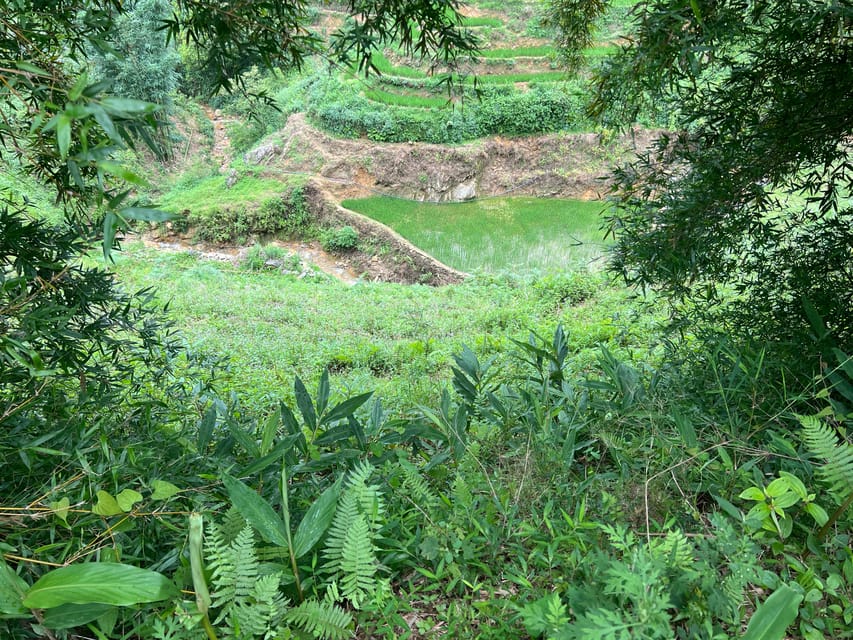
The route covers about 7 to 8 kilometers and takes around four to five hours. You walk through bamboo forest and rice terraces on the way to Giang Ta Chai waterfall. The forest changes the feel of the trip. After the open terraces and village paths of day one, the bamboo gives you shade and a more enclosed woodland walk.
At the waterfall, you may swim if you want. Bring suitable clothing if that appeals to you, but do not treat swimming as the main purpose of the stop. Water conditions and weather can affect how comfortable it is, and the time is also a chance to rest beside the falls.
The route then enters a Red Dao ethnic area. This provides another cultural contrast, much as the Hmong and Giay communities do on day one. Dinh can help explain the differences between the groups as you move through the region.
Eventually, you reach the main road for a final lunch with a local family. After eating, a taxi takes you back to Sapa. The trip ends between 2:00 and 3:30 PM, giving you part of the afternoon for onward plans, though I would avoid booking a tight train or bus connection until you know your exact return time.
What the $48 price really includes
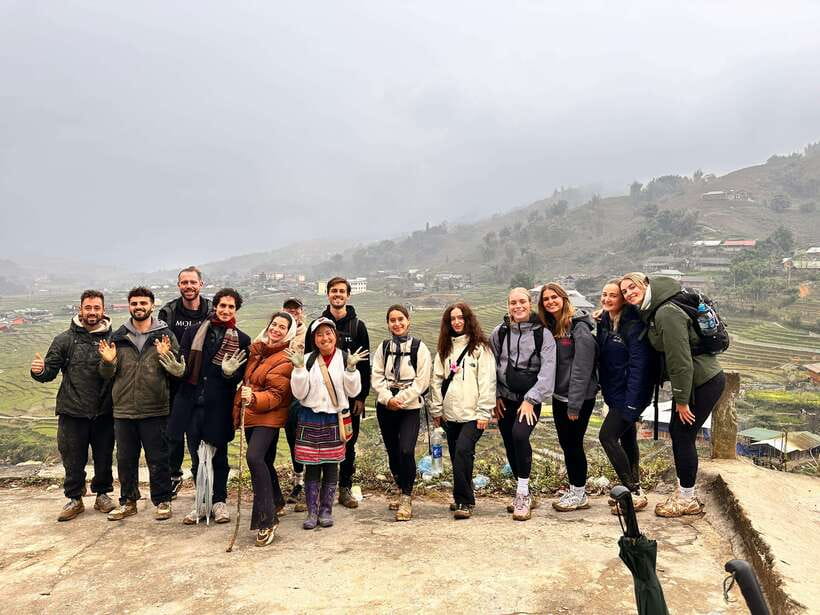
At $48 per person, this is a strong-value overnight trip. You receive two days of English-language guiding, entry fees for four villages, two lunches, one dinner, breakfast, one night with the family, drinking water, and transport back to Sapa.
That package matters in Sapa, where small extras can quickly add up. You are not paying separately for each village entrance or arranging your own return ride from the valley. The price also supports a local family and keeps the experience connected to the communities you visit.
You receive one large bottle of water per day. Bring a refillable bottle if you normally drink more during a hike, and carry snacks for the trail. Personal drinks, extra food, and souvenirs are not included.
A free T-shirt is provided at the end of your Sapa journey. It is a small extra, but it is a nice touch if you want a practical reminder of the trip.
The main value is not the room itself. It is the combination of guiding, meals, village access, family contact, and transport. If you want a polished hotel, private bathroom, and fixed restaurant menus, spend more on a different type of trip. If you want a simple base and a fuller connection with the area, this price makes sense.
What to pack for the 18-kilometer route
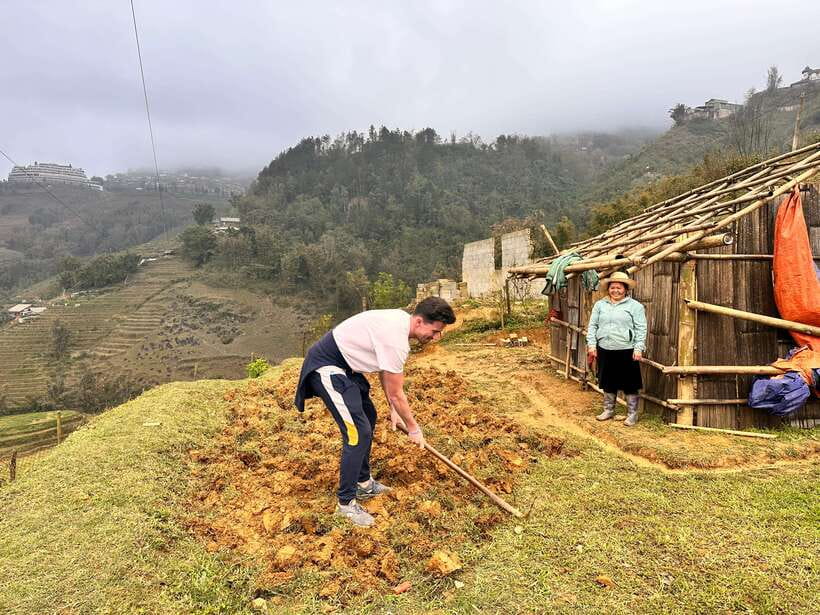
Pack lightly. You need walking shoes, a hat, sunscreen, snacks, water, and a camera. Good shoes matter most. Sandals may be fine around the homestay, but they are a poor choice for the full trail.
A small daypack is easier than a large suitcase. Arrange to leave bulky luggage in Sapa if that option is available through your accommodation, since the provided information only covers the tour itself and not luggage storage.
The weather in the mountains can shift, so a light extra layer is sensible, even though one is not specifically listed among the required items. Keep valuables and electronics protected if rain is possible. These are practical precautions for any two-day walk, not promises about exact conditions.
Book before 1:00 PM on the first day if you want the full itinerary. The usual start is 9:00 AM, so late booking may affect what can be arranged. Cancellation is allowed up to 24 hours in advance for a full refund, which gives you some useful flexibility.
Who will enjoy this trip most
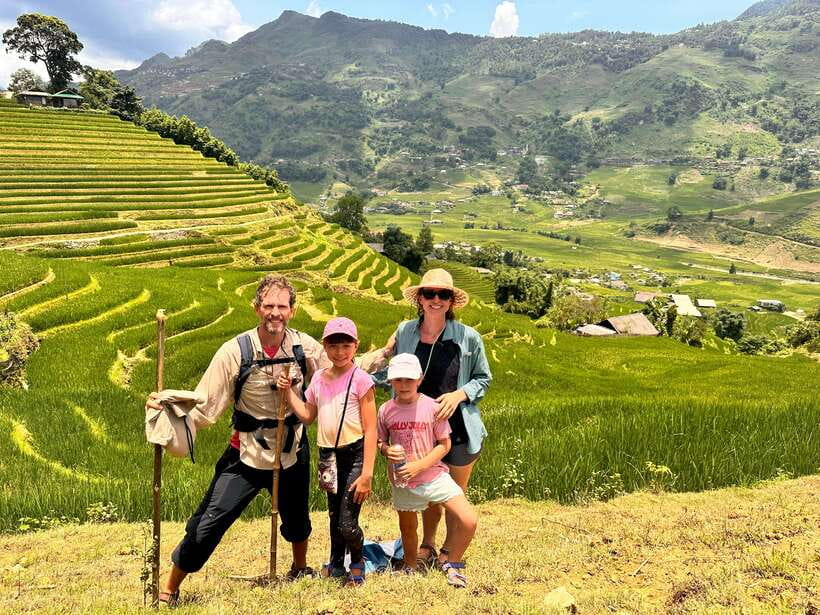
I would choose this for someone who wants Sapa scenery with a personal cultural connection. It suits couples, solo guests comfortable joining a group, and families with older children who can manage several hours of walking.
It is also a good fit if you prefer local meals, simple accommodation, and conversation over polished facilities. The cooking session, student performance, and family dinner give the trip a warm, social feel.
You may prefer another tour if your main goal is luxury, privacy, or very easy walking. The homestay has basic amenities, the route includes steep and uneven sections, and group pacing can be less predictable than a private trip.
The experience also depends heavily on weather and season. Rice fields look different across the year, and wet conditions can make paths harder. That does not remove the appeal, but you should arrive ready for a real mountain walk rather than a sightseeing transfer.
Should you book Dinh’s Sapa trek?
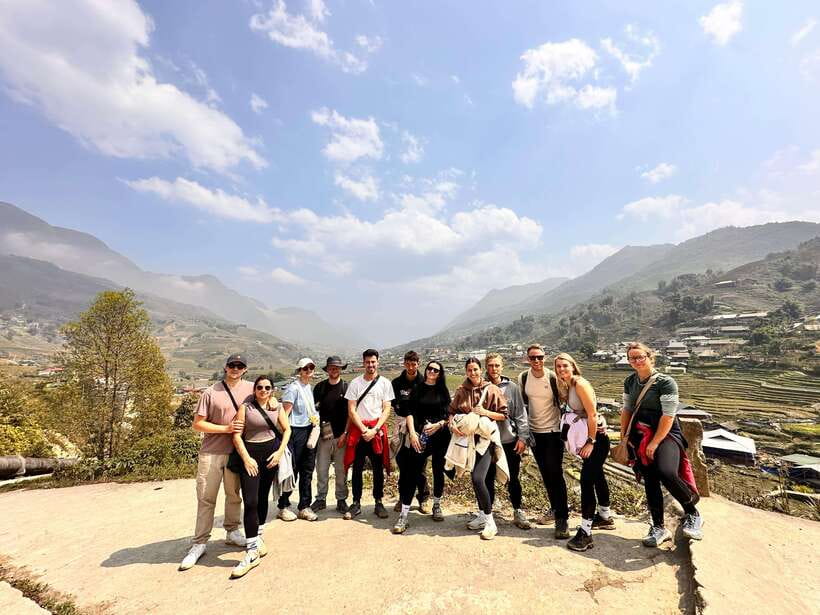
Book it if you want to walk through Muong Hoa Valley, learn directly from a Hmong guide, and spend the night with a local family. The strongest reasons are the personal hosting by Dinh and her sister, the cooking and family evening, and the amount included for $48.
Skip it if you need high-end lodging, have trouble with steep paths, or want complete control over the schedule. For the right person, this is an unusually good blend of rice terraces, village life, food, and family hospitality. Bring sturdy shoes, keep your expectations simple, and allow the mountain route to set the pace.
FAQ
How long is the trek?
The total distance is about 18 kilometers over two days and one night. Day one covers roughly 9 to 12 kilometers in about five and a half hours. Day two covers about 7 to 8 kilometers in four to five hours.
Where does the tour start?
The tour starts at 9:00 AM. Dinh meets you at your hotel in Sapa Town or in front of the local main church.
Where do you stay overnight?
You stay one night at Dinh’s family homestay in Ta Van. The accommodation is simple, authentic, and cozy, with basic amenities.
Are meals included?
Yes. The price includes two lunches, one dinner, and one breakfast. Personal snacks and drinks besides the supplied water are not included.
Is swimming at the waterfall required?
No. Swimming at Giang Ta Chai waterfall is optional. You can enjoy the waterfall and surrounding area without swimming.
Who should avoid this trek?
The trek is not suitable for pregnant people, anyone with back problems or mobility impairments, people afraid of heights, people with vertigo, or anyone over 70. The route includes steep and uneven terrain.
Latest treks added in Sa Pa
- Soob Sapa Trekking Tour★ 4.3 · 3 reviews
- Sapa: Y Linh Ho – Lao Chai, and Ta Van Trekking Day Tour★ 5.0 · 25 reviews
- Sapa Trekking Private Tour With Ethnic Female Tour Guide★ 4.9 · 24 reviews
- Sapa Trekking – Waterfalls And H’mong Villages★ 5.0 · 2 reviews
- Sapa: Ta Phin Village Trek with Lunch and Bathing Experience★ 4.7 · 13 reviews
- Sapa Trekking Guide Francophone 2 days – 1 night★ 5.0 · 2 reviews
- Sapa: Trekking Through Terraced Rice Fields & Valley 1 Day★ 4.8 · 4 reviews
- Sapa small groupe activities: 1 Day trek – Meet the locals★ 4.7 · 3 reviews
Sapa Trekking Tours, compared.
Muong Hoa Valley Trek and Local Ethnic Villages
Read our review →
Eco Adventure Terrace Fields and Local Villages Trek
Read our review →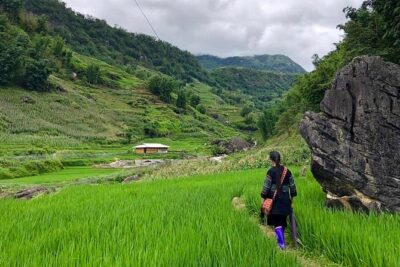
Number one top rated ethical cultural trekking and homestay by ETHOS
Read our review →
1-Day Guided Trek to Lao Chai & Ta Van with Lunch
Read our review →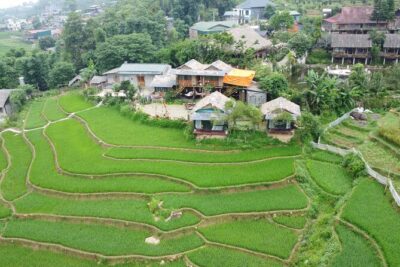
Sapa 1 Day Long Trek: Trek to Hau Thao and Sa Seng Villages
Read our review →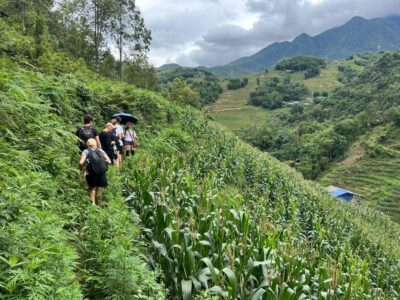
Explore Sapa by TrekkingAdventures, Mountain,Rice fields
Read our review →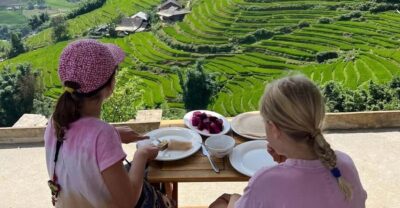
EXPLORE SAPA: 2D1N TREKKING & HMONG CULTURE WITH DINH
Read our review →Browse the lists this tour appears in